REVIEW · DINING EXPERIENCES
Kyoto Gion Cultural Walk & Geisha Show with Dining Options
Book on GetYourGuide →Operated by Ken's Tours Kyoto · Bookable on GetYourGuide
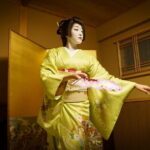
Gion can feel like a movie set from the sidewalk, then reality clicks when you learn how the tradition works. This Kyoto walk pairs a guided stroll through the geisha district with a live Maiko performance and time to ask questions over a meal or tea.
Two things I really like: the small group size (max 8) keeps the experience personal, and the chance to meet a Maiko apprentice turns geisha culture from a vague idea into real, lived practice. You’ll also get a guide who talks with respect for the community, not a loud parade for photos.
One possible drawback: this isn’t set up for everyone. Large bags and luggage aren’t allowed, and it’s not suitable for mobility impairments, so wear comfortable walking shoes and travel light.
In This Review
- Key highlights at a glance
- Gion, geisha, and why this walk feels more real than a show alone
- Meeting point and how the Gion walk sets the tone in 90 minutes
- Miyagawasuji dance show: what you’re watching and why it’s placed in the story
- The 50-minute Maiko Q&A: the moment that makes this tour different
- Lunch, tea break, or dinner: choosing the right time slot for your appetite and pace
- Lunch plate option
- Tea break option
- Dinner option with sharing plates
- Price and value: what $108 actually buys in Kyoto terms
- Logistics that matter: time, walking comfort, and what to bring
- Who this tour is best for (and who might want to skip it)
- Should you book this Gion Cultural Walk and Maiko show?
- FAQ
- Where does the tour start?
- How long is the experience?
- How big is the group?
- Is the tour offered in English?
- What is included in the Maiko part?
- What food options are available?
- Is the tour suitable for people with mobility impairments?
- Can I reserve now and pay later?
- FAQ
- Can I cancel for a full refund?
Key highlights at a glance
- Gion District walk led by an English-speaking guide (small group, max 8)
- Start at the Izumo-no-Okuni statue near Keihan Gion Shijo Station (exit 4)
- Maiko dance show in a traditional setting in Miyagawasuji
- 50-minute Maiko meeting with Q&A plus a short performance (one or two songs)
- A meal plan that matches your time of day: lunch plate, tea break, or dinner-sharing plates
Gion, geisha, and why this walk feels more real than a show alone
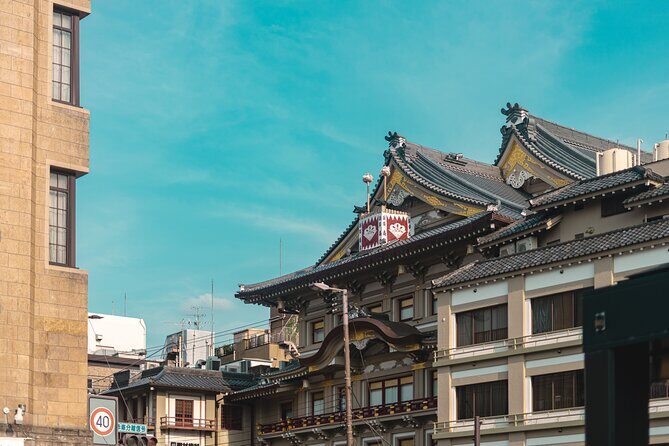
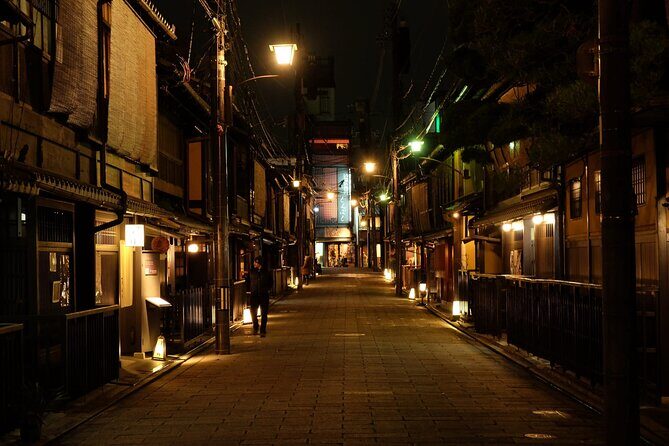
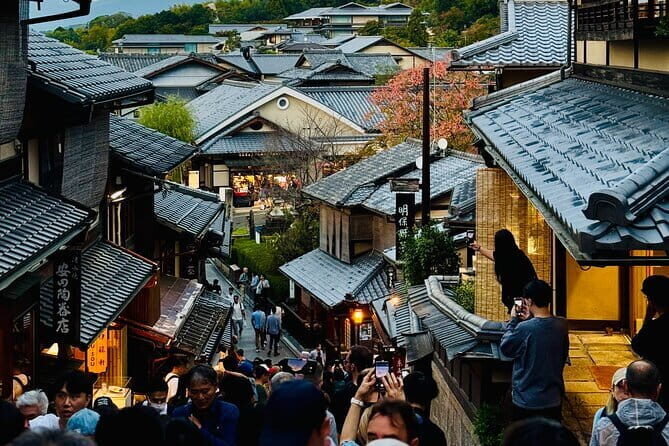
Kyoto’s shrines and temples get all the postcards, but the streets of Gion are where you feel how culture moves through daily life. This tour works because it doesn’t ask you to only watch from the outside. You start by understanding the neighborhood, the routines, and the rules of respect, then you meet a Maiko and ask the questions you actually want answered.
A good guide makes a big difference here. From the names that keep coming up, guides such as Kenta and Akari are praised for answering questions clearly and correcting common Hollywood myths with historical context and real-world nuance. That matters, because geiko and maiko aren’t costumes meant for entertainment. They’re part of a long-standing arts culture with strict expectations about privacy and behavior.
And yes, the performance portion is a highlight. But the real payoff is what happens before and after: the walk gives you a map of the district, and the Maiko meeting gives you a human perspective, not just a cultural lecture.
You can also read our reviews of more walking tours in Kyoto



Meeting point and how the Gion walk sets the tone in 90 minutes
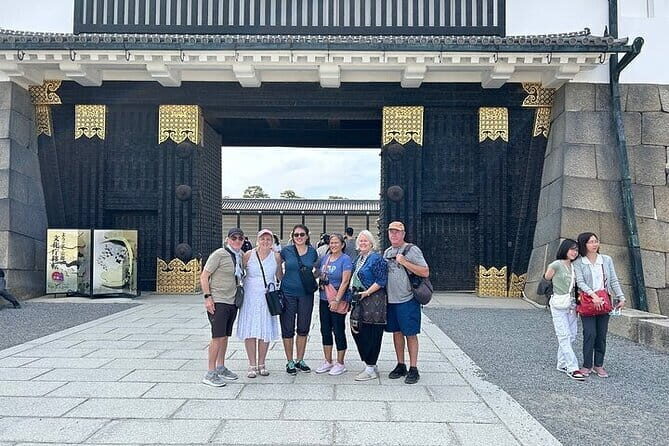
The tour begins in a very Kyoto way: at the statue of Izumo-no-Okuni, in front of the area near exit 4 of Keihan Gion Shijo Station. It’s an easy landmark to find, and it signals that you’re entering the historic entertainment world from the right starting point.
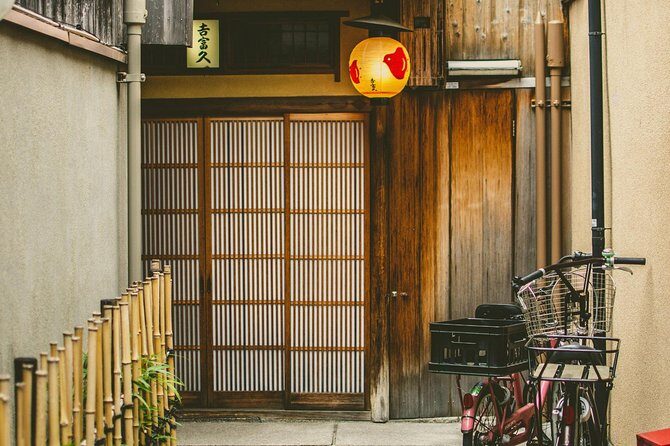
From there, your guide leads your Gion walk (about 1.5 hours) at a moderate pace. This is not a rapid-fire “see everything” sprint. The route is designed to help you notice details you’d otherwise miss—lane layout, how the district is organized, and the little cultural cues people follow in that space.
What you’re really learning during the walk:
- The history and purpose of geisha arts in Kyoto, including how the role evolved into a refined performance tradition.
- The ritual side—not just what you see, but the idea that there are routines behind the scenes.
- The daily lifestyle context, so the Maiko meeting later doesn’t feel random or staged.
You’ll also get built-in help with etiquette. In reviews, guides are repeatedly described as attentive to making sure the group doesn’t accidentally behave in ways that would be disrespectful toward residents and performers. That’s one of those “quiet” values that turns a fun outing into a genuinely good one.
Practical note: the tour doesn’t work with heavy carrying. If you arrive with big luggage, you’ll have a harder time matching the pace and setup. Go with a small day bag or nothing bulky.
Miyagawasuji dance show: what you’re watching and why it’s placed in the story
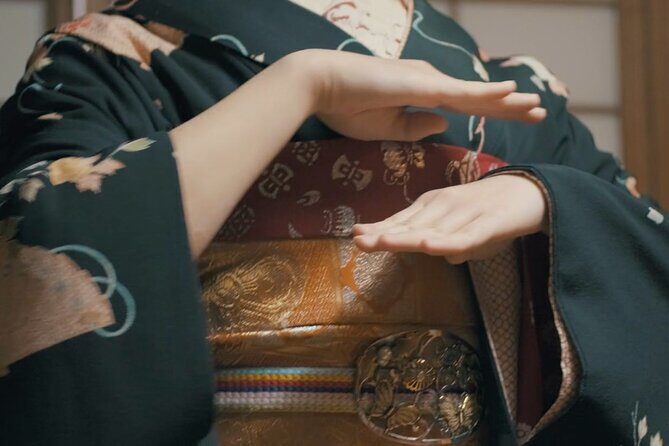
After the walking segment, the tour shifts to the Miyagawasuji area for the traditional dance show portion (about 1.5 hours). This change of scenery matters. Miyagawasuji is part of the same historic entertainment ecosystem as Gion, but the setting gives the performance room to be what it is: controlled, focused, and meant for attentive viewing.
During this portion, you’re not just watching movement. Your guide frames what you’re seeing—how a Maiko’s performance functions inside the broader geisha arts world. You’ll likely hear explanations that separate the real tradition from popular myths, like exaggerated stories that reduce geiko culture to gimmicks.
Also, many people expect a “show and leave” format. This one doesn’t do that. The dance show is a bridge to the later 50-minute meeting, where the conversation and Q&A make the performance personal.
In short: the show gives you the art. The walk and the meeting give you the context.
The 50-minute Maiko Q&A: the moment that makes this tour different
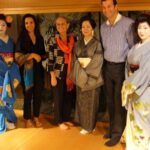
Here’s the reason this tour scores so high: you don’t only see a Maiko. You get time with her.
The included Geisha meeting (about 50 minutes) centers on:
- A Q&A session where you can ask questions
- A short live performance segment (described as one or two songs)
This is the part that turns abstract curiosity into specific understanding. People often come in wondering about training, daily life, skills, and roles. The format you get—questions first, then performance—helps you connect what you learned on the walk with what you’re seeing up close.
Guides are also praised for being careful and supportive during this portion. If you’ve ever watched a group forget where it is (too loud, too pushy, too many phones), you’ll appreciate the way the tour structure keeps everyone respectful.
Photo etiquette is a point to watch. Some participants mention that you may be allowed to take pictures during the interaction, but you’ll also receive instructions about privacy and how photos should be handled. Follow whatever guidance you’re given, especially if there’s a request not to post images online.
One more detail that comes up in reviews: the Maiko meeting can feel lively, not stiff. People describe a fun, human vibe—poised, polite, and engaging—so it’s not just formal Q&A.
Lunch, tea break, or dinner: choosing the right time slot for your appetite and pace
The tour gives you three dining options, and which one you pick changes the tone of the evening.
You can also read our reviews of more tours and experiences in Kyoto



Lunch plate option
If you choose the lunch timing, you get a Japanese lunch plate. Expect something thoughtfully arranged, not a huge buffet. In reviews, people note meals can be on the lighter side—more about experience than filling your stomach.
Tea break option
If you pick the tea break, you’ll get a cup of tea during the tour. Reviewers mention a tasting-style feel, including tea with a distinct flavor described as orange tea. The tea stop is a good choice if you’d rather keep the rest of your day flexible.
Dinner option with sharing plates
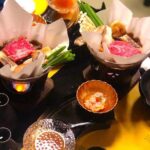
If you choose dinner, you’ll get dinner-sharing plates—described as eight different foods. This is often the most rewarding option if you want the full evening atmosphere. Reviews also mention a kaiseki-style feel, where each dish is presented with care. Again, it may not be huge comfort-food volume, but it’s usually satisfying as a cultural meal.
How to choose fast:
- Want the art + a softer schedule? Tea break
- Want the district during the day and a tidy meal? Lunch
- Want the most atmospheric sit-down with multiple courses? Dinner
Also remember: because this is built around a Maiko interaction, meal timing is part of the flow. Don’t plan to eat a heavy breakfast and assume you’ll feel fine—some people report the meal is beautiful but not extremely filling.
Price and value: what $108 actually buys in Kyoto terms
At $108 per person for around 3 hours, this tour isn’t trying to be the cheapest thing in Kyoto. It’s priced like an access-and-context experience.
Here’s the value breakdown:
- You get a live English guide and a structured walk through Gion.
- You get a live Maiko experience, including Q&A and a short performance.
- You get a meal component: lunch plate, tea, or dinner-sharing plates depending on your option.
- You’re in a small group limited to 8, which makes it easier to hear explanations and ask questions.
For me, the key is that you’re paying for more than a building and a ticket. You’re paying for time with an apprentice performer plus the cultural scaffolding that helps you understand what you’re seeing without turning it into a cringe tourist spectacle.
If you love Kyoto but get annoyed by “look, then move on” tours, this is the kind that slows down just enough to feel respectful and memorable.
Logistics that matter: time, walking comfort, and what to bring
A few practical notes that can make your day smoother:
- Duration: about 210 minutes (3 hours).
- Group size: up to 8 people.
- Language: English live guide.
- What to bring: plan for a no-luggage rule. Luggage or large bags aren’t allowed, so pack light.
- Mobility: not suitable for mobility impairments.
What I’d do before you go:
- Wear shoes you can walk in comfortably for an urban district pace.
- Keep your day bag small enough that you won’t be awkward in tight lanes or at the venue.
- Bring curiosity. The Maiko Q&A is where your questions matter most.
Also, if you’re visiting Kyoto in cool seasons, you might want a light layer. The walk is outdoors, and while the schedule stays human-scaled, you’ll still be standing and walking as you go.
Who this tour is best for (and who might want to skip it)
This is a strong fit if you:
- Want an experience focused on real cultural context, not generic trivia
- Enjoy asking questions and learning through conversation
- Appreciate a structured small-group setup instead of big crowds
- Want a respectful introduction to geisha/geiko/maiko roles in Kyoto
You might want to skip it if you:
- Need an itinerary that works with mobility limitations
- Prefer purely self-guided sightseeing with no dining portion
- Want a long, heavy meal experience (this is more about presentation and access than stuffing yourself)
Should you book this Gion Cultural Walk and Maiko show?
If you’re going to Kyoto and Gion is calling your name, I’d book this—especially if you care about getting the story right. The mix of Gion walking context, a traditional dance show, and that 50-minute Maiko Q&A is what makes it feel worth the price.
Two things will decide whether it’s perfect for you:
- You want to learn the culture in a respectful way, not just take photos and move on.
- You’re okay with the experience being structured around a smaller meal or tea stop, depending on your chosen time slot.
If that sounds like you, this is one of those Kyoto activities that doesn’t just entertain. It teaches you how to see the district with smarter eyes.
FAQ
Where does the tour start?
You meet in front of the statue of Izumo-no-Okuni, near exit 4 of Keihan Gion Shijo Station.
How long is the experience?
The tour runs for 3 hours (210 minutes).
How big is the group?
It’s a small group limited to 8 participants.
Is the tour offered in English?
Yes. The tour includes an English live tour guide.
What is included in the Maiko part?
The tour includes a 50-minute Geisha meeting with Q&A and a Maiko performance with one or two songs.
What food options are available?
Depending on your selected option, you’ll have Japanese lunch plate (lunch option), a cup of tea (tea break option), or dinner-sharing plates of 8 different foods (dinner option).
Is the tour suitable for people with mobility impairments?
No, it’s not suitable for people with mobility impairments.
Can I reserve now and pay later?
Yes. The booking offers a reserve now & pay later option (pay nothing today).
FAQ
Can I cancel for a full refund?
Yes. You can cancel up to 24 hours in advance for a full refund.