REVIEW · COOKING CLASSES
Kyoto: Ramen Bowl Painting and Michelin Cooking Class
Book on GetYourGuide →Operated by Musoshin Fit inc. · Bookable on GetYourGuide
A ramen class with an art project sounds fun on paper. In Kyoto, this one turns that idea into a real meal and a real keepsake. You’ll paint a custom ceramic bowl or spoon, then build and eat Musoshin’s ramen, which is Michelin-nominated in Toronto.
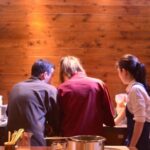
What I like most is the mix of hands-on cooking plus calm, creative painting. The hosts you’ll meet in the room (often led by Shin, with staff like Sherry) keep things friendly and moving at a good pace, even when kids are involved.
One thing to consider: the cooking side is more about assembling and finishing a bowl than learning every detail of broth-making from scratch, since the soup, noodles, and sauces are already prepared. If you’re expecting a full back-to-the-bottle culinary workshop, you may want to set your expectations.
In This Review
- Key highlights you actually feel in the room
- Painting Your Ramen Bowl or Spoon in a Kyoto Workshop
- Michelin-Nominated Musoshin Ramen: Why This Meal Tastes Serious
- The Build Phase: How You Assemble Your Own Bowl
- What You Take Home: Same-Day Ceramic vs Free Kiln Firing
- Dietary Options That Don’t Feel Like an Afterthought
- The Hosts, the Pace, and the Photo Moments
- Duration, Group Size, and When to Schedule It
- Price and Value: Does $64 Make Sense in Kyoto?
- Who Should Book This Class (and Who Might Want a Different Option)
- Should You Book: My Take on This Kyoto Ramen Class
- FAQ
- What is included in the class price?
- Can I take my painted ceramic home the same day?
- What if I want it fired in the kiln?
- How long does the experience take?
- Are there gluten free, vegetarian, and vegan options?
- Does the class use English and Japanese?
- Is it family friendly and suitable for kids?
- Is shipping included if I want the ceramic sent to my next hotel?
- FAQ
- What is the cancellation policy?
- Can I reserve and pay later?
Key highlights you actually feel in the room
- Custom ramen bowl or spoon painting you can take home right away
- Michelin-nominated Musoshin ramen served after you assemble toppings
- Free kiln firing of your painted ceramic for pickup the next day
- Real in-house ingredients: noodles made in-shop each morning, soup simmered for 12 hours
- Dietary options including gluten free, vegetarian, and vegan ramen
- Small-group setup with English and Japanese support
Painting Your Ramen Bowl or Spoon in a Kyoto Workshop
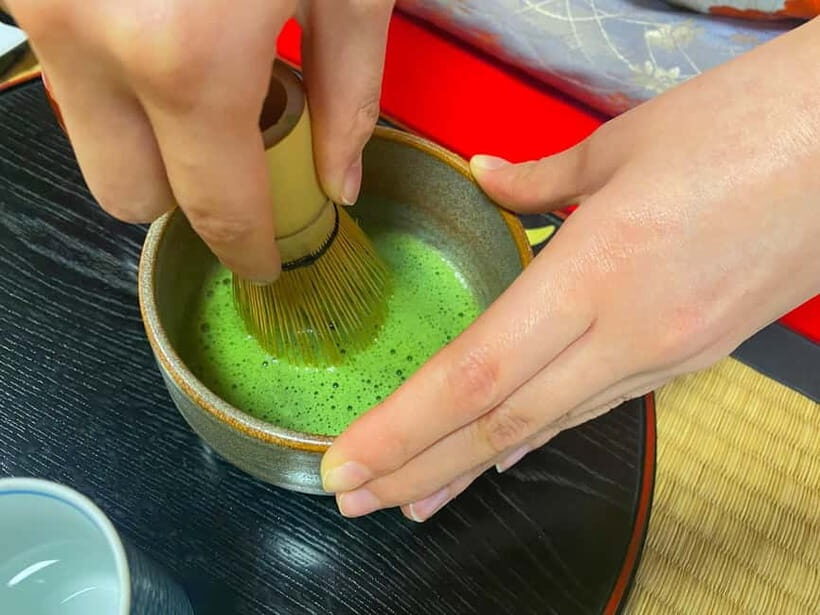
The start of this experience is delightfully low-pressure: paint your own ramen bowl or spoon. You’re given a set-up designed for making something you’ll actually want to use again later, not just a quick souvenir craft.
You’ll likely choose between the bowl and the spoon depending on your travel style. I like that the class gives you that choice because it changes the logistics of your trip. A spoon is often easier to pack, while the bowl is a bigger statement piece. Either way, you’re making something personalized, and that personalization makes the whole meal afterward feel like it belongs to your trip.
This part also works as a reset for the day. Kyoto can be fast and crowded, and painting gives you a quieter moment where kids and adults can focus. People also pick up on the extra atmosphere in the room: Japanese décor, including samurai-themed touches, makes it feel more like a ramen studio than a generic cooking school.
Quick tip: go in with at least a rough idea. Some people found they didn’t have much time to plan from scratch once they were seated, so having a simple theme helps you finish something you’re genuinely proud of.
You can also read our reviews of more cooking classes in Kyoto

Michelin-Nominated Musoshin Ramen: Why This Meal Tastes Serious
Musoshin Ramen started in Kyoto in 2022 and has since expanded to multiple locations in Kyoto and Toronto. The key detail for you: the recipe is described as the same across locations, and the Toronto side has been nominated for Michelin for three consecutive years.
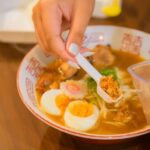
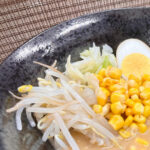
What that means in practice is that you’re not just eating “a ramen set.” You’re eating ramen built from an operation that treats prep like a craft. The workshop emphasizes that they make key components in-house: noodles every morning, then resting overnight for the next day; soup cooked for 12 hours; and handmade ramen soy sauce and roast pork.
The class also makes a point about where ingredients come from. The ingredients used in your workshop are professionally prepared and sourced from Musoshin’s Gion location, which matters because it keeps your class time from turning into a half-day kitchen marathon.
Why this matters for value: at $64 per person, you’re paying for more than the novelty of painting. You’re paying for a meal that has restaurant-level ingredients behind it, plus staff who guide you through assembling it correctly.
The Build Phase: How You Assemble Your Own Bowl
After the painting part, the experience shifts to the ramen build. You’ll cook with ingredients brought in from Musoshin, and you’ll assemble your bowl yourself instead of watching everything happen behind a counter.
This is where the class becomes memorable. It’s interactive in the right way: you’re not just holding a spoon while someone else does the work. You’re making choices on your toppings and arrangement, and that personal touch is part of why the final bowl feels special.
The flow usually looks like this:
- you’re guided through what each ingredient does
- you put together your bowl in the correct order
- you finish and eat together as a group
The pace tends to work for mixed ages because the “hands-on” portion is structured. Kids can paint calmly, then get involved during assembly without needing advanced knife skills or deep culinary timing.
One note for food nerds: since the broth and main components are already prepared, you might not learn every minute of broth chemistry. A couple of participants described the cooking portion as closer to ramen construction than a full-from-scratch lesson. Still, you get the practical know-how you’d actually use to order with understanding and assemble toppings like a pro at home.
What You Take Home: Same-Day Ceramic vs Free Kiln Firing
Your painted ceramic isn’t just a decoration that lives in a drawer. You have a couple of take-home options, and this is one of the smartest parts of the experience.
- You can take the ceramic home the same day it was created for decoration.
- Or you can choose to have your piece fired in a kiln for free, then pick it up the next day.
That free kiln firing is a big deal for value because it turns your craft into something that can be used later, not just displayed. And if you’d rather keep things simple for packing, the same-day take-home route means you don’t have to build pickup time into your schedule.
If you’re thinking long-term, consider using the bowl for serving or displaying—either way, it becomes a functional reminder of your Kyoto day. One small practical note: if you later request shipping to your next hotel, shipping costs aren’t included. So plan on carrying it if you can.
Dietary Options That Don’t Feel Like an Afterthought
This class explicitly offers gluten free, vegetarian, and vegan ramen options. That matters because a lot of food experiences fail when dietary needs show up. Here, the menu is set up so those options are part of the experience, not a separate “someone will figure it out” workaround.
In a practical sense, you’ll want to book with your dietary needs stated upfront. Since ingredients are professionally prepared and sourced from specific Musoshin locations, making sure you’re on the correct option in advance helps everything stay smooth during service.
If you’re traveling with kids, the options also reduce the “everyone eats something different” problem. Families often prefer sharing one central activity, and dietary compatibility makes that easier.
You can also read our reviews of more tours and experiences in Kyoto


The Hosts, the Pace, and the Photo Moments
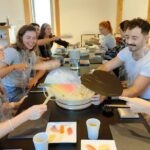
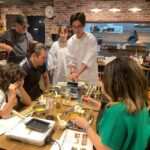
This experience shines because the room runs like a friendly workshop. The staff is described as accommodating and kind, with many classes supported by hosts led by Shin and sometimes Sherry, plus other team members like Amir, Miki, and Mickey (names showing up across different groups).
You’ll likely get a lot of attention during both phases:
- help while painting so your design idea becomes real
- guidance during ramen assembly so you don’t feel lost at the stove
- photo-taking support so you have proof that the bowl in your hands is yours
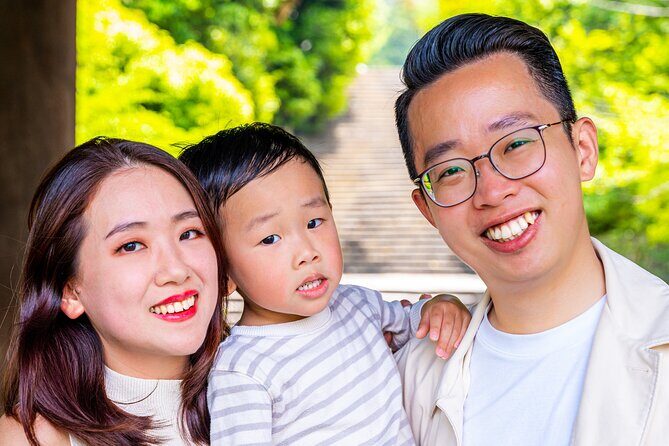
For families, this matters. Kids get involved more when someone checks in and keeps the steps understandable. For solo travelers, it helps too because you’re not just a number in a queue—you get personal attention and an easy flow into conversation.
Duration, Group Size, and When to Schedule It
The class runs about 1 hour to 90 minutes, depending on the session time you choose. It’s offered as a small-group experience, with instructors who speak English and Japanese.
Why that timing range matters: you can fit it into a day without losing half your afternoon. It also keeps the painting portion from dragging. In Kyoto, it’s smart to pick experiences that don’t stretch into late dinner hours unless you’re intentionally doing nightlife plans.
Best scheduling approach: if you want the finished, kiln-fired ceramic pickup next day, plan your itinerary so you’ll be in the area tomorrow (or at least can pick it up and move on). If you’re short on time, take the ceramic home same day.
Price and Value: Does $64 Make Sense in Kyoto?
At $64 per person, you’re paying for three things at once:
1) a guided, structured workshop
2) a Michelin-nominated quality ramen meal
3) a custom ceramic souvenir with the option for free kiln firing
In most cities, a class plus a meal can easily cost more, especially when the food itself is restaurant-grade. Here, the ramen ingredients are presented as carefully built: noodles made in-shop and rested overnight, soup simmered for 12 hours, and handmade soy sauce and roast pork. That prep system is the backbone of why the class meal can feel like the real deal.
Also, you’re not paying for “painting only.” You’re paying for the full arc: create, assemble, eat, and take home something physical. That’s why even people who came for the fun craft usually ended up talking about the ramen as the highlight.
The main potential mismatch is expectation. If you want a full culinary lesson where you make broth from scratch in front of your eyes, you might feel the class doesn’t spend enough time on those steps. But if you want a great ramen you can build with guidance, this is priced like a fair trade.
Who Should Book This Class (and Who Might Want a Different Option)
This experience is best for:
- families with kids who need an activity that’s fun and structured
- couples or friends who want a memorable food-based souvenir
- travelers who like hands-on cooking but don’t want to spend a whole day in the kitchen
- anyone who wants vegetarian, vegan, or gluten free ramen options in the same setting
It may not be perfect for:
- people who want a deep, technical broth workshop
- those who prefer free-form art time with lots of customization beyond basic painting supplies
- travelers who dislike waiting for kiln pickup if they plan to use that option
Still, even the “more assembly than cooking” point tends to be offset by the quality of the meal and how guided the assembly is.
Should You Book: My Take on This Kyoto Ramen Class
Yes, I’d book it if your goal is one strong Kyoto day that combines creativity and a top-quality ramen meal. The pricing feels fair because you leave with both a personalized ceramic keepsake and Michelin-nominated style ramen built with in-house preparation details.
I’d also book it with confidence if you’re traveling with dietary needs, since gluten free, vegetarian, and vegan ramen options are explicitly available. And if your group includes kids, the small-group format and staff attention make it one of those rare food experiences that works for the whole family.
My only caution is expectation-setting. Go for the interactive build and the restaurant-level ramen quality, not for a full “make every component yourself” day. If you’re okay with that, this class becomes the kind of Kyoto memory you can hold in your hands long after the bowl is empty.
FAQ
What is included in the class price?
The price includes Michelin-nominated Musoshin Ramen, the Musoshin ramen bowl and/or spoon option (depending on what you choose), a Musoshin bandana (as listed), and free kiln baking of your designed ceramic.
Can I take my painted ceramic home the same day?
Yes. The ceramic you paint can be taken home the same day for decoration.
What if I want it fired in the kiln?
You can have your painted ceramic fired in a kiln for free, and you can pick it up the next day.
How long does the experience take?
The duration is listed as 1 hour to 90 minutes, depending on the starting time and availability.
Are there gluten free, vegetarian, and vegan options?
Yes. Gluten free, vegetarian, and vegan ramen options are available.
Does the class use English and Japanese?
Yes. The instructor is listed as English and Japanese.
Is it family friendly and suitable for kids?
It’s described as family friendly, with comments highlighting that it’s a great experience for children.
Is shipping included if I want the ceramic sent to my next hotel?
No. Shipping costs to deliver the painted items to your next hotel are not included if requested.
FAQ
What is the cancellation policy?
Free cancellation is available up to 24 hours in advance for a full refund.
Can I reserve and pay later?
Yes. The experience offers reserve now and pay later, meaning you can book without paying today.