REVIEW · GION DISTRICT WALKING TOURS
KYOTO: Tempio Kiyomizu Pagode Gion “Geisya” (Guida Italiana)
Book on GetYourGuide →Operated by Agenzia Turisti Italiani in Giappone · Bookable on GetYourGuide
Kyoto looks postcard-perfect, but this tour explains what’s behind it. I love the way the guide (Omae) speaks Italian with confidence and answers questions on the spot. I also like that the route is built around the old pilgrimage streets, with story-focused stops instead of a rushed checklist.
If you’re hoping for lots of free time to wander alone for an hour or two, this format may feel a bit structured: it’s a set 5-hour experience with guided time at each key area. You’ll still have moments to soak it in, but don’t expect total freedom.
In This Review
- Key highlights
- Why this Italian Kiyomizu and Gion route makes sense
- Getting there at Kyoto Station without stress
- The short coach ride to Kiyomizu-dera (and why it matters)
- Kiyomizu-dera in guided focus (the 1-hour temple visit)
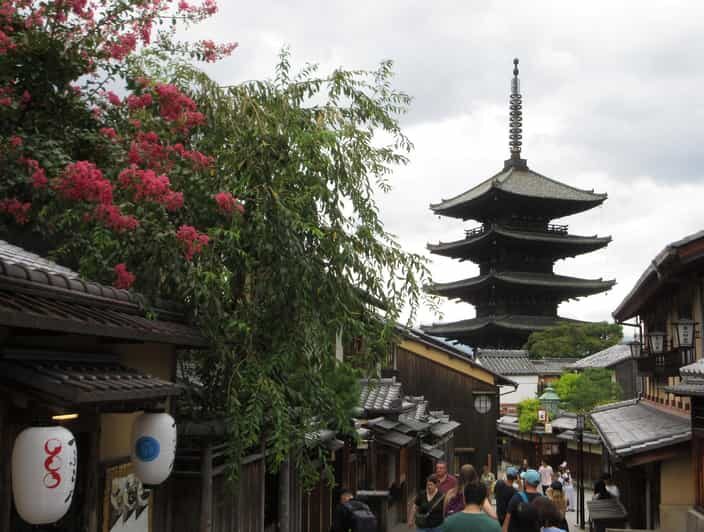
- The walk from Sannenzaka to Ninenzaka: the old street rhythm
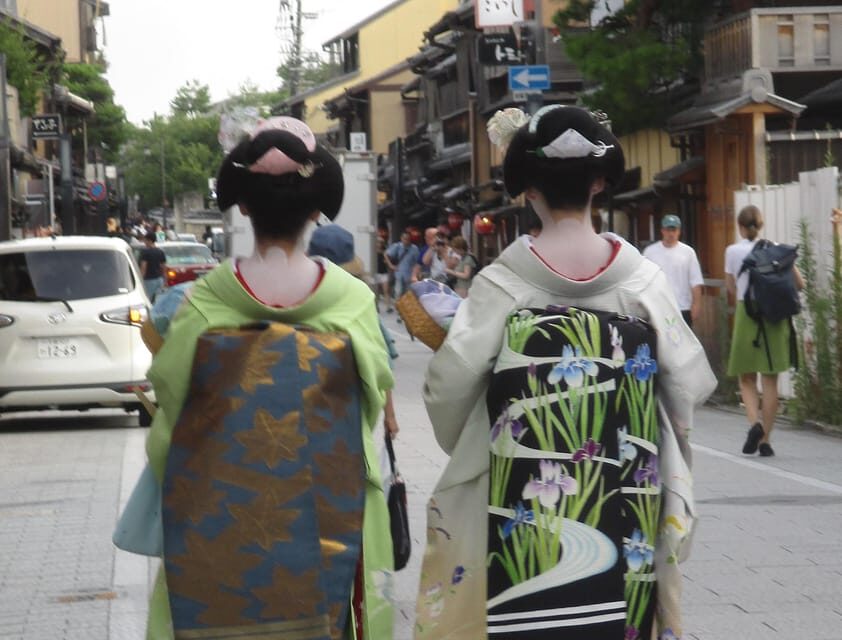
- Gion in a guided pocket: seeing the neighborhood, not just passing it
- Passing Kyōto Minami-za, then finishing near Pontocho
- Price and value: is $117 fair for 5 hours?
- What makes Omae’s guiding style especially useful
- Who this tour is best for (and who should choose differently)
- Practical tips to make the day smoother
- Should you book this Italian Kyoto tour?
- FAQ
- What language is the tour guided in?
- How long is the tour?
- Where do we meet in Kyoto Station?
- Is transport included in the price?
- Are entrance tickets included?
- Can I request changes to the schedule?
- Is the tour wheelchair accessible?
Key highlights
- Italian live guide (Omae) who keeps explanations clear and responsive
- Transport + entrance tickets included so you’re not juggling costs mid-trip
- Kiyomizu-dera plus the approach streets, not just one temple photo stop
- Sannenzaka and Ninenzaka lanes on foot, with a natural flow into Gion
- Gion visit guided, then a smooth finish near Pontocho for your next bite
- Friendly support for participants, plus flexibility when possible
Why this Italian Kiyomizu and Gion route makes sense
Kyoto has a way of feeling both famous and complicated. This tour helps you connect the dots. You start in the area around Kyoto Station, ride over briefly, then walk through the traditional streets that pilgrims and locals have used for centuries to reach Kiyomizu-dera. The result: you’re not just seeing monuments—you’re seeing how people move, worship, shop, and socialize in the same corridors.
What I like most is the balance. The walk gives you the sights you came for, but the guide’s focus stays on the historical, cultural, and religious details you’d probably miss if you were moving alone. And because the guide is Italian, it’s not a “basic overview” translation situation. Omae’s explanations are direct, and he answers questions along the way—exactly what you want when Kyoto starts throwing you curveballs like timelines, place names, and etiquette.
The price is also easier to justify because it isn’t just “a guided lecture.” You’re covering a 5-hour experience that includes transportation and entrance fees for the scheduled monuments. That matters in Kyoto, where a bunch of “optional” add-ons can creep into your budget fast.
You can also read our reviews of more tours and experiences in Kyoto.


Getting there at Kyoto Station without stress
Your meeting point is specific, and that’s a good thing. You meet at Kyoto Station at the North Entry area (Karasuma-Guchi), in the space between the four escalators in front of the cab terminal. The instructions even help you orient yourself: if you look from there, you can see Kyoto Tower in front of the station, up to the left.
One practical tip: arrive a touch early and use the email confirmation you’ll get the day before. It’s there to spell out the meeting point again so you can find the group quickly. In a station as busy as Kyoto Station, saving time before you even start walking makes a big difference.
And yes, this tour is wheelchair accessible, so the route is planned with that in mind. Even if you’re not traveling with mobility needs, it’s a sign the logistics are thought through rather than improvised.
The short coach ride to Kiyomizu-dera (and why it matters)
You’ll take a bus/coach for about 15 minutes from Kyoto Station to the Kiyomizu-dera area. I like this because it prevents the “all day transportation shuffle” feeling. Kyoto is walkable, but it’s also big. That quick ride gets you into the right neighborhood so you can spend your time doing the meaningful part: the pilgrimage streets and the temple visit.
During the ride and early on, your guide’s role becomes clear. He helps you get oriented before you start walking. That early context makes the next steps easier: once you understand the flow of the old route—how you move from street to shrine to temple—the whole experience clicks.
Kiyomizu-dera in guided focus (the 1-hour temple visit)
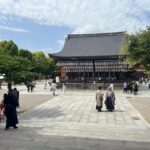
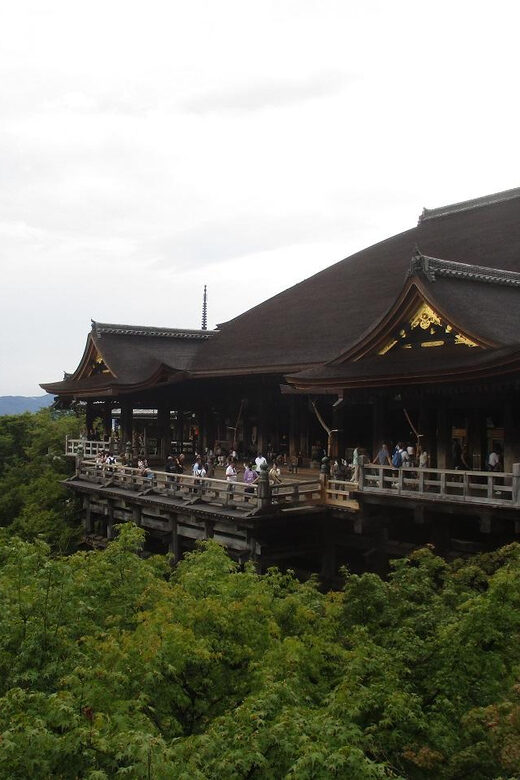
Kiyomizu-dera is one of those places where you can easily burn 60 minutes doing only photos and drifting. This tour gives you a different payoff: a guided visit with a structured 1 hour inside the temple area, plus sightseeing time with explanations that are meant to be useful, not just “you’re at a famous site” talk.
Your guide connects the temple to the long development of the pilgrimage route in the area—something that stretches from the 8th century to the present. That timeframe isn’t trivia for trivia’s sake. It helps you understand why the streets and sights around the temple feel layered, why locals treat the route like more than a sightseeing corridor, and why certain cultural details keep repeating.
Here’s the real value: when the guide points out historical and religious details, you start noticing things faster. Instead of asking yourself, What am I looking at?, you can ask, Why is it here, and what does it mean in the Kyoto tradition?
You’ll also have a chance to ask questions in Italian. That’s a big deal. Kyoto’s temple culture can be confusing if you’re trying to decode it from signs only. With Omae, the confusion gets handled in real time.
The walk from Sannenzaka to Ninenzaka: the old street rhythm
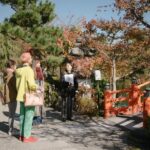
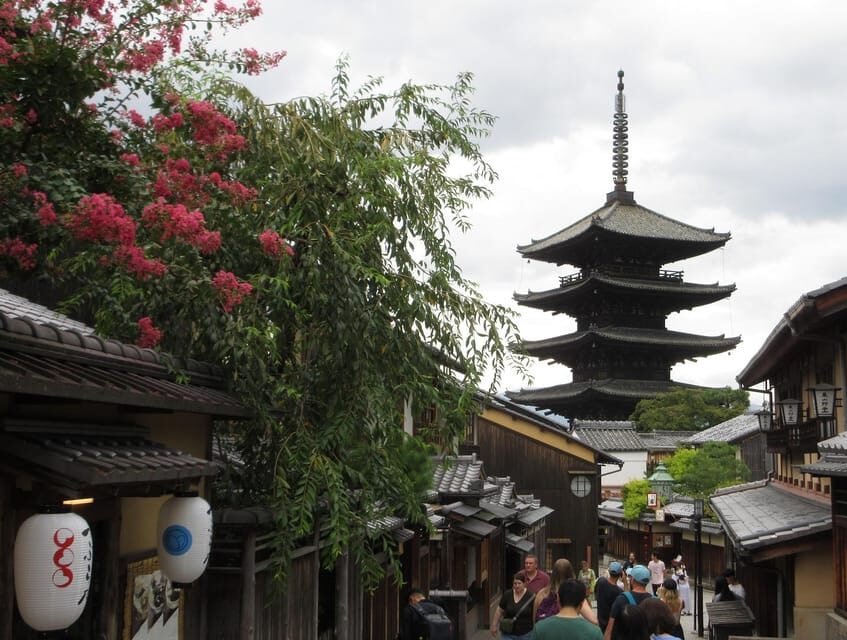
After Kiyomizu-dera, the tour shifts onto foot with short, purposeful walks through the famous lanes. You move from the temple area toward Sannenzaka, then onward to Ninenzaka. The walking segments are brief—minutes rather than half-days—but they’re packed with atmosphere.
Sannenzaka is the kind of street where you’ll see countless souvenir shops and sweet stores. Ninenzaka continues the vibe. These streets are popular for a reason: they give you that “Kyoto in one corridor” feeling, with old-style architecture and the sense of arriving somewhere that has always had visitors.
The important part is how your guide frames it. You’re not just stopping for treats. You’re walking the kind of route that developed as a pilgrimage pathway and became a visitor route over time. That context changes how you experience the shopping and the snacks. You start seeing it as part of a visitor economy that grew out of the cultural flow.
One consideration: these streets can be busy. Since the guided timing includes short walking bursts (like a few minutes between key spots), the pace can feel like you’re moving with the crowd. If you hate crowds, plan for patience in these lanes and focus on the quieter moments between storefronts and side steps.
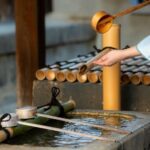
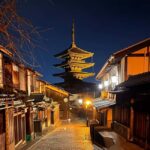
Gion in a guided pocket: seeing the neighborhood, not just passing it
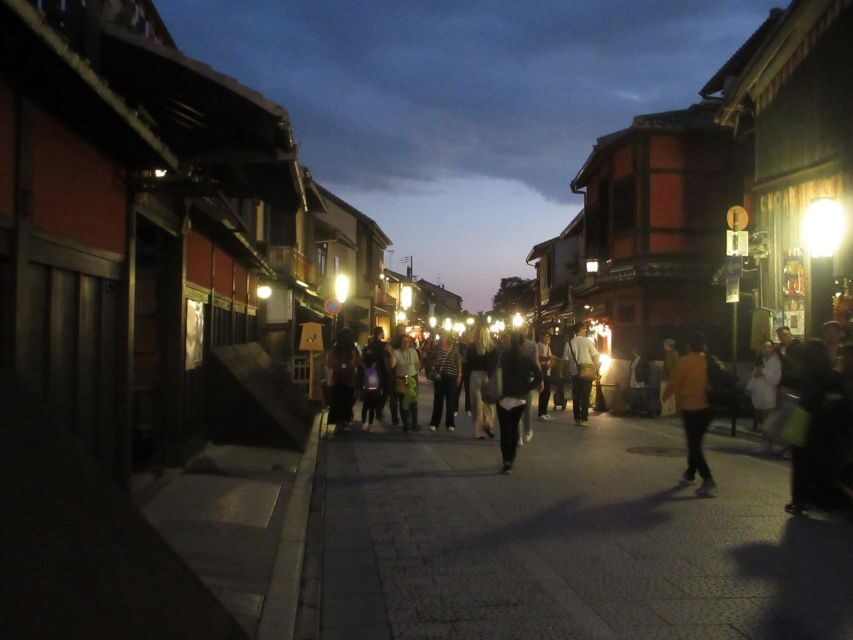
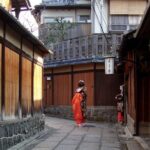
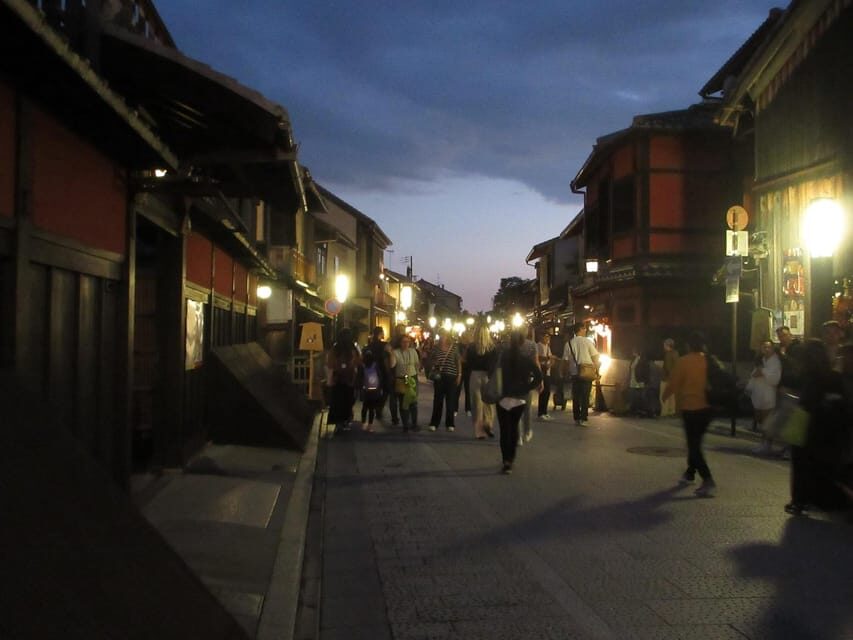
Then comes the fun transition into Gion. You’ll have about 30 minutes for a guided visit and sightseeing there. In that short window, you can’t “master Gion,” but you can understand what makes it special and what to look for.
The guide’s explanations help you avoid the common mistake: treating Gion like a generic old-street district. Instead, you learn how the neighborhood’s cultural identity shapes how people experience it. With Omae’s attention to historical and religious details throughout the day, Gion also feels like part of the same story rather than a random add-on.
One thing I really like about the way this itinerary flows is the pacing. You’re not jumping back and forth across Kyoto. You’re moving forward along a route that feels natural: temple approach → historic lanes → Gion. The whole day feels like one connected walk, which helps your brain remember what you’ve seen.
Passing Kyōto Minami-za, then finishing near Pontocho
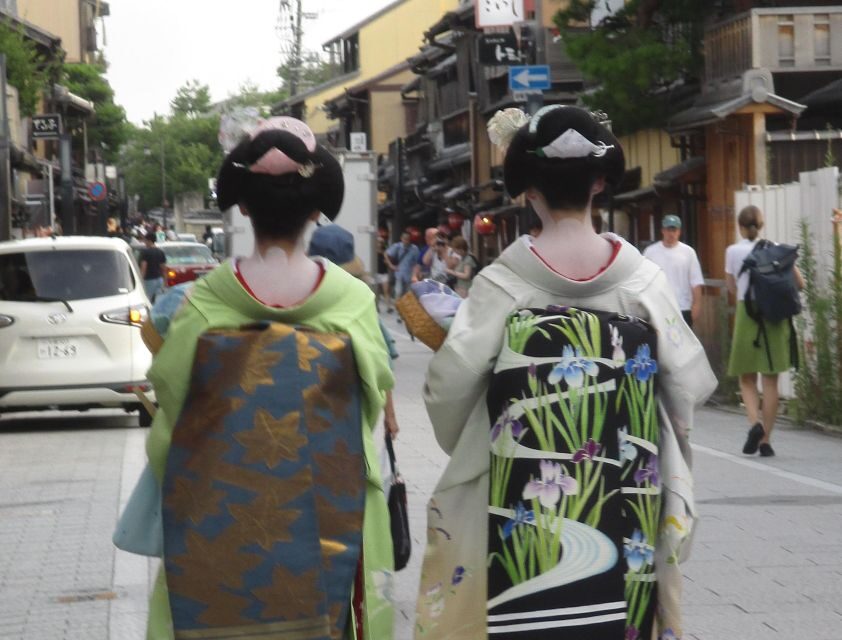
After Gion, the tour includes a short pass by Kyōto Minami-za (about 3 minutes). That’s enough time for a quick viewpoint moment and a little context—more of a “you’ll want to notice this” stop than a long showtime detour.
From there, you finish in the area of Pontocho after a short walk (only a few minutes). Pontocho is a smart ending point because it’s the kind of place where you can easily keep the day going with dinner or a drink without needing more transit. If your timing works out, you end near an area that’s geared for evening strolling.
Price and value: is $117 fair for 5 hours?
At $117 per person, this tour sits in a mid-to-upper range, but it has a few things going for it that justify the number.
First, your money covers more than just the guide’s time. The price includes transportation (that short coach transfer) and entrance tickets to the scheduled monuments. Kyoto can nickel-and-dime you fast if you have to buy admissions and transfers on your own while also paying for an independent guide.
Second, you’re paying for Italian live interpretation, not a generic audio option. The reviews highlight how much a well-prepared guide changes the experience, and that matches what you feel in practice: clear language means fewer “wait, what does that mean?” moments and more actual enjoyment.
Third, the route has a coherent structure. You’re not spending the day randomly bouncing between attractions. You get Kiyomizu-dera plus the traditional street approach into Gion, with a finish that sets you up for more exploring afterward. That’s good value because it reduces dead time.
The only “cost” to consider is control of your schedule. You’re in a set 5-hour plan. If you prefer roaming for long stretches, a self-guided plan might let you linger. But if you want a reliable, story-driven path through Kyoto’s essentials, this price makes sense.
What makes Omae’s guiding style especially useful
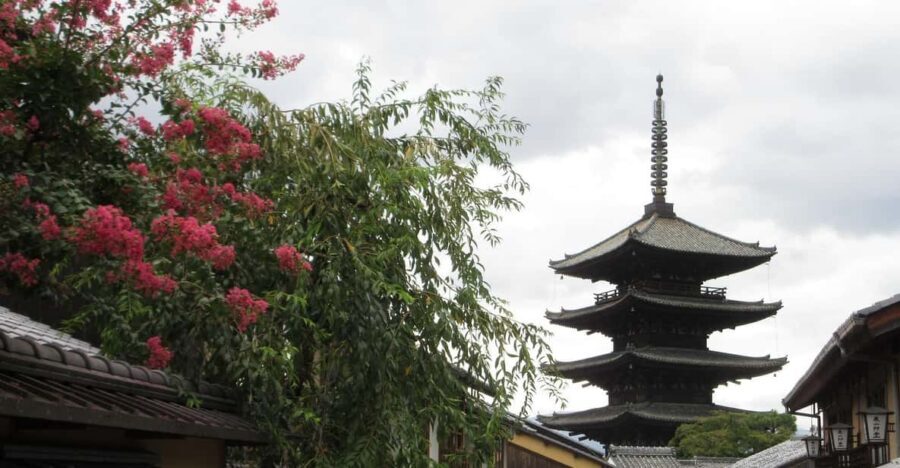
One of the most praised elements here is how Omae combines friendliness with accuracy. That matters because Kyoto rewards attention. A guide who is only polite but vague leaves you with a lot of walking and not much meaning. Here, the emphasis is on explanations that feel both playful and precise—spigliato in tone, but careful with details.
The other key strength: he answers questions. In a temple-and-neighborhood day, questions are inevitable. You’ll wonder why something looks the way it does, what a specific detail means, or how the area ties together historically. If you can ask and get an answer in Italian, you stay engaged instead of quietly guessing.
That’s what you’re really paying for with a guided tour: less uncertainty and more “I get it now” moments.
Who this tour is best for (and who should choose differently)
This is a great fit if you:
- want Italian narration and real-time answers
- like walking routes that connect monuments instead of jumping around by subway
- enjoy the historical and cultural story behind famous Kyoto sights
- want a plan that ends in a good place to continue your evening
It’s less ideal if you:
- strongly prefer long unstructured free time
- dislike guided pacing and fixed time windows
- need a lot of time at one location without moving on
Practical tips to make the day smoother
A few small things will help you enjoy the walk more.
- Wear comfortable shoes. You’re on foot multiple times for short bursts, and those lanes add up.
- Expect crowds around the famous street sections near the temple area and in the Gion approach areas.
- If you have questions, write them down while you’re walking. When you’re with Omae, you’ll get more out of the tour if you can ask specific things.
- Bring a light layer if the weather shifts. Kyoto can change mood quickly, especially when you move between streets and temple areas.
And a gentle reminder: Kyoto’s streets reward slow looking. Even with a guided route, you can still glance at shop signs, street details, and how the architecture frames the view.
Should you book this Italian Kyoto tour?
Book it if you want Kiyomizu-dera and Gion with a guide who explains the why, not just the what. The combination of Italian live guidance, transport and entrances included, and a route that follows the traditional flow makes this a smart use of a limited time window.
Skip it if you’re the type who loves to disappear on your own with zero structure for hours. This tour is guided, timed, and designed to keep moving—so it’s best for people who like a plan that still feels authentic.
If you’re choosing between a self-guided walk and a guided day, I’d lean guided for this one—especially because Omae’s Italian explanations are clearly a big part of why the experience gets such strong marks.
FAQ
What language is the tour guided in?
The live tour guide speaks Italian.
How long is the tour?
The duration is 5 hours.
Where do we meet in Kyoto Station?
You meet in the space between the four escalators in front of the cab terminal at Kyoto Station’s North Entry (Karasuma-Guchi), toward the east just outside the central north entrance.
Is transport included in the price?
Yes. The price includes the transport/coach during the itinerary.
Are entrance tickets included?
Yes. Entrance to the scheduled monuments is included in the price.
Can I request changes to the schedule?
The itinerary can be adjusted with flexible times upon request as far as possible.
Is the tour wheelchair accessible?
Yes, the tour is listed as wheelchair accessible.