REVIEW · DRINKING TOURS
Kyoto: Insider Sake Experience with 7 Tastings and Snacks
Book on GetYourGuide →Operated by Add Stories Co., Ltd · Bookable on GetYourGuide
Sake, explained without the guesswork. In Kyoto, this 90-minute insider tasting walks you through how sake tastes get made, then gets you tasting side by side so you can pick your next bottle like you know what you’re doing.
I especially like the way it turns a confusing drink into simple categories—dry, crisp, sweet, and fruity—and helps you taste those differences in real time. I also love the food pairing with Japanese otsumami, because it shows how sake changes once you add flavor.
One thing to watch: if you’re under 20, you’ll only get non-alcoholic drinks, and the experience has a few rules about alcohol service if you arrive by car or bicycle.
In This Review
- Key Things I’d Tell a Friend Before You Go
- Why This Kyoto Sake Flight Works for First-Timers
- The 90 Minutes You’ll Spend: A Clear Flow That Builds Understanding
- The Tasting Flight: How You Compare Dry, Crisp, Sweet, and Fruity
- Otsumami Pairings: The Shortcut to Tasting What Food Actually Does
- Bottle-Reading: Your Cheat Sheet for Ordering in Japan
- Hot or Cold and Sushi Pairing Tips You Can Use Tonight
- Who Should Book This (and Who Might Want to Skip It)
- Price and Value: Is $66 Worth It for 7 Tastings?
- Should You Book the Kyoto Insider Sake Experience?
- FAQ
- How long is the Kyoto Insider Sake Experience?
- How many sake tastings will I have?
- Is this experience good for beginners?
- What language is the tour guide?
- Are there any age rules for alcohol?
- Do I need to eat beforehand?
Key Things I’d Tell a Friend Before You Go
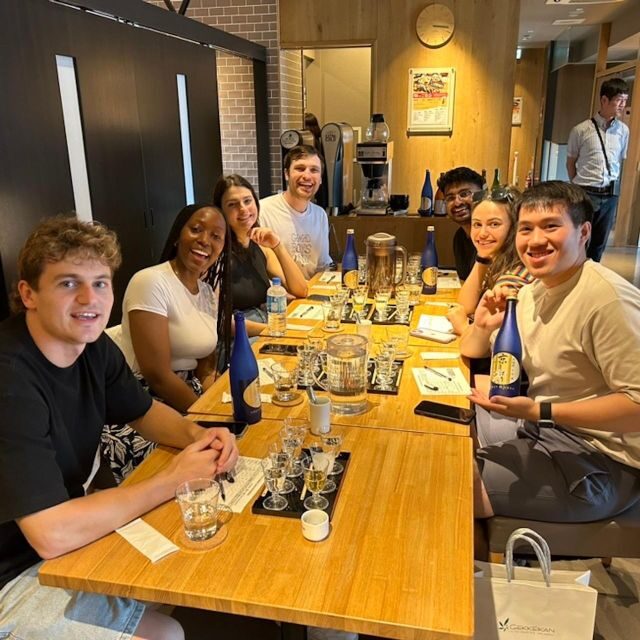
- A flight designed to compare styles fast: you taste multiple types in a structured order so the differences make sense.
- Otsumami pairings are part of the lesson: you learn that sake and food can swap “who tastes better.”
- You get tools, not just tips: a sake cheat sheet plus tasting notes to help you remember what you liked.
- Bottle-reading practice is the practical payoff: you learn how to interpret label clues so ordering stops feeling like gambling.
- Guides bring the energy: people like Kiyomi, Mayo, Kotoro/Kotaro, Kotaro, Greg, Yui, and Shogo are repeatedly praised for being patient and clear.
- Hot or cold comes up for real life: you learn when temperature changes the experience and how it affects flavor.
Why This Kyoto Sake Flight Works for First-Timers
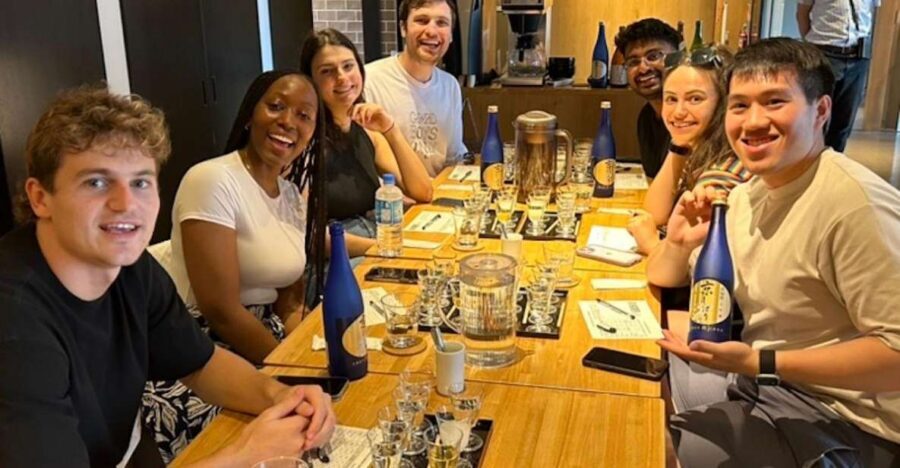
Kyoto has plenty of places to drink sake. The trick is finding one that helps you understand it, not one that hands you a tiny cup and hopes you figure it out alone. This experience is built for that “I want to like sake, but I don’t know where to start” moment.
The core idea is simple: you taste different styles in sequence, the guide explains what’s going on, and then you taste again with food. That structure matters. Sake is subtle when you drink it on its own. Add context—brewing basics, polishing levels, and pairing—and it suddenly becomes way easier to spot what you actually enjoy.
Value-wise, $66 for a 90-minute session with 7 tasting moments plus snacks is not just about alcohol. You’re paying for instruction you’ll use on your next night out. Multiple guides are mentioned across reviews (Kiyomi, Mayo, Kotoro/Kotaro, Yui, Greg, Shogo), and the consistent theme is that they keep explanations clear and paced, so you don’t feel lost halfway through.
There’s also an emotional win. When people try their first sake tasting in Japan, they often leave either confused or disappointed. Here, the goal is confidence—knowing what to order, how to order it, and what to expect when you do.
You can also read our reviews of more food & drink experiences in Kyoto

The 90 Minutes You’ll Spend: A Clear Flow That Builds Understanding
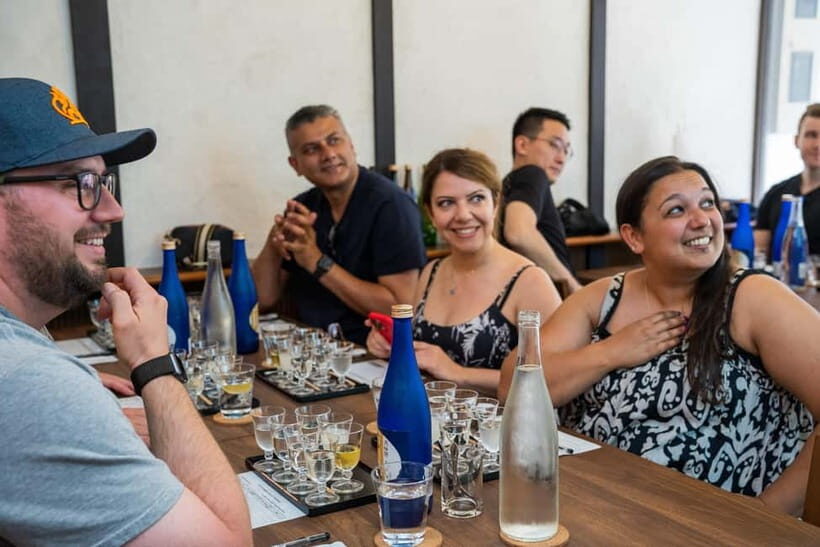
Even if you’ve never seen a sake label, the session is designed to start from zero and move in steps. Think of it like training your palate and your vocabulary at the same time.
Typically, the experience runs like this:
First, your guide sets the baseline. They explain how sake is made and what factors influence flavor and style. You don’t need a chemistry class background. The explanations focus on the parts that affect what you taste: things like how polished the rice is and what brewing choices lead to crispness, sweetness, or fruit-like notes.
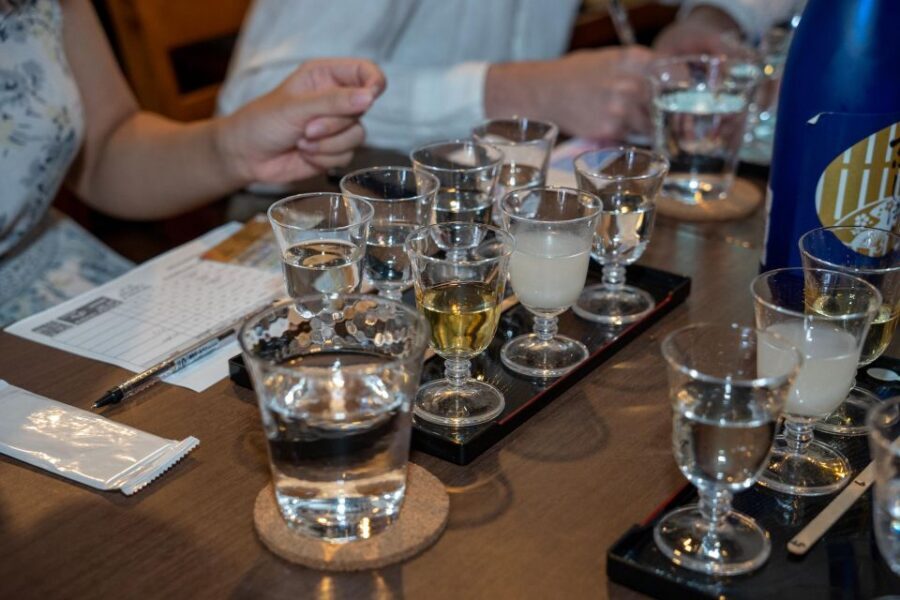
Then you move into the tasting itself. This isn’t just random samples. You’re tasting to compare. Dry versus sweet. Crisp versus softer. Styles that look similar on a menu but behave very differently in your mouth.
After the flight on its own, you add otsumami. This is where many people are surprised—in a good way. Sake that felt a little harsh or too strong by itself can become pleasant with the right bite. Meanwhile, a sake that seemed mellow can turn sharper once it meets salt, fat, or umami.
Finally, you wrap with practical tools: the sake cheat sheet and tasting note help you remember what you liked and why. And you get guidance on how to read bottle information for next time.
That final part is the real travel benefit. You come in unsure. You leave with a shortcut for ordering.
The Tasting Flight: How You Compare Dry, Crisp, Sweet, and Fruity
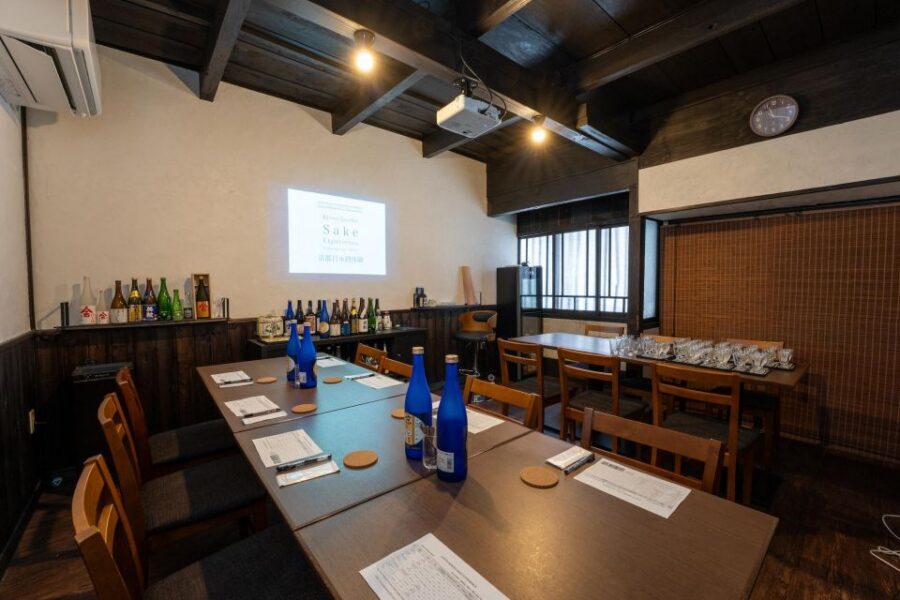
The headline promise is that you can choose sake with confidence through expert-guided tastings. What makes that work is how the flight is structured around noticeable differences.
You’ll sample multiple sake styles side by side. The goal is not to memorize long technical details. It’s to build a mental map of taste.
Here’s what that map often starts to look like:
- Dry and crisp styles can feel sharper, cleaner, and more refreshing.
- Sweet and fruity styles often feel rounder, with flavors that linger in a warmer way.
- Some sakes sit between those ends and shift depending on food.
This is why the guide’s pacing matters. In reviews, guests repeatedly praise how hosts explain each selection clearly, answer questions, and keep the tasting moving at a comfortable pace. When someone asks why two sakes taste different, the answers are usually tied back to brewing factors, not vague opinions.
Also, you’ll get a sense of your own preference. Several reviews mention filling out a tasting card and realizing what they wanted to drink again later. That’s the outcome you’re aiming for: not just learning sake terms, but learning your own palate.
Otsumami Pairings: The Shortcut to Tasting What Food Actually Does
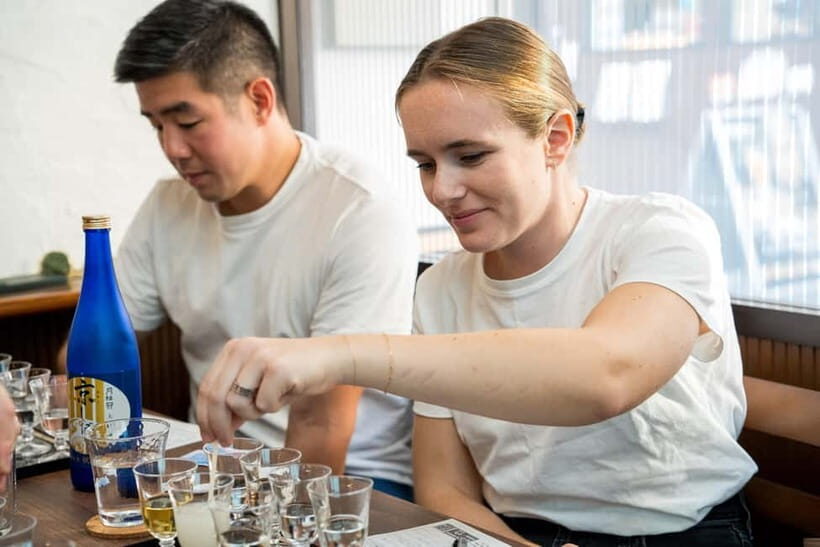
One of the most praised parts of the experience is the otsumami pairing. And it’s not just a snack. It changes the whole tasting game.
Sake and food aren’t separate. Even small bites can alter how alcohol feels in your mouth, how sweetness reads, and whether an aroma comes forward. In practice, the food can do a few things at once:
- bring out fruit notes that you missed in the solo sip
- make a dry sake feel smoother
- balance sharper flavors with salt or umami
- change the order of your preferences
That’s why the session often lands with a strong “now I get it” reaction. Several comments mention that sakes they didn’t love at first became drinkable with food. One person even described how their whole tasting card flipped from unsure to confident.
Food also makes the tasting more comfortable. Sake can feel strong if you’re drinking neat alcohol without anything in your system. The snacks keep you from getting overwhelmed, and they help you stay engaged through multiple tastings.
If you have restrictions, tell the guide at the site. One review specifically called out that vegetarian needs were accommodated with a good replacement pairing. If you have allergies, same rule: communicate early so they can adjust.
Bottle-Reading: Your Cheat Sheet for Ordering in Japan
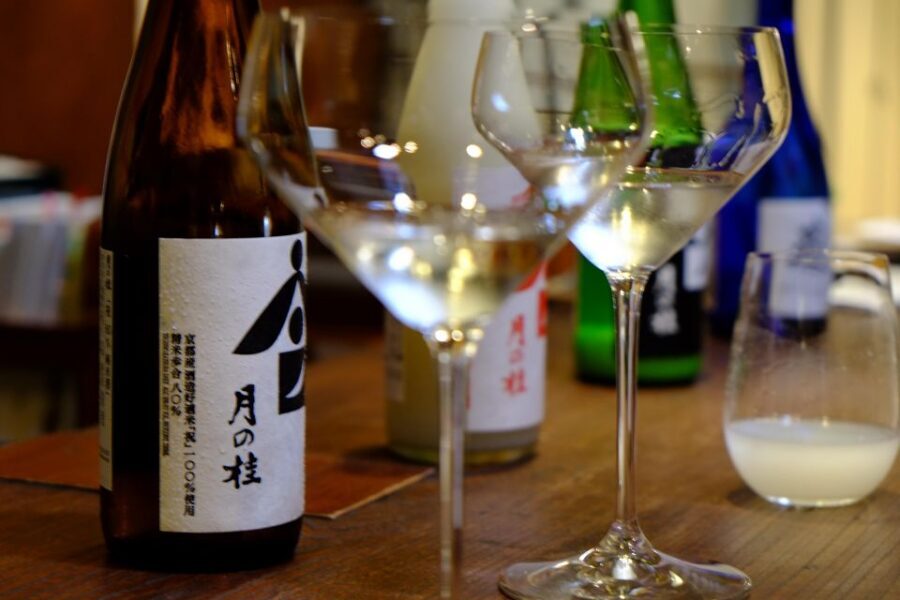
The practical dream for any sake novice is simple: walk into a shop or restaurant and pick the right bottle without stress. This experience trains you for that.
You get a sake cheat sheet and tasting note, and you learn how to read bottle and menu information so you can make choices quickly. In reviews, people mention learning to recognize key label clues and how polishing affects flavor, not just what the bottle says.
The most useful thing you can do after the tasting is compare what you learned to what you see in the wild. In Japan, menus can be short and labels can be detailed. Once you’ve handled the basics in a guided setting, real-world ordering becomes a lot less intimidating.
Practical win: you also learn what to do with temperature. Many guides talk about when to enjoy sake hot or cold and why that changes taste. That matters because the same bottle can feel different depending on how it’s served.
Think of the cheat sheet as your “translation layer.” It helps you move from Japanese terms to the flavor direction you’re actually looking for.
You can also read our reviews of more drinking tours in Kyoto


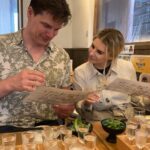


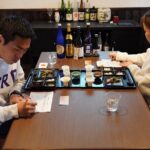
Hot or Cold and Sushi Pairing Tips You Can Use Tonight
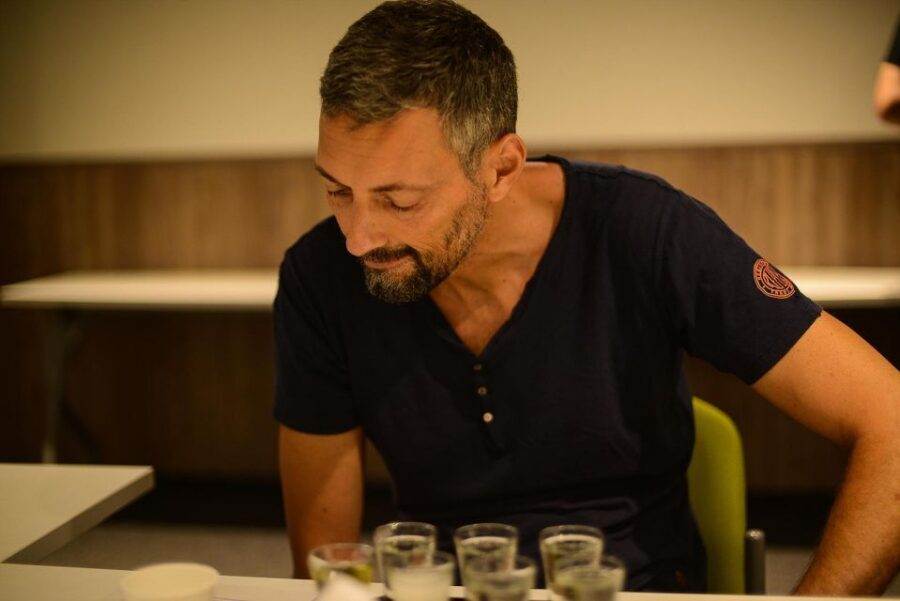
If you’re eating in Kyoto after this experience, you’ll be looking at sake differently. You’ll start matching style to meal the way you match wine to food.
You learn how to enjoy sake hot or cold, and the guide explains how temperature influences flavor perception. Cold sake often reads cleaner and crisper. Warm sake can feel rounder, with aroma coming forward. You can treat temperature as a tool, not a random preference.
You also get guidance on which types of sake work well with sushi. That’s a smart focus because sushi menus often include sake choices that look similar. Knowing the style direction helps you avoid the guess-and-hope order.
And since this is Kyoto, you’ll likely see a lot of traditional snack culture around your dinner—small bites, umami-forward flavors, and seasonal ingredients. Sake that fits that mood becomes part of the experience, not just the drink.
Who Should Book This (and Who Might Want to Skip It)
This is best for you if:
- you’re new to sake and want a beginner-friendly, structured introduction
- you want to learn how to order with confidence in Japan
- you like hands-on tasting where the guide explains what you’re tasting, step by step
- you enjoy food pairings that actually change your perception
It’s also a good pick if you want a calm, intimate setting. Reviews mention a warm atmosphere and describe small-group dynamics in some cases, which helps people ask questions and actually absorb the lesson.
Skip it if:
- you’re looking for a sightseeing-heavy tour or a big outdoor itinerary. This one is focused on the tasting room experience.
- you’re bringing very young kids. It isn’t recommended for children, and there are age limits for the alcohol service rules.
- you have strong fragrance concerns. Strong fragrances aren’t allowed.
One more consideration: alcohol service rules exist for safety and legal reasons if you arrive by car or bicycle. Non-alcoholic drinks are available, but the main tasting framework still runs within those boundaries.
Price and Value: Is $66 Worth It for 7 Tastings?
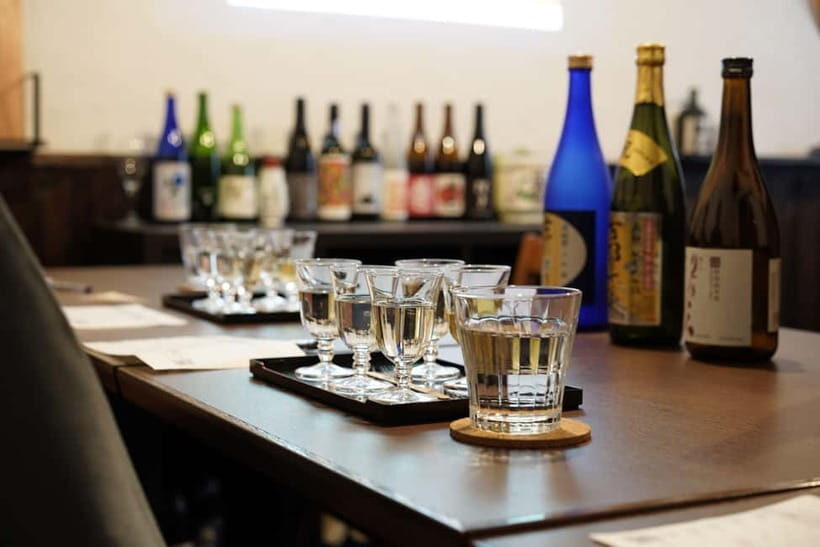
At $66 per person for about 90 minutes, you’re paying for three things:
1) Expert guidance: a certified sake expert runs the experience and explains brewing, flavor differences, and bottle reading.
2) A tasting flight with comparisons: multiple styles are sampled side by side so you can find your preference fast.
3) Real pairing and take-home tools: otsumami pairings plus a sake cheat sheet and tasting notes.
If you were to buy bottles blindly later, this session can save money by helping you choose what you’ll actually enjoy. Several reviews mention leaving with a sense of which style they like and feeling more confident buying a bottle afterward. That’s the value story: you’re not just drinking; you’re learning a system.
Also, the review pattern is strong on pacing and clarity—people feel the time flies because the structure keeps them engaged. When an experience is priced moderately but still feels full, that usually means the teaching is doing its job.
Should You Book the Kyoto Insider Sake Experience?
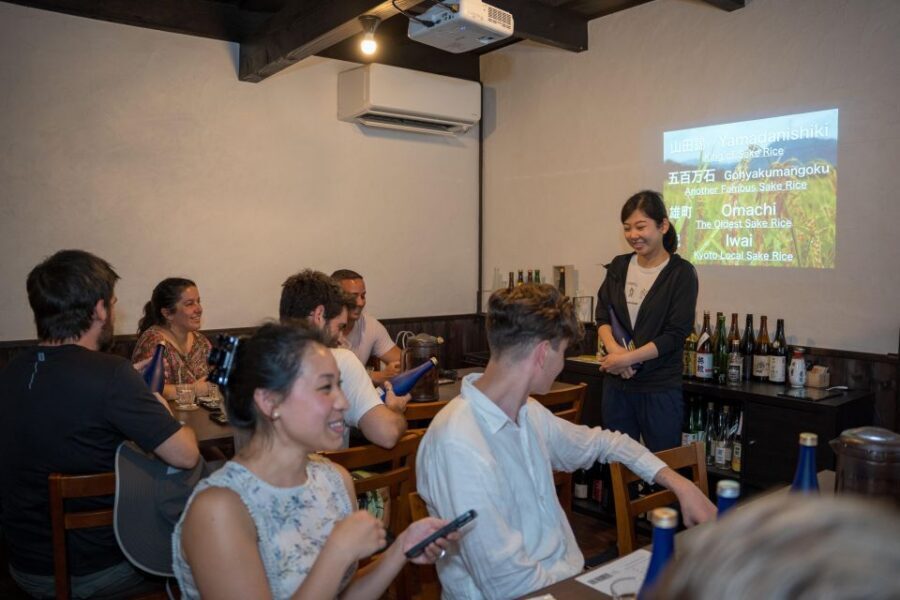
I think you should book it if you want a practical sake education with a real payoff. The combination of 7 tastings, otsumami pairing, and bottle-reading support is exactly what turns sake from confusing to approachable. You’ll likely leave with clearer preferences, and you’ll know what to look for on menus instead of staring at options hoping for the best.
Pass if you already know what you like and you’re comfortable ordering sake without help. In that case, you might prefer a more independent food-and-drink plan. But if you’re a first-timer, or even a curious intermediate who wants a shortcut, this is a smart use of a Kyoto night.
If you do book, come with curiosity and a bit of patience. And if you can, plan your next meal right after so the lessons can stick.
FAQ
How long is the Kyoto Insider Sake Experience?
It lasts about 90 minutes.
How many sake tastings will I have?
The experience is described as having 7 tastings, and the guide’s selection is based on 10+ sake types chosen by a certified sommelier.
Is this experience good for beginners?
Yes. It’s aimed at travelers who want to enjoy sake but feel unsure about what to choose, with an expert-led tasting and practical tips.
What language is the tour guide?
The live tour guide speaks English.
Are there any age rules for alcohol?
In Japan, the legal drinking age is 20. Customers under 20 will only be served non-alcoholic drinks.
Do I need to eat beforehand?
It includes snack pairings during the tasting. Still, if you have a sensitive palate or you get overwhelmed by alcohol, it can help to eat before you go.