REVIEW · GION DISTRICT WALKING TOURS
Kyoto: Kimono Rental in Gion Provided by RikaWafuku
Book on GetYourGuide →Operated by TripFarm · Bookable on GetYourGuide
Kimono time in Gion is easy. I like that RikaWafuku is a quick stop right by the action, and you can walk out feeling styled for less than what you’d spend on a restaurant dinner. The two biggest perks for me are the 2-minute walk from Gion-Shijo Station and the freedom to pick from lots of options without confusing price jumps.
I also found the whole flow pretty low-stress because they provide the kimono set and you come in basically ready to go. One thing to consider: the changing and dressing experience can feel a bit public since you may change in front of other people, so if you value privacy, plan your mindset accordingly.
In This Review
- Key highlights you should know
- Where RikaWafuku Lands in Gion
- Price and the real value of the $19 kimono rental
- The 1-hour flow: what happens from arrival to departure
- Step 1: Check in, confirm your plan, and pick accessories
- Step 2: Kimono selection that feels flexible, not restrictive
- Step 3: Luggage and what you can store
- Step 4: Dressing fitting without bringing supplies
- Step 5: Hair set for women, but not for men
- Step 6: Sandals, geta, and custom zori comfort
- Step 7: Go sightseeing immediately in your kimono
- Return time and the late-fee reality
- Languages, group size, and how to make communication painless
- Not everyone should book (and who will love it)
- Should you book RikaWafuku in Gion?
- FAQ
- FAQ
- How far is the store from Gion-Shijo Station?
- What is the price and duration?
- Can I come without bringing accessories?
- How long will it take from reception to leaving?
- Is hair styling included?
- Can I choose any kimono I want?
- What if I want extra decorations or optional accessories?
- What time do I have to return the kimono?
- Is there a limit on group size?
Key highlights you should know
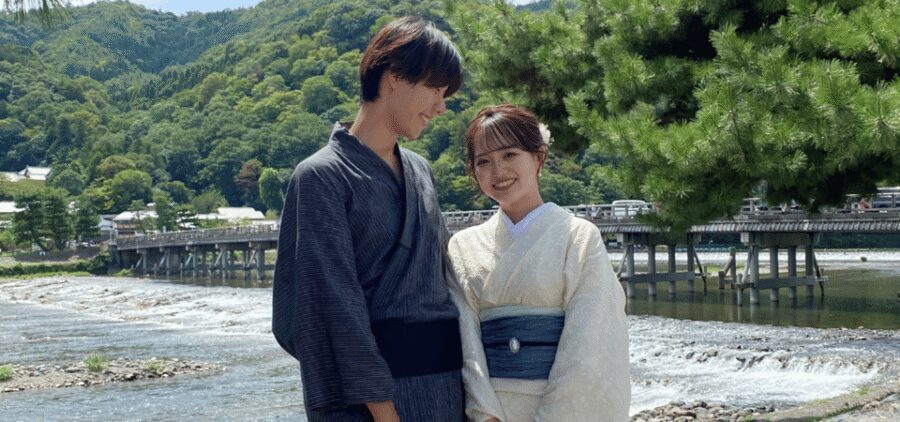
- A short hop from Gion-Shijo Station: you are close enough to step right into sightseeing mode.
- 400+ items in stock: you are not limited to a few “tourist” choices.
- Pick your look with confidence: kimono/yukata pricing does not change based on what you choose.
- Dressing + hair included (women): fitting is handled on-site, and women get hair styling plus ornaments.
- Cash for optional add-ons: if you want extra decorations, you’ll pay locally in cash.
Where RikaWafuku Lands in Gion
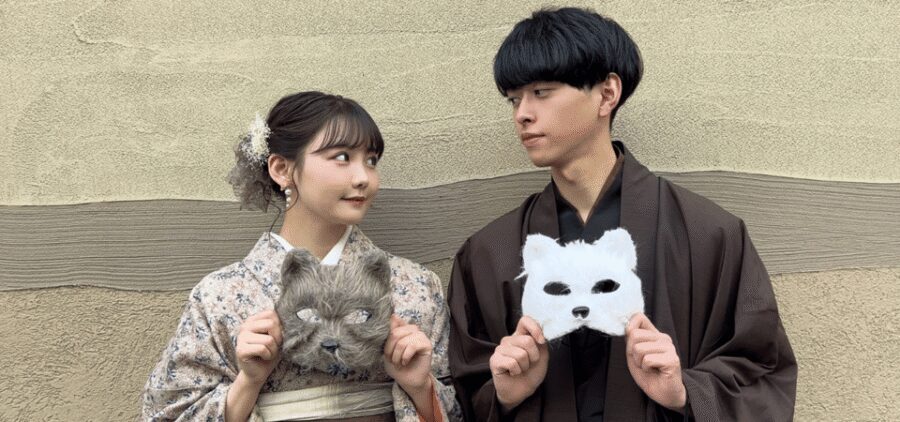
RikaWafuku’s Gion store is a simple, walkable move from Gion-Shijo Station, about a 2-minute walk. That matters more than people think. When you rent a kimono, you usually lose time fighting transit and crowds. Here, you can spend that energy on exploring instead.
Gion is most fun when you can drift. You want to step into side streets, pause for snacks, and duck toward little lanes without rushing back to a meeting point. Being near the station gives you flexibility if you arrive a few minutes early or need a bathroom stop before dressing.
RikaWafuku is also a proven operation, used by 230,000+ customers annually. That doesn’t magically make your experience perfect, but it usually means they’ve refined the process: people know what to do, the workflow is fast, and the staff can handle a range of needs in a repeatable way.
You can also read our reviews of more tours and experiences in Kyoto.



Price and the real value of the $19 kimono rental

At $19 per person for a 1-hour rental window, this is priced like a practical add-on to your Kyoto day, not a big splurge. The value comes from what’s included, and how much the rental helps you enjoy Gion right away.
You get the kimono rental set plus dressing, and for women you also get hair styling and hair ornaments. In other words, you’re not paying extra to learn how to put things on. You’re paying for someone to fit you, style you, and send you out.
Another value point: you can choose as many kimonos as you like regardless of which plan you book, and the price does not change based on whether you choose a different type or style. That means you can browse for the look that feels right, instead of locking into your first pick.
There is one trade-off to be aware of. If you want optional accessories or decorations, those are additional and paid locally in cash. So keep some cash on hand if you think you might want that extra finishing touch.
The 1-hour flow: what happens from arrival to departure
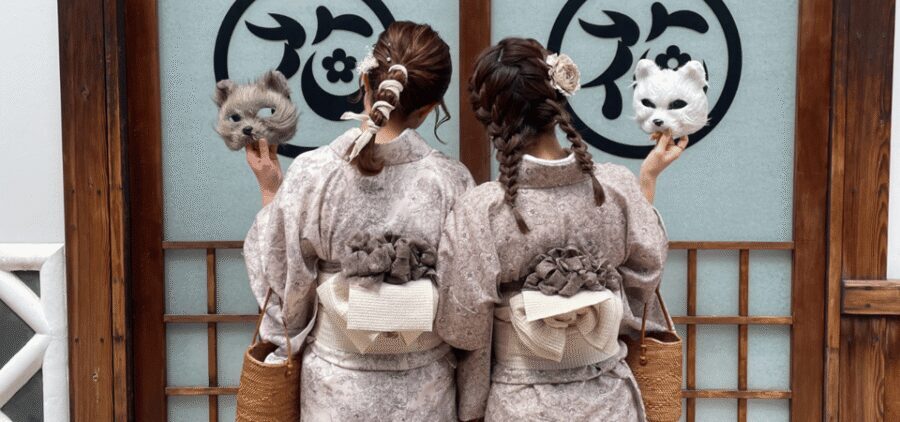
The rental experience follows a clear rhythm, and that’s why it works so well for a busy Kyoto schedule.
First, you visit the store at your reserved time. If you’re thinking of squeezing this in between temples, pick a time that gives you some breathing room. Even though the activity lists 1 hour, the actual time from reception to heading out tends to land around 45 to 70 minutes, depending on the season and what you choose.
Then you go through reception, where they confirm your kimono or yukata plan. You’ll get options for kimono accessories, and if you want to add items, you’ll need to pay for those add-ons in cash payment only. After that, you move into selecting your kimono and deciding on the accessories.
Next comes the practical part: changing and fitting in their dedicated dressing area. You can come empty-handed, meaning you don’t need to bring special garments or worry about bringing your own accessories.
Finally, women get hair set. The hair stylist chooses among five hairstyle patterns, and your hair styling uses irons, with accessories included. The goal is a finished look that matches your kimono, not just a quick fix.
To make this work smoothly, you also need to respect the clock. The store has a fixed final return time of 5:30 p.m., no matter what time your reservation is. If you run late, expect a late fee.
Step 1: Check in, confirm your plan, and pick accessories
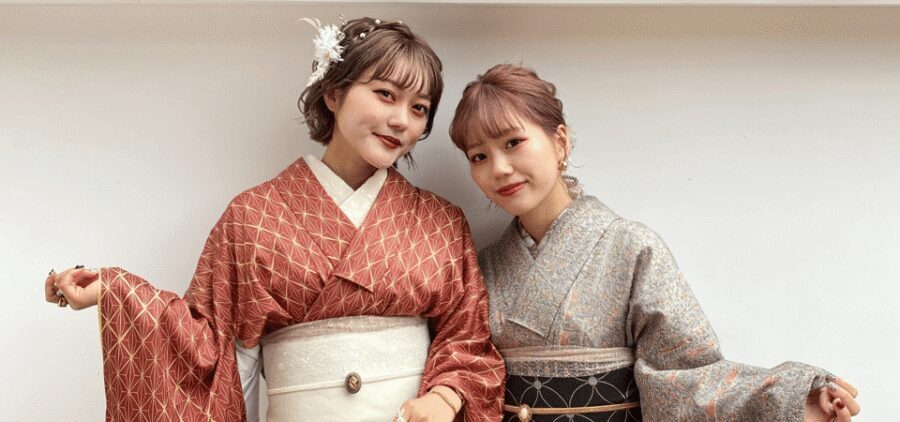
When you arrive, the first thing you’ll do is check in at reception. They’ll confirm whether you’re renting a kimono or a yukata and then offer accessory options.
Here’s the practical tip: decide early if you want any extras. If you wait until the last second, it can slow the process. Also, remember the cash rule for optional items. If you have no cash with you, you might have to pass on add-ons even if you want them in the moment.
The good news is that you’re not stuck with a single look. You can browse the stock and choose what you actually want to wear for Gion streets, photos, and dinner.
Step 2: Kimono selection that feels flexible, not restrictive
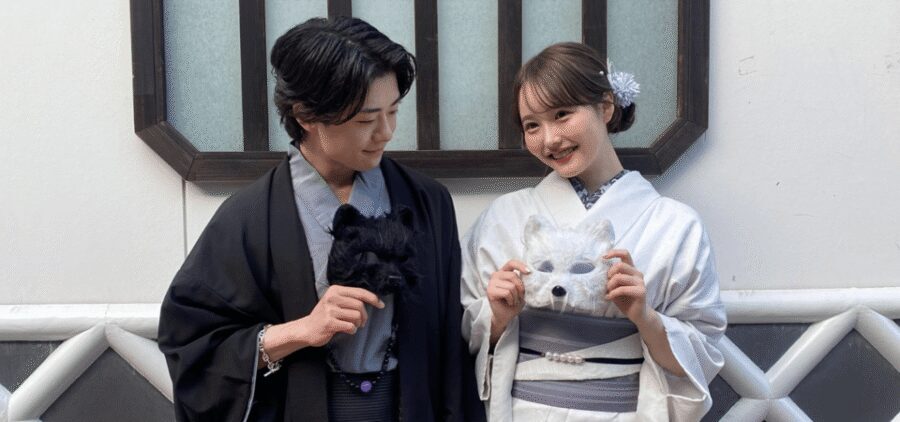
This is one of the reasons I’d recommend this rental. You can choose as many kimonos as you like, even if you booked a specific plan. Prices also do not change depending on the type of rental kimono or rental yukata.
That takes away a lot of stress. Many rental places make you feel like you must gamble on the “best deal” to avoid an upcharge. Here, you can focus on what looks right with the vibe you want for the day.
They also provide guidance from experienced staff if you need help with pairing things like the obi and how it all works together. If you are new to kimono styling, this kind of help is the difference between looking put-together and looking like you dressed in costumes.






Step 3: Luggage and what you can store
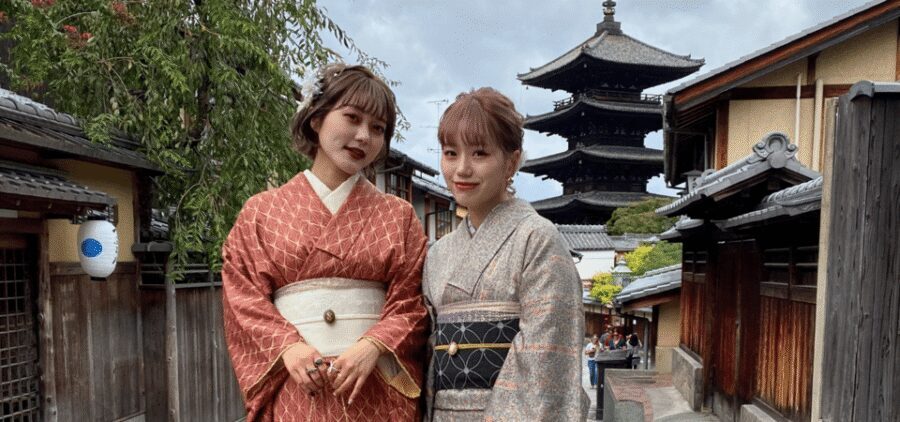
RikaWafuku gives you a place to drop off what you don’t want to carry while wearing a kimono. You can leave clothes you take off and any luggage you don’t need for sightseeing.
There is an important catch: additional charges apply for large luggage, such as carry cases. So if you’re traveling with bigger items, don’t assume it’s free storage.
My advice is simple. If you can, travel light on kimono day. Wear what you can, stash what you must, and avoid dragging a big bag through Gion after you’ve dressed.
Step 4: Dressing fitting without bringing supplies
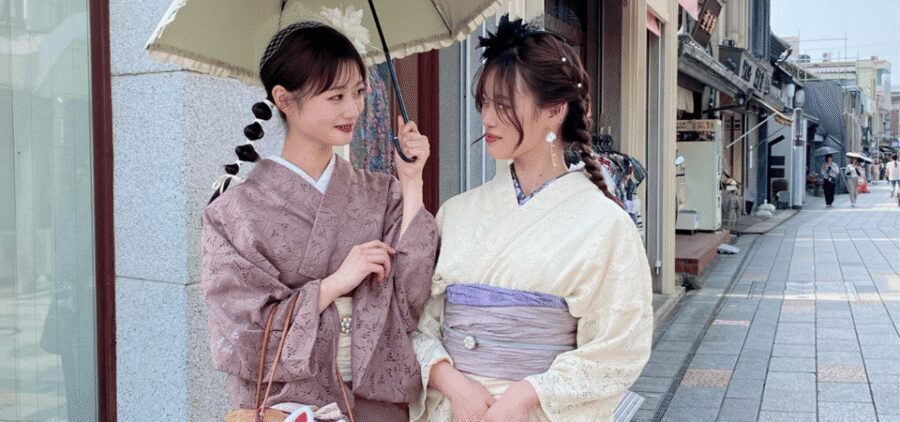
The fitting part is built for people who don’t want to figure out the complicated steps. You don’t need to bring supplies, and experienced staff handle the kimono and yukata fitting in their dedicated area.
Because the dressing process is hands-on, it helps to show up with a calm mindset. You will be in the hands of professionals, and they’ll move quickly once you’re in the fitting stage.
One consideration based on real-world experience in places like this: changing can happen close to other people. If you don’t love that, bring a plan for privacy and comfort. For example, use the restroom before you begin, and keep your focus on getting ready for your walk, not on the room itself.
Step 5: Hair set for women, but not for men
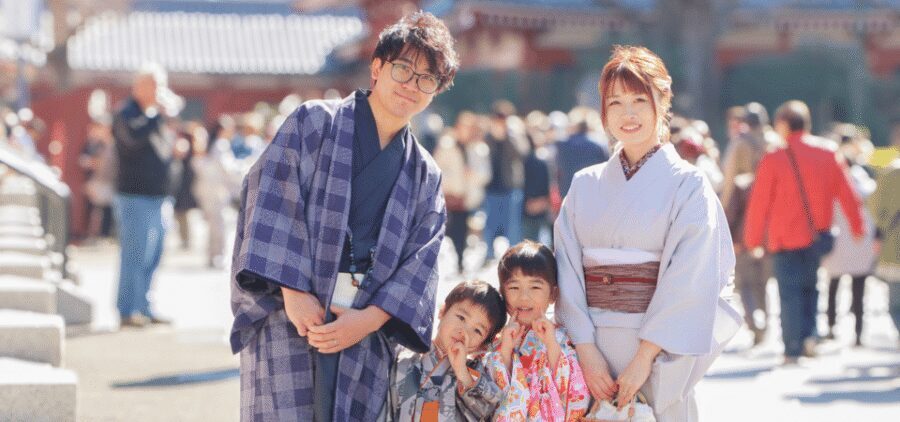
Women get hair set, and it’s included. Hair ornaments are also included for women, which makes a big difference because the final look doesn’t feel half-finished.
The stylist uses irons and chooses from five hairstyle patterns. They can adapt for different hair lengths, which is great if you’re not sure what you can do with a kimono look.
Men should know this clearly: hair styling service is not available for men. That doesn’t mean men can’t rent and wear a kimono, but it does mean you should plan on doing your own hair styling before or after.
Step 6: Sandals, geta, and custom zori comfort
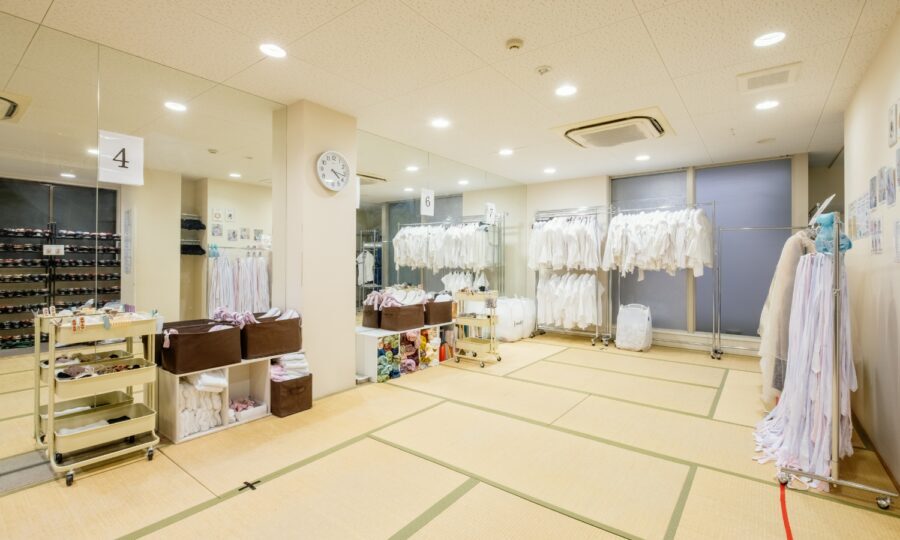
Kimono fashion is not just about the outfit. It’s also about what you wear under it, and here they help you match sandals and geta to your kimono.
At RikaWafuku, they even make custom-made zori sandals designed to go well with trendy kimono looks each season. That’s a thoughtful detail because comfort affects how much you actually enjoy walking.
My practical advice: kimono day is walking day. Even if you only plan a short loop, you’ll move more than usual because everything looks photo-worthy. So choose the footwear they recommend, and don’t be shy about asking for the most stable option.
Step 7: Go sightseeing immediately in your kimono
Once you’re dressed and styled, you can head out right away. Because the store is in Gion, you’re surrounded by tourist spots and restaurants in the nearby area, which makes it easy to turn the rental into a real plan.
This is the part you should optimize. Start with a loop that includes both main lanes and side streets. The main streets give you the classic Kyoto vibe. The side streets are where you often feel like you’ve slowed down, even if you’re moving at regular walking speed.
For photo timing, think like this: if you want softer light, aim for earlier in the day before crowds thicken. If you want evening atmosphere, plan your dinner so you don’t feel rushed at return time.
Just don’t forget the clock. Your reservation time doesn’t change the final return time of 5:30 p.m. So if you book late afternoon, your “walk” might be more like a sprint, especially if you want time for snacks.
Return time and the late-fee reality
At the end, you return the kimono by the final return time. The key detail is that the cutoff is always 5:30 p.m., even if you arrived earlier due to your reservation time.
If you exceed the return time, an extension fee is charged. That sounds obvious, but it’s the kind of thing that quietly ruins the last hour of your day if you build your sightseeing too tightly.
Plan for a buffer. If you’re at a restaurant, don’t be the person who finishes dessert and then panics about clothing time. Aim to be on the way back before you feel hungry, not after.
Languages, group size, and how to make communication painless
The host or greeter is Japanese, and the language option listed is Japanese. That means if you speak little Japanese, you should expect some moments where communication takes longer than in English-heavy tour areas.
The silver lining is that the process is visual. Dressing, choosing items, and pointing at options is something staff do every day. You’ll still have a good experience even if your vocabulary is limited, as long as you’re patient at the start.
Group size is capped at up to 6 participants, which helps. Smaller groups tend to feel less chaotic in busy storefront spaces, and you get more attention during fitting and hair styling.
Not everyone should book (and who will love it)
This rental is a great match if you want a fast, guided way to wear kimono in Gion without learning the complicated logistics yourself.
You’ll likely love it if you:
- want a simple 1-hour plan that leads straight into sightseeing
- care more about your finished look than about doing the steps yourself
- are comfortable following instructions and being handled by staff during fitting
It may not fit you well if:
- you need hair styling for men (it’s not available)
- you’re traveling with a large carry case and want to avoid storage fees
- you strongly prefer private changing spaces
- you fall outside the suitability rules: children under 3 and pregnant women are listed as not suitable
Should you book RikaWafuku in Gion?
If you want kimono in Gion without overthinking it, I’d lean yes. The store is close to the station, the selection is broad, and the included dressing (plus women’s hair set) means you’re paying for a finished result, not just fabric.
I would hesitate only if privacy is your top priority or if you’re worried about cash-based add-ons. Otherwise, this is a practical way to add Kyoto style to your day with a clear schedule and a short walk back into sightseeing.
FAQ
FAQ
How far is the store from Gion-Shijo Station?
The RikaWafuku Gion store is about a 2-minute walk from Gion-Shijo Station.
What is the price and duration?
It costs $19 per person, and the activity duration is listed as 1 hour.
Can I come without bringing accessories?
Yes. You can rent it empty-handed, since the accessories needed for kimono rental are provided at the store.
How long will it take from reception to leaving?
It usually takes 45 to 70 minutes from reception to dressing and hair styling to departure, depending on the time and season.
Is hair styling included?
Hair set and hair ornaments are included for women. Hair styling service is not available for men.
Can I choose any kimono I want?
You can choose as many kimonos as you like at the store, and prices do not change depending on the type of rental kimono or rental yukata.
What if I want extra decorations or optional accessories?
Optional decorations are available for purchase locally. Add-on payments require cash payment only.
What time do I have to return the kimono?
No matter what time you reserve, the final return time is 5:30 p.m. Late return may result in a fee.
Is there a limit on group size?
Yes. It is a small group limited to 6 participants.