REVIEW · DRINKING TOURS
Kyoto Private Night Tour with a Local – Bars, Bites & Culture
Book on Viator →Operated by City Unscripted · Bookable on Viator
Night in Kyoto has its own rhythm. A private walking tour takes you through lantern-lit Gion and the old-school feeling of Pontocho as dusk settles, with your route shaped to your pace and interests.
I especially like two things. First, the tour is genuinely customized through a pre-trip questionnaire and direct messages with your host, so you can steer toward food, culture, or quieter streets. Second, you start with two included drinks (beer or non-alcoholic), which makes the stop for bars and izakayas feel like part of the experience, not an afterthought.
One thing to consider: this is a walking-first evening. You’ll mainly be on foot, and if you hop between areas by public transport or a local taxi, that extra cost may come up, so plan to bring a little buffer.
Key things you’ll notice on this tour
- Private party only: no mixing with strangers, so you can ask questions and set the pace.
- Pre-tour questionnaire + direct communication helps your host tailor the route.
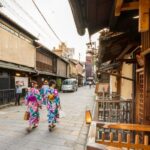
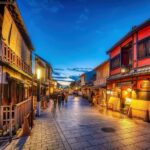
- Gion at night: lantern lanes, old wooden streets, and the chance to glimpse geisha with luck.
- Tatsumi Bridge to Shimbashi: a classic crossing with photogenic townhouses and tea-house energy.
- Yasaka Shrine after dark: fewer daytime crowds and a calmer, more spiritual feel.
- Two included drinks pair nicely with a guided bar/izakaya stop in the nightlife lanes.
In This Review
- Why Kyoto at night feels different (and smarter)
- What “private and personalized” really buys you
- The start point: getting oriented in Kyoto’s busy center
- The first walking section: your host sets the tone
- Gion at night: lantern lanes and tucked-away teahouses
- Tatsumi Bridge and Shimbashi: the photogenic crossing
- The nightlife street stop: bars and izakayas with an insider filter
- Yasaka Shrine after dark: a calmer kind of awe
- A second shrine pause in Gion: quiet time built into the walk
- How the included drinks and extra food fit together
- Price and value: where your money is going
- Logistics that matter: walking time, transport, and comfort
- Who this Kyoto night walk is best for
- Should you book this Kyoto night tour?
- FAQ
- How long is the Kyoto night tour?
- Is pickup available?
- What’s included in the price?
- Do I need to buy attraction tickets?
- What areas will we see during the walk?
- Is this a private tour?
- Can I cancel and get a full refund?
Why Kyoto at night feels different (and smarter)
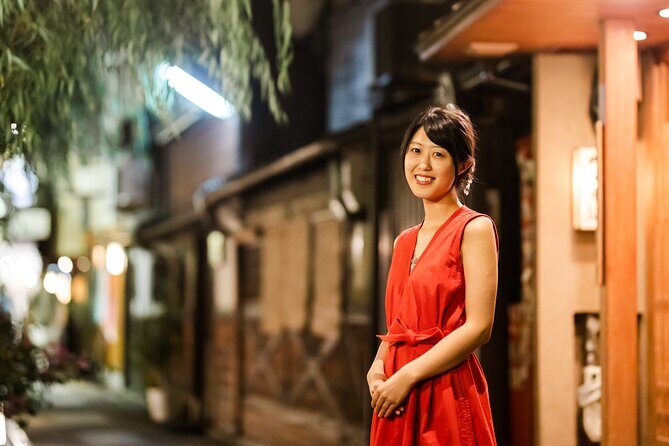
Kyoto at night is when the city starts acting like itself. Daytime is temples, crowds, and checklists. At dusk, the mood shifts: paper lanterns glow, side streets soften, and the whole place feels easier to read.
This is the big appeal of a private Kyoto night tour. You’re not just seeing famous sights—you’re walking the neighborhoods where local life still shows through. You’ll spend time around Gion, move toward Shimbashi, and get into the atmosphere that surrounds old Pontocho, where the streets feel built for slow wandering.
What “private and personalized” really buys you
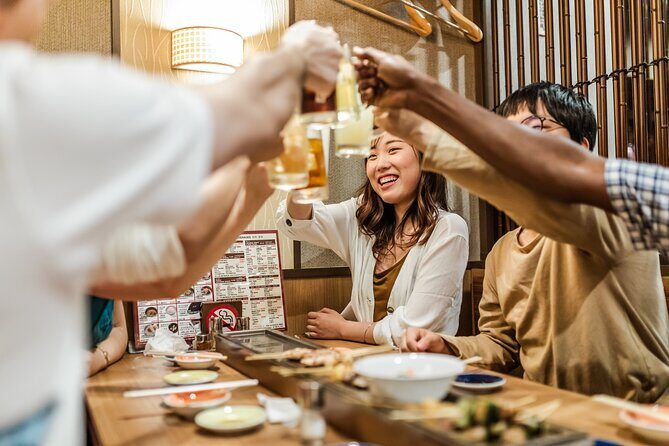
The tour is designed around your party only, so you’re not forced into a one-size-fits-all script. Your host starts with your interests, then adjusts the order and pace as you go. That matters in Kyoto, because one person’s must-do is another person’s “wait, let’s see that street instead.”
You also get a practical advantage: the pre-tour questionnaire and direct communication with your host. If you care about Shinto customs, you can ask. If you’re more interested in snacks and the bar scene, you can steer the evening that way. Some guides are especially praised for customizing on the fly—like Miki, noted for thoughtful communication ahead of time, and Toga, who’s been able to incorporate specific bar requests into the plan.
You can also read our reviews of more private tours in Kyoto
The start point: getting oriented in Kyoto’s busy center
You meet at Matsumoto Kiyoshi Kyoto Shijo Kawaramachi (Hashimotochō). It’s a useful location because it’s in the Shijo Kawaramachi area, where you can typically find your bearings fast and get to/from the rest of your day’s plans.
From there, you’ll head out on a walking route built for evening pacing. The tour ends back at the meeting point, which is handy when you want a clean finish to your night without re-planning transport.
The first walking section: your host sets the tone
The early part of the tour is all about settling into after-dark Kyoto. Your host guides you through the plan at a tempo that fits your group, then uses it to connect the dots between what you’re seeing and how local culture works.
Expect a mix of:
- quick storytelling that explains what you’re looking at
- practical context about neighborhood life
- chances to choose where to slow down
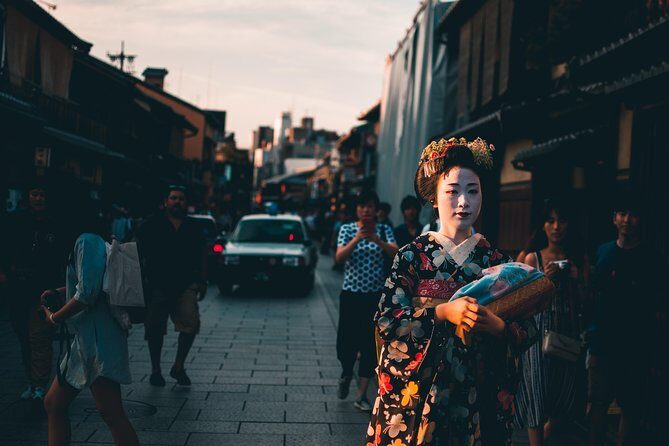
If you’re hoping to spot geisha, this is where you’ll set yourself up for success: the tour runs at the time of night when people move through the area and the streets feel most atmospheric. Just keep expectations realistic. You might see one, you might not.
Gion at night: lantern lanes and tucked-away teahouses
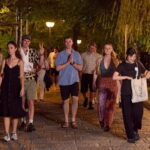
As you stroll through Kyoto’s historic entertainment district, the tour leans into atmosphere with real-world context. The streets change after dark, and your host points out what to notice beyond the postcard angles.
You’ll likely walk past:
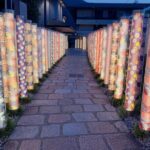
- lantern-lit lanes that feel intimate instead of grand
- tucked-away teahouses and small storefronts
- the kind of side corners that many day-time crowds miss
This is also a good segment for photos, because evening light flattens shadows and makes wood and paper textures look warm. Guides have been praised for helping people capture good night shots—like Oulan and Chai, who are called out specifically for spotting photo opportunities in the Gion streetscape.
Tatsumi Bridge and Shimbashi: the photogenic crossing
Crossing Tatsumi Bridge is a key moment. It’s not just a way to get from one point to another—it’s one of those Kyoto transitions where the view opens up and you can feel how Gion is built around elegant streets and river-adjacent rhythms.
After the crossing, you reach Shimbashi, described as the picturesque part of Gion. Here, the emphasis is on wooden townhouses and the kind of dining and tea-house culture that’s more subtle than it looks on a map. You’ll have time to look, not just walk past.
Practical note: this is still a walking tour, so bring shoes you’re happy to wear for a few hours. Kyoto nights can be smooth, but you’ll still be stepping around uneven sidewalks and narrow lanes.
You can also read our reviews of more evening experiences in Kyoto


The nightlife street stop: bars and izakayas with an insider filter
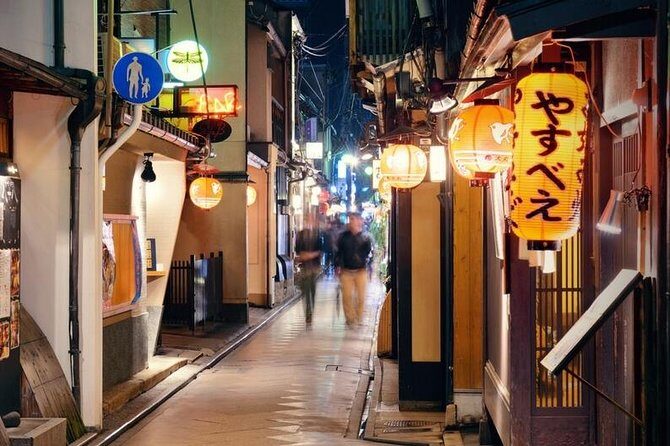
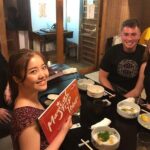
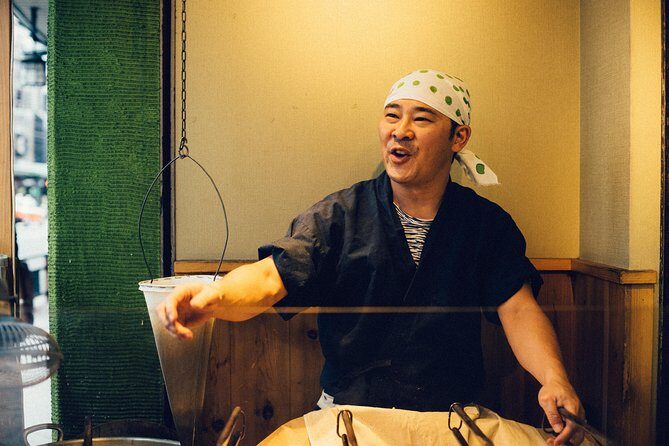
Next comes the part many people want most: a narrow nightlife street where small bars and cozy izakayas sit close together. This is where your host’s local instincts help. Kyoto has plenty of places that look inviting but aren’t always the best match for your night.
Here’s what the guide does well in this segment:
- suggests a low-key drinking or snack spot that fits your group
- explains what makes the area’s drinking culture different from tourist bars
- keeps you moving at a pace that doesn’t feel like a sprint
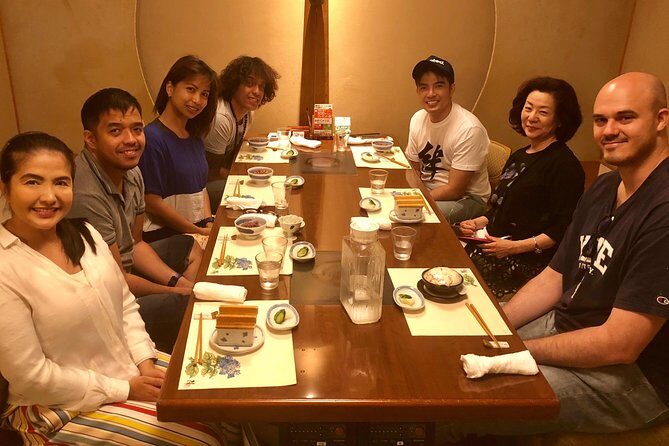
You’ll also have the included two drinks available here (local beer or a non-alcoholic beverage). That inclusion is smart value because it lowers the number of decisions you must make right away. It also gives you a natural reason to step inside instead of standing around deciding.
If you want something specific—like a speakeasy-style bar vibe—you can ask your host. Toga has been noted for taking requests and working them into the evening, which is exactly what this private format is for.
Yasaka Shrine after dark: a calmer kind of awe
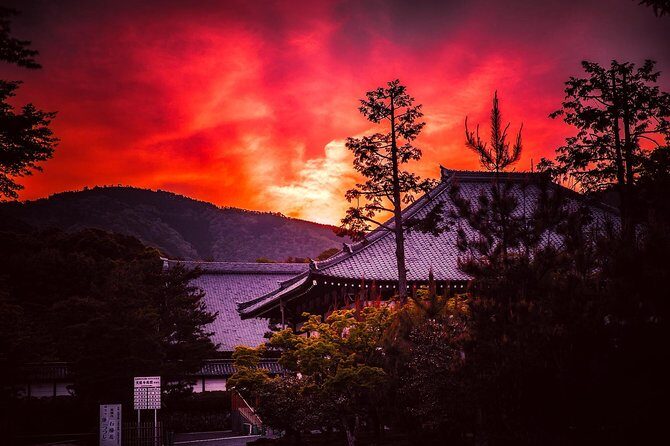
Yasaka Shrine looks stunning in daylight. At night, it feels more personal. The lighting changes the experience, and the crowd energy drops, so you get room to understand what you’re seeing.
Your host explains local customs and Shinto traditions. They may also share a legend connected to the shrine, which helps the place feel lived-in rather than just photographed. This is one of those stops where slowing down actually improves the trip.
If you’re the type who usually walks fast through shrines, this segment is worth leaning into. Let your host guide the pace for a bit. You’ll get more meaning out of the visit.
A second shrine pause in Gion: quiet time built into the walk
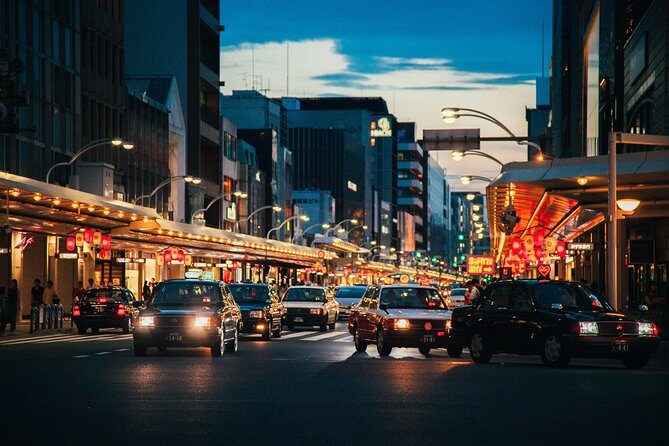
After Yasaka, you’ll pause at a smaller shrine tucked into the Gion area. It’s positioned as a reflective break during the evening exploration.
Why this works: Kyoto’s night tour can turn into a loop of highlights. Adding a calmer shrine stop resets the senses. It gives you something other than food and lanterns to hold onto in your memory, and it keeps the tour from feeling like nonstop consumption.
How the included drinks and extra food fit together
The tour includes two drinks. The choices listed are local beer or a non-alcoholic beverage. Food is not included beyond what you may choose during the bar/izakaya stop, so expect to budget extra if you want full meals.
This is normal in Kyoto. Alcohol and casual bites are part of the local rhythm, but your included items are designed to get you started. If you’re careful with spending, you can keep it to the two included drinks and one snack.
If you’re a “we’re on vacation” eater, tell your host your flavor direction early. People have been guided to spots serving specific foods, and hosts are generally good at matching preferences—like finding an Okonomiyaki spot or introducing sparkling sake when that’s what the group wanted.
Price and value: where your money is going
At $150.35 per person, this is not a cheap casual stroll. You’re paying for:
- private guide time
- tailoring through the questionnaire and direct messaging
- access to neighborhoods and nighttime timing that work better with a local host
The value shows up most if you:
- want a structured evening without the stress of planning
- care about culture and context, not just views
- like eating and drinking, but want it guided toward good choices
If you’re the type who loves solo wandering with an app, you might be tempted to skip paid guides. But Kyoto is tricky at night because the best experience depends on timing and on knowing what’s worth stepping into. The private format reduces guesswork.
Also, this tour is commonly booked in advance (around 50 days on average). If you’re traveling during peak periods, I’d treat it like a must-do and lock it in earlier rather than later.
Logistics that matter: walking time, transport, and comfort
This is primarily a walking experience, and no private vehicle is included. The description lists an approximate duration of 2 to 3 hours, while the included experience is also described as a 4-hour walking format. Either way, you should plan for a multi-hour evening on foot.
Public transportation or local taxis may be used to transfer between sites, and exact costs can be discussed with the host after your reservation is finalized. Translation: don’t assume the whole tour is step-by-step continuous, but also don’t plan on a chauffeured night.
The route ends back at the meeting point, which is convenient for your plans afterward. It also makes the tour easier to fit into a longer Kyoto itinerary.
Who this Kyoto night walk is best for
This tour fits best if you want Kyoto after dark without feeling lost.
It’s especially good for:
- couples or small groups who want private pacing
- food-and-drink lovers who want insider picks near Gion
- culture seekers who want shrine context and neighborhood stories
- anyone who finds daytime Kyoto overwhelming and wants a quieter angle
It’s less ideal if you want only big, ticketed highlights. This is a walking cultural night with conversation, small pauses, and a bar/izakaya component. It’s not built around long museum stops or attraction tickets.
Should you book this Kyoto night tour?
Yes, if you want a structured, local-feeling evening in the Gion and Pontocho orbit. The combination of lantern-lit streets, bridge-to-townhouse scenery, and shrine time after dark is a strong trio, and the private and personalized setup is what turns it from a simple walk into a real Kyoto night.
I’d book with confidence if:
- you like nightlife that stays respectful and local
- you want your host to tailor stops to your interests
- you’re happy to walk several hours in comfortable shoes
I’d think twice if:
- you’re on a tight budget for food and drink extras
- you strongly prefer skipping alcohol-based stops
- you don’t want any chance of extra transfer costs
If you do book, send your preferences clearly before you meet. The whole point is that your host can shape the evening around you, not around a fixed script.
FAQ
How long is the Kyoto night tour?
The tour is described as lasting about 2 to 3 hours, and it’s also described as a 4-hour walking experience. Plan for a multi-hour evening on foot.
Is pickup available?
Pickup is offered, but the experience is primarily a walking tour. Any transfers between sites may use public transport or a taxi, with those costs discussed with the host.
What’s included in the price?
Included are two drinks (local beer or a non-alcoholic beverage), a private personalized walking experience with a local host, and a pre-tour questionnaire to tailor the plan. You’ll also have direct communication with your host for planning and recommendations.
Do I need to buy attraction tickets?
No additional attraction tickets are included. Tickets are listed as not included, so you should expect to pay only if you choose to add tickets or other activities.
What areas will we see during the walk?
You’ll spend time around Gion at night, including lantern-lit streets, and you’ll cross Tatsumi Bridge toward Shimbashi. The route also includes a stop at Yasaka Shrine after dark and another smaller shrine in the Gion area.
Is this a private tour?
Yes. It’s private and personalized for your party only.
Can I cancel and get a full refund?
Free cancellation is offered. You can cancel up to 24 hours in advance for a full refund, based on local time cut-off rules.