REVIEW · VIP
Kyoto: Private Highlights Tour with Guide and Luxury Vehicle
Book on GetYourGuide →Operated by Japan Travel and Tour · Bookable on GetYourGuide
Kyoto feels huge on a tight schedule. This private highlights tour strings the best sights together with a private guide and a luxury vehicle you’ll actually be comfortable in. You get thoughtful explanations as you go, not just a map with photo stops.
I also like that the day is built around how you want to see Kyoto, with a flexible route and a guide who can adjust timing on the fly. If you’re traveling with kids, or you’re just moving slower than the average tourist, that matters more than you think.
One possible drawback: this is a full, one-day hit of major temples and streets. Plan on walking a lot, and remember that entry tickets are not included, so you’ll want cash on hand.
In This Review
- Key highlights worth planning around
- Why this Kyoto day feels easier than doing it alone
- Pickup and drop-off from Kyoto, Osaka, or Nara
- Morning in Arashiyama: bamboo, Tenryu-ji, bridge views, and monkeys
- Kimono Forest: the quick photo stop with big payoff
- Golden Pavilion at Kinkaku-ji: why the reflection matters
- Ginkaku-ji and Sanjusangen-do, plus a lunch base that fits your style
- Kiyomizu-dera and the stair-walk streets of Ninenzaka and Sannenzaka
- Gion: geisha district charm with a slower, smarter pace
- Fushimi Inari Taisha: torii gates and how to enjoy the climb
- Price and what you actually get for $383 per group
- Best for families, first-timers, and people who hate logistics
- Should you book this Kyoto private highlights tour?
- FAQ
- How long is the Kyoto private highlights tour?
- How much does it cost, and how many people can go?
- What locations are pickup and drop-off available for?
- Is the guide available in English only?
- Are entry tickets included?
- Is lunch included?
- Do I need cash?
- What should I bring?
- Is alcohol allowed during the tour?
- Should I book it if I’m visiting Kyoto from Osaka or Nara?
Key highlights worth planning around
- Private, English-speaking guide with strong flexibility for your pace and interests
- Arashiyama morning flow: Tenryu-ji area, Togetsu-kyo Bridge views, and Monkey Park Iwatayama
- Iconic photo moments: Sagano Bamboo Forest and the Kimono Forest photo setting
- Kinkaku-ji Golden Pavilion plus Zen garden context that makes it click
- Kiyomizu-dera + Sannenzaka/Ninenzaka for the classic uphill streets and viewpoints
- Fushimi Inari Taisha torii gates with a clear way to enjoy the climb without stressing
Why this Kyoto day feels easier than doing it alone
Kyoto can be a “great on paper, exhausting in real life” city. The distances aren’t insane, but the schedule pressure is. This tour solves the big problem: you stop guessing routes, trains, buses, and timing—and you just focus on the sights.
The other win is the way the guide handles logistics and commentary together. You’re not stuck translating signs while your feet do the heavy lifting. Instead, you get enough context to understand what you’re seeing, and you get guidance on where to spend time. People also talk about guides being patient when the day gets long, especially with families and kids. That’s not a small detail. Kyoto rewards calm.
And yes, the ride is part of the experience. You’re in an air-conditioned vehicle with Wi‑Fi, which sounds like a perk until it’s a lifesaver in heat, rain, or cold weather. One of the most common themes in the feedback is simply that the car is comfortable when the day’s conditions aren’t.
You can also read our reviews of more guided tours in Kyoto

Pickup and drop-off from Kyoto, Osaka, or Nara
The tour is designed for people who want a clean start and a clean finish. You have pickup options in Kyoto, Osaka, and Nara, and drop-off returns you to those same areas. That matters because Kyoto day trips often fail at the edges: the early morning scramble and the end-of-day navigation when you’re tired.
If you’re staying outside Kyoto—say, in Osaka—this is a big practical advantage. You don’t need to build a mini transportation plan just to get to the first temple. You also won’t lose time waiting for the “right” route. Instead, you’re on the road, then walking, then back into the car between stops.
One more small but real benefit: the service emphasizes customer support and safety protocols. You’ll be in good hands crossing busy areas, and you’ll get smoother timing from place to place.
Morning in Arashiyama: bamboo, Tenryu-ji, bridge views, and monkeys
Arashiyama is where Kyoto starts to feel cinematic. The tour kicks off here for a reason: it’s one of those areas where an early arrival can make your photos and your mood better.
You’ll spend guided time around the Tenryu-ji Temple area and its gardens. Tenryu-ji is well known, but the real value is that you’re not just snapping shots—you’re learning how the garden layout and temple setting work together. Even if you’re not a “garden person,” the explanation tends to give you a simple way to look.
Next comes the Togetsu-kyo Bridge area. This is one of those viewpoints where you can see how the river and surrounding greenery frame the temple-landscape relationship. It’s a great place to slow down and take it in.
Then you head to Monkey Park Iwatayama. This is one of the stops that makes the day feel like more than just temples. You’ll get a guided experience up the hillside, and the payoff is the chance to watch monkeys in a natural-feeling setting above the district.
Finally, you’ll also get a Sagano Bamboo Forest photo stop. Expect it to be a “see it, frame it, move on” moment. The main point is the look and the photos—the guided context helps you understand why the bamboo here is such a Kyoto symbol.
Kimono Forest: the quick photo stop with big payoff
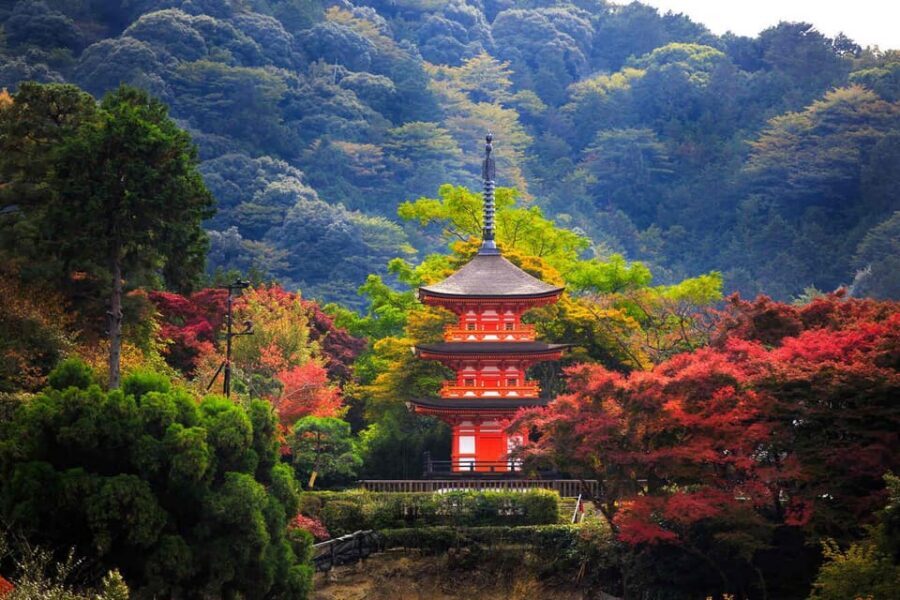
After Arashiyama, you’ll visit the Kimono Forest area—famous for colorful kimono fabric-wrapped pillars that create a visually striking photo setting. The best part is how efficient it is. You get high-impact images without turning the day into a slow slog.
This is also a good place to reset. After temples and uphill walking, you can stand, take photos, and breathe for a bit. If you’re traveling with friends or family, it’s an easy “everyone can get their moment” stop.
One tip: bring shoes you can walk comfortably in. That sounds obvious, but it’s crucial here because the day involves a lot of stepping, stairs, and uneven ground around temple areas.
Golden Pavilion at Kinkaku-ji: why the reflection matters
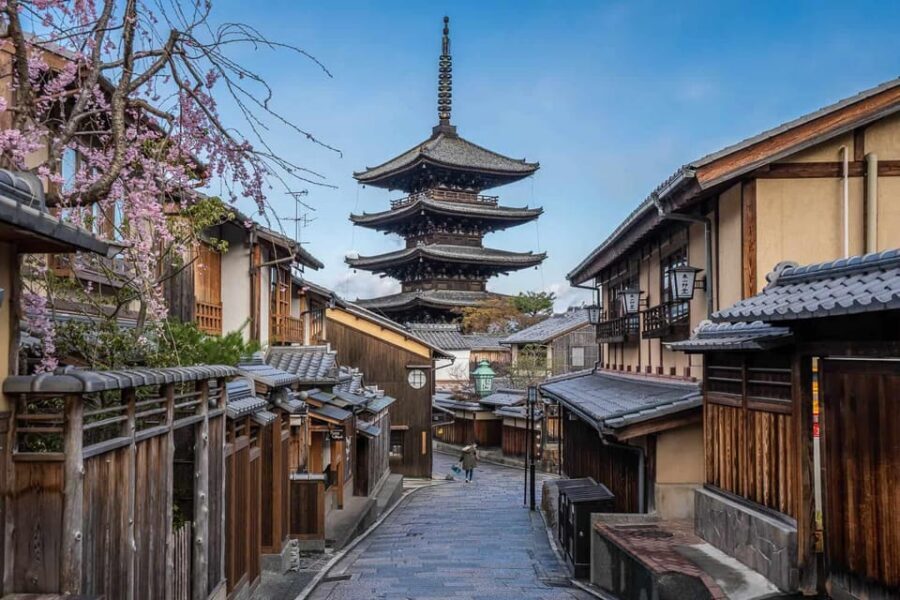
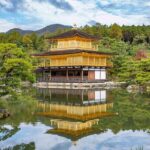
At Kinkaku-ji (the Golden Pavilion), the moment is the pond reflection. From there, everything makes sense—gold leaf, temple structure, and that careful garden design that turns a simple view into a composition.
You’ll get about an hour with a guide here, so you’re not just rushing through the most photographed building in Japan. The guide’s job is to help you notice details: how the garden frames sightlines, why the reflecting pond is central to the experience, and what the temple represents in Zen Buddhist tradition.
One consideration: the area can feel crowded when tour buses are running at full speed. The smart way to handle it is to let the guide pace you. Spend time where you’ll actually get clear angles, then move on before you feel boxed in.
If you’re a first-time Kyoto visitor, this is the stop that gives you the “I get it now” feeling. You’ll understand why people obsess over Kinkaku-ji—and why it looks so different depending on your angle and the light.
You can also read our reviews of more private tours in Kyoto

Ginkaku-ji and Sanjusangen-do, plus a lunch base that fits your style
After Kinkaku-ji, the tour moves into more temple variety. You’ll also visit Ginkaku-ji (the Silver Pavilion). Even if it’s less flashy than its Golden counterpart, it has a calmer mood. A good guide will help you shift from the showy highlight to the quieter focus—what to look for when the main structure isn’t doing the heavy lifting.
Then you’ll go to Sanjusangen-do, known for its major hall and that sense of scale you only get when you’re standing in the space. It’s not a “wander and read signs” kind of stop. It’s a “stand back, take it in, and understand what makes this hall special” kind of stop—and the guide helps make that work within a one-day schedule.
Lunch is where you can steer the day. The plan includes time for lunch at a favorite restaurant or at Nishi-Ki Market, depending on what you choose. If you like sampling, Nishiki is a natural place to do it, because it’s full of food options and you can build a casual meal while still staying on schedule.
Practical note: food and drinks aren’t included. That’s normal for tours, but it means you can actually control what you eat—Western, local snacks, something quick, or a full sit-down meal. In feedback, guides have even helped people find places that match dietary needs, including vegan options—so if food restrictions matter to you, this guide-led structure is an advantage.
Kiyomizu-dera and the stair-walk streets of Ninenzaka and Sannenzaka
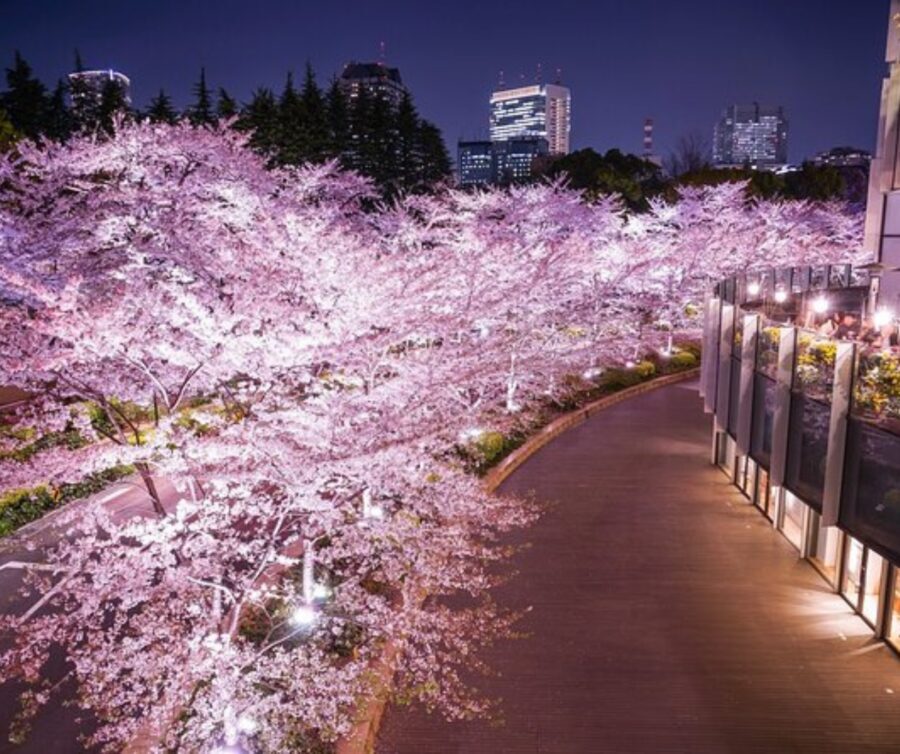
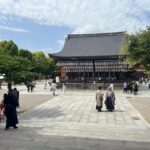
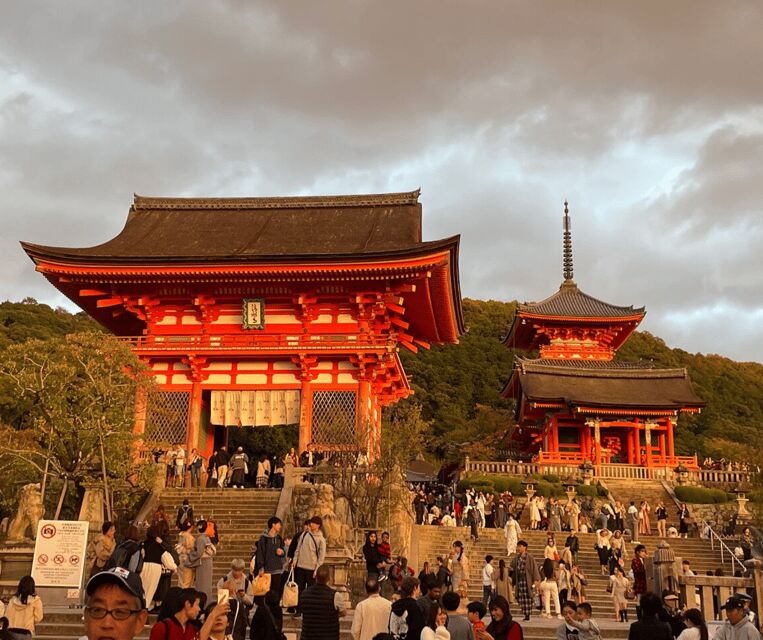
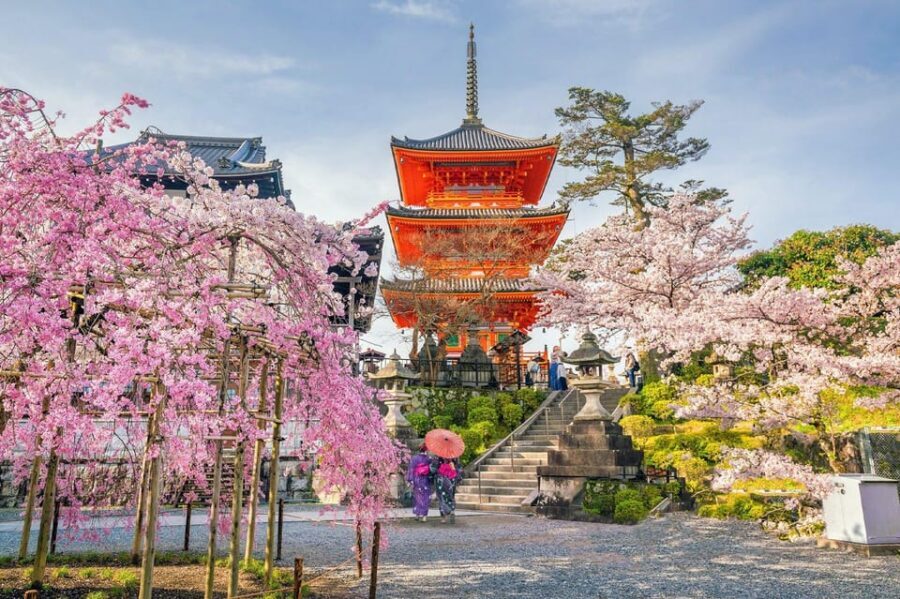
Kiyomizu-dera is the kind of temple where you don’t need to be a scholar to appreciate it. The iconic highlight is the wooden stage and the panoramic city views from there. The guide helps you understand what you’re looking at, and why the viewpoints matter.
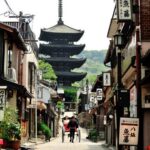
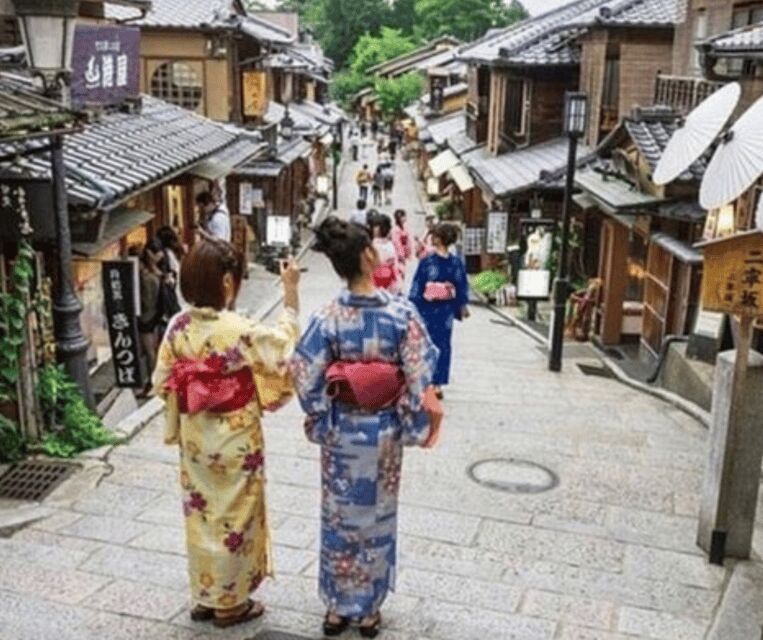
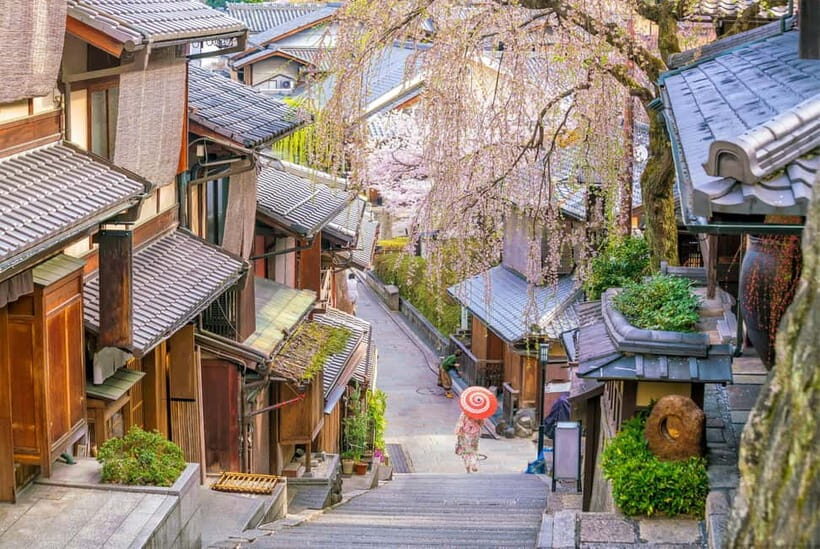
You’ll also spend time walking through Ninenzaka and Sannenzaka, the classic streets lined with traditional shops and tea houses. This isn’t just sightseeing. It’s where Kyoto’s everyday “old streets” vibe shows up—small businesses, crafts, and the visual rhythm of the lanes.
One drawback to know before you go: this is where the walking stacks up. If you’re trying to keep energy for the full day, build small breaks into your rhythm. In feedback, I’ve seen a practical pattern—people feel the day gets exhausting by the end, mostly because they underestimate the stair walking and crowd movement.
So wear comfortable shoes. If it rains, bring an umbrella. Even a light drizzle can turn stone steps into a slip-and-slide situation.
Gion: geisha district charm with a slower, smarter pace
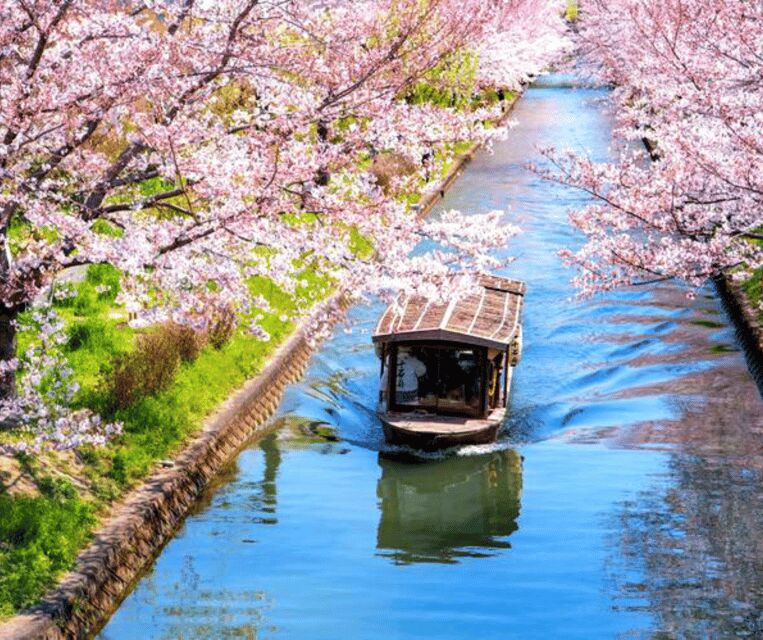
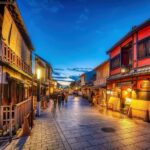
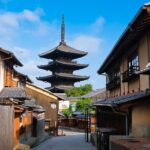
Gion is Kyoto’s most famous historic entertainment district. On this tour, you’ll have time to walk through the area with guidance, so you can connect what you see to how the district works historically and socially.
You’ll want to treat Gion as a “slow down and look” zone. The best moments aren’t always the biggest landmarks—they’re the side streets, the old architecture, and the feeling of stepping into a different time frame.
At the same time, expect foot traffic. It’s a popular area. The guide’s value is pacing you and keeping you from losing time zigzagging around bottlenecks.
If you’re traveling with kids or anyone who needs less walking, this part of the day is still doable, but you may want to ask the guide to focus on fewer streets with better viewing angles. It’s your private group, so you can shape the experience.
Fushimi Inari Taisha: torii gates and how to enjoy the climb
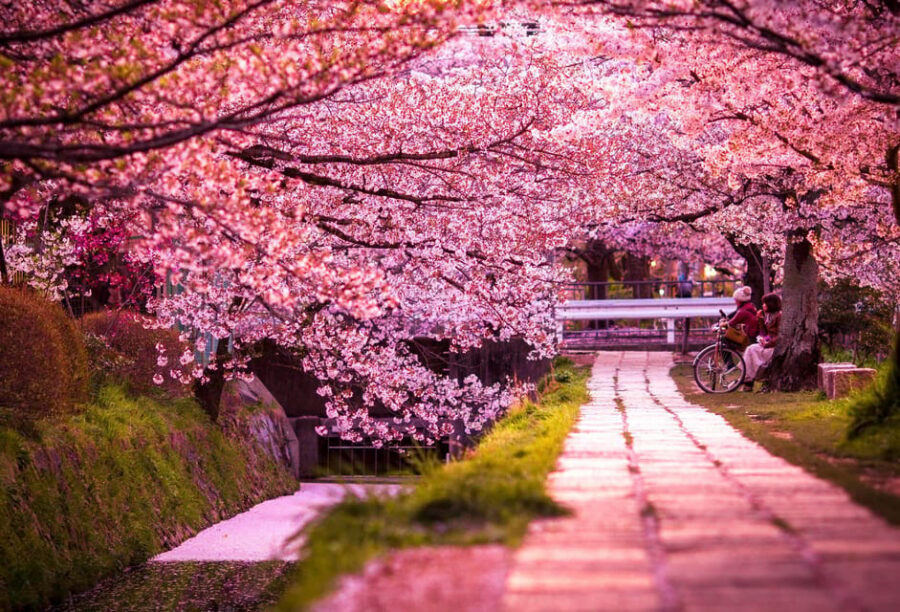
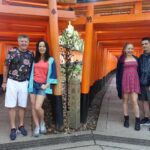
The day ends with Fushimi Inari Taisha, the famous Shinto shrine where thousands of red torii gates wind up a sacred mountain route. This is one of Kyoto’s most recognizable scenes, and the guide makes it more than a photo scavenger hunt.
You’ll spend guided time here so you understand why the torii gates matter, and what you’re seeing as the path rises. The big challenge with Inari is time and stamina. The climb is beautiful, but it can feel long if you push too hard.
A simple strategy: go at a pace where you can still enjoy the sightlines. Let the guide suggest a turnaround point if you need to save energy for the rest of the day. That’s especially important if your legs are already tired from Arashiyama and the Kiyomizu steps.
And don’t forget the practical side: temple areas can involve card/payment limitations. The tour notes suggest bringing cash, since some entry tickets do not accept card payments. Even if you mostly pay digitally back home, carry a bit of yen.
Price and what you actually get for $383 per group
The price is $383 per group (up to 6 people) for a 10-hour day with a private English-speaking guide and luxury vehicle. On its face, it’s not “cheap.” But for Kyoto, it can be good value if you compare what you’d spend in time and stress getting around plus the cost of multiple admissions and transit layers.
Think of the math like this: if you fill the group, the per-person cost drops fast. More importantly, you’re paying for saved decision-making. Kyoto’s big sites are spread out enough that a self-guided day often turns into a schedule compromise. This tour is designed to protect your priorities.
What’s included:
- hotel pickup and drop-off from Kyoto/Osaka/Nara
- English-speaking guide (plus the tour lists additional languages: Japanese, Hindi, Urdu)
- private transportation in an air-conditioned vehicle
- Wi‑Fi on board
What’s not included:
- food and drinks
- entry tickets
The “skip the ticket line” wording is helpful, but it doesn’t remove the need for entry fees. What it does signal is that you won’t spend your day guessing which counter to use or getting stuck in inefficient queues. Your guide helps you keep things moving.
Best for families, first-timers, and people who hate logistics
This tour is a strong fit if:
- you have one day (or basically one “good daylight window”) in Kyoto
- you want major hits like Arashiyama, Kinkaku-ji, Kiyomizu-dera, Gion, and Fushimi Inari
- you prefer a plan that can bend when your group is tired, slower, or more interested in photos
- you’re traveling with kids and want someone who can keep the schedule sane
It’s also useful if you care about timing. Guides in the feedback talk about optimizing around crowds and traffic, and adjusting when weather shifts. In real life, that’s the difference between a day that feels relaxed and a day that feels like a sprint.
Who should consider splitting into two days: if your walking tolerance is low, or you know you’ll want longer “sit and absorb” time at each temple. People do mention feeling exhausted by the end, and that matches the reality of packing this many historic sites into a single day. If you’re the type who likes to linger, it may be worth doing fewer stops with more breathing room.
Should you book this Kyoto private highlights tour?
If you want a smooth, high-value way to see Kyoto’s biggest name sites in one go, I’d book it. The combination of private transport, a guide who adjusts to your pace, and a route that hits Arashiyama, Kinkaku-ji, Kiyomizu-dera, Gion, and Fushimi Inari is exactly what you want when time is limited.
Skip it only if you’re the kind of traveler who wants to wander independently without structure. Also think twice if you’re worried about stairs and long walks. This tour can still work with the right pace, but it’s not a “minimal walking” day.
FAQ
How long is the Kyoto private highlights tour?
It lasts 10 hours.
How much does it cost, and how many people can go?
It costs $383 per group, up to 6 people.
What locations are pickup and drop-off available for?
Pickup and drop-off are available from Kyoto, Osaka, and Nara.
Is the guide available in English only?
The tour provides a live guide, and languages listed are English, Japanese, Hindi, and Urdu.
Are entry tickets included?
No. Entry tickets are not included, though the tour mentions skipping the ticket line.
Is lunch included?
No. Food and drinks are not included.
Do I need cash?
Yes. The tour notes recommend bringing some cash because some temple entry tickets do not accept card payments.
What should I bring?
Wear comfortable shoes. If it rains, bring an umbrella.
Is alcohol allowed during the tour?
Alcohol and drugs are not allowed, and alcoholic drinks are not allowed in the vehicle.
Should I book it if I’m visiting Kyoto from Osaka or Nara?
Yes. The tour specifically includes pick-up and drop-off from Osaka and Nara, which makes the day much easier to manage.