REVIEW · EVENING EXPERIENCES
Candlelit Zen: Evening Meditation at Kyoto’s Secret Temple
Book on GetYourGuide →Operated by Travel Japan Together · Bookable on GetYourGuide
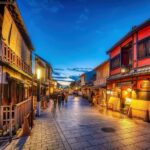
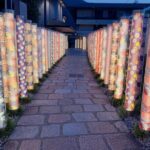
Kyoto at night can be hypnotic. This candlelit Zazen session in a temple that is usually closed to the public gives you a quieter kind of Japan—one focused on breathing, posture, and mental stillness.
I love that you get the full teaching moment, not just a sit and go. You’ll learn the principles and techniques of Zazen from a monk, and then practice with a calm, supportive rhythm.
One consideration: it’s a true meditation experience. If you’re hoping for lots of wandering or big sightseeing stops, you might find the stillness takes more patience than a typical evening tour.
In This Review
- Key things that make this Kyoto night special
- Why this Kyoto candlelit Zazen feels different
- Meeting at Kodaiji Park (and finding your guide fast)
- Entering the temple: etiquette, rules, and what you can (and can’t) do
- The monk’s Zazen lecture: what you’re learning before you sit
- Practicing Zazen: breathing rhythm and staying with yourself
- Candlelight and the moss garden: atmosphere that actually helps
- Tea ceremony + monk discussion: closing the loop
- Price and value: $774 per group up to 9
- Who should book Candlelit Zen in Kyoto
- Small details that can make or break your night
- Should you book this candlelit Zazen experience?
- FAQ
- FAQ
- How long is Candlelit Zen in Kyoto?
- What time of day does the meditation take place?
- Is there an English-speaking guide?
- How big is the group?
- Where do I meet for the experience?
- Can I take photos during the experience?
- Are food and drinks allowed inside the temple?
- Is hotel pickup included?
- Is there a cancellation policy?
Key things that make this Kyoto night special
- A temple with restricted access: you enter through a separate entrance, not the usual tourist flow
- Zazen instruction from a monk: short lecture, clear guidance, then practice
- Candlelight plus a moss garden: soft light and natural textures set the mood
- A real tea finish: tea with a discussion, plus time to ask questions
- Photography is allowed (no flash): you can capture the space without blasting it
Why this Kyoto candlelit Zazen feels different
Kyoto is packed with temples. But this experience is designed for one specific purpose: you sit down, you focus, and you learn how Zen meditation actually works in practice.
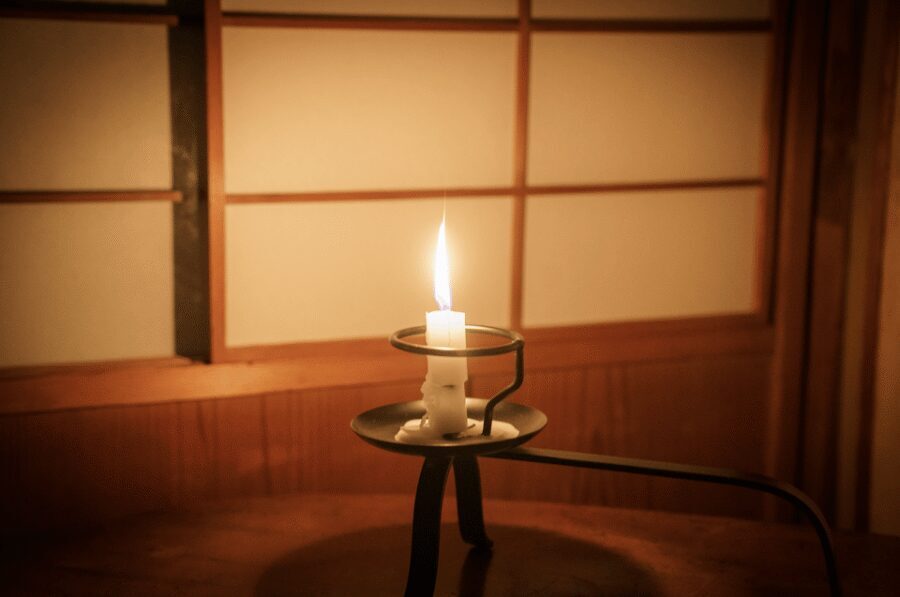
The setting matters. You’ll be in a hidden temple in Kyoto that isn’t open to the general public, and the evening candlelight turns the whole room into something gentler. Even the garden view at the end is part of the pacing, so the night doesn’t feel like a rushed stop. It’s more like a guided reset.
And the vibe is practical, not spiritual cosplay. The monk’s teaching is about sitting, breathing, and attention—what to do with your mind when it wants to roam.
You can also read our reviews of more evening experiences in Kyoto

Meeting at Kodaiji Park (and finding your guide fast)
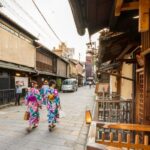
You meet at a very specific place: the toilet at Kodaiji Park, on the northern side. This is exactly the kind of detail that saves you stress, especially at night when landmarks blur together.
If you want things to go smoothly, message ahead and get your bearings early. One strong tip from past participants: the organizer communicates over WhatsApp, which makes it easier to spot the group and the guide quickly.
Also note what’s not included: there’s no hotel pickup or drop-off. That’s normal for this style of experience, but you should plan to get yourself to Kodaiji Park on time and on foot. Give yourself buffer time, because evening light plus crowds near major sights can slow you down.
Entering the temple: etiquette, rules, and what you can (and can’t) do
You’ll use a separate entrance to skip the line, which keeps the start of the session calm. Once you’re inside, the atmosphere is controlled for meditation, not for roaming.
Photography is allowed, but no flash. That rule is more than etiquette—it protects the quiet and the lighting conditions the ceremony relies on. If you want photos with the monk later, plan on keeping your phone ready but your behavior slow and respectful.
Food and drinks are not allowed inside the temple. This helps the environment stay distraction-free and keeps the tea ceremony meaningful at the end. Wear something you can sit in comfortably, too—this tour is about staying still.
The monk’s Zazen lecture: what you’re learning before you sit
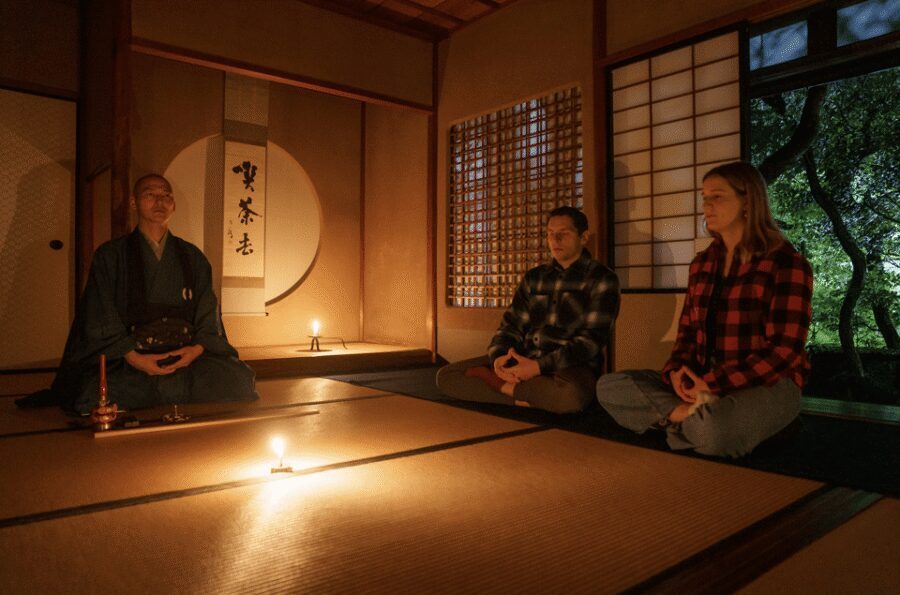
Before the actual meditation, you get a lecture from the monk. This is where the experience moves from scenery to skill.
You’ll learn the principles and techniques of Zazen, seated meditation at the heart of Zen Buddhism. The goal isn’t just calm vibes. It’s learning how to work with attention—how to observe thoughts without being dragged around by them.
You’ll also get cultural context briefly. The session helps explain how Zen practice fits into Japanese Buddhism, including the idea that there are different sects. If you’ve only heard the word Zen as a general label, this helps you understand it as a set of disciplined practices, not just a mood.
If you’re new, don’t worry about getting it perfect. The lecture is there to give you a starting point. Your job during practice is to apply the basics and stay present.
Practicing Zazen: breathing rhythm and staying with yourself
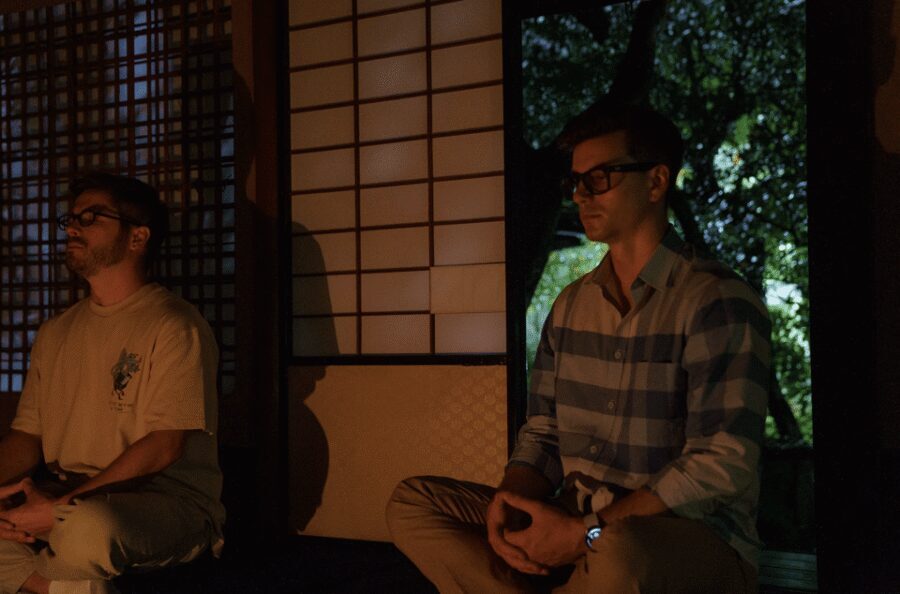
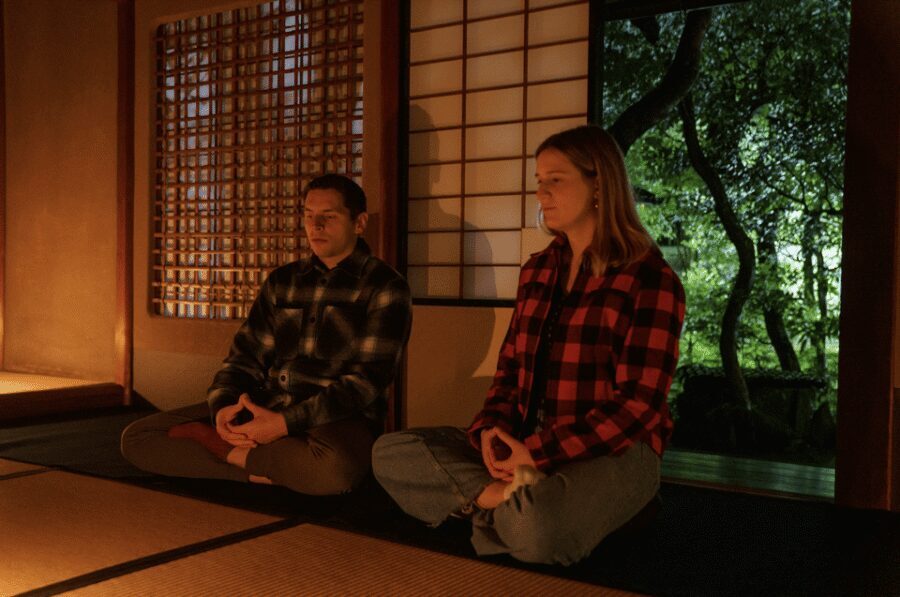
Then comes the main event: you practice. This is a 70-minute session in the evening, guided by a monk and supported by an English-speaking guide.
Expect rhythm. You’ll be encouraged to breathe rhythmically, and you’ll work on unifying your mind instead of chasing mental side quests. The wording in this kind of teaching often sounds poetic, but your body will know what it needs: a steady seat, a stable posture, and a breathing pace you can actually maintain.
The practice is also described in terms of confronting yourself and letting go of ego and worldly concerns. That doesn’t mean you’ll have a dramatic emotional breakdown. It usually means your mind stops bargaining with distractions. You notice what keeps pulling you away, and then you return.
Here’s the practical part you should plan for: you’ll likely spend most of the time seated. If you have a sensitive back or knees, consider choosing clothing that supports you and shoes you can easily remove or adjust if needed (the specific footwear rules aren’t stated, so keep an eye out on-site).
Also, show up ready to be present. Put your phone away during the meditation itself. If you feel itchy or restless, that’s normal. The whole point is learning what to do with that restlessness.





Candlelight and the moss garden: atmosphere that actually helps
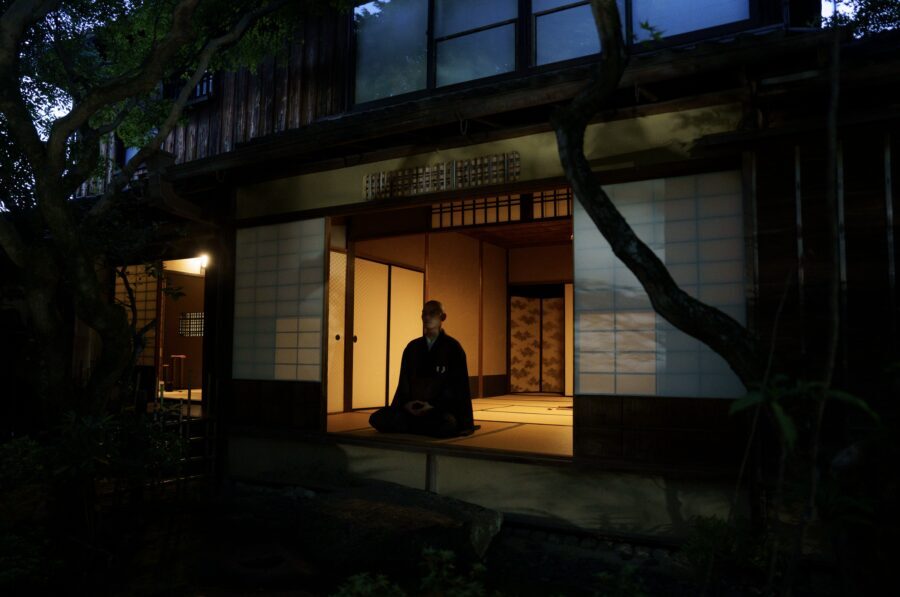
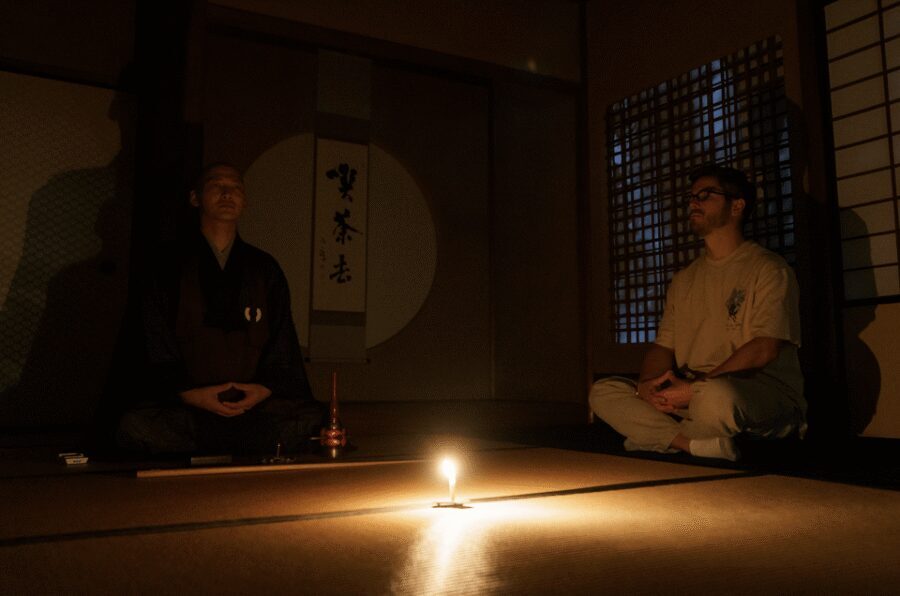
Candlelight isn’t just decoration here. It changes how you experience time.
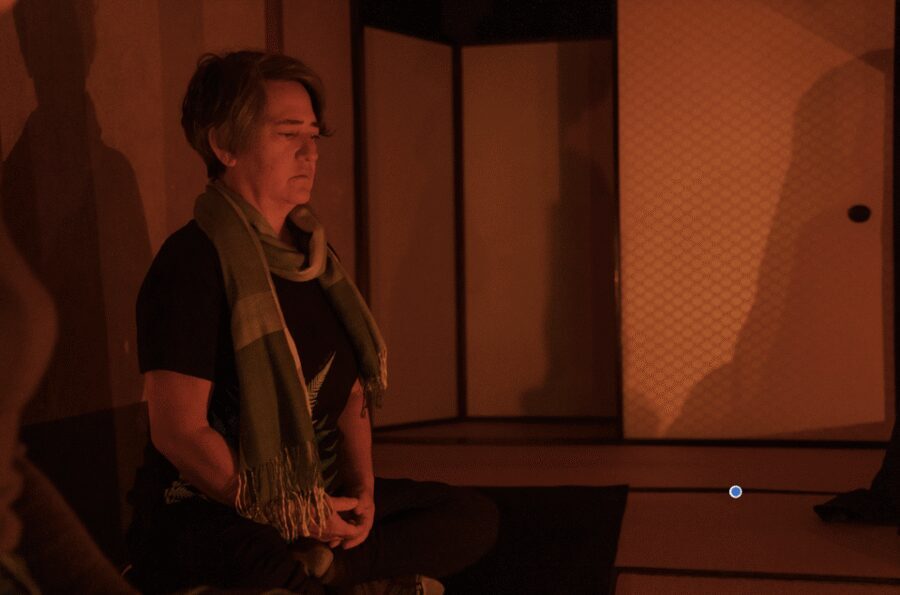
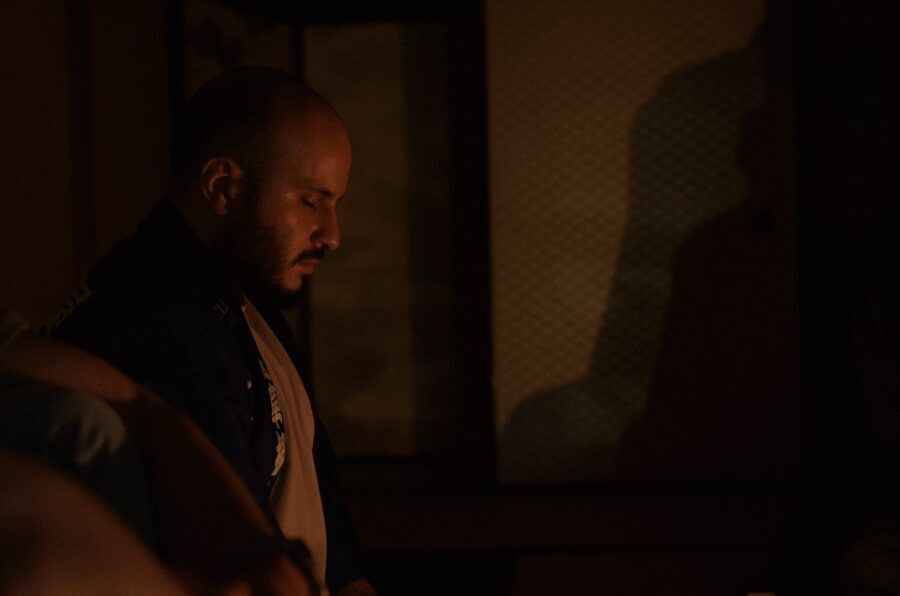
In darker rooms, your senses slow down. You stop multitasking. You listen more carefully to the monk’s guidance and feel the candle glow instead of scanning the space. Several people point out the peaceful setting, and I get why: it’s the kind of environment where the mind agrees to settle.
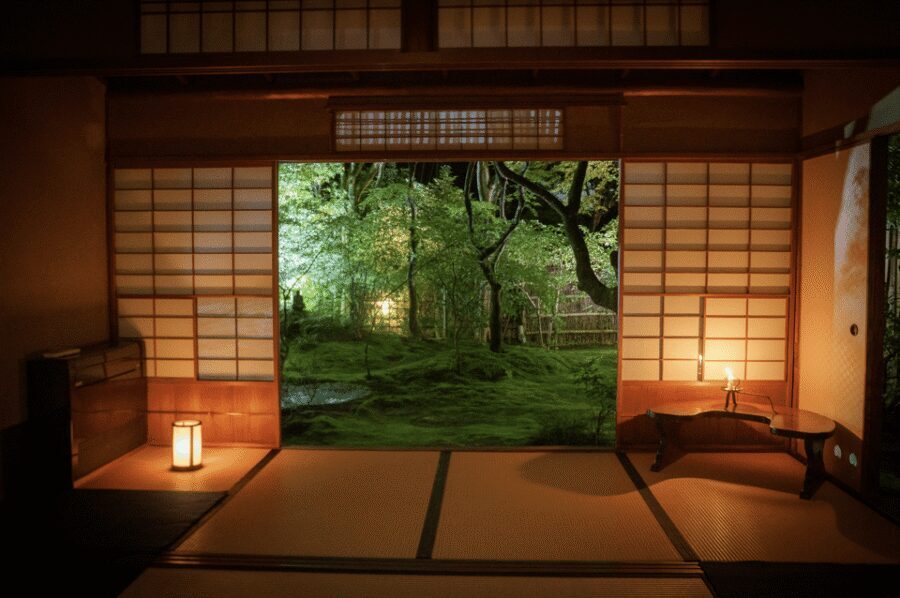
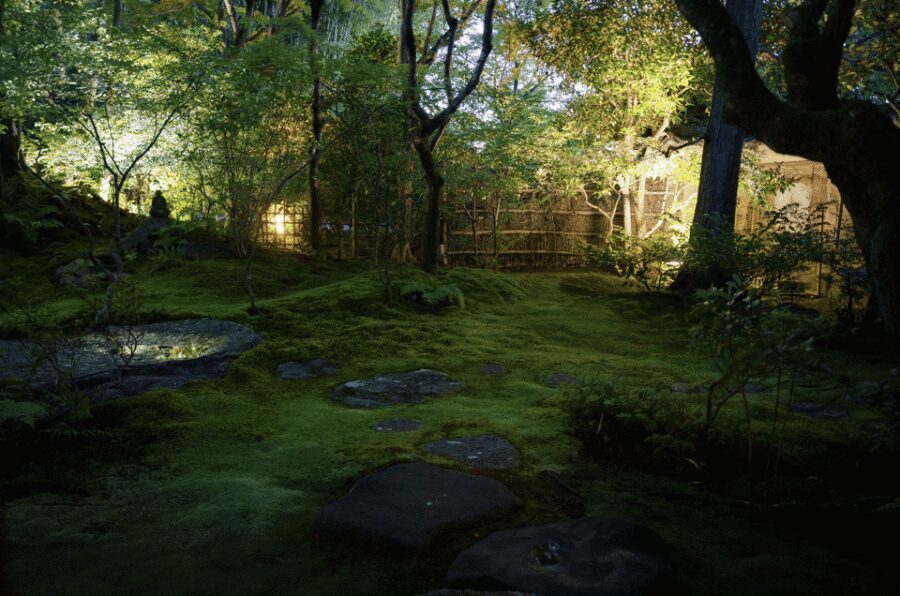
And the moss garden adds a distinct texture to the evening. It’s earthy, quiet, and visually soothing in a way that feels genuinely Japanese rather than staged. If you like atmosphere that looks good in photos, you’ll get that too—but the point is how it supports your focus.
You can also capture photos with the monk and within the temple. Just remember: you’re in a meditation setting, so keep it respectful. No flash, and keep photo moments brief.
Tea ceremony + monk discussion: closing the loop
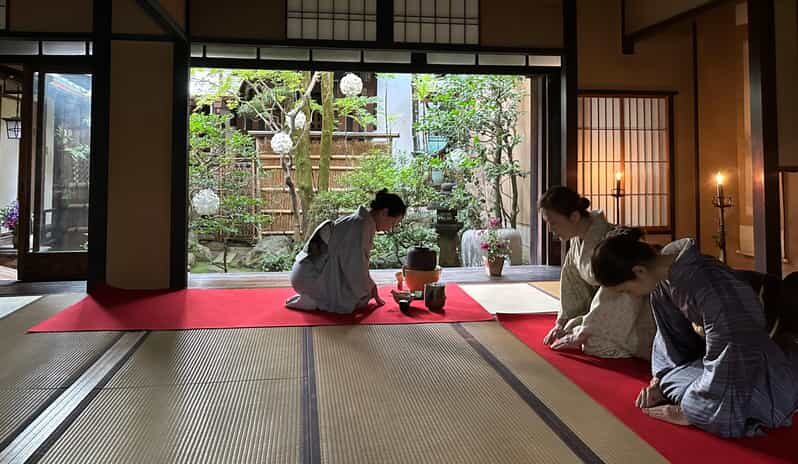
After the meditation, the experience finishes with tea. This is one of the most valuable parts because it transitions you from internal focus to human conversation.
You’ll drink tea while enjoying a view of the temple gardens. The tea ceremony isn’t described like a separate performance—it functions like a final punctuation mark. You slow down again, this time using warmth and taste instead of breath.
Then you get a discussion with the monk. This is where you can ask questions about what you experienced: the practice, what you felt, and how to keep the ideas grounded when you go back to regular life. Past participants highlighted learning about Buddhism more broadly, so if you came into this with basic curiosity, this is where you can leave with clearer understanding.
If you’re visiting Kyoto and your brain is overloaded from temples and crowds all day, this ending helps. It turns the session into something you can carry with you.
Price and value: $774 per group up to 9
Let’s talk money in a way that helps you decide.
The price is $774 per group up to 9, for a total duration of 70 minutes. If you fill the whole group, that works out to about $86 per person. If you’re a smaller group, your per-person cost rises—but you’re still paying for real access to a temple that isn’t generally open, instruction from a monk, and a guided tea finish.
What makes it feel like value isn’t just the teaching. It’s the combination of:
- entry to a usually restricted temple,
- Zazen instruction plus practice,
- English support, and
- time to talk at the end.
Also, you’re getting a private group. That matters for meditation because it’s easier to focus and less awkward to ask questions if the group is smaller.
If you’re traveling as a couple or family, this can be a strong buy. One group in past experiences included kids aged 12–18 and everyone was able to participate. That suggests the guidance style is accessible enough for teens, as long as your group can handle quiet time without constant bouncing.
Who should book Candlelit Zen in Kyoto
This is ideal if you want Kyoto at night, but on a slower track.
You’ll probably love it if you:
- want a guided introduction to Zazen, not just temple sightseeing
- like hands-on experiences where you do something with your body
- appreciate quieter cultural moments—breathing, etiquette, and small rituals
- want a respectful place to ask questions from a monk
It might be less ideal if you hate stillness or you’re looking for a fast-paced itinerary. This isn’t a multi-stop night market run. It’s a focused session. Your payoff is mental calm and practical learning, not extra stamps or shopping stops.
Also, if you’re very sensitive to sitting for an extended period, plan ahead and choose clothing and posture that work for you.
Small details that can make or break your night
These are the things I’d watch if I were scheduling this in my own Kyoto trip:
- Be on time at Kodaiji Park: the meeting is at a specific spot (the toilet on the northern side).
- No flash photography: keep it respectful and avoid bright light.
- Don’t bring food or drinks into the temple: save that energy for the tea moment.
- Bring a calm mindset: if you’re mentally sprinting through Kyoto all day, this is your chance to slow down.
- Use the guide help: if they message you via WhatsApp, lean into it so you can find the group without stress.
This is the kind of tour where your attitude matters as much as your schedule.
Should you book this candlelit Zazen experience?
If you want one Kyoto night that feels focused, human, and calming, I’d say yes.
Book it if you’re curious about Zen and want real instruction from a monk, not just a general overview. The combination of candlelight, Zazen practice, tea, and conversation is exactly the sort of experience that changes how you remember a place. It’s not only what you see—it’s what you learn how to do.
Skip it if you’re chasing big sights, constant motion, or a packed itinerary. This night is about staying with yourself, breathing, and accepting quiet for an hour-plus.
If that sounds like your kind of Kyoto, this is a smart, value-minded way to get it.
FAQ
FAQ
How long is Candlelit Zen in Kyoto?
The experience lasts 70 minutes.
What time of day does the meditation take place?
It takes place in the evening.
Is there an English-speaking guide?
Yes. The tour includes a live English guide.
How big is the group?
This is a private group, with pricing set per group up to 9 people.
Where do I meet for the experience?
Meet at the toilet at Kodaiji Park. The guide will wait for you on the northern side of the toilet.
Can I take photos during the experience?
Yes, photography is allowed, but flash photography is not.
Are food and drinks allowed inside the temple?
No. Food and drinks are not allowed inside the temple.
Is hotel pickup included?
No. Hotel pick up and drop off are not included.
Is there a cancellation policy?
Yes. Free cancellation is available up to 24 hours in advance for a full refund.