REVIEW · COOKING CLASSES
Kyoto Sushi & Takoyaki Cooking Class near Gion and Kiyomizu-dera!
Book on Viator →Operated by OTAKU hopper · Bookable on Viator
Sushi and takoyaki in a Kyoto machiya. This is a hands-on Kyoto cooking class in Higashiyama where you make rolled sushi and takoyaki with HANA, not just sit and watch. I love how practical it feels, from ingredients in your hands to finished bites you can actually taste right away. I also love the ending: sake (or beer/juice) plus creamy matcha mochi ice cream.
One catch: there’s no hotel pick-up, so you’ll want to plan how you’ll reach the meeting point near Hanakiya Inn. The good news is it’s close to public transportation, and the class stays intimate with a max group size of 6.
In This Review
- Key Points to Know Before You Go
- Inside a Traditional Machiya in Higashiyama (Why the Setting Matters)
- Where You Meet: Hanakiya Inn and How the Timing Works
- Rolled Sushi with HANA: Technique You Can Actually Repeat
- Takoyaki Hands-On: The Joy of Cooking by Feel
- The Meal: Sake or Beer or Juice, Plus Matcha Mochi Ice Cream
- What You’ll Learn Beyond the Dishes
- Value for $96.19: What’s Included and Why It Adds Up
- Who This Kyoto Sushi and Takoyaki Class Fits Best
- Practical Tips to Get the Most Out of Your 2 Hours
- Should You Book This Kyoto Sushi & Takoyaki Cooking Class?
- FAQ
- How long is the Kyoto Sushi & Takoyaki cooking class?
- What dishes will I learn to make?
- Where is the meeting point?
- What’s the group size?
- Is hotel pick-up included?
- What’s included with the price?
- Are children allowed?
Key Points to Know Before You Go
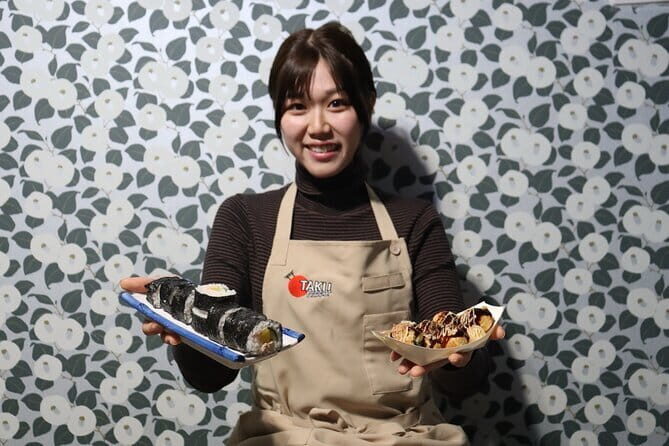
- Small group (max 6) means you get real help while you’re cooking.
- HANA leads the class with stories about food culture and everyday life in Japan as you cook.
- You make two big-name dishes: rolled sushi and takoyaki.
- Your meal includes more than the cooking: sake (or beer/juice), plus matcha mochi ice cream.
- Take-home recipes help you recreate the flavors after you get back home.
- Machiya setting in Higashiyama keeps the experience grounded and local, not staged.
Inside a Traditional Machiya in Higashiyama (Why the Setting Matters)
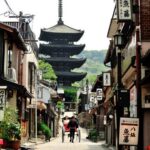
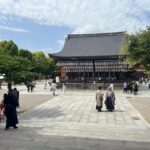
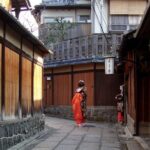
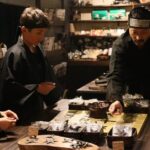
Kyoto’s Higashiyama area has a way of slowing you down. This class leans into that feeling by taking place in a traditional machiya—the kind of townhouse architecture that makes you feel like you’re stepping into daily life, not a studio set.
Why I like this approach for cooking classes: the space supports the learning. You’re not battling distractions, and the tone is calm enough to focus on technique—rolling, shaping, timing, and getting that right texture. With HANA guiding you, the class turns into more than a checklist. You hear stories that connect food to culture and routine, which makes the dishes taste more meaningful.
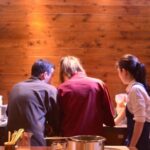
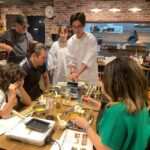
Also, the experience is built around interaction. You’re standing at workstations, handling ingredients, and learning by doing. That matters because rolled sushi and takoyaki can look simple until you try them. Having a local instructor means you avoid the common mistakes and get to the good part sooner.
And yes, you’re near the Gion and Kiyomizu-dera area. That’s a big plus if you want your food experience to fit naturally into a sightseeing day.
You can also read our reviews of more cooking classes in Kyoto
Where You Meet: Hanakiya Inn and How the Timing Works
You’ll start at Hanakiya Inn, 6-chōme-583-101 Gojōbashihigashi, Higashiyama Ward, Kyoto (and the activity ends back at the same meeting point). The class runs about 2 hours and uses a mobile ticket, so you’ll want to have that ready on your phone.
Because there’s no hotel pick-up, your success here depends on getting yourself to the meeting point smoothly. If you’re staying anywhere in the Higashiyama/Gion zone, it’s usually pretty manageable by foot or short transit rides. If you’re farther out, give yourself extra time so you’re not rushing. With a hands-on class, arriving late can throw off the flow.
The upside of this simple logistics setup: you don’t lose half your day to transfers. You can plan your morning or afternoon around that 2-hour block and still see other sights nearby.
Finally, the class is capped at 6 travelers. A smaller group helps the instructor keep an eye on your technique and respond quickly when something doesn’t look right.
Rolled Sushi with HANA: Technique You Can Actually Repeat
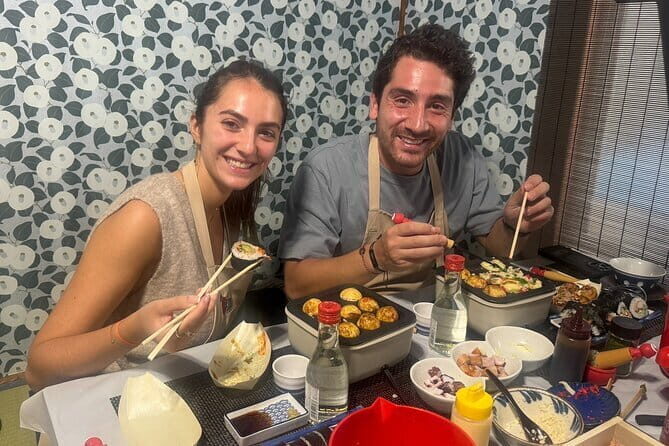
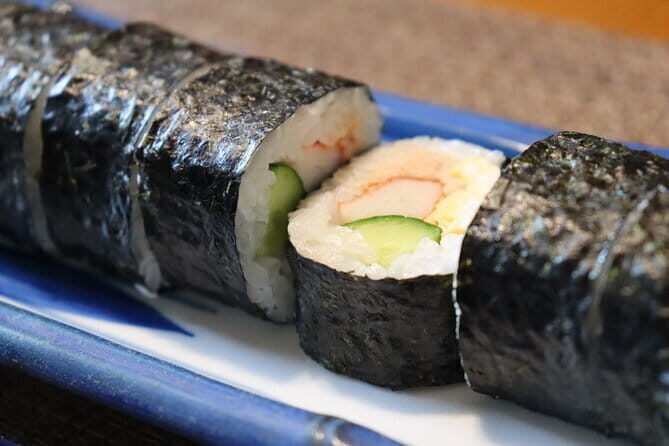
Rolled sushi is a classic, and it’s also a great choice for a cooking class. It teaches you structure: how to lay down the ingredients evenly, how to manage the roll, and how to think about texture as you work.
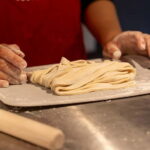
In this class, you’ll make rolled sushi as your first hands-on dish. That means you’re not just learning the ingredients—you’re practicing the steps that turn seaweed and rice into something clean and sliceable. You’ll also get guidance on how to build the roll so it doesn’t fall apart when you cut and eat.
What makes this feel more Kyoto than generic “sushi class” is the way HANA frames it. You’re not only told what to do; you’re given context about Japanese culinary traditions and daily life while you cook. That sort of explanation helps you understand why things are done a certain way, instead of memorizing steps like a robot.
One practical benefit: you get take-home recipes at the end. Rolling sushi is the kind of dish that gets easier with repetition. With your written notes, you’ll be more likely to recreate the flavors successfully than if you only remember what it looked like.
A small tip for the day: pace yourself. Rolled sushi looks fast when someone else is doing it, but in your own hands it takes focus. That attention is part of the fun.
Takoyaki Hands-On: The Joy of Cooking by Feel
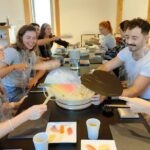
Takoyaki is the second dish, and it’s the one many people end up loving most. Why? It’s playful, forgiving, and tactile. You’re working with a batter, filling, and cooking through heat while you shape and turn—so you learn by watching and adjusting.
In the class, you’ll make takoyaki during this part of the session. Expect the experience to shift into a more active rhythm. This is where your confidence grows quickly, because you can see the results as you cook. When the outside sets and the shape forms, you get instant feedback.
The connection to Japanese food culture also matters here. Takoyaki is tied to everyday enjoyment and street-food style eating. So while you learn technique, you’re also getting a sense of how these foods fit into real life in Japan—what people eat, how they snack, and why certain foods have lasting popularity.
Portions can be generous. Even without official promises, the class is designed so you have enough to eat and enjoy the meal, not just taste a couple bites. If you end up with more than you can finish, you may be able to take leftovers along, which is a nice option when the food hits and your appetite is bigger than expected.
For value, that matters. You’re paying for a full cooking experience where you eat what you make, not just a small sampler.
The Meal: Sake or Beer or Juice, Plus Matcha Mochi Ice Cream
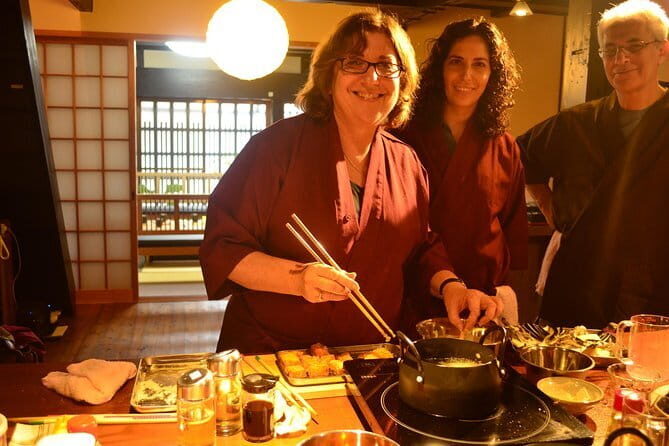
After the cooking, you get to eat what you made. This is the part that makes the class feel like a true meal rather than a snack demo.
Your drink options include sake, beer, or juice. Since sake is included, you’re not stuck with only soft drinks if you want to try something local. If you’re not sure about alcohol, the beer or juice option keeps things flexible.
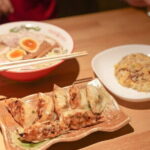
Then comes dessert: matcha mochi ice cream (described as a creamy matcha ice cream experience). This is a smart finish. After savory rolled sushi and takoyaki, the sweetness and cool texture reset your palate and make the overall meal feel complete.
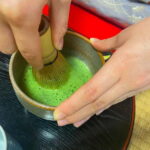
The dessert also ties back to the cultural side of the class. Matcha is one of those flavors that shows up everywhere in Japan, but it still feels special when you see how it’s used in different forms—from drinks to sweets. Here, it’s served as a creamy treat with mochi-style texture, which keeps it distinctly Japanese rather than “generic ice cream with green coloring.”
If you’re food-focused, this combo is why the class gets such strong recommendations. You don’t just cook; you get a satisfying full circle: hands-on work, tasting, and a sweet ending.
You can also read our reviews of more tours and experiences in Kyoto
What You’ll Learn Beyond the Dishes
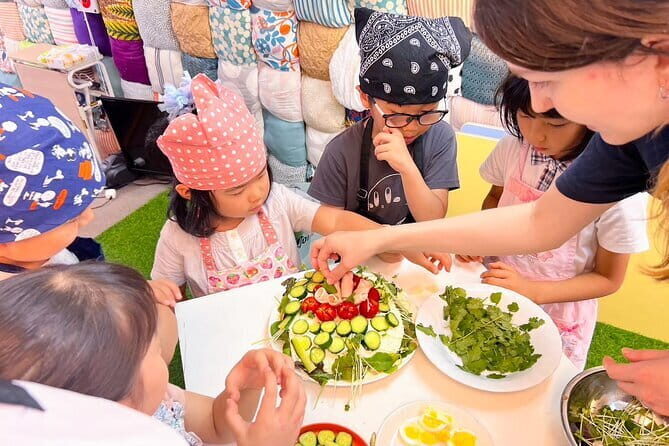
This class isn’t only about food technique. HANA shares stories about Japan’s culinary traditions and daily life as you cook, and that’s what turns the experience from a one-off activity into something you can carry home mentally.
Here’s what that means for you in plain terms:
- You learn more than “how to make it.”
- You learn why certain ingredients and methods are used.
- You start noticing how Japanese cooking often balances taste, texture, and timing.
Even if you’re not a serious home cook, that knowledge helps. You’ll be able to appreciate what you’re eating at a deeper level. And if you are a serious home cook, you’ll get enough guidance to avoid repeating the same frustration you’ve had with similar dishes.
Also, the class is designed to be manageable in about 2 hours. That’s important. Some classes run so long you lose the thread. Here, the pace is built to keep you actively working and then eating without dragging.
Value for $96.19: What’s Included and Why It Adds Up
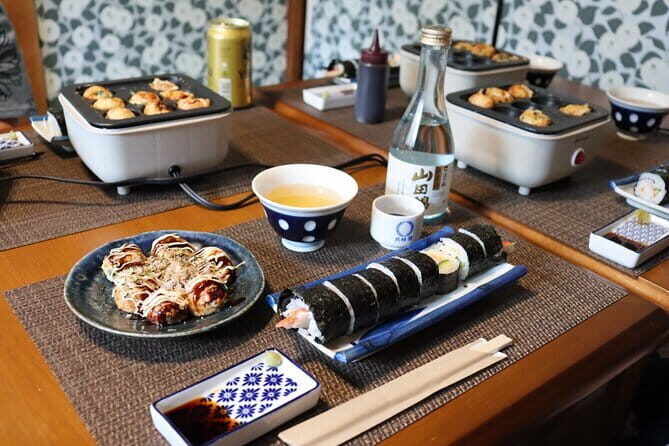
At $96.19 per person, this class can feel like a “special day” splurge. But when you look at what’s included, it’s easier to see why it has good value.
You get:
- A local English-speaking cooking instructor
- All ingredients and cooking tools
- The meal: you cook rolled sushi and takoyaki (lunch)
- Dessert: matcha mochi ice cream
- Drink: sake, beer, or juice
- Take-home recipes
That’s a lot baked into the price. Cooking classes that only teach technique without including ingredients and food can cost similar amounts, and you’re still left to figure out what you’ll eat afterward. Here, the food and drinks are part of the package, so you’re paying for an experience that ends with you actually eating a full meal.
The one item you should factor into your planning is that there’s no hotel pick-up. That doesn’t change the overall value, but it does affect how easily the class fits your itinerary.
If you like hands-on experiences and want something more authentic than a restaurant meal, this is the kind of class that justifies the cost.
Who This Kyoto Sushi and Takoyaki Class Fits Best
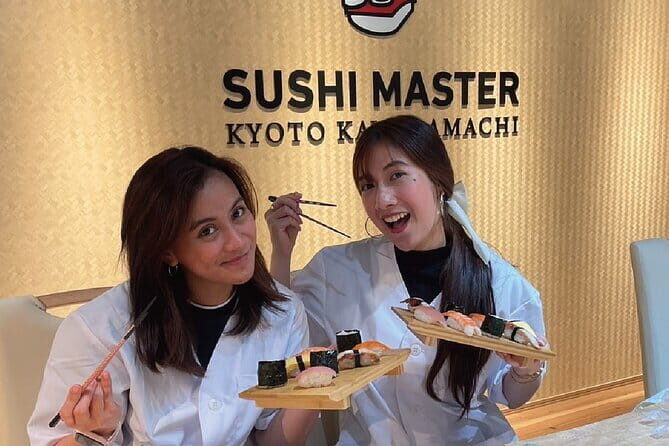
This experience is ideal if you:
- Want a hands-on Kyoto food activity rather than a sit-down meal
- Like learning from a real local instructor (HANA)
- Prefer small groups and quick, guided help
- Want a meal deal that includes sake/beer/juice and matcha dessert
It’s also a good pick for food travelers who already know a bit about Japanese cuisine and want to level up their home-cooking skills. Rolled sushi and takoyaki give you two different skill sets: careful structure plus heat-and-turn cooking.
One consideration: children under 6 aren’t permitted for safety reasons. If you’re traveling with kids, you’ll need to plan accordingly.
Practical Tips to Get the Most Out of Your 2 Hours
This class moves at a human pace, but you should still show up ready to work. A cooking class works best when you treat it like a workshop, not a casual show.
A few smart ways to set yourself up:
- Arrive with time to breathe and settle before you start cooking, since there’s no pick-up.
- Bring the mindset that mistakes are part of learning. Takoyaki especially rewards trial and adjustment.
- Plan around the class length. Two hours flies, and you’ll want to be done eating afterward, not rushing to the next stop.
If you’re a fan of walking in Higashiyama afterward, you’ll likely feel fueled rather than stuffed. And if the portion surprises you, remember the experience is designed to be genuinely enjoyable to eat, so leftovers are a real possibility.
Should You Book This Kyoto Sushi & Takoyaki Cooking Class?
Book it if you want a genuine, local-feeling food experience in a machiya, with HANA teaching you two iconic dishes you can actually repeat at home. The strongest reasons to choose it are simple: you cook hands-on, you eat a proper meal, and you finish with sake/beer/juice and matcha mochi ice cream.
Skip it only if you really rely on hotel pick-up to move around town. Since the meeting is at Hanakiya Inn and the class ends there, you’ll need to handle transit yourself.
If your budget allows and you’re even mildly curious about sushi rolling and takoyaki technique, this is one of those Kyoto activities that feels worth the time because it ends with food you made with your own hands.
FAQ
How long is the Kyoto Sushi & Takoyaki cooking class?
The class lasts about 2 hours.
What dishes will I learn to make?
You’ll make rolled sushi and takoyaki.
Where is the meeting point?
The class starts at Hanakiya Inn, 6-chōme-583-101 Gojōbashihigashi, Higashiyama Ward, Kyoto 605-0846, Japan. It also ends back at the same meeting point.
What’s the group size?
The class has a maximum of 6 travelers.
Is hotel pick-up included?
No. Hotel pick-up is not included.
What’s included with the price?
Ingredients and cooking tools, lunch (rolled sushi and takoyaki), dessert (matcha mochi ice cream), and a drink (sake, beer, or juice), plus an English-speaking local instructor.
Are children allowed?
Children under age 6 are not permitted for safety reasons.