REVIEW · IMPERIAL PALACE TOURS
Kyoto Imperial Palace and Nijo Castle Walking Tour
Book on Viator →Operated by KAMNAVI Tours · Bookable on Viator
Four Kyoto icons in one smart day. This tour strings together Nijo Castle shogun power, the Kyoto Imperial Palace setting for Japan’s emperors, and a real slice of daily Kyoto life at Nishiki Market.
What I like most is how the guides turn big names into human stories. Naoko has a knack for fun facts that work even for kids, while Chie makes sure the day stays on track so you actually see everything you paid to see. The one catch: it’s a good amount of walking, so plan for sore legs, not a casual stroll.
In This Review
- Key things to know before you go
- Kyoto in One Packed Day: What This Walking Tour Really Delivers
- Meeting at Hotel Granvia Kyoto and How the 9:00 Start Affects Your Day
- Higashi Hongan-ji Temple: Where Buddhist Life Meets Kyoto’s Everyday Faith
- Nishiki Market Shopping District: The Kitchen of Kyoto for Snacks and Real Decisions
- Nijo Castle: Shogun Residence Energy and Over-1000 Wall Paintings
- Kyoto Imperial Palace: The Emperor’s World Looks Different Than What You Expect
- Geisha-Street Area Stroll: Kyoto’s Icon in a Manageable Time Window
- Guides Matter: Naoko, Chie, and Fuji as the Real Secret Sauce
- Price and Value: How $111.03 Adds Up (and What You Still Pay)
- Walking Tips: Comfort, Weather, and Staying Fresh for 7 Hours
- Who This Tour Fits Best (and Who Might Want Another Option)
- Should You Book This Kyoto Imperial Palace and Nijo Castle Walking Tour?
- FAQ
- Where does the tour start, and what time does it begin?
- How long is the Kyoto Imperial Palace and Nijo Castle walking tour?
- Is this a private tour?
- What admission fees should I expect to pay?
- Are transportation costs included?
- What’s the cancellation policy?
Key things to know before you go
- Private group time: only your group participates, so questions feel natural instead of rushed
- A smart mix of sites: temples and markets first, then the shogun and emperor highlights
- Nijo Castle costs extra: admission isn’t included (¥1,300 per person), while the palace stop is free
- Guides keep it lively: Naoko, Chie, and Fuji are highlighted for clear English and answering lots of questions
- Geisha-area stroll included: you get a quick look at Kyoto’s iconic streets as part of the route
Kyoto in One Packed Day: What This Walking Tour Really Delivers
This is the kind of Kyoto day that helps you get your bearings fast. You cover the roles that shaped Japan: Buddhist practice for commoners, food-market life, shogun rule (Nijo Castle), and the imperial household setting (Kyoto Imperial Palace). Then you finish with a stroll through a geisha-street area, so the city’s image and its everyday rhythms both show up.
Two wins make this tour feel worth it. First, it’s structured so the big “must-see” sites don’t eat your whole day. You get shorter stops for context and breaks, instead of one long, exhausting slog. Second, the guides’ storytelling keeps you from feeling like you’re just ticking boxes.
The best reason to do it is also the simple one: Kyoto spreads things out. A well-led route cuts decision fatigue and helps you spend time looking, not calculating.
You can also read our reviews of more walking tours in Kyoto


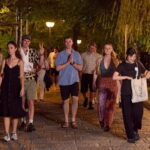
Meeting at Hotel Granvia Kyoto and How the 9:00 Start Affects Your Day
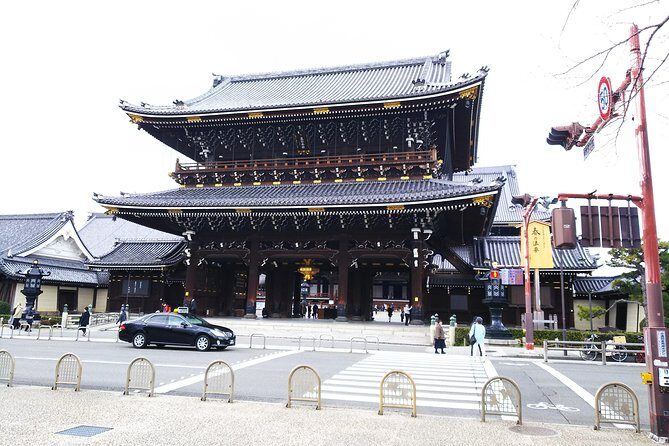
You start at 9:00 am at Hotel Granvia Kyoto by the JR Kyoto station Central Entrance. That’s a good choice because it’s central and easy to find, especially if you’re already spending most of your trip around Kyoto Station.
The tour runs about 7 hours and ends back at the meeting point. That “return to start” setup matters: you’re less likely to feel stranded if your energy dips after castle and palace walking. You’ll also want to budget for public transit inside the day. The public transportation fare is listed as ¥1,000 per person and is not included, so expect to handle that as you go.
You’ll get a mobile ticket, and it’s billed as a private tour/activity. Translation: it should feel more like a guided day with your group rather than a large crowd shuffle.
Higashi Hongan-ji Temple: Where Buddhist Life Meets Kyoto’s Everyday Faith
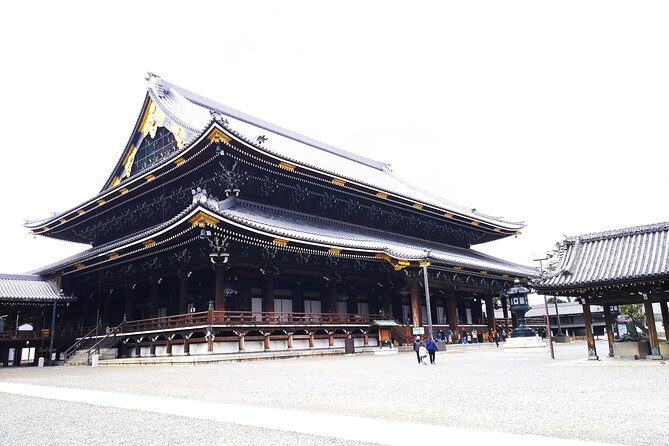
The day opens at Higashi Hongan-ji Temple for about 30 minutes. Admission is free, which is always nice when you’re building value into a paid guide day. Even in a short time, this stop helps frame what Buddhism means in Japan beyond movie scenes.
One of the standout ideas here is scale. Buddhism is described as the religion with the most believers in Japan, with major sects and Shingon Otani cited as having around 8 million followers. That kind of number changes how you read what you’re seeing. Instead of looking at a building as a single monument, you start to think of it as part of a lived tradition.
A temple stop like this also slows you down at the start. You’re not yet in “castle mode,” so it’s a calmer entry to the day’s history.
Practical note: this is a short visit. If you want deep temple photography or longer meditation time, you might need extra time on your own later.
Nishiki Market Shopping District: The Kitchen of Kyoto for Snacks and Real Decisions
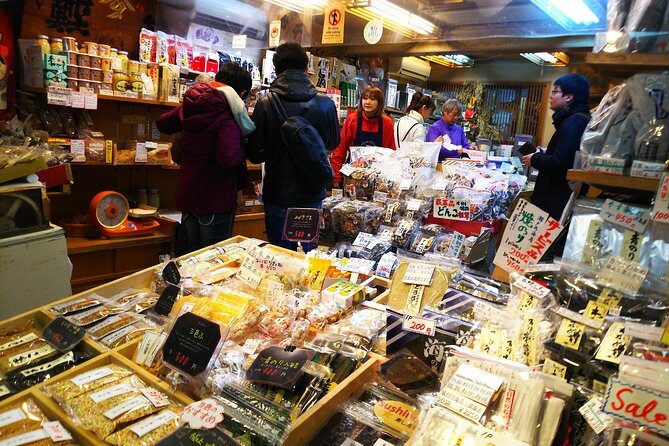
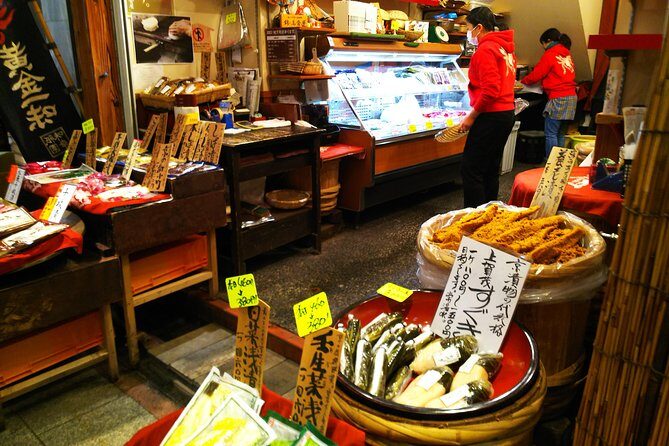
Next you hit Nishiki Market for about 30 minutes, with admission free. This market is described as the kitchen of Kyoto—and that phrase isn’t just marketing. The info ties Kyoto’s food culture to water, saying the area sits above a massive water reservoir and that Kyoto has been blessed with fresh water as a result.
In plain terms, Nishiki is where you learn what Kyoto people actually think is worth buying or eating. The time is short, but it’s long enough to do the essentials: sample something, check out the specialty stalls, and pick up a small edible souvenir if you want.
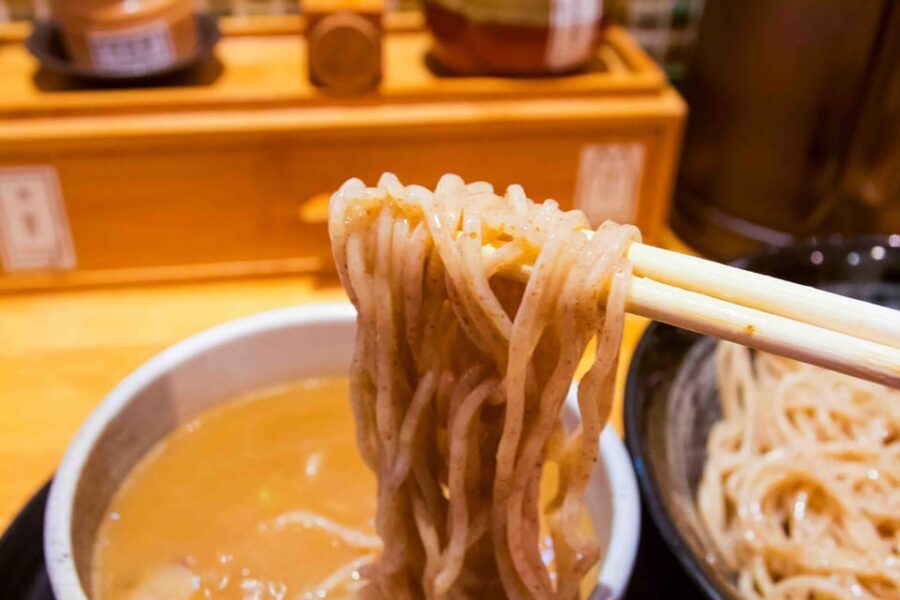
This is also where I think the guide’s personality matters most. One highlight from guide feedback is food guidance—Fuji made food recommendations at Nishiki. Another comment notes a dining restaurant recommendation after the tour that tasted great. Even if you only have one chance to eat well that day, this stop helps you spend that chance wisely.
What to watch: Nishiki can be crowded, and 30 minutes goes by quickly once you start comparing snacks. If your group has food preferences or allergies, decide early what you want to sample so you’re not debating at the last second.
Nijo Castle: Shogun Residence Energy and Over-1000 Wall Paintings
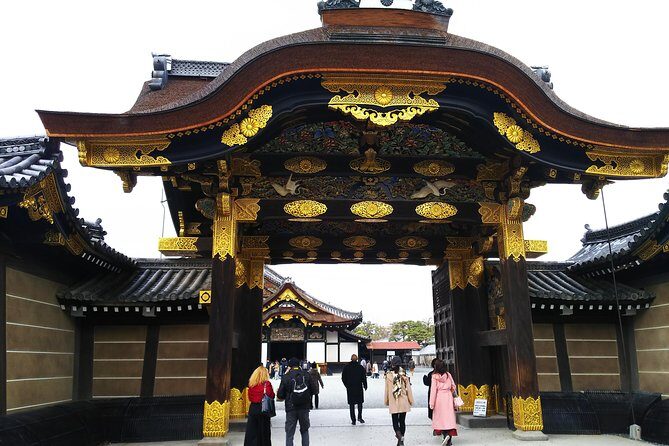
Nijo Castle is the big power stop, and it takes about 1 hour. Admission is not included and costs ¥1,300 per person. That extra fee is the one realistic add-on in an otherwise largely free-admission day (temple and imperial palace are listed as free).
The historical context is clear: around 1603, the shogun relocated the shogunate to Edo (modern Tokyo). Nijo Castle is presented as the shogun’s base when visiting Kyoto. So you’re not just seeing a pretty structure. You’re stepping into a symbol of control.
One of the coolest specifics here is the art scale. The interior is described as having more than 1,000 gorgeous pictures—think wall paintings and decorative works that support the idea of power made visible.
From a visitor point of view, Nijo works because it’s distinct from the palace stop later. You’re not comparing two nearly identical palaces. You’re comparing two different political worlds: shogun residence versus imperial household space.
Possible drawback: castles naturally come with walking inside and around grounds. If your legs are already tired from station-to-temple movement, Nijo may feel longer than the clock says. Comfortable shoes matter.




Kyoto Imperial Palace: The Emperor’s World Looks Different Than What You Expect
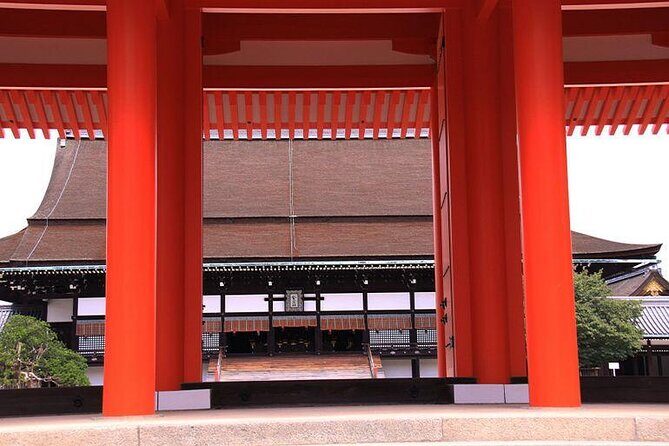
The final major site is Kyoto Imperial Palace, for about 1 hour 15 minutes. Admission is listed as free, which makes it a strong value anchor in the day.
Until the capital moved to Tokyo in 1868, the emperor’s family lived here. That’s a key detail because it helps you understand why the palace grounds feel more about space, ceremony, and setting than about filling every room with dramatic furniture.
This is also where expectations can trip people up. One review highlight basically warns: don’t expect a European-style palace full of gold and heavy décor. Instead, you’re looking at a Japanese imperial setting where the atmosphere is part of the meaning.
I like this stop because it gives you a contrast. Nijo Castle leans into shogun authority with grand visual storytelling. The imperial palace leans into how power is framed through place, layout, and tradition.
Geisha-Street Area Stroll: Kyoto’s Icon in a Manageable Time Window
The tour overview notes a stroll through the geisha street area as part of the day. This is smart timing. You’re not doing it as a free-for-all wander where you burn hours searching for the right streets.
Instead, you get a quick guided look within a route that already includes major sites. That keeps the geisha-area experience from turning into a photo-quest with no context.
Also, having a guide here helps you read what you’re seeing. Even if you’re not focused on nightlife, Kyoto’s “icon streets” make more sense when someone points out what’s going on culturally and historically.
Guides Matter: Naoko, Chie, and Fuji as the Real Secret Sauce
If there’s a single reason this tour gets strong marks, it’s the guides. Three names show up repeatedly: Naoko, Chie, and Fuji.
- Naoko is praised for making history fun with lots of facts and for keeping the tone engaging for kids, not just adults.
- Chie is highlighted for clear English, friendly pacing, and answering questions while using time efficiently.
- Fuji is known for handling history and culture questions directly, plus making specific recommendations for food at Nishiki.
That “answering questions” part sounds small, but it changes your experience. You stop feeling like you’re just walking between places and start feeling like you understand what you’re seeing. And because the tour is private for your group, the guide can tailor explanations without the pressure of a huge crowd.
Price and Value: How $111.03 Adds Up (and What You Still Pay)
The price is listed as $111.03 per person, and it includes the guide fare. It’s also a day where some sites are free and one big paid site is added as an extra.
Here’s the practical math:
- Not included admissions: ¥1,300 per person (for Nijo Castle)
- Not included transport: ¥1,000 per person (public transportation fare)
- Admission included/free stops: the initial temple and the imperial palace are listed as free
So the value isn’t just the guide. It’s the ratio of guided time to paid entries. You’re paying for a route that hits multiple high-impact stops—without having to buy admissions for every single one.
Also, this tour is booked about 56 days in advance on average, which suggests it doesn’t always stay easy to schedule. If you’re traveling in a busy season, earlier booking can help you lock in your preferred date.
Walking Tips: Comfort, Weather, and Staying Fresh for 7 Hours
The tour notes quite a bit of walking and recommends moderate physical fitness. Plan like you’re doing a full day in shoes you trust.
My advice:
- Wear comfortable, broken-in shoes. Castles and palace grounds can make your feet feel every minute.
- Bring a small water bottle and something light to snack on, especially since Nishiki is only a brief stop.
- Keep an eye on weather. The experience is described as requiring good weather, and you’ll be offered a different date or a full refund if it’s canceled due to poor conditions.
One more small strategy: use the free stops (Higashi Hongan-ji and the imperial palace) to reset your pace. They’re shorter than Nijo Castle and can help you stay mentally fresh.
Who This Tour Fits Best (and Who Might Want Another Option)
This tour is a strong match if you want a first Kyoto day that covers the essentials without stretching into multiple days. If you like architecture, Japanese political history, and the everyday culture side of Kyoto—markets, street vibe, and food context—this format works well.
It’s also good if your group values direction. The private-group setup and guided time reduce indecision. That matters in Kyoto, where trains and buses are easy but sorting out the best route can eat time.
If you hate walking or want slow museum-like pacing with lots of downtime, you might find the schedule too tight. The stops are well-spaced, but the day is still a “see a lot” day.
Should You Book This Kyoto Imperial Palace and Nijo Castle Walking Tour?
Book it if you want:
- One guided day that links Buddhism, Kyoto food culture, shogun-era power (Nijo), and the imperial setting (Kyoto Imperial Palace)
- A guide who’s comfortable answering questions and steering the group, with names like Naoko, Chie, and Fuji standing out
- A route where key attractions include free admissions on two major stops, with only Nijo Castle requiring an extra fee
Skip it (or consider something slower) if:
- You’d rather spend longer in fewer places
- Your group struggles with quite a bit of walking and doesn’t want a packed 7-hour plan
If you’re fitting Kyoto into a tight schedule, this tour does what it promises: it gives you a coherent picture of the city instead of scattered visits.
FAQ
Where does the tour start, and what time does it begin?
The tour starts at 9:00 am at Hotel Granvia Kyoto, JR Kyoto station Central Entrance in Kyoto. It ends back at the meeting point.
How long is the Kyoto Imperial Palace and Nijo Castle walking tour?
It runs for about 7 hours.
Is this a private tour?
Yes. It’s listed as a private tour/activity, meaning only your group participates.
What admission fees should I expect to pay?
Higashi Hongan-ji Temple and Kyoto Imperial Palace are listed as free. Nijo Castle admission is not included and is ¥1,300 per person.
Are transportation costs included?
No. Public transportation fare is listed as ¥1,000 per person and is not included.
What’s the cancellation policy?
Free cancellation is available up to 24 hours in advance for a full refund. If you cancel less than 24 hours before the start time, the amount paid is not refunded.