REVIEW · GION DISTRICT WALKING TOURS
Kyoto: Private Rickshaw Tour of Gion and Higashiyama Area
Book on GetYourGuide →Operated by Ebisuya Rickshaw · Bookable on GetYourGuide
Kyoto on a rickshaw is a small-ticket time machine. You slide through Higashiyama and Gion with a private guide pulling you along the old streets, with photo stops built in.
I really like that the tour starts in the Historic Higashiyama area near Kodaiji Temple and feels flexible hour to hour, not like a rushed checklist. My one caution: it’s not a good fit if you have back problems, and it’s not recommended for the first 16 weeks of pregnancy.
In This Review
- Key Takeaways Before You Go
- Why a Private Rickshaw Through Gion and Higashiyama Works
- Starting at Kodaiji Temple: The Right Place to Begin
- Higashiyama Streets: Wooden Townhouses and Temple-Adjacent Charm
- Gion and the Geisha District: What You Can Expect (and What You Can’t)
- The Weeping Willows and River Views You May Pass
- Choosing Your Tour Length: 45 Minutes vs. Up to 3 Hours 10
- Price and Value: Is $51 Per Person a Good Deal?
- Comfort, Rules, and Who Should Skip This Ride
- How to Get Great Photos Without Fighting the Streets
- Meet Your Guide: The Secret Ingredient in a Private Tour
- Should You Book This Kyoto Rickshaw Tour?
- FAQ
- How long is the Kyoto private rickshaw tour?
- Where do I meet the guide?
- How much does it cost?
- Is this tour private?
- What languages are the guides?
- Are entry fees included?
- Can I bring a selfie stick?
- What is the cancellation policy?
Key Takeaways Before You Go
- Meet right at Kodaiji Temple for an easy start in Higashiyama’s historic lanes.
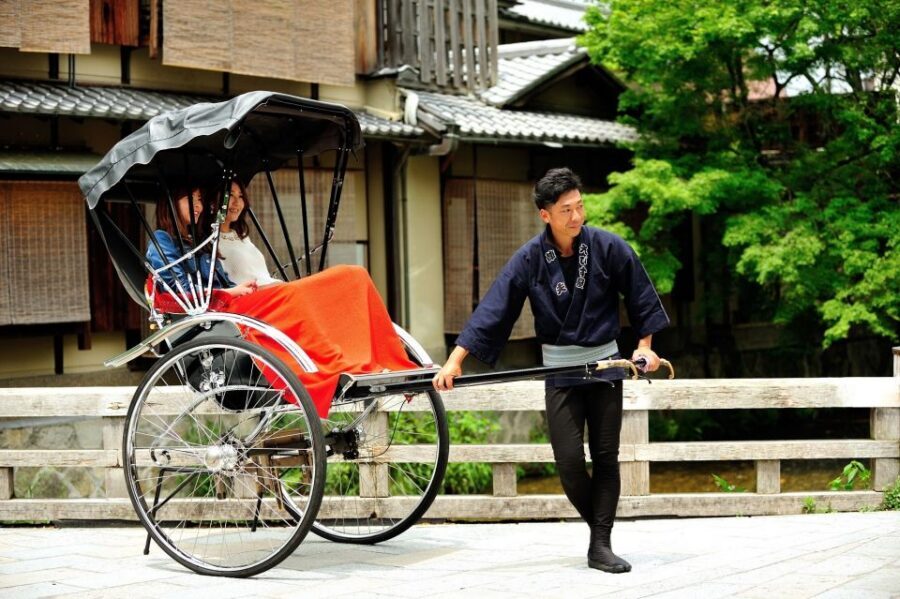
- Your route can be customized, so the guide can steer toward what you care about most.
- Photo stops are part of the ride, not an afterthought, with help for pictures and keepsakes.
- You pass through Gion’s geisha district, with chances to spot Maiko and Geishas depending on the day.
- Two seats per rickshaw means families may want separate rickshaws for comfort.
- No selfie sticks, so plan for hands-free photos and the guide’s camera help.
Why a Private Rickshaw Through Gion and Higashiyama Works
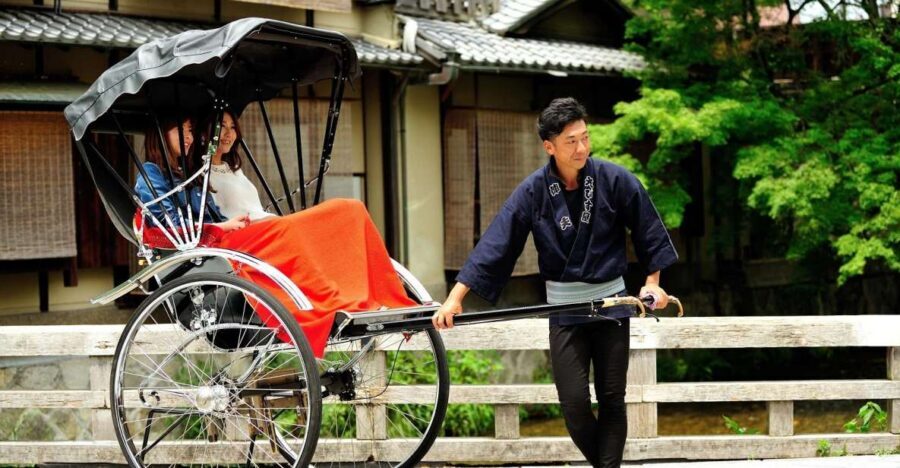
Kyoto rewards slow movement. But walking can be a grind when you’re dodging crowds, climbing stairs, and trying to line up photos. A rickshaw turns that into an experience: you sit, relax, and still get that up-close view of traditional streets.
What makes this tour especially practical is that it’s private and customizable. That matters in Kyoto, where one street can be photogenic one minute and packed the next. With your own guide, you can shift priorities—temples, architecture, quiet back lanes, or geisha-area atmosphere.
The other big win is the pace. Even the shorter options give you enough time to see key corners without feeling like you’re sprinting between stops. Longer rides add more of Higashiyama and the northern parts of Gion.
You can also read our reviews of more private tours in Kyoto
Starting at Kodaiji Temple: The Right Place to Begin
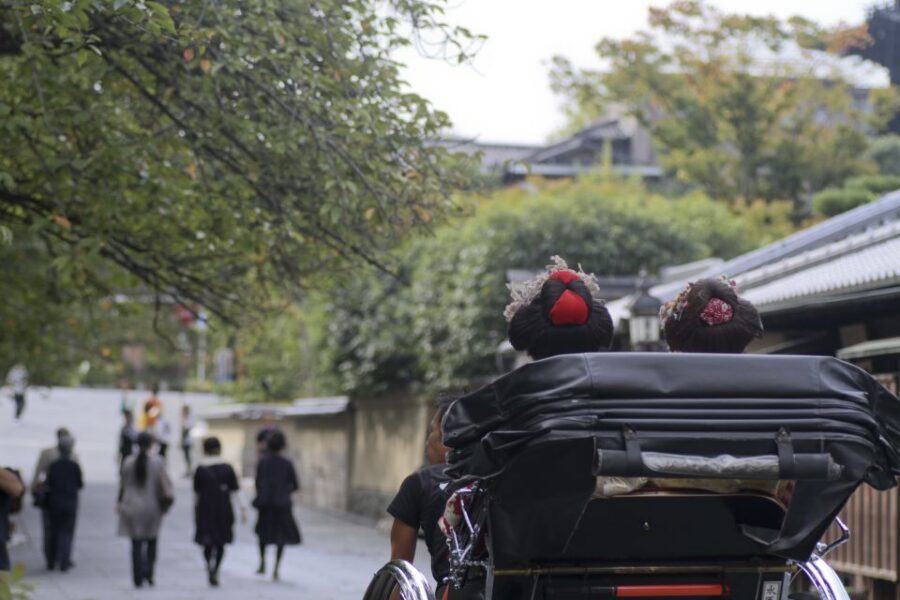
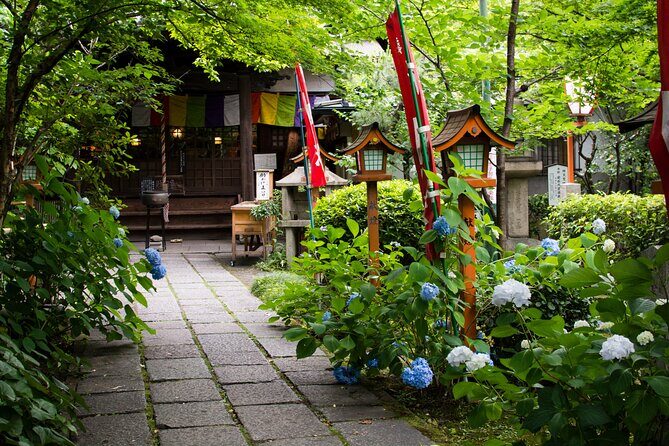
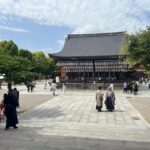
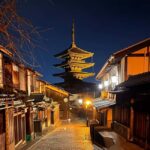
Your meeting point is the corner of Nene Street and Ichinenzaka Street, by Kodaiji Temple in Higashiyama. That’s a smart start because you’re already in the area that defines Kyoto’s traditional look—wooden townhouses, stone lanes, and temple-adjacent streets that feel older than the city’s modern blocks.
This tour also targets the nationally designated historic zone vibe. You don’t just pass landmarks; you get pulled through the neighborhood’s texture—small buildings, storefronts, and the kind of street geometry that makes photos look good even without a perfect camera setting.
If you arrive early, I’d use that time to orient yourself on foot. Even though you’re riding, you’ll enjoy the tour more if you can look up and recognize what street you’re on.
Higashiyama Streets: Wooden Townhouses and Temple-Adjacent Charm
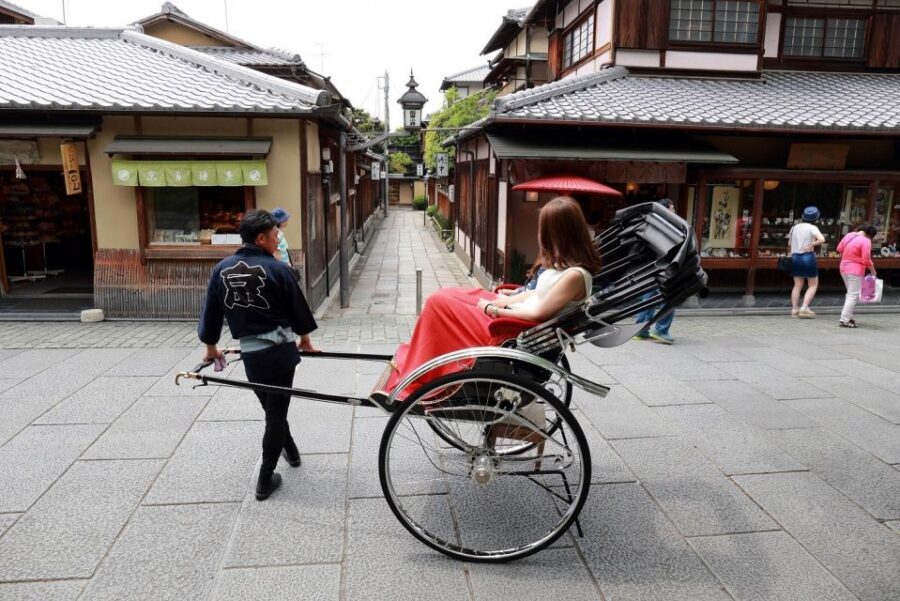
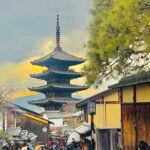
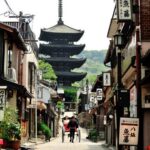
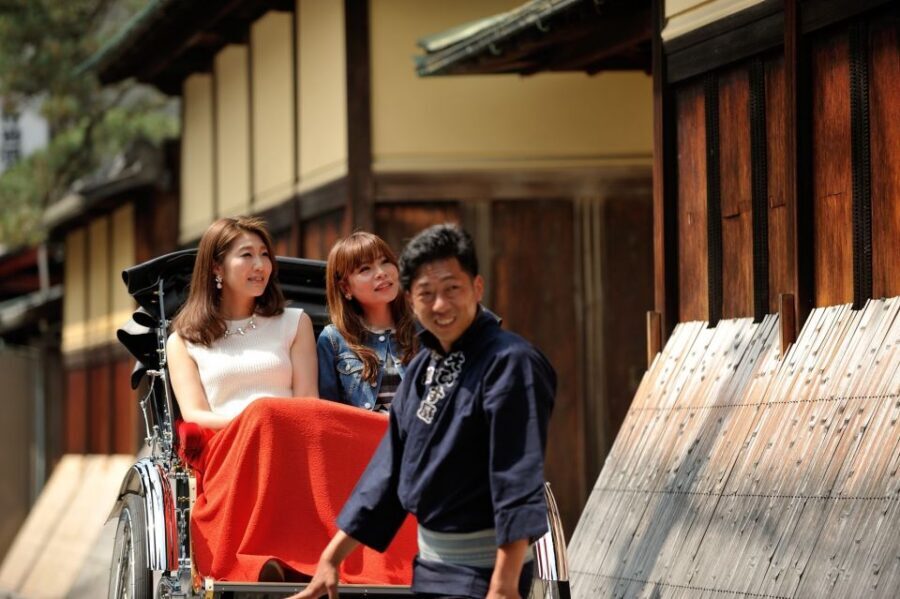
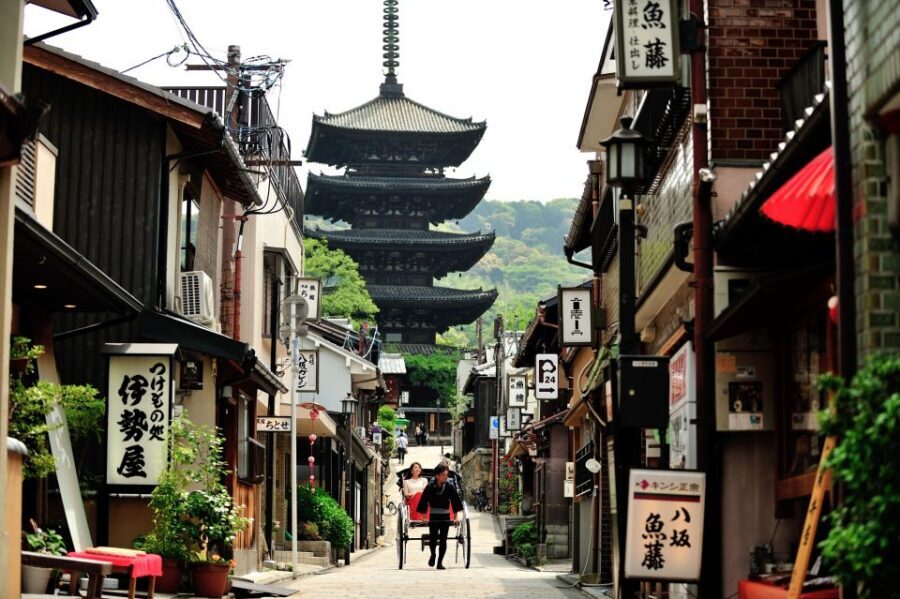
Once you roll out, Higashiyama is where the magic is supposed to happen. You’ll travel through well-preserved lanes lined with traditional wooden townhouses and neighborhood shops. This is exactly the kind of Kyoto that’s hard to appreciate at high speed.
The guide plays a key role here. In the groups I’ve heard about, guides like Shiro, Daichi, Fumi, and Moto are strong at translating what you’re seeing into context you can remember. It’s not just names of temples—it’s why certain streets and building styles matter, and what to notice as you pass.
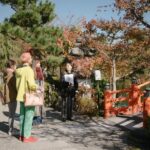
You’ll also have photo stops at scenic spots in each location. That’s huge for two reasons: you get a moment to compose shots without holding up a group, and you can ask the guide for the best angles before you take the photo.
One practical note: because these lanes can be narrow and uneven, take it as a scenic ride, not a workout. If you’re hoping for long, frequent get-off-and-walk breaks, this is mostly a “watch from the rickshaw with short stops” experience.
Gion and the Geisha District: What You Can Expect (and What You Can’t)
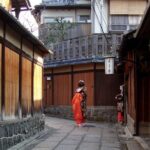
As your route shifts, you’ll pass through Gion, Kyoto’s well-known geisha district. The feeling is different here. Even if the crowds vary, the neighborhood has that distinct mood—wooden storefronts, side streets, and the sense of a place with strict traditions.
What you’re likely to notice most is people in kimono and the possibility of seeing Maiko or Geishas. In past rides, guides have helped riders catch glimpses (and understand what you’re looking at) while keeping things respectful of the street and the people living their day.
Just keep expectations real. You’re not booking guaranteed entertainment on a schedule. You’re riding through a cultural district that may or may not have performers visible depending on the time of day and what’s happening on the streets.
The good part? A good guide knows where the streets open up for views and where photo spots work best. Riders have shared that guides also help with picture timing and even creative keepsakes—like using a phone to make a short video during the ride.
The Weeping Willows and River Views You May Pass
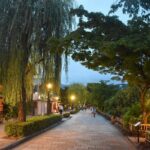
On longer versions of the tour, you can continue deeper into Higashiyama and further into northern Gion. One specific scene included is passing weeping willows along a picturesque river.
This kind of pause is worth it. Kyoto looks different when there’s a waterline or shaded walkway in the frame. Even if you’re not a “trees and rivers” person, the willow-lined river stretch gives your photos contrast: stone and wood up close, nature framing the background.
If you’re taking this mainly for pictures, longer durations give you more chances to catch those “stop-and-shoot” moments without feeling rushed.


Choosing Your Tour Length: 45 Minutes vs. Up to 3 Hours 10
The tour offers four durations, from about 45 minutes up to 3 hours 10 minutes. The best choice depends on two things: your walking tolerance and how much you want to learn versus just enjoy the ride.
A 45-minute option is ideal if:
- you’re short on time but want a signature Kyoto experience
- you’d rather keep your day open for other sights
- you mostly want the highlights in Higashiyama and a taste of Gion
A longer tour is the better call if:
- you want more temple-area street time in Higashiyama
- you’re keen on additional parts of northern Gion
- you want extra photo stops and more guided storytelling as you go
One tip I’d follow: if this is your only Kyoto cultural “how it all fits together” activity, lean toward the longer ride. You get more opportunities for the guide to connect what you see with the way Kyoto traditions still shape daily life.
Price and Value: Is $51 Per Person a Good Deal?
At $51 per person, this isn’t a bargain in the way a train ticket is. But it is good value if you zoom out and look at what you’re paying for: a private vehicle experience, a guide, planned photo stops, and small souvenir extras like a postcard and sticker.
You’re also paying for time. A rickshaw ride can cover ground through narrow lanes that are slower on foot. That saves your energy for other parts of the day—like markets, temples you choose to enter, or just sitting in a café and watching the street life.
What’s not included matters too. Entry fees aren’t part of the price, and food and drinks are on you. So think of this as a guided street-and-sight experience rather than a full temple ticket bundle.
If you’re traveling as a couple or small group, the value rises because you’re buying a private experience rather than competing for space with strangers. For families, the math changes based on comfort: the rickshaw has limited width, and groups may prefer separate rickshaws so everyone has a more relaxed ride.
Comfort, Rules, and Who Should Skip This Ride
This tour is stroller-friendly and wheelchair-friendly, which is a real plus for Kyoto. The streets are old and sometimes uneven, so having the option matters.
But there are limits:
- Not recommended for expecting mothers in the first 16 weeks
- Not recommended for people with back problems
- Selfie sticks are not allowed
The rickshaw is also sized tightly: it’s 74 cm wide. If you’re larger than average, or if you’re simply more comfortable with extra personal space, you might find it better to book one rickshaw per passenger rather than sharing.
Kids rules are important. Adult pricing applies to children 6 and over. Younger children sit based on availability and the seat rules described by the operator. The tour mentions that a child 0–5 must be booked as an adult if using one of the two rickshaw seats.
So before you book, I’d check your group mix carefully, especially if you’re traveling with little kids.
How to Get Great Photos Without Fighting the Streets
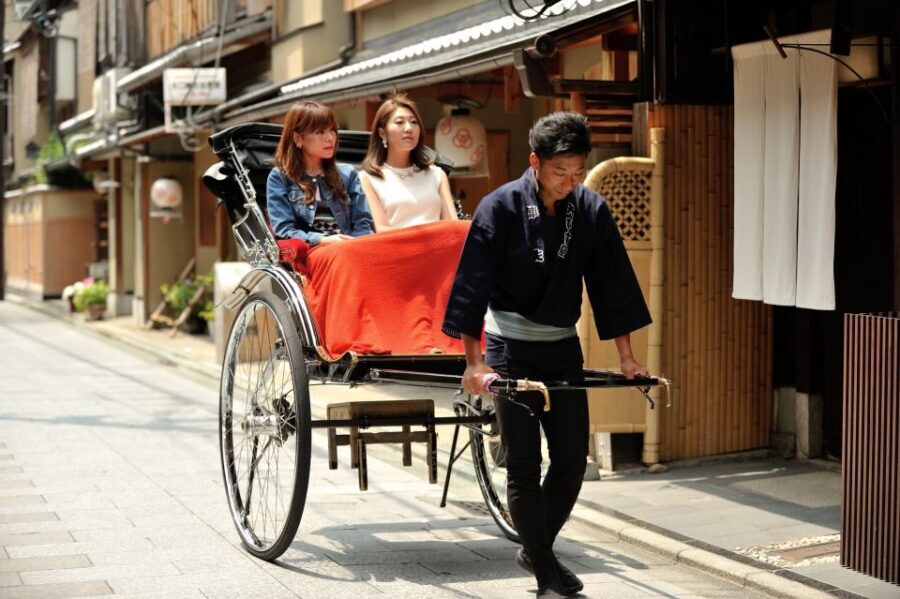
This tour is built for pictures, but you still need a simple plan so the ride stays fun and calm.
- Don’t bring a selfie stick. Plan for standard handheld photos or ask your guide for help.
- Use the photo stops. Let the guide decide the angle; guides like Shintaro Hutakeyna and Takumi have been praised for picking spots that work.
- If you care about video, remember that some guides can help you make a short keepsake using your phone during the stop.
Also, dress for real street walking and wind. Even though you’re riding, you’ll likely step around for brief stops and photos. A light layer helps because Kyoto weather can shift quickly.
Finally, keep your pace: you’re not trying to shoot like a studio. The beauty here is that the streets are the backdrop, and you get that Kyoto look without sprinting.
Meet Your Guide: The Secret Ingredient in a Private Tour
In a private tour, the guide isn’t background noise. They shape the order you see things, what you notice, and how much you understand as you go.
I’ve seen repeated praise for guides across different rides, including Shintaro Hutakeyna, Shiro, Daichi, Fumi, Moto, Kai, Suzuki-san, Takuto, Shuhei, and Yoshito. The common thread is energy plus clear explanations in English or Japanese, plus a knack for answering questions on the fly.
If you’re someone who likes to ask why a street feels the way it does, you’ll likely enjoy this. If you’re more of a “tell me what I need to know, then let me enjoy” type, you can steer it that direction too.
Should You Book This Kyoto Rickshaw Tour?
Book it if you want a high-impact Kyoto experience without hours of walking. The mix of Higashiyama’s traditional lanes, Gion’s geisha district atmosphere, and built-in photo stops makes it an easy win—especially for first-time visitors who want the highlights with context.
Skip it if you have mobility limits related to back problems, or if you’re in the first 16 weeks of pregnancy. Also, if you plan to shoot a lot with a selfie stick, you’ll need to rethink your approach.
And if your time in Kyoto is tight? The 45-minute version can work as a signature hit. If you want more river-side scenes and deeper Gion time, go longer and let the guide pace it for you.
FAQ
How long is the Kyoto private rickshaw tour?
It runs for 45 to 130 minutes, depending on the option you choose.
Where do I meet the guide?
Meet on the corner of Nene Street and Ichinenzaka Street, by Kodaiji Temple in Higashiyama.
How much does it cost?
The price is $51 per person.
Is this tour private?
Yes, it’s a private group tour.
What languages are the guides?
The live tour guide is available in English and Japanese.
Are entry fees included?
No. Entry fees are not included.
Can I bring a selfie stick?
No. Selfie sticks are not allowed.
What is the cancellation policy?
You can cancel up to 24 hours in advance for a full refund.