REVIEW · FUSHIMI INARI TOURS
Kyoto near Fushimiinari Wagashi making&Small Group Tea Ceremony
Book on Viator →Operated by Japanese cooking class & walking tour · Bookable on Viator
Small rituals, real Kyoto.
This Kyoto near Fushimiinari experience brings you into a local house for a hands-on wagashi class and a calm matcha ceremony with an English-speaking instructor. You also get that warm, invited-over feeling that makes tea ceremony feel less like a performance and more like a visit.
I especially love the small group size (maximum 8 people), which keeps questions flowing and makes the room feel personal. And I like that you are not stuck watching only; you’ll actually make one kind of wagashi before you sit for the tea portion.
One key consideration: this isn’t a caffeine-optional activity. It’s not recommended if you don’t take caffeine, since you’ll have 2 bowls of matcha.
In This Review
- Key things to know before you go
- A Kyoto Tea Ceremony in a Real Local House, Not a Stage
- Wagashi Making First: One Sweet, Done Properly
- Tea Ceremony 101: How to Attend Like You Mean It
- Matcha Etiquette and the Two-Part Sip Lesson
- The Host Demonstration and Your Turn: Prepare Matcha Yourself
- Why the Small Group Size Changes Everything
- Price and Value: $52.26 for a Skill, Not a Ticket
- Timing, Where to Meet, and How to Make It Easier on Yourself
- Who This Kyoto Wagashi and Matcha Class Is Best For
- Should You Book This Kyoto Tea Ceremony?
- FAQ
- Where is the meeting point for the Kyoto tea ceremony?
- What time does the experience start?
- How long does the experience last?
- Is this experience a mobile ticket?
- How many people are in the group?
- Are the instructors able to teach in English?
- Do I need socks or special footwear?
- Can I sit on a chair instead of tatami?
- Will I drink matcha and eat sweets during the session?
- Are children allowed to participate?
Key things to know before you go
- Make wagashi yourself: you learn one type in the kitchen, not just a demonstration.
- English-speaking licensed guide interpreters: explanations are clear, including the tea ceremony meaning behind details.
- Authentic tatami room and scroll talk: you hear what you are looking at and why it matters.
- Tiny garden walk (when not raining): you transition from daily street life into a quiet setting.
- Prepare matcha at the end: you can repeat the process for friends back home.
- Optional chair seating: you can request chairs instead of sitting on tatami floor.
A Kyoto Tea Ceremony in a Real Local House, Not a Stage
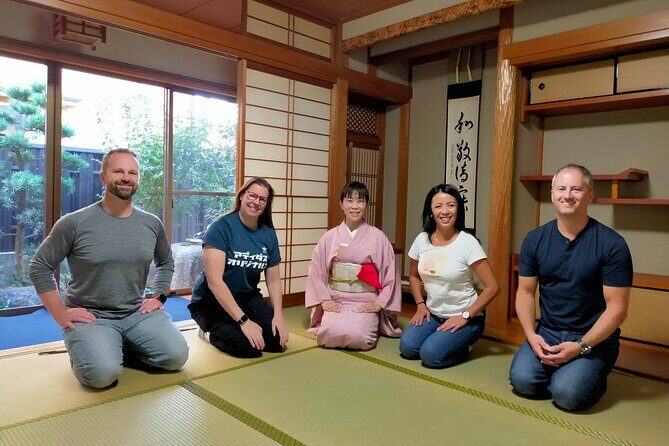
This experience is built around the idea that tea ceremony is both formal and human. You start in a neighborhood setting, then move into an authentic-style Japanese room where you’ll learn how the ceremony works in practice, not as a checklist.
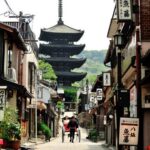
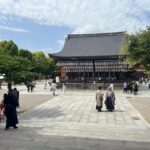
The location is also a big plus for your Kyoto day. You’re in the Fushimi Ward area, and the meeting point is a short walk from the Fushimi Inari Taisha area. That means you can pair this with temple time without turning the day into a long commute.
The structure is calm: one short class, one ceremony flow, then your chance to do the final steps yourself. The result is a session that feels focused instead of rushed.
And yes, the vibe matters. One review singled out Miho as a friendly hostess who speaks excellent English. That matches what you want when learning etiquette: someone who can translate the why, not just the what.
You can also read our reviews of more tours and experiences in Kyoto.


Wagashi Making First: One Sweet, Done Properly
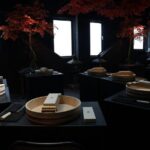
Before you sit down for tea, you’ll head to the kitchen. That’s where the experience starts feeling real, because you’re not just handed a script. You learn how to make one kind of wagashi through hands-on steps.
Wagashi are Japanese sweets designed for seasons, events, and tea timing. In other words, they’re not random dessert. In this class, you make the wagashi first, then you eat what you made while you learn matcha drinking. That sequence matters because it turns the meal into part of the lesson.
You’ll get the instructor’s guidance in English as you work. The class is hands-on, so expect a little mess. One review called it fun, with a bit of stickiness during the sweet-making. Think of it as part of the learning curve, not a problem.
Practical tip: wear clothes that can handle minor kitchen contact, and keep your shoes easy to remove because you’ll be moving between indoor spaces.
Tea Ceremony 101: How to Attend Like You Mean It
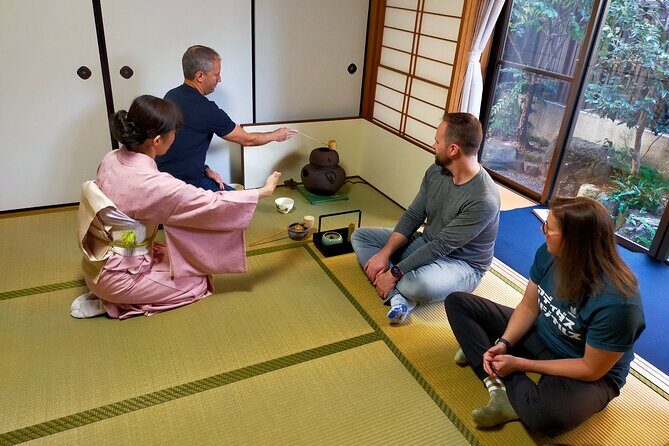
After the wagashi class, the host walks you through how to attend tea ceremony. This is the difference between a tourist show and an actual cultural moment. You learn what you should notice, what gestures mean, and how the room’s flow works.
Then there’s a short transition. You walk outside through a tiny garden and enter the Japanese-style room when it is not raining. That brief shift from outdoors into the room sets expectations: once you’re inside, you slow down.
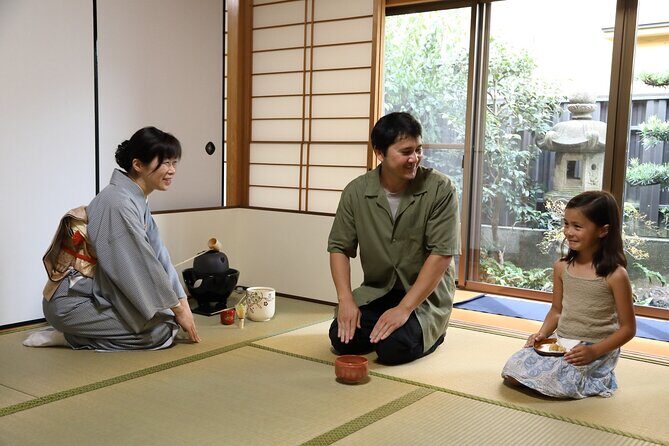
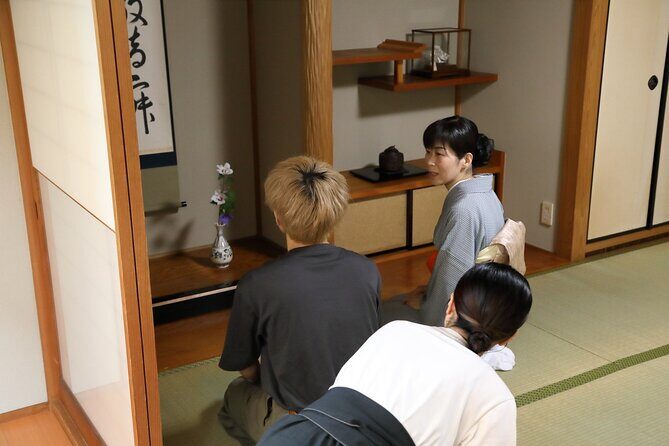
Inside, you sit on the tatami floor unless you request chairs. The instructor explains the history of tea ceremony and also the meaning of the hanging scroll you’ll see in the room. That scroll detail is easy to miss when you’re sightseeing, but here it becomes part of the lesson. You’re learning how the room communicates intention.
If you prefer not to sit on the tatami, you can request chairs when you make your reservation. That’s a helpful option if your legs or knees don’t love kneeling positions for a short stretch.
Matcha Etiquette and the Two-Part Sip Lesson
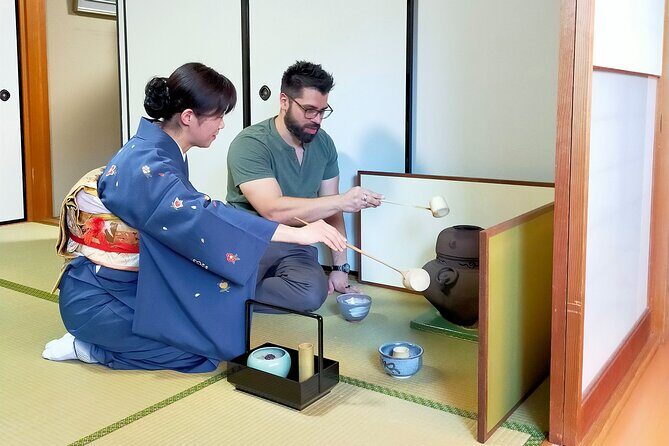
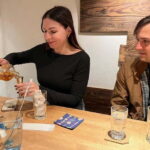
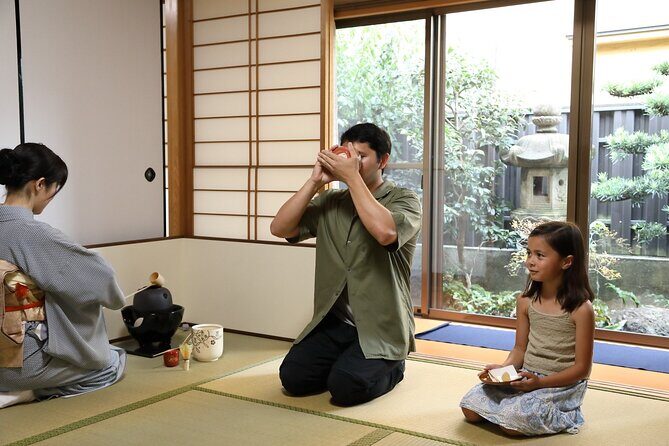
Once you’re seated, the sweets you made become part of the ceremony. Your instructor shows you how to enjoy the Japanese confectionaries that you just made, and then demonstrates how to drink a bowl of matcha.
This is where the session becomes both practical and relaxing. The instructor is explaining the steps while you watch and then later follow. You learn the rhythm of the drink: not just drinking matcha, but how the whole experience is paced and respected.
Because the explanations are delivered by instructors who are licensed guide interpreters, you aren’t left guessing. You’ll understand what you are being taught, including ceremonial context and meaning.
One thing I like about this setup: you aren’t expected to already know everything. You learn in sequence, then get time to practice your own portion.
The Host Demonstration and Your Turn: Prepare Matcha Yourself
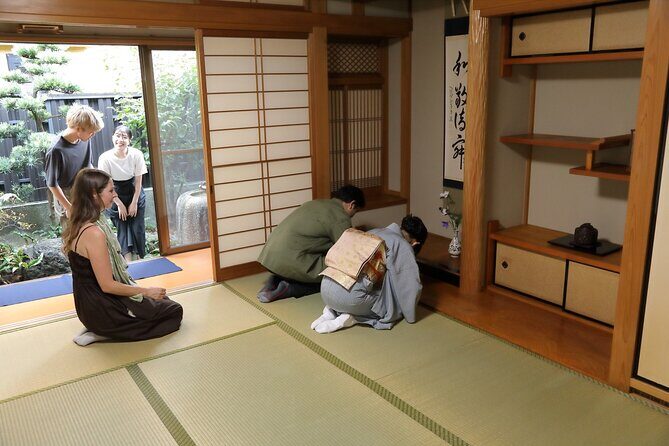
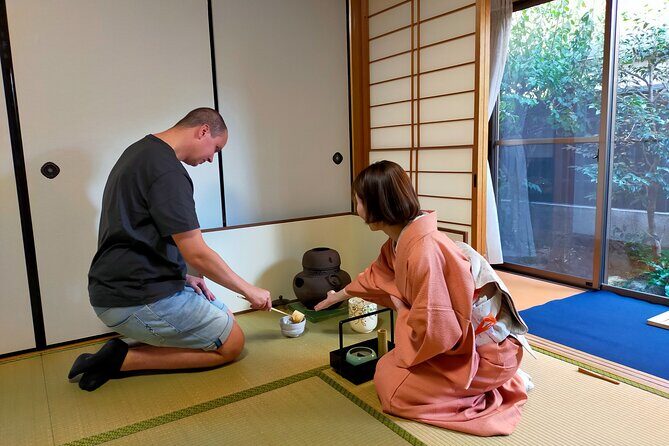
After watching the earlier parts, you meet the host again. She demonstrates the ceremonial preparation of matcha, then you get the opportunity to prepare it for yourself.
This is the highlight for most people, because it turns a good experience into a repeatable skill. The goal is not perfection on your first try. The goal is giving you enough understanding and confidence that when you’re back home, you can make matcha and explain what you’re doing.
You also get to drink 2 bowls of matcha as part of the session. That’s important for value, because you’re not only learning technique—you’re experiencing the result twice, with a guided explanation each time.
And the souvenir angle is real. One review framed it as a surprise-worthy gift idea: you’ll be able to make a bowl for friends after learning the process here. That kind of memory lasts longer than another photo.




Why the Small Group Size Changes Everything
Maximum 8 participants is a sweet spot. In a larger class, the instructor can only cover so much, and some learners spend the session waiting for a chance to ask questions.
With a group this size, you get more attention during the wagashi steps and more clarity during the tea ceremony portion. It also helps the room feel quieter, which matters when you’re learning etiquette and trying to stay present.
This matters most for first-timers. If you’ve never done tea ceremony, you want the session to feel guided, not overwhelming.
Price and Value: $52.26 for a Skill, Not a Ticket
At about $52.26 per person, this is not the cheapest way to spend an hour in Kyoto. But it’s also not overpriced for what you actually get.
You’re paying for several things bundled together:
- An English-speaking instructor with interpretation skills
- A hands-on wagashi class (not just eating)
- All fees and taxes
- 2 bowls of matcha
- Japanese traditional confectionaries included
- A guided ceremony with explanation of details like the scroll and tea drinking method
You’re also getting the smaller-group experience, which can be hard to replicate cheaply around busy sightseeing areas.
One more value point: it’s a “you can do this again” activity. If you were just tasting matcha, the learning value would drop. Here, you get preparation practice at the end, so the session carries forward beyond the day you bought the ticket.
Timing, Where to Meet, and How to Make It Easier on Yourself
The start time is 9:45 am, and the session runs about 1 hour 15 minutes. It ends back at the meeting point.
The meeting location is:
38-4 Fukakusa Watamorichō, Fushimi Ward, Kyoto, 612-0022, Japan
Plan your day so you’re not sprinting. Tea ceremony involves quiet attention, and wagashi making is physical in a small kitchen space. If you arrive flustered, you’ll feel it.
A small but important rule: bring or wear a pair of socks. Bare feet are not allowed in the room. Even if you plan to wear thin socks, double-check you have them clean and comfortable. You’ll appreciate that when you’re sitting and moving around inside.
Shoes: the experience recommends easy shoes you can take on and off quickly. That’s practical, especially if you’re pairing this with Fushimi Inari walks.
Who This Kyoto Wagashi and Matcha Class Is Best For
This is a strong fit if you want a Kyoto cultural experience that feels grounded and not staged. It’s especially good for:
- First-time visitors who want tea ceremony basics with clear explanations
- People who enjoy hands-on activities, not just watching
- Travelers who like smaller groups and quieter settings
- Food-minded visitors curious about the role of wagashi and matcha together
It’s less ideal if:
- You don’t drink caffeine (the experience specifically notes it’s not recommended for those who don’t take caffeine)
- You want a purely sightseeing-style tour with lots of outdoor stops and photos
If you’re traveling with kids, note the age limits: children aged 8 to 12 need at least one adult participating, and children 7 or under can’t take part in this session.
Should You Book This Kyoto Tea Ceremony?
I’d book it if you want a real introduction to Kyoto tea culture with a learning component you’ll actually use later. The combination of hands-on wagashi, an English-speaking instructor who can explain the meaning behind what you see, and a final chance to prepare matcha yourself makes this feel like more than a one-time show.
Skip it if matcha caffeine isn’t your thing, because you’ll be drinking it as part of the experience. Also, if the idea of tatami seating is a dealbreaker, do request chairs in advance so you can focus on learning instead of discomfort.
If you’re in the Fushimi Inari area anyway, this is a smart way to turn that location from just a viewpoint into a full cultural hour. You’ll leave with something you can repeat for friends, plus a calmer, more personal memory of Kyoto.
FAQ
Where is the meeting point for the Kyoto tea ceremony?
The meeting point is at 38-4 Fukakusa Watamorichō, Fushimi Ward, Kyoto, 612-0022, Japan.
What time does the experience start?
It starts at 9:45 am.
How long does the experience last?
The duration is about 1 hour 15 minutes.
Is this experience a mobile ticket?
Yes, it uses a mobile ticket.
How many people are in the group?
The group maximum is 8 travelers.
Are the instructors able to teach in English?
Yes. The instructor is English-speaking, and the hosts/instructors are licensed guide interpreters.
Do I need socks or special footwear?
You should bring or wear socks. Bare feet are not allowed in the room, and easy shoes that come on and off easily are recommended.
Can I sit on a chair instead of tatami?
Yes. It’s possible to prepare chairs instead of sitting on the tatami floor if you request it when you make a reservation.
Will I drink matcha and eat sweets during the session?
Yes. You’ll have 2 bowls of matcha and you’ll enjoy Japanese traditional confectionaries.
Are children allowed to participate?
Children aged 8 to 12 need at least one adult to participate. Children aged 7 or under are not able to participate.