REVIEW · FUSHIMI INARI TOURS
Kyoto: Early Morning Fushimi Inari Shrine – Beat the Crowds
Book on GetYourGuide →Operated by DeepExperience, Inc. · Bookable on GetYourGuide
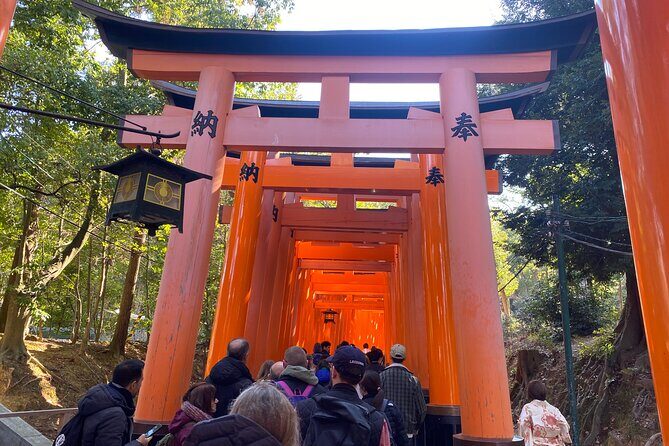
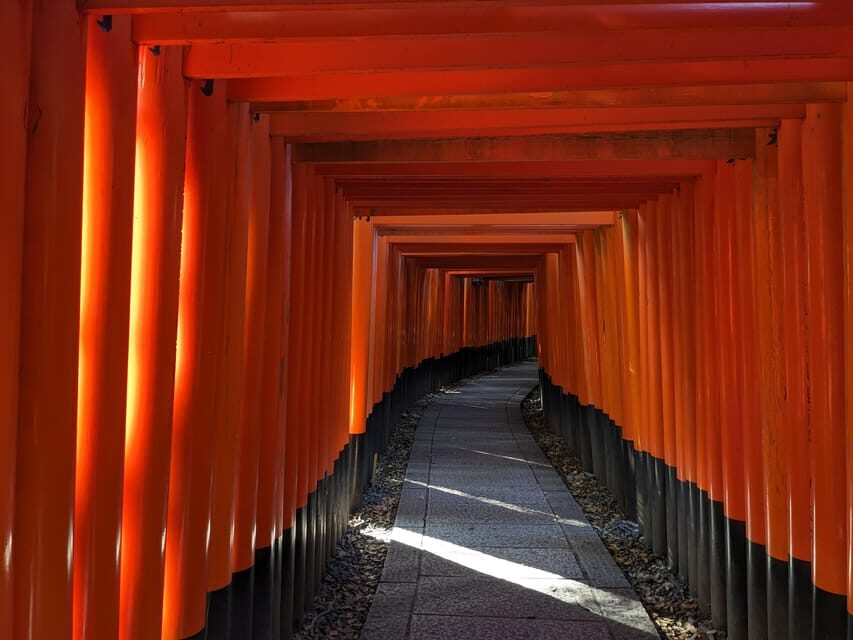
Torii gates, before the crush. This early start at Fushimi Inari Taisha lets you follow the famous orange tunnel up a holy mountain while the day crowd is still sleeping. The result is a calmer walk and way better odds of enjoying the shrine instead of fighting for space.
I love two parts most: the chance to grab the iconic shot of the orange torii gates without spending extra time trying to hide people, and the way the guide explains what you’re seeing in plain terms. Guides like Teppei and Akino have a talent for turning torii, deities, and everyday etiquette into something you actually understand as you go, not just read afterward.
One drawback to consider: this is still a walk with stairs and uphill sections, and it is not a fit for everyone. Comfortable shoes matter, and the tour is not suitable for people with mobility issues, back problems, heart or respiratory concerns, and it’s also not for kids under 10.
In This Review
- Key things I’d circle on your plan
- Why early mornings change everything at Fushimi Inari
- Start at Inari Station: the meeting point that actually works
- The 90 minutes inside the shrine circuit: torii, deities, and etiquette
- The viewpoint stop: short break, better angles
- A quiet side area and the fountain legend
- Photo plan for the orange torii tunnels (without crowd cleanup)
- What you’ll get as an Inari souvenir
- Price and value: is $70 actually fair?
- Who this tour fits best
- Quick practical notes before you go
- Should you book the early morning Fushimi Inari tour?
- FAQ
- Where is the meeting point for the tour?
- How long does the tour take?
- Is the tour offered in English, and is it private or small group?
- Will I be able to see the torii gates with fewer crowds?
- What should I wear or bring?
- Who isn’t the tour suitable for?
- What is the cancellation policy?
Key things I’d circle on your plan
- Beat the midday crush with an early start that also helps with heat
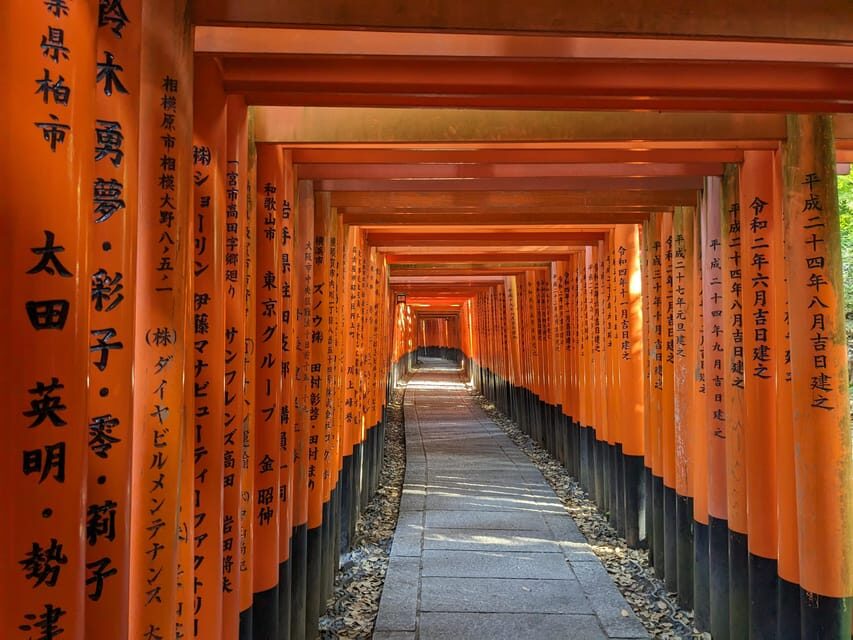
- Iconic torii photos without the usual crowd editing headache
- A guided shrine circuit with clear explanations and respectful pacing
- Two extra stops for views and a calmer side area, including a fountain legend
- An Inari-specific souvenir that’s included and unique
Why early mornings change everything at Fushimi Inari
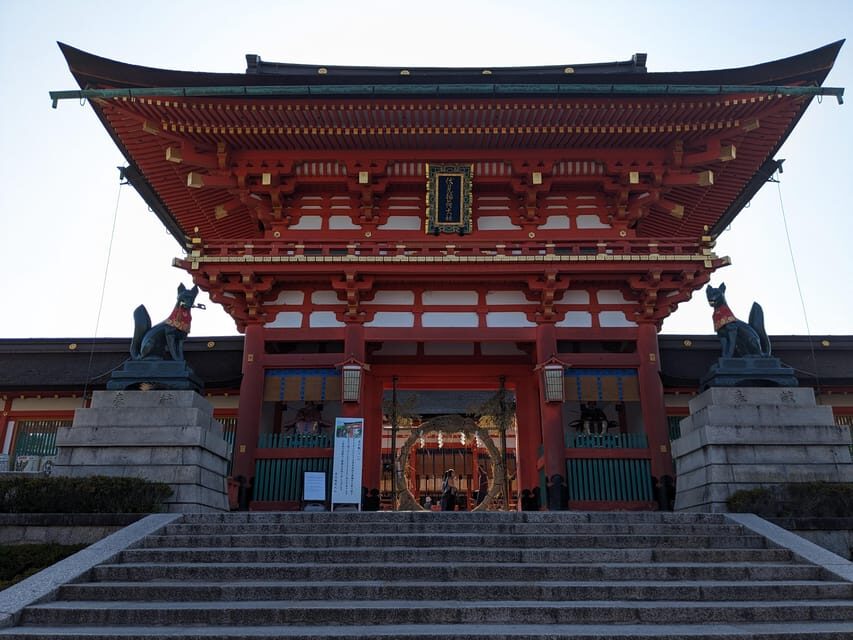
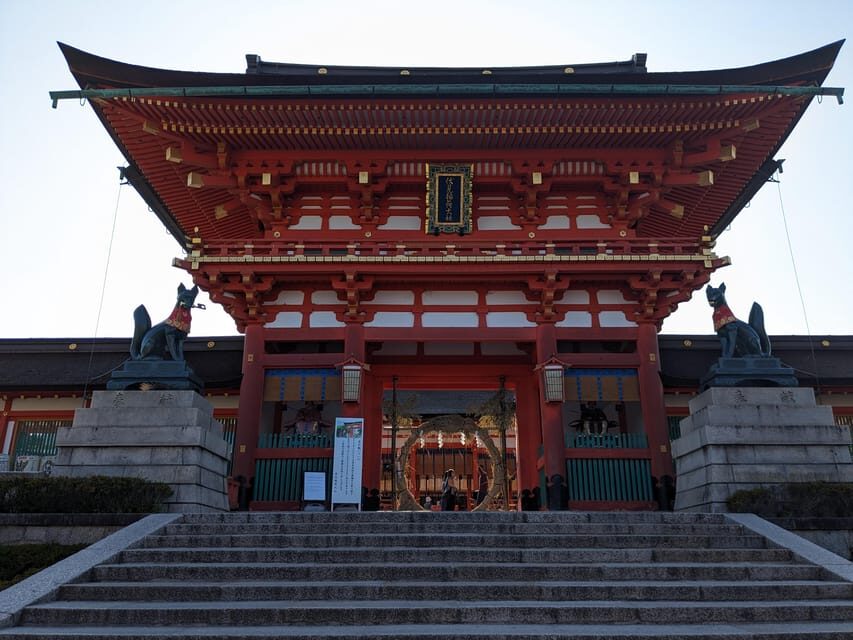
Fushimi Inari Taisha is famous for a reason: the orange torii tunnels are one of Japan’s most recognizable sights, and Kyoto loves to show it off. It has been the most visited spot in Kyoto and all of Japan since 2016, so yes, it can get packed.
What makes the early tour worth it is simple timing. You’re arriving before the later-day surge, when the shrine feels more like a place of prayer and quiet mountain walking instead of a moving line of people. Several guides on this route also emphasize the meaning behind the shrine as you walk, which lands better when you’re not constantly dodging elbows.
There’s also a comfort factor. One of the best comments I kept seeing was about avoiding both crowds and heat, which makes sense if you’re climbing early and keeping the pace gentle.
You can also read our reviews of more tours and experiences in Kyoto

Start at Inari Station: the meeting point that actually works
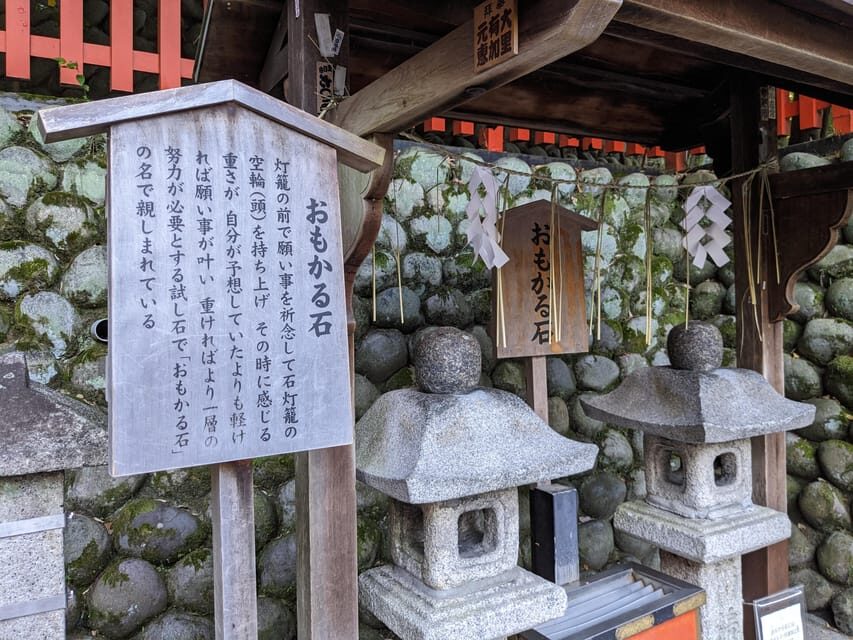
The meeting point is outside JR Inari Station, across from the main entrance. Your guide holds a bright yellow DeepExperience signboard, so you can spot them fast and stop scanning every face like it’s a game show.
This is one of those practical details that saves real time. You don’t want to be late because you got turned around, and you don’t want to start your shrine walk already stressed. If you’re coming from Kyoto Station, double-check your train type and stop pattern. One guest story involved arriving late because the train they expected to stop sooner didn’t—so it’s worth confirming that you’re getting off at the right Inari Station stop for your route.
Once you’re together, you’ll move as a group and keep the morning flow. The whole thing is designed to stay efficient while still giving you time to look and ask questions.
The 90 minutes inside the shrine circuit: torii, deities, and etiquette
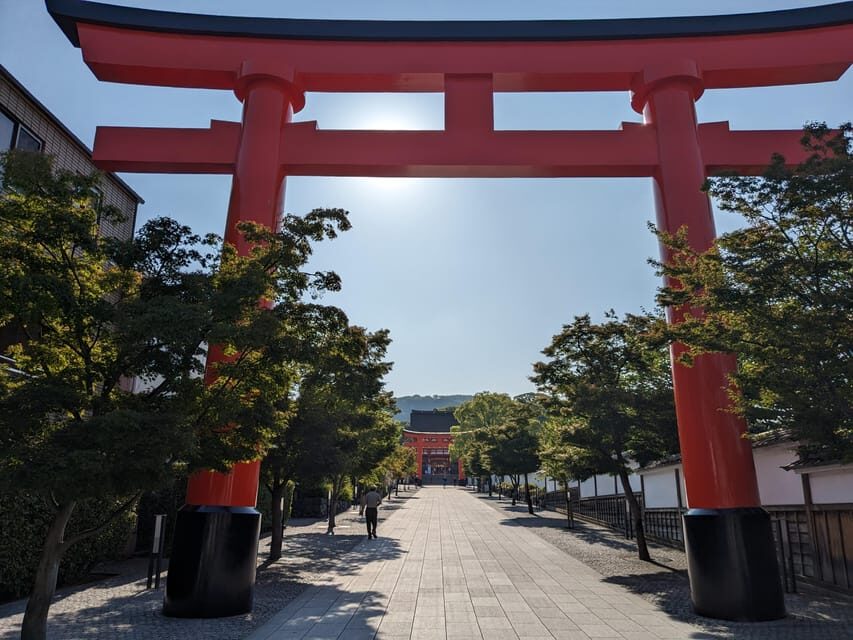
The core of the experience is a guided visit at Fushimi Inari Taisha, about 1.5 hours. This is not just a quick pass by the famous tunnel. Your guide leads you through the shrine areas with context—why it matters to locals, what the torii represent, and how people show respect while moving through the space.
You’ll also notice the details many first-timers miss. The tour focuses on the main shrine flow, plus sidesteps into smaller shrines and structures tied to the theme of Inari. The name Inari itself shows up through kitsune shrines (fox-related shrine areas), and your guide helps you connect those pieces instead of treating them like random stops.
A standout point from past tours is the respectful pacing. One guide, Hiro, was praised for walking people step by step and explaining how to pay respect before each main torii. That kind of guidance matters. Without it, you can enjoy the scenery and still miss the point of what you’re seeing.
Also, English is covered throughout. You’ll get a live guide who can answer your questions rather than relying on guesswork and signage you might not fully understand.
The viewpoint stop: short break, better angles
After the main shrine time, you’ll get a dedicated viewpoint stop with about 30 minutes for sightseeing. This is the moment where the pace shifts slightly from walking-and-reading to looking-and-framing.
In practice, this stop does two things for you:
- It gives your legs a breather before the next section.
- It helps you see the shrine from a different angle, which is great when the torii tunnels stretch deeper into the hillside.
Because you’re doing this earlier in the day, your photos and views are less crowded. You’re more likely to find space to compose a shot without constantly waiting for gaps. And even if you’re not obsessed with photography, it’s a mental reset. You can just take in the scale and the mountain setting without the usual noise level and crowd pressure.
A quiet side area and the fountain legend
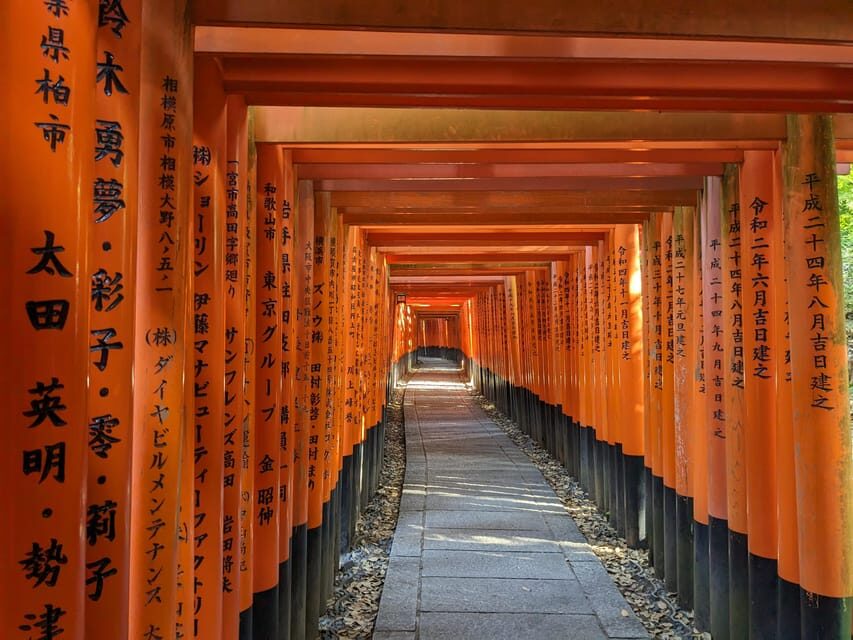
Next is another 30 minutes for a quieter area—an off-the-main-path stop that many people on their own skip. One guided comment I found especially memorable described a little fountain at this side area, tied to a legend that it can cure illness.
Even if you don’t treat legends as literal, this kind of stop changes the feel of the morning. It’s more intimate. Less traffic. More of that shrine-in-the-morning quiet where you can hear yourself think.
Your guide also uses these side moments to add context. It’s often in the smaller corners—where there are fewer people and more details—that the shrine stops feeling like a photo-op and starts feeling like a living place with layers.






Photo plan for the orange torii tunnels (without crowd cleanup)
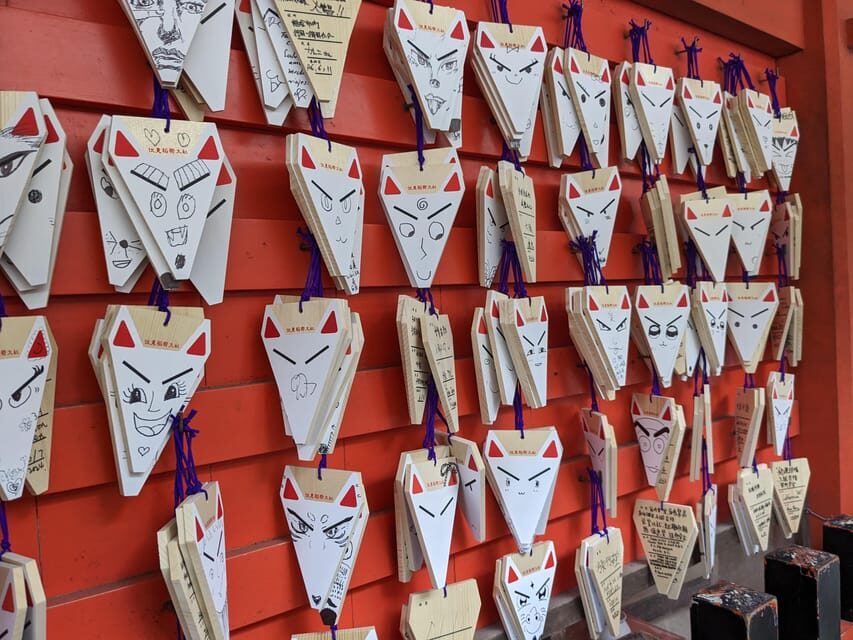
The big photo promise here is straightforward: you get the iconic orange torii-gate tunnel look without trying to edit the crowd out afterward. That’s a huge quality-of-life upgrade.
Here’s how I’d approach it once you’re on the ground:
- Start wide for the tunnel effect, then zoom or step in for closer gate textures.
- Don’t rush to the first spot you recognize from Instagram. Use your guide’s pacing so you’re moving with the group when the area is less packed.
- Watch for gaps in foot traffic. Early morning gives you more chances to hold still long enough for a clean frame.
Also, don’t ignore the off-tunnel details. The tour includes smaller shrines and structures, and they can make your photos feel more personal than just repeating the same tunnel shot everyone takes.
If you care about getting a strong image, early timing is the cheat code. No special gear needed—just patience and a route that avoids peak congestion.
What you’ll get as an Inari souvenir
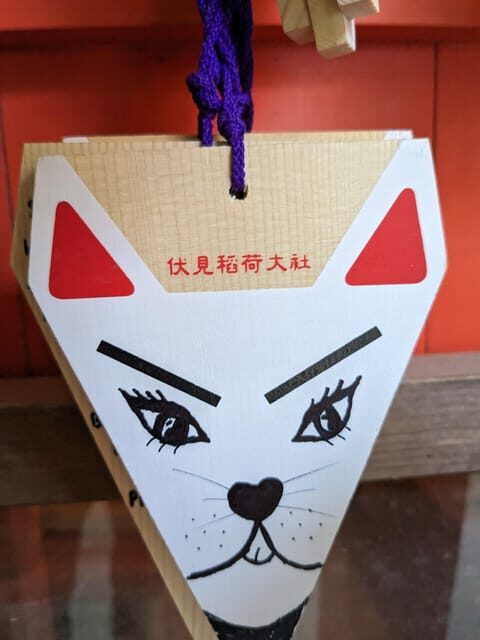
This tour includes a special souvenir unique to Inari, and it’s presented as something you can’t easily get anywhere else. I like this detail because it makes the experience feel like more than a guided walk.
It also gives you a natural stopping point in the morning. You’re not just moving through torii and returning empty-handed. You leave with something tied to the shrine theme you actually walked through.
Since the exact souvenir type isn’t spelled out here, treat it as part of the fun. Your guide will handle it during the tour, so you don’t have to figure out shops or look up what to buy last-minute.
Price and value: is $70 actually fair?
At $70 per person and about 150 minutes, this is priced like a guided experience, not a free wandering route. The value comes from three things you’d otherwise have to piece together on your own:
- A local English guide who can explain what you’re seeing as you go
You’re not guessing at meaning, especially when the tour touches deities, torii etiquette, and the shrine’s local importance.
- Timing that reduces crowd interference
If you’ve been anywhere famous at peak time, you know the difference between seeing something and seeing it comfortably. Early morning matters.
- A structured route with extra stops
The viewpoint time and the side area with the fountain legend make the morning feel like a guided story, not just a single climb.
There’s also a social proof angle you can trust: the experience shows a 4.9 rating from 48 reviews. I don’t treat that like a guarantee, but it does suggest consistent guide quality and a repeatable route that works.
Who this tour fits best
This morning plan is best for people who want:
- the iconic torii tunnel experience with fewer crowds
- explanations tied to what you see (not just directions)
- a paced walk that includes a viewpoint and a calmer side stop
It’s not for everyone. The tour is listed as not suitable for children under 10, people with back problems, mobility impairments, wheelchair users, heart problems, respiratory issues, altitude sickness, low fitness, people over 70, and it also doesn’t allow baby strollers or luggage/large bags.
Why so strict? The key reason is physical movement on a holy mountain setting. Even if you take it easy, you’ll still need to handle walking and steps. If any of those health notes apply to you, it’s better to choose a different format.
On the positive side, the small-group or private option means you can often ask questions freely and get individualized attention. Guides are praised for being warm and for taking time, including Teppei, Yoshi, Maru, Masa, and Hiro in guide stories.
Quick practical notes before you go
Wear shoes you trust. The tour asks for comfortable shoes and comfortable clothes, plain and simple. The walk involves movement over shrine paths, so avoid anything with questionable grip.
Also, plan to travel light. Baby strollers and luggage or large bags are not allowed, and intoxication isn’t permitted. If you’re the type who likes carrying a big daypack, you may need to downsize for this one.
One more thing: the tour offers free cancellation up to 24 hours in advance for a full refund, and it also offers reserve now and pay later. That’s useful if your Kyoto schedule is still fluid.
Should you book the early morning Fushimi Inari tour?
Book it if your goal is the real Fushimi Inari experience: orange torii tunnels, calm morning pacing, a guide who explains the meaning, and photo time that doesn’t turn into crowd management.
Skip it if you’re:
- sensitive to uphill walking or have any of the listed health concerns
- traveling with items that won’t fit the no-stroller, no-luggage rules
- hoping for a totally self-guided, wander-anywhere morning with no structure
For most people, though, this is one of the smarter ways to do Kyoto’s most famous shrine. You get the iconic look, the context, and that quieter feeling that only early timing can buy.
FAQ
Where is the meeting point for the tour?
Your guide will be waiting outside JR Inari Station, across from the main entrance, holding a bright yellow DeepExperience signboard.
How long does the tour take?
The total duration is 150 minutes.
Is the tour offered in English, and is it private or small group?
Yes. The tour includes a live English-speaking local guide, and private or small groups are available.
Will I be able to see the torii gates with fewer crowds?
That’s the main idea. The tour is designed to help you enjoy Fushimi Inari without the usual daytime crowd pressure, including time for sightseeing and photos.
What should I wear or bring?
Bring comfortable shoes and comfortable clothes. The tour does not allow baby strollers, luggage or large bags, and baby carriages.
Who isn’t the tour suitable for?
It is not suitable for children under 10, people with back problems, mobility impairments, wheelchair users, people with heart problems, respiratory issues, altitude sickness, low level of fitness, or people over 70.
What is the cancellation policy?
You can cancel up to 24 hours in advance for a full refund.