Kyoto’s backstreets are best early. This 3-hour private e-bike tour takes you past geisha districts and famous gardens without you wrestling a map. I like the stress-free ride because the bike and gear are handled for you, and the route is paced for a small group.
Two stops in particular feel made for slow morning watching: the timber-lined lanes of Miyagawacho and the calm, classic streets of Gion. I also like how the tour threads in a change of scenery at the right time, with Kyoto Imperial Palace followed by a breather by the Kamo River.
One thing to plan for: you’re on a bike, so if you’re not comfortable riding on roads—even with an e-bike assist—you may feel it after a few stops. If rain hits, you’ll need to choose between continuing on bikes with ponchos or switching to a bus/metro walking option.
In This Review
- Key highlights at a glance
- Kyoto’s hidden alleyways are easier on an e-bike than on foot
- Private morning pacing for small groups (2–6) with your guide
- Morning route flow: Miyagawacho first, then Gion
- Stop-by-stop: what you’ll see and why each place fits the tour
- Miyagawacho Kaburenjo: wooden house alleys and calm vibes
- Gion: geisha district texture without the long detours
- Tatsumi Bridge: a short breath along the water
- Kyoto Imperial Palace: cycle gravel paths inside the palace grounds
- Kashiwayacho and Kamo River: your included rest
- Price and value: what $103 gets you (and why it can be worth it)
- Rain plan: poncho bikes or public-transport walking option
- Practical biking tips so the ride feels easy
- Who should book this hidden alleyway e-bike morning?
- Should you book this Kyoto hidden alleyway e-bike tour?
- FAQ
- How long is the morning tour?
- What time does the tour start?
- Where does the tour start?
- Is the tour private?
- How many people can be in a group with one guide?
- What happens if it rains?
- Are there age or height requirements?
- Do I get a ticket on my phone?
- What’s the main route you’ll cover?
Key highlights at a glance
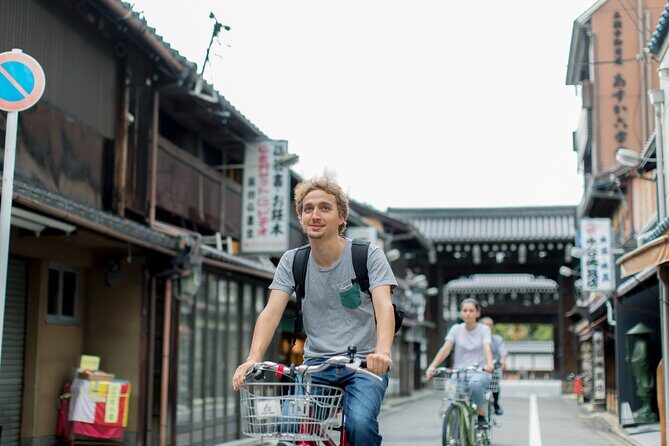
E-bike gear included so you start moving fast, not troubleshooting.
Private group of just your party with a guide who can slow down or adjust.
Old Kyoto flavors at Miyagawacho lanes and Gion streets.
Imperial Palace cycling route with time to see the palace grounds.
Kamo River rest stop designed to give your body a break.
Rain option built in with ponchos or a public-transport walking plan.
Kyoto’s hidden alleyways are easier on an e-bike than on foot
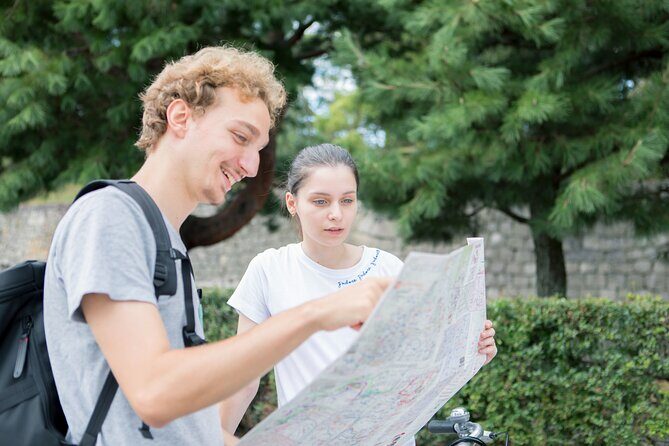
Kyoto can be a walk-and-wait kind of city. Lines of lantern-lit streets are great, but the distances between neighborhoods add up fast—especially in heat. An e-bike changes the whole rhythm: you still get that close-up feeling of alleys and traditional houses, but you’re not constantly deciding between walking another 10 minutes or calling it quits.
This tour is built for an efficient morning. You’re out early (9:00 am start), rolling through geisha-district streets, then heading toward the Imperial Palace area, and finishing with a relaxing riverside moment. It’s a smart way to see a lot while keeping the experience human-scale.
You can also read our reviews of more tours and experiences in Kyoto
Private morning pacing for small groups (2–6) with your guide
This is a private tour, which matters more than people think. With a small group, the guide can answer follow-up questions without the whole route grinding to a halt. In the past, I’ve found tours like this work best when you can ask the kind of questions that don’t fit on a postcard—why certain streets feel the way they do, how districts developed, and what you’re looking at beyond the obvious.
Your group size is capped to keep things manageable. A guide can accept 2 to 6 guests, and an extra guide can be arranged for 7 to 12. Also, this one doesn’t take single participants, so plan on pairing up if you’re solo.
You might meet different guides depending on your date. Reviews included names like Rich-san, Yuichi, and Annie, and the common theme is a guide who talks and answers at your speed rather than rushing through talking points.
Morning route flow: Miyagawacho first, then Gion
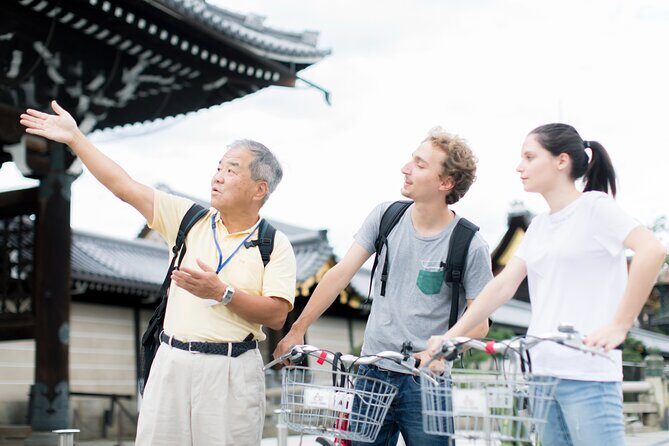
The tour hits Miyagawacho first, then moves to Gion, and that order is the kind of detail that makes the morning feel coherent. Miyagawacho is described as the second biggest of Kyoto’s five geisha districts. The atmosphere is the point: an alley lined on both sides with traditional wooden houses gives you that quiet, old-school Kyoto feeling—calmer than the busier parts of town.
Then you shift to Gion, the classic name most people come to Kyoto for. It developed as a major geisha district with maiko girls and geiko women. Even if you’re mostly watching the streets (not hunting for specific faces), the elegance of the neighborhood makes the slow roll worthwhile. I like that this part isn’t treated like a checklist; it’s treated like a living street scene.
Stop-by-stop: what you’ll see and why each place fits the tour
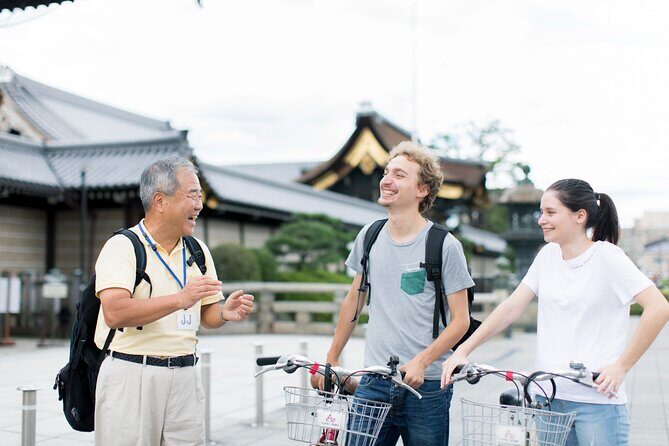
Miyagawacho Kaburenjo: wooden house alleys and calm vibes
You’ll spend about 15 minutes at Miyagawacho Kaburenjo, and the best part here is simple: the street shape. An alley lined with traditional wooden houses on both sides gives you a sense of older Kyoto right away. It’s the kind of place where you naturally slow your pace, look at the architecture, and notice how the street feels compared with wider roads.
Admission is free for this stop, which means you’re not losing time to ticket lines. It’s also a quick reset before you move toward the more iconic streets later.
Practical note: since this is a street-focused stop, keep your phone and camera ready but don’t block the path while you take photos.






Gion: geisha district texture without the long detours
Another 15-minute stop takes you into Gion. Here, you’ll see the district’s refined feel—the kind of atmosphere people associate with Kyoto. It’s a great contrast after the timber-lined calm of Miyagawacho. The streets may feel more famous, but the tour pace keeps it from turning into a sprint.
This stop also runs with no admission cost noted for you, which helps the schedule stay smooth.
If you’re sensitive to crowds, the morning timing helps. You’re not arriving at the moment when foot traffic peaks.
Tatsumi Bridge: a short breath along the water
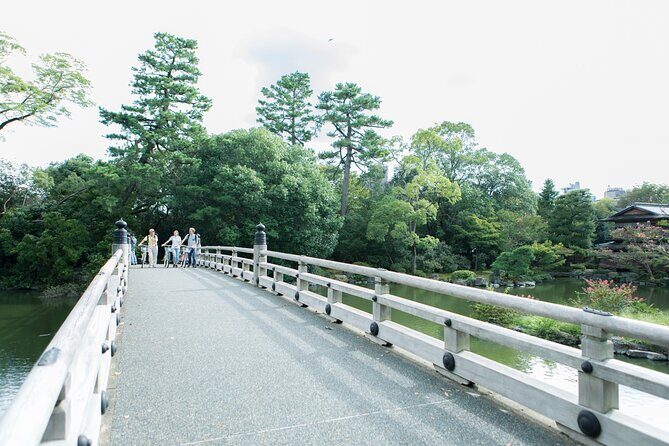
Next is Tatsumi Bridge, about 15 minutes. This stop is less about architecture and more about feeling refreshed. The path goes along a limped stream, and you get willow trees moving in the breeze. It’s a nice palate cleanser between geisha districts and the more formal, garden-like mood near the palace.
This is also one of those stops that helps your legs. You get a short walk component, then back on the bike without losing the morning flow.
Kyoto Imperial Palace: cycle gravel paths inside the palace grounds
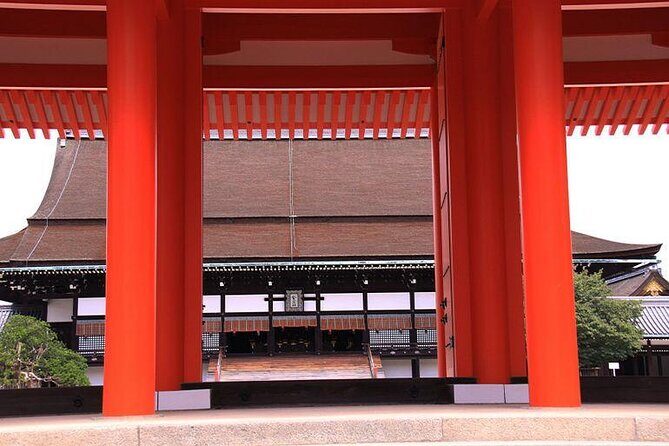
Then you move to Kyoto Imperial Palace for about 20 minutes. The palace used to be the residence of Japan’s imperial family, and today it’s open to the public as a national garden with seasonal flowers. A key detail for this tour: you cycle along the gravel paths there. That means you’re moving through the space instead of only looking from the edges.
The stop is marked with free admission, which is great value considering how popular this area is in general. The tour time is short, so don’t expect a full deep exploration. Instead, think of it as a highlight loop that helps you understand the layout and atmosphere, so you can return later if something catches your interest.
Kashiwayacho and Kamo River: your included rest
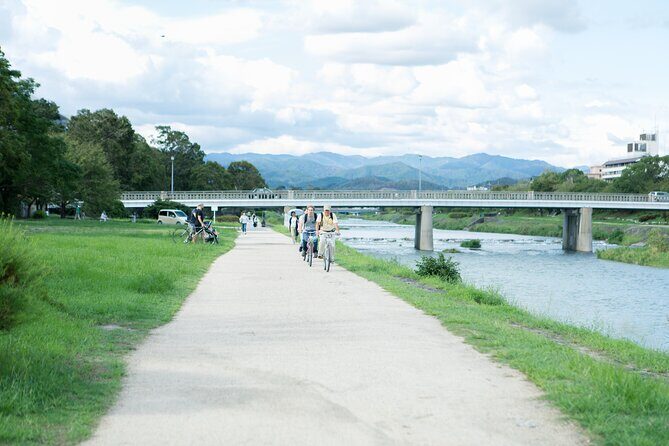
The final named stop is Kashiwayacho, about 20 minutes, with admission included. This is where the tour slows down in a good way. You get a chance to relax at a spot local residents love by the Kamo River.
This kind of rest matters on e-bike tours. You’ve been riding and looking for a few stops already, and the body appreciates a pause. It also gives you time to chat with your guide and ask practical questions—like where to go next that day, or what to avoid if you want calmer streets.
Price and value: what $103 gets you (and why it can be worth it)
At $103.04 per person for about 3 hours, the headline number looks “not cheap.” But the value comes from three things working together.
First, you’re not just paying for a guide—you’re paying for equipment rental and a smooth route plan. Second, you’re doing multiple neighborhoods plus the palace area in one morning without stacking lots of transport costs or losing time finding your way. Third, the private setup (your group only) is the difference between following a crowd and actually controlling the pace.
E-bike tours can go either way: some feel like fast photo stops, others feel like a guided street experience with real explanations. The high rating suggests this one spends more time on meaning, not just movement.
If you’re on your first or second day in Kyoto, this tour also works as a “map in motion.” Even when you’re not looking at a phone, you start to understand how districts connect—and that makes later self-guided days more satisfying.
Rain plan: poncho bikes or public-transport walking option
Kyoto weather can flip fast, and this tour plans for rain. The tour operates in rain. You can choose to keep riding on bikes with rain ponchos at no extra cost, or switch to a walking tour using public transportation (bus or metro) with that cost included in the tour fee.
One caution: in rain, your comfort matters more than your schedule. If you’re not used to biking gear and wet roads, the walking/public-transport plan may feel easier. On the other hand, if you hate missing the bike experience, the poncho option keeps you on track.
Practical biking tips so the ride feels easy
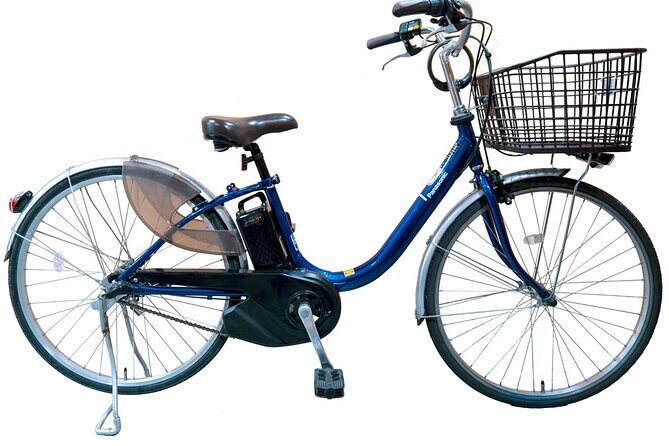
Even with e-bike assist, your body notices riding. A review suggested wearing padded pants if you’re not used to biking—honestly, that’s good advice. It costs little and saves your day.
Also, think about your outfit like you’re doing a short commute. Wear comfortable shoes with grip. Keep a light layer handy; early mornings can feel cooler than midday.
If you’re bringing a camera, use a secure strap or pocket. This route includes alley streets and bridge paths, so loose items are a hassle.
Who should book this hidden alleyway e-bike morning?
This is a great fit if you want:
- A guided intro to Kyoto’s geisha districts without spending your whole day walking
- A small-group, question-friendly morning
- An easy way to reach Kyoto Imperial Palace and still have time to unwind by the Kamo River
It may be less ideal if:
- You’re not comfortable riding a bicycle safely on road surfaces
- You prefer long, slow museum-style time rather than highlight pacing
- You’re traveling alone, since the minimum group rules don’t accept single participants
Children must be at least 10 years old, 145 cm or above, and able to ride a bicycle safely on the road unassisted.
Should you book this Kyoto hidden alleyway e-bike tour?
I’d book this when you want a smart morning that feels like Kyoto, not like logistics. The combination of Miyagawacho lanes, Gion atmosphere, a palace cycling loop, and a riverside break is exactly the kind of route that makes Kyoto click in your head.
Skip it only if biking is a deal-breaker for you, or if you’re traveling solo and you can’t find a partner group. If you’re comfortable on a bike and you want a local guide to help you read what you’re seeing, this is a strong choice.
FAQ
How long is the morning tour?
It runs for about 3 hours.
What time does the tour start?
The start time is 9:00 am.
Where does the tour start?
The meeting point is 552-13 Higashiaburanokōjichō, Shimogyo Ward, Kyoto, 600-8235, Japan.
Is the tour private?
Yes. It’s listed as a private tour/activity, with only your group participating.
How many people can be in a group with one guide?
The minimum is 2 guests and the maximum is 6 guests per guide. For groups of 7–12, an extra guide can be arranged.
What happens if it rains?
The tour operates in rain. You can choose to continue on bikes with a rain poncho, or switch to a walking tour using bus or metro, with that option included in the tour fee.
Are there age or height requirements?
Yes. Children must be at least 10 years old, 145 cm or above, and able to ride a bicycle safely on the road unassisted.
Do I get a ticket on my phone?
Yes, you receive a mobile ticket. Admission is noted as free for some stops and included for the Kamo River/Kashiwayacho stop.
What’s the main route you’ll cover?
You’ll cycle through Miyagawacho, Gion, stop at Tatsumi Bridge, visit Kyoto Imperial Palace, and spend time around the Kamo River area at Kashiwayacho.