REVIEW · MORNING
From Kyoto: Nara Guided Morning Tour
Book on GetYourGuide →Operated by Japan Panoramic Tours · Bookable on GetYourGuide
That first deer step feels like magic. In a tight 4 hours, you’ll see Todaiji’s Great Buddha, roam Nara Park with wild deer, and finish at Kasuga Taisha.
I like how this tour gives you a real highlights loop without making you do extra planning. The air-conditioned coach with free Wi-Fi takes the stress out of getting there early, and the English live guide plus audio headsets keeps the story clear even when places get crowded.
The one consideration: this is a morning tour that ends at Kintetsu Nara Station around noon. You’ll need to handle the trip back to Kyoto on your own.
In This Review
- Nara in Four Hours: What Makes This Morning Tour Click
- Key Things I’d Bet You’ll Remember
- Getting Started in Kyoto: The Meeting Point That Keeps You on Track
- The Coach Ride: Comfort, Timing, and Route Snacks
- Todaiji Temple and the Great Buddha Hall: The Moment You Get Goosebumps
- Nara Park Deer Time: Fun, Rules, and How to Keep It Friendly
- Feeding the deer (without turning into the main character)
- Best way to enjoy your deer window
- Kasuga Taisha Shrine: UNESCO Calm and the Lantern Paths
- How the Audio Headsets Make This Tour Feel Easy
- Price and Value: Is $77 Worth a Half Day in Nara?
- Practical Checklist: What to Bring and What to Expect on Your Feet
- Who This Nara Morning Tour Fits Best
- Should You Book It? My Decision Rule
- FAQ
- What time does the tour start, and where do I meet?
- What’s included in the ticket price?
- Does the tour include a return to Kyoto?
- How much walking should I expect?
- Are meals included?
- Can I feed the deer in Nara Park?
Nara in Four Hours: What Makes This Morning Tour Click
If you only have part of a day in Kyoto, Nara can still feel huge. This tour is built for momentum: leave early, hit the big sights before lines and heat build up, then drop you near the train so you’re not trapped in a long afternoon.
You’re not just “seeing stuff.” You’re watching different sides of Nara happen in sequence. Todaiji gives you scale and awe. Nara Park is playful and unpredictable. Kasuga Taisha slows everything down with its sacred atmosphere and the famous stone lantern paths.
The schedule is also realistic about time. You get guided time where it matters most, then a shorter window to explore the deer park your own way.
Key Things I’d Bet You’ll Remember
- Great Buddha Hall at Todaiji: the wooden hall + monumental Buddha is the headliner.
- Nara Park deer time: sacred deer that roam freely, plus rules for feeding responsibly.
- Kasuga Taisha’s lantern walk: 3,000 stone lanterns create a strong sense of place.
- Comfort on the way: air-conditioned coach and free Wi-Fi while you ride from Kyoto.
- Easy listening: English guide plus audio headsets in Spanish, French, Italian, German, Portuguese, and Ukrainian.
- A clean handoff at the end: the tour finishes near transit at Kintetsu-Nara Station.
You can also read our reviews of more guided tours in Kyoto
Getting Started in Kyoto: The Meeting Point That Keeps You on Track
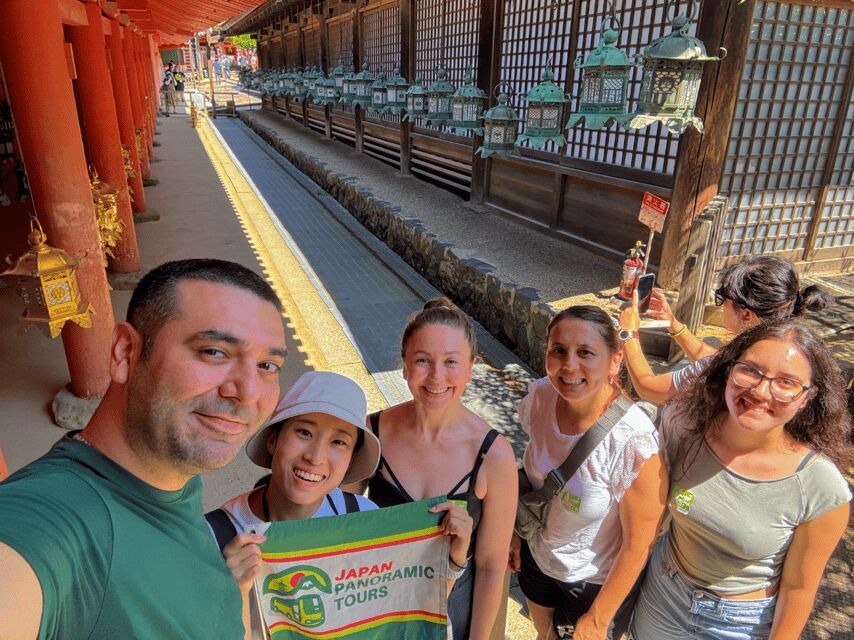
Your morning begins at Tully’s Coffee Kyoto Avanti (Avanti side). The meeting time is 7:50am with departure at 8:00am, and you’ll want to show up early enough to find the green-and-white Japan Panoramic Tours flag without stress.
Why I like this start: it’s simple. You’re not hunting for a weird backstreet kiosk. And because you depart right away, you don’t waste your first Nara hours playing catch-up.
One small note to take seriously: the bus leaves on time. Late arrivals can miss the departure, and the tour has a strict no-refund rule for latecomers/no-shows. In other words, set an alarm and plan a little buffer.
The Coach Ride: Comfort, Timing, and Route Snacks
From Kyoto, the ride takes about 1 hour. You’ll pass landmarks like Fushimi Castle and Heijokyo Palace, which is a nice way to break up the commute. It’s not a full sightseeing stop, but it gives your brain something to hold onto while you’re traveling.
Inside, you get air-conditioning and free Wi-Fi. That matters more than you’d think on a morning tour. Even in pleasant seasons, you’re walking and standing soon after. Being cool (or at least comfortable) helps you enjoy the temples and crowds instead of rushing through them.
Also, the tour can adjust its order based on traffic and weather. That’s normal for this route, and it’s better than pretending everything will always run perfectly.
Todaiji Temple and the Great Buddha Hall: The Moment You Get Goosebumps
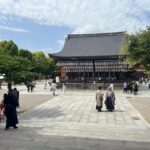
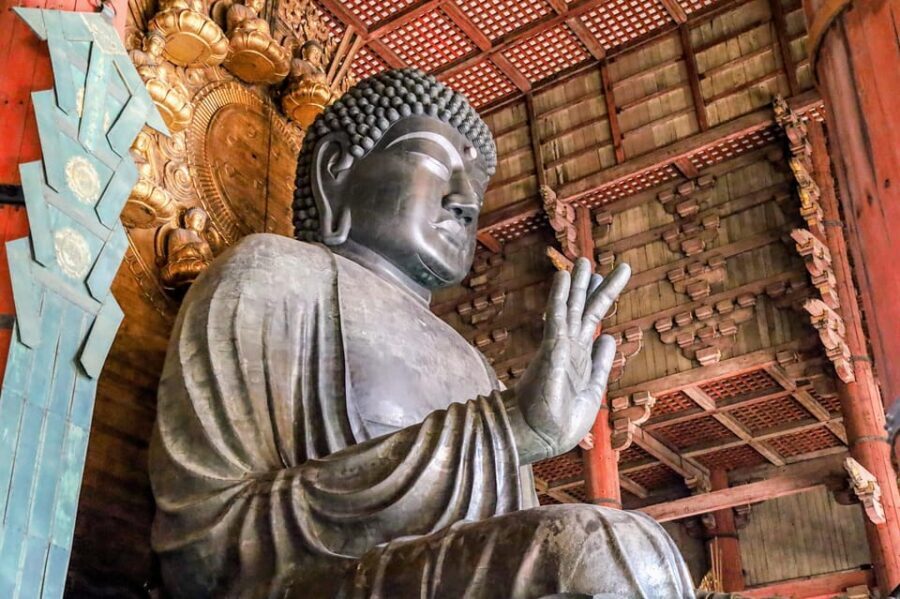
Todaiji Temple is the big centerpiece. You’ll enjoy a guided visit focused on the Great Buddha Hall (Daibutsuden) and the Great Buddha of Nara. Expect a lot of attention here because it’s built for scale.
What makes Todaiji work on a morning schedule is timing. You’re arriving when the day is still fresh, so the complex feels more manageable than it can later. And because you have a guide, you’re not just staring upward. You’re understanding what you’re seeing as you move through the space.
You’ll also pass the Nandaimon Gate, with its guardian statues on either side. It’s one of those “photo location” moments that actually helps you orient yourself—like a landmark within the landmark.
A practical heads-up: you’ll do some walking, including stairs and hills. Wear shoes you can handle for about 4 hours of active sightseeing, not just “temple sandals.”
Nara Park Deer Time: Fun, Rules, and How to Keep It Friendly
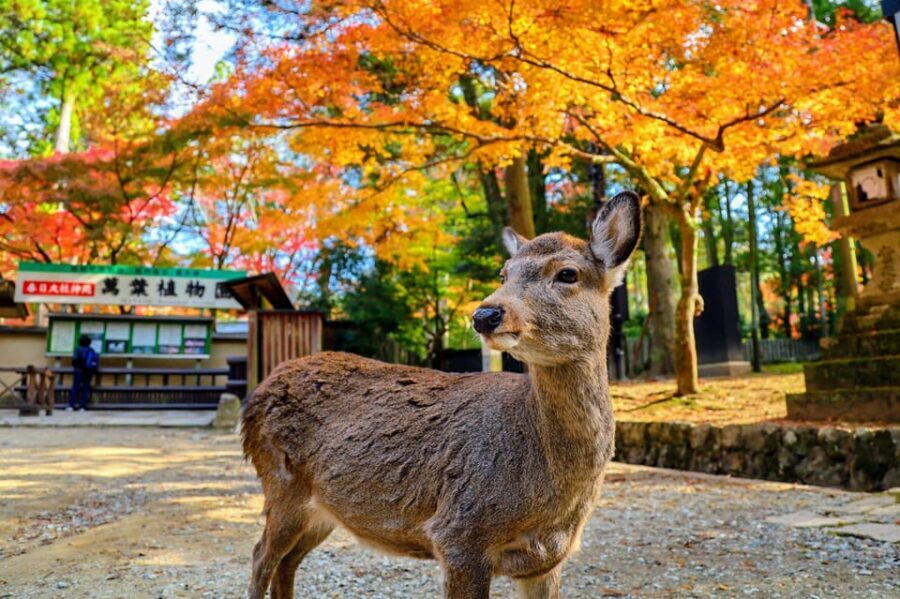
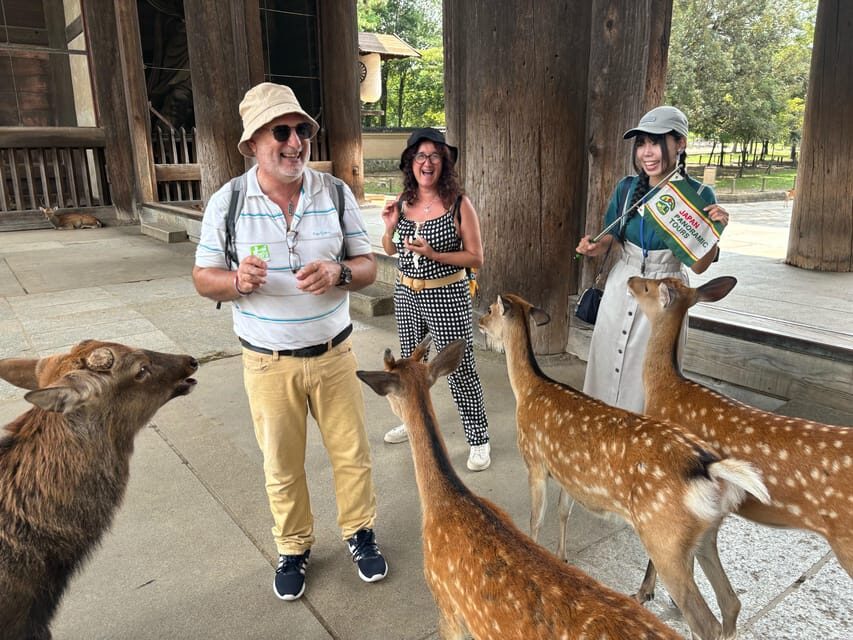
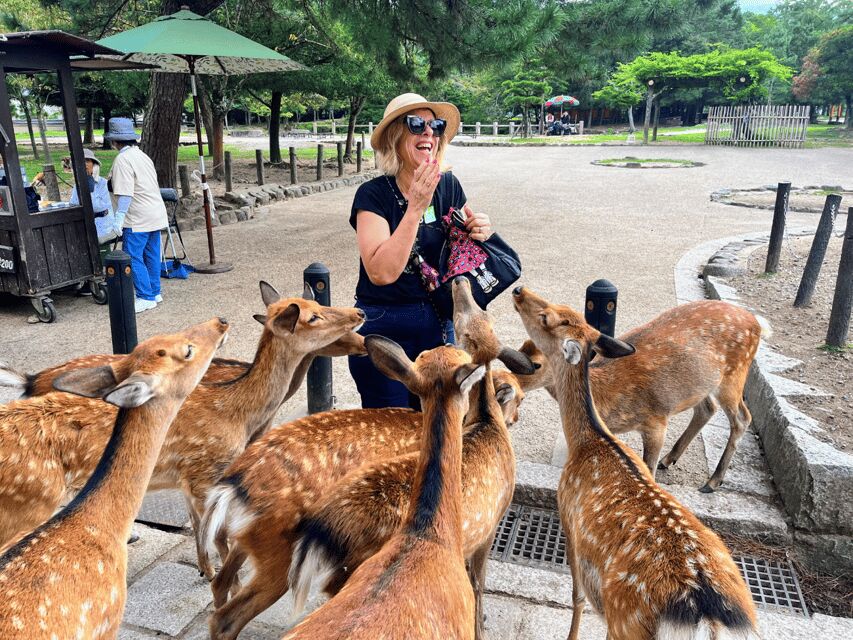
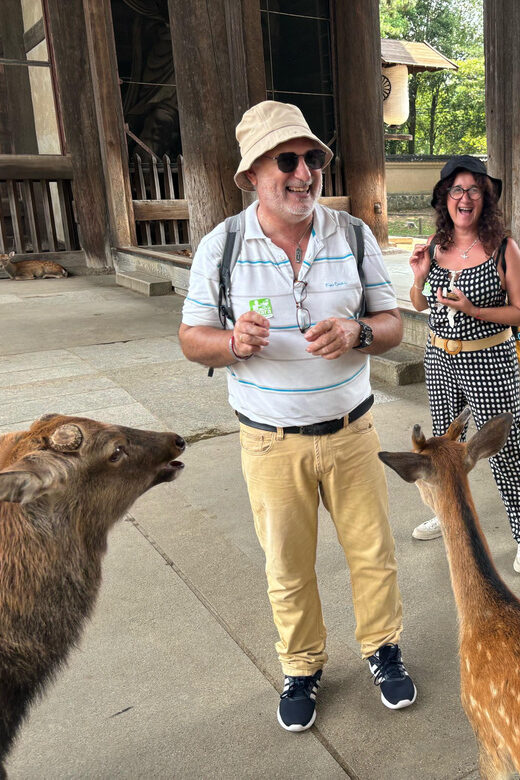
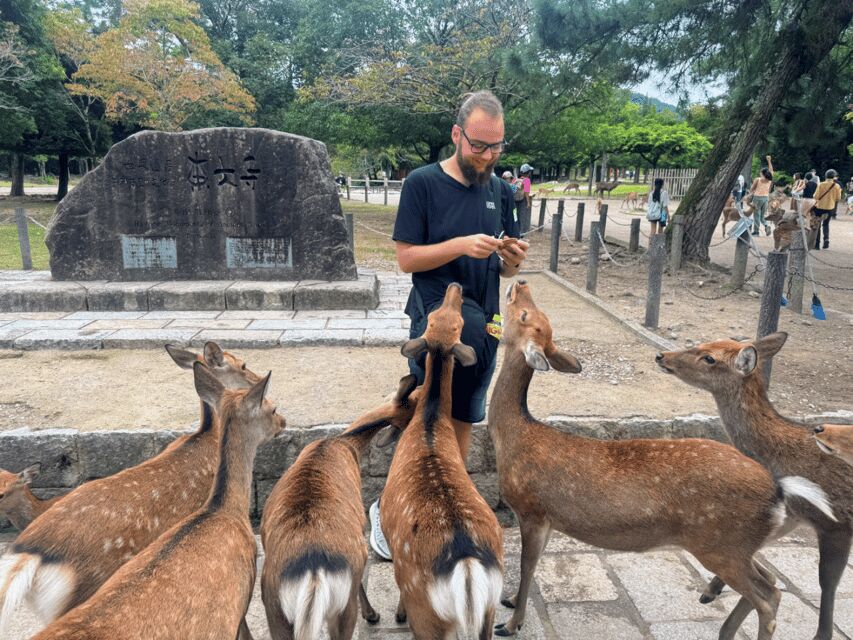
Then comes the part everyone talks about: Nara Park and the deer. The park is home to over 1,400 wild deer, and they roam freely. They’re considered sacred messengers, and the result is that the park feels like a living scene rather than a fenced attraction.
You’ll get about 30 minutes of free time in the park. That sounds short, but it’s a workable window because the deer are always there. You don’t need to “hunt” them.
You can also read our reviews of more tours and experiences in Kyoto

Feeding the deer (without turning into the main character)
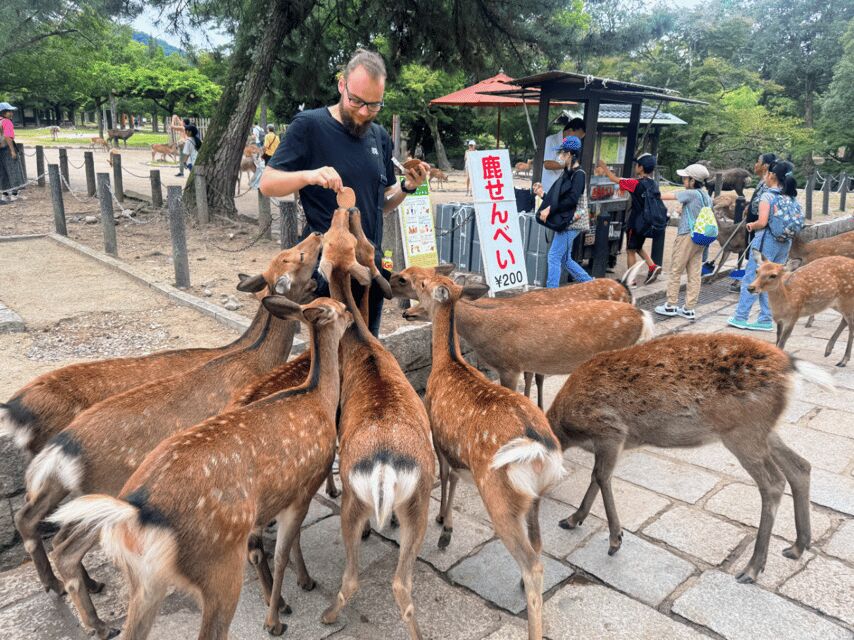
Feeding is allowed, but only with the special crackers sold in the park, and you need to do it responsibly. A few important behavior tips keep this fun:
- If you have crackers, keep them secure and don’t wave them around randomly. Deer notice hands fast.
- If you don’t have crackers, keep your hands visible rather than hiding them or reaching suddenly. Deer may crowd around people who look like they might feed.
- Watch your space. The deer can come close and get pushy when food is involved.
People also suggest being careful with personal space and staying aware, because deer can react quickly. The goal is calm, not competition.
Best way to enjoy your deer window
Don’t spend all 30 minutes aiming your camera. Alternate. One minute for photos. Then look around and enjoy the odd scene of deer walking through pathways like they own the place—which, in a cultural sense, they kinda do.
Also, remember no flash photography. That keeps the experience respectful and less chaotic for everyone.
Kasuga Taisha Shrine: UNESCO Calm and the Lantern Paths
Next is Kasuga Taisha Shrine, a UNESCO World Heritage Site. This stop is guided for about 40 minutes, and it’s designed to contrast with the deer energy.
Kasuga Taisha is known for its 3,000 stone lanterns lining the pathways. The lanterns are lit during special festivals, but even unlit, the stone rows create that “walk forward, everything gets quieter” effect—especially in the morning when light is gentler.
I like Kasuga Taisha after Nara Park because it slows you down. You go from playful chaos to a shrine setting that asks for patience. Your guide helps too, because you’ll understand the flow of the site and what matters as you move.
And like the deer park, you’re not just wandering blindly. You have a guided timeframe, so you can enjoy the sacred atmosphere without worrying you’re losing the clock.
How the Audio Headsets Make This Tour Feel Easy
This tour uses a professional English-speaking live guide, plus audio headsets in seven languages: Spanish, French, Italian, German, Portuguese, and Ukrainian.
Even if you’re an English speaker, I think this is a quality detail. In busy spaces, noise can drown out explanations. Headsets help keep the narration clear, and it also means you’re less likely to miss the key points when you’re standing close to other groups.
The guide styles you might encounter can vary. Past tours have included guides like Ciel and Tommy, and others such as Den, Sakura, Nagomi, Mai-san, and Aoi. What seems consistent is energy: a guide who keeps the group moving and explains things in an upbeat way makes a big difference in a short tour.
Price and Value: Is $77 Worth a Half Day in Nara?
At $77 per person for about 4 hours, you’re paying for three things that add up fast: transportation, guided time, and a major admission.
Included value highlights:
- Air-conditioned coach with free Wi-Fi
- Professional English live guide
- Admission to Todaiji Temple
- Audio headsets in multiple languages
If you tried to piece this together on your own, the costs can creep up: trains/buses, tickets, and the time you lose trying to coordinate routes and walking pace. This tour saves you that planning overhead by packaging the must-see route with a guide.
The “gotcha” cost is indirect: this half-day tour does not return you to Kyoto. It ends around noon at Kintetsu-Nara Station. So when you evaluate value, factor in your return transit from Nara to Kyoto. If you already know how you’ll get back, the $77 feels like a solid, low-stress way to cover the essentials.
Practical Checklist: What to Bring and What to Expect on Your Feet
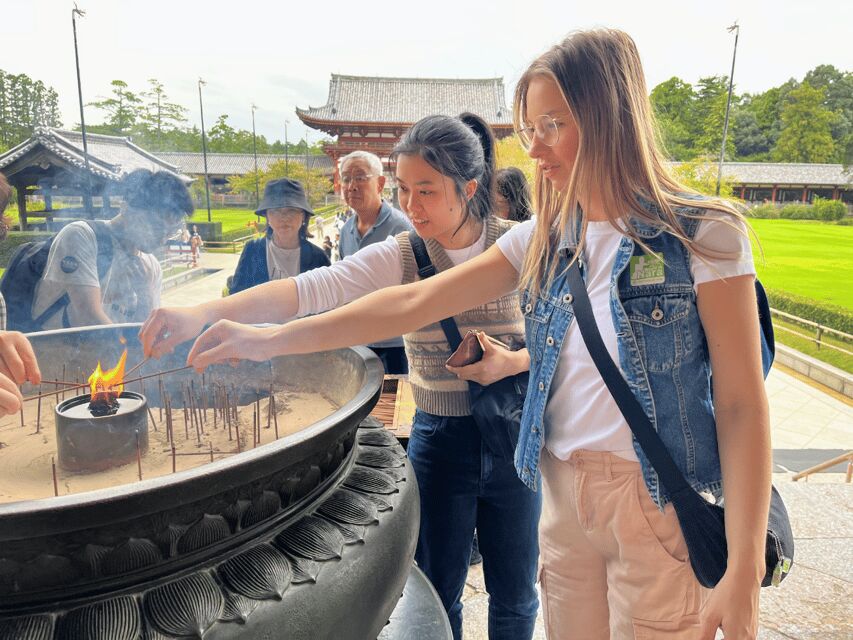
You’ll walk in and around temple grounds and up/down terrain. That’s why comfort matters here.
Bring:
- Comfortable shoes
- Hat
- Sunscreen
- Water
- Cash (useful for purchases on the ground)
And plan for weather. The tour says to be ready for all conditions. Morning in Japan can shift quickly, so having a hat for sun and something for rain keeps your day from turning into a grind.
On-site rules you should actually care about:
- Feeding deer is allowed only with park crackers
- No flash photography
- No smoking
- No intoxication
- No littering
- No alcohol/drugs (and no alcoholic drinks in the vehicle)
Who This Nara Morning Tour Fits Best
This is a strong match if:
- You want the Nara highlights without losing your whole day.
- You’re a first-timer who likes a clear structure: temple → deer park → shrine.
- You travel with kids or anyone who benefits from a guide to keep things moving.
It’s not a fit if you need mobility accommodations. The tour is not suitable for people with mobility impairments and wheelchair users, and you should expect stairs and hills.
Should You Book It? My Decision Rule
Book this tour if you want a morning that feels efficient but not rushed. The combination of Todaiji’s Great Buddha, Nara Park’s deer roaming, and Kasuga Taisha’s lantern paths is a classic Nara trio—and you’ll see it in one clean half-day arc.
Skip it (or change your plan) if you don’t feel comfortable handling transit back to Kyoto after the tour ends. The tour finishes at Kintetsu-Nara Station around 12 PM, and the return ride to Kyoto isn’t part of the package.
If you’re comfortable with trains and you’re ready to walk a bit, this is one of the better ways to “get Nara” fast.
FAQ
What time does the tour start, and where do I meet?
You meet at Tully’s Coffee Kyoto Avanti (in front of the Kyoto Avanti building at the Tully’s side) at 7:50am, and the tour departs at 8:00am.
What’s included in the ticket price?
The tour includes an English-speaking tour guide, air-conditioned coach transportation with free Wi-Fi, admission to Todaiji Temple, and audio headsets in Spanish, French, Italian, German, Portuguese, and Ukrainian.
Does the tour include a return to Kyoto?
No. This half-day tour ends at Kintetsu-Nara Station around 12 PM, and you’ll need to arrange your own return to Kyoto.
How much walking should I expect?
Expect a moderate amount of walking, including stairs and hills during the tour.
Are meals included?
No. Meals and drinks are not included.
Can I feed the deer in Nara Park?
Yes, feeding the deer is allowed, but only with the special crackers sold in the park, and you should feed them responsibly.