REVIEW · KYOTO
Kyoto Highlights 7-Hour Private Guided Tour
Book on GetYourGuide →Operated by WaRaiDo Guide Networks · Bookable on GetYourGuide
Kyoto shines brightest with a smart plan. This private, licensed day covers major sights in just 7 hours, with clear context that helps everything click. I especially like the way it’s built around two different routes, so you can focus your day, and the fact that you’re not just bouncing between famous spots—you also get temple and cultural storytelling. One drawback: you have to pick a route when booking, and lunch and drinks are on you.
The tour runs from 09:00 to about 16:00, starting near JR Kyoto Station at Hotel Granvia Kyoto and ending near Gion. You’ll see four big stops on your chosen itinerary, plus extra time for key surroundings like the historic approach areas. If you want maximum flexibility without pre-planning, this is still a solid value because you’re paying for guide time, transport, and temple entrance fees, not for guessing your way through crowds.
In This Review
- Key things I’d watch for
- Private Kyoto in Seven Hours: How the Two Routes Work
- Meeting at JR Kyoto Station and Getting Around Smoothly
- Northwest Route: From Bamboo Silence to Ryoanji Stones and Kinkaku-ji Light
- Bamboo Grove
- Ryoanji Rock Garden (Ryoanji Temple)
- Golden Pavilion (Kinkaku-ji)
- Nijo Castle or Nishiki Market: Choose Your Ending Mood
- Southeast Route: Sake Brewery, Fushimi Inari Torii, Sanjusangendo, and Kiyomizudera Steps
- Sake Brewery Stop
- Fushimi Inari Taisha
- Sanjusangendo Temple
- Kiyomizudera Temple
- Ninenzaka or Sannenzaka Slope
- Why the Private Licensed Guide Changes Everything in Kyoto
- Entrance Fees, Transportation, and the $215 Value Math
- Food, Timing, and How to Build a Realistic Day
- Ending in Gion: Turning 16:00 into an Even Better Kyoto
- Who This Tour Fits Best (and Who Might Skip It)
- Should You Book This Kyoto Highlights Private Tour?
- FAQ
- What time does the Kyoto tour start and end?
- Where do we meet for the tour?
- Which route should I choose: northwest or southeast?
- What’s included in the price?
- Is lunch included?
- What’s the cancellation policy?
Key things I’d watch for
- Two route choices: northwest or southeast, with different signature Kyoto highlights
- Private guide time: one-on-one pacing and explanations in English
- Transport + bus pass: you get help getting around and a 1-day bus pass to keep using after
- Temples, shrines, and a castle/market: a mix that prevents Kyoto from feeling repetitive
- Ends in Gion: you finish where evening atmosphere starts
- Food not included: you’ll want a plan for lunch and water during the day
Private Kyoto in Seven Hours: How the Two Routes Work
This is a true private guided day in Kyoto. You choose one itinerary when you book: a northwest route or a southeast route. The core structure is simple: your guide takes you to the day’s must-sees, keeps the timing realistic, and handles the “how do we get there” part.
On the northwest option, you’re set up for a classic Kyoto day with nature and power sites: you’ll go to the Bamboo Grove, then the Rock Garden (Ryoanji Temple), then the Golden Pavilion (Kinkaku-ji). After that, your fourth major stop is either Nijo Castle or Nishiki Market. That last choice matters. Castle time gives you a historical, built-environment contrast. Nishiki Market gives you a Kyoto food-and-street-life feel (and a break from temples).
On the southeast option, the vibe shifts toward big shrine energy and temple interiors. You’ll visit a sake brewery, then Fushimi Inari Taisha, then Sanjusangendo Temple, then Kiyomizudera Temple. The walking parts matter here, too: the itinerary includes the Ninenzaka or Sannenzaka slope area, which is a good place to slow down, watch street life, and pick up gifts without turning it into a shopping spree.
If your time in Kyoto is short, this setup is smart. If you have longer, it’s also efficient to take both routes at a relaxing pace so the city doesn’t blur together.
You can also read our reviews of more guided tours in Kyoto
Meeting at JR Kyoto Station and Getting Around Smoothly
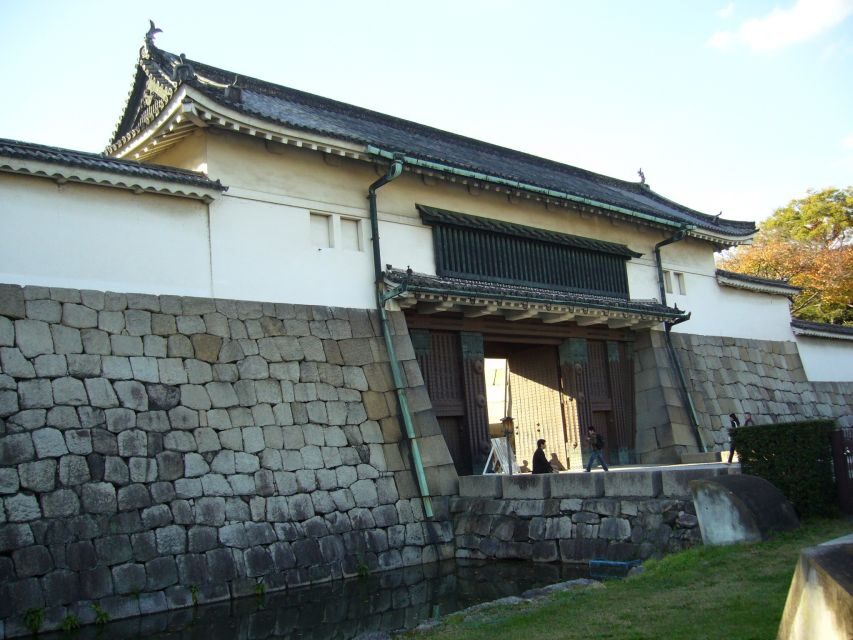
The day starts at 09:00 at the Hotel Granvia Kyoto inside the JR Kyoto Station building area. That’s a practical choice. Kyoto is easier when you’re anchored near a major transit hub, and it reduces the “where exactly do we meet” problem.
You also get transportation included and a 1-day bus pass that you can use after the tour. That’s a quiet value-add. Even if your feet are tired, you’ll usually find you can keep moving without paying for every single ride. It also helps you turn this into a flexible day instead of a one-and-done sightseeing block.
Because this is private, your guide’s pacing matters. In a group tour, one slow person can jam the schedule. Here, the tour can feel more like a paced conversation: stop when you want photos, move on when you want to beat the lines, and ask questions without the awkward pause while everyone waits.
One small thing to keep in mind: hotel pick-up and drop-off are not included. You’ll be meeting at a centrally located meeting point, and the start point is specifically tied to the Kyoto Station/Hotel Granvia area. If you’re staying elsewhere, plan your morning transit so you arrive a little early.
Northwest Route: From Bamboo Silence to Ryoanji Stones and Kinkaku-ji Light
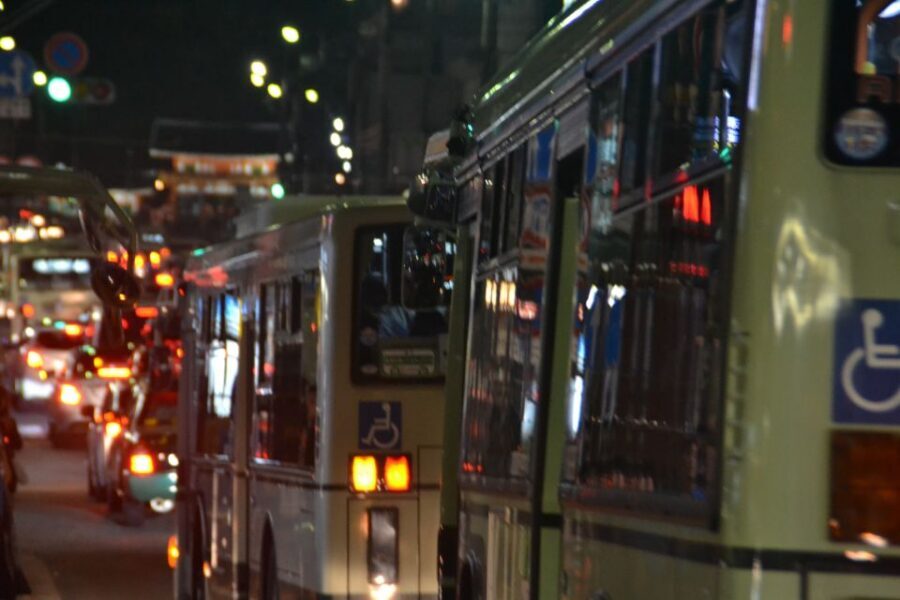
The northwest route is the one I’d pick if you want Kyoto to feel like a blend of nature calm and iconic landmarks. It’s also where you’ll get that memorable contrast: quiet gardens and rock minimalism, then a gold-leaf showpiece, then either a castle or a busy market street scene.
Bamboo Grove
The day starts with the Bamboo Grove. It’s famous for a reason: the rhythm of tall stalks creates a natural tunnel effect, and the atmosphere feels different than the streets around it. Even if you’ve seen photos before, seeing it in person tends to recalibrate your sense of scale.
The best part about having a guide here is timing. Your guide can help you avoid the worst crowd moments and keep the flow so you’re not stuck in photo bottlenecks.
Ryoanji Rock Garden (Ryoanji Temple)
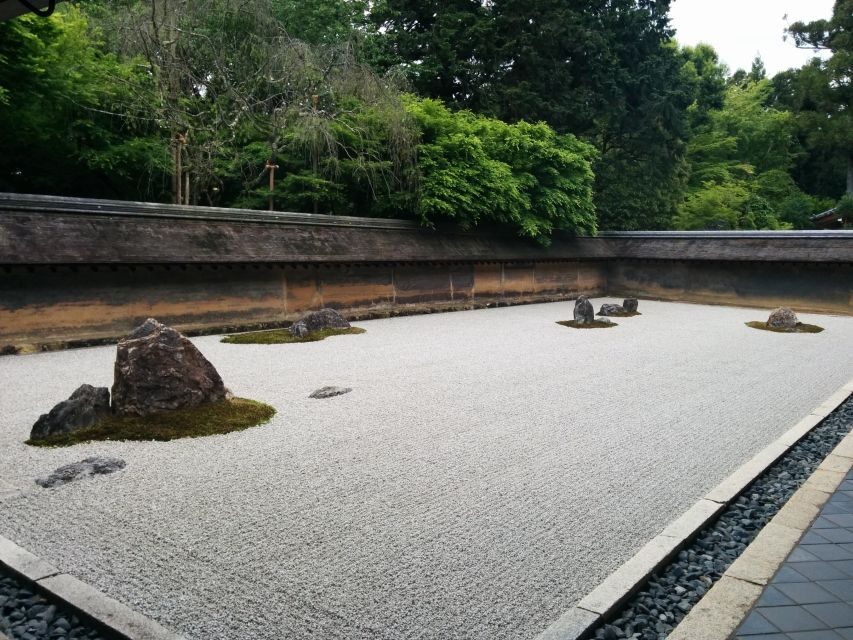
Next is the Rock Garden at Ryoanji. This is where Kyoto stops being just pretty and starts being about thinking. A guide’s context makes a big difference with this kind of Zen design. You’ll understand why people sit and look, why the view matters, and why the garden is treated like a kind of meditation space rather than a “quick photo stop.”
This stop is usually slower by nature. I like that the itinerary doesn’t rush it the way some days do.
You can also read our reviews of more private tours in Kyoto
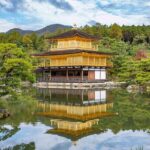
Golden Pavilion (Kinkaku-ji)
Then comes the Golden Pavilion, Kyoto’s most instantly recognizable shine. The contrast is almost comedic: you go from quiet stone order to a building that practically demands your attention.
A private guide helps you see it more than just as an image. You’ll get pointers on where to look, what details matter, and how the surroundings frame the pavilion so it feels cohesive rather than random.
Nijo Castle or Nishiki Market: Choose Your Ending Mood
Your fourth major stop is either Nijo Castle or Nishiki Market.
- If you choose Nijo Castle, you’ll get a built, historical Kyoto experience that balances the garden-heavy morning. Castles also give you a break from constant walking on shrine-tempo paths.
- If you choose Nishiki Market, you get a sensory reset. It’s a street-level Kyoto experience where food and everyday life blend together. It can be a great way to keep energy up without turning lunch into a separate mission.
Either choice works well with the rest of the route. The key is choosing what matches your energy level. If you want calm and architecture, pick the castle. If you want casual and tasty, pick the market.
Southeast Route: Sake Brewery, Fushimi Inari Torii, Sanjusangendo, and Kiyomizudera Steps
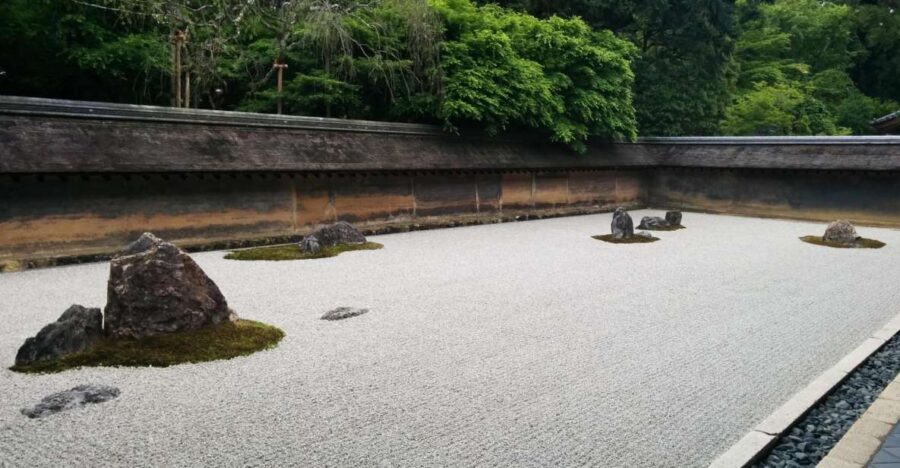
If the northwest route is Kyoto in a calm, curated mood, the southeast route is Kyoto at full volume—shrines, temple halls, and the kind of walking approach that makes you feel like you’re entering another world.
Sake Brewery Stop
The itinerary includes a sake brewery visit. Even without making it a huge production, it adds real Kyoto flavor (literally in the sense that this city’s identity is tied to brewing, seasonality, and craft traditions). A guide can also help you connect the dots between local culture and what you’ll see at the temples and shrines later.
Fushimi Inari Taisha
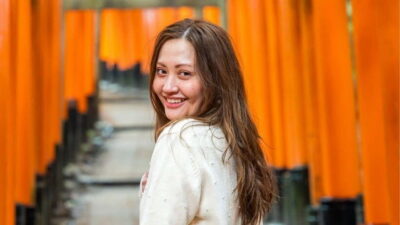
Then you hit Fushimi Inari Taisha, famous for the torii paths. This is where Kyoto’s spiritual geography becomes a walking experience, not just a destination.
What you’ll appreciate with a guide is pacing. Inari can feel like a maze if you’re trying to self-navigate while taking photos. With a private plan, you can focus on where the path gives you the best sense of the scale.
Sanjusangendo Temple
Next is Sanjusangendo Temple. This kind of temple is memorable because it feels specific and different from the courtyard scenes most people expect. A guide’s explanations help you understand how the hall functions and what makes this stop worth the time.
Kiyomizudera Temple
Then comes Kiyomizudera Temple, one of Kyoto’s big names. This stop is often busy, and it’s easy to lose time if you’re trying to do it independently. In a private setting, you’re more likely to hit the most meaningful viewpoints without turning your day into a shuffle.
Ninenzaka or Sannenzaka Slope
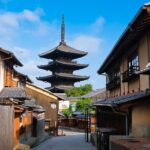
Finally, you get the Ninenzaka or Sannenzaka slope area. This is where the day softens. These historic slopes are great for a breather, a quick snack hunt, and last-minute souvenirs that feel tied to the neighborhood rather than generic tourist stores.
It’s also the perfect lead-in to the tour’s end point near Gion.
Why the Private Licensed Guide Changes Everything in Kyoto
Kyoto can be confusing. Not because it’s hard to read signs, but because the city has layers. Temples, shrines, castle structures, and even the way streets are arranged all come from different eras and social systems.
This tour’s main strength is the private licensed English guide who can explain what you’re seeing in plain language. I like that the experience is described as approachable and friendly, with guides like Mie, Mei, and Choca/Choco mentioned for their ability to connect cultural context to the sites you’re standing in front of.
That context matters for two reasons:
First, it makes iconic places less like a checklist. Instead of just seeing famous names, you understand why people built them that way and what the setting is trying to communicate.
Second, it reduces decision fatigue. When you have one-on-one conversations, you ask a question, get an answer, and move on. That helps later when you’re navigating on your own.
For me, the most practical part is how guides help you avoid common mistakes. With the right advice, you waste less time doubling back, waiting in the wrong spot, or misunderstanding how a complex route flows.
Entrance Fees, Transportation, and the $215 Value Math
The price is $215 per person. For Kyoto, that sits in the “not cheap, but purposeful” zone. Here’s the value breakdown based on what’s included:
Included:
- Pick-up at a centrally located meeting point
- Private licensed guide (English)
- Entrance fee for temples
- Transportation
- 1-day bus pass for use after the tour
Not included:
- Food and drinks
- Hotel pick-up and drop-off
So you’re paying for time, planning, and admission. You’re also getting transportation support inside a day that would otherwise be a lot of transit decisions and ticket-buying.
The smart angle is this: a private guide costs more, but it often saves you money indirectly. You’re less likely to pay for extra rides to fix a navigation mistake. And the bus pass extends the benefit beyond the guided portion. In other words, you’re not only buying a walk-by of sights. You’re buying a smoother day.
If you’re traveling solo and want the most value, you’ll likely compare this to group tours. If you’re traveling as a couple or a small group, private pricing usually starts to look more reasonable because the guide time is shared across fewer people.
Food, Timing, and How to Build a Realistic Day
Food and drinks are not included, so you’ll want to treat lunch like a planned moment, not a panic. This matters because Kyoto’s major sights tend to cluster, and hungry timing can make you cut corners.
In practice, guides often help with lunch choices. One guide named Choca was specifically mentioned for taking guests to a local ramen place for lunch. I’d think of that as a pattern: you can ask your guide for a suggestion that fits your pace and preferences, rather than hunting blindly.
For the day itself, the timing is built around a start at 09:00 and an end around 16:00 near Gion. That means you’ll want water, and you may want small snacks if you tend to get lightheaded between stops. Since the itinerary includes both temple-heavy and street-walk segments, breaks are spread out.
Also, remember your shoes. Kyoto has a lot of stairs and uneven stone steps, especially around major temple areas and slopes. You don’t need hiking boots, but you do need shoes that won’t ruin your evening plans.
Ending in Gion: Turning 16:00 into an Even Better Kyoto
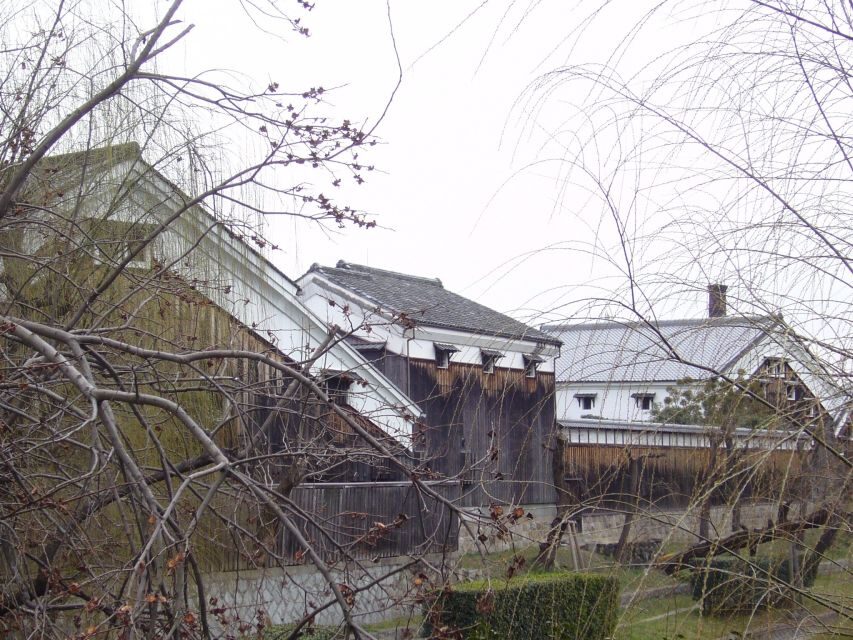
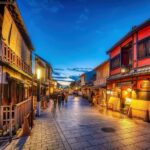
The tour ends near Gion, around 16:00. That’s a smart finish. Gion is one of those areas where an early evening walk feels like its own attraction, even if you’re not chasing performances or show schedules.
The tour also recommends a night walk in Gion. You don’t have to treat it like a formal event. But timing-wise, the end of the day lines up well with when Kyoto starts shifting into evening mode.
If you’re choosing your day based on atmosphere, this finish date helps. You’re not stuck leaving your biggest highlights behind and then spending the evening commuting away from the action.
Who This Tour Fits Best (and Who Might Skip It)
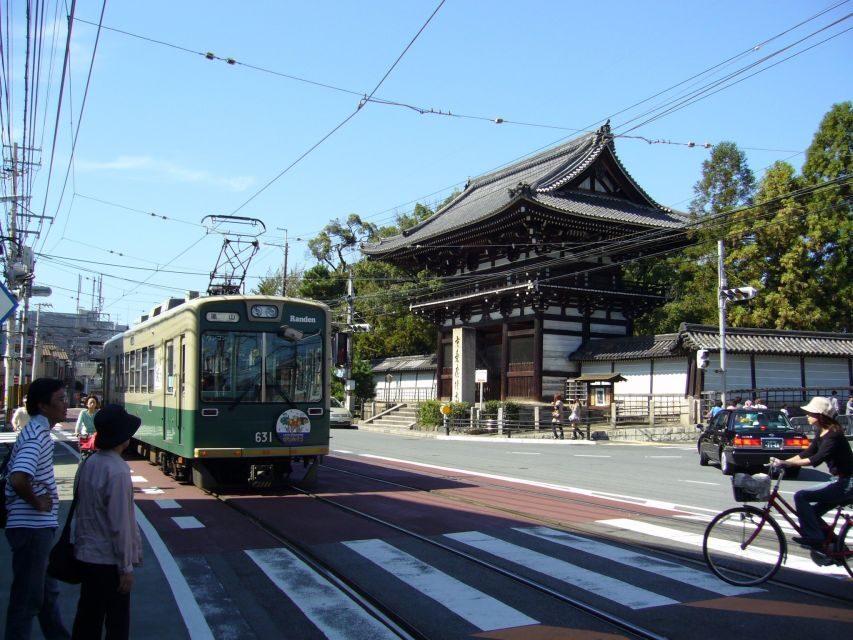
This private tour is a good fit if:
- You want a clear route and don’t want to spend your morning plotting trains and bus changes
- You care about context at temples and shrines, not just photos
- You want a fast but not frantic day covering major Kyoto highlights
- You’re comfortable picking a direction (northwest or southeast) up front
It may be less ideal if:
- You want total freedom to wander without a set stop list
- You hate committing to a plan before you’re in Kyoto (the route choice is part of the setup)
- You’re expecting meals to be included (they’re not)
If your goal is to see Kyoto’s greatest hits without turning the trip into a transportation puzzle, this hits the sweet spot.
Should You Book This Kyoto Highlights Private Tour?
I’d book it if you value structure, context, and time efficiency. The tour does what a good private day should do: it concentrates your Kyoto time around a high-impact set of stops, keeps the pacing relaxed, and hands you a local guide who can explain what you’re seeing. The finishing location near Gion is also a bonus that helps you extend the day without another major planning effort.
I’d pause before booking only if you’re very sensitive to route commitment, because you’ll choose either the northwest or southeast itinerary when you book. And since food and drinks aren’t included, you’ll want to plan lunch and expect to cover your own meals.
FAQ
What time does the Kyoto tour start and end?
It starts at 09:00 and ends at 16:00 near the Gion area.
Where do we meet for the tour?
The meeting point may vary by option, but the tour starts from the Hotel Granvia Kyoto in the JR Kyoto Station building area.
Which route should I choose: northwest or southeast?
Choose based on the sights you want most. The northwest route focuses on stops like the Bamboo Grove, Ryoanji Rock Garden, Golden Pavilion, and either Nijo Castle or Nishiki Market. The southeast route includes a sake brewery, Fushimi Inari Taisha, Sanjusangendo Temple, Kiyomizudera Temple, and the Ninenzaka or Sannenzaka slope area.
What’s included in the price?
Included are a centrally located pick-up, a private licensed English guide, entrance fees for temples, transportation, and a 1-day bus pass you can use after the tour.
Is lunch included?
No. Food and drinks are not included.
What’s the cancellation policy?
You can cancel up to 24 hours in advance for a full refund. If you cancel closer in, the fees are 50 percent of the total tour fee charged 2 days before, and 100 percent charged 1 day before or on the same day.