REVIEW · 1-DAY TOURS
Amanohashidate & Miyama 1-Day Bus Tour: From Osaka/Kyoto w/ Lunch
Book on Viator →Operated by VIP Japan Tours · Bookable on Viator
A day trip that feels like a reset. This tour is a smooth way to see Amanohashidate by boat and then shift gears to the quiet Miyama countryside, with an included lunch and guide commentary doing the heavy lifting for you. I like that you get both big-name sights and smaller, more local-feeling stops, so the day doesn’t feel like a checklist.
The main trade-off is time. The bus ride(s) take up a lot of the day, and some visits are fairly short, so you’ll want to go with the mindset of seeing a lot rather than lingering forever.
In This Review
- Key Highlights You’ll Care About
- Amanohashidate + Miyama: the smart combo for a 1-day escape
- From Kyoto or Osaka: how the bus tour keeps you from wrestling transit
- Chion-ji Temple: a quiet start near the sandbar
- Amanohashidate by boat: 12 minutes that most people talk about
- Kasamatsu Park: viewpoints, Matanozoki, and that upside-down moment
- Miyama Village at Kayabuki no Sato: thatched-roof Japan in compact time
- The scenic route: Rurikei Natural Park and a 1509 Zen temple stop
- Lunch included: a real reason this tour feels worth it
- Price and comfort: where the $97.22 value shows up (and where it doesn’t)
- Guide quality matters: when Harry and Eric set the tone
- Who should book this one-day bus tour (and who should skip it)
- Should you book Amanohashidate & Miyama?
- FAQ
- How long is the Amanohashidate & Miyama 1-Day Bus Tour?
- How much does the tour cost, and what’s included?
- Is lunch included in the tour?
- Is the Amanohashidate boat cruise included?
- Where do I meet the bus, and do you pick up at hotels?
- What about luggage on the bus?
- What happens if the weather is poor or the tour is canceled?
Key Highlights You’ll Care About
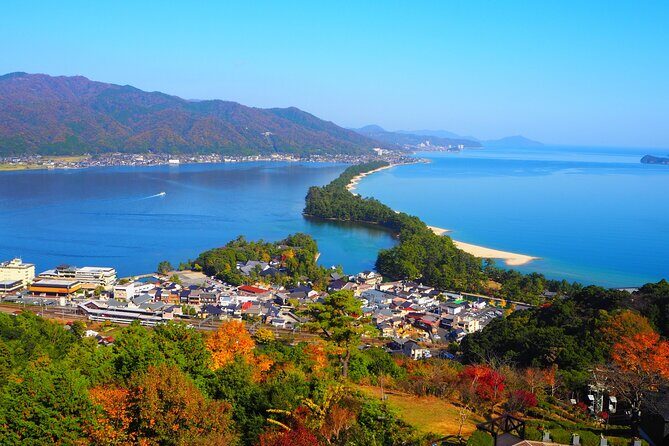
- Amanohashidate cruise included: a quick 12-minute sightseeing ride with a scenic payoff
- Kasamatsu Park photo views: classic angles plus the oddball Matanozoki upside-down viewing spot
- Kayabuki no Sato (Miyama) in 50 minutes: thatched-roof village time with multiple old-town-style stops
- Temple and shrine mix: Chion-ji Temple to dragon-king shrine areas, giving you variety beyond just scenery
- Lunch plus onboard guide notes: air-conditioned bus, lunch included, and bilingual-style guidance (English or Mandarin)
Amanohashidate + Miyama: the smart combo for a 1-day escape
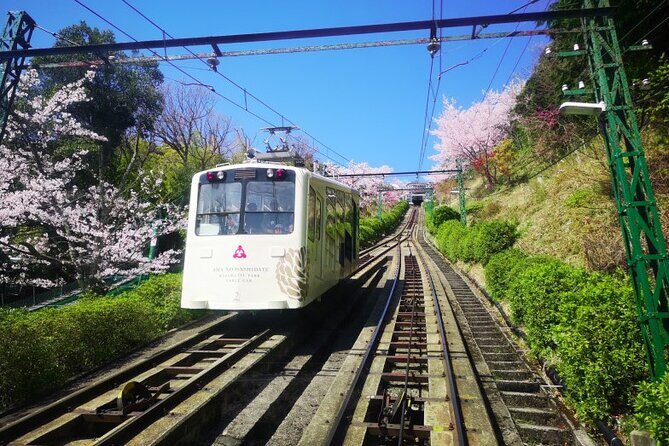
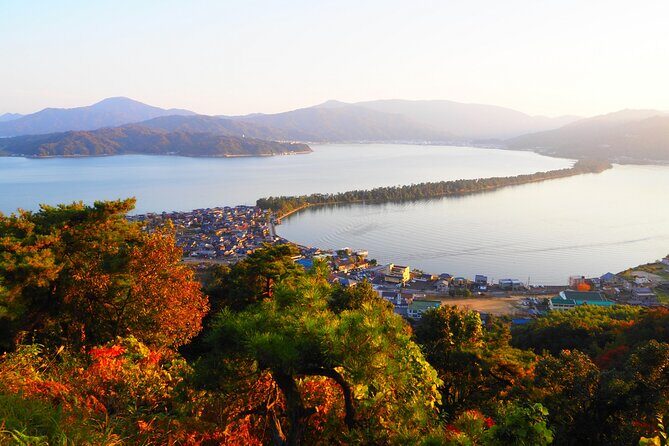
Amanohashidate and Miyama are a great pairing because they do two different things well. Amanohashidate gives you the famous coastal sandbar views and the water perspective, while Miyama feels like you’ve stepped into Japan’s rural past with thatched-roof buildings and slower rhythms.
What makes this tour practical is that it knits together multiple stops along the way. You don’t have to figure out trains, transfers, or separate tickets for the main highlights, and you still get enough variety to keep the day from dragging.
You’ll also benefit from the guide running the show. On days like this, that matters because the “gotchas” are usually timing and meeting points, not the sights themselves.
You can also read our reviews of more tours and experiences in Kyoto


From Kyoto or Osaka: how the bus tour keeps you from wrestling transit
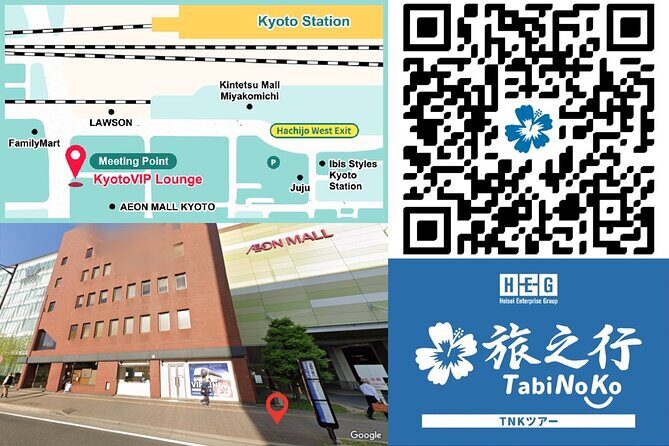
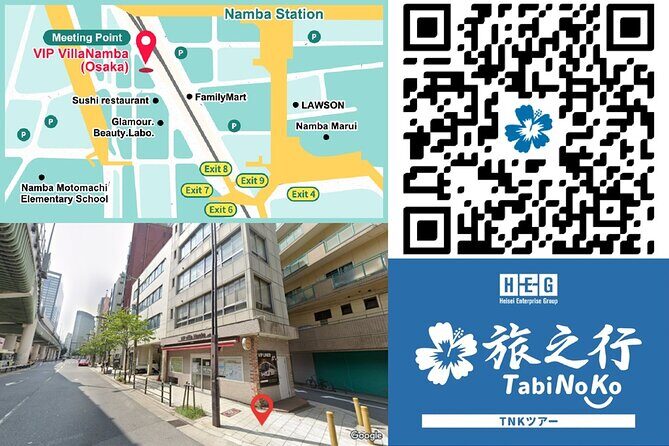
This is not a hop-on-here-and-there kind of day. The tour is built around bus pickup from a convenient meeting point in Kyoto or Osaka, and the operator notes that the meeting point is near public transportation.
You’ll want to show up early. Arrive about 10 minutes before departure, because the bus and guide are tied to the specific participant list for your selected meeting spot. Late arrivals or the wrong meeting point can mean missing the tour with no refund.
If you’re used to traveling independently in Japan, this will feel almost too easy. That’s the point: you trade control for less stress and more scenery per hour.
Chion-ji Temple: a quiet start near the sandbar
The day starts at Chion-ji Temple, with about 30 minutes on site and admission listed as free. It’s a historic Buddhist temple near Amanohashidate and part of the Rinzai Zen tradition.
Even if temples aren’t your main hobby, this stop works as a mental warm-up. You get a sense of the area’s spiritual geography before the big visual hit of Amanohashidate, and you’re not rushing straight into crowds.
The time is short, so focus on what stands out to you: the temple setting and the view direction toward Amanohashidate’s region. Treat it like a well-placed breather, not a full temple marathon.
Amanohashidate by boat: 12 minutes that most people talk about
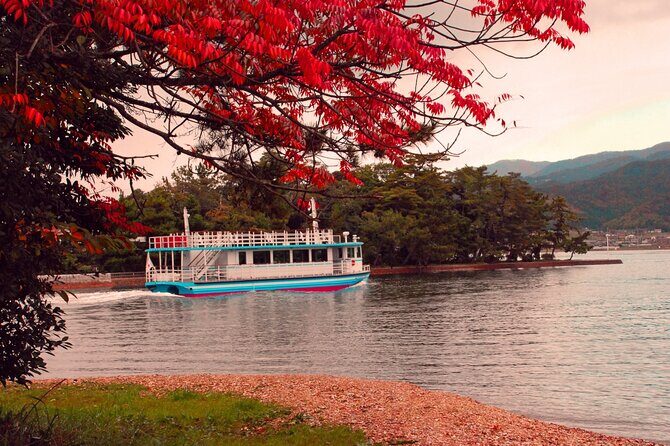
Then comes the headline: the Amanohashidate cruise ship segment, listed at about 12 minutes with admission included. The boats run between the Amanohashidate Pier and the Ichinomiya Pier, so you’re getting a targeted “out on the water” experience without eating up half the day.
A short boat ride can sound too brief, but Amanohashidate is one of those places where the view is the point. This stop is built for quick payoff, and it also sets you up for the viewpoint stops afterward.
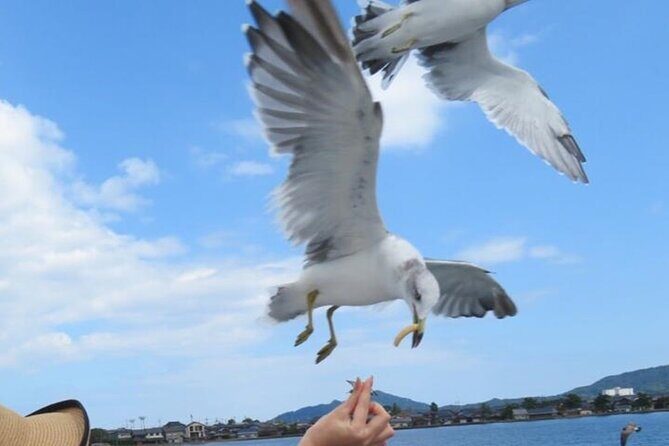
On the cruise, you might notice people getting extra animated about feeding seagulls if conditions allow. It’s not guaranteed in every weather pattern, but it’s exactly the kind of small, memorable moment that turns a scenic ride into a story you’ll remember.
Kasamatsu Park: viewpoints, Matanozoki, and that upside-down moment
Next you’ll head to Kasamatsu Park, with about 50 minutes and admission included. It’s on the northern side of the sandbar, and it’s famous for panoramic views of Amanohashidate.
This stop is the payoff station for photos. You’ll likely take your usual “standing above the view” shots, but Kasamatsu Park also offers the well-known Matanozoki way of looking: you look at the scene upside down through your legs. It’s silly on paper, and it’s exactly why it works.
The time is enough to do both: hang back for the wide view and still have a few minutes to play with the more unusual viewing angle. If you’re traveling with cameras, this is the kind of place where you’ll understand why people plan around golden-hour light.
One practical note: you’re outside for viewpoints. Bring sun protection and something light for wind, especially if you go in cooler seasons.
You can also read our reviews of more tours and experiences in Kyoto


Miyama Village at Kayabuki no Sato: thatched-roof Japan in compact time
After the coast views, the day shifts into rural mode with Kayabuki no Sato in Miyama. Your time here is listed as about 50 minutes, with admission included.
Kayabuki no Sato is known for preserved thatched-roof houses, giving you a look at traditional village architecture. It’s also the kind of stop where the “look and feel” matters more than ticking off a list of structures, because the charm is in how the buildings sit in the rural setting.
Along the way in Miyama, you also have smaller culture-style stops. The tour includes a bridge overlooking the village and river-and-mountain surroundings, plus a visit to an area with a shrine dedicated to the Eight Great Dragon Kings and a well with pure spring water. That kind of detail adds texture beyond just photographing roofs.
There’s also time for old-town context: a thatched-roof building tied to the life and history of the old hometown, and the Little Indigo Museum (a workshop/store/gallery focused on traditional indigo fabric). Even if you don’t buy anything, it’s a chance to see how regional craft fits into everyday culture.
A key trade-off here: 50 minutes goes fast. If you like to linger, prioritize what you care about most. Roof exteriors for photos, or the museum/craft details if you want something more hands-on.
The scenic route: Rurikei Natural Park and a 1509 Zen temple stop
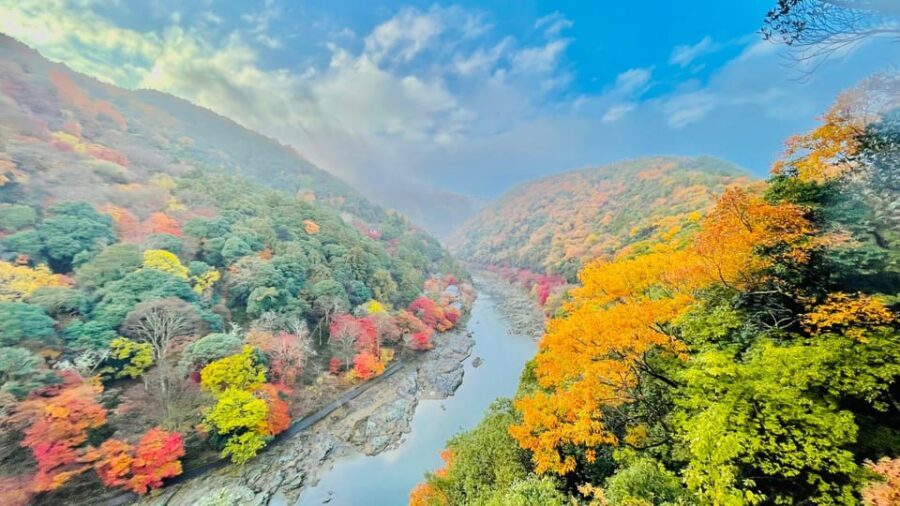
Between the big attractions, the tour also leans on scenery and stop variety. You’ll spend time in Rurikei Prefectural Natural Park, described as a nationally designated Place of Scenic Beauty, and you’ll visit Ryuon-ji Temple, built in 1509.
Ryuon-ji is a Zen temple and family temple tied to the Sonobe Clan, and it’s noted for autumn colors. Even if you’re not there in peak fall, it helps to have a temple stop where you can appreciate both architecture and a wider view direction from an observatory platform.
This part of the day is a good reminder that the value isn’t only in the destination names. It’s also in the drive-and-stops structure that lets you experience “other Japan” without spending the whole day navigating.
If you’re the type who gets bored on long drives, this is why you’ll still feel rewarded: the bus ride is broken up with meaningful pauses.
Lunch included: a real reason this tour feels worth it
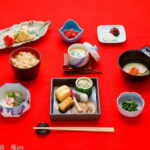
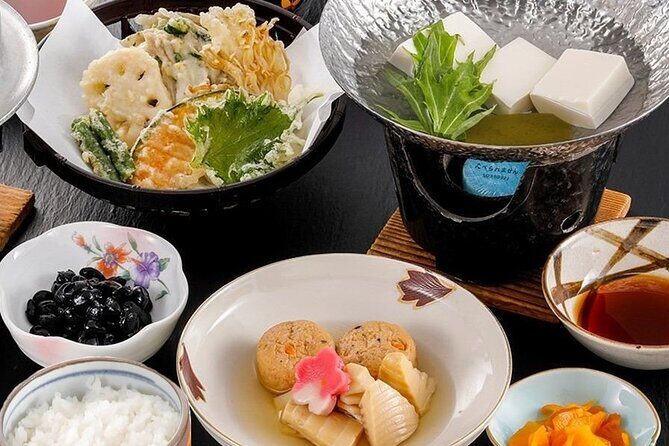
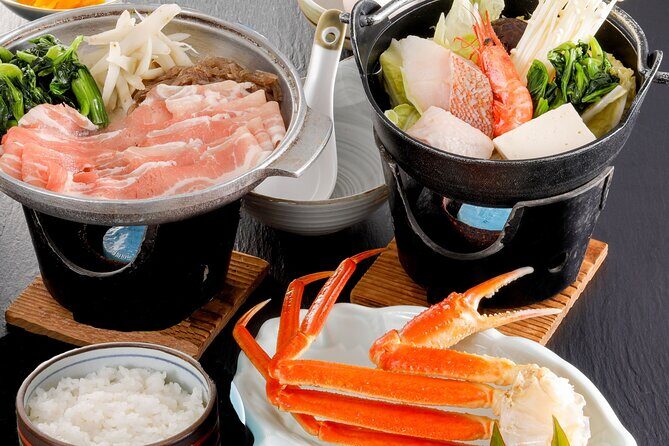
Lunch is included, which sounds standard until you compare it to other day trips where food is on your own. Here, the included meal is specifically described as a seafood-forward option, and multiple guides have been praised for the lunch quality.
One guest noted seafood like crab legs, shrimp, and fish. Another said the lunch was almost all seafood and felt authentic. If you eat seafood, this is one of the practical reasons the $97.22 price can feel reasonable: you’re paying once for transport + guide + admissions + food, rather than piecing it together.
If you’re vegetarian, there’s at least one data point that a vegetarian option can be arranged by the guide. Don’t count on it automatically, but it’s a good sign that the guide can sometimes handle meal needs when informed.
Price and comfort: where the $97.22 value shows up (and where it doesn’t)
At $97.22 per person, the big question is whether you’re getting the “bundle” benefit. In this case, the tour lists all fees and taxes and includes the air-conditioned vehicle, lunch, and admission where noted (like the Amanohashidate cruise and the park/village entries).
Add that up and the price starts making sense, especially because the day’s plan includes multiple paid components and a guide for commentary. If you tried to DIY it from Kyoto or Osaka with separate tickets and a guide-only-on-demand approach, you’d likely spend time and money just getting the transfers right.
Comfort is the one point to keep expectations grounded. Reviews mention bus seats can feel small compared with North American standards, and the ride time is genuinely long. This tour works best when you treat the bus time as part of the experience, not something to fight.
If you go in knowing you’ll be sitting for most of the day, you’ll be happier. If you can’t handle long rides, choose a shorter-radius option.
Guide quality matters: when Harry and Eric set the tone
The tour provides an English-speaking guide or a Mandarin-speaking guide. What makes the day feel smooth is the guide’s running commentary and help with the flow between stops.
The names Harry and Eric show up in guide feedback, with praise for keeping things interesting, explaining stops clearly, and helping with practical details like photos. That matters because you’ll get more out of brief visits when someone frames what you’re seeing.
Even if you don’t catch every detail, good guide storytelling helps you connect the dots: temple to view, village to craft, coast to inland scenery.
Who should book this one-day bus tour (and who should skip it)
Book this if you want a fast, guided way to see both a famous viewpoint and a rural “real Japan” feel in one day. You’re likely to enjoy it if you like boat views, enjoy scenic parks, and don’t mind short stop windows as long as the plan is varied.
Skip it if your dream day is slow roaming and long museum time. With about 9 to 10 hours total and several segments built for efficiency, you’ll be moving. Also, if you’re very sensitive to bus comfort, know that seat size can be tight.
If you’re traveling from Kyoto or Osaka and already did the big city sights, this tour gives you a break from city rhythms. It’s also a solid pick for first-timers who want nature without complicated logistics.
Should you book Amanohashidate & Miyama?
Yes, if you want a guided day that stitches together major scenery, rural craft culture, and a boat ride, all with lunch included. The pricing looks more fair when you factor in admissions, the cruise segment, and the guide support that keeps your day from turning into transfer stress.
No, if you’re expecting a relaxed pace with lots of free time. This is a “see a lot in one trip” plan, and the bus time is a real part of it.
If you’re flexible and open to photos, viewpoints, temples, and thatched-roof village streets, you’ll likely come away happy.
FAQ
How long is the Amanohashidate & Miyama 1-Day Bus Tour?
The tour runs about 9 to 10 hours, with transfer times that can vary depending on traffic and the time of day.
How much does the tour cost, and what’s included?
It costs $97.22 per person. The price includes all fees and taxes, an air-conditioned vehicle, lunch, and an English-speaking or Mandarin-speaking guide.
Is lunch included in the tour?
Yes. Lunch is included in the tour price.
Is the Amanohashidate boat cruise included?
Yes. The Amanohashidate sightseeing boat segment is included and listed as about 12 minutes, running between the Amanohashidate Pier and the Ichinomiya Pier.
Where do I meet the bus, and do you pick up at hotels?
There is no hotel pick-up or drop-off. The meeting point is near public transportation in Kyoto or Osaka, and you should arrive about 10 minutes before departure.
What about luggage on the bus?
You can bring one piece of luggage per person. The maximum trunk size should not exceed a combined total of 155cm (height + width + depth), and items in the trunk won’t be accessible between stops.
What happens if the weather is poor or the tour is canceled?
This experience requires good weather. If canceled due to poor weather, you’ll be offered a different date or a full refund. The tour can also be canceled if the minimum group size is not reached, with notification about 3 to 4 days before departure.