REVIEW · PHOTOGRAPHY SESSIONS
Kyoto Photo Travel with Local Guide and Personal Photographer
Book on Viator →Operated by KimuraPhoto · Bookable on Viator
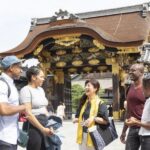
Kyoto photos get easier when you have pro help. This private, 6-hour shoot pairs a local guide with a personal photographer, so you move through Kyoto’s big sights without juggling maps, selfies, or awkward photo requests.
I like the relaxed approach: you’re guided into natural moments, not rigid posing. The package includes slide-edited, color digital photos from your time on tour.
One catch to plan around: the experience requires good weather, so you may need to reschedule if conditions cancel it.
In This Review
- Key things to know before you go
- Why this Kyoto photo walk beats DIY selfies
- Price and what you really get for $91.04
- Meeting point and timing: start at Kyoto Station, end where you began
- How the shooting style helps you look natural
- Gion’s historic streets: lantern light, portrait-friendly corners
- Fushimi Inari and the red torii gates: timing beats brute force
- Higashiyama gardens and temple streets: peaceful backdrops without the guesswork
- Temple entry fees: optional, pay cash, and don’t feel pressured
- What the edited digital photos are likely to look like
- Who this tour is best for
- Should you book this Kyoto photo travel experience?
- FAQ
- FAQ
- How long is the Kyoto photo tour?
- What does the tour cost?
- What photos are included?
- Are temple entrance fees included?
- Where do we meet, and where does it end?
- Is this tour private?
- Is there a specific time window for the experience?
- What if the weather is bad?
Key things to know before you go
- A local guide handles the best routes, including how to work around crowds at popular times
- A personal photographer runs the shot planning, so you get composition and timing without stress
- Color slide edit + digital delivery means you can review and share your photos right away
- Temple entry is optional and, if you choose it, you pay cash on site (typically 500–1000 yen per temple)
- Private group experience means your pace matters, especially if you’re traveling with kids
- Easy start point at Kyoto Station with the tour ending back where it begins
Why this Kyoto photo walk beats DIY selfies
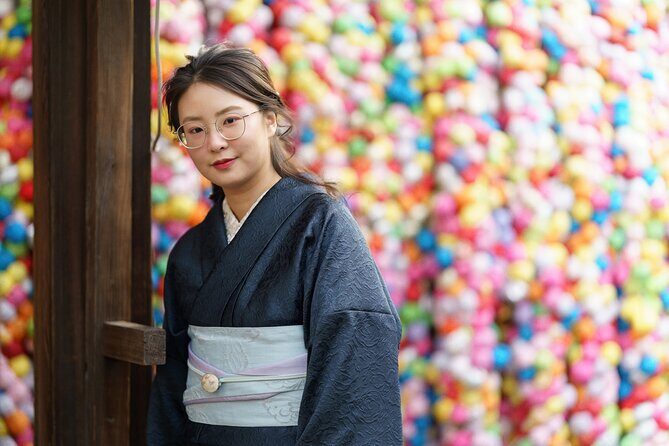
Kyoto can be tricky to photograph on your own. The streets look amazing, but you’re always fighting for the right angle, the right light, and the right moment—especially when you’re waiting for people to clear out of the frame. This tour is built to remove that headache. You show up, you walk, you react to the scene—and the photographer handles the technical parts that usually slow everything down.
What makes the experience feel genuinely different is that it’s not just a photo shoot. It’s a walk guided by someone who knows how Kyoto works day-to-day. That means you spend less time backtracking and more time where the visuals actually look good.
And because it’s a private experience, you’re not stuck with a fixed pace or forced into a one-size-fits-all rhythm. If your group moves slowly, pauses for a story, or needs a breather, you can do that without derailing the whole plan.
You can also read our reviews of more guided tours in Kyoto
Price and what you really get for $91.04
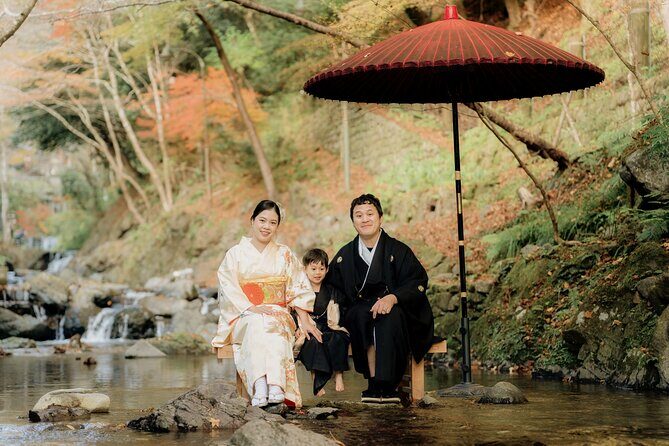
At $91.04 per person for about 6 hours, you’re paying for three things at once:
1) a local guide,
2) a personal photographer, and
3) edited digital photos from the time you’re out.
The included photo package is slide edit color digital and covers the photos taken during the tour. That’s important. A lot of tours advertise photos, but you’re left guessing what you’ll actually receive. Here, the editing style is specified (color slide edit), and you know the photos are digital.
Now for the part that can affect the total budget: entrance fees. Some temples can have entry costs, and the data says fees often run around 500–1000 yen per person, paid in cash on site. The tour also notes it’s not necessary to visit every temple if you don’t want to pay or if you’d rather keep moving.
In other words, you’re not just buying “a walk with someone.” You’re buying fewer decisions. You’ll still choose what you want to enter, but you won’t have to figure out where to go, how to photograph it, and how to keep the timing smooth.
One more real-world detail: this tour is popular. The average booking window is about 86 days ahead, which is a hint that dates can fill up—especially during holidays and peak seasons. If Kyoto is a must for your trip, plan early.
Meeting point and timing: start at Kyoto Station, end where you began
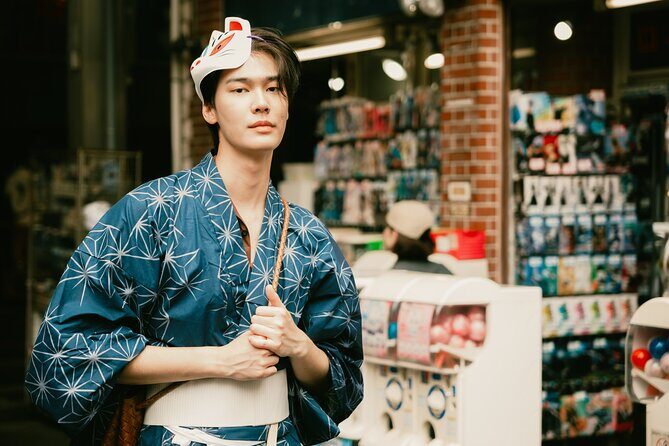
The tour meets at Kyoto Station (Higashishiokoji Kamadonocho, Shimogyo Ward, Kyoto) and ends back at the meeting point. That matters more than it sounds. You avoid the “where do we meet again?” stress and you don’t have to build your day around a transfer to a different pickup location.
Hours run from 8:00 AM to 6:00 PM. Since the tour is about 6 hours, you’re effectively getting a full morning-or-afternoon block of shooting time, paced for walking and photo breaks. The tour runs Monday through Sunday, and it’s listed as operating for long date ranges, so you’re not locked into a single month.
One practical tip: wear shoes you can walk in for hours. Kyoto’s photo spots usually involve stairs, uneven pavement, and standing time while the photographer sets up. If you’re planning a lot of temple stops during the rest of your trip, this is the day to save your nicer shoes for later.
How the shooting style helps you look natural
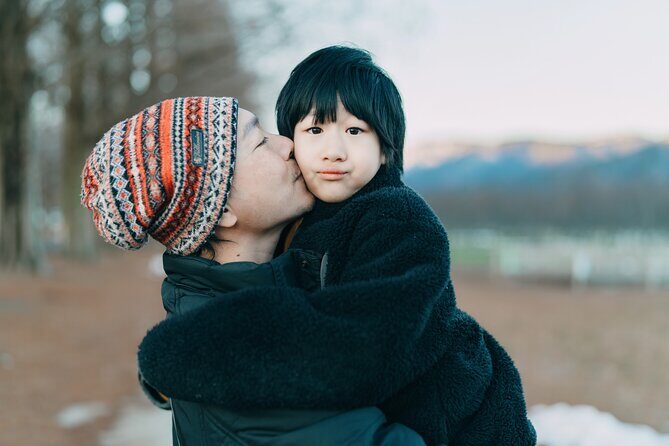
If you’ve ever done a photo session while traveling, you know the problem: you freeze up. You worry about what you look like, where to stand, or whether you’re doing it wrong. This is designed to avoid that.
The tour is described as more like enjoying a stroll with a friend, with gentle direction at the right moments. The goal is for you to feel relaxed and be yourself while the photographer captures the moment. That approach usually shows up in the final photos: less stiff posture, more real expressions, and scenes that feel connected to where you are.
It also helps that the guides and photographers in this setup have been described as patient and flexible—especially with families and kids on difficult days. If your group includes children, that patience can make the difference between a smooth photo walk and a stressful scramble.
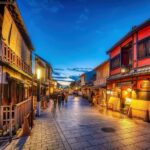
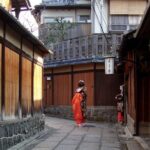
Gion’s historic streets: lantern light, portrait-friendly corners
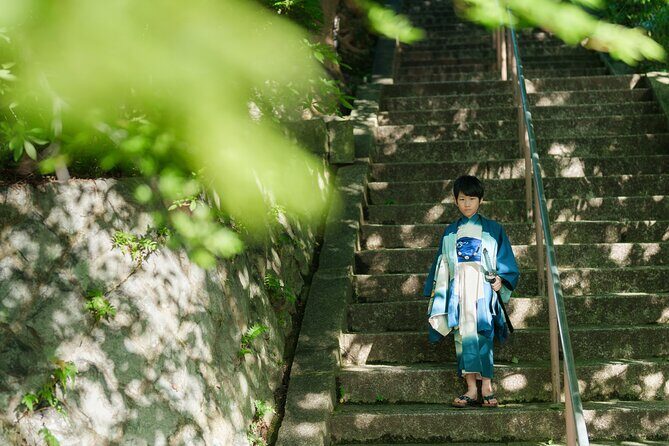
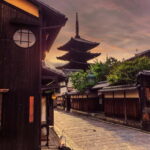
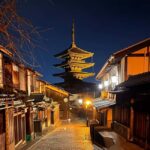
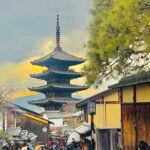
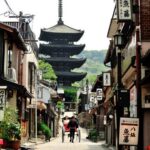
One of the big draws of this tour is that it targets Kyoto’s classic visual zones. You’ll work around places like Gion’s historic streets, where the atmosphere is cinematic even before a photographer touches the camera settings.
In practice, Gion works well for portraits because:
- the street layout gives you depth,
- traditional facades create texture, and
- lantern-lit alleys (when lighting is right) can make a night-time feel even on a busy day.
The trade-off? Gion is popular. It’s the kind of area where crowds can overwhelm your photos if you’re shooting on your own and waiting for clear frames. That’s where a local route and a photographer’s timing help. Instead of spending your energy telling people to move out of the way (please don’t), you position yourself, wait briefly when it makes sense, and keep walking when the scene shifts.
If your tour lands during a very busy moment (big holidays come to mind), this style is still a good bet because the guide can keep things moving and reduce the time you’re trapped photographing the same spot with new crowds every minute.
You can also read our reviews of more photography tours in Kyoto

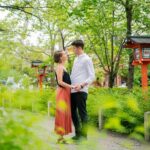
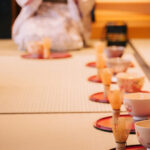
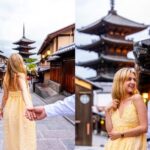
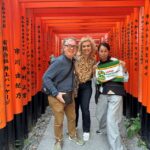
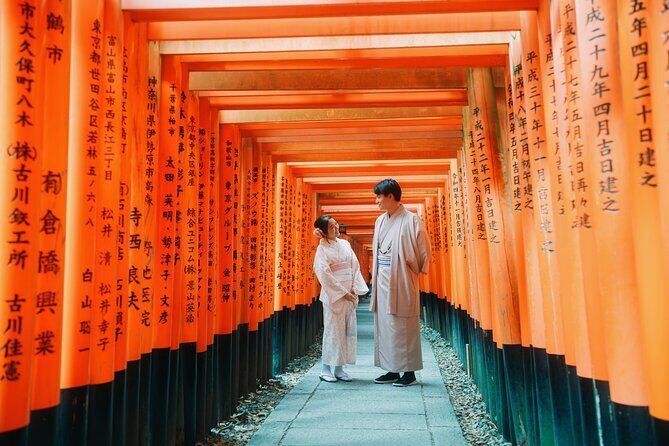
Fushimi Inari and the red torii gates: timing beats brute force
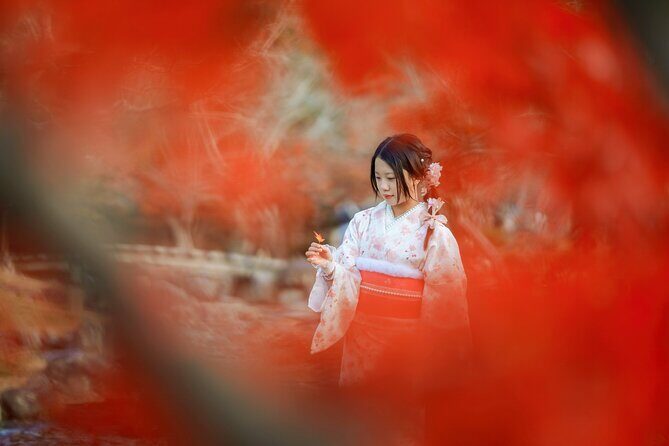
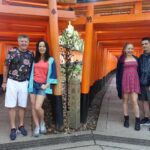
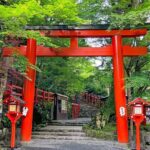
Another key highlight is Fushimi Inari and its red torii gates. This place is iconic, and it’s also visually busy. If you’re self-shooting, you can end up with photos that look like… more torii. Great background, less you.
With a personal photographer, you’re thinking differently. You’re not just aiming your camera at the gates. You’re arranging your body in relation to the lines, choosing where your face sits in the scene, and controlling how much of the torii structure shows behind you. The goal is for your photos to tell a Kyoto story, not just record that you were there.
What you can expect to feel here is motion. Even if you’re walking slowly, Inari is a route you move through. That means this tour style fits best when you’re comfortable walking and standing briefly.
If you’re worried about pacing, tell your guide what feels good early on. Private tours are flexible by nature—when you’re not hauling a large group, adjustments are easier.
Higashiyama gardens and temple streets: peaceful backdrops without the guesswork

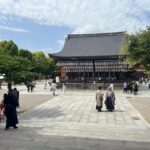
For quieter-feeling scenes, the tour highlights Higashiyama—including gardens and temple-area surroundings. Higashiyama is a great match for portraits because it often gives you softer sightlines than the busiest streets, plus visual layers like pathways, walls, greenery, and traditional architecture.
This part of Kyoto often rewards patience. The “best” frame might not happen immediately. You may need to wait for people to pass, or you might need to move a little to avoid a background that pulls attention away from you.
Again, that’s where the guide-and-photographer combo helps. Instead of trying to solve framing problems while also reading the environment like a first-time visitor, you can focus on walking and responding to direction. The photographer sets up the shot; you do the human part: look comfortable, react naturally, and let the place work on you.
Temple entry fees: optional, pay cash, and don’t feel pressured
The tour data is clear that entrance fees aren’t included. Some temples may charge, and those fees can run around 500–1000 yen per person. You pay on site in cash. The tour also notes you don’t have to enter every temple if you don’t want to pay.
Here’s how I’d handle it as a traveler: if a temple interior is important to your vision for the photos, consider paying. If you’re more focused on street scenes, gates, and exteriors—or you want to keep your pace up—skip entry and spend your time on the outdoor areas where the walking is more fluid.
Also, cash matters. Japan is cash-friendly in many places, and this tour specifically calls out cash payment for temple fees. If you’re the type who forgets to withdraw money, make sure you’re set before you head out.
What the edited digital photos are likely to look like
You’re getting photos that are described as slide edit color digital. Translation: you shouldn’t expect raw, unprocessed snapshots. The editing step is built in, and the style is color-focused.
You’ll also appreciate that the package covers photos taken during the tour, not just a random handful. A professional photographer approach tends to produce a wider selection of angles—wide scenes for context, plus closer portrait frames where you can actually see your face clearly.
Practical expectation: because this is a timed, walking shoot, the photos you get are usually strongest when you had good light and when the photographer guided small timing decisions. That’s another reason to show up ready to walk and ready to follow cues without rushing.
Who this tour is best for
This experience is best for people who want Kyoto photos that look like Kyoto—without the stress of figuring it all out.
It’s a great fit for:
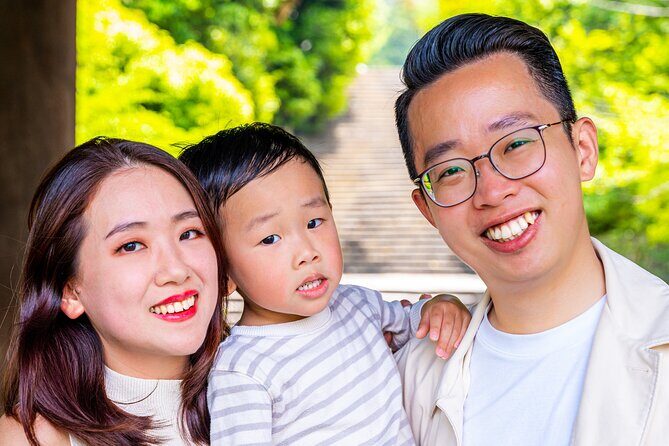
- Families who want portraits but don’t want kids stuck taking photos in a stiff, tiring way
- Couples who want romantic Kyoto photos without awkward posing
- First-timers who want the iconic areas handled by a local and a photographer
- Busy schedules where you want a tight 6-hour block instead of piecing together multiple photo stops on your own
It’s less ideal if:
- you’re mainly looking for in-depth temple touring and long sits inside buildings
- you want a totally self-directed photography experience with zero guidance
- your schedule is so tight that you can’t reschedule if weather turns
The tour description says most travelers can participate, and it’s private for your group. That private structure also helps if your travel style is slower or more relaxed.
Should you book this Kyoto photo travel experience?
Book it if you want Kyoto photos that feel natural, you’d rather spend your brain power enjoying the day than solving camera angles, and you value having both a local guide and a dedicated photographer working together. At $91.04 per person for ~6 hours with edited digital photos, it’s strong value if you’re going to use those images after your trip.
You should pause and think twice if weather is your biggest risk. The experience requires good weather, and if it’s canceled you’ll be offered a different date or a full refund. If you can’t flex your schedule at all, factor that into your decision.
FAQ
FAQ
How long is the Kyoto photo tour?
It’s approximately 6 hours.
What does the tour cost?
The price is listed as $91.04 per person.
What photos are included?
You get a slide edit color digital photo set from the time during the tour.
Are temple entrance fees included?
No. Some temples may require an entrance fee, typically 500–1000 yen per person, paid in cash on site. Temple entry is optional.
Where do we meet, and where does it end?
The meeting point is Kyoto Station (Higashishiokoji Kamadonocho, Shimogyo Ward, Kyoto). The tour ends back at the meeting point.
Is this tour private?
Yes. It’s a private tour/activity, and only your group participates.
Is there a specific time window for the experience?
The listed opening hours are 8:00 AM to 6:00 PM, Monday through Sunday.
What if the weather is bad?
The experience requires good weather. If it’s canceled due to poor weather, you’ll be offered a different date or a full refund.
If you want, tell me your travel month and whether you prefer morning or afternoon shooting, and I’ll suggest the best way to time this in a typical Kyoto day.