REVIEW · EVENING EXPERIENCES
Kyoto: Gion Sunset Walking Tour with Local Guide
Book on GetYourGuide →Operated by TripGuru Japan · Bookable on GetYourGuide
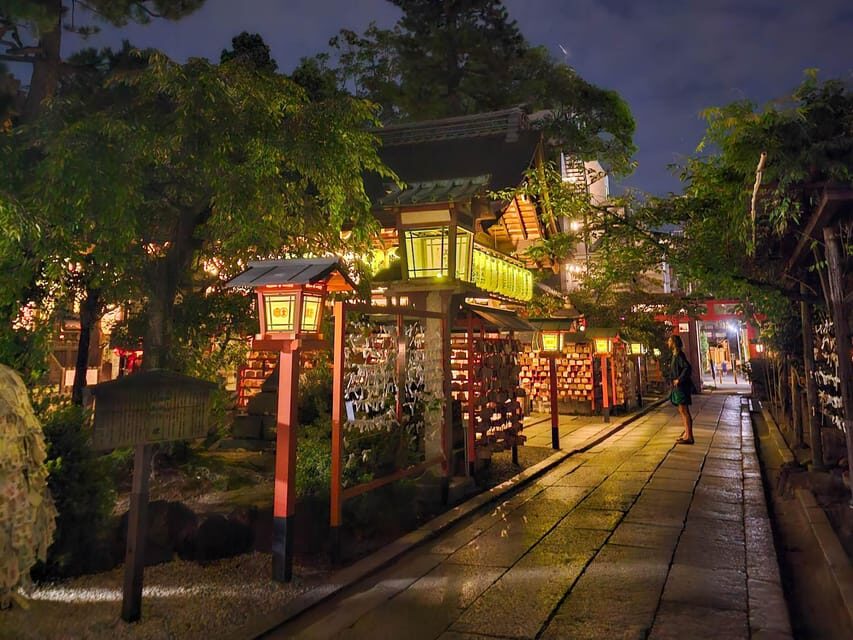
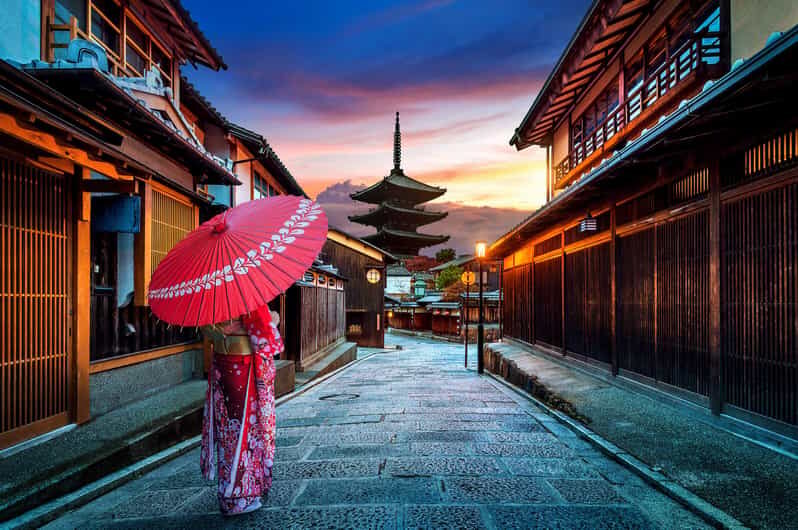
Lanterns and alleys in Gion after dark. In just three hours, you get the real night mood of Kyoto’s geisha district, with guided stops that connect what you see to how the culture works. My favorite part is the way the evening turns ordinary streets into storybook scenes, especially around places like Hanamikoji and Yasaka Shrine.
I also like the small-group format (up to 9 people). It keeps things relaxed enough to ask questions, and guides like Jasmine, Raphael, and Naoki are the kind of locals who can explain what you’re looking at without rushing you.
One consideration: this is a walking-heavy evening, and it’s not suitable for people with mobility limits or respiratory or heart conditions. If you’re planning a low-energy day, you’ll want to pair this tour with a slower morning and good footwear.
In This Review
- Key Things I’d Watch For
- Gion at Sunset: Why This 3-Hour Walk Feels Worth It
- Meeting at Kyoto Kawaramachi Garden and Getting Ready
- Hanamikoji Street: The Historic Lane You Actually Understand
- Kyoto Minami-za, Maruyama Park, and the “Scenic Views” Breaks
- Yasaka Shrine (Gion Shrine): Where Culture Lands
- Photography Rules for Geiko and Maiko Sightings
- Snack Stop and Pontocho: Finishing in Kyoto’s Night Mood
- Price and Value: What $22 Buys You in Real Terms
- Who This Tour Fits Best (and Who Should Skip It)
- Should You Book This Gion Sunset Walking Tour?
- FAQ
- Where is the meeting point for the tour?
- How long is the walking tour?
- What’s included in the price?
- Is geiko or maiko sighting guaranteed?
- What should I bring?
- What languages are available for the guide?
Key Things I’d Watch For
- A compact 3-hour route that still hits the highlights of Gion’s night streets
- Hanamikoji Street time with a guide, not just a self-walk photo loop
- Yasaka Shrine (Gion Shrine) plus viewpoints for that after-sunset atmosphere
- Snack stop included, so you’re not hunting for food while the streets get busy
- Geiko or Maiko sightings aren’t guaranteed, but the guide’s timing can help
Gion at Sunset: Why This 3-Hour Walk Feels Worth It
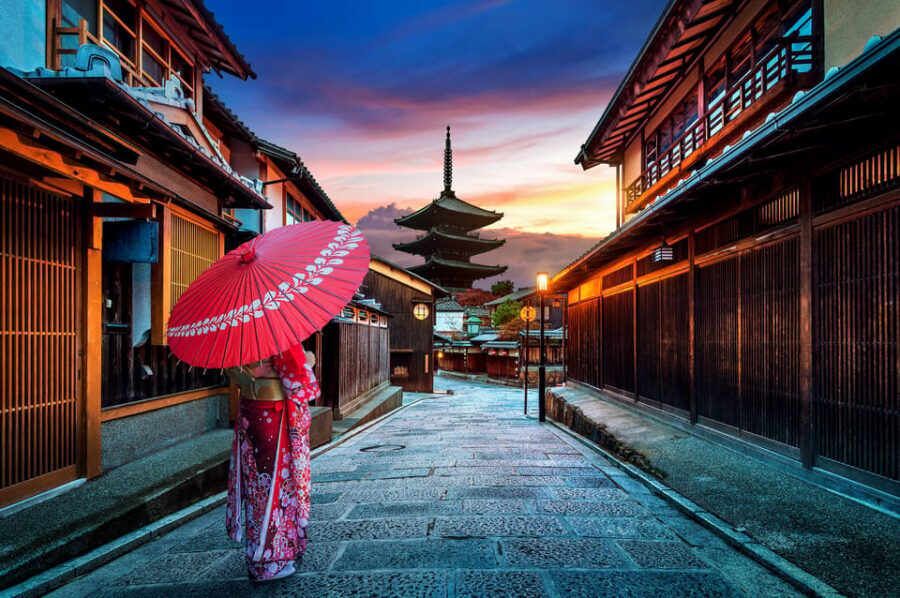
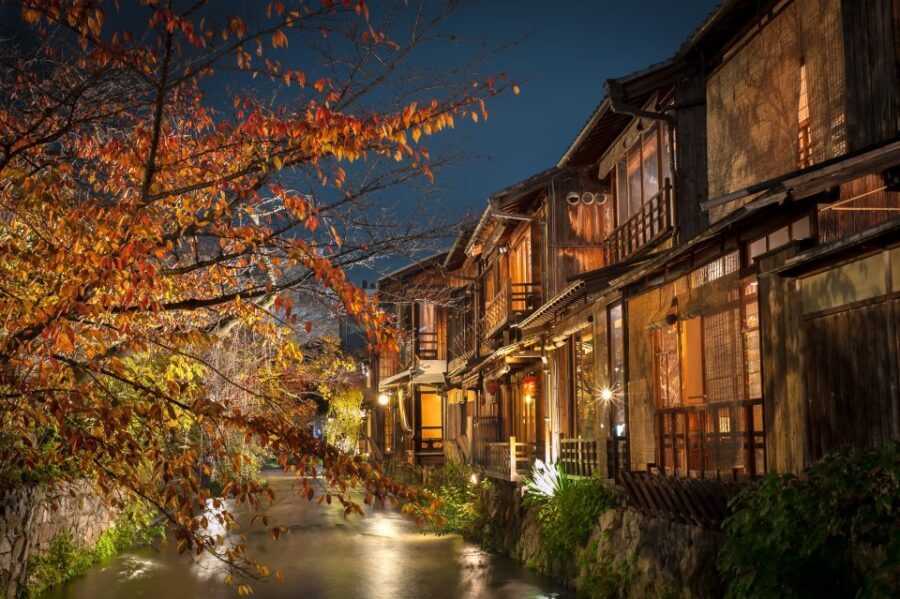
Gion at night has a different tempo than daytime. The lantern glow changes the mood fast, and you start seeing why people remember this district as more than a sightseeing checklist.
What makes this tour work is the pairing of time of day + local guidance. You’re walking when the streets look their best, and you’re also getting context for what you’re seeing. Guides can point out the “why” behind the architecture and customs, not just the “what,” so your photos come with meaning.
I love that the route isn’t just one famous lane. You move through historic backstreets, stop for shrine sightseeing, then end near the water-front nightlife area of Pontocho. It’s a good way to make your first Kyoto evening feel like a proper orientation.
You can also read our reviews of more walking tours in Kyoto
Meeting at Kyoto Kawaramachi Garden and Getting Ready
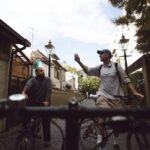
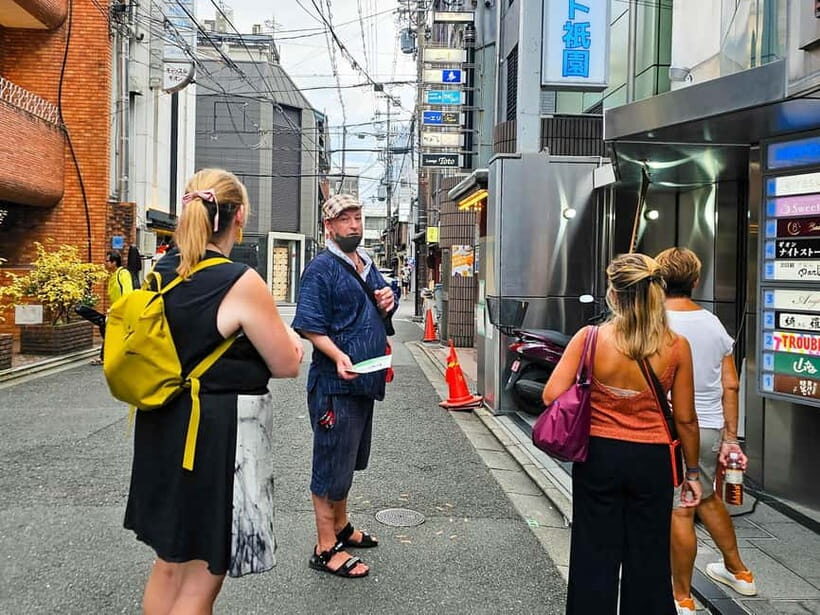
Your meeting point is Kyoto Kawaramachi Garden, corner area in front of the big black world map. Your guide should be easy to spot in a TripGuru shirt or holding a TripGuru sign.
This matters more than it sounds. The tour’s timing is built around getting to each area as the light changes, and they only wait up to 10 minutes before moving to the next stop. So I’d set yourself up to arrive early, not just on time.
You’ll also want comfortable shoes. This is a 3-hour walking tour, and Kyoto evenings can feel colder or wetter than you expect. Bring a camera if you like night shots, and carry cash for any extra purchases you decide to make during the snack stop.
Hanamikoji Street: The Historic Lane You Actually Understand
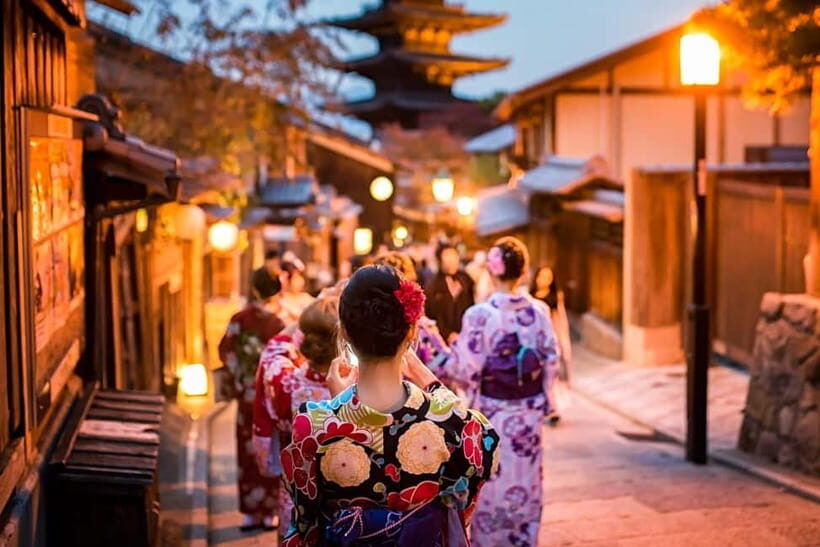
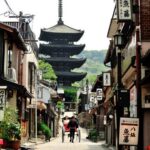
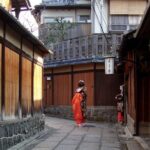
Hanamikoji Street is one of the best-preserved historic streets in Gion, and you get about 30 minutes there with a guide. That’s enough time to slow down, look at details, and ask questions instead of rushing through for photos.
During your walk, you’ll learn how traditions shape daily life in the district. This is where you start recognizing patterns: the layout of side streets, the rhythm of storefronts and teahouses, and why Gion’s atmosphere feels controlled rather than random.
A small group helps here. If you’re walking with strangers, you tend to follow the guide without thinking. With a group of up to 9, you can actually stop and listen, and your guide can adjust to the pace of older folks or anyone who just wants to take their time.
Kyoto Minami-za, Maruyama Park, and the “Scenic Views” Breaks
You pass by Kyoto Minami-za for about 10 minutes. Even if you don’t know the theater world in advance, it’s a useful stop because it reminds you that Gion isn’t only about quiet alleys. It’s also tied into Kyoto’s performing arts culture, the kind of background that makes the district feel larger than its postcard image.
Then the walk shifts toward Maruyama Park for around 15 minutes. Parks in Japan are often more than green space, and in the evening you get a chance to reorient your bearings as the light drops. After that, you have two blocks of guided sightseeing with scenic views on the way. These are the moments you’ll thank the guide for, because a night walk can feel samey if nobody guides you to good angles.
In practice, the “view” time is where you can pause, catch breath, and let the earlier lanes sink in. It also gives you space to ask questions that came up while you were walking through more crowded areas.
Yasaka Shrine (Gion Shrine): Where Culture Lands
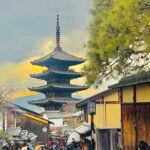
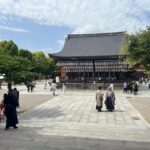
Next up is Yasaka Shrine, also known as Gion Shrine, with about 20 minutes for guided sightseeing. This stop is valuable because it grounds the evening in something older than entertainment districts. It’s not just scenery. It’s a place where you see how religion, tradition, and daily Kyoto life connect.
You’ll learn about history, architecture, and customs as you walk in and around the area. Even if you’re not an expert on shrines, the guide’s explanations help you look with more patience. You’ll notice more than you would have on your own, and the night setting makes it feel calmer than the busy street edges.
You can also read our reviews of more guided tours in Kyoto



Photography Rules for Geiko and Maiko Sightings
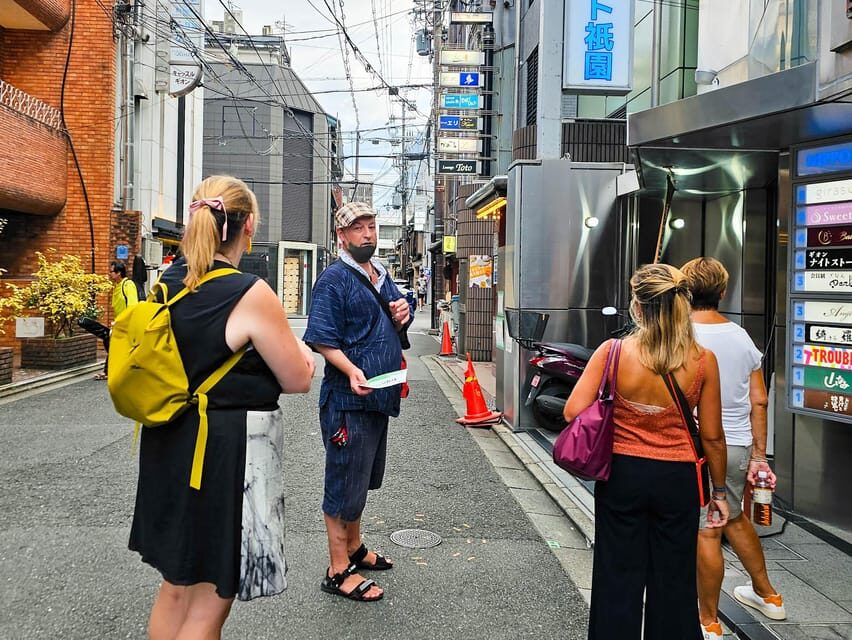
One of the biggest “will we see them” questions is about geiko and maiko. The good news: your guide may help you time the walk for the best chances. The honest part: a sighting isn’t guaranteed.
If you do encounter geiko or maiko, the tour’s guidelines are clear:
- Be respectful and keep your distance
- Avoid interrupting daily life
- Use a longer lens if you’re photographing
- If they come close, step out of their path and offer a smile, a quick bow, and a thank you
I love that these rules are spelled out. In a place like Gion, the line between a respectful photo and being intrusive is thin. Following the approach here keeps the experience classy, and it also protects your trip from awkward moments.
Also, don’t build your whole evening around a perfect sighting. The culture explanations, lantern-lit streets, and night atmosphere are the main point. You’ll still leave with photos and stories that feel earned.
Snack Stop and Pontocho: Finishing in Kyoto’s Night Mood
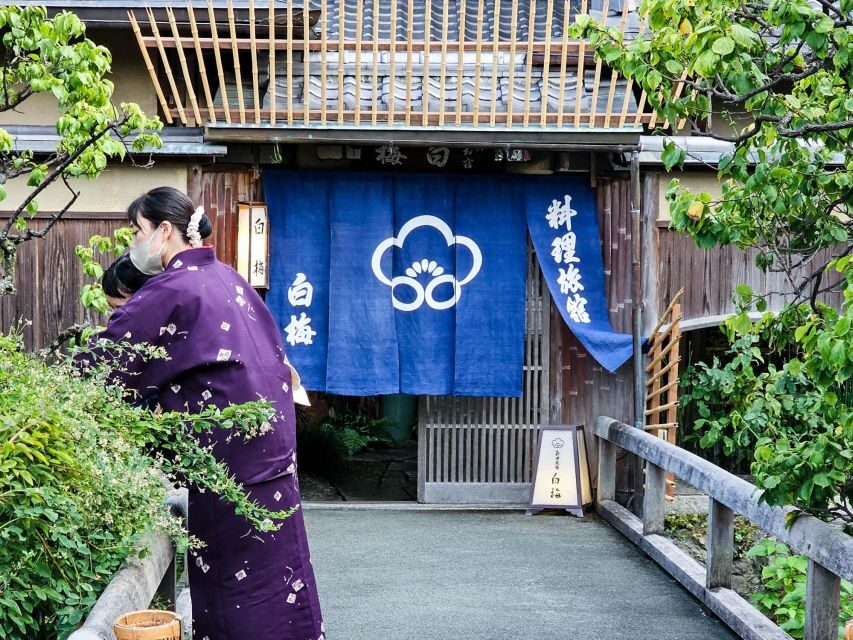
About 20 minutes is set aside for local snacks. This is smart timing. Early in the walk you’re energized; later you’re tempted to keep walking without stopping because you’re chasing the light. The snack break prevents that.
The snack is included, and it’s a chance to taste something local without derailing your evening plans. Some groups have described the included snack staying under about a 1,000 yen range, so you’re less likely to feel pushed into expensive choices mid-tour.
Then you head into Pontocho for about 20 minutes. Pontocho is one of those Kyoto places where the night feels intentional: lights, narrow lanes, and that water-adjacent atmosphere that makes the district feel like a set built for evenings.
You finish at Sanjo Bridge. That ending point is useful because it helps you connect to the rest of Kyoto afterward without feeling trapped in the same narrow lanes you just walked through.
Price and Value: What $22 Buys You in Real Terms
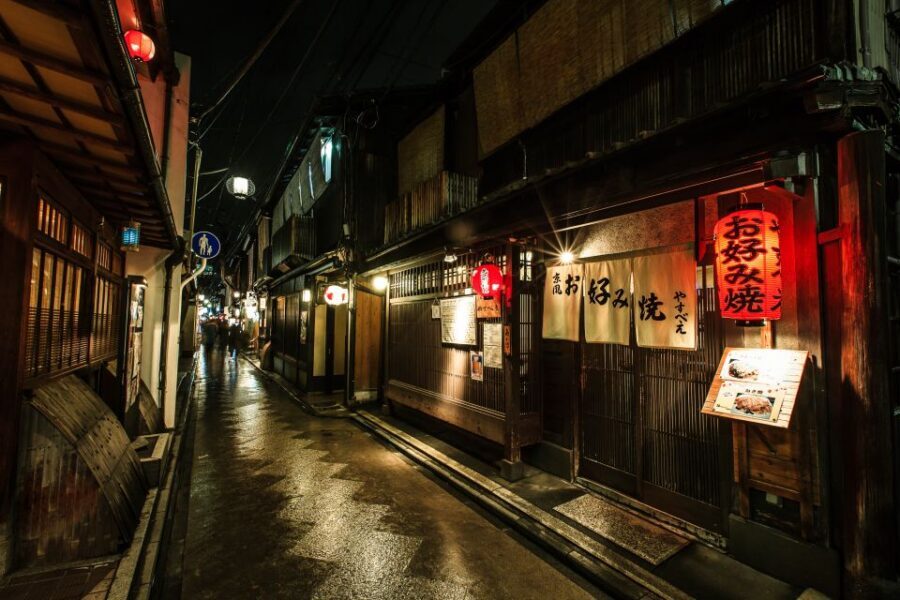
At $22 per person for about 3 hours, you’re paying for three things that add up quickly in Kyoto: guidance, prime timing, and a snack.
A self-guided night walk is possible, sure. But you’d be doing it without:
- the cultural explanations that help you interpret what you’re seeing
- the small-group pacing that keeps the walk enjoyable
- the built-in breaks and snack stop that protect your energy
The small-group size (no more than 9 people) is a real value lever. It makes it easier for the guide to keep everyone together and answer questions without turning into a lecture. In the small-group tours I usually prefer, this is the difference between feeling like you visited places and feeling like you understood them.
Language options also matter: guides run in English, Spanish, and French. That lets you actually follow along at night, when details like signage and customs are easy to miss.
If you’re on a tight schedule, this is also a strong “I can still do one more thing” tour. It’s designed for the evening and accepts last-minute bookings, which is great when your plans in Kyoto shift hour by hour.
Who This Tour Fits Best (and Who Should Skip It)
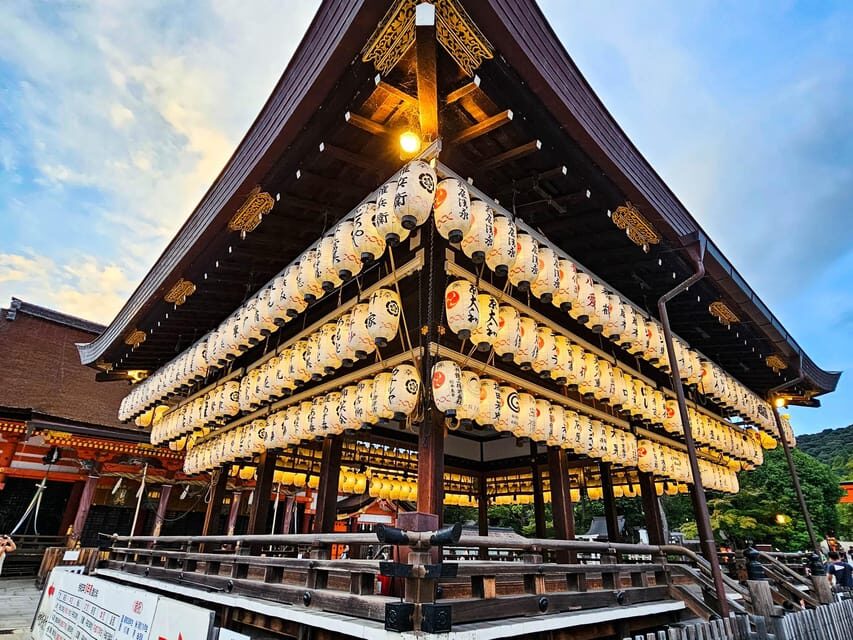
I’d recommend this tour if:
- you want your first Kyoto night to feel guided and meaningful
- you like walking but don’t want a long endurance event
- you’re curious about Gion culture and traditions, not just landmark photos
- you want a small group experience where you can ask questions
I’d skip it if:
- you have mobility impairments, since it’s a walking route
- you have heart or respiratory issues, since it involves continuous walking
If you’re traveling with kids, the tour data doesn’t mention youth-specific adjustments, so you’d want to be cautious and check comfort level with your own group. And if you’re pregnant, it’s marked as not suitable, so this is one to choose another evening plan instead.
Should You Book This Gion Sunset Walking Tour?
Book it if you want a smart, compact way to experience Gion after dark with a guide who can explain what you’re seeing. For me, the biggest selling point is the mix of night atmosphere + cultural context, all in a route that doesn’t drag.
I’d especially book it early in your Kyoto stay. Getting oriented in Gion at night helps you understand what you’ll later notice when you wander on your own. And the snack stop is a practical bonus, not a random add-on.
Skip it only if your body can’t handle steady walking, or if you’re the type who hates guided structure. Otherwise, this is one of the more useful ways to spend a Kyoto evening: short enough to fit your schedule, focused enough to make the district feel real.
FAQ
Where is the meeting point for the tour?
You meet at Kyoto Kawaramachi Garden corner, in front of the big black world map. The guide will be wearing a TripGuru shirt or holding a TripGuru sign.
How long is the walking tour?
The tour lasts about 3 hours.
What’s included in the price?
The tour includes an English-speaking guide, the walking tour itself, and a snack.
Is geiko or maiko sighting guaranteed?
No. You may get the chance to see a geiko or maiko, but sightings are not guaranteed.
What should I bring?
Bring comfortable shoes, a camera, and cash.
What languages are available for the guide?
Guides are available in English, Spanish, and French.