REVIEW · ARASHIYAMA TOURS
Kyoto Arashiyama Rickshaw Tour with Bamboo Forest
Book on Viator →Operated by Ebisuya · Bookable on Viator
A bamboo forest rickshaw beats the usual shuffle. I love the rickshaw ride for getting you into the grove without leg-burn, and I love the early start vibe that helps you see more with less crowd pressure. Just note you’ll still share parts of the route with other visitors, and there’s a steep little walk near the most famous section.
This is a 1–2 hour private outing in Kyoto’s Arashiyama area, mixing time in the rickshaw with short on-foot segments. You’ll pass key stops like Nonomiya Shrine and a photo park, then get dropped where rickshaws can’t go—so you can reach the bigger viewpoints.
If you want a guided, structured way to cover the bamboo forest (not just wander), this tour fits. Guides can also adjust attractions depending on the time you choose, and they’ll handle the route so you’re not constantly checking maps.
In This Review
- Key Points at a Glance
- A Rickshaw Route That Gets You Past the Usual Bamboo-Queue Chaos
- How the Bamboo Forest Stops Work: Ride, Shrine, and a Steep Little Walk
- Nonomiya Shrine and a Photo Park Pause
- The Haiku Poet Cottage: Kyoto’s Poetic Side in One Stop
- Guides Who Make It Feel Like a Real Tour (Not Just Transport)
- Timing, Crowds, and Why Early Morning Isn’t Just a Marketing Line
- Comfort, Seating, and the One Big Physical Consideration
- Price and Value: What $86.88 Buys You in Kyoto Time
- Who This Tour Suits Best (and Who Might Re-think It)
- Should You Book the Kyoto Arashiyama Bamboo Forest Rickshaw Tour?
- FAQ
- How long is the Kyoto Arashiyama rickshaw tour?
- What does the tour cost?
- Is this a private tour?
- Where does the tour start and can the ending location change?
- What stops are included during the tour?
- What’s included in the price?
- What is not included?
- Does the tour run in bad weather?
- What if I’m late for the start time?
- Are there age or seating rules for children?
Key Points at a Glance
- Private group tour: only your group participates, so the experience feels personal.
- Ride + walk strategy: rickshaw paths first, then on-foot access for the best angles.
- Photo-friendly stops: Nonomiya Shrine and a small park are built in for pictures.
- Early morning advantage: you’ll start when the bamboo is calmer.
- Real-world guide help: many guides are praised for English and for helping with photos on the spot.
- You’ll need some stamina: the best-access section includes ups and downs.
A Rickshaw Route That Gets You Past the Usual Bamboo-Queue Chaos
Arashiyama’s bamboo forest is famous for a reason. The only catch is that fame attracts lines, photo jostling, and slow-moving crowds. This tour is designed to reduce the chaos by getting you onto rickshaw-friendly paths first, with a guide steering the whole flow.
I like that you’re not stuck doing everything on foot. The ride gives you a “you’re in the bamboo” feeling fast, and the shadier experience can feel like a relief on warm days. One nice detail from guest feedback: some rickshaw rides include small comfort touches like cold towels, which matters when Kyoto weather turns muggy.
The overall rhythm also works. You get a guided tour pace rather than a sprint through a checklist. That helps you actually look up, not just walk.
You can also read our reviews of more tours and experiences in Kyoto.



How the Bamboo Forest Stops Work: Ride, Shrine, and a Steep Little Walk
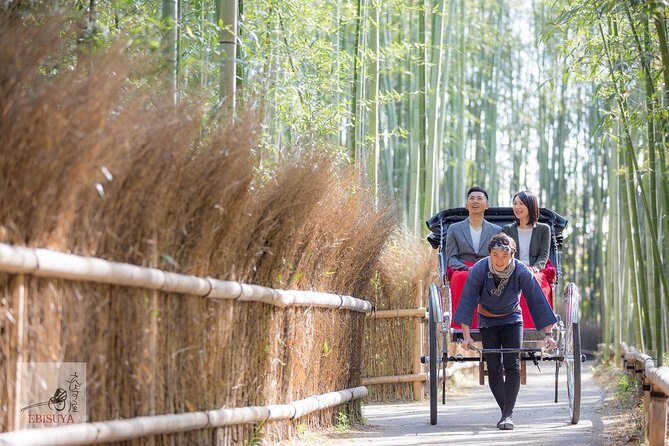
The tour starts with a rickshaw segment that follows a path reserved for rickshaws through the green corridor. This is the part that feels most “storybook.” You’ll move through the bamboo with your guide controlling stops and timing, which helps you catch frames without fighting for position.
Then comes the part that separates this tour from a simple ride: you’ll get off and walk to the most famous section that rickshaws can’t access. Plan for a route with up-and-down movement and a steep slope included in that stretch. It’s not long, but it is physical. If your feet hate hills, you’ll want to be honest with yourself before booking.
During the walking portion, you’ll also spend time around a Shinto shrine tucked into the bamboo. That stop matters because it changes the vibe from scenery to place—small rituals, quiet details, and an atmosphere that feels more rooted than tourist-photo-only.
You’ll also have another bamboo grove pass for pictures, so you still get multiple chances for the classic bamboo look.
Nonomiya Shrine and a Photo Park Pause
Arashiyama isn’t only about the bamboo. The tour threads in Nonomiya Shrine and a quick pause at a little park set up for photos. This is smart pacing. After you’ve been in bamboo for a while, these breaks help you refresh your eyes and reset your camera.
From a planning standpoint, this kind of stop is exactly what you want on a short tour. You get variety without adding extra navigation. It also gives your guide a chance to point out what to look for—how to position your shot, when to slow down, and where the light tends to flatter the scene.
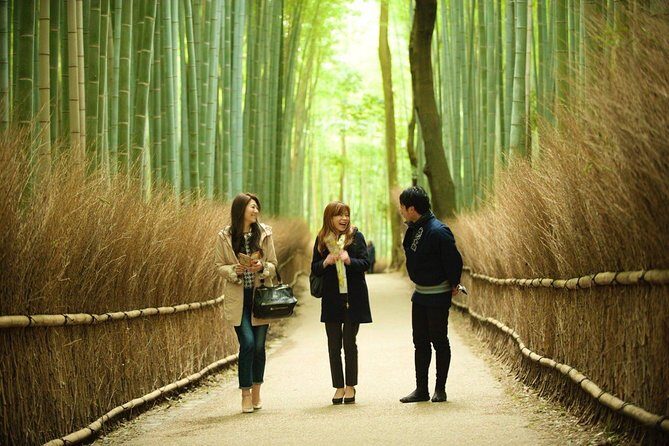
If you care about photos (even a little), this is where the experience often feels worth it. A number of guides are praised for photo skills and for helping coordinate group shots. In a place like this, one good tip on angles can save you from taking the same picture 20 times and hoping one is accidentally great.
The Haiku Poet Cottage: Kyoto’s Poetic Side in One Stop
One stop you may see is the cottage associated with a famous haiku poet, built in a traditional pastoral style with a thatched roof. It’s the sort of detail that makes Kyoto feel like more than a backdrop.
Even if you’re not a haiku nerd, that straw-roof look plays nicely with the surrounding bamboo. It gives you a transition point: from tall stalks and greenery to a more human-scale building and heritage feel. You’ll also likely get context from your guide about why this area and its culture matter.
Why this is valuable for you: it breaks the “only bamboo, only bamboo” loop. When your brain has seen the same visual for too long, a different subject restores attention. And in a short 1–2 hour tour, that kind of variety is a real advantage.
Guides Who Make It Feel Like a Real Tour (Not Just Transport)
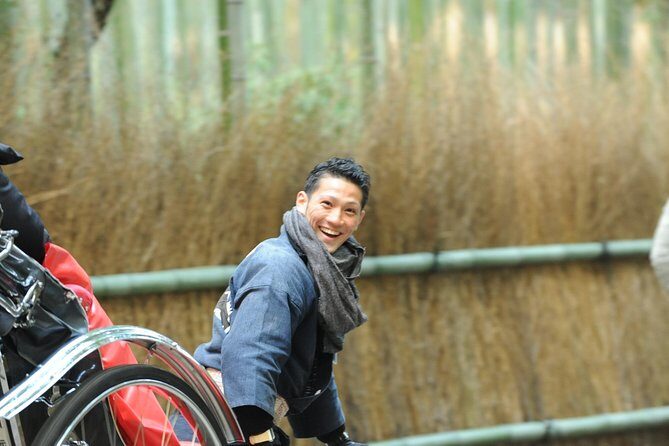
This is a private tour, but the real difference comes from the person doing the guiding. Many guests highlight strong English and a friendly style that makes the whole trip feel easy.
You’ll see recurring praise for guides such as Ocean, Yoshi, Hikaru, Kei, Shota, Kiko, Kazuma, and Daichi. People specifically call out photo help—some guides are even described as taking photos with phones and helping coordinate shots so your group looks composed rather than squished.
One more practical point: guides know how to handle the crowd flow. Even with early timing, the bamboo area can get busy. A good guide helps you shift a step or two at the right moment, which can mean the difference between a “bamboo wall” photo and a “people in the frame” photo.



Timing, Crowds, and Why Early Morning Isn’t Just a Marketing Line
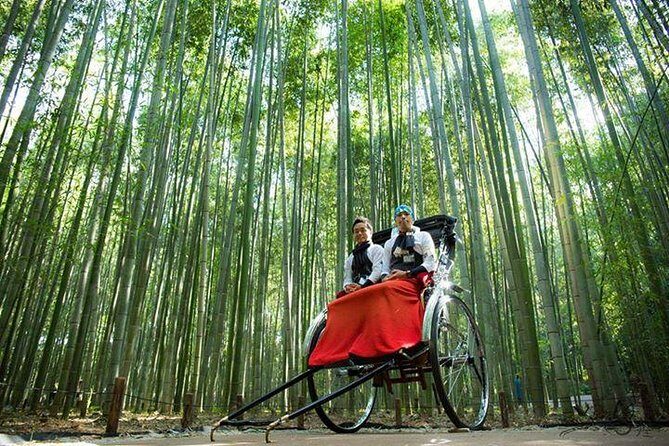
Early morning isn’t a suggestion here—it’s a strategy. Starting early helps you see more of the bamboo with less crowd pressure, and it also improves your photo odds.
That said, I want to set expectations honestly. Even on early tours, you may still cross paths with other visitors in some areas—especially if your route includes walking segments where rickshaws can’t go. One guest feedback point that’s worth taking seriously: the rickshaw route may be limited at the beginning, and later parts involve shared pathways.
So what should you do? You should arrive rested and ready. If you expect a private, empty bamboo kingdom the entire time, you might feel a little let down. If you expect a guided way to reduce crowd stress and capture great angles, you’ll likely feel happy with the result.
Comfort, Seating, and the One Big Physical Consideration
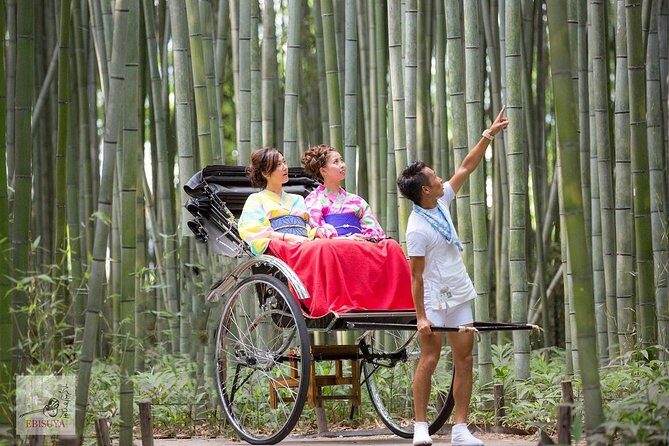
A rickshaw is a fun way to travel, but it’s not a chair ride in a theme park. You’ll be seated while the guide pulls the rickshaw through the bamboo paths, and then you’ll walk for the most famous section.
Seat sizing is part of the practical reality: seats are listed as 74 cm (29.1 in) wide and can accommodate up to two adults side by side. If you’re traveling with someone, that’s useful to know for comfort.
For families, there are clear child rules: children age 6 and older need a seat and pay the same as an adult. Younger children can ride for free if they sit on an adult’s lap (with the limit of two adults and two children per rickshaw). If you’re traveling with kids, plan based on seating needs, not just age labels.
The tour also says it runs rain or shine. Kyoto can change fast, and guests have reported the experience continuing even with heavy snow. You’ll want to dress for weather and bring a light layer.
Price and Value: What $86.88 Buys You in Kyoto Time
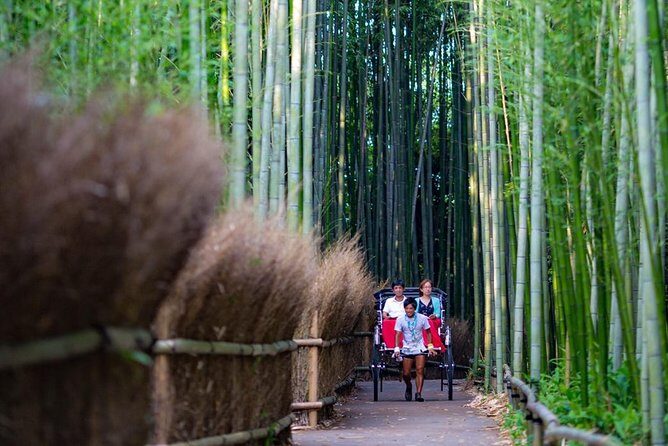
At $86.88 per person, this tour isn’t the cheapest way to see Arashiyama. But you’re paying for three things that add up: rickshaw transportation through bamboo-friendly paths, guided routing and commentary, and a structured mix of ride time plus on-foot access.
What makes the price feel reasonable is that it includes the rickshaw and all fees and taxes, plus gratuities. That removes a common travel headache: guessing what’s already covered versus what you’ll be asked to pay later.
Temples and shrine admission fees aren’t included, so you’ll want to expect small extra costs if your tour adds entry points. Also, transportation to and from the meeting spot isn’t included. Still, for many people, the savings comes from not having to figure out the best sequence by yourself.
The best value angle here is time. In 1–2 hours, you get multiple stops and access to sections that are harder to reach just by wandering. If you’d otherwise spend that time circling for the right viewpoint, the guided approach can feel like a shortcut.
Who This Tour Suits Best (and Who Might Re-think It)
This is ideal for you if you want:
- A guided way to see the bamboo forest without doing the full walking grind
- Short time in Arashiyama but still with multiple meaningful stops
- Photo-focused pacing with help from your guide
It’s also a good fit for anyone who wants variety: bamboo paths, Nonomiya Shrine, a bamboo-in-the-shrine moment, and a haiku poet cottage stop.
You might want to re-think if:
- You dislike steep slopes or any walking that comes with ups and downs
- You’re traveling with very limited mobility (the walking portion is a key part of the plan)
- You’re expecting the bamboo to be empty the whole time—early helps, but it’s still a popular area
Also, it’s not recommended for pregnant travelers in the first 16 weeks, based on the tour guidance. If that applies to you, it’s worth checking with your clinician before booking.
Should You Book the Kyoto Arashiyama Bamboo Forest Rickshaw Tour?
Book it if you want the bamboo forest experience to feel organized, photo-friendly, and easier on your feet. The mix of rickshaw access plus on-foot reach to the best sections is the whole point, and guides are repeatedly praised for making it fun, informative, and smooth.
Skip or choose carefully if you’re sensitive to hills or if you need a fully low-walking plan. Also, if your top priority is seeing the bamboo with zero other people in sight, adjust your expectations. Early timing helps a lot, but the area is still a busy Kyoto highlight.
If you do book, pick your tour time with the morning advantage in mind. Bring comfortable shoes for the walking segment, and don’t be shy about asking your guide for photo tips. That small move can turn your bamboo pictures from fine to memorable.
FAQ
How long is the Kyoto Arashiyama rickshaw tour?
The tour runs about 1 to 2 hours total.
What does the tour cost?
The price is $86.88 per person.
Is this a private tour?
Yes. Only your group participates.
Where does the tour start and can the ending location change?
It starts at 1-1 Sagatenryūji Susukinobabachō, Ukyo Ward, Kyoto, and the end location can be customized. If you choose a finish point other than the rickshaw stand, it may involve an additional drop-off fee paid on the day of the tour.
What stops are included during the tour?
You’ll ride through the bamboo, get off to walk to the most famous bamboo section, pass through bamboo for pictures, and see key spots that can include Nonomiya Shrine, a photo park, a Shinto shrine in the bamboo, and a cottage of a famous haiku poet.
What’s included in the price?
Included are the rickshaw, all fees and taxes, and gratuities.
What is not included?
Temple and shrine admission fees are not included, and transportation to and from the meeting place is not included.
Does the tour run in bad weather?
The tour takes place rain or shine.
What if I’m late for the start time?
If you’re late, the amount of time you’re late can be deducted from your tour duration. A delay of 10 minutes or more results in automatic cancellation.
Are there age or seating rules for children?
Yes. Children 6 years and older require a seat and pay the same as an adult. Children 5 years and under can ride for free if they sit on an adult’s lap (max of two adults and two children per rickshaw). If a 5-year-old uses one of the seats, they must book as an adult.