REVIEW · GEISHA & MAIKO TOURS
Kyoto: Meet the Geisha Maiko with Gion Walking Tour
Book on GetYourGuide →Operated by Japan Wonder Travel · Bookable on GetYourGuide
Gion gets personal in a private tea house. You’ll walk through classic Gion streets, then step into a rare ochaya setting to watch a live maiko performance and talk one-on-one in a real, intimate way.
What I like most is the combo: the morning-after-you-arrive context from the walk, plus the payoff inside—dances, then a long conversation with a maiko and the venue side of the story. I’m also a fan of the practical photo time, because it’s not just posing in front of scenery; you get guidance for how to capture the moment respectfully.
One consideration: the experience includes a performance on the 2nd floor with stairs, and you’ll be wearing socks at the venue. If it’s rainy, you’ll need to manage the no wet-clothes/no wet-socks rule once you reach the private house.
In This Review
- Key highlights to focus on
- Why this Kyoto maiko experience works better than a typical show
- Choosing where to start: Izumo-no-Okuni statue vs Shirakawa Canal
- The Gion walking route: short stops that teach you where to look
- Shirakawa Canal and the early Gion orientation
- Tatsumi-jinja Shrine: a quick culture reset
- Hanamikoji Street: the postcard street, explained
- Gion Corner: meaning behind the name
- Kenninji Temple: a photo stop that won’t eat your time
- Miyagawasuji: where the pace slows down
- Inside the ochaya: maiko dances, a former geiko, and real questions
- Live performance: short dances, big attention
- The conversation that changes your understanding
- Photo session with the maiko
- Photo and video rules (and the socks reality check)
- When you can photograph or record
- Socks are mandatory at the venue
- Rain or shine, but rainy-day clothing restrictions apply
- Kimono rental option: extra logistics you must follow
- Stairs to the performance floor
- Timing, group size, and what to expect for the full 3–5 hours
- Who should book this Kyoto geisha maiko tour
- Price and value: what $106 buys in Kyoto
- Should you book this Kyoto maiko experience?
- FAQ
- How long is the Kyoto Gion walking tour with a maiko maiko experience?
- Where does the tour start?
- Is the tour guided in English?
- Do I need socks?
- Are photos and videos allowed?
- What happens if it rains?
- Is there kimono involved?
- Is this tour suitable for children or wheelchair users?
Key highlights to focus on
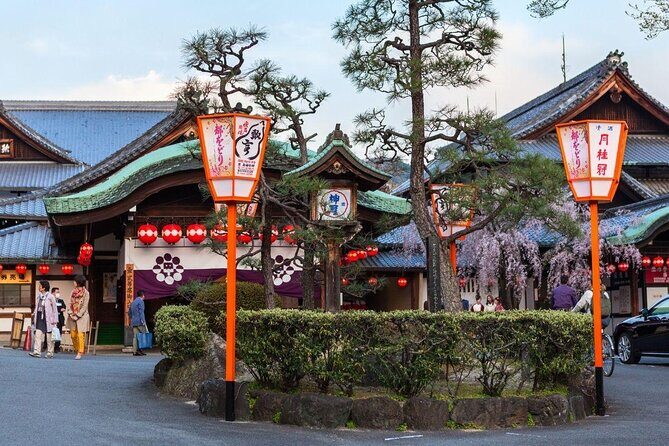
- Private ochaya access: you meet a maiko and a former geiko in a private residence/tea house setting
- Performance plus Q&A: 1–2 dances, then candid conversation that gives you more than sightseeing
- Gion walk with context: stops like Hanamikoji and Kenninji help you understand where the culture lives
- Photo session with rules: photos are allowed during the performance and a dedicated photo segment
- Small group feel: the tour is designed for a smaller group size, keeping questions possible
- Socks and stairs matter: plan for sock requirements and stair access to the performance floor
Why this Kyoto maiko experience works better than a typical show
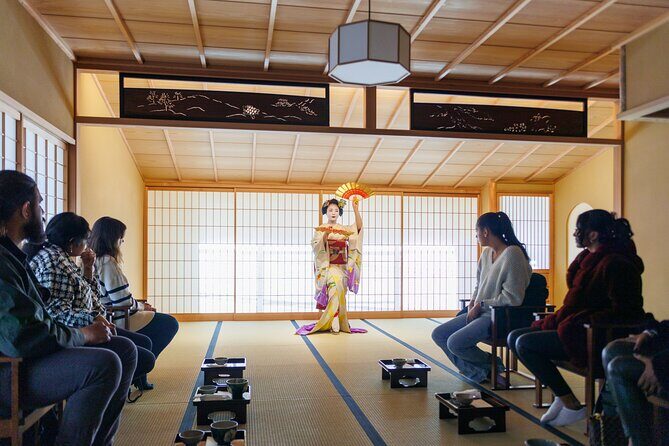
Kyoto’s geisha culture isn’t just a costume-and-curtain kind of event. A big part of the meaning is in the training, the rhythms of the district, and the etiquette around art and attention. This tour leans into that by pairing street-level orientation in Gion with the kind of close-in access most visitors never get.
In the ochaya, the night shifts from “watching from the outside” to “being taught how to look.” You’ll see a live performance by a maiko and a former geiko (typically 1–2 dances), then you’ll sit in for conversation and Q&A with both the performers’ perspectives and the venue owner’s viewpoint. That mix helps you connect the dots between Kyoto’s past and how traditions keep functioning today.
Also, the tour isn’t only about the dance itself. It’s about why that dance exists—what it means, what training is like, and what day-to-day life looks like for someone on the path to becoming a geiko.
You can also read our reviews of more walking tours in Kyoto


Choosing where to start: Izumo-no-Okuni statue vs Shirakawa Canal
You get two starting options, and it’s worth picking the one that fits your morning pace.
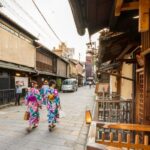
If you choose the kimono rental option, you’ll start at the Wargo Kyoto Kimono Rental Gion Shijo store. After changing into your kimono, you’ll head to the Izumo-no-Okuni statue on your own (about a 3-minute walk) and your guide will be waiting there. I like this approach if you want the full look early—kimono up front means your photos and observations start sooner.
If you prefer not to build around kimono logistics, you can start at Shirakawa Canal. This option also makes it easy to match the timing with other nearby sights in central Kyoto.
Either way, once the walk begins, your guide keeps you moving through the district with short stops that explain what you’re seeing and where to focus your attention.
The Gion walking route: short stops that teach you where to look
The walking portion is about 70–80 minutes, but it’s organized like a guided walkthrough rather than a long, aimless stroll. You’ll cover key streets and landmarks tied to the geisha/geiko world, and each stop is there for a reason.
Shirakawa Canal and the early Gion orientation
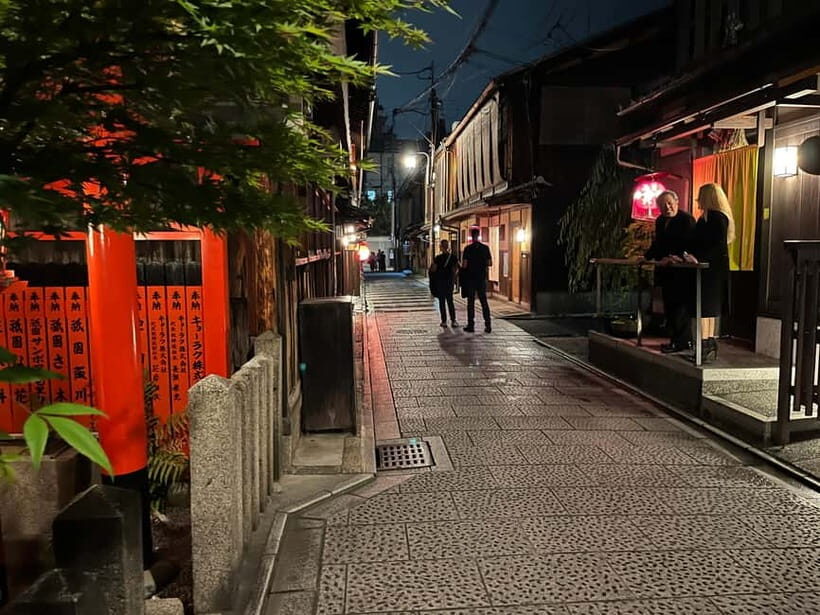
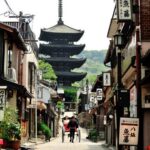
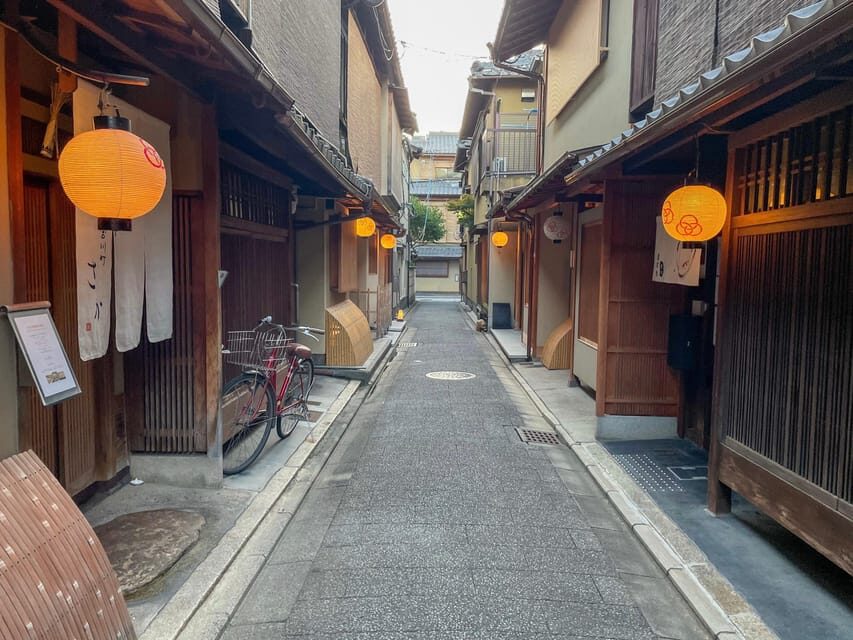
The canal-area start helps you ease into the district’s atmosphere. From there, you’ll transition into Gion’s narrower, more intimate streets where the architectural details start to matter—signboards, lane widths, and the way buildings front the street.
Tatsumi-jinja Shrine: a quick culture reset
You’ll get a brief guided stop at Tatsumi-jinja Shrine. The time here is short, but it acts like a palate cleanser—Kyoto’s Shinto presence shows up constantly around traditional entertainment areas, and this gives you a quick grounding point.



Hanamikoji Street: the postcard street, explained
Next comes Hanamikoji Street. Yes, it’s scenic. But the guide’s job is to help you notice what makes it functional as a living neighborhood, not just a photo corridor.
Gion Corner: meaning behind the name
You’ll also stop at Gion Corner for guided context. This is one of those places where the district name becomes a lens: you start seeing how performances, rules, and public vs private spaces are shaped by location and tradition.
Kenninji Temple: a photo stop that won’t eat your time
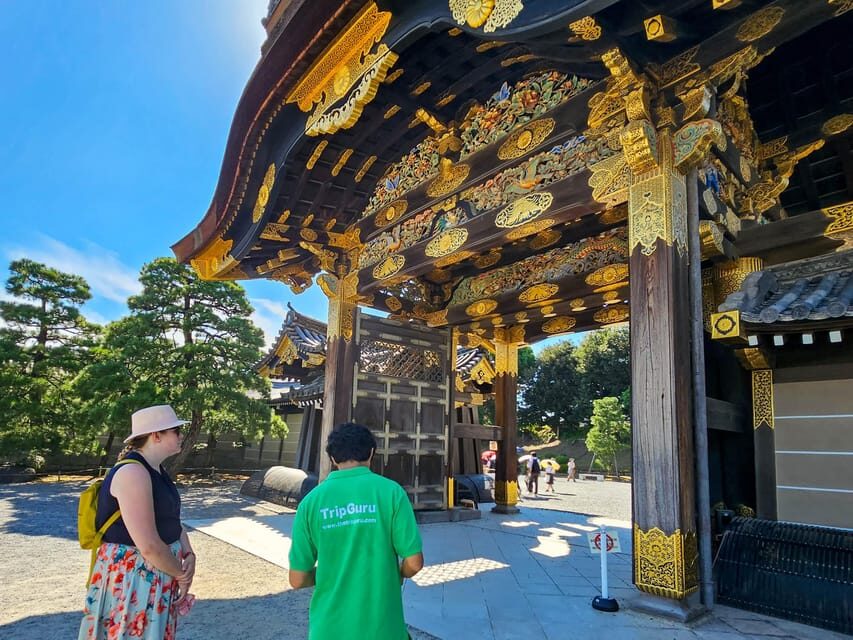
You’ll make a photo stop and guided visit at Kenninji Temple (about 15 minutes). A common mistake in Kyoto is spending too long on stops that don’t connect to your theme. Here, you’re given enough time to register the place and keep the day moving toward the real highlight: the ochaya conversation.
Miyagawasuji: where the pace slows down
Finally, you’ll spend significant time around Miyagawasuji (including a photo stop and then about 1.5 hours of visit time). This segment is valuable because it slows you down in a part of Gion where it feels like the district is working, not posing for tourists.
Your tour typically ends at Miyagawasuji, keeping the walk-to-venue flow feeling logical rather than jumping around Kyoto.
Inside the ochaya: maiko dances, a former geiko, and real questions
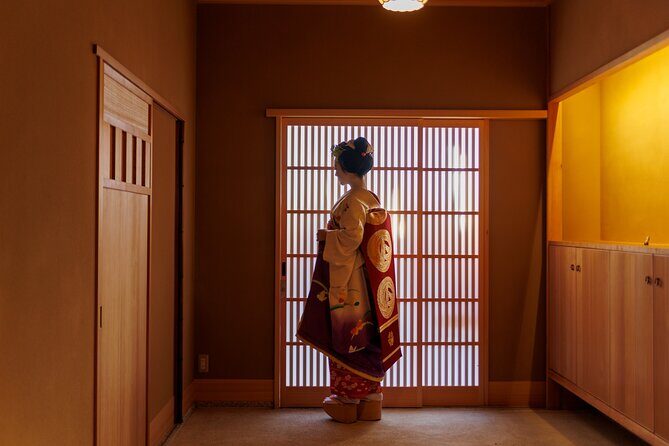
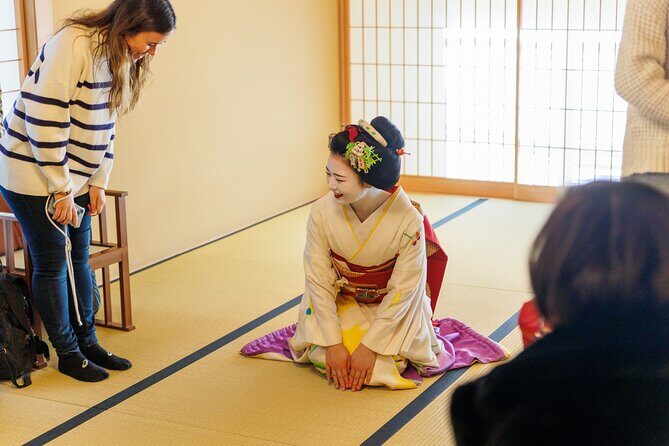
This is the main event. You’ll meet the performers in a private venue called Ochaya, described as a tea house in a private residence. It’s not a public theater with a crowd; it’s a room set up for a smaller, more respectful exchange.
Live performance: short dances, big attention
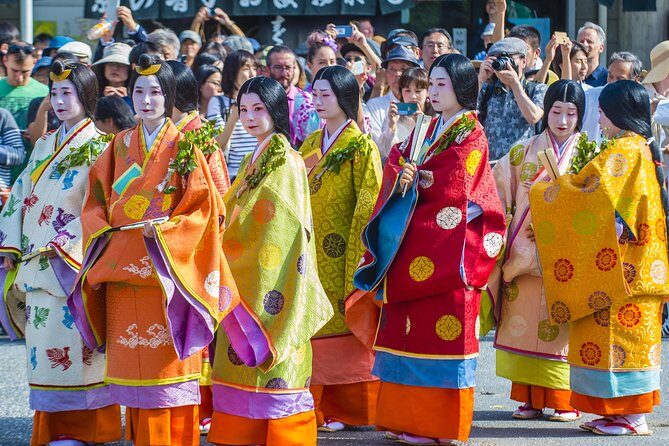
A maiko performs 1–2 dances, with an additional appearance by a former geiko. Plan your mindset for a short, carefully paced segment. One past participant noted the dance portion can feel briefer than expected; the good news is that the time doesn’t end with the performance.
The conversation that changes your understanding
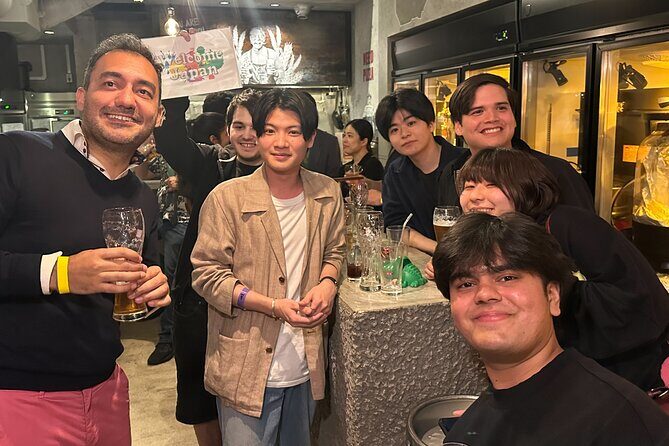
After the dances, you’ll have a personal conversation and Q&A. You’ll be able to ask questions about training, traditions, and what life is like. A venue owner is also part of the discussion, which matters because you’re not only hearing performer stories—you’re hearing how the tea house side of the culture works.
This is also where the tour’s emotional payoff tends to land. Multiple guides on this experience (you may hear names like Takuma, Mika, Naomi, Ayako, Yuko, Ellie, Tom, Chiko, and Eric from past groups) get praised for calm English explanations and for answering questions patiently. You don’t need insider knowledge—your guide’s job is to help your questions land well and your understanding stick.
Photo session with the maiko
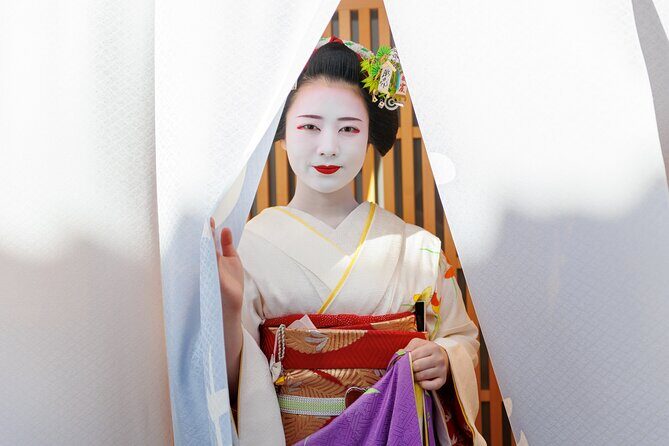
You’ll also have a photo session with the maiko. It’s built into the visit, not something you scramble for afterward. That matters because the rules around photography can be strict in these settings, and the tour structure keeps everything orderly.
Photo and video rules (and the socks reality check)
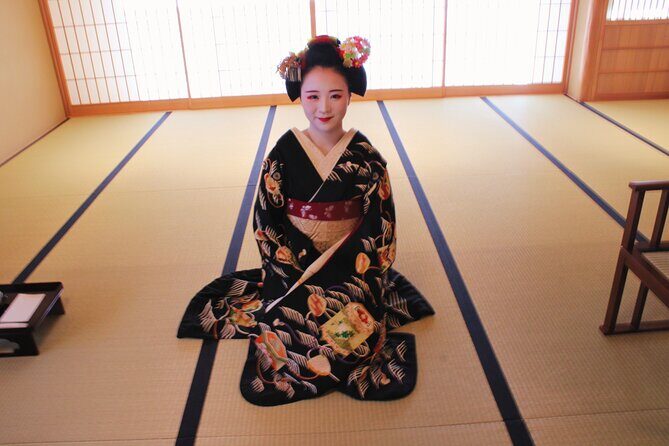
Kyoto’s traditional entertainment spaces come with rules, and this tour takes them seriously. Here’s what you need to plan for.
When you can photograph or record
Photography and video recording are allowed only during the performance and during the photo session. If you want to upload photos of the maiko online, you need direct permission from the maiko beforehand. Video upload is not allowed.
So: take photos when you’re permitted, but don’t assume you’re free to post afterward without asking.
Socks are mandatory at the venue
You’ll be required to wear socks at the performance venue. If you’re thinking you can just show up with bare feet energy, don’t. Bring socks that feel comfortable for standing and moving.
Rain or shine, but rainy-day clothing restrictions apply
The tour runs rain or shine. On rainy days, there’s a specific warning: no wet clothes and no wet socks are allowed at the venue. During the walking portion, use an umbrella, and try to keep your socks as dry as possible.
One practical move: bring a small umbrella and a spare pair of socks in case weather turns. This is the kind of tiny prep that keeps a respectful day from becoming a scrambling day.
Kimono rental option: extra logistics you must follow
If you book the kimono rental option, after you change into kimono, you go on your own to the Izumo-no-Okuni statue (about 3 minutes away) and your guide waits there. This is simple, but you have to follow it exactly—don’t rely on the guide meeting you inside the store area.
Stairs to the performance floor
The performance is held on the 2nd floor, and access is via stairs. This tour is not suitable for people with mobility impairments or wheelchair users, so if stairs are a problem, skip this one.
Timing, group size, and what to expect for the full 3–5 hours
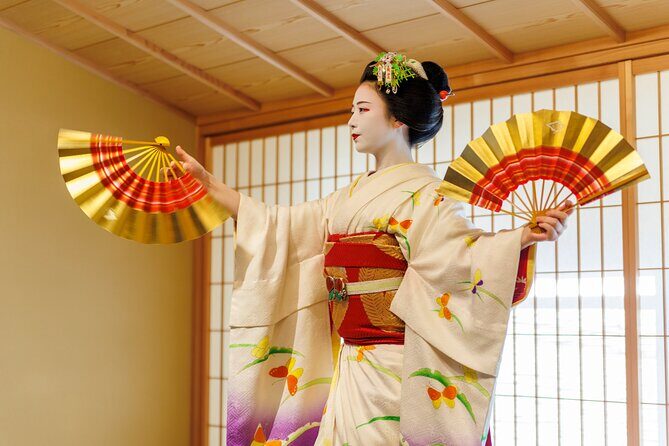
The tour duration ranges from 3 to 5 hours, and it can run a bit longer depending on the day. The pacing makes sense when you look at the components:
- The Gion walking portion: about 70–80 minutes
- The maiko meeting experience: about 90 minutes
- Performance: typically 1–2 dances
- Conversation and Q&A: built into the meeting time
- Photo session: included
Because you’ll have Q&A and a full conversation period, you don’t want to schedule a stressful connection immediately after. If you’ve got a train to catch, build in a cushion.
On top of timing, small group format is part of the value. You’ll have chances to ask questions without feeling like you’re shouting into a stadium.
Who should book this Kyoto geisha maiko tour
This experience is best if you genuinely want more than a quick photo and a distant performance.
You’ll probably love it if:
- you want Gion context before you see the maiko up close
- you like Q&A and learning how training and tradition work
- you want an intimate setting that includes a venue owner, not just performers
You might skip it if:
- you need wheelchair access or step-free entry (stairs to the 2nd floor)
- you’re traveling with kids under 10 (not suitable)
- you’re uncomfortable with sock requirements and rainy-day clothing rules
Also, if you’re the kind of person who asks good questions—what training looks like, how traditions are maintained—you’ll get more out of the conversation portion.
Price and value: what $106 buys in Kyoto
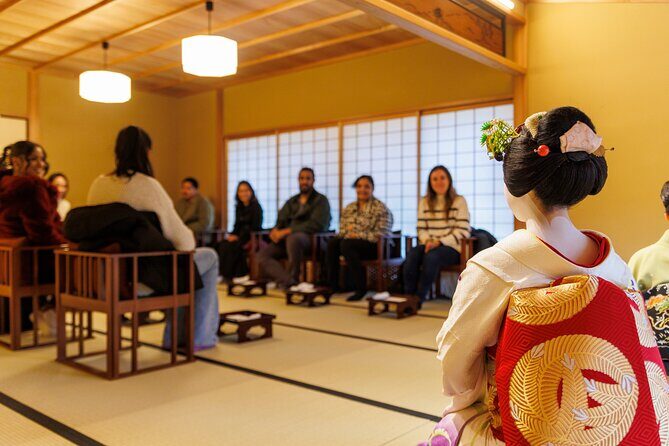
At $106 per person, you’re paying for access. Not access in the broad sense, like “we’ll show you a district,” but access to a private ochaya experience with performers and the venue side included.
The value formula here is:
- a guided walk that connects you to the district you’ll see later
- a live performance by a maiko plus a former geiko
- conversation and Q&A time (the part most people never manage to get)
- a dedicated photo session
- an English-speaking local guide to translate and interpret cultural context
Yes, some of the dance segment may feel short compared to long public shows. But this is exactly why the tour tends to satisfy people who care about understanding the culture, not just watching a spectacle.
If you’re budget-minded, think of it like this: you’re buying the chance to ask questions in the same room as the people keeping the tradition alive.
Should you book this Kyoto maiko experience?
Book it if you want an inside view of Gion—walking context in the streets, then a private ochaya meeting with a maiko, a former geiko, and a real Q&A. The socks-and-stairs rules are manageable, and the tour’s structure means you won’t spend the day guessing what’s appropriate.
Skip it if you can’t do stairs, if you’re traveling with children under 10, or if rainy-day sock/wet-clothing restrictions would be a hassle you can’t plan around.
If you’re ready to treat this like a cultural meeting (not a random photo safari), this is one of those Kyoto experiences that sticks with you for the right reasons.
FAQ
How long is the Kyoto Gion walking tour with a maiko maiko experience?
The full experience runs about 3 to 5 hours, with the walking portion about 70–80 minutes and the maiko meeting experience about 90 minutes.
Where does the tour start?
There are two options: 出雲阿国像 at the Wargo Kyoto Kimono Rental Gionshijo store area, or Shirakawa Canal. The exact meeting point can vary based on what you book.
Is the tour guided in English?
Yes. The tour guide is English-speaking.
Do I need socks?
Yes. You MUST wear socks at the performance venue.
Are photos and videos allowed?
Photography and video recording are allowed only during the performance and during the photo session. If you want to upload photos online, you need direct permission from the maiko beforehand, and you cannot upload video online.
What happens if it rains?
The tour takes place rain or shine. On rainy days, no wet clothes and no wet socks are allowed at the venue.
Is there kimono involved?
There is a kimono rental option mentioned for one starting point. If you choose it, after changing into kimono you go by yourself to the Izumo-no-Okuni statue (about 3 minutes walk) where the guide waits.
Is this tour suitable for children or wheelchair users?
No. It’s not suitable for children under 10, people with mobility impairments, or wheelchair users.