REVIEW · KYOTO
Kyoto Customized Guided, Private Tour
Book on GetYourGuide →Operated by Japan Travel and Tour · Bookable on GetYourGuide
Kyoto in one day sounds chaotic, but this private route is built to move efficiently. I like the full-day sweep of Kyoto’s headline sights (including multiple UNESCO World Heritage sites) without constant map-hunting, and I also like the hands-on support from an English-speaking guide plus the option of mobile audio in several languages. The possible drawback: the quality of guidance can vary, and on one recent tour I saw where the guide leaned more toward driving than storytelling.
Here’s the deal: you’ll start early with a hotel pickup, ride in an air-conditioned luxury van, and spend time walking, photographing, and soaking in Kyoto’s classics. If you’re the type who likes to ask questions and get context as you go, you’ll want to check that your guide is game. If you mainly want a smooth route and lots of sights, this can be a strong fit.
In This Review
- Key Highlights Worth Your Time
- A 10-Hour Kyoto Hit List, Without the Stress
- Pickup, Private Van, and How to Avoid Wasted Time
- Kiyomizudera: Morning Views and Terrace Photo Opportunities
- Arashiyama and Sagano Bamboo Forest: Green Tunnels and Quick Photo Wins
- Tenryu-ji Gardens: A UNESCO Calm Break
- Kinkaku-ji (Golden Pavilion): Bright Views, Short Walks
- Fushimi Inari Taisha: Walking the Torii Tunnel
- Sanjusangen-do: The Long Hall of Kannon Statues
- Kimono Forest and Shopping Stops: Photo Fun vs. Time Sink
- The Guide Factor: Strong Photos, or More Driver Than Guide
- Tickets and Food: Plan for What You Pay On-Site
- Price and Value: Is $102 Worth It for You?
- Who This Tour Is Best For
- Should You Book This Kyoto Customized Guided, Private Tour?
- FAQ
- How long is the Kyoto Customized Guided, Private Tour?
- What’s included in the price?
- Are entry tickets included?
- Is food included?
- Where do pickups and drop-offs happen?
- Do I need to buy tickets in advance?
- What language support do I get?
- Is the tour private?
- Is the tour wheelchair accessible?
Key Highlights Worth Your Time
- UNESCO World Heritage coverage in a single day: Kiyomizudera, Tenryu-ji, and Kinkaku-ji
- Fushimi Inari’s torii gates: a full walk through the famous red gate tunnel
- Arashiyama + Sagano Bamboo Forest: big photo energy, even if you’re short on time
- Kimono Forest: a dedicated style/photo stop included in the highlights
- Private-group comfort in a luxury van with hotel pickup and drop-off
A 10-Hour Kyoto Hit List, Without the Stress
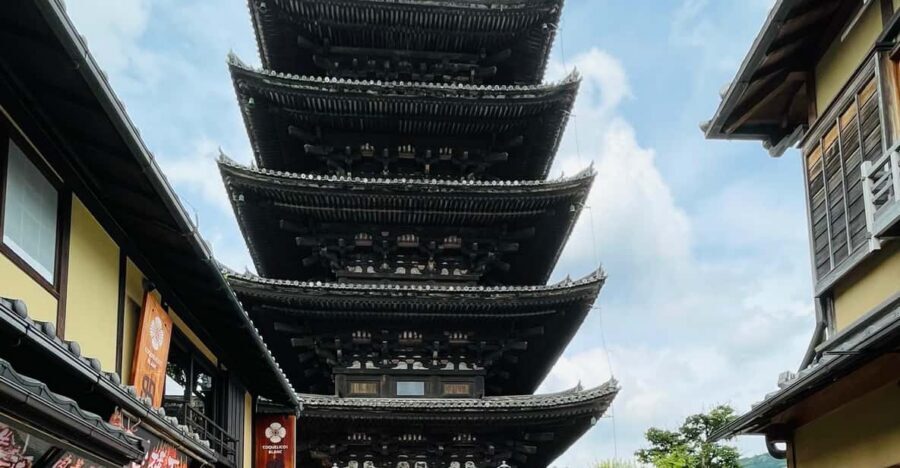
This is the kind of tour that makes sense when your Kyoto time is limited and you still want the big-name places. The schedule is built for movement: early start, long sight windows, and driving time handled by someone else. For you, that means less time arguing with public transit schedules and more time simply being in the places everyone photographs.
At $102 per person for a 10-hour private tour, the value comes from how much ground you cover. You’re not just doing one temple area and calling it a day. You’re stitching together several top districts and at least three UNESCO sites into one continuous itinerary—helpful if you’re trying to see Kyoto’s “greatest hits” while keeping logistics manageable.
One note on the tour’s feel: it’s private, so you can set the pace. But it’s still a packed day. You’ll walk. You’ll climb a few steps. You’ll want comfy shoes and a game plan for photos (more on that later).
You can also read our reviews of more guided tours in Kyoto
Pickup, Private Van, and How to Avoid Wasted Time
The tour starts with hotel pickup and drop-off, and you can be picked up from Kyoto, Osaka, or Nara. That flexibility matters because Kyoto days often begin with the annoying question: how do I get out of my neighborhood and into the sightseeing flow?
The ride is a luxury van with air-conditioning, which is a big deal in warm or rainy months. And since the group is private, you’re not stuck with a loud bus-group vibe. The schedule also includes time blocks for photos, shopping stops, and guided walking—so you’ll generally know when to stay moving and when to slow down.
Do keep in mind one practical point: pickup may be available outside Kyoto, but the information says additional charges may apply. If your hotel is farther out, ask before you book so you don’t get surprised by logistics.
Kiyomizudera: Morning Views and Terrace Photo Opportunities
Your day begins at Kiyomizudera Temple, one of Kyoto’s signature spots with that dramatic setting that people associate with Kyoto postcard views. The biggest reason to come early is simple: you’ll get a calmer window for photos and the temple area tends to feel more manageable earlier in the day.
This stop includes a guided visit and time for sightseeing and shopping, plus a photo stop with scenic views on the way. You’ll also have a chance to walk around at the temple itself and take in the view from the terrace areas that draw people in.
What I love about this kind of stop on a tour: even if you’ve seen Kiyomizudera photos online, experiencing it in person changes the scale. The terrace view looks different from the ground. It’s the type of place where even a quick stop gives you that Kyoto “okay, this is real” moment.
Arashiyama and Sagano Bamboo Forest: Green Tunnels and Quick Photo Wins
Next comes the Arashiyama area—often the part of the day where you either fall instantly in love or you’re tired enough that you rush. The trick is to treat it like a photo-and-walk block, not a museum.
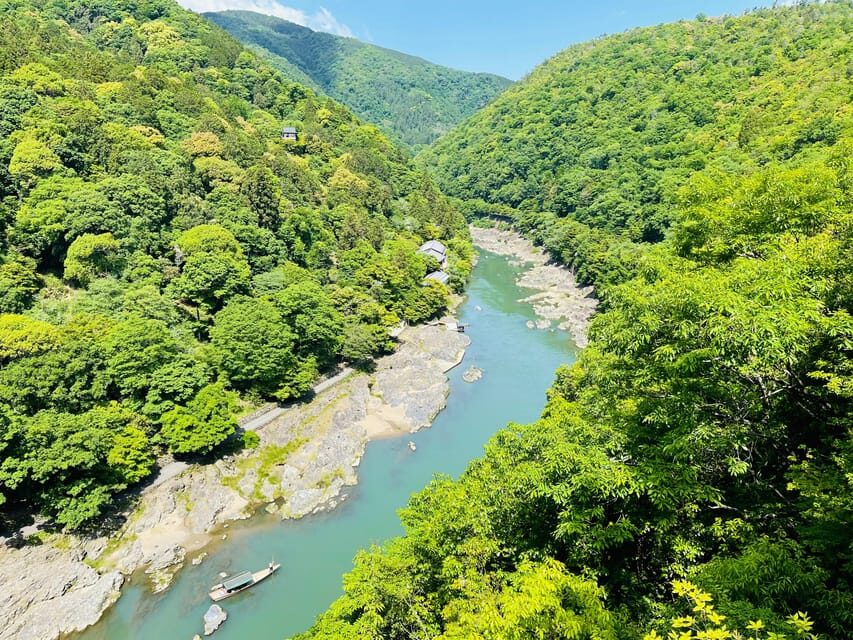
You’ll spend time around Arashiyama and then head toward Sagano Bamboo Forest, which is famous for walking paths that feel like green corridors. The tour includes guided time here, plus walking and self-guided exploring. If you’re picky about photos, this is also where your timing matters. Go at walking speed, and don’t just stand in the first crowd zone—walk a bit and reposition.
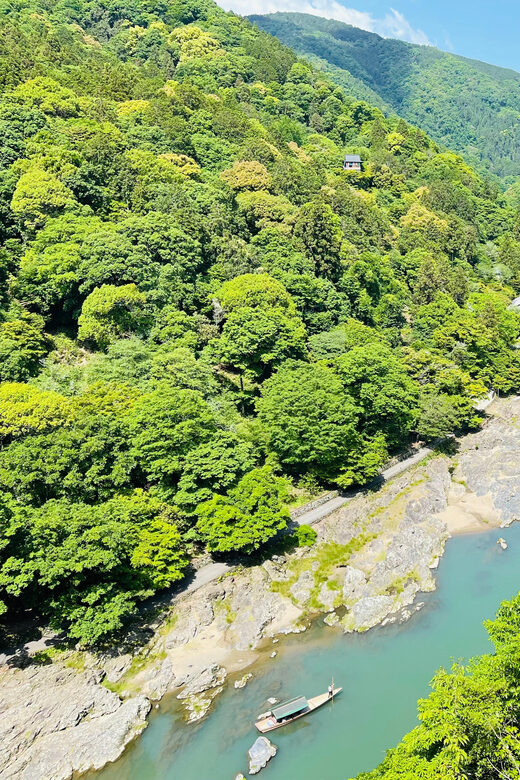
There’s also time for Togetsukyo Bridge sightseeing. The bridge is the visual centerpiece people look for in this area, especially with the river and the hills shaping the background. If your schedule feels tight, prioritize: bamboo first, bridge second, then shops/extra activities.
The tour schedule also references optional-feeling extras like a panoramic train ride and Segway rides in the Arashiyama/Sagano segments. Those can be fun, but they’re not spelled out as included in the essentials, so I’d treat them as “on the plan, confirm details when booking.” If you want them, plan to budget and don’t assume they’re automatically free.
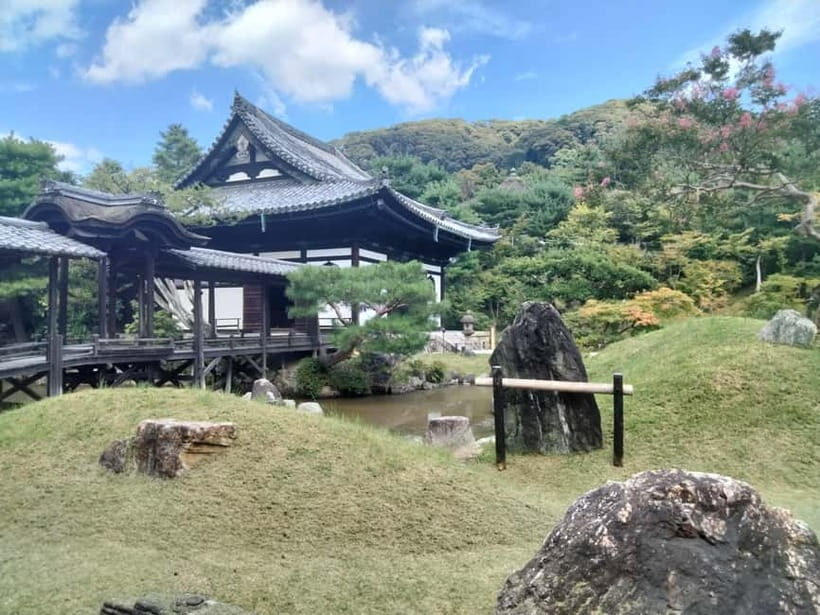
Tenryu-ji Gardens: A UNESCO Calm Break
After the energy of Arashiyama, you get a quieter UNESCO stop: Tenryu-ji Temple. Tenryu-ji is known for gardens, and you’ll have time to stroll through them with a guided component. The best way to enjoy this kind of garden visit is to slow down for 15 minutes and stop chasing the next photo angle.
You don’t need to be a garden scholar to get it. Look at how paths guide your view, notice the way the space frames water or rock features, and let your eyes rest after the bamboo visuals. This is the part of the tour where the pace feels like it can catch up to you, instead of only demanding you keep up.
It’s also one of the three World Heritage sites on this day, which is why the schedule works. You’re not stacking only “famous exteriors.” You’re getting at least a few stops where the design and environment are the point.
You can also read our reviews of more private tours in Kyoto
Kinkaku-ji (Golden Pavilion): Bright Views, Short Walks
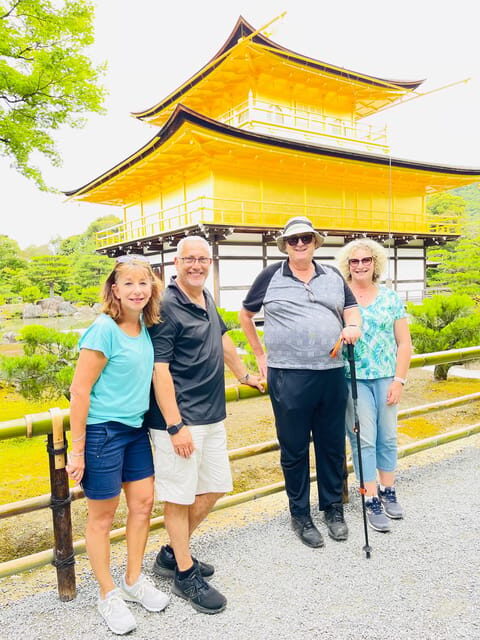
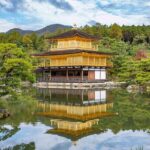
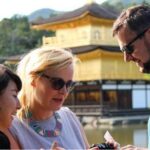
Then you’ll go to Kinkaku-ji, officially Rokuon-ji, the Golden Pavilion. This is a classic Kyoto icon for a reason: it’s visually strong, photogenic from multiple angles, and it gives you a sense of contrast after the green and wood tones earlier in the day.
This stop includes guided visit time, walking/self-guided time, and time for photos and sightseeing. The practical advantage of a tour here is timing. Kinkaku-ji can be busy, and you’ll appreciate the structure. The tour also includes a promise to skip the ticket line, though you should still expect to handle entry tickets yourself since they are not listed as included.
If you’re into photography, keep your expectations realistic. You’ll see the iconic look, and you can get great shots, but it’s not a private studio session. Think in terms of angles and timing rather than expecting perfect solitude.
Fushimi Inari Taisha: Walking the Torii Tunnel
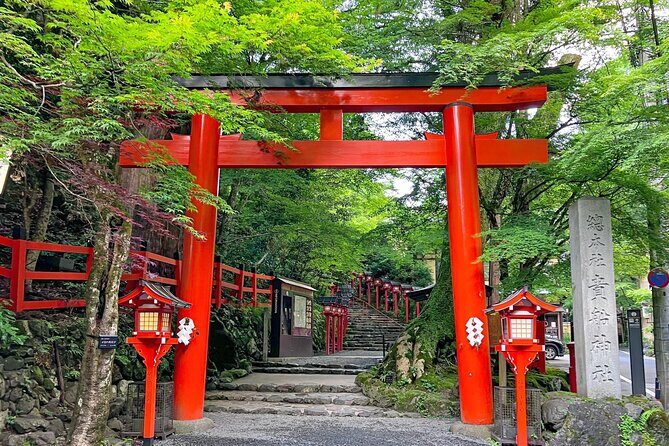
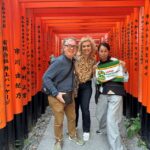
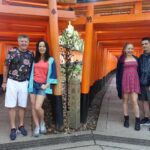
The final “wow” stop is Fushimi Inari Taisha, where you walk through the iconic thousands of red torii gates. This is usually the moment you stop thinking about the schedule and just enjoy the atmosphere.
Your tour includes break time, photo stop, guided visit, shopping/sightseeing time, and then guided plus walking time. The walking is the experience. The torii path has that magical feeling because it changes as you go deeper—different gate spacing, different visual layers, and shifting angles as you climb and turn.
Practical tip: wear shoes you’re comfortable walking in for a while. Even if you don’t go far up the hill sections, the main path is still a trek. It’s easy to underestimate how long the walk feels once you start stopping for photos.
Sanjusangen-do: The Long Hall of Kannon Statues
After Fushimi Inari, the tour heads to Sanjusangen-do (Sanju-san-gen-do), which is famous for its incredibly long wooden hall and its arrangement of many Kannon statues. On this stop, you’ll have a mix of guided tour and self-guided time, plus walking and scenic views on the way.
What makes this stop memorable is the geometry: long hall, repeated figures, and the sense that the space is built around a single devotional idea. It can feel intense, but in a quiet way. If you’ve been moving fast all day, this is a good one to slow down for 10 minutes and really look at how the statues are presented.
This is also one of the few stops on the day that feels more about interiors and arrangement rather than dramatic outdoor views. That variety is a real value.
Kimono Forest and Shopping Stops: Photo Fun vs. Time Sink
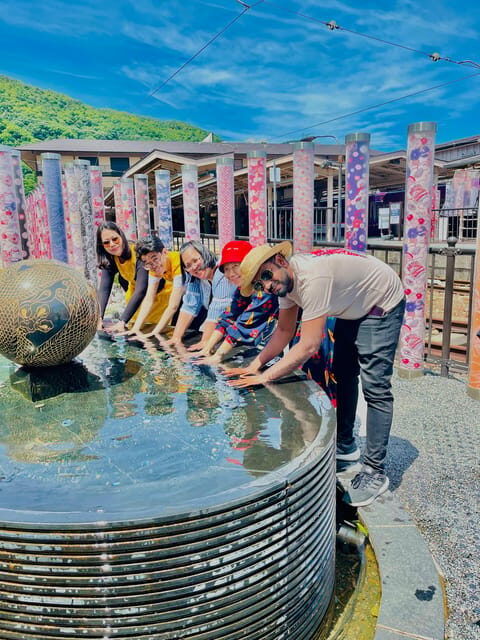
The highlights mention a Kimono Forest experience. Since it’s listed as part of the highlights, plan on at least some kind of photo stop or themed area. The exact details aren’t spelled out, so the smart move is to treat it as a quick photo moment. If you want more time for photos, ask your guide at the start how long you’ll have.
The schedule also includes multiple segments described as shopping/sightseeing. Those can be helpful if you want small souvenirs without searching on your own. But if your priority is only temples and views, you may feel like you’re carrying extra time on your feet.
Here’s how I’d handle it: use the guided moments to ask what’s worth seeing in the limited time you have, then decide quickly if you’ll browse a shop or skip it. Private doesn’t always mean slow. It means you can choose how you spend your minutes.
The Guide Factor: Strong Photos, or More Driver Than Guide
This is where the experience can swing. One guide named Nomi has been noted for excellent photography skills, and that matters because a lot of Kyoto’s best shots depend on knowing angles and positioning. If your guide actively helps you compose and move to better vantage points, you’ll leave with photos that look more intentional than luck-based.
On the other hand, at least one recent booking didn’t feel like full guiding. One person felt the guide was essentially a driver and another felt the guide didn’t share much city or historical context. There was also mention of a missed important spot related to a Buddha teaching area at Arashiyama that the person later discovered on their own.
So my advice is simple: if you want history and story, don’t assume it will appear automatically. Use the first stop as your test. Ask a question about what you’re seeing and how it connects to Kyoto. If your guide answers well and engages, you’re set. If not, ask again later—or focus on what you came for: the sights, at speed.
Tickets and Food: Plan for What You Pay On-Site
This tour includes a guide and transport, but entry tickets are not included and food is not included. The tour also mentions skipping the ticket line, which can save time at crowded sites, but you should still expect to pay for admission tickets at stops.
There’s also mention of a lunch option described as a Japanese buffet made with seasonal ingredients. Yet food is listed as not included, and the information warns that certain dietary needs (including Muslim-friendly, allergy-friendly, lactose-free, gluten-free, and vegan options) are unavailable. Translation for your planning: don’t assume you can safely eat what you need during lunch. If dietary needs matter, either skip lunch on the tour or be ready to bring/seek compatible food outside the included window.
If you’re trying to save the day, pack a snack you can rely on and treat lunch as a bonus rather than a guarantee. That keeps you comfortable for the walking-heavy parts.
Price and Value: Is $102 Worth It for You?
For a private full-day route at $102 per person with hotel pickup, air-conditioned luxury van, and a professional English-speaking guide, the price can feel reasonable—especially compared to piecing together separate day trips and paying for extra transport.
You’re paying for three things:
- Time saved: fewer transfers and less coordination
- Coverage: UNESCO sites plus the big Kyoto icons
- Comfort: a van that keeps you out of weather headaches
The cost can feel less worth it if your main goal is only one or two places, or if you hate structured schedules and shopping stops. And it matters a lot how engaged the guide is for historical context. If you’re the type who loves stories while you walk, ask questions early and don’t be shy.
Who This Tour Is Best For
This fits you best if:
- You want a one-day Kyoto greatest hits experience
- You’re short on time and want multiple UNESCO sites in one go
- You enjoy photography and like having someone manage the route
- You prefer private, comfortable transport over buses
It might not fit as well if:
- You hate packed days and want long unstructured stays
- You strongly need tailored meal options
- You care a lot about deep history unless your guide shows strong engagement
Should You Book This Kyoto Customized Guided, Private Tour?
If you’re in Kyoto for a limited window and you want a smooth, efficient day that hits Kiyomizudera, Arashiyama/Sagano Bamboo Forest, Tenryu-ji, Kinkaku-ji, Fushimi Inari, and Sanjusangen-do, this is a solid option. I especially like the balance of UNESCO stops plus iconic Kyoto walks, and the fact that the torii-gate experience is included as a true walking highlight.
Just go in with eyes open. Confirm details on any extra activities like Segway and panoramic train ride, bring your own dependable snack strategy for food needs, and test your guide’s style early. If you get a guide who engages and helps with photos, you’ll feel like the day flew in the best possible way.
FAQ
How long is the Kyoto Customized Guided, Private Tour?
The tour runs for 10 hours.
What’s included in the price?
You get an English-speaking tour guide, transportation by air-conditioned luxury van, hotel pickup and drop-off, and a private group experience.
Are entry tickets included?
No. Entry tickets are not included.
Is food included?
No. Food is not included, though there is a lunch break described in the day plan.
Where do pickups and drop-offs happen?
Pickups can be from Kyoto, Osaka, or Nara, and drop-offs go to Kyoto, Nara, or Osaka.
Do I need to buy tickets in advance?
Tickets are not listed as included, and the tour offers ticket line skipping. You should still expect to pay entry fees on-site.
What language support do I get?
The live guide is listed as available in English, Hindi, Japanese, and Arabic. The tour also mentions a mobile audio guide available in multiple languages including English, French, Italian, Spanish, German, Portuguese, and Ukrainian.
Is the tour private?
Yes. It’s a private group.
Is the tour wheelchair accessible?
Yes, it is listed as wheelchair accessible.