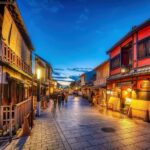
Kyoto reveals its quieter side on foot. I loved Gion Shirakawa Street for its calm, photogenic strolls among traditional teahouses, and I also liked the way Kiyomizu-dera delivers big city views in a historic setting. The one potential drawback is simple: it is a long day on your feet, and lunch is not included, so you’ll want a plan for that break.
The flow is well paced for a full day in Kyoto’s historic district: you start by the Izumo no Okuni statue at the east end of Shijo Ohashi bridge, then move through classic streets and key spiritual stops, finishing with hands-on wish and blessing experiences at Yasaka Kōshin-dō and Yasui Kompira-gū. And if you want schedule flexibility, this tour can help; guides like Yoshi have handled a 2-hour shift, and Saya has adjusted the route when guests already saw certain sights.
In This Review
- Key things to know before you go
- Meeting at Shijo Ohashi: the easy on-ramp to Gion
- Gion Shirakawa Street and Hanamikoji: teahouses, tradition, and how to enjoy the scene
- Yasaka Shrine and the temple contrast: Shinto rituals and calm grounds
- Lunch in Gion (not included): use the guide and keep your momentum
- Kiyomizu-dera: where city views meet historic architecture
- Yasaka Kōshin-dō wish balls and Yasui Kompira-gū blessings: a personal ending
- Price and logistics: what you really get for $102
- Who this Kyoto Gion Highlights tour suits best
- Should you book it?
- FAQ
- Where is the meeting point for the tour?
- How long is the Kyoto Gion Highlights and Hidden Treasures guided tour?
- What’s included in the price?
- Is lunch included?
- Which languages are available for the live guide?
- Should I tell the tour about dietary restrictions?
- Can I cancel, and how late?
Key things to know before you go
- Meet at Izumo no Okuni (Shijo Ohashi) for an easy start and fewer morning headaches
- Gion + Hanamikoji pairing gives you both serene teahouse scenery and the more active classic streets
- Temple ticket mix is included for Kōdaiji, Entoku-in, and Kiyomizu-dera
- You get both popular icons and quieter stops like Entoku-in between bigger landmarks
- Wish balls and personal blessings at Yasaka Kōshin-dō and Yasui Kompira-gū add a memorable, participatory ending
- Small-group or private options plus a bilingual guide make it easier to ask questions and adjust on the fly
Meeting at Shijo Ohashi: the easy on-ramp to Gion
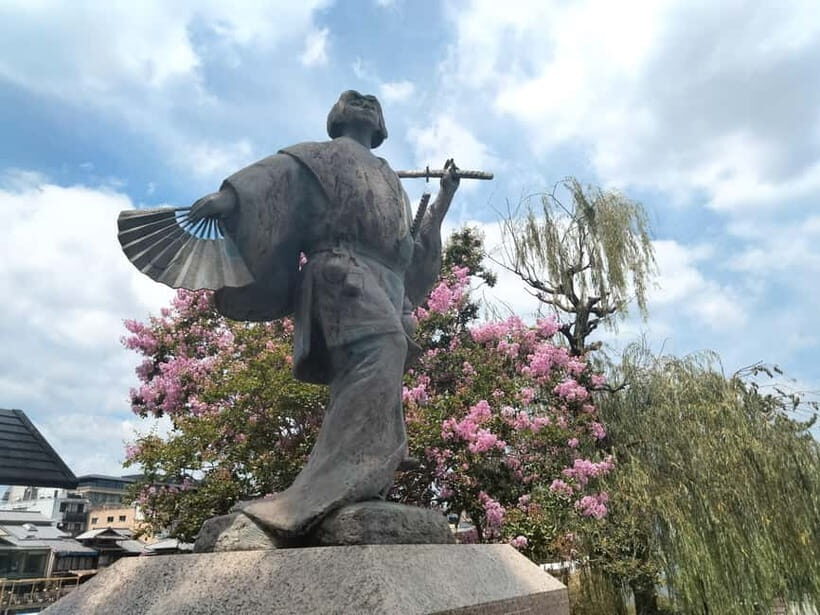
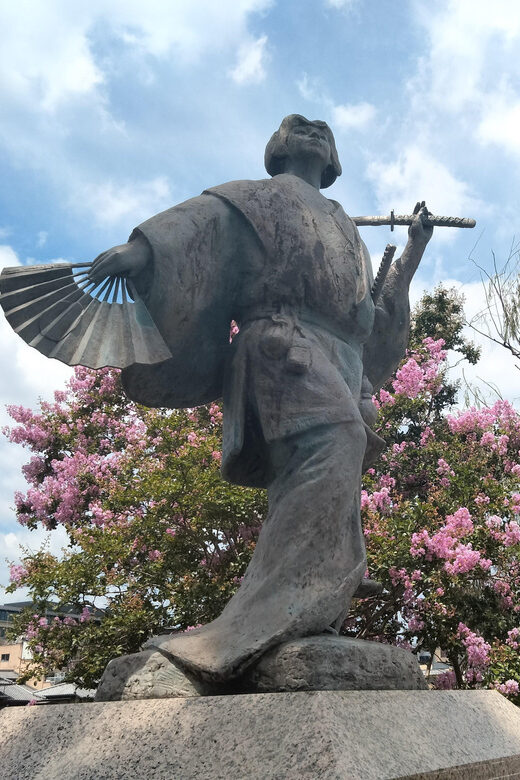
Your day starts at the statue of Izumo no Okuni, on the east end of the Shijo Ohashi bridge. That matters more than it sounds. Kyoto is big, and historic districts can feel like a puzzle when you’re tired. A fixed meeting point helps you start relaxed instead of sprinting for the right street.
From there, you get an initial orientation moment and then quickly roll into the heart of the area. The guide-led rhythm is a big reason this tour works: you don’t spend your limited time figuring out what to see next. If you like asking questions as you walk, a live guide who speaks English or Japanese is ideal.
You’ll also want to come ready for a full day: the total duration is 450 minutes, and the itinerary includes multiple on-foot segments and visits. Comfortable walking shoes are a practical must.
You can also read our reviews of more guided tours in Kyoto


Gion Shirakawa Street and Hanamikoji: teahouses, tradition, and how to enjoy the scene
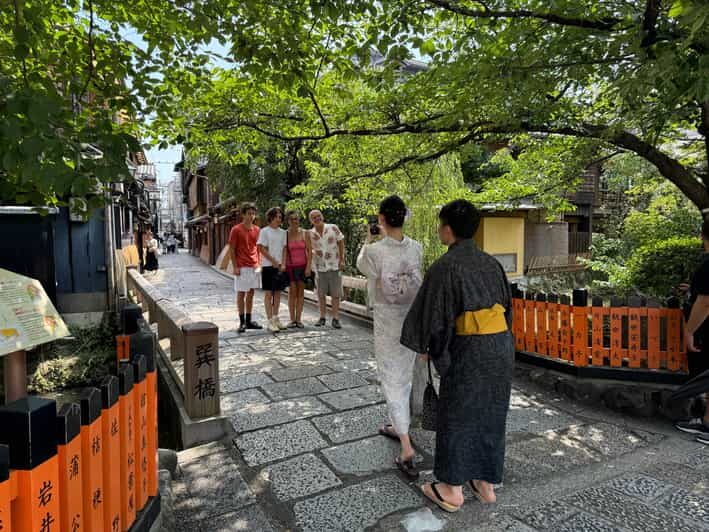
The tour opens with a scenic walk on Gion Shirakawa Street, known for traditional teahouses and a calmer atmosphere than the busiest corners of town. This is the part of Gion that can feel cinematic: the street-scale views let you slow down and actually see details instead of just chasing icons.
Then you transition to Hanamikoji Street for a quick pass-through (about 15 minutes). This stretch is famous for historic architecture and the chance to spot geisha. Even if you don’t catch a sighting, the point is how the street reads as a living cultural corridor: old facades, narrow lanes, and the feeling that Kyoto’s traditions still shape daily life.
Practical tip: keep your photos respectful. With geisha and teahouse privacy in mind, don’t block foot traffic or linger in a way that stalls others. Let the guide tell you when it’s a good time to stop, since they know how to move with the crowd.
Yasaka Shrine and the temple contrast: Shinto rituals and calm grounds
After the Gion streets, the tour shifts into Shinto at Yasaka Shrine. It’s described as a glimpse into Kyoto’s Shinto traditions, and that’s exactly how I’d frame the value for you. You’re not just checking a famous name; you’re getting a window into how spiritual practice shows up in public space.
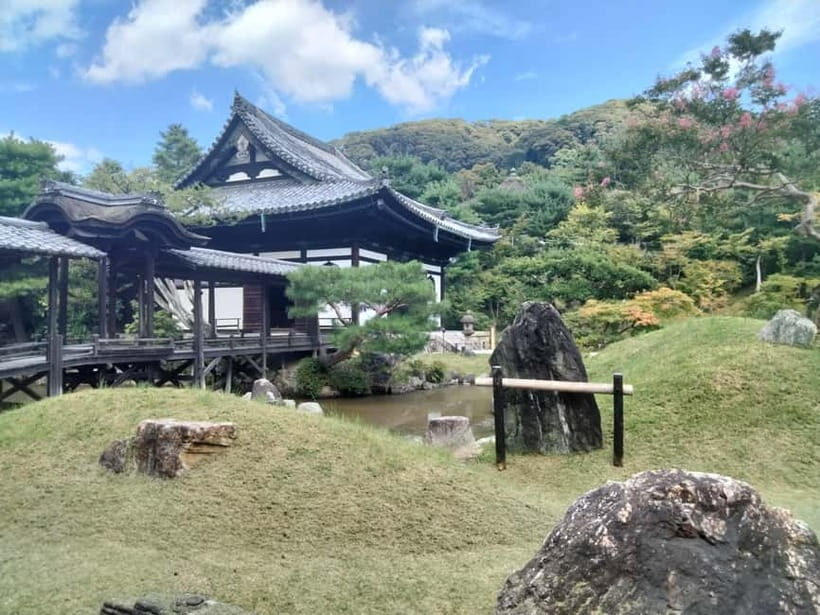
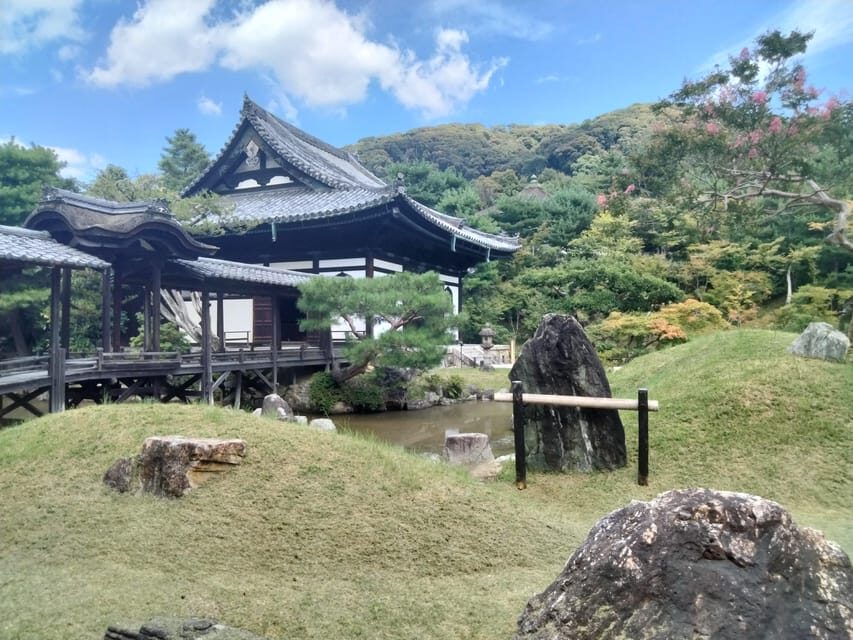
Next comes a layered, on-foot change of pace with visits to Kōdaiji Temple (about an hour) and Entoku-in (about 25 minutes). Kōdaiji gives you the longer temple experience, while Entoku-in adds a quieter contrast—an easier moment to reflect, reset, and take in the atmosphere without the pressure of constant forward motion.
Why this contrast is worth it: Kyoto’s big draws can blur together if you only chase highlights. By placing shrine traditions and then temple time right after the streets, the tour gives your day a natural rhythm: walk for atmosphere, then pause for meaning.
One more thing I like here: the important stops you’ll enter are covered by the tour’s included tickets (Kōdaiji, Entoku-in, and Kiyomizu-dera). That saves time and avoids a stressful moment of ticket hunting mid-walk.
Lunch in Gion (not included): use the guide and keep your momentum
Lunch is scheduled during the Gion portion of the day (about an hour), but it’s not included. That’s the main tradeoff of this tour format. The upside is you’re free to choose what fits your tastes, budget, and dietary needs.
If you want this to go smoothly, do what smart guests do: tell your guide your preferences before lunch time, and ask for a nearby option. In past tours, guides like Saya have steered guests toward a good restaurant and even pointed them toward a shopping area afterward. That kind of local guidance is the difference between eating anywhere and eating something that matches your day.
Dietary note: if you have restrictions, inform the tour in advance. The tour specifically asks you to provide dietary restrictions ahead of time, so you don’t want to wait until you’re hungry.
Kiyomizu-dera: where city views meet historic architecture
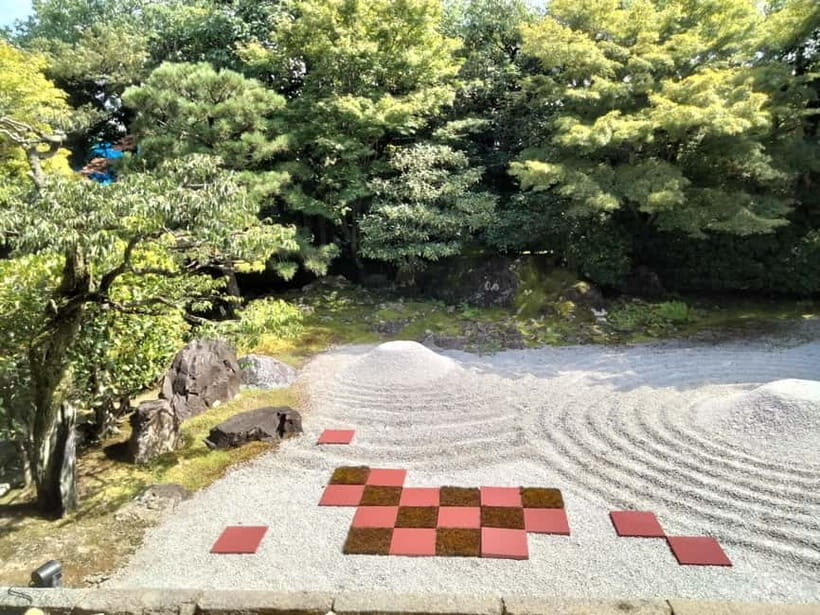
Then you hit the big one: Kiyomizu-dera, with about 1.5 hours on site. This stop is a UNESCO World Heritage site offering both historic architecture and city views, and that combination is the reason it stays on so many Kyoto lists.
I like this stop inside a guided day because the surrounding context matters. Walking through Gion streets, then Shinto and temples, gives you a frame for what you’re seeing here. When you finally reach Kiyomizu-dera, it feels less like a standalone photo spot and more like a culmination of the day’s theme: Kyoto’s spiritual and architectural identity.
Is it perfect for everyone? It depends on your pace. This is the longest single highlight after Kōdaiji, so if you’re sensitive to standing, walking up and down temple paths, or fatigue, plan to slow down and take breaks when you can. The guide can usually help you decide where to spend your time best.
Since the entry ticket for Kiyomizu-dera is included, you’ll avoid a common stress point: paying twice or missing entry windows because you’re delayed. That makes the timing feel smoother.






Yasaka Kōshin-dō wish balls and Yasui Kompira-gū blessings: a personal ending
After Kiyomizu-dera, the tour doesn’t just end with another temple photo. It shifts into two more uniquely Kyoto experiences that are explicitly about wishes and relationships.
First is Yasaka Kōshin-dō Temple (about 20 minutes), known for its colorful display of wishes balls. You’ll get the fun visual payoff here, but it also helps the tour land emotionally. Instead of only looking outward at famous scenery, you end with a tradition you can actually participate in as a visitor.
Then the day closes at Yasui Kompira-gū Shrine (about 20 minutes). This shrine is described as a unique spot for blessings and spiritual renewal, specifically including help for breaking bad habits and ensuring good relationships. That’s a powerful way to end a walking day: you leave with something you can carry forward, not just a stamp in your itinerary.
These two stops are short on the clock, but they’re high on meaning. If you want souvenirs, you can buy them later. If you want a memory that sticks, this ending is built for that.
Price and logistics: what you really get for $102
At $102 per person for a 450-minute tour, the value comes from three places.
First, you’re paying for a live bilingual guide who handles the walking plan and helps you understand what you’re seeing. That’s not just narration; it’s momentum. You spend less time deciding and more time seeing.
Second, entry tickets are included for Kōdaiji Temple, Entoku-in, and Kiyomizu-dera. For many Kyoto walking days, that’s where costs quietly add up. Having those tickets included makes the price feel more predictable.
Third, this is offered as private or small groups. Small-group touring is often what turns a good itinerary into a satisfying day, because you can ask questions and move at a human pace rather than being swept along.
The main logistics tradeoff is the one already noted: lunch isn’t included, so you’ll either need to budget for it or follow your guide’s recommendations. The day is also long enough that you’ll want to plan a slower evening afterward.
Who this Kyoto Gion Highlights tour suits best
This tour is a strong fit if you want:
- A guided day that covers major Kyoto landmarks plus quieter, less obvious temple time
- A route that mixes Shinto and Buddhist spaces, rather than only sticking to street sightseeing
- Practical help for questions and pacing, especially if you care about cultural context
- Flexibility from your guide. There’s a real example of this with Yoshi handling a 2-hour schedule shift, and Saya adjusting the itinerary when guests already saw certain places
It may be less ideal if you:
- Prefer totally self-guided days with no structured stops
- Have very limited time and hate long walking schedules
- Need lunch provided in the tour price (since lunch is not included)
Should you book it?
I’d book this tour if you want one guided day that gives Kyoto’s historic heart a clear story: Gion streets for atmosphere, Yasaka Shrine for Shinto perspective, temples for calm, then Kiyomizu-dera for views and architecture, capped with wish balls and blessings.
Skip it only if you’re set on wandering freely without a schedule, or if you know you’ll struggle with a long on-foot day. Otherwise, the combo of included temple entry, bilingual live guide, and a finish that actually feels personal makes this a solid value way to experience Kyoto’s Gion and Higashiyama in one go.
FAQ
Where is the meeting point for the tour?
Please meet your guide in front of the statue of Izumo no Okuni, located at the east end of the Shijo Ohashi bridge.
How long is the Kyoto Gion Highlights and Hidden Treasures guided tour?
The tour duration is 450 minutes.
What’s included in the price?
The tour includes entry tickets to Kōdaiji Temple, Entoku-in Temple, and Kiyomizu-dera Temple, plus a live guide.
Is lunch included?
No. Lunch is not included in the tour price.
Which languages are available for the live guide?
The live tour guide is available in English and Japanese.
Should I tell the tour about dietary restrictions?
Yes. You should inform the tour in advance of any dietary restrictions.
Can I cancel, and how late?
You can cancel up to 24 hours in advance for a full refund.