REVIEW · KYOTO PREFECTURE
Shibori Fukusa Course at Kyoto Shibori Museum
Book on GetYourGuide →Operated by KYOTO SHIBORI MUSEUM · Bookable on GetYourGuide
Kyoto’s dyeing craft gets hands-on fast. In this Shibori Fukusa Course, you learn shibori on a silk fabric using real techniques, not just watching. I especially like getting to make a scarf during a short class, and I also like that the museum setup lets you explore while your piece dries. One thing to keep in mind: you’ll be tied to the workshop timing, so it’s not a drop-in stroll.
You’ll be working in a small group, limited to 8 participants, with an instructor who can teach in English or Japanese. Plus, workshop participants get free admission to the Kyoto Shibori Museum (normally 1,000 yen), which makes your ticket feel more like a mini textile day than a quick craft stop. The main drawback is simple: the final scarf piece still needs time to finish drying, so you’re not leaving with a finished souvenir in a bag.
If you want a focused, friendly way to learn Japanese textile art, this course hits the sweet spot of hands-on skill plus museum time.
In This Review
- Key Things to Know Before You Go
- A Shibori Workshop Right by Nijo Castle
- What You Make: A Silk Scarf with Kasamaki and Nuishime
- The Class Flow and Why the Drying Time Matters
- Inside Kyoto Shibori Museum: Tools, Samples, and Masterpieces
- Museum Shop Time: Original Items, Fabrics, and Easy Gifts
- Price and Value: Is $70 Worth It?
- Who Should Book This Shibori Fukusa Course
- Should You Book This Course?
- FAQ
- How long is the Shibori Fukusa Course?
- How much does it cost?
- What will I make during the workshop?
- Which shibori techniques are used?
- Do I use any special tools during the class?
- How many people are in the group?
- What languages are available?
- Is museum admission included?
- Where is the Kyoto Shibori Museum located?
- What’s the cancellation policy?
Key Things to Know Before You Go
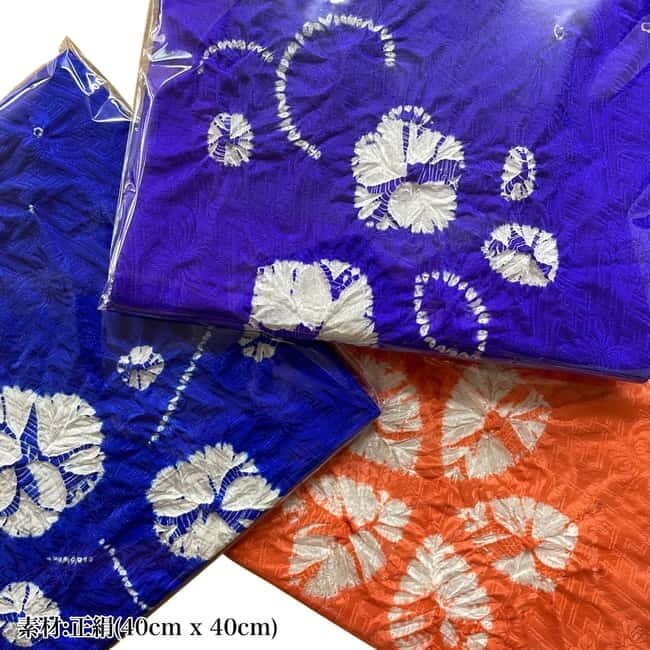
- Kasamaki shibori + Nuishime shibori: two techniques in one class, using a shibori stand and a sewing method.
- Workshop time is short: plan for a 30- to 60-minute class within a 1-hour experience.
- Drying time becomes museum time: while your piece dries, you can explore displays and samples.
- Museum admission is included: free entry to the Kyoto Shibori Museum, normally 1,000 yen.
- Small group setting: limited to 8 participants, so you get real attention from the instructor.
- Shop time for real fabric lovers: original items, souvenirs, and fabrics to browse after the workshop.
A Shibori Workshop Right by Nijo Castle
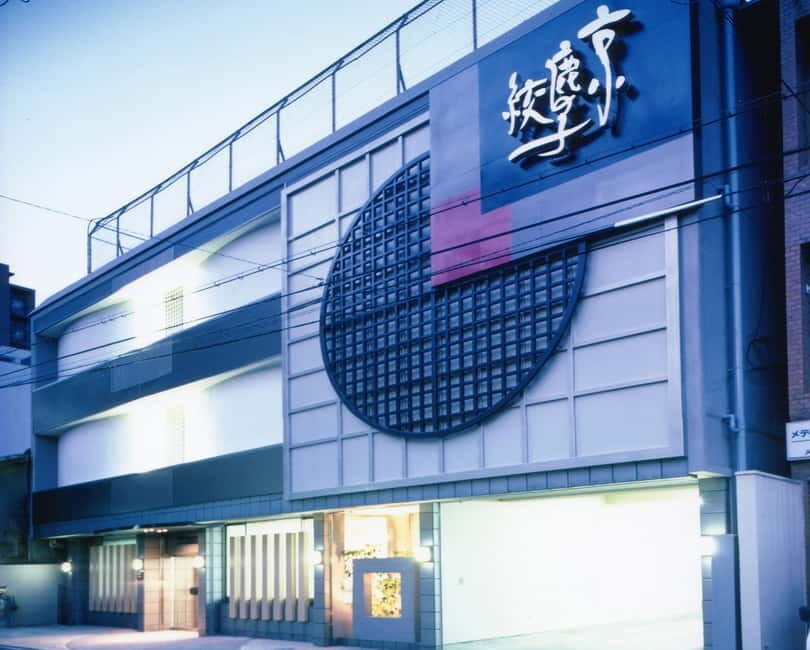
This course takes place at the Kyoto Shibori Museum, in Kyoto’s Honshu region, and it’s a practical location: it’s about a 5-minute walk from Nijo Castle. That matters, because Kyoto days can get jammed. When your art workshop is near a major landmark, you can plan a clean route without wasting half your time on transit and directions.
The museum opened in 2001 and is fully focused on shibori, the Japanese resist-dyeing world where cloth is shaped or stitched to protect areas from dye. This is not a general crafts shop with one corner of textile work. The museum is built around shibori tools, examples, and the kinds of pieces that make you appreciate why shibori looks the way it does.
Also, the vibe here tends to be the “teach-you-carefully” kind. The class is described as lively and taught as a special tradition, with instructors and staff coming across as kind and passionate about the art form. That’s exactly what you want when you’re learning a process that can look mysterious from the outside.
You can also read our reviews of more museum experiences in Kyoto Prefecture

What You Make: A Silk Scarf with Kasamaki and Nuishime
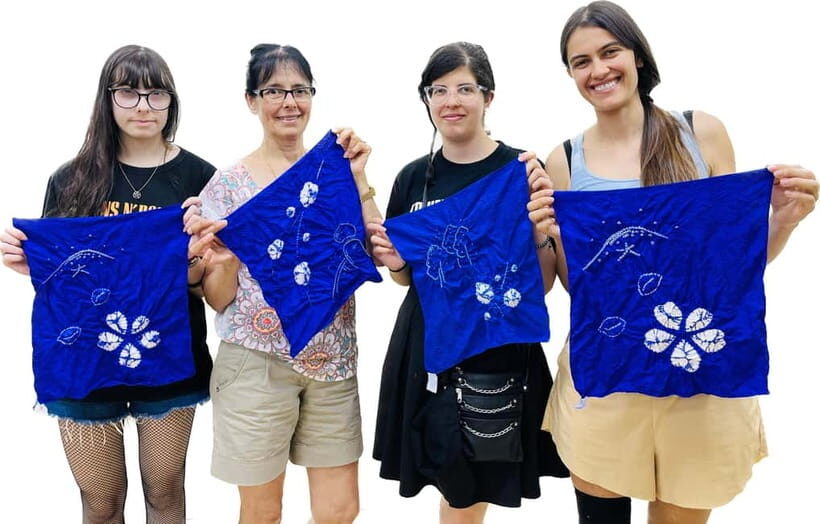
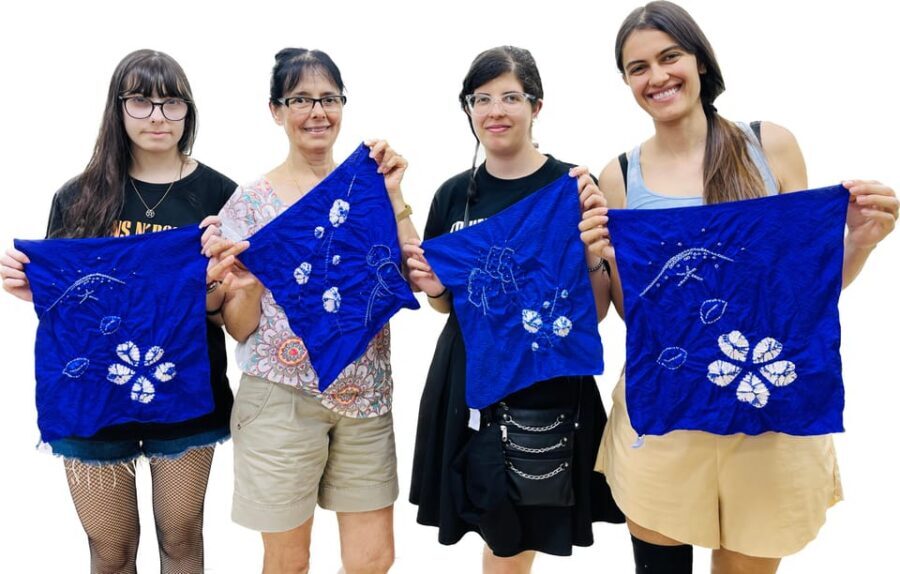
The core experience is dyeing a silk fabric that starts with a beautiful background pattern. You’ll work with shibori methods—specifically Kasamaki shibori (a winding technique) and Nuishime shibori (a sewing technique).
Here’s the practical part: after you prepare the fabric with those resist techniques, you’ll use a shibori stand to help with the process. The stand is there for a reason—shibori isn’t just “tie it and hope.” It’s about structure and control, and using the stand helps you execute the patterning step the right way.
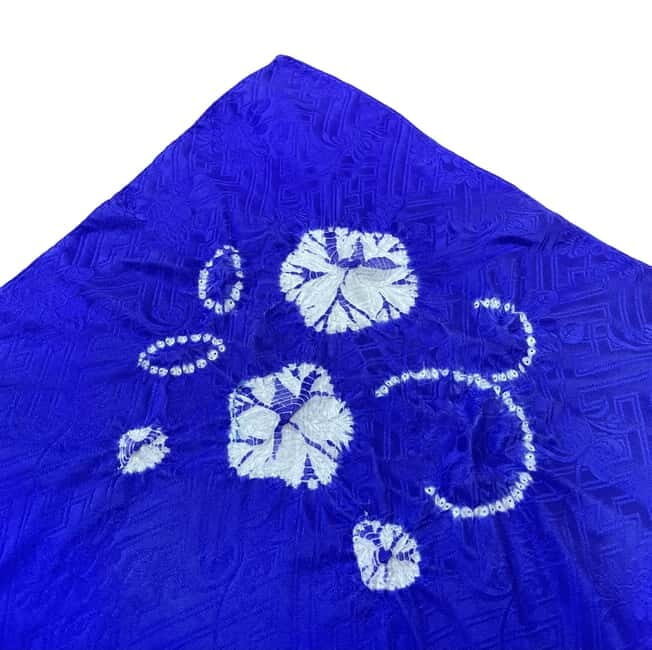
Once the dyeing happens, your piece ends up with the characteristic textured result shibori is famous for. You won’t be able to judge the final look immediately, because dye and resist need time to settle. That’s why the course includes time for your cloth to dry (and why your museum visit doesn’t feel rushed).
The Class Flow and Why the Drying Time Matters
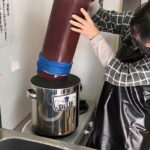
Even though the total experience is 1 hour, the workshop work itself is 30 to 60 minutes. That’s your hands-on window for prepping the fabric and doing the shibori steps. Then, once your piece is set for dyeing and drying, the pace changes from doing to observing.
This is where the design of the experience is smart: while your fabric dries, you’re free to explore the museum’s displays. That’s not just “wait around.” It’s time that turns your class into context. You get to look at the kinds of patterns and finished shibori pieces the museum is known for, and you can compare what you see with what you just tried making.
It also helps you understand a key truth about shibori: the work is technical, but the results are visual art. When you can see examples while you wait, you learn faster. You also get a calmer experience—you’re not stuck watching a clock.
Inside Kyoto Shibori Museum: Tools, Samples, and Masterpieces
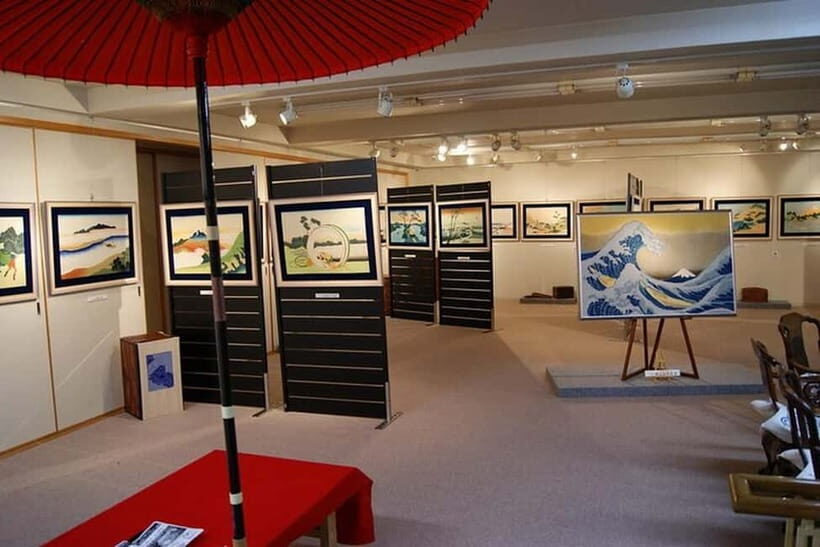
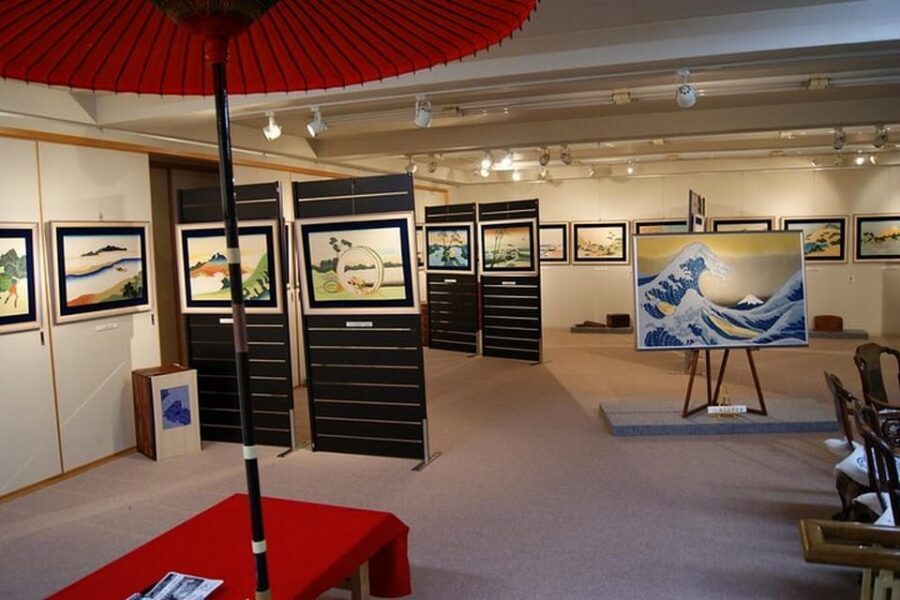
The Kyoto Shibori Museum is the real engine of this course. You’ll see art pieces and samples displayed, and you can walk through them while your own piece dries. This matters because a shibori scarf is only one outcome. The museum shows shibori from different angles—patterns, processes, and the tools that make resist-dyeing possible.
You can also expect to find tools and valuable equipment connected to the shibori process. Even if you’re not a textile expert, seeing those implements gives you a clearer picture of how controlled the techniques are. It turns shibori from “pretty dye pattern” into “repeatable craft method.”
Since the museum specializes in shibori and opened in 2001, it has had time to build a strong collection and interpret the craft. The message of the museum is also pretty straightforward: spreading shibori to the world through different works. In other words, you’re not only learning a technique for a scarf—you’re learning why this craft has a wider cultural footprint.
Museum Shop Time: Original Items, Fabrics, and Easy Gifts
After class, the museum shop is worth your time. You’ll be able to admire a variety of original items, souvenirs, and fabrics. This is the part that helps you bring something home even if you’re unsure about the finished look of your own scarf.
What I like about having shop access after the workshop: you’re already trained on what to look for. You can spot differences in fabric texture, pattern complexity, and overall presentation because you’ve just experienced the resist process and the drying delay.
If you’re buying gifts, this is usually smoother than shopping at random stores. A museum shop is smaller and more focused, so you’re more likely to find shibori-themed goods that actually relate to what you learned.




Price and Value: Is $70 Worth It?
The price is $70 per person, and the experience includes a lot of what makes hands-on craft courses feel “complete.”
Here’s the value logic I use:
- Your class involves learning two techniques—Kasamaki and Nuishime—plus working with a shibori stand on a silk fabric.
- You get a 1-hour experience with a focused workshop window and time to explore.
- You receive free museum admission, which is normally 1,000 yen. Even if you don’t do the math down to the last yen, it means your payment covers more than just the classroom moment.
The result is that you’re paying for instruction and craft materials, not just time sitting in a room. You’re also paying for access to a shibori-focused museum during your drying period, which extends the experience without dragging it out.
Who Should Book This Shibori Fukusa Course
This course is a great fit if you:
- Want a short Kyoto activity that teaches a real technique (not just a one-step souvenir).
- Like textile arts and want to connect the classroom with actual museum pieces.
- Prefer small-group learning (limited to 8 participants).
- Are near major sights like Nijo Castle, so you can build a clean day plan.
It may be less ideal if you:
- Need a finished, ready-to-wear scarf the moment you leave. Drying time is part of the rhythm here.
- Want a totally casual, no-structure experience. This is a workshop, so you’ll follow the class flow.
Should You Book This Course?
If you like craft with real structure—especially Japanese textile techniques—this is a smart booking. The combination of hands-on shibori scarf making, museum access while your piece dries, and a small group format makes it feel efficient and personal without being rushed.
I’d book it if you’re in Kyoto for a few days and want at least one activity where you learn something you can explain. And since the museum shop gives you a chance to buy related goods afterward, it’s also a solid choice for gift hunters.
FAQ
How long is the Shibori Fukusa Course?
The experience lasts 1 hour. The hands-on class part runs 30 to 60 minutes.
How much does it cost?
It costs $70 per person.
What will I make during the workshop?
You will make your own shibori scarf.
Which shibori techniques are used?
You’ll work with Kasamaki shibori (winding technique) and Nuishime shibori (sewing technique).
Do I use any special tools during the class?
Yes, you’ll use a shibori stand during the techniques.
How many people are in the group?
The course is a small group limited to 8 participants.
What languages are available?
The instructor teaches in English and Japanese.
Is museum admission included?
Yes. Workshop participants receive free admission to the Kyoto Shibori Museum, which is normally 1,000 yen.
Where is the Kyoto Shibori Museum located?
It’s about a 5-minute walk from Nijo Castle.
What’s the cancellation policy?
You can cancel up to 24 hours in advance for a full refund.