REVIEW · KYOTO
Kyoto 6hr Private Guided Tour & Kimono Experience
Book on Viator →Operated by Japan Guide Agency · Bookable on Viator
One quiet walking block can change how you see Kyoto. This 6-hour private guided tour pairs a kimono rental with temple and shrine stops chosen from a standout list, so you get meaning—not just photos.
I especially love the way your guide connects the sites to everyday Japanese culture and history, like explaining how Fushimi Inari became more than a tunnel of torii.
I also like the added comfort of going with a real licensed English-speaking guide, including specific crowd-smart guidance.
If you pick your stops well, you’ll feel like you’re getting a personal itinerary, not a conveyor belt. The tour is private (only your group participates), and the guide walks you through “hidden symbols” and details many first-timers miss. One trade-off: you only choose 2–3 sights from the long menu, and entrance fees and lunch are not included, so your final day cost can rise.
In This Review
- What Makes This Kyoto Tour Feel Different
- Planning Your 6 Hours: Kimono First, Then 2–3 Sites
- Wargo Kimono in Kyoto’s Gion Area: The Easy Way In
- Temple and Shrine Choices: How to Pick the Right 2–3 Stops
- Kinkakuji and Ginkakuji: Fast Iconic Stops With a Zen Frame
- Honen-in, Nanzen-ji, Taizo-in: Quiet Zen Stops That Feel Like a Secret
- Ryoan-ji and Shugakuin: Gardens That Reward Patience
- Fushimi Inari-taisha: The One Stop Worth Slowing Down
- Kyoto Imperial Palace and Nijo Castle: Power, Then Poise
- Daitoku-ji and Kokedera: Zen Gardens You Don’t Rush
- Kiyomizu-dera and the Kyoto Kitchen Stop: Classic Streets, Real Atmosphere
- Gion Side Streets, Kennin-ji, and Geisha District Walks
- If You Want to Extend the Day Feel: Arashiyama and Uji
- Price and Value: Is $162.52 per Person Fair?
- Who This Tour Fits Best (and Who Should Skip It)
- Should You Book This Kyoto Private Guided Tour?
- FAQ
- How long is the Kyoto private guided tour with kimono?
- How many sites will I visit?
- Is kimono rental included?
- What kimono sizes are available?
- Are pickup and transportation included?
- Are entrance fees included?
- Is this tour private?
- What type of guide do I get?
- What is the cancellation policy?
What Makes This Kyoto Tour Feel Different
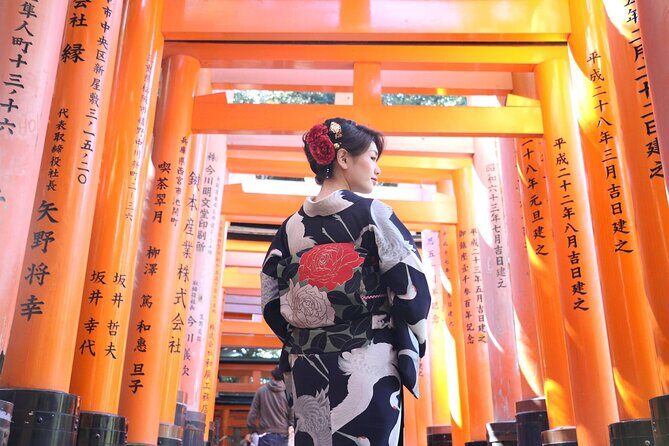
- Kimono time that actually frames your day: Wargo’s Standard Kimono Plan gives you an easy on-ramp to wearing a kimono, and it starts your sightseeing in Gion-style atmosphere right away.
- Small-group/private attention: even though the tour is listed with a small-group cap of 15, it’s also marked private, so your questions don’t get lost.
- Fushimi Inari with context, not just the postcard: guides point out deeper connections and clues that go beyond the usual torii photo moment.
- Crowd management matters: real guide commentary helps you move smoothly at popular spots and make short time feel unhurried.
- A choice-based itinerary: you’re not locked into every highlight in Kyoto—your guide helps you pick 2–3 stops that fit your mood and timing.
Planning Your 6 Hours: Kimono First, Then 2–3 Sites
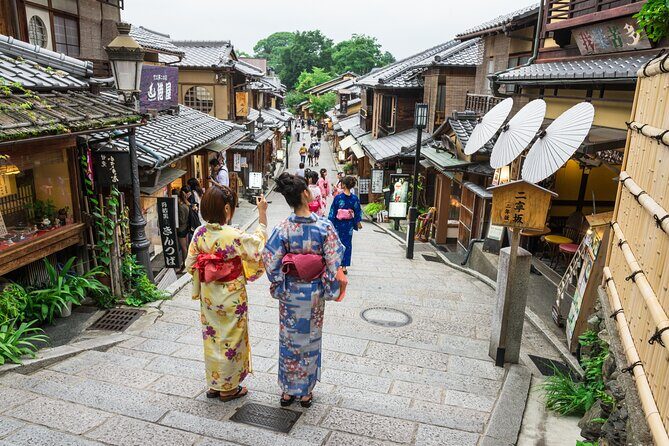
This experience is designed as a half-day in Kyoto. The total time is about 6 hours, but what matters is how that time gets spent: about 1 hour for the kimono rental, then a guided visit to 2–3 selected sites from the options list.
Your start time can vary, and the kimono window runs about 1 hour from the tour start. That’s a good setup if you want your day to feel structured: you get dressed early, walk into temples and neighborhoods while the streets are calmer, and still have time to pick the “right” stops rather than ticking everything off.
One practical note: while pickup is listed as offered, the included description says you meet the guide in Kyoto on foot. So do a quick recon when you confirm—know where you’ll meet, and don’t assume it’s a door-to-door service.
You can also read our reviews of more guided tours in Kyoto


Wargo Kimono in Kyoto’s Gion Area: The Easy Way In

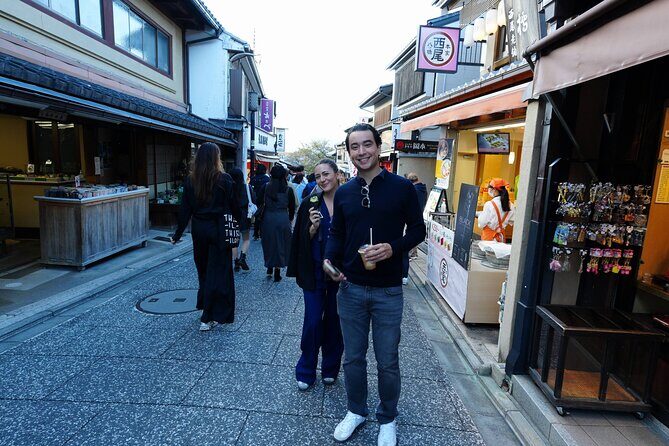
The day can begin at Kyoto Kimono Rental wargo Kyoto Gion Store. If you’ve never worn a kimono, this is the part of the tour that makes the whole experience feel accessible.
Wargo’s Standard Kimono Plan is built to be a comfortable introduction. The designs are described as simple but charming—half “cute,” half “elegant.” That balance matters because you’ll want to walk temples and streets, not just pose for a few minutes.
Here’s what you’ll want to pay attention to:
- Sizing ranges are specific: women 150–170 cm, men 165–200 cm.
- Fit isn’t perfect sometimes: if you can’t find a perfect size, the professional staff will dress you as best as they can.
- Expect time for getting ready: the kimono portion is listed as about 1 hour, so wear shoes that are easy to manage on and off.
A small but real value: having a guide attached to your start means you’re more likely to get practical advice on how to wear it and how to move through the day without stress. After all, kimono are fun—until your socks slide or you’re trying to figure out what to do with your hands while you’re rushing.
Temple and Shrine Choices: How to Pick the Right 2–3 Stops
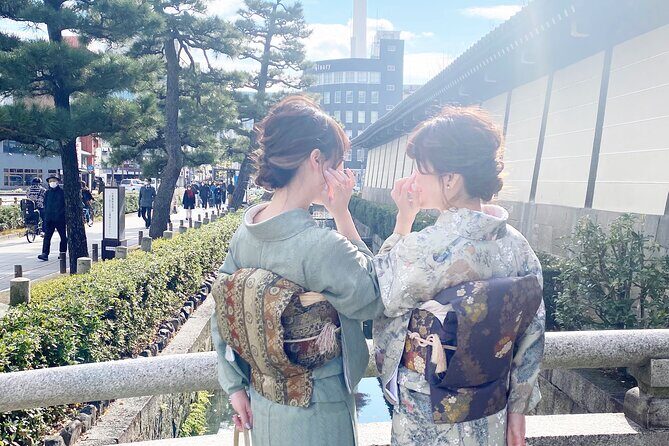
The tour’s menu is long, but the pacing is clear: most temple stops are around 10–15 minutes in this structure. The exception is places like Fushimi Inari-taisha, where the allotted time is longer.
That means your selection should match what you want most:
- If you want iconic “must-see” Kyoto in a short window, go for the big landmark temples.
- If you want atmosphere and calm, choose garden or mossy-temple style stops.
- If you want crowd-challenging spots done well, pick one of the high-traffic sites and let the guide handle the flow.
Below are the best-known options on the list, with what to expect and what to watch for.
Kinkakuji and Ginkakuji: Fast Iconic Stops With a Zen Frame
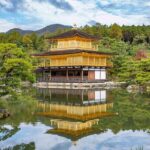
Kinkakuji (Golden Pavilion) is a Zen temple in northern Kyoto with top floors covered in gold leaf. It’s one of those places where even a short visit can still land because the main visual is instantly readable. In this tour structure, plan for a quick, guided focus rather than lingering for hours.
Ginkakuji (Silver Pavilion) is its counterpart in feeling. It’s a Zen temple along Kyoto’s eastern mountains, built as a retirement villa by shogun Ashikaga Yoshimasa. The “silver” idea is part of the attraction, but the real payoff is the way your guide points out what the temple represents and how it fits into Kyoto’s mountain-edge Zen culture.
Drawback to consider: with only ~15 minutes at each, you’re choosing clarity over length. If you like slow photography sessions, you may wish you’d picked fewer sites.
Honen-in, Nanzen-ji, Taizo-in: Quiet Zen Stops That Feel Like a Secret
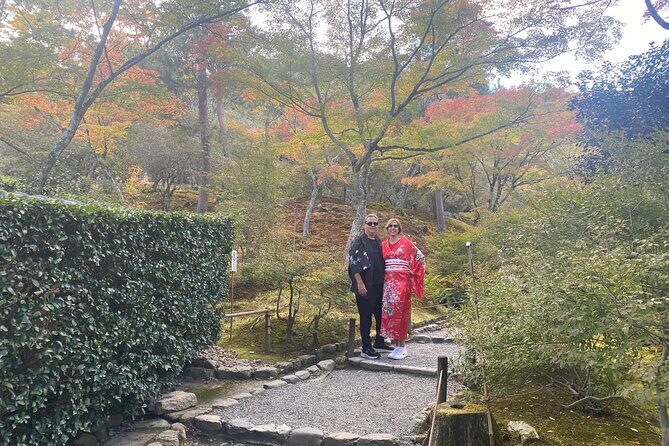
If you want Kyoto to feel less crowded, this is where your tour choices can shine.
Honen-in is known for its scenic approach that ends at a moss-covered gate. Inside, you’ll pass between sand mounds—details that sound simple until you see how they set the mood. One of the strongest pieces of advice from the included feedback was to go early, because midday crowds make it hard to take photos and the atmosphere can shift.
Nanzen-ji is one of Japan’s important Zen temples, positioned at the base of the forested Higashiyama mountains. It’s spacious, so your guided time here works well if you want breathing room.
Taizo-in is a subtemple at Myoshin-ji, with a garden that’s recommended in any season. In a shorter tour window, the guide’s job is to point you toward the most meaningful angles—so you don’t feel like you’re rushing past the best views.
You can also read our reviews of more private tours in Kyoto



Ryoan-ji and Shugakuin: Gardens That Reward Patience
For garden lovers, two names stand out on the list.
Ryoan-ji is famous for Japan’s rock garden. It’s a site that gets discussed again and again, but the real reason it works is that it makes you look longer than you planned. The allotted time is about 15 minutes, so the guide’s “what to notice” matters. If you go expecting a quick photo and move on fast, you might miss what makes it special.
Shugakuin Imperial Villa is the 17th-century imperial retreat, managed by the Imperial Household Agency, with Upper, Middle, and Lower Villa areas. Again: you’re not going to absorb everything in one quick pass, but a guide can help you target the most important parts and explain why the layout matters.
Fushimi Inari-taisha: The One Stop Worth Slowing Down
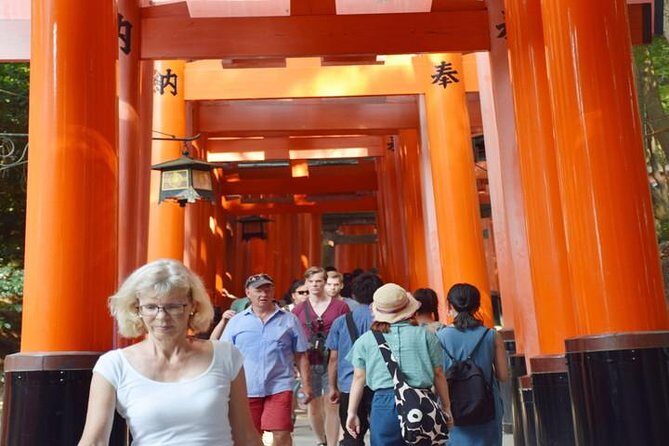
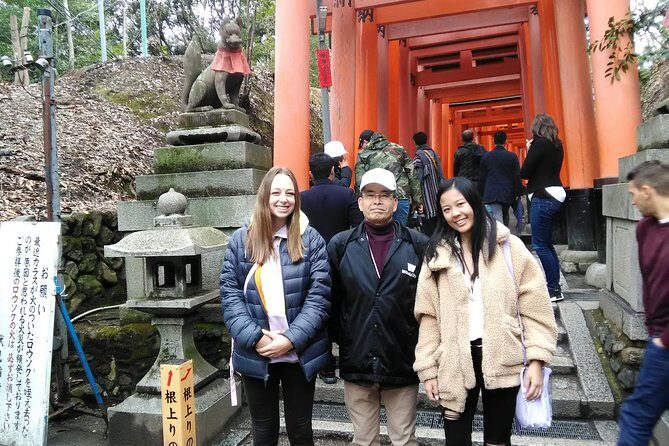
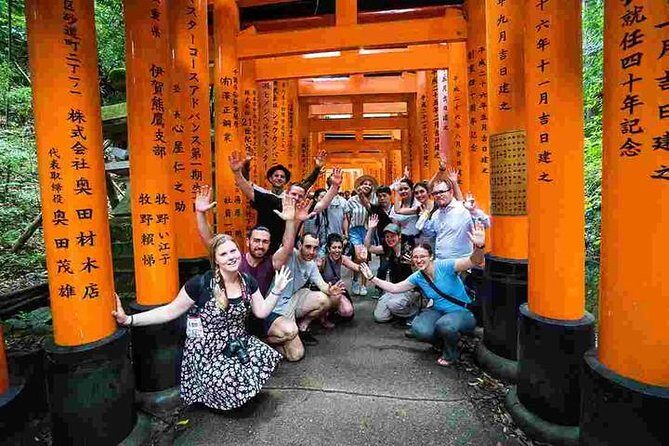
If Kyoto has a “line everyone stands in,” it’s Fushimi Inari-taisha. Most people aim straight for the famous torii photo tunnel, then move on. This tour is built around the idea that you can get more out of it.
The structure gives Fushimi Inari about 1 hour, and it’s listed as admission ticket free. More importantly, your guide shows you deeper meaning—how politics changed the shrine over time, and how the site connects to local culture. The experience also highlights hidden symbols that many visitors miss when they treat it like a quick backdrop.
One included review singled out a guide named Yasuko, noting that her explanations made short time feel relaxing and that she helped you move through crowds smoothly. That’s the practical point: Fushimi Inari is popular for a reason, but navigating it well takes local knowledge.
Photo tip without the guesswork: for the iconic torii areas, arrive ready to move step-by-step, not stand in one spot too long. Let your guide direct where to go next so you’re not stuck fighting foot traffic.
Kyoto Imperial Palace and Nijo Castle: Power, Then Poise
If temples aren’t the only draw, the list includes two major “how Japan worked” stops.
Kyoto Imperial Palace (Kyoto Gosho) was home to Japan’s Imperial Family until 1868, when the capital shifted to Tokyo. In this tour format, the visit is short (about 15 minutes), so your guide’s role is key: you’ll want the story that turns buildings into a sense of governance and ceremony.
Nijo Castle (UNESCO World Heritage) was built in 1603 as Tokugawa Ieyasu’s Kyoto residence. It’s another place where you can sense political power through architecture and layout, even in a brief visit.
Consideration: these are not “wander and discover forever” stops in this program. They’re best if you want a guided snapshot with context.
Daitoku-ji and Kokedera: Zen Gardens You Don’t Rush
This is one of the best ways to make your 2–3 stop choices feel different from standard Kyoto tours.
Daitoku-ji is a Zen temple complex with temples inside temples, and it includes meditative gardens. The itinerary notes that Michael Lambe guides through its history and significance. If you like being told where to look and why, this is a strong match.
Kokedera (Saihoji), also known as Kokedera / moss temple, is on the UNESCO World Heritage list. The name alone signals why it’s loved: it’s about the feel of the place—moss, atmosphere, stillness. In a short visit, you’ll want the guide’s direction so you’re not just checking boxes.
Kiyomizu-dera and the Kyoto Kitchen Stop: Classic Streets, Real Atmosphere
Kiyomizu-dera is one of Kyoto’s most popular temples, and this program describes it as a 1-hour guided tour option (with admission ticket not included). This is your best choice if you want the “big Kyoto spectacle” side of things, but you still want commentary rather than walking it blind.
After temples, your list includes Nishiki Market, described as Kyoto’s Kitchen. It’s a narrow market street with more than one hundred shops and restaurants, roughly five blocks long, and it’s listed as admission ticket free. In a short window, you can use it for a snack or two and a quick sense of daily food culture.
If you prefer evening energy, the list also includes Pontocho (先斗町), an atmospheric dining alley one block west of the Kamogawa River. It’s more about vibe than a “museum moment,” so pair it with a stop that gives you a lot of story during the day, then let Pontocho be your decompression.
Gion Side Streets, Kennin-ji, and Geisha District Walks
Two neighborhood-style options help round out the day beyond temples:
- Gion: the list specifically notes that exploring narrow alleyways can be daunting for first-time visitors, so the guided format helps you not get lost.
- Kennin-ji: close to Hanamikoji and Shijo streets, with expansive grounds and two dry landscape gardens.
This kind of stop is useful because Kyoto’s beauty often shows up in small streets and sightline moments. If you come with good walking shoes and a willingness to look, a guide helps you turn random scenery into something you can name and remember.
If You Want to Extend the Day Feel: Arashiyama and Uji
Two options add a different Kyoto mood, and they also include practical timing considerations.
In Arashiyama, you have options like Togetsukyo Bridge—iconic, with a long history (originally built in the Heian Period and reconstructed in the 1930s). The list also points to paths through bamboo groves for a pleasant walk when the bamboo moves in a light wind.
For Byodoin Temple in Uji city, the itinerary flags extra travel time expected because it’s outside Kyoto proper. If you’re short on time, this is the kind of stop you choose only if you genuinely want that extra “day-trip feeling” built in.
Price and Value: Is $162.52 per Person Fair?
At $162.52 per person, you’re paying for three main things:
- A licensed English-speaking guide (and the ability to ask questions rather than wander).
- Private tour format tied to your group.
- Kimono rental, using Wargo’s Standard Kimono Plan.
The value really depends on how you plan to spend your time. If you wanted to rent a kimono on your own and still see 2–3 sites with good context, you’d likely pay separately for each piece. Here, the cost bundles them—plus you get guidance that helps you avoid wasted time at popular places.
Where the math can shift: entrance fees and lunch are not included. Some stops are listed with admission as free (like Fushimi Inari and Nishiki Market), but others are not. So I’d treat the $162.52 as a strong base, then budget extra for temple entry and whatever you want to eat.
Who This Tour Fits Best (and Who Should Skip It)
This works especially well if:
- you’re comfortable choosing only 2–3 sights and want your day to feel focused
- you care about explanations and context, especially at famous shrines like Fushimi Inari
- you want a kimono experience that feels beginner-friendly
It may not be ideal if:
- you want to see every highlight listed in one go
- you’re trying to keep costs extremely tight once entrance fees come into play
- you don’t like guided pacing and would rather wander entirely on your own
Should You Book This Kyoto Private Guided Tour?
I think you should book it if you want Kyoto to feel understood, not just photographed. The kimono start plus guided context is a strong combo, and the tour’s design—especially the way it handles Fushimi Inari—means you’ll spend your limited time where it counts.
If you’re the type who plans routes carefully and likes learning what you’re seeing, this is a smart pick. Just choose your 2–3 stops with intention, and plan for entrance fees and snacks so your day doesn’t feel like it’s running on surprise costs.
FAQ
How long is the Kyoto private guided tour with kimono?
The experience is listed at about 6 hours.
How many sites will I visit?
The tour is customizable: you choose 2–3 sights from the options list with your guide.
Is kimono rental included?
Yes. Wearing a kimono experience is included under the Standard plan, with about 1 hour for the kimono portion.
What kimono sizes are available?
For women: 150–170 cm. For men: 165–200 cm. If you can’t find a perfect fit, staff will dress you as best as they can.
Are pickup and transportation included?
Pickup is listed as offered, and you meet the guide in Kyoto on foot. A private vehicle is not included.
Are entrance fees included?
Entrance fees are not included, and lunch is also not included. Some stops are listed with admission ticket free, such as Fushimi Inari-taisha and Nishiki Market.
Is this tour private?
Yes. It’s described as private, and only your group will participate.
What type of guide do I get?
You get a licensed local English-speaking guide.
What is the cancellation policy?
Free cancellation is available up to 24 hours before the start time for a full refund. Changes within 24 hours aren’t accepted.