REVIEW · SUSHI MAKING CLASSES
Art Sushi Class At Local Home With Professional Instructor
Book on GetYourGuide →Operated by Kangetsu Kyoto · Bookable on GetYourGuide
Kyoto sushi, taught in a real home. What makes this class special is that you learn the history and technique behind sushi, then you make ornate flower-pattern rolls that don’t really exist in standard restaurant menus. It’s a hands-on lesson that feels creative without being overwhelming.
I especially like the way the instructor blends story and skill: you get sushi roll trivia and background, but you also leave knowing how the rice, vinegar balance, nori, and fillings come together. One thing to consider is finding the place: the area is close to Nijo Castle, but map pins can be off if you rely on an old map app.
You’ll also get into the mood fast with rented komono, plus fresh Japanese tea or water while you work. Since it’s a private group, the pace stays focused on you, not a big crowd.
In This Review
- Key Highlights You’ll Care About
- Inside the Traditional House: Meeting Point and First Impressions by Nijo Castle
- The Sushi Story You’ll Actually Remember: Edo Period to Showa Patterns
- Ingredients and Rice Technique: Vinegar, Sugar, Sesame, Ginger, and Nori
- Making the Flower-Pattern Rolls: Tools, Komono, and Instructor Support
- What You Take Home: Recipe Booklet and Repeatable Skills
- Price and Value: Is $82 Worth a One-Hour Private Class?
- Logistics That Make a Difference: Timing, Rule Set, and What to Wear
- Who This Class Is Perfect For (and Who Should Skip It)
- Should You Book This Art Sushi Class by Kangetsu Kyoto?
- FAQ
- How long is the sushi class?
- What is the price per person?
- What language will the instructor use?
- Where do I meet for the class?
- Is video recording allowed during the class?
- Can I cancel, and how strict is it?
Key Highlights You’ll Care About
- A flower-like sushi roll design: you’ll create an eye-catching pattern, not just a basic maki
- History plus practical know-how: Edo-period context tied directly to how sushi changed over time
- Rice coloring uses natural edible pigments: a detail you won’t get in most casual sushi classes
- Rental tools and a recipe booklet: you can recreate the results later, not just watch-and-leave
- English and Japanese instruction: a bilingual format that helps you move faster
- No video recording: expect a more mindful, hands-on feel during the lesson
Inside the Traditional House: Meeting Point and First Impressions by Nijo Castle
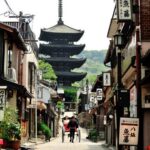
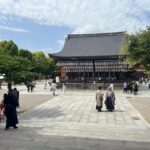
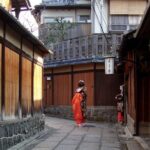
This class takes place in an authentic Japanese-style house on Honshu, in Kyoto, close enough to Nijo Castle that you can treat it like a short walking stop before or after sightseeing. The meeting area is easy to spot once you know what to look for: there’s a small wooden gate with a noren curtain at the front.
Timing matters here. Since the location is only about 200 meters east of Nijo Castle and walkable from Nijojomae station, you’re not dealing with complicated transport. But do one practical thing: update your map app before you go. The neighborhood changed a lot during COVID-19, and old pins can send you the wrong way. You don’t want to spend part of your one-hour class hunting an address.
The house also has room to park a bike, which is handy if you’re already using one around central Kyoto. And because the building is wheelchair accessible and baby strollers are mentioned as workable, the experience is designed to be physically reachable, not just culturally interesting.
You can also read our reviews of more tours and experiences in Kyoto

The Sushi Story You’ll Actually Remember: Edo Period to Showa Patterns
One of the best reasons to book a home-based class like this is that you’re not only learning how to roll sushi. You’re learning why sushi rolls look the way they do.
You’ll get background on when sushi rolls took shape in Japan. The class covers sushi roll origins in the Edo period, with an early timeframe around 1750 to 1776. During this era, popular culture flourished, and sushi methods using sake and vinegar spread. Later, in the early 1800s, vinegar-based sushi that could be made quickly became mainstream. Then in the Showa period, sushi rolls started to show more complicated patterns.
Why does that matter for you? Because it changes how you think about the craft. When you’re folding nori around rice and fillings, you’ll understand it as something that evolved for everyday speed, taste, and then later, for presentation. That historical thread makes the final flower-style look feel less like a gimmick and more like the next step in a real food tradition.
And it’s not abstract trivia. The instructor connects the background to what you’re doing with your hands, so you’re building an actual mental model, not just collecting facts.
Ingredients and Rice Technique: Vinegar, Sugar, Sesame, Ginger, and Nori
Here’s what you can expect the lesson to use, based on the ingredients covered. You’ll work with sushi rice seasoned with rice vinegar and sugar, plus sesame and ginger for flavor. Vegetables and nori (seaweed) are part of the build, too.
That’s a solid foundation because it mirrors what many sushi rolls depend on: the rice seasoning sets the flavor baseline, and nori provides structure and that classic ocean note. Sesame adds aroma, ginger adds brightness, and vegetables help keep the roll fresh and balanced.
One detail I find especially interesting is that the ornate pattern uses natural edible pigments to color the rice. That means you’re not just playing with aesthetics. You’re seeing how color can be part of the food itself, not just a decorative add-on. When you’re making a patterned roll—like the flower effect described for this class—color becomes part of the technique. It influences how you arrange layers and how the final design comes out.
Also, because the class is only one hour long, you’ll want to pay attention early. The rice is where a lot of sushi success begins, and the rest of the roll assembly builds on it.
Making the Flower-Pattern Rolls: Tools, Komono, and Instructor Support
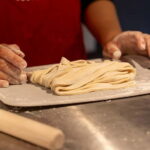
This is the hands-on part, and it’s where the value becomes obvious. You’ll use rental tools, so you don’t need to bring bamboo mats or specialty gear. You’ll also get a recipe booklet at the end, which matters because sushi technique doesn’t always translate well from memory. With a written guide, you can recreate your roll at home.
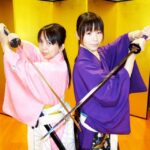
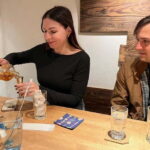
You’ll start by getting into the right mindset, including wearing a rented komono. It’s not just for photos. Clothing like this helps signal that you’re doing something traditional, calm, and careful—not rushing through a craft project.
During the rolling process, the instructor (English and Japanese) teaches you how to shape the roll so it looks like a flower. That’s the part you’re most likely to remember later, because it’s also the part you can’t easily order in most restaurants. Restaurant sushi can be beautiful, but this is different: you’re making the design, not just consuming it.
Another practical point: video recording isn’t allowed. That rule usually keeps the class focused on the work, and it also means you’ll watch and learn without someone filming over your shoulder. You can still take photos—there’s evidence that the instructor takes plenty of them to capture the moment—so you’ll leave with visual proof for your friends back home.
If you like the idea of sushi as a craft, this class fits. If you only want to eat sushi, you might feel it’s not long enough. But if you want to go home able to make a “wow” roll, the one-hour format is actually a strength.
What You Take Home: Recipe Booklet and Repeatable Skills
The best souvenir here isn’t food. It’s competence.
You’ll leave with an original recipe booklet that supports what you learned in class. That booklet is your shortcut when you try this again later: you can recreate the ingredient order and the roll logic without guessing.
Even more important, the class emphasizes take-away skills. You’re meant to continue making beautiful sushi rolls at home, not just copy one final result. That’s why the instruction includes both history and hands-on method. History gives you context; technique gives you the ability to reproduce.
And yes, your roll should be delicious. The design work is part of the fun, but sushi lives or dies on taste. The class uses the standard flavor components you’ll want at home later—rice vinegar and sugar for balance, sesame and ginger for aroma, vegetables for freshness, and nori for structure.
If you’re the kind of person who likes cooking with a project goal, this class lands well: you finish with something you can show and then repeat.



Price and Value: Is $82 Worth a One-Hour Private Class?
At $82 per person for a one-hour lesson, the instinct might be to ask if it’s “just sushi.” But you’re not paying only for the food. You’re paying for a tight, guided experience that includes several things that add real value.
Here’s what you get for the price:
- professional instruction in English and Japanese
- rental tools for sushi making
- an original recipe booklet
- Japanese tea or water
- the time to learn a decorative pattern that’s harder than basic maki
The private-group format also matters. Even without knowing exact headcounts, a private or semi-private lesson typically means you get clearer feedback and fewer moments of waiting. For a craft like patterned sushi, that direct correction can be the difference between a roll that looks like a flower and a roll that looks like… dinner.
One thing to keep your expectations grounded: because the class is one hour, it’s efficient. You’re not getting a long, multi-course cooking day. Instead, you’re getting a focused burst where you learn the core technique and leave with repeatable steps.
If you want a flexible, high-impact Kyoto activity near Nijo Castle, $82 can make sense because it’s a blend of culture, cooking, and skills. If you’re traveling on a shoestring and just want to eat, you’d probably be better off doing a cheaper sushi meal. But if making sushi sounds like your idea of fun, this is a strong match.
Logistics That Make a Difference: Timing, Rule Set, and What to Wear
This class runs for one hour. That’s short, so the best approach is simple: arrive early, get settled, and let the instructor guide you step by step. The meeting location is near major transit—walkable from Nijojomae station and close to Nijo Castle—so you’re not gambling on remote transport.
What you should plan around:
- No video recording during the lesson
- You’ll use rental tools, so you don’t need to bring sushi gear
- You’ll wear komono during the activity (rented)
- The building is accessible for wheelchairs and baby strollers
- The class isn’t suitable for children under 4
In other words, it’s not complicated. Just treat it like a focused workshop. Come with curiosity, pay attention to rice and rolling steps early, and you’ll get more out of the hour.
Who This Class Is Perfect For (and Who Should Skip It)
This is a great fit if you:
- want an activity near Nijo Castle that’s not just a museum stop
- like hands-on cultural experiences
- enjoy sushi enough to want to recreate it
- want a result that looks impressive, not just edible
It’s also a good option if you like learning structure and meaning. The sushi history isn’t tacked on. It helps you understand why certain methods spread and why patterns evolved.
I’d skip it if you:
- only want to eat sushi and don’t care about making it
- hate any rules about filming (video recording is not allowed)
- expect a long cooking session with many variations (this one stays efficient)
Should You Book This Art Sushi Class by Kangetsu Kyoto?
If you’re in Kyoto and you want one memorable food activity that gives you skills, this is worth your attention. The combination is the draw: flower-pattern sushi that’s fun to make, plus a clear sushi roll history that explains why the craft evolved the way it did. Add in the rental tools, the recipe booklet, and a bilingual instructor, and you have an experience that feels practical, not just decorative.
I’d book it if you’re comfortable following step-by-step directions and you want to leave with something you can actually do again at home. If you’re sensitive to location-finding issues, make sure you update your map app and aim to arrive a bit early near Nijo Castle.
FAQ
How long is the sushi class?
The class duration is 1 hour.
What is the price per person?
It costs $82 per person.
What language will the instructor use?
The instructor teaches in English and Japanese.
Where do I meet for the class?
You can locate the activity by searching for さくら日本文化体験 Sakura Experience Japanese Culture in your map app. It’s about 200 meters east from Nijo Castle, in an authentic Japanese-style house with a small wooden gate and noren curtain.
Is video recording allowed during the class?
No. Video recording is not allowed.
Can I cancel, and how strict is it?
You can cancel up to 24 hours in advance for a full refund.