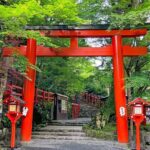
REVIEW · NARA DAY TRIPS
Kyoto/Nara/Osaka: Highlights Custom Tour with Hotel Pickup
Book on GetYourGuide →Operated by Zen Voyage Japan · Bookable on GetYourGuide
Torii gates and temple gold in one easy day. With a private van and hotel pickup, you can shape a full Kyoto–Nara–Osaka day around what you care about most, from Fushimi Inari to Kinkaku-ji. I also like having WiFi on board so you can plan your next photo stop without burning data. One caution: this experience can feel more like high-comfort transportation than a fully guided, licensed lecture, depending on your driver’s style.
You’ll get a dedicated English-speaking driver (Zen Voyage Japan), plus stops that hit the big spiritual and scenic buttons: bamboo in Arashiyama, monkeys at Iwatayama, and Gion walking time in Kyoto, with Nara’s deer and Todai-ji often added. If you want lots of factual storytelling, I’d suggest going in with a short list of questions and setting expectations early.
In This Review
- Key things to know before you go
- How the Private Van Changes a Kyoto–Nara–Osaka Day
- Morning Start: Fushimi Inari’s Torii Tunnel Without Transit Stress
- Kyoto Temple Hits: Kinkaku-ji, Nijo Castle, and Kiyomizu-dera Viewpoints
- Arashiyama Bamboo Grove, Iwatayama Monkeys, and Gion Night-Life Options
- Kyoto Market and Palace Time: Nishiki Market and Imperial Palace Stops
- Nara Deer and Todai-ji: The Big Buddha Moment in Real Life
- Osaka Swaps: Castle and Dotonbori for a Different Energy
- Price and Logistics: Where $444 Per Group Really Lands
- Who This One-Day Private Tour Fits Best
- Should You Book This Kyoto/Nara/Osaka Private Tour?
- FAQ
- How much does the private Kyoto/Nara/Osaka tour cost?
- Where are hotel pickup and drop-off available?
- Is pickup available from the Kobe cruise port terminal?
- Are airport pickups included?
- Are entrance tickets and meals included?
- Is the vehicle wheelchair accessible?
- Is there a child seat, and is there an extra charge?
Key things to know before you go
- Private van + hotel pickup from Kyoto, Osaka, Nara, or Kobe, with a 1-day schedule built for convenience
- Fushimi Inari Taisha torii walk with about an hour for photos, sightseeing, and walking
- Golden Pavilion (Kinkaku-ji) plus other major Kyoto landmarks like Nijo Castle and Kiyomizu-dera
- Arashiyama time for bamboo grove photos and a quick hit at Iwatayama Monkey Park
- Nara deer + Todai-ji as a strong counterpoint to Kyoto’s shrines and palaces
How the Private Van Changes a Kyoto–Nara–Osaka Day
This is a one-day, private-group format, designed to remove the usual friction of combining multiple cities. Instead of spending your day hopping trains, figuring out transfers, or getting turned around in station chaos, you get a dedicated vehicle and a driver who handles the driving and the timing pressure.
That matters because Kyoto and Nara are pedestrian-heavy. Once you’re out on foot, you don’t want to keep checking transit apps every time you lose your bearings or a line moves slower than expected. With a private setup, you can shift your pace. Want a longer look at the Golden Pavilion reflection? Fine. Want a faster walk through Gion because you’re tired? Also fine.
It’s also a practical value move: the price covers a lot of real costs that add up fast if you do it yourself—highway tolls, parking, gas, and the private transportation itself. What’s not included is the biggest variable in every Japan day: entrance tickets and meals. So you’ll still budget a bit, but you won’t get stuck paying “surprise” logistics costs on top.
You can also read our reviews of more tours and experiences in Kyoto.

Morning Start: Fushimi Inari’s Torii Tunnel Without Transit Stress
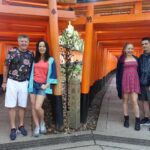
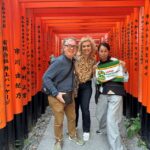
Most days begin the same way because it’s a smart use of time: Fushimi Inari Taisha. You’ll get a photo stop and then about one hour for walking and sightseeing. The torii gates are the point, of course, but the real appeal is the pacing. When you’re not fighting public transport, you can arrive with fewer rushed expectations and actually enjoy the walk instead of treating it like a checkbox.
Two practical tips for this stop:
- Wear comfortable shoes. The ground can feel uneven underfoot, and the torii path encourages you to keep going.
- Bring your phone fully charged. Even with on-board WiFi, you’ll want offline maps and photos ready for when the path opens up.
One more note on driver style: this tour is private, and drivers vary in how much they explain versus how much they focus on transport. Some drivers are happy to talk through what you’re seeing. Others focus more on getting you safely from one place to the next. Either way, Fushimi Inari is so iconic that you can still have a great time—but if you’re hoping for lots of commentary, set that tone early.
Kyoto Temple Hits: Kinkaku-ji, Nijo Castle, and Kiyomizu-dera Viewpoints
Kinkaku-ji (the Golden Pavilion) is the other headline stop, and it earns the hype for a simple reason: it’s covered in gold leaf, and it hits differently in person than in photos. You’ll get about one hour here too—enough time to take the classic angles and then slow down for the quiet moments by the water.
From there, the day can follow a temple-and-castle line that keeps you in Kyoto’s central rhythm:
- Nijo Castle gets about one hour for photo stops, visiting, and walking.
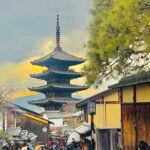
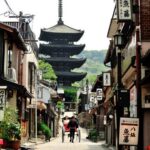
- Kiyomizu-dera and the Koyasunoto Pagoda area come next with about one hour for sightseeing.
Why this grouping works: it reduces backtracking. Kyoto sites feel “separate” on a map, but they often connect by neighborhoods where walking culture is part of the experience. A private driver helps you string them together without losing your day to transit decisions.
A realistic drawback: the tour timing is tight for a full day, so if you’re the type who likes long museum-style reading breaks, you’ll want to build those into your choices. This tour gives you time blocks, but it’s still one day. You’ll enjoy it most if you like moving between high-impact sights and keeping your schedule flexible.
Arashiyama Bamboo Grove, Iwatayama Monkeys, and Gion Night-Life Options
Arashiyama is where Kyoto starts feeling like a movie set. You’ll spend about one hour at the bamboo grove, with time for photos and walking. The big win here is that you control how long you linger. If you want the wide, atmospheric shots, you’ll often find you need a little more time than you think. If you just want the core views and then to move on, the stop still works.
Then comes Iwatayama Monkey Park, a shorter stop at about 30 minutes. This is ideal if you want a fun break in the middle of temple time without turning your day into a long hike. You’ll get time for wildlife viewing, and if you enjoy playful animal energy, this is one of the easiest stops to feel “worth it” fast.
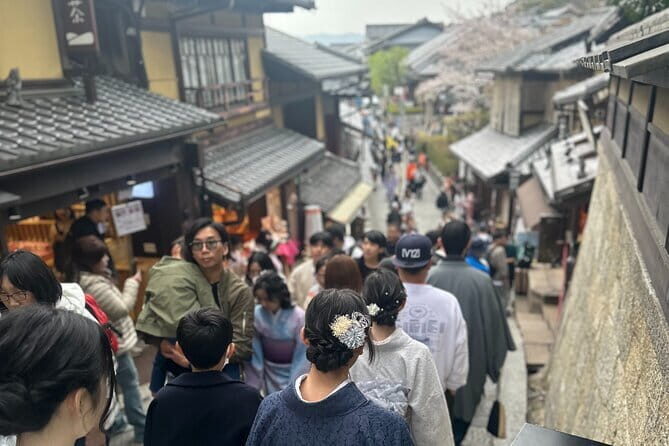
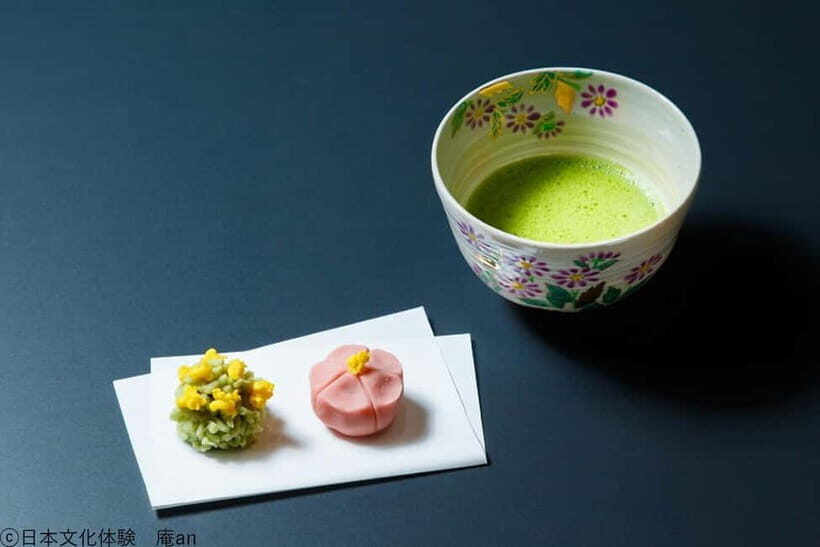
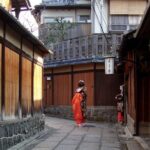
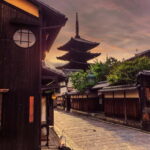
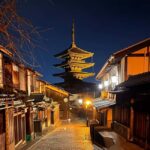
After that, you’ll hit Gion, with about 45 minutes listed for photo stops, visiting, and sightseeing. Gion is where people go for Kyoto’s traditional atmosphere and the side streets that feel more lived-in than “tour bus only.” Even if you don’t do a formal tea experience, you’ll enjoy the stroll approach: look up, watch for small details, and use this as your breathing space.
And if you want a slightly different twist in the Gion/Yasaka area, Yasaka Shrine is also included as part of what the day can cover. That lets you balance pretty streets with a more grounded sacred stop.
Kyoto Market and Palace Time: Nishiki Market and Imperial Palace Stops
Two stops that can change the feel of your day are Nishiki Market and Kyoto Imperial Palace.
- Nishiki Market is listed for about one hour, with time to visit and shop. This is where you can sample the kind of snack culture that makes Kyoto meals feel less like a scheduled event and more like a choose-your-own-adventure. Since meals aren’t included, you’ll pay for what you pick—but that’s also part of the freedom.
- Kyoto Imperial Palace is listed for about one hour for a straight visit. This gives you a contrast to the shrine and temple vibe. Even if you don’t care deeply about royal history, it’s a good pause from constant gate-and-hall sightseeing.
This section is a strong pick if you want your Kyoto day to feel like more than just iconic buildings. It also helps if you’re traveling with mixed interests—one person loves architecture, another loves snacks, and both can get something real.
Nara Deer and Todai-ji: The Big Buddha Moment in Real Life
Nara is where the trip changes mood. The tour can add Nara Park next, with about one hour for a photo stop, visiting, sightseeing, and walking. The deer are the obvious draw, but the practical experience is the space around them. You can usually move at your pace, stop for pictures, and take in the park rhythm without feeling like you’re being herded.
From there, Todai-ji Daibutsuden (the Great Buddha Hall area) comes with about 30 minutes listed for photo stops, visiting, sightseeing, and walking. In person, the sheer scale can do what photos can’t. You’re not just looking at a statue—you’re standing in the room it was meant to anchor.
There’s also an option to include Nara National Museum within your Nara time, and it’s listed as part of what’s covered. If you’re the kind of traveler who likes a little context for what you’re seeing in temples and art, this museum stop can be a helpful balance.
One small planning note: Nara Park and Todai-ji are very foot-first. If you’ve already done a long Kyoto morning, you’ll feel it here. The private format helps because you don’t lose time to transit, but you’ll still want comfortable shoes and a hydration plan.
Osaka Swaps: Castle and Dotonbori for a Different Energy
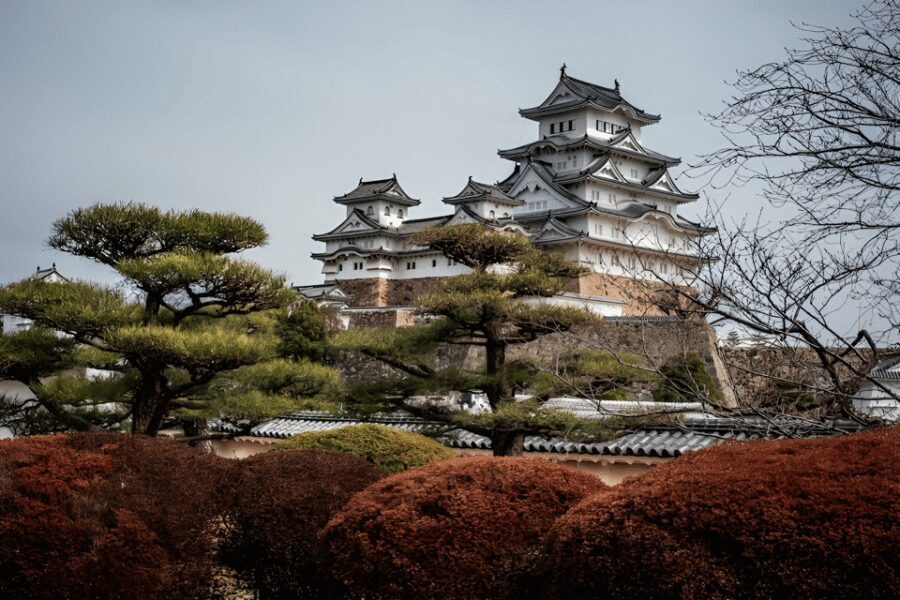
The itinerary you get can be customized, and the tour’s highlights explicitly mention Osaka Castle and the Dotonbori district. Since those aren’t hard-coded in the fixed sequence like Fushimi Inari and Kinkaku-ji, think of Osaka as your “swap zone.”
This is the section you choose if you want your day to contrast Kyoto’s spiritual calm with Osaka’s louder, street-level feel. Osaka Castle gives you a history and architecture anchor. Dotonbori gives you the sensory punch—lights, food smells, and the energy that makes people understand why Osaka is a food and night-out favorite.
If you’re juggling fatigue, this is also a smart place to adjust length. You can treat Dotonbori as a shorter wander with photos and snacks, then head back without trying to force a full “Osaka checklist” that eats the whole day.
Price and Logistics: Where $444 Per Group Really Lands
The price is $444 per group up to 5 for a one-day private tour. That sounds like a lot until you factor in what you’re actually buying: a dedicated vehicle, driver time, hotel pickup and drop-off, and the costs that usually fall on you—tolls, parking, gas. On top of that, you get WiFi on board and an air-conditioned vehicle, which is a real comfort upgrade in Japan.
Here’s where value depends on your expectations:
- If you want a smooth route, easy pickups, and minimal stress, this often feels like good value.
- If you want a deep, step-by-step guide experience with lots of facts and explanations at each stop, you should manage expectations. The setup lists an English-speaking driver, but it does not include a licensed guide, and some drivers lean more toward driving and logistics than speaking at length.
In feedback I saw, drivers like Emi were praised for being polite and helpful, and Atif was described as a fantastic driver and guide. Kaleem also earned strong praise for handling a private group smoothly. But there were also complaints that the experience felt closer to transport than a true guided tour, with one person saying it was essentially an expensive taxi ride without much information. Another noted communication issues—needing notice before returning to the car—and it led to waiting time.
So, how do you protect yourself from the “expectations mismatch” problem?
- Ask the driver early how they handle explanations during stops.
- Keep a short list of questions ready (you’ll get more value even if the driver is quieter).
- Build in a bit of time buffer at each site, since return logistics can affect your flow.
Also remember: tickets aren’t included. You’ll still need to cover entrance fees, and meals are on you too. Plan your budget as a mix of preplanned entry costs plus whatever food and snacks you choose at Nishiki Market.
Who This One-Day Private Tour Fits Best
This tour is a strong fit if:
- You’re first-time in Japan and want a big-hit itinerary in one day without transit stress.
- Your group has mixed interests and you want flexibility—temples for you, markets for someone else, and a fun wildlife break for the rest.
- You value comfort: air-conditioned private vehicle, hotel pickup and drop-off, and WiFi for navigation and planning.
It may be less ideal if:
- You expect a fully licensed guide experience with constant deep commentary.
- Your group wants lots of museum-style pacing and long, slow reading time.
- You’re traveling with accessibility needs beyond what’s stated. The vehicle is listed as wheelchair accessible, but it’s still a day packed with walking at major sites.
One other hard constraint: it’s listed as not suitable for people over 95 years.
Should You Book This Kyoto/Nara/Osaka Private Tour?
I’d book it if your goal is a stress-free, high-efficiency day where you can hit top Kyoto highlights like Fushimi Inari and Kinkaku-ji, add bamboo and monkeys in Arashiyama, and finish with Nara’s deer and Todai-ji (or swap in Osaka for a different vibe). The private van model is exactly how to avoid wasting your day on logistics.
I’d think twice if your #1 priority is expert narration at every stop. Because this isn’t framed as a licensed-guide experience, you’ll want to confirm how talkative your driver is and what kind of information you’ll get during walks. If you do that upfront, the private format can still be a great deal—especially for groups of up to five.
FAQ
How much does the private Kyoto/Nara/Osaka tour cost?
It’s priced at $444 per group, up to 5 people.
Where are hotel pickup and drop-off available?
Pickup and drop-off are available from Kyoto, Osaka, Nara, or Kobe.
Is pickup available from the Kobe cruise port terminal?
Pickup from the Kobe cruise port terminal is not available. A free alternative pickup from Sannomiya Station is possible for Kobe port guests.
Are airport pickups included?
No. Pickup from airports is not available (pickup from airports can be arranged for an additional $200).
Are entrance tickets and meals included?
Meals and drinks are not included, and tickets are not included.
Is the vehicle wheelchair accessible?
Yes, the tour is listed as wheelchair accessible.
Is there a child seat, and is there an extra charge?
A child seat is available, but it incurs an additional charge of $35.