REVIEW · HALF-DAY
Ninja Trekking half-day tour at Mt.Daimonji Kyoto
Book on Viator →Operated by NINJA DOJO and STORE · Bookable on Viator
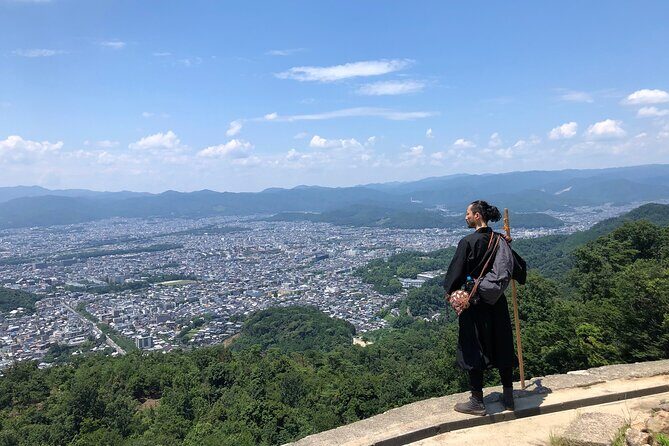
A mountain walk with ninja training sounds fictional. It’s real, and it’s a smart half-day way to see Kyoto’s Higashiyama 36 Peaks around Mt. Daimonji. You’ll climb, learn survival-minded movement, then drop toward Ginkakuji on a route designed to feel steady rather than punishing.
I love that the training is practical. You work on breathing and efficient walking, so the trek feels easier as you go, not harder. I also like that the guides handle it as a “mountain skills” class, not just a photo stop.
One consideration: this is a hike. The trail is described as gentle and safe, but you still need a moderate fitness level for a 7.5 km trek that typically takes about 4 hours.
In This Review
- Key highlights to know before you go
- Starting Point at the Ninja Dojo and Store KyotoJapan
- What the Ninja Training Covers on the Trail
- Route Overview: 7.5 km Across Keage to Daimonji to Ginkakuji
- Climb Toward Mt. Daimonji: The Power-Spot Part You Feel in Your Legs
- Transition to Descent: Why Going Down Is Part of the Skill
- Guides, Pace, and the Small Cultural Moments
- Price and Value: Is $347.48 per Person Reasonable?
- Logistics That Can Make or Break Your Comfort
- What to Wear and Bring for a Ninja Trek Half-Day
- Who This Tour Suits Best (and Who Might Skip It)
- Should You Book the Ninja Trekking at Mt. Daimonji?
- FAQ
- FAQ
- Where is the meeting point for this Ninja Trekking tour?
- What time does the tour start?
- How long is the Mt. Daimonji Ninja Trekking experience?
- What is the trekking distance?
- Is the course suitable for beginners?
- Is the Mt. Daimonji admission ticket included?
- What’s included in the price?
- What is not included?
- Is this a private tour?
- What should I plan for regarding weather?
Key highlights to know before you go
- Breathing and movement tips during the hike so you can manage your pace
- A guided trek across Kyoto’s Higashiyama 36 Peaks with Mt. Daimonji as the focus
- A gentle but real 7.5 km route that suits beginners more than you’d expect
- Private group experience (only your group participates)
- Cultural moments like bowing at a torii and basic protective practices
- No need for admission tickets at Mt. Daimonji (admission ticket free)
Starting Point at the Ninja Dojo and Store KyotoJapan
Your day begins at NINJA DOJO and STORE KYOTOJapan (600-8422 Kyoto, Shimogyo Ward, Hakurakutenchō, 528, 2F). The start time is 10:00 am, and it’s designed to be easy to reach since it’s near public transportation.
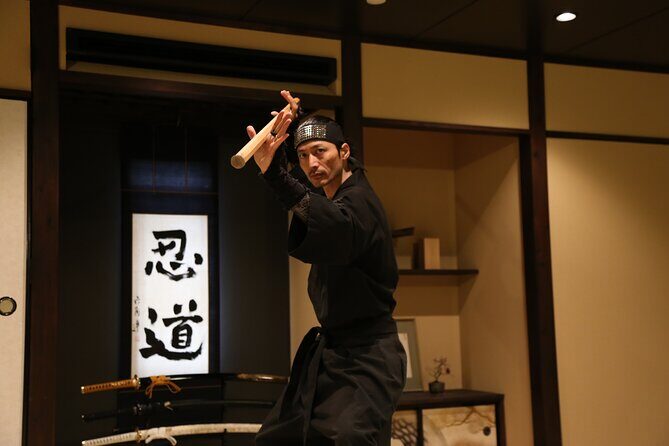
I like meeting in a dojo-style setting because it sets the tone. Even if you’re brand-new to ninjutsu, you’re not thrown straight onto a steep trail with no context. You get to settle in, hear how you’ll move, and learn what the hike is actually about: steady body control, calm breathing, and smart mountain walking.
This is also a private tour/activity, so it won’t feel like you’re squeezed into a large bus-sized group. Your guide can adjust pace and instruction for your group, which matters a lot on a hiking experience where everyone’s fitness level is different.
You can also read our reviews of more hiking tours in Kyoto
What the Ninja Training Covers on the Trail
Ninjutsu here is presented as a “survival art” that includes techniques for the body, breathing, and mind training. During the trek, you’re not just hearing stories; you’re learning how to apply simple methods while walking uphill.
From what participants describe, the training tends to focus on:
- Breathing methods to keep effort manageable
- Efficient movement so you don’t waste energy
- Mountain-walking wisdom for balance and pace
- Protective practices such as Kuji-in (basic forms)
- Mind-and-body control plus manners, like bowing
One detail I really appreciate is the way it’s taught. A guide named Izo Sensei is mentioned in participant accounts as friendly and knowledgeable, and he’s specifically called out for teaching breathing and movement efficiency. Even if you don’t get the same guide, the style of instruction matters: clear, actionable cues that help you walk better right away.
Expect the instruction to feel grounded in the physical reality of the trail. The whole point is to leave you with skills you can use again after Kyoto.
Route Overview: 7.5 km Across Keage to Daimonji to Ginkakuji
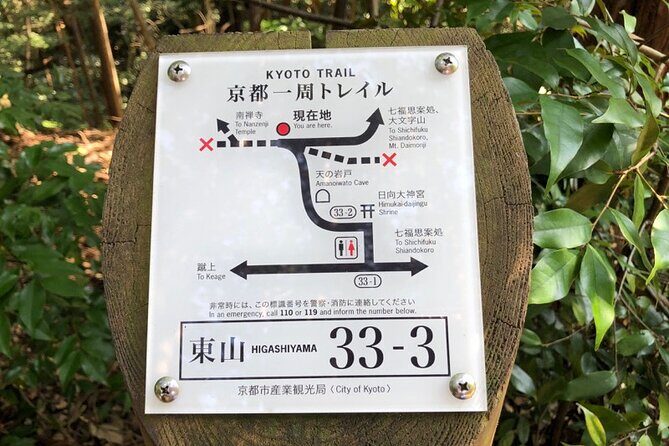
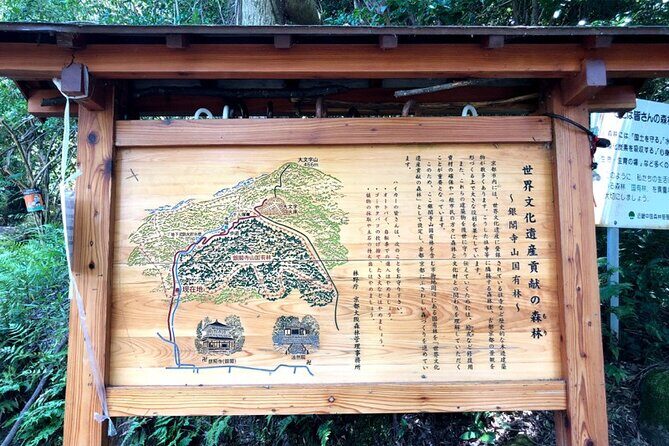
The route runs about 7.5 km and is described as relatively gentle and safe. You climb from Keage (Nanzenji) up toward Daimonji (Nyoigatake) and then descend back down toward Ginkakuji. The trek is planned so that what is often described as a 3-hour course usually takes about 4 hours with the training included.
For me, that timing difference is important. It means you’re not just “slower than usual.” You’re learning while walking. The breathing cues and movement adjustments take a little time to practice, and you’ll likely pause for instruction.
This also helps beginners. One participant described their first time climbing a mountain, and said the guide walked in a way that made it easier to learn how to walk without panic. If you’re nervous about being the slowest person, a guide-led route like this can actually reduce stress.
Climb Toward Mt. Daimonji: The Power-Spot Part You Feel in Your Legs
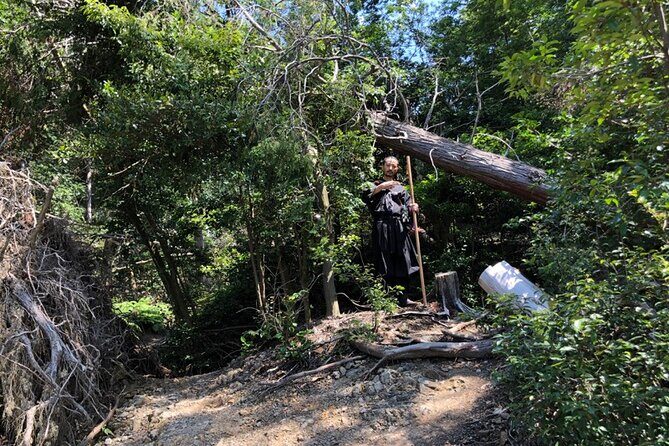
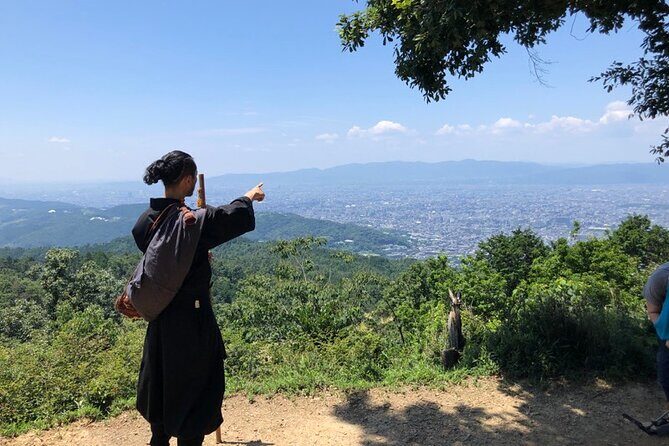
Mt. Daimonji is framed as one of the power spots connected to Kyoto’s Higashiyama 36 Peaks. The hike gives you a chance to experience that significance in a very physical way—by moving through the terrain rather than just looking at it from a platform.
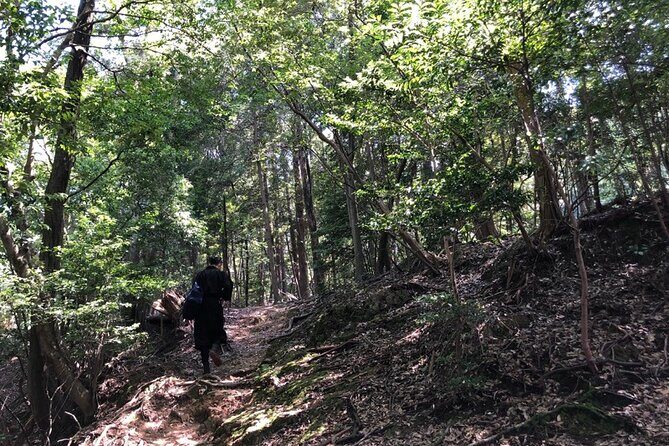
This is the uphill portion, so it’s where the training pays off. When guides talk about breathing and efficiency of movement, this is the section where you’ll notice the difference. You’ll get cues that help you avoid that common hiking problem: breathing gets tight, shoulders tense, and you burn energy you didn’t need to.
A practical tip: treat the first part like a warm-up. Start steady so the later part doesn’t feel like a surprise. If the route includes gentle-to-moderate slopes (as described), you can still make a huge difference with pacing and relaxed movement.
Also, Mt. Daimonji admission is free on this experience, so you’re not juggling extra ticketing on the day. That keeps the “what’s next?” stress low.
Transition to Descent: Why Going Down Is Part of the Skill
The route doesn’t end at the top. After Mt. Daimonji, you descend toward Ginkakuji. This matters because a lot of people plan hikes only for the climb. But the descent is where balance, foot placement, and calm control are tested.
In a ninjutsu context, this is where “body manipulation” and mind training make sense. You’re not forcing your legs to do everything. You’re using technique to stay stable, reduce strain, and keep your breathing smooth.
If you’re a first-time hiker, descent can actually feel scarier than ascent—your body wants to go faster to get it over with. The guide-led instruction helps you avoid that. You’ll likely be taught how to step with intention, which keeps your knees happier and your focus clearer.
And because the tour is planned as a guided training hike, you get that “learn while moving” advantage again on the way down.
You can also read our reviews of more tours and experiences in Kyoto

Guides, Pace, and the Small Cultural Moments
This experience is led by ninjutsu and mountain-walking specialists. That phrasing matters: you’re getting someone who understands both the physical act of trekking and the mental technique side.
Participant accounts highlight a few moments that are easy to miss if you’re just sightseeing:
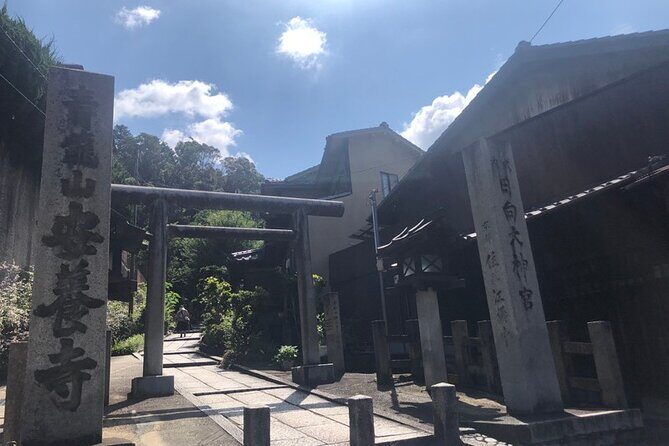
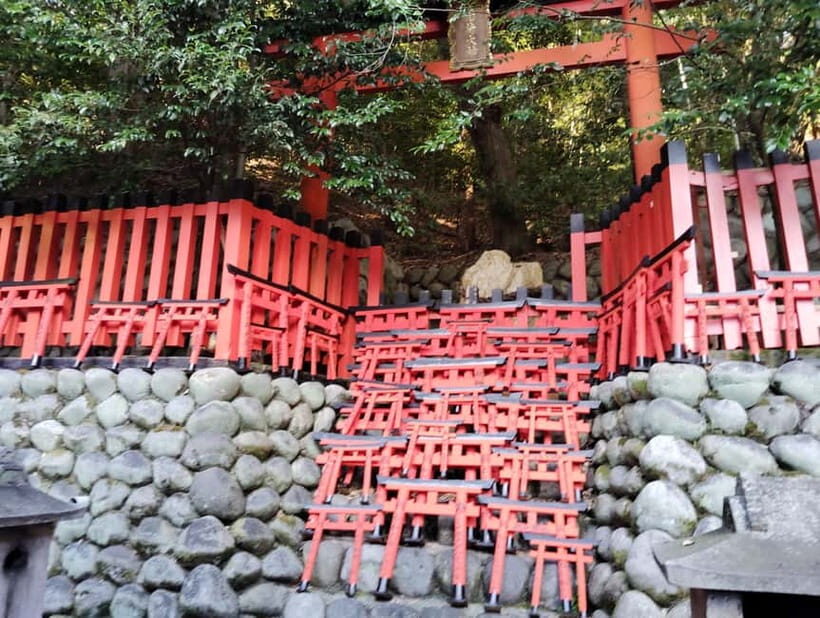
- bowing as a respectful cultural cue when passing a torii
- practicing basic protective ideas like Kuji-in
- being coached on manners and how to enter sacred spaces
Those aren’t just “extra.” They change how you move through the area. You slow down at the right times, you pay attention instead of rushing for views, and the whole experience feels more like a living practice than a checklist.
Pace-wise, you should expect about 4 to 5 hours total. The route is about 4 hours for the trek (normally a 3-hour course) because of the training. That’s the sweet spot for a half-day outing: long enough to feel like an adventure, not so long that you’re exhausted before dinner.
Price and Value: Is $347.48 per Person Reasonable?
Let’s talk money, because this is not a $30 group walk. The listed price is $347.48 per person, and it feels steep until you match it to what you’re really buying.
Here’s what you get that pushes this into “value if it fits you” territory:
- a private tour where your group isn’t mixed into strangers
- guided instruction, not just escorting
- a structured training format (breathing, movement efficiency, protective practices, manners)
- route coverage across meaningful parts of Kyoto’s Higashiyama peaks
- all fees and taxes included
What you don’t get (so budget for it): snacks and bottled water aren’t included, and you also need your own private transportation if you’re not using public transit to reach the start.
So who is it worth for? If you want Kyoto that feels personal—less crowds, more technique, and a guided experience you can learn from—then the price starts to make sense. If you mainly want scenic photos with minimal interaction, you might feel it’s too expensive for what you’re looking for.
My practical take: treat it as a paid lesson plus a guided hike. If you’d happily spend time in a class that teaches you something you can reuse at home, this one clicks.
Logistics That Can Make or Break Your Comfort
A few real-world points matter for a 4 to 5 hour trekking experience.
First: there’s no mention of snacks or bottled water being included. I strongly suggest you bring water and something light to eat if you know you get hungry. Even if the trek isn’t described as extremely long, you’re still working uphill and practicing controlled breathing.
Second: there’s no promise of convenient restroom access. The listing notes restroom on board is not included, so plan as if bathroom options are limited.
Third: you should have moderate physical fitness. That doesn’t mean “athlete.” It means you can handle a sustained walk around 7.5 km without needing constant stops.
Finally: the experience requires good weather. If conditions are poor, you may be offered a different date or a full refund. In Kyoto, weather can change quickly—so I’d keep an eye on forecasts the day before.
What to Wear and Bring for a Ninja Trek Half-Day
You won’t need special ninja gear. You do need to show up able to walk confidently.
I recommend:
- comfortable walking shoes with grip (you’ll be stepping carefully on uneven ground)
- a light layer you can adjust as your breathing and effort change
- a small day bag to hold water and any snack
- any regular medications you take (bring them with you)
Also, because the meeting point is in Kyoto’s Shimogyo Ward, plan to arrive a few minutes early. Starting on time keeps the training flow smooth, especially with a private group format.
Who This Tour Suits Best (and Who Might Skip It)
This tour fits best if you like:
- guided hiking with instruction, not just walking
- learning practical breathing and movement skills
- experiencing Kyoto through a less crowded, more active route
- a private setup where your group’s pace is respected
It’s especially good if you’re a beginner who wants coaching. The tour’s structure—described as relatively gentle and safe, plus the “3-hour course becomes about 4 hours with instruction”—is designed for people who want help learning how to walk on a mountain.
You might skip it if:
- you want a purely sightseeing, low-effort outing
- you’re looking for a long day trip with big transport comfort (private transportation is not included)
- you have low flexibility for weather changes, since good weather is required
Should You Book the Ninja Trekking at Mt. Daimonji?
If you’re the type of traveler who enjoys learning something you can use again—like breathing technique, efficient movement, and respectful manners at sacred sites—this is a very memorable Kyoto half-day. The combination of private guidance and a route across Keage to Mt. Daimonji to Ginkakuji makes it feel more like a personal training session than a typical tour.
Book it if you want:
- an active Kyoto outing that still feels safe and beginner-friendly
- a guide who focuses on how you walk, not just where you stand
- a structured experience with real technique
Skip it if your idea of value is maximum sightseeing with minimal instruction time. In that case, the price may feel heavy for what you want.
FAQ
FAQ
Where is the meeting point for this Ninja Trekking tour?
The tour meets at NINJA DOJO and STORE KYOTOJapan, 600-8422 Kyoto, Shimogyo Ward, Hakurakutenchō, 528, 2F.
What time does the tour start?
The start time is 10:00 am.
How long is the Mt. Daimonji Ninja Trekking experience?
It lasts about 4 to 5 hours.
What is the trekking distance?
The full route is about 7.5 km.
Is the course suitable for beginners?
The route is described as relatively gentle and safe, and the usual course time is about 3 hours, taking around 4 hours with training, so beginners can participate with a moderate fitness level.
Is the Mt. Daimonji admission ticket included?
Yes. The Mt. Daimonji section is listed as admission ticket free.
What’s included in the price?
All fees and taxes are included.
What is not included?
Private transportation, snacks, bottled water, and restroom on board are not included.
Is this a private tour?
Yes. It’s a private tour/activity, and only your group participates.
What should I plan for regarding weather?
The experience requires good weather. If it’s canceled due to poor weather, you’ll be offered a different date or a full refund.
-150x150.jpg)