REVIEW · GION DISTRICT WALKING TOURS
Kyoto Morning Highlights Tour: Fushimi, Kiyomizu-dera & Gion
Book on GetYourGuide →Operated by OTAKU hopper · Bookable on GetYourGuide
Kyoto wakes up early on this walk. The morning timing is the real hook: you get Kyoto’s biggest names (Fushimi Inari, Kiyomizu-dera, Gion) before the worst crowd waves. I also like that guide Ikki doesn’t just point at things—he teaches temple and shrine etiquette, plus the meaning behind what you’re seeing. One thing to plan carefully: the meeting time is strict, and if you’re late you won’t join and won’t get a refund.
This is a half-day, walking-focused tour that uses public transportation between areas and then sends you on foot for the sightseeing. For $81, you’re paying for more than entry tickets—you’re also getting a local English-speaking guide, a taste of traditional sweets, and professional photos during the morning. If you dislike walking, or if you travel with a stroller, this is not your best match.
In This Review
- Key highlights worth waking up for
- Early starts, fewer crowds: why this Kyoto morning works
- Meeting at Kyoto Station: fast, clear, and easy if you arrive early
- Fushimi Inari’s torii tunnel: what to notice in the quiet
- Kiyomizu-dera views and temple manners (including the 500 yen fee)
- Shinto stories you can carry into the rest of Kyoto
- Gion at morning pace: old Kyoto without the peak crush
- Price and value: what $81 buys you (and what it doesn’t)
- Logistics that can make or break your morning
- Who should book this Kyoto morning tour
- Should you book Kyoto Morning Highlights: Fushimi, Kiyomizu-dera & Gion?
- FAQ
- What time of day is the tour?
- Where do I meet the guide?
- How much walking is involved?
- Is the public transportation fare included?
- Is the Kiyomizu-dera entrance fee included?
- Are photos included?
- Can I bring a stroller or baby carriage?
- Is the tour wheelchair friendly?
Key highlights worth waking up for

- Fushimi Inari at first light: torii gates feel calmer when the crowds haven’t fully arrived yet
- Etiquette lessons in real places: how to behave at Shinto shrines and Buddhist temples
- Kiyomizu-dera views: time in the temple area plus the 500 yen entrance fee covered
- Gion without the peak chaos: historic lanes where you can actually slow down
- Professional photo coverage: you’ll be photographed as you move through the morning
Early starts, fewer crowds: why this Kyoto morning works
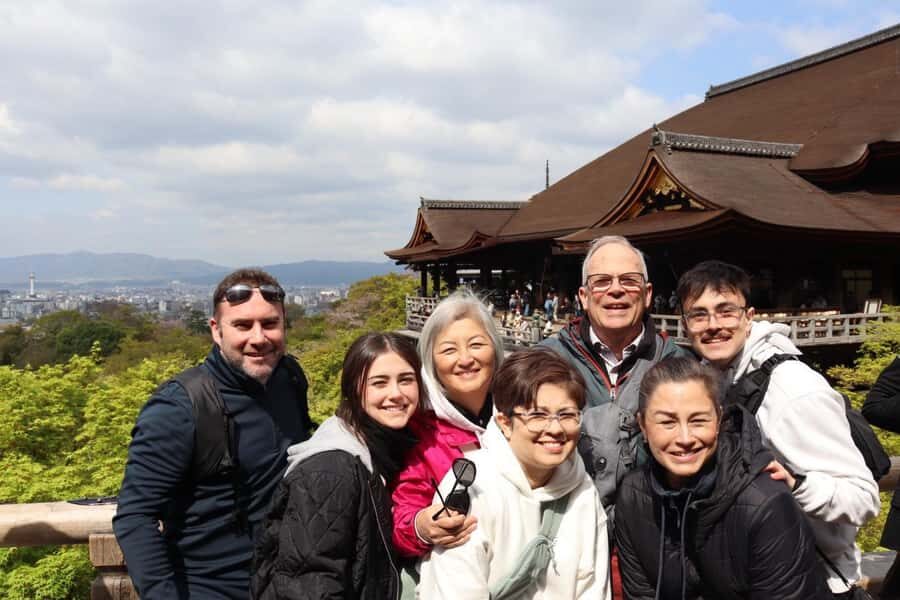
Kyoto’s top sights pull in huge numbers, and that’s exactly why an early start matters. This tour is designed to beat the busiest time, so you can enjoy the experience at human speed instead of spending your morning stuck in the flow. The best part is that you’re not “just rushing through”—you get time to look, pause, and take photos without feeling like you’re fighting the crowd.
I also appreciate how the tour balances the big-famous landmarks with practical cultural guidance. Ikki’s focus is not only history; it’s how to be respectful in the spaces you’re visiting. That turns a pretty photo stop into something more meaningful, because you’re learning what the actions and rituals are meant to do.
One more practical note: it’s a morning walk. Even with public transit between stops, you should expect a moderate amount of walking, so plan your day around your comfortable shoes.
You can also read our reviews of more tours and experiences in Kyoto

Meeting at Kyoto Station: fast, clear, and easy if you arrive early
Your morning begins at Kyoto Station, at the central exit area with Kyoto Tower visible nearby. The guide waits by a yellow map near the central exit, next to a 7-Eleven, holding an OTAKU hopper sign. After booking, you’ll receive more detailed meeting location info with images, but the basics above should keep you oriented.
Because the tour is time-sensitive, your best move is to show up early—think more like 15 to 20 minutes rather than at the last second. If you arrive late, you won’t be able to join, and you won’t get a refund.
You’ll finish back at the meeting point, so you’re not trying to figure out how to connect onward while you’re tired.
Fushimi Inari’s torii tunnel: what to notice in the quiet
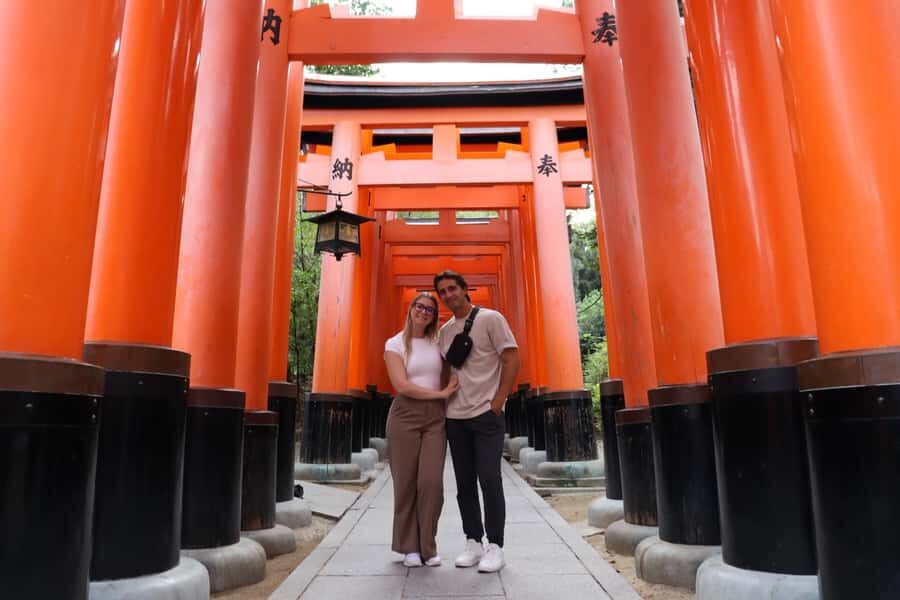
Fushimi Inari Shrine is the star attraction for good reason, but most people only notice the scale: thousands of torii gates. On this tour, the scale still hits, while the atmosphere feels more personal because you’re going in the morning. That calmer light makes the walk more enjoyable, and it’s easier to find photo angles without constantly getting cut off.
As you move through the torii paths, use the guide’s lessons to slow your brain down. Ikki’s style, based on what you’ll hear during the tour, is to explain what you’re looking at and how people typically behave in these areas. That means you’re not just walking through a theme park version of Kyoto—you’re reading the place as a living shrine environment.
A practical tip: wear shoes you can trust. You’ll spend real time walking on shrine grounds, and while the route is designed for tourists, it’s still a lot of steps before you even reach the next highlight.
Kiyomizu-dera views and temple manners (including the 500 yen fee)
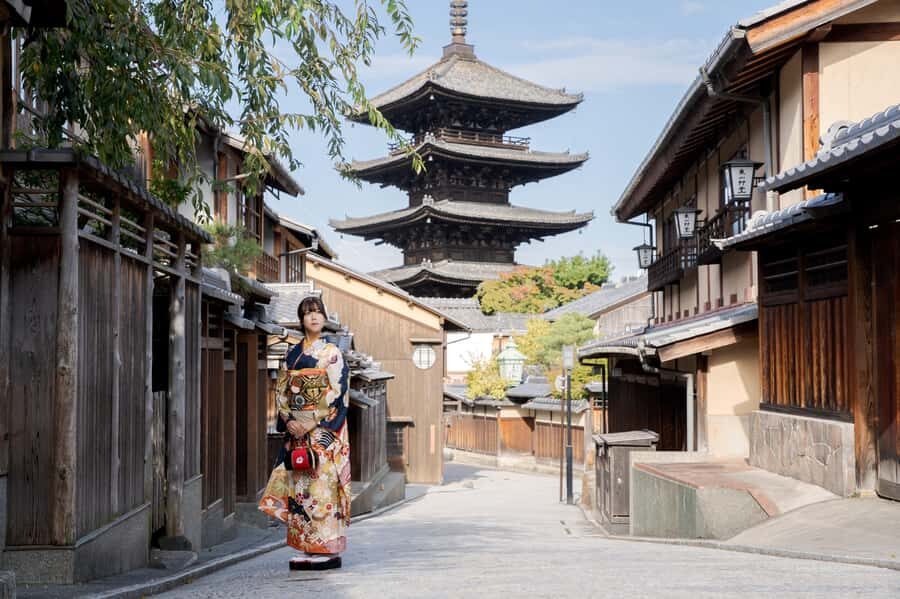
Kiyomizu-dera is built for sweeping views, and morning timing helps you see the area with more breathing room. The tour includes the Kiyomizu-dera entrance fee (500 yen), so you don’t need to scramble for cash or cards right at the temple gates.
This stop also gets stronger when you know what to do before, during, and after you observe the main areas. Ikki’s teaching is heavy on etiquette—how to act in temple and shrine contexts, and what various traditions aim to communicate. Even if you’ve visited other temples in Japan, these small instructions help you avoid the common mistakes that make people feel awkward.
What I’d watch for here is the view timing and your own pace. The morning is when this area is often best for taking in the surroundings without crowd pressure, but it’s still a busy landmark. If you plan to stay longer at one viewpoint, tell the guide so the group flow makes sense for your timing.
Shinto stories you can carry into the rest of Kyoto
The tour is built around more than sightseeing. One of the stated highlights is Shinto at Kasuga Grand Shrine, a prestigious Shinto site. If your morning route includes it, treat it as a chance to connect the dots between shrines you’ve seen and the ideas behind how shrine spaces work.
What makes this valuable is that you’re not memorizing facts for a quiz. You’re learning a framework you can use all trip long: what symbols mean, how praying works, and why people pause in particular spots. That’s exactly the kind of context that helps Kyoto feel less like a checklist and more like a culture you understand.
If you like asking questions, this tour tends to reward that. Ikki answers in a way that makes the history and traditions feel usable, not just spoken.






Gion at morning pace: old Kyoto without the peak crush
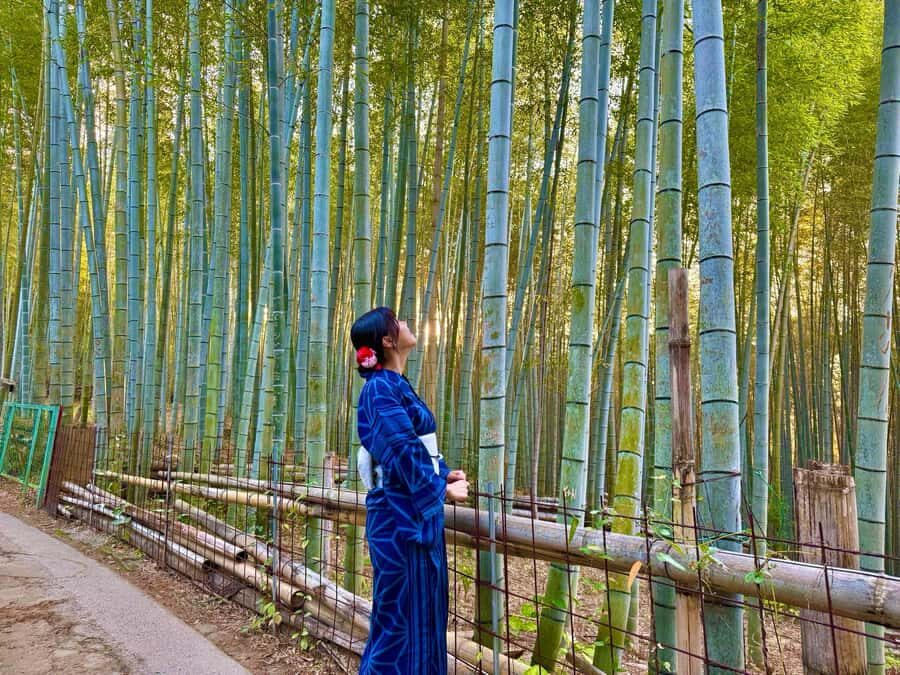
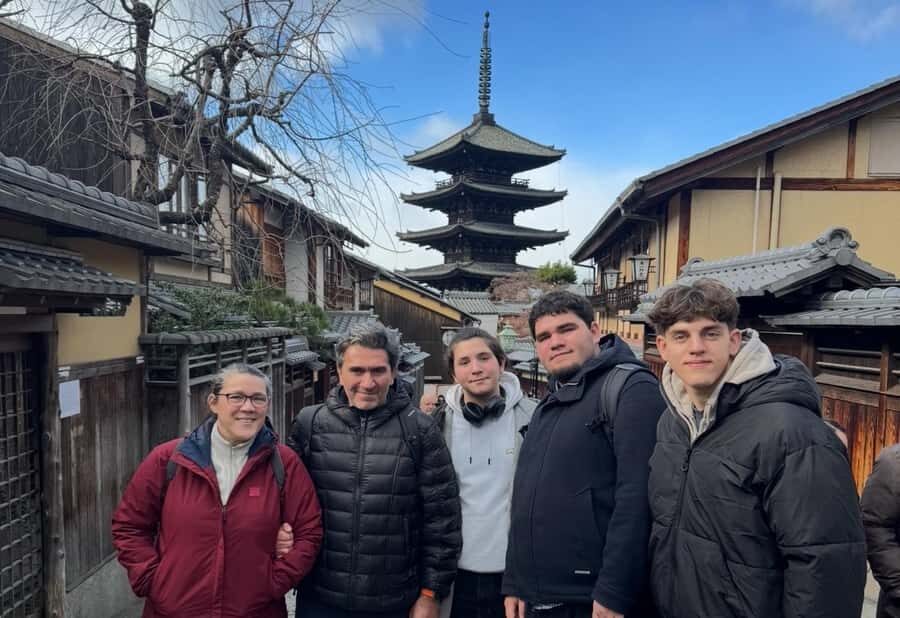
Gion is Kyoto’s best-known historic district, and it can feel chaotic later in the day. That’s why this tour ending in Gion works so well: you get the vibe of Gion’s old lanes while you still have time to look at details. The streets feel calmer when you reach them early, and you can actually stroll rather than just shuffle forward.
This is also where the tour’s photography benefit becomes obvious. Professional photos are taken during the morning, so you’ll likely have images that capture the transition from shrine and temple spaces into Kyoto’s more everyday historic atmosphere. If you care about getting good pictures without fussing over your camera the whole time, this part matters.
One more reason I like placing Gion near the end: you’ll be walking-worn by then, so a slower district with lots of small sights helps you land the experience without rushing.
Price and value: what $81 buys you (and what it doesn’t)
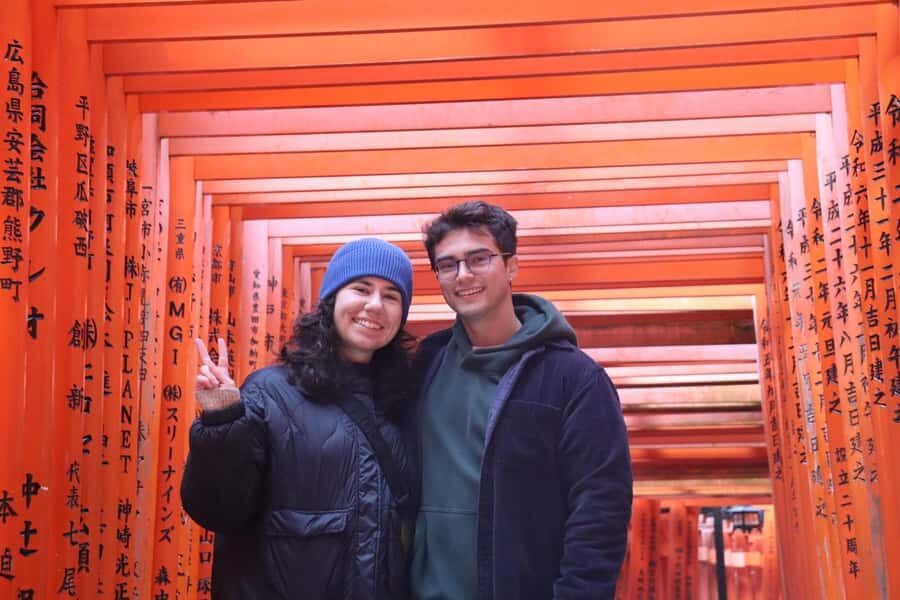
At $81 per person, the tour price is fairly straightforward: you’re paying for a guide, key sights, and guided time. Here’s what’s clearly included:
- Passionate local English-speaking guide
- Kiyomizu-dera entrance fee (500 yen)
- Sample of traditional sweets
- Professional photos taken during the tour
- Free Wi-Fi
What’s not included:
- Public transportation fare (about 400 yen)
- Meals and drinks
- Personal expenses
So the real question is value. For the same price as a solo attraction day, you’re not just buying tickets—you’re buying guidance in etiquette, a structured half-day route, and photo help. That’s a strong deal if you want to spend your limited Kyoto time well.
If you’re the type who hates group schedules, you might prefer a DIY day. But if you want your morning to feel planned and meaningful, the pricing makes more sense.
Logistics that can make or break your morning
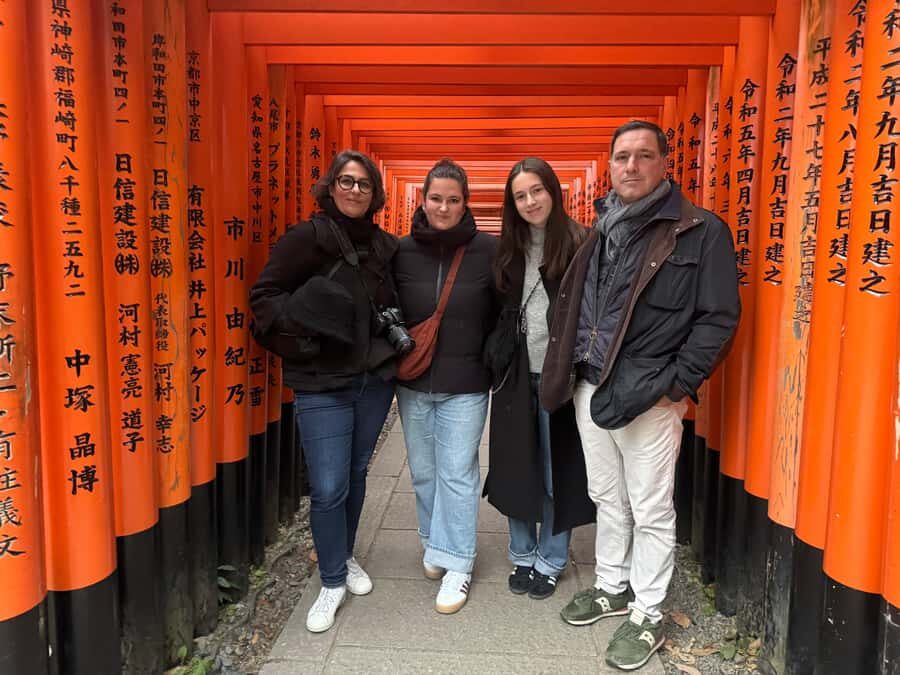
Because this is designed as a walk-heavy experience, comfort matters. Bring comfortable walking shoes, and dress for a morning start that may still feel cool depending on the season. Plan for standing and moving more than sitting.
Traveling with strollers also needs attention: baby strollers and baby carriages are not allowed. The tour is also not suitable for wheelchair users. If that affects your plans, it’s better to look for a more accessible itinerary.
Then there’s the transport detail: public transportation is part of the flow, but you’ll pay that cost separately (about 400 yen). Build that into your budget so you’re not surprised mid-morning.
Finally, be strict about timing. This is one of those tours where arriving late means you lose your spot.
Who should book this Kyoto morning tour
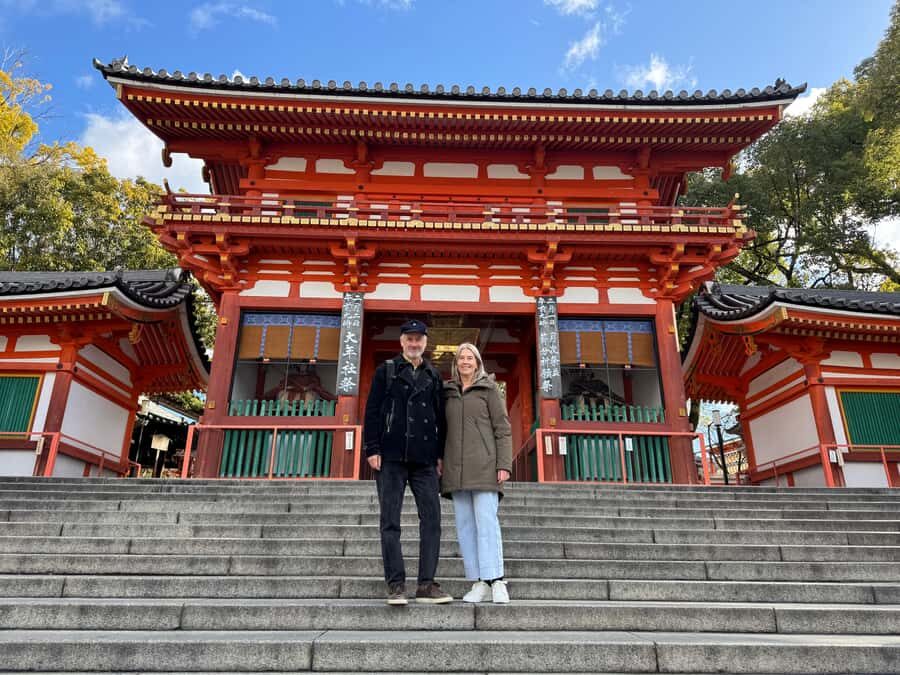
This tour is a good fit if you want:
- Big Kyoto sights without spending your day battling crowds
- Cultural guidance, especially shrine and temple etiquette
- A guided route that keeps things efficient for a half-day morning
- Photos taken for you, so you don’t miss moments while focusing on your camera
It’s less ideal if you:
- Dislike walking for a moderate amount of time
- Need stroller support
- Rely on wheelchair-friendly routes
If you’re a first-timer in Kyoto, I’d call this one of the smartest ways to get oriented. If you’ve visited Japan before but not Kyoto’s shrines, the etiquette explanations can still make a big difference.
Should you book Kyoto Morning Highlights: Fushimi, Kiyomizu-dera & Gion?
Book it if you want your morning to feel like Kyoto, not just like a list of famous stops. The early pacing, the etiquette lessons from Ikki, and the professional photo element are a strong combo for $81—especially if you only have a short window in the city.
Skip it if your priority is a slow day with lots of rest, or if your mobility needs don’t match walking-heavy routes. In that case, Kyoto is still amazing, but you’ll want a different style of tour.
If you do book, treat the meeting time like part of your itinerary, not a suggestion. Arrive early, wear good shoes, and come ready to learn how to be respectful in the places you visit.
FAQ
What time of day is the tour?
This is a morning tour designed to run for about a half day.
Where do I meet the guide?
Meet at the central exit of Kyoto Station, near a yellow map by the central exit next to a 7-Eleven, where the guide holds an OTAKU hopper sign.
How much walking is involved?
The tour is a walking experience with a moderate amount of walking, so comfortable shoes are recommended.
Is the public transportation fare included?
No. Public transportation fare is not included and is about 400 yen.
Is the Kiyomizu-dera entrance fee included?
Yes. The Kiyomizu-dera entrance fee of 500 yen is included.
Are photos included?
Yes. Stunning professional photos are taken during the tour.
Can I bring a stroller or baby carriage?
No. Baby strollers and baby carriages are not allowed.
Is the tour wheelchair friendly?
No. It is not suitable for wheelchair users.
![[2.3km / 1.43mi] Kyoto East Early Morning Walking Tour - What the small group size really changes](https://7.kyotoescapes.com/wp-content/uploads/2-3km-1-43mi-kyoto-east-early-morning-walking-tour.jpg)