REVIEW · HIKING & TREKKING
Kyoto Hiking Tour: The Nature and Legends of Kurama and Kibune
Book on Viator →Operated by Trip Designer Inc. · Bookable on Viator
Kyoto’s mountain legends begin with your hotel door. I love the door-to-door transfer that drops you into the countryside fast, and I love the private guide who connects each shrine and forest path to the stories behind it. The one thing to consider is the walking is stair-heavy with uneven ground, so bring solid shoes and plan for a workout pace.
This tour also has an easy-value feel: temple admission costs are included, so you’re not doing extra budgeting or ticket-hunting mid-hike. Starting at 9:00 am and running about 8 hours means you get a full day of mountain calm without feeling rushed between stops.
One more heads-up: lunch is not included, and the experience requires good weather. On rainy days, your route may be adjusted for safety, so I’d pack a small rain layer and expect the day to be a bit more flexible.
In This Review
- Key things I’d plan around
- Why Kurama and Kibune feel like a different Kyoto
- The 9:00 am start and how the timing actually works
- Stop-by-stop: what each place adds to your hike
- Yuki Shrine: the cedar tree and the 940 AD rescue-from-evil story
- Mount Kurama: reiki’s birthplace and the 21-day meditation detail
- Kuramadera: a 8th-century temple you reach by forest walking
- Okunoin Maoden: the demons-reign feeling in the deep mountains
- Kifune Shrine: water, rain, and the legend of the goddess’s boat
- Walking level: stairs, uneven ground, and what to pack
- Guides in real life: how names like Yuki, Ryoma, and Michiko change the day
- Price and value: does $191.60 make sense?
- Weather reality: why good conditions matter here
- Who should book this tour?
- Should you book? My call
- FAQ
- What time does the tour start?
- How long is the Kyoto hiking day?
- Is hotel pickup and drop-off included?
- Do I have to pay temple admission fees?
- Is lunch included?
- What kind of walking level should I expect?
- Is this a private tour?
- Are there any transportation tips built into the experience?
- Are mobile tickets used?
- What happens if weather is bad?
Key things I’d plan around
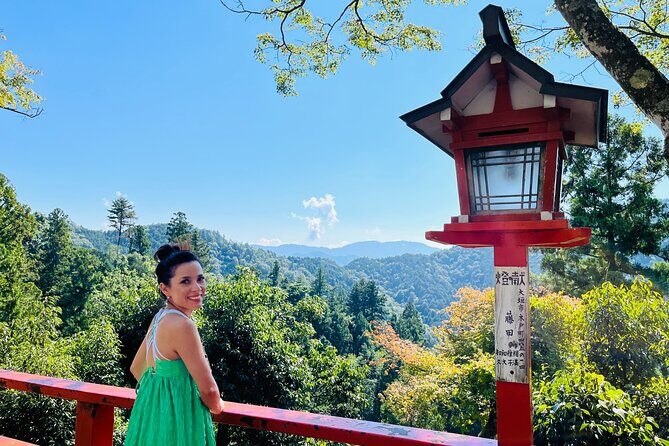
- Door-to-door pickup and drop-off from Kyoto urban areas and the Kurama area makes the day low-stress
- Mount Kurama’s reiki origin story ties a modern healing practice to early 1900s legends
- Yuki Shrine’s 800-year-old cedar and its 940 AD backstory give this hike real character
- Temple entry fees are covered for multiple stops, so the day costs what it says
- A private English-speaking guide means you can ask questions and set your walking rhythm
- You will climb stairs; moderate fitness is the smart target for comfort
Why Kurama and Kibune feel like a different Kyoto
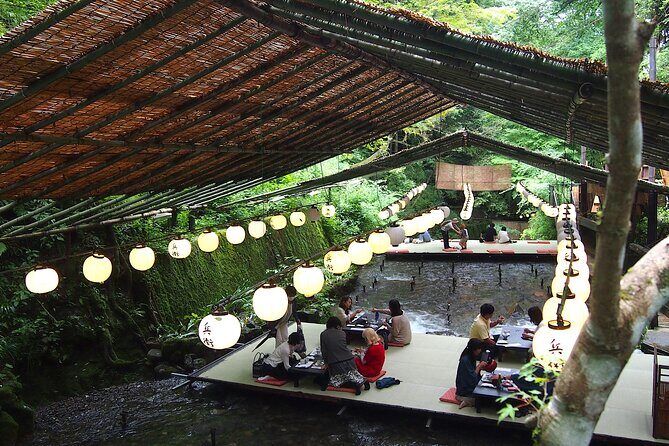
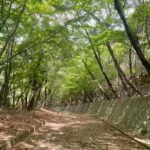
Kyoto has a way of pulling you toward temples that are packed and polished. This hike does the opposite. You trade crowds for cedar forests, mountain air, and short stretches of quiet shrine stops.
Kurama and Kibune are also where Kyoto’s spiritual themes get physical. You’re not just looking at history; you’re walking through it—up stairs, along paths that feel made for gradual reflection, and into places where legends still set the mood.
If you like travel that mixes culture with motion, this is a great fit. You get folklore, religion, and nature in a single day, without needing to plan transit between trailheads.
You can also read our reviews of more hiking tours in Kyoto
The 9:00 am start and how the timing actually works
The tour starts at 9:00 am and runs about 8 hours. That schedule matters because it gives you daylight for the climb and enough time to slow down at shrines without rushing.
Hotel pickup and drop-off are included, which usually saves you from the Kyoto-style puzzle of trains, buses, and timed connections. You’ll also receive a mobile ticket, which is simple for check-in once you’re already with your guide.
One detail I like: the guide includes photos of tour participants. It’s a small thing, but it helps you avoid the classic problem of spending the whole day worrying about your camera angle.
Stop-by-stop: what each place adds to your hike
Yuki Shrine: the cedar tree and the 940 AD rescue-from-evil story
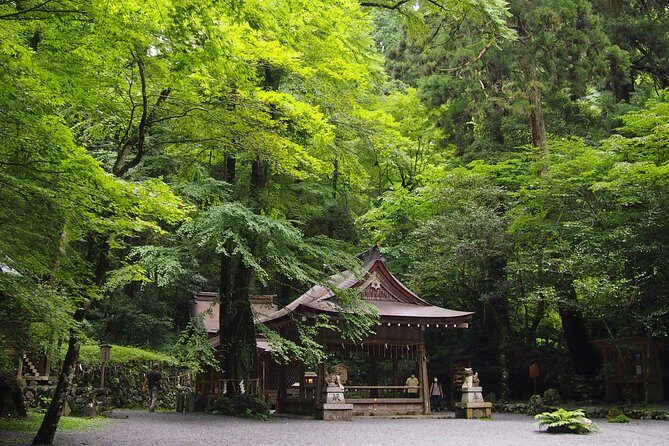
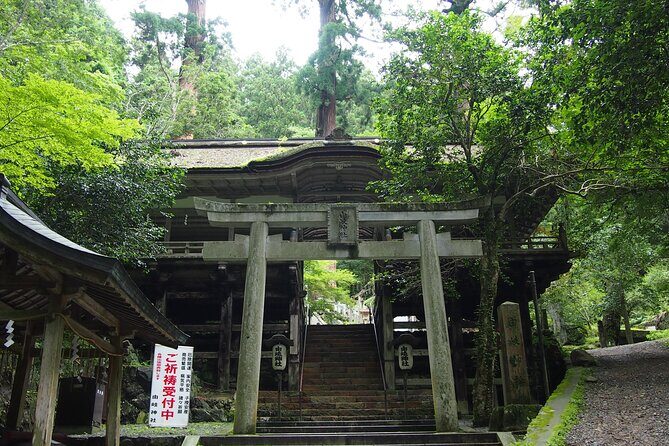
Your first shrine stop is Yuki Shrine for about 20 minutes, with admission included. It’s known for an 800-year-old cedar tree, the kind of presence that makes you instinctively lower your voice.
The bigger story is the shrine’s move. It was originally built in central Kyoto, then in 940 AD it was moved to Kurama to protect the area from mysterious evil. That legend sets a tone for the day: this isn’t just sightseeing; it’s a shrine landscape built around protection stories and spiritual caution.
Mount Kurama: reiki’s birthplace and the 21-day meditation detail
Next is Mount Kurama for about an hour. The reason this stop gets people talking is the reiki origin story: Mikao Usui, the founder of reiki, meditated for 21 days on this mountain in the early 1900s and received the healing energy.
Even if you’re not into spiritual practices, I think this is the most interesting “bridge” on the route. It turns what could be a generic hike into a walk through a legend that connects modern wellness to older mountain beliefs.



Kuramadera: a 8th-century temple you reach by forest walking
Kuramadera is where the day gets more grounded and temple-focused. After Yuki Shrine, you take a pleasant walk through the forest (around 25 minutes) to reach the area’s best-known temple, Kuramadera, with about 45 minutes allocated and admission included.
Kuramadera dates back to the 8th century. It’s dedicated to worship, and the practical takeaway is this: the forest walk isn’t just transportation. It’s part of how the temple experience feels gradual, almost like the mountain is easing you toward the main site.
The main drawback here is physical. If your legs get tired early, you may feel the stairs later more than you expect. Going steady and stopping when the guide suggests makes a big difference.
Okunoin Maoden: the demons-reign feeling in the deep mountains
Okunoin Maoden is short—about 10 minutes—but it’s one of those stops that changes the mood. This is deep in the mountains and said to be where demons reign, so you get a more mysterious atmosphere than the earlier shrine moments.
Admission is included, so you can focus on the feeling and details rather than paying another fee at the counter. This is also a good place to slow down and notice how quiet the area gets when you step away from the main flow.
Kifune Shrine: water, rain, and the legend of the goddess’s boat
Kifune Shrine is where the day turns practical and mythic at the same time. You’ll spend time at Kifune Shrine (around 30 minutes) and then again at an inner shrine area (around 25 minutes), with admission included for both segments.
Kifune is associated with the God of water and rain. There’s also a strong maritime angle: sailors used the shrine to pray for luck on voyages. You’ll also find places where you can drink pure mountain water fresh from the area, which is one of those rare travel moments that’s not just symbolic.
Then there’s the goddess legend. According to story, a goddess traveled by boat from Osaka up the river into these mountains. The inner shrine houses the boat she is said to have ridden, so you’re not only hearing the tale—you’re arriving at the physical marker of it.
Walking level: stairs, uneven ground, and what to pack
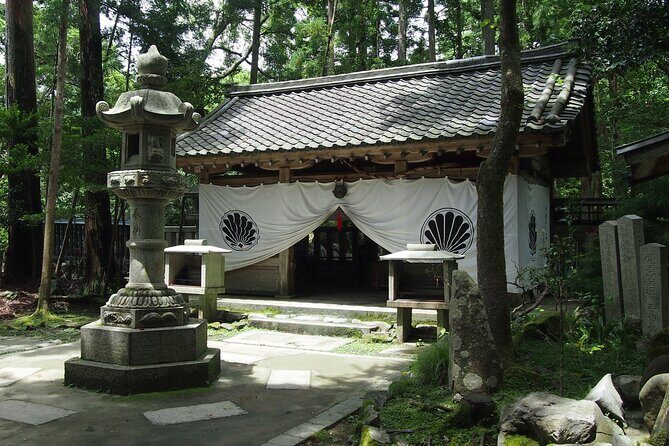
This is not a long hiking day by distance, but it is a stair day. Expect plenty of steps up and down and some uneven surfaces, so moderate physical fitness is the smart baseline.
The upside is that it’s broken up. You’re not doing one giant climb without breaks. The guide keeps you moving, but you’ll have time to pause at shrines and reset your legs.
What I’d pack:
- Supportive shoes with grip (this matters in wet weather)
- A light rain layer even if the forecast looks okay
- Water for the trail gaps (lunch is not included)
- A small towel or wipes if you tend to sweat on stairs
If you’re bringing someone who’s older or less steady on their feet, this is still doable with a slower pace. Just don’t assume it will feel like a flat stroll.
Guides in real life: how names like Yuki, Ryoma, and Michiko change the day
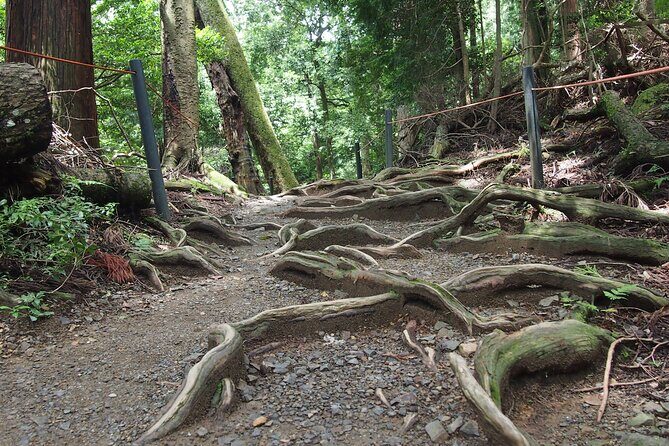
A lot of the value here comes from the guide, because the stories don’t stay stuck in a brochure. The experience is built around a private English-speaking guide, and that changes the whole rhythm of the hike.
For example, guides like Mariko are described as friendly and easy to talk to, with a real knack for sharing what you’re seeing. Ryoma is mentioned for making history feel clear and relevant while you hike. Yuki gets credit for helping people explore without getting lost or missing interesting details.
If you run into weather changes, a guide can also matter even more. Michiko is described as handling heavy rainfall by adjusting for safer access and keeping the day pleasant instead of forcing a risky forest walk. That kind of problem-solving is exactly what you want in a mountain setting.
Price and value: does $191.60 make sense?
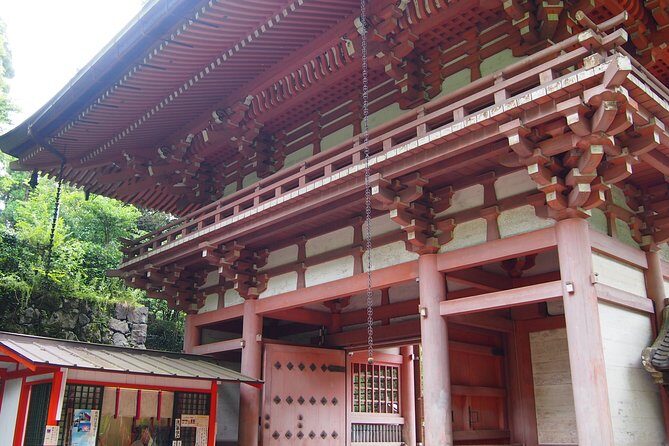
At $191.60 per person, this isn’t the cheapest way to see Kurama and Kibune. But the cost stacks up in your favor if you add up what the day already includes.
You’re getting:
- Hotel pickup and drop-off (big time-saver in Kyoto)
- Multiple temple admissions included
- An English-speaking guide for the full day
- Photos of tour participants
- A private group format
The admissions piece is a big value lever because you’re not paying each site entry separately mid-hike. And because the tour is private, you’re not losing time to a large group’s slow decisions or constant regrouping.
Where value can drop for some people: if you’re the type who prefers fully DIY hiking with no guided storytelling and you’re comfortable handling Kyoto transit on your own. In that case, a guided day won’t feel as worth it.
Weather reality: why good conditions matter here
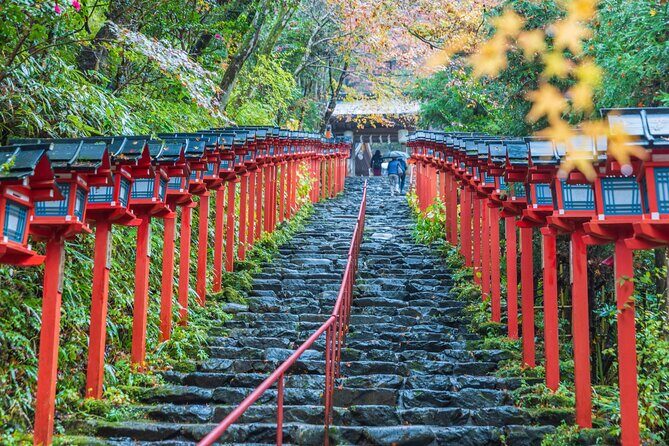
This experience depends on good weather. That’s not just fine print. Wet steps and uneven ground make any stair hike more tiring, and mountain shrines are often in areas where you don’t want to gamble with slick footing.
On rainy days, your guide may adjust what’s safest to do that day. So even though the schedule is structured, think of it as flexible. If you’re going in a season known for downpours, plan for the possibility of route changes and pack accordingly.
Who should book this tour?
Book it if you want a Kyoto day that feels like getting out of the city without going far on your own logistics. You’ll like it if you enjoy:
- Shrine and temple visits with actual context
- Legends tied to specific places, not just general cultural talk
- A guided hiking pace with stops that break up the stairs
Skip it or consider a gentler option if:
- You hate stairs or uneven surfaces
- You want a casual flat walk with minimal exertion
- You’d rather spend the day choosing meals and stops completely independently
Should you book? My call
I’d recommend this tour if you want the best mix of nature trails + shrine stories with the friction removed. The door-to-door transfer, the included temple admissions, and the private English-speaking guide make it a smooth way to reach places many people miss or struggle to connect to.
Just be honest about your legs. If you’re comfortable with stairs and you pack for weather, you’ll have a satisfying mountain day. If you want an easy stroll, the stair-heavy parts can feel like the whole point.
FAQ
What time does the tour start?
The start time is 9:00 am.
How long is the Kyoto hiking day?
The duration is about 8 hours.
Is hotel pickup and drop-off included?
Yes. Pickup and drop-off are included from Kyoto urban areas and from the Kurama area.
Do I have to pay temple admission fees?
No. Entrance fees for Kuramadera Temple and other stops listed as included are covered, so you don’t need to pay on-site for those entries.
Is lunch included?
No. Lunch is not included.
What kind of walking level should I expect?
You should have moderate physical fitness. The hike involves a fair amount of stairs and walking on uneven surfaces.
Is this a private tour?
Yes. It’s a private tour/activity, so only your group participates.
Are there any transportation tips built into the experience?
The tour includes hotel transfers, and it’s also near public transportation.
Are mobile tickets used?
Yes. A mobile ticket is part of the experience.
What happens if weather is bad?
The experience requires good weather. If it’s canceled due to poor weather, you’ll be offered a different date or a full refund. You can cancel up to 24 hours in advance for a full refund.



-150x150.jpg)