REVIEW · WALKING TOURS
KYOTO Explore Top Highlights by Private Walking Tour
Book on Viator →Operated by Japan Private Tours · Bookable on Viator
Kyoto in one day, without the stress. This custom private route pulls together top sights like Arashiyama and Gion, and you can adjust the plan to your pace while you’re out there. I like the way the itinerary gets drafted around what you actually want to see, and I also like the small-group feel (just your group, up to 6). One watch-out: major entrance fees and local transport are not included, so the final total will be higher than the headline price.
Pickup is offered, and the day runs about 8 hours, which is a sweet spot for hitting multiple neighborhoods without feeling like you’re only checking boxes. The tour also uses a mobile ticket, and you’ll get confirmation at booking time, so you can show up ready. Language support is English and Thai, which is great when you want a clear explanation of what you’re seeing—just keep an eye on communication expectations if you’re hoping for very detailed, fluent narration.
In This Review
- Key Highlights You’ll Feel the Moment You Start
- A Private Day You Can Shape Before You Step Out
- How the Route Knits Together: 8 Hours, Big Distance, Smart Stops
- Stop-by-Stop Breakdown: What You’ll See and What to Budget
- Arashiyama Kimono Forest + bamboo-town walking (1 hour)
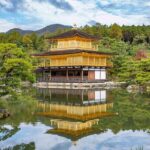
- Kinkakuji Temple (Golden Pavilion) (30 minutes)
- Fushimi Inari-taisha Shrine short course (about 30 minutes)
- Nishiki Market Shopping District (about 1 hour)
- Gion + approach toward Ninenzaka and Sanenzaka (3 hours)
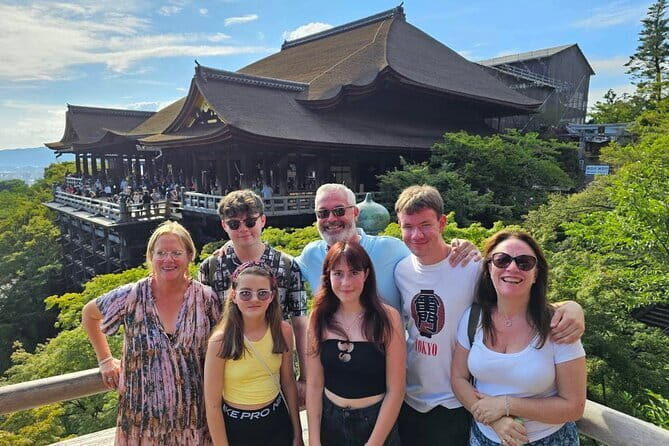
- Kiyomizu-dera Temple (2 hours)
- Guide Quality Matters: What to Expect from English/Thai Support
- Price and Value: $192 for Up to 6 (Plus What’s Extra)
- Getting the Most Out of the Day (Without Burning Out)
- Who This Tour Is Best For
- Should You Book This Kyoto Private Walking Tour?
- FAQ
- How long is the Kyoto Highlights private walking tour?
- How much does the tour cost?
- Is pickup included?
- Are entrance fees included?
- Is Fushimi Inari-taisha admission free?
- Is food included in the price?
- What languages are the guides?
- What is the cancellation policy?
Key Highlights You’ll Feel the Moment You Start
- A pre-built itinerary based on your interests (you share places and food, then the route gets drafted)
- Flexible pacing during the day, not a rigid “walk, line up, repeat” schedule
- Efficient sight stacking: Arashiyama, Golden Pavilion, Fushimi Inari, Nishiki Market, Gion, and Kiyomizudera in one loop
- Guide value beyond logistics, with help like finding cash machines and taking great photos
- Short-course Fushimi Inari option, so you’re not stuck for 2 hours if you don’t want the full hike
- Private group comfort, up to 6 people, so you’re not swallowed by a big tour herd
A Private Day You Can Shape Before You Step Out
What makes this Kyoto experience work so well is the upfront flexibility. You’re not handed a one-size-fits-all script. Instead, you share what you want to see and even what you want to eat, and the itinerary gets drafted for you before you finalize it. That’s a big deal in Kyoto, where the “best” plan depends on whether you love temples, markets, photo walks, or the kind of Kyoto streets where you can wander and actually look up.
I also like that the plan can be adjusted during the day based on your pace. If your knees feel it after stairs near the old-town areas, you can slow down. If everyone’s still fresh after a market stop, you can keep the momentum. This matters because the route naturally combines flatter areas with places that involve steep steps and dense shopping streets.
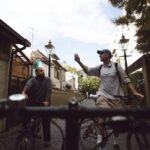
One more practical note: you’re in a private group, not mixing with strangers. That keeps questions simple and reduces the pressure to keep up. In real-world use, guides like Marin and Shoji have been praised for photo-friendly routing and even sending pictures afterward, while Senji and Shinji have been recognized for being helpful when real-world issues pop up—like locating a cash machine for yen withdrawal.
You can also read our reviews of more walking tours in Kyoto
How the Route Knits Together: 8 Hours, Big Distance, Smart Stops
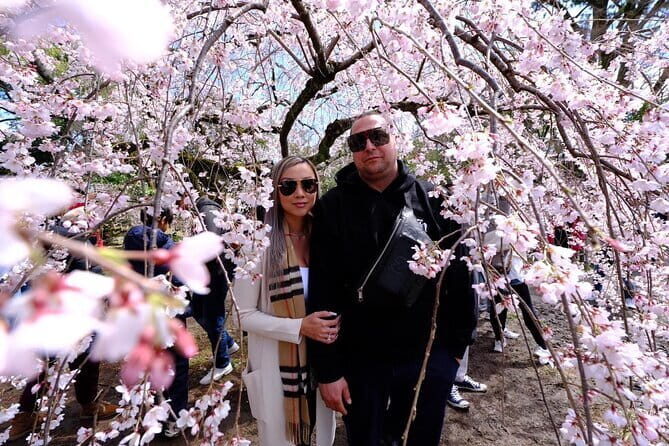
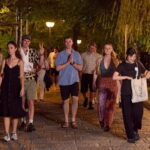
This tour is designed to string together Kyoto highlights that are spread across different neighborhoods. You’ll start in the Arashiyama area, then head toward Kinkakuji (Golden Pavilion), move to Fushimi Inari, spend time in central Kyoto at Nishiki Market, and finish with the Gion-to-Kiyomizudera old-town climb.
The big advantage of this order is variety. You don’t spend the whole day on just temples or just markets. You get a bamboo-and-town feel in Arashiyama, a famous temple moment at Kinkakuji, a shrine walk at Fushimi Inari, shopping and food ideas at Nishiki, then the classic old-streets atmosphere as you move toward Gion and the steps up to Kiyomizudera.
The big drawback is that you still need to be ready for a full-day rhythm. Even with a private guide, you’re walking a lot. The itinerary includes steep, stair-heavy stretches near the old-town approach to Kiyomizudera. If your group includes kids, or anyone with mobility limits, I’d treat this as a “comfortable walking” day rather than an easy stroll.
Stop-by-Stop Breakdown: What You’ll See and What to Budget
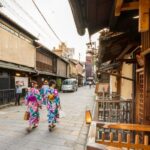
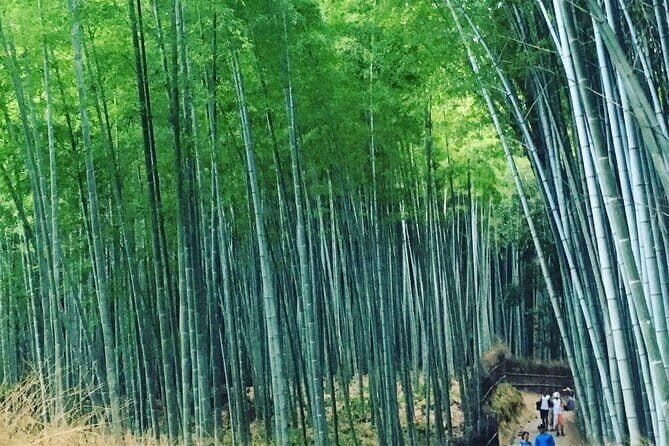
Arashiyama Kimono Forest + bamboo-town walking (1 hour)
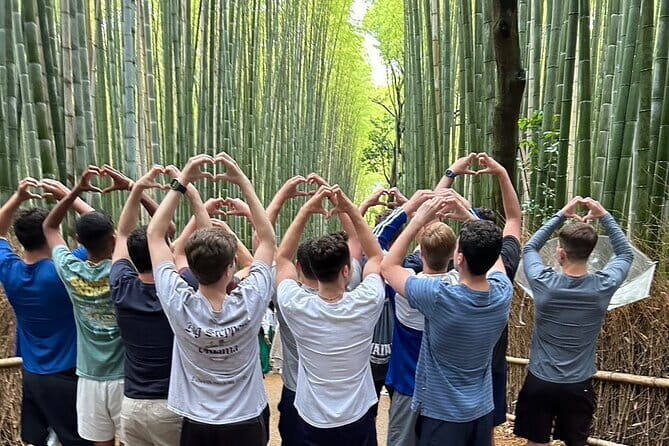
The day kicks off at Arashiyama Kimono Forest, then you walk toward the bamboo forest area and the surrounding town. This is one of the best starts because it gives you that Kyoto “visual hit” right away—before the rest of the day turns into temples, markets, and city streets.
Admission isn’t included here, and the timing is tight: about an hour. That’s enough for a first look and photos, but not enough to wander for hours. If Arashiyama is your number-one priority, you’ll want to treat this stop like a guided orientation and not a deep exploration. Also, the bamboo area can get crowded depending on the time of day, so build in some patience.
Kinkakuji Temple (Golden Pavilion) (30 minutes)
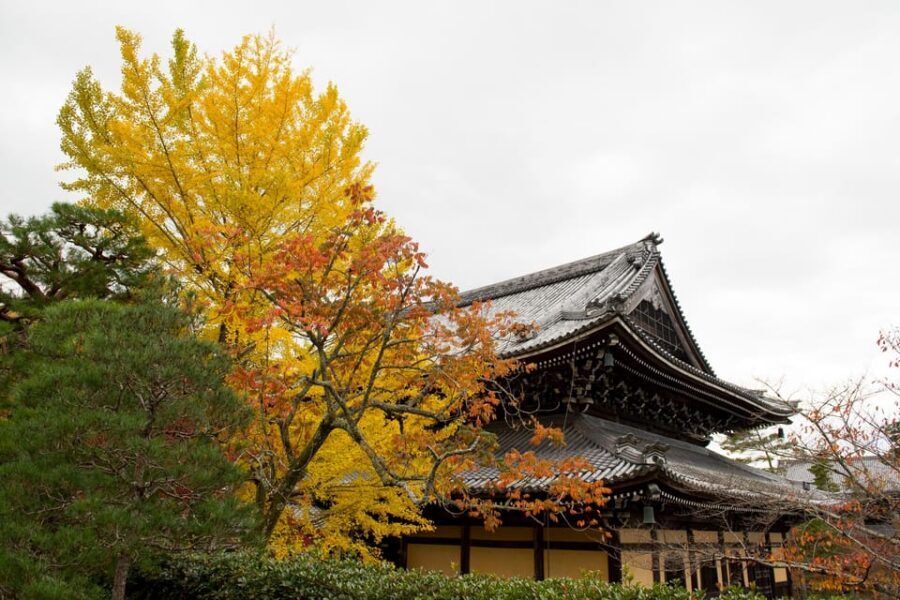
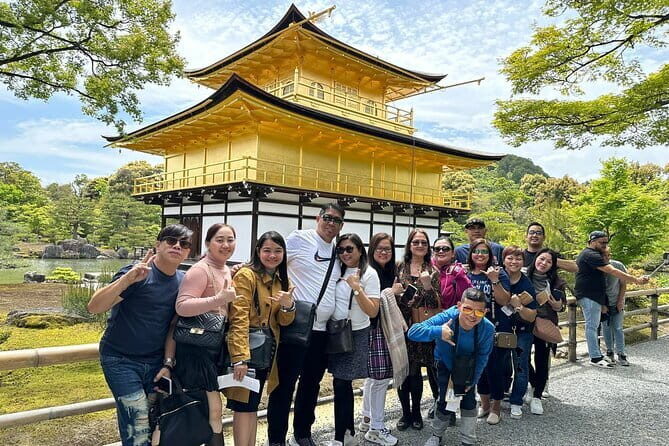
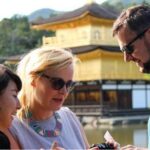
Next is Kinkakuji, the Golden Pavilion. You also get a mention of a very old bonsai tree on site. Getting there is handled by bus or train, and the guide manages the timing.
This visit is only about 30 minutes, and entrance isn’t included. Kinkakuji’s entrance fee is listed as 500 JPY, and there’s also a 500 JPY entrance fee sometimes associated with Tenryuji. You may see how that could fit into a bamboo-area route even if the temple name isn’t emphasized in the short stop plan. Either way, plan for paid entries for the temple-heavy segments.
The short time is the trade-off. You’ll see the signature moment, but you won’t be doing slow, lingering photography for a full hour. If you’re a detail photographer, ask the guide to prioritize the angles that matter to you.
You can also read our reviews of more private tours in Kyoto
Fushimi Inari-taisha Shrine short course (about 30 minutes)
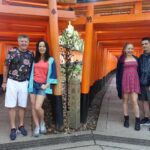
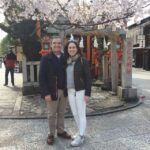
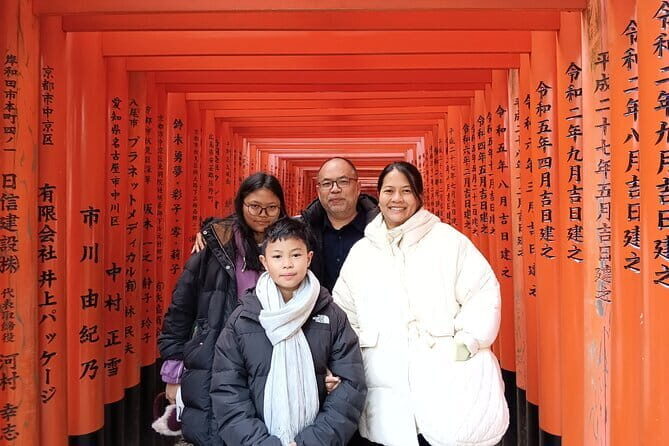
Fushimi Inari is where the tour offers a smarter choice. The full walking is described as about 2 hours, but this itinerary uses the short course, which takes less than 30 minutes. Admission is free here.
This is a good option if you want the identity of Fushimi Inari without turning your day into a long staircase workout. You’ll still be walking through the shrine areas, but the schedule keeps it from eating the rest of your day—especially important because the tour continues into markets and old streets.
Nishiki Market Shopping District (about 1 hour)
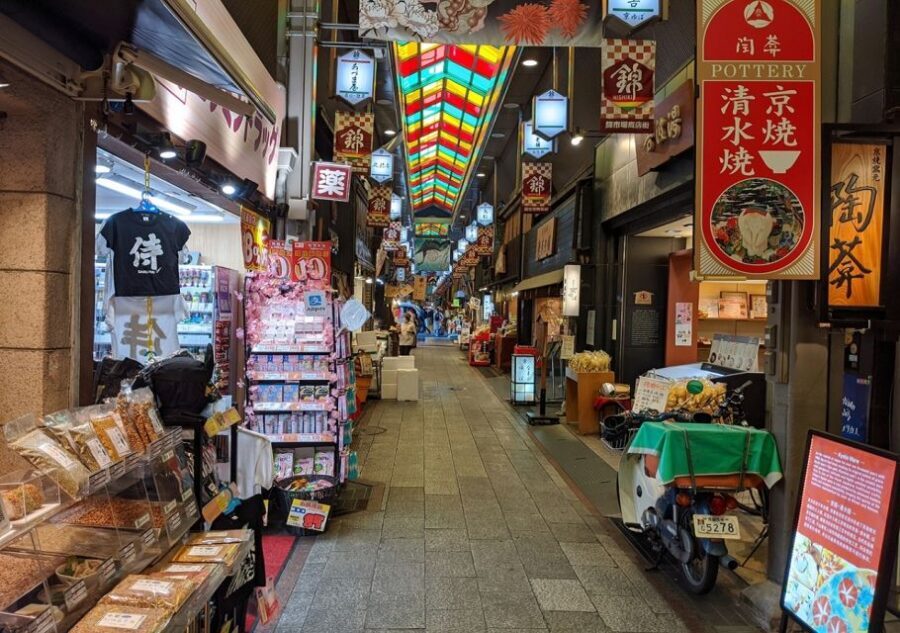
Then you shift into central Kyoto at Nishiki Market. This is known for Kyoto kitchen—think snacks, local food ideas, and quick shopping. The tour keeps it to about an hour, which is just enough to sample a few items and browse.
Here’s the reality check: the market can be crowded and standing-heavy, and the plan suggests lunch can happen here if you don’t mind that vibe. If your group hates crowds, you may prefer to treat Nishiki as a shopping-and-snack stop, not the sit-down meal.
Admission is free, but food and drink are not included, so this is where you’ll spend your yen.
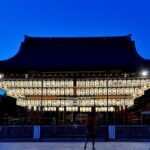
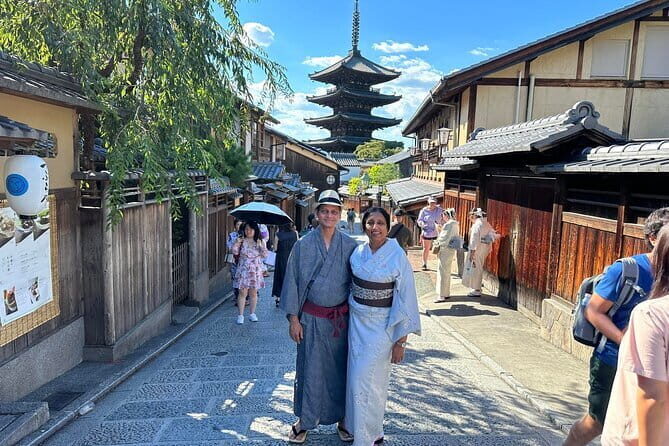
Gion + approach toward Ninenzaka and Sanenzaka (3 hours)
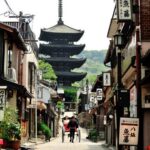
After Nishiki, you move into Gion and keep walking toward Ninenzaka and Sanenzaka up to the Kiyomizudera approach. This whole block is about 3 hours and is admission-free.
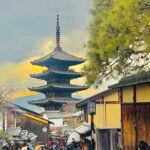
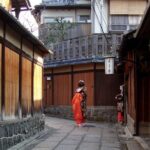
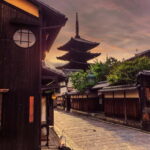
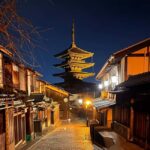
This is one of the most atmospheric parts of the day. You’re in classic Kyoto street territory, and the plan even notes a chance to spot geisha. Whether that happens depends on timing and what’s going on in the neighborhood, but the bigger win is the guided walk through the old-town streets and shopping areas.
Also note the terrain: the approach toward Kiyomizudera is described as steep, with stairs and shops on both sides. That’s fun for photos, but it can be hard on tired legs.
Kiyomizu-dera Temple (2 hours)
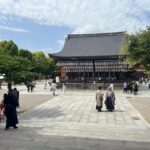
Finally, you reach Kiyomizudera. The tour time here is about 2 hours, which is a meaningful difference from the short 30-minute stop at Kinkakuji. This gives you room to take in the main temple areas and still move at a relaxed pace while going through the approach streets.
Entrance isn’t included, and Kiyomizudera’s entrance fee is listed as 600 JPY. The old-street climb plus a paid temple stop makes this the segment where you’ll want the most energy management. If you need rest, build it in during the walk, not at the last minute.
Guide Quality Matters: What to Expect from English/Thai Support
A private guide can make or break a day like this. When communication flows, the experience feels smooth and personal. When it doesn’t, you can end up walking through famous sights without getting much from them.
In the positive examples, guides such as Marin have been praised for making the best use of time and even being good at photography. Senji has been called out for tailoring the day to requests and helping with practical stuff like finding a cash machine. Shinji also shows up in the best-case stories as sweet, photo-friendly, and strong on history, while Shoji has been mentioned for sending pictures after the tour.
But there’s a downside to keep in mind: at least one guide had English that didn’t meet expectations, which meant less information during key moments. If you’re traveling with kids or you really want explanation at each stop, it’s worth being clear in advance about what level of detail you want and what language pairing you prefer.
One practical tip: bring a short list of your “must know” topics. Even if language is a bit rough, a good guide can usually handle a few focused answers well.
Price and Value: $192 for Up to 6 (Plus What’s Extra)
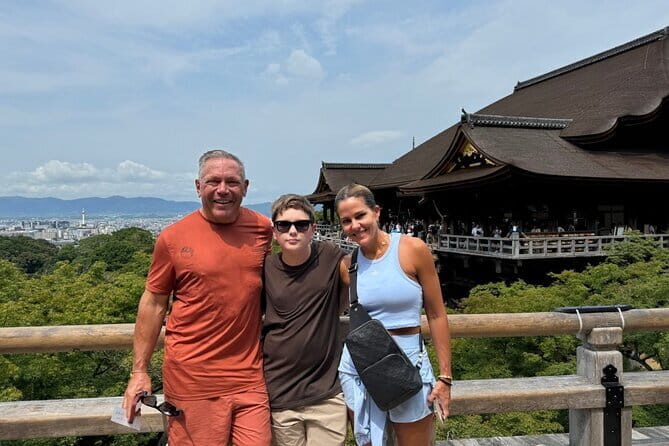
At $192 per group (up to 6 people), the price can be very good value compared with paying for multiple separate tickets to a rigid group tour. The real value is that you’re paying for guide time and route management, not just walking next to someone.
However, the tour’s costs work in two layers:
1) Included: the tour guide fee and a local English/Thai speaking guide.
2) Not included: public transport fees, any private transport fees, and entrance fees (Kinkakuji 500 JPY, Tenryuji 500 JPY, Kiyomizudera 600 JPY). Food and drink are also not included.
So the final price depends on how you handle entrances and what you eat at Nishiki. For many groups, especially families, it still adds up to a practical “one-day solution” that saves time and stress—because you’re not trying to stitch together multiple transit and entry decisions on your own.
One more cost reality: Kinkakuji is reached by bus or train, and the itinerary includes multiple neighborhood transfers. Even if you don’t use taxis, you’ll still pay some transit.
Getting the Most Out of the Day (Without Burning Out)
Here’s how I’d plan this day if you want it to feel fun, not frantic.
- Start with priorities. If Arashiyama is a “must,” treat it as your warm-up and don’t try to do extra detours.
- For Fushimi Inari, you’ve got a short course for a reason. Take it. If your legs are fresh, you can always add a bit more later, but the itinerary is designed to protect the rest of your day.
- At Nishiki, snack and browse, then move. A long sit-down plan can fight with the schedule.
- For the Ninenzaka/Sanenzaka climb toward Kiyomizudera, slow down on purpose. Those stairs and steep stretches are part of the experience, but you’ll enjoy it more if you pace it.
Also, consider whether your group includes kids. The tour is described as great for families with children, and guides have tailored days for adults and kids in the best examples. Still, bring snacks and a flexible attitude.
Who This Tour Is Best For
This Kyoto private walking tour fits best when you want structure without rigidity.
You’ll likely enjoy it if:
- Your group includes up to 6 people and you want to move together without joining a larger crowd.
- You like seeing multiple top neighborhoods in one day and want someone else to handle the “how do we connect these places” problem.
- You care about photos and street-level moments, not just temple stamps.
- You want the plan to match your interests and not something pre-set.
You might want to think twice if:
- You’re traveling on a tight budget and don’t want added entrance fees and transit costs.
- You need very detailed, fluent narration in English (communication quality can vary by guide).
- Your group struggles with steep stairs, since the approach toward Kiyomizudera includes steep stair-heavy old-street walking.
Should You Book This Kyoto Private Walking Tour?
My take: this is a strong choice if you want a guided day that strings together the classics while staying flexible. The itinerary design makes sense—Arashiyama first, then Golden Pavilion, then shrine time, market time, old streets, and finally Kiyomizudera. The private group size helps, and guides like Marin, Shoji, Senji, and Shinji have shown that the best version of this tour is thoughtful, photo-friendly, and practical.
I’d book it if you’re planning ahead (this is commonly reserved about 32 days in advance) and you’re willing to budget for entrance fees and food. I’d also message the provider about your language preferences and your group’s walking comfort before you lock in.
FAQ
How long is the Kyoto Highlights private walking tour?
The tour is about 8 hours.
How much does the tour cost?
It costs $192.00 per group, up to 6 people.
Is pickup included?
Pickup is offered.
Are entrance fees included?
No. Entrance fees for Kinkakuji (500 JPY), Tenryuji (500 JPY), and Kiyomizudera (600 JPY) are not included.
Is Fushimi Inari-taisha admission free?
Yes. Admission for Fushimi Inari-taisha is listed as free.
Is food included in the price?
No. Food and drink are not included, though lunch can be arranged at Nishiki Market if you don’t mind standing and crowds.
What languages are the guides?
The guide provides local English and Thai speaking support.
What is the cancellation policy?
Free cancellation is available up to 24 hours in advance for a full refund.