REVIEW · GION DISTRICT WALKING TOURS
Kyoto Gion Early Morning Walking Tour
Book on Viator →Operated by Tomodachi Tours · Bookable on Viator
Beat the crowds before Kyoto wakes up. This early morning Kyoto Gion walking tour strings together the city’s most famous streets and temples in a tight, easy route, led by an English-speaking guide with time for questions. With a maximum group size of 12, you’re not just tagging along.
I also like how the pacing keeps things simple and helps you avoid getting lost. The only real consideration: Kiyomizudera Temple costs extra (¥500 per person), and it can still feel busy even in the morning compared with the quieter Gion lanes.
In This Review
- Key Points You’ll Actually Care About
- Why an Early Morning Gion Walk Is Worth Your Wake-Up Call
- The 3-Hour Format: Easy Duration, Useful Concentration
- Meeting Point and Getting There Without Stress
- Gion Shirakawa: The Calm Side of Old Kyoto
- Hanamikoji Street: Geisha-District Atmosphere, Up Close
- Kiyomizudera Temple: The Big Hit, the Extra Fee, the Crowd Reality
- Sannenzaka and Ninenzaka: The Stone Lanes You’ll Want to Wander
- Yasaka-no-To Pagoda: A Quick Landmark Stop That Still Has Impact
- Yasaka Shrine: Where the Colors and Traditions Take Over
- Guides: English, Friendly, and Actually Able to Answer
- Coffee and Small Breaks: Optional, but the Morning Helps
- Price and Value: What You’re Paying for at $49.42
- Who This Walking Tour Fits Best
- One Thing to Keep in Mind Before You Go
- Should You Book This Kyoto Gion Early Morning Walking Tour?
- FAQ
- FAQ
- How long is the Kyoto Gion Early Morning Walking Tour?
- What does the tour cost?
- Is Kiyomizudera Temple admission included?
- Where is the meeting point, and where does the tour end?
- How large is the group?
- Is hotel pickup included?
- What language is the guide?
- Do I get a mobile ticket?
- Can I cancel for a full refund?
Key Points You’ll Actually Care About
- Small-group cap (max 12): easier questions and smoother navigation.
- Early start focus: more calm walking and better odds for crowd-free photos.
- Guide-led routing: you spend less time decoding maps and more time looking up.
- Classic Higashiyama hit list: Gion Shirakawa, Hanamikoji, Kiyomizudera, Sannenzaka/Ninenzaka, Yasaka Shrine.
- Straightforward logistics: mobile ticket, no hotel pickup, meet and return to the same spot.
Why an Early Morning Gion Walk Is Worth Your Wake-Up Call
Kyoto looks best when you’re not elbow-to-elbow with the afternoon crowds. This tour is built around that idea: you tackle Gion and Higashiyama early enough to feel the city in “daily rhythm,” not “theme-park mode.”
The payoff is subtle but real. In the first neighborhoods, the streets feel like living places—wooden machiya houses, old stone lanes, and shrine gates that you can actually study instead of just snap. By the time you reach the headline spots, you’ve already warmed up your eyes and your sense of where things sit.
And because you’re not wandering on your own, you get one less headache. The guide handles direction and timing, so you’re free to focus on what you’re seeing—temple details, street layouts, and the cultural meaning behind the sights.
You can also read our reviews of more walking tours in Kyoto


The 3-Hour Format: Easy Duration, Useful Concentration
The whole experience runs about 3 hours (approx.). That’s a great length for Kyoto if you want “real sights” without turning your day into a full logistical project.
Here’s what that timing usually means in practice: you’ll move at a walking pace that’s active but not frantic. You’ll also spend enough time at each stop to notice changes—light on wood, the shape of rooftops, the flow of lanes—without feeling stuck for too long anywhere.
The tour also runs with a mobile ticket, which is convenient if you don’t want paper to manage. You’ll meet at a specific landmark and finish back at the same spot, which keeps things simple after your temple walking morning.
Meeting Point and Getting There Without Stress
You start at the Statue of Izumo-no-Okuni, Kawabatacho, Higashiyama Ward, Kyoto. Your tour ends back at the meeting point as well, so you’re not left figuring out how to get home from the middle of a busy district.
Hotel pickup is not included. That’s common for walking tours, and it actually helps keep things efficient—no long pickup windows, no waiting around for late arrivals. Since the meeting point is near public transportation, you’ll typically do best by planning to arrive a little early and get oriented before the group gathers.
Gion Shirakawa: The Calm Side of Old Kyoto
Stop 1 is Gion Shirakawa, about 15 minutes, with no admission fee. This is one of those Kyoto scenes that looks like it’s been here forever: the Shirakawa River lined with traditional machiya houses and weeping willows.
What I like about starting here is the mood. You’re not immediately under a crush of people. Instead, you get the chance to notice the “grammar” of the neighborhood—where the river sits, how buildings face the water, and how the street life flows around that quiet natural line.
Even if you’ve seen photos of Shirakawa before, walking it early changes the whole experience. The light is softer. The river sounds are easier to hear. And your camera work gets easier because you’re not waiting for a wall of tour groups to shuffle past.
Hanamikoji Street: Geisha-District Atmosphere, Up Close
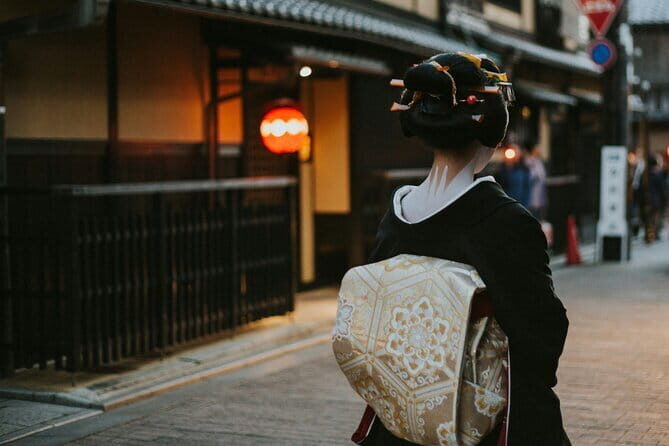
Next comes Hanamikoji Street, about 20 minutes, also free to enter. This is Kyoto’s classic geisha and maiko district street, lined with historic wooden machiya houses and traditional teahouses (ochaya).
This stop is less about checking off a single monument and more about understanding the feeling of the district. You’ll see why people associate this area with Kyoto’s traditional arts: the narrow street, the architectural details, and the sense of careful, preserved design.
A small-group format really helps here. You can ask questions about what you’re looking at—why certain buildings look the way they do, what the street layout suggests, and how the area fits into the wider geography of Higashiyama.
You can also read our reviews of more tours and experiences in Kyoto



Kiyomizudera Temple: The Big Hit, the Extra Fee, the Crowd Reality
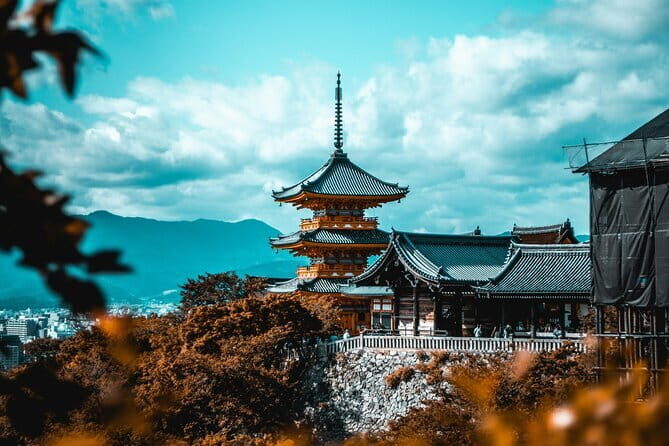
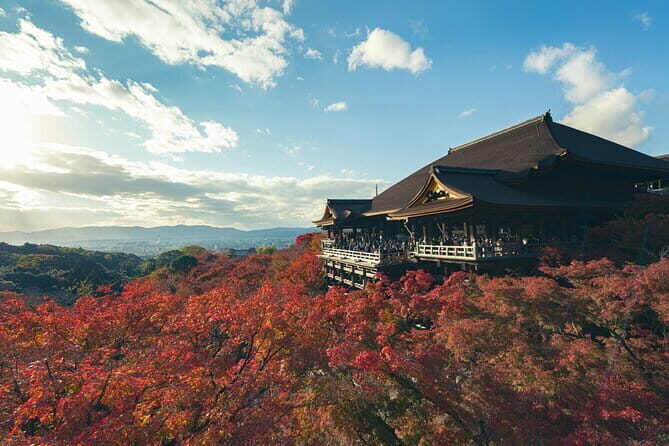
Stop 3 is Kiyomizudera Temple for about 1 hour. Admission is not included and costs ¥500 per person.
Kiyomizudera is famous for a reason: that iconic wooden stage over the city views, plus the sense of spiritual gravity you feel when you step onto temple grounds. The best part of this stop isn’t just the main structure—it’s the time you get to walk around, look outward, and connect what you’re seeing with Kyoto’s long religious traditions.
One practical note: even with an early-morning plan, Kiyomizudera can be busy. If your top goal is crowd-free photos at the busiest view points, go in with flexible expectations and rely on your guide to make the most of the time you have.
If you’re the type who likes to ask follow-up questions, this is a good moment to do it. Guides tend to explain what you’re looking at—how the temple’s placement affects views and why visitors experience it the way they do.
Sannenzaka and Ninenzaka: The Stone Lanes You’ll Want to Wander

Stop 4 is Sannenzaka and Ninenzaka, about 30 minutes, with no admission fee mentioned. These streets are known for stone-paved walkways, traditional wooden townhouses, and small local shops along the way.
This is where Kyoto shifts from “major sight” to “living streets.” The lanes feel like a postcard because they were built for strolling and viewing—slight turns, a lot of visual texture, and storefronts that invite you to slow down. It’s also a great area for people who enjoy architecture more than they enjoy checklists.
The only drawback is natural: these streets can become crowded if you’re not there early enough. The tour’s early start helps, but it doesn’t eliminate it. Treat this stop like your chance to enjoy the atmosphere, not like a museum where you can stand still forever.
Yasaka-no-To Pagoda: A Quick Landmark Stop That Still Has Impact
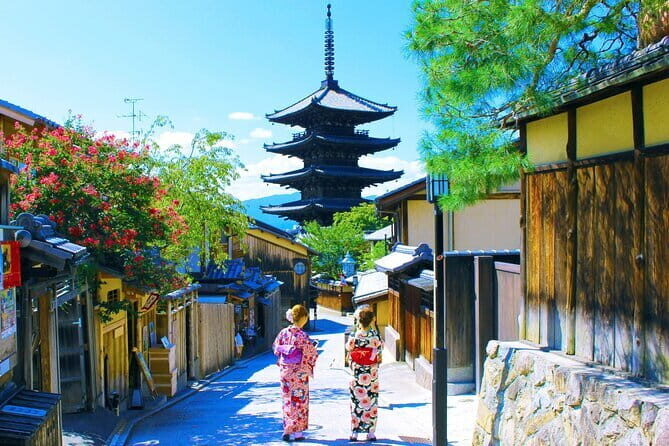
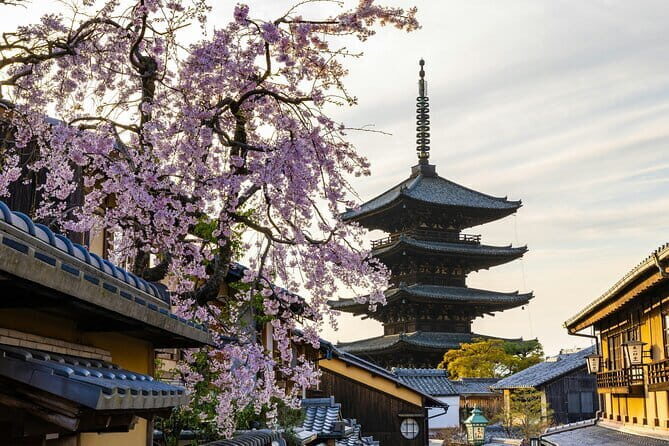
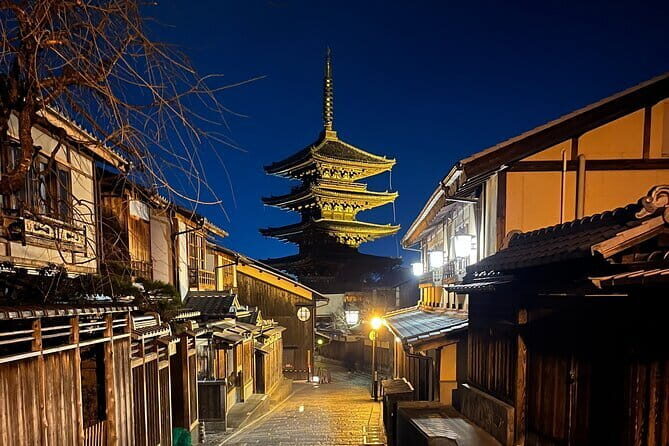
Stop 5 is Yasaka-no-To (Yasaka Pagoda) for about 10 minutes. It’s a short stop, free to visit, but it’s worth it. This pagoda is one of Kyoto’s most recognizable landmarks, and in the morning it often feels more elegant than overwhelming.
The key value here is orientation. After Kiyomizudera and the stone lanes, Yasaka-no-To gives you a visual anchor—something you can remember when you look back on the day’s geography.
If you’re a photo person, consider using this stop for one clean shot before moving on. Ten minutes is enough for a quick set of angles, and then you’ll be on to the shrine area.
Yasaka Shrine: Where the Colors and Traditions Take Over
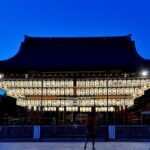
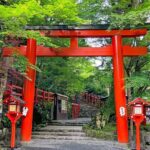
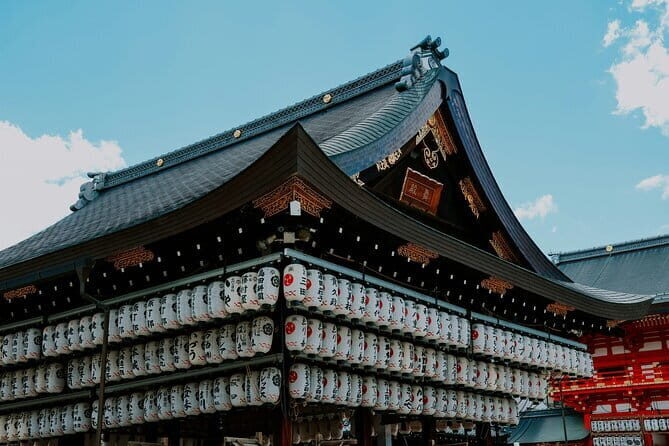
Stop 6 is Yasaka Shrine, about 30 minutes, and it’s free to enter. This Shinto shrine is known for its vermilion gate and its lantern-lit dance stage.
Yasaka Shrine works well as a final major stop because it shifts the tone. You’ve moved from temple views and historic lanes into a shrine setting where ceremonies and tradition are the focus. Even if you don’t follow every ritual, the visual language is strong: gate shapes, shrine grounds, and the way the area frames visitors as they approach.
This longer stop length matters. Thirty minutes gives you a chance to do more than rush. You can walk, pause, and take in details without feeling like you’re stealing time from your group.
Also, many guides are strong at explaining the practical meaning behind the decorations—so if you’ve been saving questions, this is a good place to ask.
Guides: English, Friendly, and Actually Able to Answer
One of the tour’s biggest strengths is the guide experience. It’s an English-speaking tour, and the guide is part of the value, not just a voice over the route.
In past experiences, guides like Caleb, Hiro, and Vincent have been mentioned by name for strong knowledge and friendly delivery. That matters because you’ll get more than surface facts. You can ask questions about history, culture, and what you’re seeing, and your guide can connect it to the bigger picture.
Even better: the small group size (up to 12) makes it realistic to ask follow-ups. This isn’t a “hold your questions for the end” kind of setup.
Coffee and Small Breaks: Optional, but the Morning Helps
The tour format is a walking morning, so it naturally supports a quick break when it fits the flow. In at least some experiences, guides have included time for an excellent coffee stop—one person specifically mentioned a place called Here.
Don’t treat that as guaranteed. But do know that a morning like this often makes a coffee stop feel like part of the plan, not an afterthought.
My advice: if you want caffeine, plan to grab it during a stop window rather than hunting for a café afterward. The route is designed to keep you moving through key sights.
Price and Value: What You’re Paying for at $49.42
At $49.42 per person, this tour is positioned as a budget-friendly way to get organized coverage of Kyoto’s top Higashiyama sights. For that money, you get an English-speaking guide, about 3 hours of direction and pacing, and a route that hits multiple major areas without you needing to map everything yourself.
The main extra cost is the Kiyomizudera admission fee (¥500 per person). When you budget, treat that as an expected add-on. Still, you’re not paying separate fees for every neighborhood, and most stops here are free.
So where does the value really come from?
- You’re paying for navigation + timing, which can save real stress.
- You’re paying for context, so each stop feels more meaningful than a solo walk-through.
- You’re paying for small-group access, which makes questions possible.
If you’re short on time in Kyoto and you want a structured morning that doesn’t waste energy, this price tends to feel fair.
Who This Walking Tour Fits Best
This is a strong match if you:
- Want Kyoto’s highlights without spending the day figuring out logistics.
- Enjoy walking and taking your time with details like streets, shrine gates, and temple views.
- Like history and culture explanations more than pure shopping or pure photo-chasing.
- Prefer a small group (maximum 12) so you’re not lost in a crowd.
It’s also a good fit for couples and solo travelers who want the social comfort of a guided walk but don’t want a big tour bus vibe.
One Thing to Keep in Mind Before You Go
Even with the early-morning strategy, the most famous sights can still attract people. Kiyomizudera in particular may be lively by the time your group arrives. That doesn’t ruin the experience—it just means you should plan for “better than afternoon” rather than “empty.”
If you want the quietest possible atmosphere, your best strategy is to enjoy the calmer early stops (Gion Shirakawa and Hanamikoji) as your main photo and reflection time, then treat the later highlights as moments to soak up the energy.
Should You Book This Kyoto Gion Early Morning Walking Tour?
I think this tour is a good booking choice if you want maximum Kyoto flavor in a short morning. The mix of Gion Shirakawa, Hanamikoji Street, Kiyomizudera, Sannenzaka/Ninenzaka, and Yasaka Shrine makes it feel like a complete taste of Higashiyama, not a random pick of landmarks.
Book it if your priority is:
- avoiding the afternoon crowd squeeze,
- having a guide to keep you oriented,
- and getting context for what you’re seeing.
Skip it only if you need a totally low-crowd experience at every single stop, or if you dislike paying the extra Kiyomizudera admission on top of the tour price.
FAQ
FAQ
How long is the Kyoto Gion Early Morning Walking Tour?
It’s approximately 3 hours.
What does the tour cost?
The price is $49.42 per person.
Is Kiyomizudera Temple admission included?
No. Kiyomizudera Temple admission costs ¥500 per person and is not included.
Where is the meeting point, and where does the tour end?
You meet at the Statue of Izumo-no-Okuni in Kawabatacho, Higashiyama Ward, Kyoto, and the tour ends back at the same meeting point.
How large is the group?
The tour has a maximum of 12 travelers.
Is hotel pickup included?
No, hotel pickup is not included.
What language is the guide?
The tour includes an English-speaking guide.
Do I get a mobile ticket?
Yes, it uses a mobile ticket.
Can I cancel for a full refund?
Yes. You can cancel for free up to 24 hours in advance for a full refund. If you cancel less than 24 hours before the start time, the amount paid is not refunded.