Peace by the Kyoto river, quietly practiced. This Zen workshop is different because zazen happens on an open-air riverside deck, not inside a temple hall, and you get a gentle, step-by-step approach to meditation. I like the Uji matcha tea time finish with seasonal wagashi, because it brings you back to everyday calm without any stiff ceremony. One thing to consider: it’s weather-dependent, so you’ll want to dress for an outdoor morning and be ready if conditions change.
What makes it feel practical is the mindset: this isn’t about strict ritual. The instructor and English-speaking cultural guide focus on how Zen can fit into ordinary life, and the session is paced like a real workshop. With a max group size of 10 and a 2-hour time frame, you get personal attention without a long day that eats your Kyoto itinerary.
In This Review
- Key Things I’d Watch For Before You Go
- Why This Kyoto Zen Session Feels Like Practice, Not Performance
- Riverside Zazen: What the 2-Hour Workshop Typically Includes
- A Calm Landing: Uji Matcha and Seasonal Wagashi After Zazen
- Price and Value: What $105 Buys in Kyoto
- Getting There at 35 Umegahata Tonohatachō (and What Happens Next)
- Weather, Mindset, and Who This Fits Best
- Should You Book This Kyoto Riverside Zen Meditation and Uji Matcha Experience?
- FAQ
- How long is the Kyoto Hidden Riverside Zen Meditation and Uji Matcha Experience?
- Where does the experience start?
- Is the meditation inside a temple?
- What will I learn during the zazen workshop?
- Will the guide speak English?
- What’s included in the experience besides meditation?
- Is there a formal Japanese tea ceremony?
- How many people are in a group?
- What happens if the weather is bad?
- Do I need private transportation?
Key Things I’d Watch For Before You Go
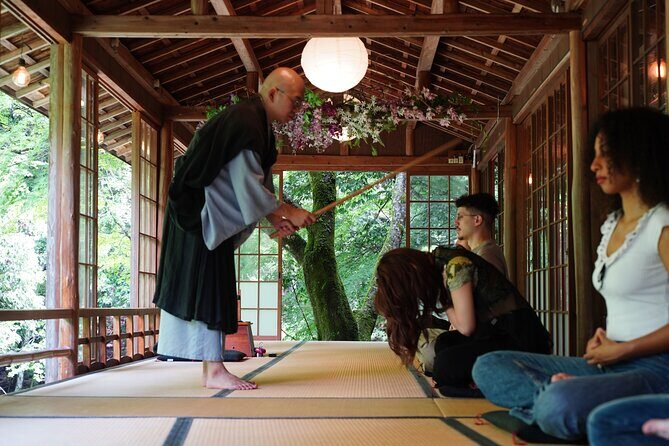
- Open-air zazen by the flowing water: the river sounds and morning breeze are part of the practice, not an interruption.
- Workshop-style guidance for beginners: expect clear coaching through the basics of seated meditation (zazen), not vague instructions.
- Zen as everyday awareness: the goal is carrying calm and attention back home, not just doing it for the day.
- Premium Uji matcha plus seasonal wagashi: a quiet, mindful landing after meditation, not a flashy show.
- Small group size (up to 10): fewer people means the experience stays calm and manageable.
- Good weather matters: it’s held outdoors, so plan for the possibility of a reschedule.
Why This Kyoto Zen Session Feels Like Practice, Not Performance
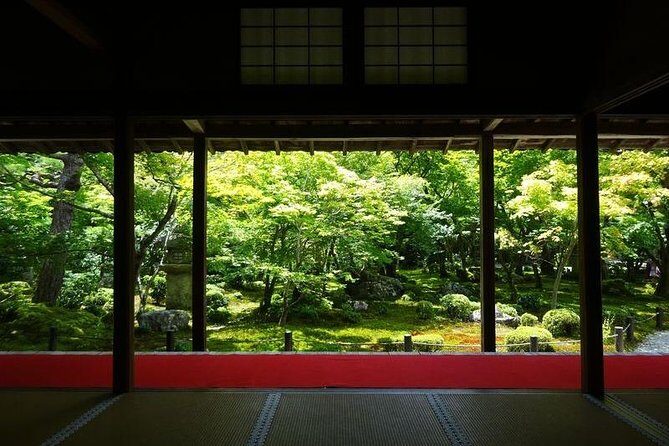
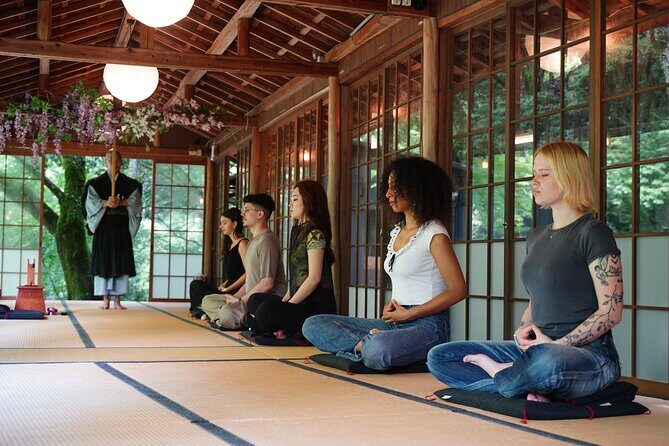
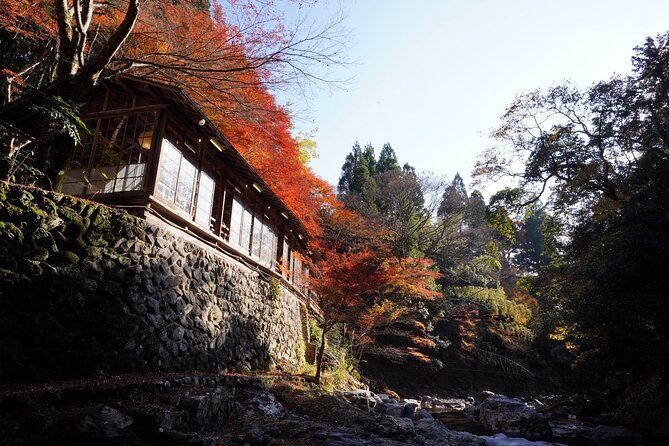
Kyoto is famous for temples. This experience takes a smart turn away from the usual “tour inside a hall” vibe. Instead, you sit outdoors on a riverside deck, surrounded by trees and fresh air, with the steady sound of water in the background. That alone changes the feel of zazen. It’s easier to let your mind settle when the world around you is quiet and natural, not echoing off stone.
The second reason it works is the way it’s taught. This isn’t presented as something only for devoted practitioners. The instructor guides you through the basics of zazen in a way that’s approachable, even if you’re new to meditation. You’re not forced into complicated formality, and the focus stays on what you can actually do: posture, breath, attention, and how to notice what’s happening without getting tangled in it.
Finally, there’s the everyday-life angle. Zen here is framed as something you can carry forward—how to keep a calm, aware mindset after you leave the deck. For me, that’s the real value: you’re not just collecting a cultural sticker. You’re learning a method.
You can also read our reviews of more tours and experiences in Kyoto.


Riverside Zazen: What the 2-Hour Workshop Typically Includes
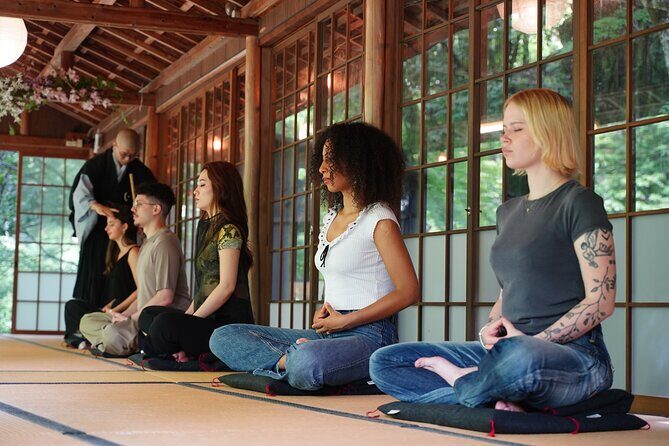
This session is about 2 hours total, and it’s structured like a workshop rather than a one-size-fits-all class. The flow is built around instruction and practice, guided step by step through zazen.
First, you’ll get the basics you need to sit comfortably and meditate. The experience is designed so beginners don’t feel lost. That usually means you’re coached on foundational posture and how to work with your breath, then guided into the act of seated meditation.
Next comes the actual practice time, held outdoors. The riverside setting matters. You’re not meditating in silence-only mode; you’re learning to notice real-world sounds—flowing water, a morning breeze, and seasonal scenery—and treat them as part of the moment rather than distractions to battle.
The instructor also encourages personal reflection and a way of integrating mindfulness into daily life. That’s important if you’ve tried meditation before and felt like the instructions were missing the “now what?” part. Here, the workshop framing signals that the end goal isn’t perfection. It’s awareness you can return to.
And because language can be a barrier, you’ll have an English-speaking cultural guide alongside the Zen instructor for interpretation and context. That means you can focus on what you’re doing instead of mentally translating.
A Calm Landing: Uji Matcha and Seasonal Wagashi After Zazen
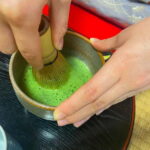
After meditation, you transition into a peaceful tea time. This is one of the most thoughtful parts of the experience, because it gives you a gentle on-ramp back to normal conversation and movement.
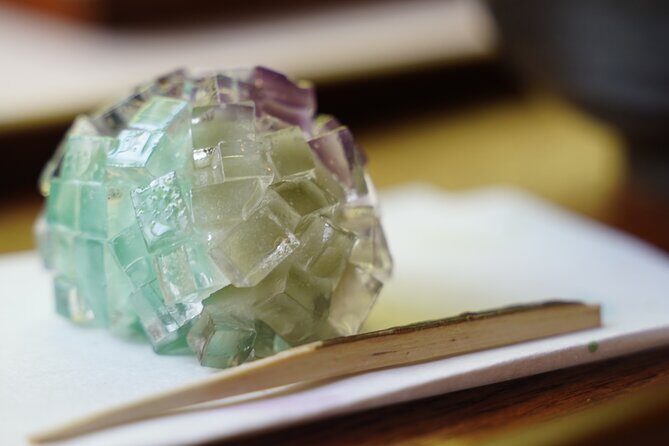
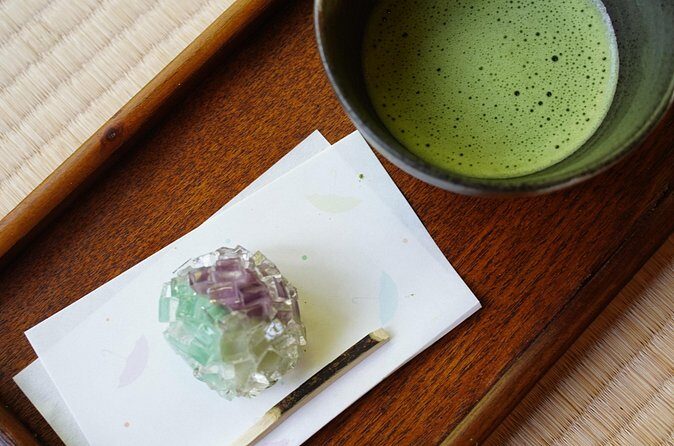
You’ll be served premium Uji matcha, freshly whisked, along with seasonal wagashi. In plain terms, it’s a quiet break where your body and mind can come back from stillness without jolting. The experience describes it as not a formal tea ceremony—so you’re not expected to follow ceremony choreography or ritual steps. It’s more like mindful closure.
Also note that the experience includes coffee and/or tea, but matcha is the star. If you’re a matcha person, this is a good chance to taste a higher-end version in a setting that encourages calm rather than rushing.
It’s a practical finish, too. You’ll be done shortly after this tea time, so you can continue exploring Kyoto afterward without feeling like you owe the rest of your day to a long cultural program.
Price and Value: What $105 Buys in Kyoto
At $105 per person for about 2 hours, this isn’t the cheapest thing on the list. But the price makes more sense when you look at what’s included.
You’re paying for:
- A Zen workshop-style session with a Zen instructor coaching zazen fundamentals
- An English-speaking cultural guide for interpretation and context
- The outdoor setting that’s specifically part of the practice
- Tea time afterward with premium Uji matcha and seasonal wagashi (plus coffee and/or tea)
Also, the group is capped at 10 travelers. Small group size doesn’t automatically guarantee a better experience, but for meditation instruction, it usually helps keep things steady and calm.
One more detail that affects value: private transportation isn’t included. That’s not a deal-breaker if you’re already using public transit in Kyoto, but it does mean you should budget time (and a little walking) to get to the meeting point. Since the activity is near public transportation and you’ll use a mobile ticket, the “logistics friction” is manageable.
Finally, this is an experience that’s commonly booked about 14 days in advance on average. That’s a hint it can sell out, especially when weather is good. If you want this in your Kyoto plan, don’t wait until the last minute.
Getting There at 35 Umegahata Tonohatachō (and What Happens Next)
The meeting point is at 35 Umegahata Tonohatachō, Ukyo Ward, Kyoto, 616-8293, Japan. The experience ends back at the same meeting point, so you don’t have to figure out a complicated drop-off or connect to a far-away area afterward.
It’s described as near public transportation. You’ll also use a mobile ticket, so you shouldn’t need to print anything. That’s useful on travel days when paper tickets are the last thing you want to manage.
Because it’s a riverside workshop, arrive a bit early. Even if the pace is calm, you’ll want a few minutes to settle yourself before the session begins—especially if you’re adjusting to an outdoor setting.




Weather, Mindset, and Who This Fits Best
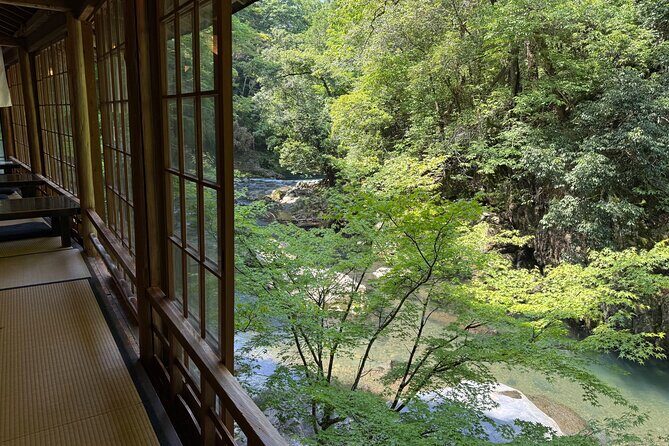
This experience requires good weather. Since zazen is on an open-air riverside deck, the weather isn’t a minor detail—it’s central to how the session runs. If it gets canceled due to poor weather, you’ll be offered a different date or a full refund. That flexibility is a big deal for a Kyoto schedule, where rain can change your plans fast.
Now, who is this best for?
You’ll likely enjoy it if:
- You’re curious about Zen meditation but want a beginner-friendly start
- You prefer calm, nature-based experiences over crowded temple sightseeing
- You want something short enough to fit into a real itinerary (about 2 hours)
- You like the idea of a mindfulness practice that’s meant for everyday life, not just the trip
You might want to rethink it if:
- You’re mainly looking for a deep dive into temple culture, monuments, or historical sites
- You strongly prefer indoor activities and want to avoid outdoor sessions entirely
One more supportive note: service animals are allowed. If you travel with one, this is worth knowing.
Should You Book This Kyoto Riverside Zen Meditation and Uji Matcha Experience?
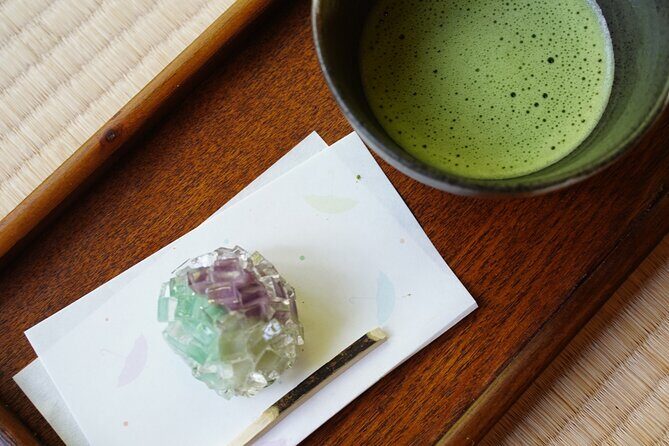
If you want one Kyoto activity that feels genuinely calming and teaches you something you can use after your trip, I think this is a strong pick. The standout strengths are the outdoor riverside zazen approach, the workshop-style beginner coaching, and the quiet matcha-and-wagashi finish that doesn’t turn into a tourist production.
Book it if you can hit the schedule and the weather looks reasonable. Skip it (or wait for a safer plan) if you’re traveling during a stretch where rain is likely and you hate the idea of rescheduling.
For most visitors, this is a good value use of time: it’s short, guided, and focused on mindfulness rather than checklists. If your Kyoto days need one soft, reflective moment, this delivers it.
FAQ
How long is the Kyoto Hidden Riverside Zen Meditation and Uji Matcha Experience?
It lasts about 2 hours.
Where does the experience start?
It starts at 35 Umegahata Tonohatachō, Ukyo Ward, Kyoto, 616-8293, Japan.
Is the meditation inside a temple?
No. The zazen practice is held on an open-air riverside deck.
What will I learn during the zazen workshop?
You’ll be guided step by step through the basics of seated meditation (zazen), designed to be approachable for beginners.
Will the guide speak English?
Yes. An English-speaking cultural guide accompanies the group and provides real-time interpretation and cultural insight.
What’s included in the experience besides meditation?
After the session, you’ll have premium Uji matcha and seasonal wagashi (and coffee and/or tea is also served).
Is there a formal Japanese tea ceremony?
No. The tea time is described as a peaceful, mindful closing, not a formal tea ceremony.
How many people are in a group?
The experience has a maximum of 10 travelers.
What happens if the weather is bad?
It requires good weather. If canceled due to poor weather, you’ll be offered a different date or a full refund.
Do I need private transportation?
No private transportation is included. The meeting point is near public transportation, and the activity ends back at the meeting point.