REVIEW · DRINKING TOURS
Private Sake Tasting in Central Kyoto with Sake Sommelier
Book on GetYourGuide →Operated by kfk · Bookable on GetYourGuide
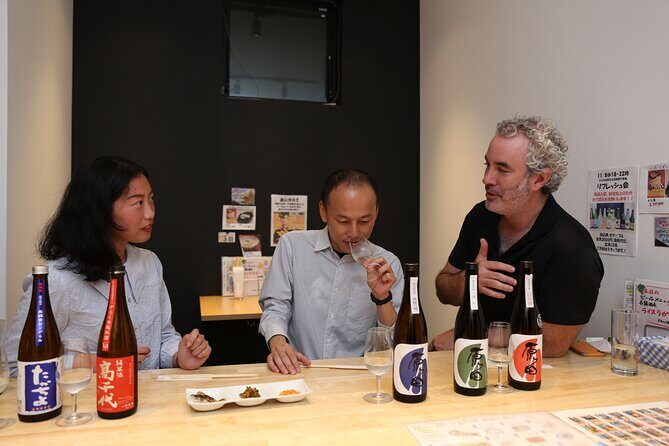
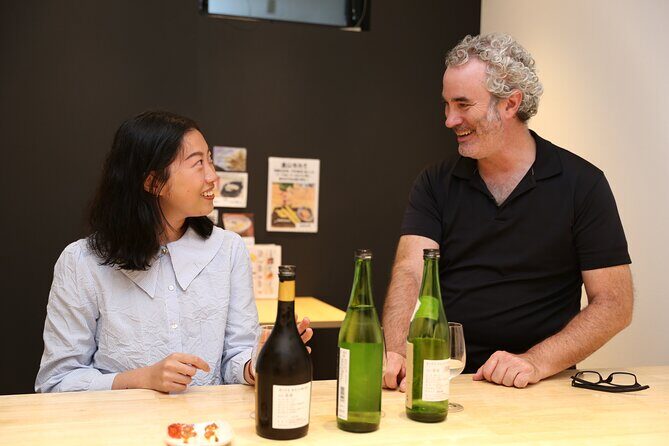
A great night in Kyoto can start with one small cup. This private tasting pairs a very cool standing sake bar with a calm, pro-led lesson on how to enjoy Nihonshu. I like that Kenji keeps it friendly and practical, so you leave knowing what you actually like, not just what you sampled.
Two things I especially like: you taste eight different sakes from across Japan, and Kenji guides you on how to order and enjoy sake like you’ve done it before. He also pays attention to your preferences, so the flight feels personally matched instead of generic.
One consideration: this is at a bar with no seats, so plan on standing for the full 2 hours and wear comfortable shoes. If you’re not into standing, it can feel a bit intense even if the experience is relaxed.
In This Review
- Key Highlights You’ll Care About
- Central Kyoto’s Standing Sake Bar Makes the Whole Experience Feel Different
- Meeting Point: How to Find the Right Person Before You Even Start
- Kenji’s Certified Sake Sommelier Approach: Friendly, Focused, and Useful
- The Two-Hour Flow: Eight Tastings, Snacks, and a Clear Point
- How to Order Sake After This: The Real Win in Kyoto
- Snacks and the Standing-Bar Rhythm: Chill, But Not Passive
- Price and Value: What $83 Gets You in Kyoto
- Who Should Book This Private Tasting (And Who Might Skip It)
- Quick Tips Before You Go
- Should You Book This Private Sake Tasting?
- FAQ
- How long is the private sake tasting?
- How many people are in the group?
- How many sakes will I taste?
- What’s included in the price?
- Where do I meet the guide?
- Is transportation included?
- What language is the tour guide?
- Is there an age requirement?
- Is it suitable for pregnant women?
- Can I cancel for a refund?
Key Highlights You’ll Care About
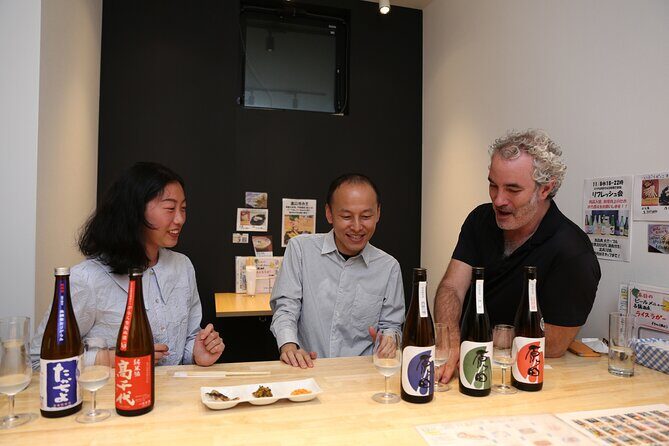
- Eight sakes, one guided tasting path across Japan, plus traditional Japanese snacks
- Kenji’s hands-on sommelier guidance on how to taste and choose sake you’ll want again
- A standing-only central Kyoto bar that keeps the experience casual and social
- Help with ordering so you can translate what you learned to real restaurant menus
- Tailored recommendations based on your tastes, so you’re not just following a script
Central Kyoto’s Standing Sake Bar Makes the Whole Experience Feel Different
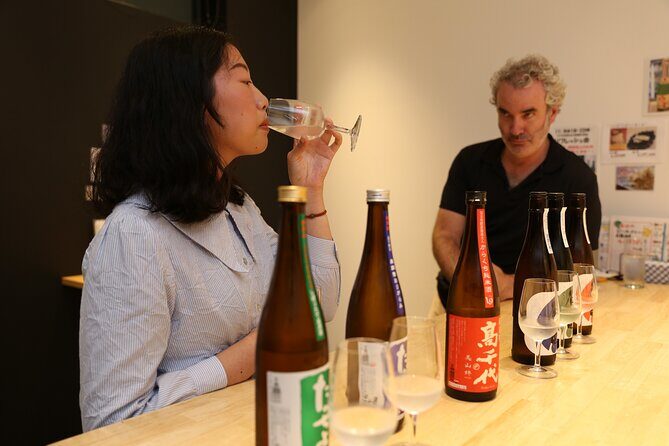
Kyoto has plenty of places to drink sake, but this setup changes the mood. You’re at a standing bar in the center of town, and that means the experience stays close-up and lively. No lingering in a seat, no long menu browsing—just you, Kenji, the pours, and the next step.
The practical upside is timing. With only 2 hours, you get a clear structure: taste, talk, adjust, repeat. The other upside is how the bar format pushes you to pay attention. When you’re standing shoulder-to-shoulder at a bar, you naturally focus on aroma, texture, and finish, because you can’t hide behind a comfy chair.
The main drawback is physical. Standing bars are not for everyone. You’ll want shoes that don’t punish your feet after an hour, and you’ll do best if you’re comfortable waiting without a seat.
You can also read our reviews of more food & drink experiences in Kyoto
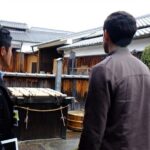

Meeting Point: How to Find the Right Person Before You Even Start
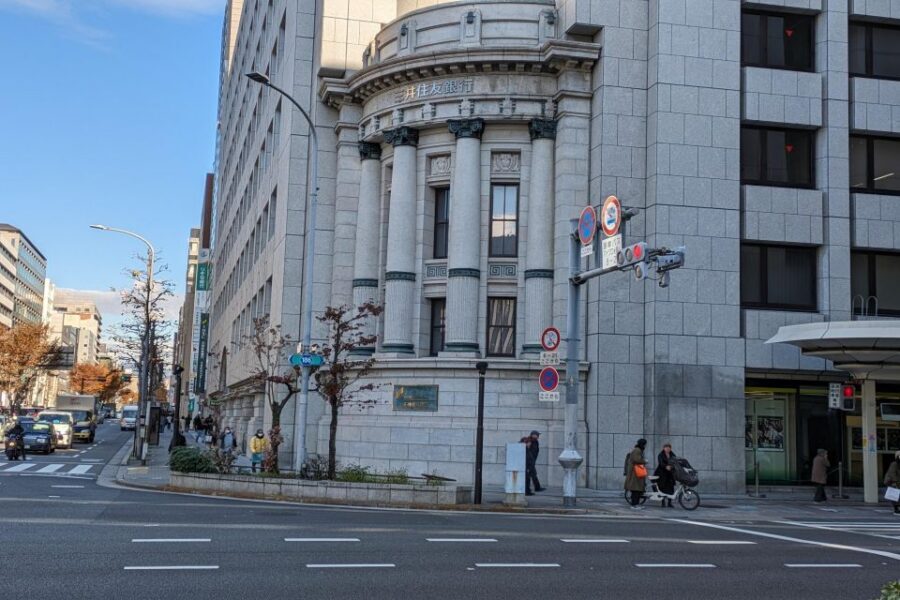
This tour starts at the intersection of Shijo and Karasuma streets. Look for the imposing Mitsui Building on the northeast corner, and find the guide standing out front with a LINNELL’S backpack.
From there, it’s about a ten-minute walk to the tasting spot. That walk is short, but in central Kyoto you’ll move through busy streets, so keep an eye on pace and wear shoes you can handle on foot.
If you’re traveling with someone, the private group size (up to 4) is a nice bonus. You won’t feel split from the guide or rushed to keep up with a bigger crowd.
Kenji’s Certified Sake Sommelier Approach: Friendly, Focused, and Useful
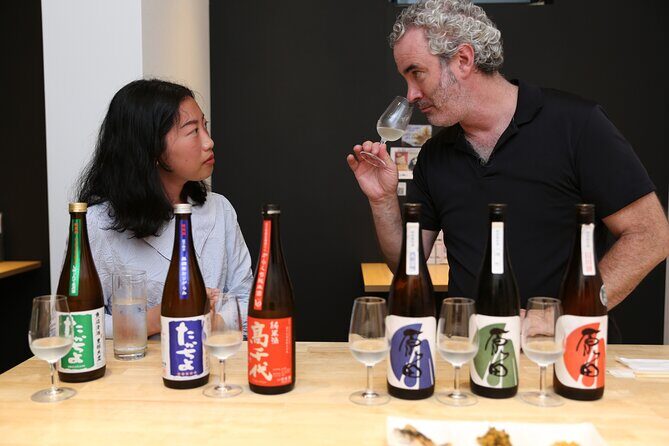
What you’re really buying here isn’t just eight pours—it’s learning how to choose sake with confidence. Kenji is presented as a certified international sake sommelier with years of professional experience, and the vibe is very teachable. He doesn’t treat sake like a museum piece. He treats it like something you can understand quickly and enjoy right away.
From the way the tasting is described, the lesson covers the ins and outs of sake production, plus how to order and enjoy it in real settings. That matters because sake menus can be confusing. You may see multiple styles, different labels, and varying terms. If you know what to look for, you can stop second-guessing yourself.
Also, the guidance feels personal. Several experiences note that Kenji is attentive and tailors the tasting based on individual preferences. That usually means you’re more likely to find a style you genuinely want to return to—dry vs. sweet balance, aroma level, and what to pair it with.
The Two-Hour Flow: Eight Tastings, Snacks, and a Clear Point
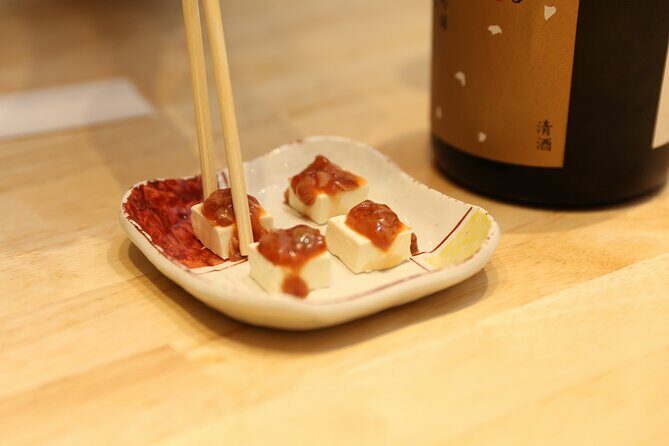
The structure is simple and smart: during the 2-hour session, you’ll taste eight sakes and eat traditional Japanese snacks. The goal is not to memorize everything. The goal is to help you identify what you like, understand why it tastes the way it does, and then use that knowledge later.
Here’s how this kind of tasting typically works in practice, and why it’s valuable:
First, you learn what sake is and how it’s made—enough production context to give meaning to what you’re tasting. Then Kenji guides you through how to pay attention: aroma, initial impression, and the finish. You start noticing patterns instead of treating each pour like a random gamble.
Next, the snack pairing helps you understand the sake’s texture and flavor profile in a way you can’t get from sipping alone. Food acts like a lens. If a sake tastes sharp, it might turn rounder with a specific snack. If it tastes flat by itself, it might feel more expressive after a bite.
Finally, with eight different sakes, you get enough variety to compare. That’s where you start forming preferences. Dry styles can feel crisp and clean; fuller styles can feel rounded; lighter pours may feel more delicate. When you taste several options back-to-back, the contrast helps you learn quickly.
How to Order Sake After This: The Real Win in Kyoto
If you only drink sake without guidance, you might still enjoy it—but you’ll probably struggle to repeat the experience. The big value here is the coaching on how to order and enjoy sake.
Think about the most common problem: restaurant menus don’t always make it easy to pick what matches your taste. This tasting gives you language and mental cues you can bring with you. Even if you don’t memorize every term, you’ll know what type of sake tends to work for you.
Kenji also helps with Japanese language basics in the experience context, and that can help you feel more comfortable making requests. Even simple phrase confidence can turn a meal from awkward to smooth.
Practical tip: when you go to a restaurant afterward, order one style you know you like first, then ask for a small next step in the same direction. You’ll feel more in control, and you won’t end up stuck with a pour you don’t enjoy.
You can also read our reviews of more private tours in Kyoto


Snacks and the Standing-Bar Rhythm: Chill, But Not Passive
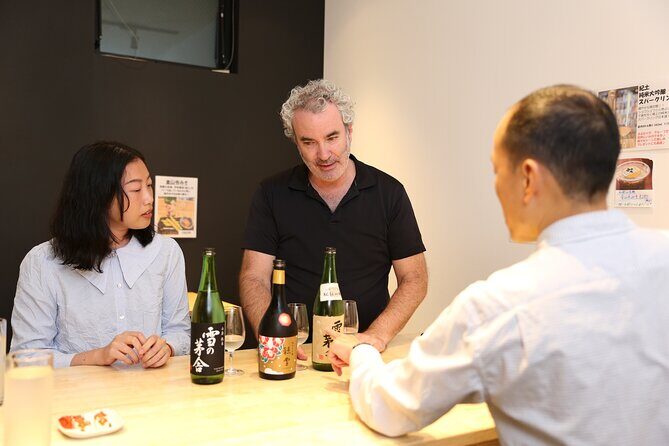
This isn’t a sit-down formal tasting. The bar is standing-only, and that shapes the rhythm. It keeps things relaxed and social. You’re not spending the entire time waiting for a server to move your food and drinks. Instead, Kenji leads you from pour to pour, and you keep engaging.
The snacks are also important. The tasting includes traditional Japanese snacks, which means you’re not just tasting alcohol. You’re tasting the idea of sake as part of a meal culture. That gives the experience a practical angle: you learn how sake behaves next to food.
If you’re someone who worries about drinking too much too fast, don’t. The pacing is guided, and you’re tasting a sequence designed for learning. You can still take your time with each pour, sniff, sip, and react—there’s no reason to rush just because you’re standing.
Price and Value: What $83 Gets You in Kyoto
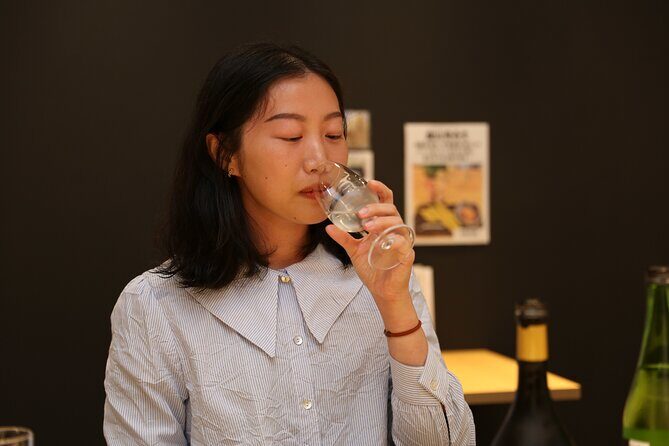
At $83 per person for a 2-hour private experience, you’re paying for three things:
- A guide who can explain sake production and styles clearly
- Eight different sake tastings, not just a couple of samples
- A private format for 1–4 people, which makes it easier to get tailored recommendations
If you’ve ever done a group tasting where you’re mostly a passenger, this format can feel more satisfying. Private means you can ask questions and adjust the tasting direction. Several people describe Kenji as attentive and patient, and that matches what you want when you’re trying to learn something new without feeling rushed.
Also, sake isn’t always cheap in Japan. You’re getting multiple pours in one session, plus snacks. That’s a lot more efficient than trying to DIY tasting across multiple spots.
Is it expensive? In the context of Kyoto, yes, it’s not the cheapest drink-and-walk option. But it’s also not just drinking. You’re buying guidance that helps you order better later, which is exactly the kind of value that sticks.
Who Should Book This Private Tasting (And Who Might Skip It)
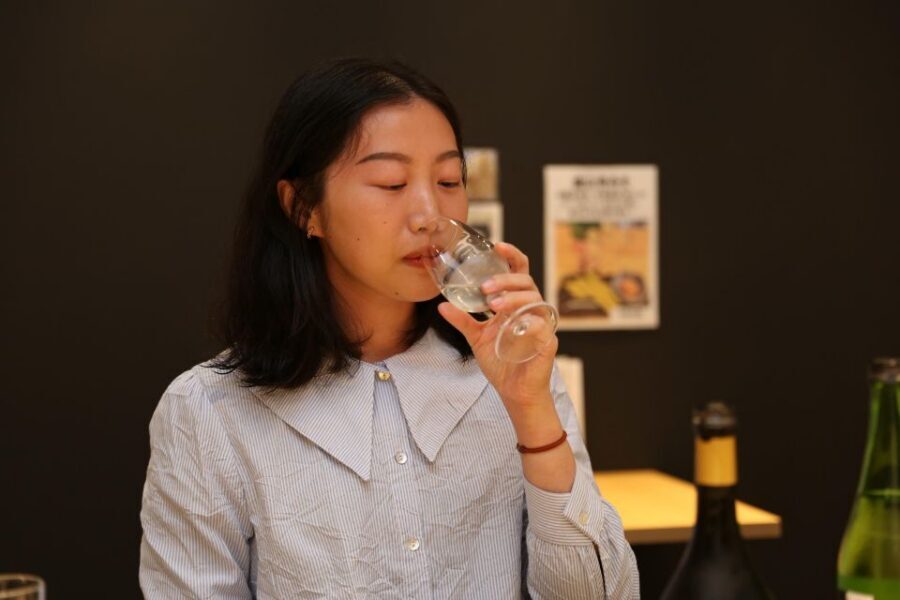
This is a great match if you:
- Want to learn how to choose sake, not just drink it
- Prefer a private group setting (1–4 people) where you can ask questions
- Like casual, guided experiences over formal tours
- Enjoy food pairing as part of learning
It may be less ideal if:
- You don’t want to stand for 2 hours (the bar has no seats)
- You’re not able to participate due to the age requirement (at least 20 years old)
- You’re pregnant, since it’s not suitable for pregnant women per the tour notes
For most other people, it hits a sweet spot: fun, focused, and central.
Quick Tips Before You Go
A few things that make the experience easier from the start:
- Wear comfortable shoes. You’ll be standing, and you’ll walk about ten minutes from the meeting point.
- Bring a curious mindset. If you’re willing to taste and adjust your preferences, the “find your favorite” part lands fast.
- Have at least a light sense of what you usually like in drinks (dry vs. sweet). Even one guess helps Kenji tailor choices.
If you’re the kind of traveler who asks lots of questions, this is a strong fit. Kenji’s approach includes patience and careful explanations, and people leave feeling like they can make better selections afterward.
Should You Book This Private Sake Tasting?
I think you should book it if you want a high-signal Kyoto night: a central standing bar, a certified sommelier guide, eight tastings, and real help ordering sake you’ll actually enjoy again.
Skip it if standing bars are a deal-breaker for you, or if you’re short on time and want only a quick stop. Otherwise, this is one of those experiences that turns taste into understanding fast—so your next sake order doesn’t feel like a lucky guess.
FAQ
How long is the private sake tasting?
It lasts 2 hours.
How many people are in the group?
It’s a private group for 1–4 people.
How many sakes will I taste?
You’ll taste eight different sakes.
What’s included in the price?
The experience includes guided tasting by an English speaking sake sommelier, plus sake and snacks.
Where do I meet the guide?
Meet at the intersection of Shijo and Karasuma. Look for the Mitsui Building on the northeast corner, and find the guide in front with a LINNELL’S backpack.
Is transportation included?
No. Transportation to and from attractions is not included, and there’s no hotel pickup or drop-off.
What language is the tour guide?
It’s offered in English and Japanese.
Is there an age requirement?
Yes. You must be at least 20 years old.
Is it suitable for pregnant women?
No, it’s not suitable for pregnant women.
Can I cancel for a refund?
Yes. You can cancel up to 24 hours in advance for a full refund.