REVIEW · COOKING CLASSES
Private Guided Traditional Buddhist Cooking in Japan
Book on Viator →Operated by Yukari’s Japanese Home Cooking · Bookable on Viator
Temple food is a lesson in restraint. In Kyoto, you learn Shojin-ryori (Buddhist vegan cooking) with Yukari, including a hands-on class that focuses on seasonal ingredients and careful technique. It feels more personal than a restaurant meal, because you’re cooking the flavors yourself.
Two things I really like: the detailed explanations that connect Buddhist food rules to everyday cooking choices, and the fact you make a full plate lunch at the end, not just a small tasting. One thing to consider: this experience is fully vegan and doesn’t include meat or fish, so if you’re hunting seafood flavors, this won’t be your match.
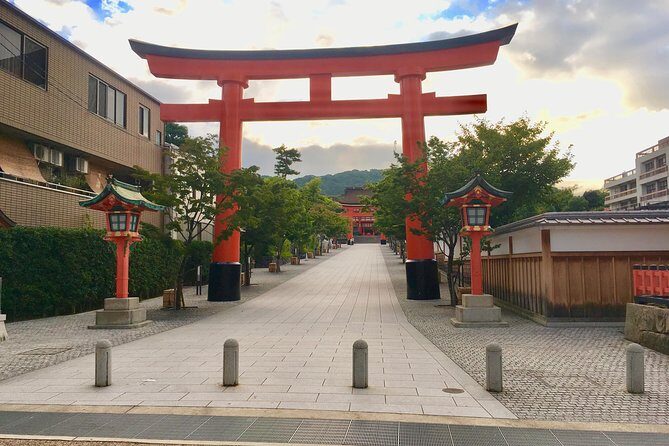
If you want Kyoto beyond sightseeing photos, this is a smart pick. You’ll visit Enkoji Temple, Shisendo Temple, and Ginkakuji Temple, then return to cook and eat in a relaxed, private setting.
In This Review
- Key highlights worth your time
- Why Shojin-ryori in Kyoto tastes different
- Meeting Yukari and getting set up for a private class
- The temple stops: Enkoji, Shisendo, and Ginkakuji through food eyes
- Stop 1: Enkoji Temple
- Stop 2: Shisendo Temple
- Stop 3: Ginkakuji Temple
- The 7 dishes you’ll cook, plus the rice balls
- Gluten-free note
- What you actually learn while you cook
- Soybeans and tofu aren’t just ingredients, they’re tools
- Fermented and seasoned flavors do the heavy lifting
- Texture is planned, not accidental
- A patient teaching style makes it easier than you think
- The lunch you make: what to notice on your plate
- Price and value: is $70.94 worth it?
- Who should book this shojin-ryori class
- Who might feel disappointed
- Should you book this Kyoto Buddhist cooking class?
- FAQ
- Is this cooking class vegan?
- How long is the experience?
- What will I cook during the class?
- Can you accommodate gluten-free?
- What’s included in the price?
- Where does the tour start and end?
Key highlights worth your time
- Shojin-ryori basics built from Kyoto ingredients (soybeans/tofu, grains, seaweed, and fermented foods)
- A hands-on cook session for 7 dishes plus rice balls
- Temple visits tied directly to the food you’ll make
- Gluten-free is accepted if you tell the host
- Recipes are included so you can recreate the dishes at home
- A private group experience with a guide named Yukari
Why Shojin-ryori in Kyoto tastes different
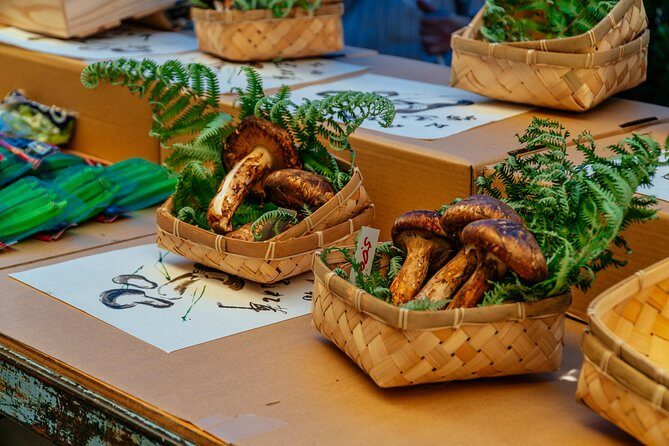
Shojin-ryori is Buddhist cooking in Japan, and the defining rule is simple: no killing animals, so the food is made without animal products. That rule changes everything you taste. Dishes lean on tofu, soy-based sauces, grains, seaweed, and lots of vegetables—plus fermented flavors that help create depth without meat or fish.
What surprised me when I learned how these dishes are built is how balanced they are. You don’t just get one-note tofu. You get sweet, salty, bitter, and savory hits spread across multiple dishes—eggplant with miso character, lotus braised into tender slices, and rice balls to ground the meal.
And the best part for your vacation: this is Kyoto cooking you usually won’t order in a casual restaurant setting. A lot of places are great, but they don’t teach you why each ingredient works.
You can also read our reviews of more guided tours in Kyoto

Meeting Yukari and getting set up for a private class
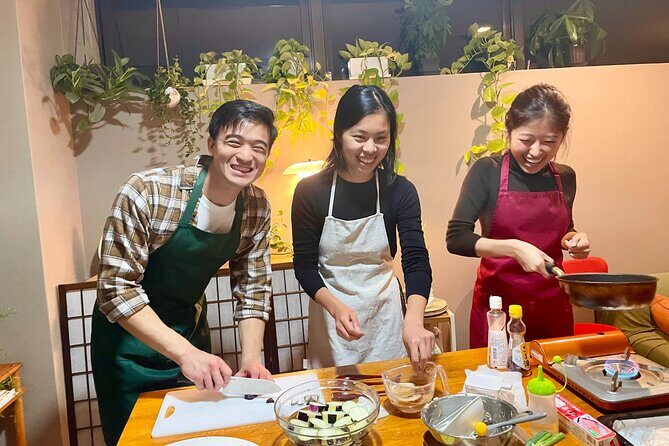
This is a private experience, so you’re not sharing the cooking space with strangers. The class runs about 2 hours 30 minutes and starts at 10:00 am at the meeting point in Kyoto: 606-8165 Sakyo Ward, Ichijōji Nodachō, 16 Fairmont Building. The activity ends back at the same meeting point.
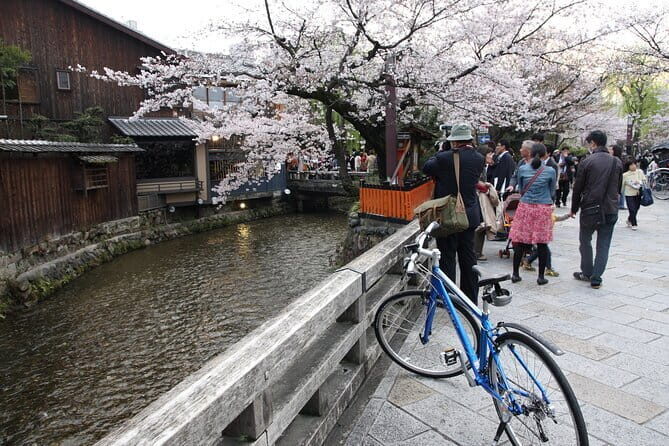
In practical terms, you’ll want to plan for walking between stops because you’re visiting three temple sites. If you’re sensitive to uneven stone or stairs, go in with comfortable shoes and an easy pace. (Kyoto does not do smooth sidewalks everywhere.)
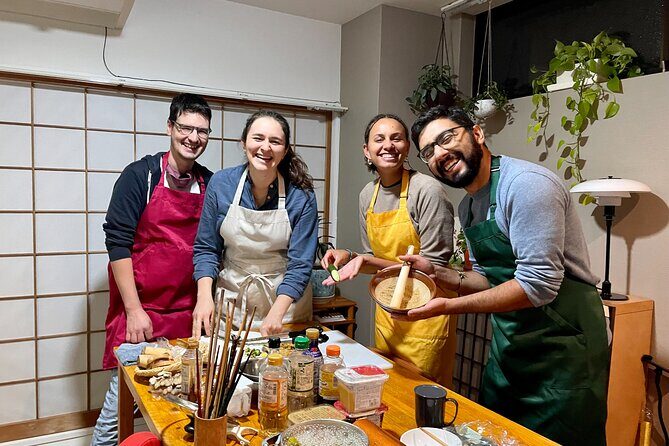
You’ll also get what you need to cook: an apron, all equipment, and the ingredients. You’ll be drinking water or tea, which keeps the meal focused on what you made rather than turning it into a restaurant-style experience.
The temple stops: Enkoji, Shisendo, and Ginkakuji through food eyes
The itinerary is short on paper—three stops—but the angle is what makes it good. You’re not visiting temples as separate landmarks. You’re visiting them with the mindset of how Buddhist life shaped food choices.
Stop 1: Enkoji Temple
Enkoji Temple is your opening context. You’ll start by orienting yourself to Buddhist food culture, then your guide shifts you toward ingredients and the idea behind shojin-ryori: restraint plus craft. Even before you cook, it helps you understand why vegetables and fermented items take center stage.
Stop 2: Shisendo Temple
At Shisendo Temple, you’re essentially building the bridge between sacred rules and practical cooking. This is where the lesson starts to feel real. Instead of thinking vegan equals simple, you start thinking vegan equals precise. Many shojin-ryori techniques are about texture—soft, crisp, silky, or chewy—using tools like tofu prep, daikon cutting, miso glazing, and soy-based sauces.
You can also read our reviews of more private tours in Kyoto


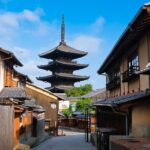
Stop 3: Ginkakuji Temple
Ginkakuji Temple is your final temple stop and a nice endpoint for the walking portion of the experience. When you finish here, you’re usually primed to cook. You already have the food story in your head, so the next step—putting on aprons and cooking—feels like the natural next page instead of a random activity tacked onto temple sightseeing.
The 7 dishes you’ll cook, plus the rice balls
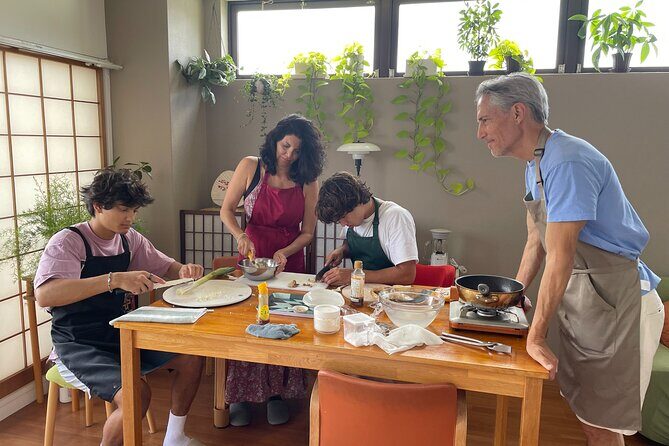
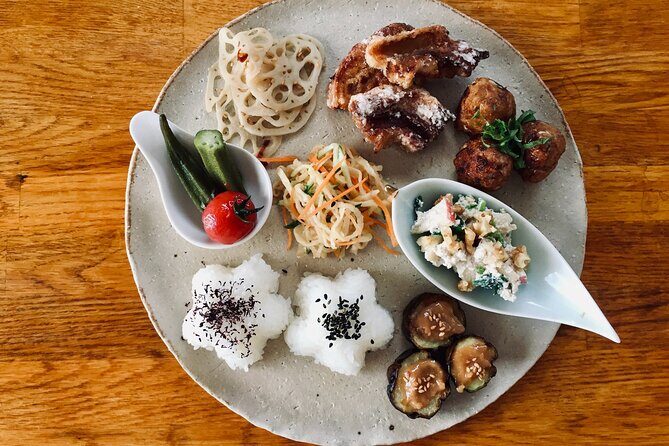
The class is built around a set menu of 7 dishes, plus 2 rice balls. That matters because it’s enough variety for you to learn technique patterns, not just how to copy one recipe.
Here’s what you’ll make:
1) Simmered seasonal vegetables
This is the base comfort of shojin-ryori. You’ll learn how to treat vegetables so they taste like something more than boiled produce—typically through seasoning choices and careful simmering.
2) Dried strips of daikon salad
Daikon brings crunch and brightness. Using dried strips means you’re dealing with a different texture than fresh daikon, which is great training for how Japanese cooking can shift ingredient behavior.
3) Kinpira of lotus (braised thinly sliced lotus)
Lotus root isn’t a casual ingredient for most people. Braising thin slices helps you get tenderness without losing structure, and it shows how shojin-ryori can feel both humble and detailed.
4) Nasu dengaku (miso-grazed eggplant)
Eggplant turns silky with the right heat, and miso adds savory depth. This dish is a great example of how “no meat” doesn’t mean “no richness.”
5) Shiraae (mashed tofu salad)
Tofu is the star here, but it’s not just plain tofu. You learn how mashed tofu can work like a sauce-like base, especially when paired with the right seasonings and textures.
6) Spicy teriyaki balls
These teach you a glaze mindset—sweet-salty-saucy flavors with a spicy edge. Even though it’s plant-based, it’s built like a Japanese main dish.
7) Vegetarian fried chicken using wheat gluten
This is the dish that often makes people do a double-take. Wheat gluten can give that chewy, satisfying bite. You’ll learn that vegetarian can still deliver the kind of mouthfeel you associate with comfort food.
8) Two rice balls
Rice balls finish the meal cleanly. They also help you see how shojin-ryori isn’t all heavy sides—rice anchors the plate.
Gluten-free note
Gluten-free is accepted, but you’ll need to let the host know ahead of time. Since you’re making dishes that may involve gluten-based ingredients, this is an important question to answer early so your final plate matches what you can safely eat.
What you actually learn while you cook
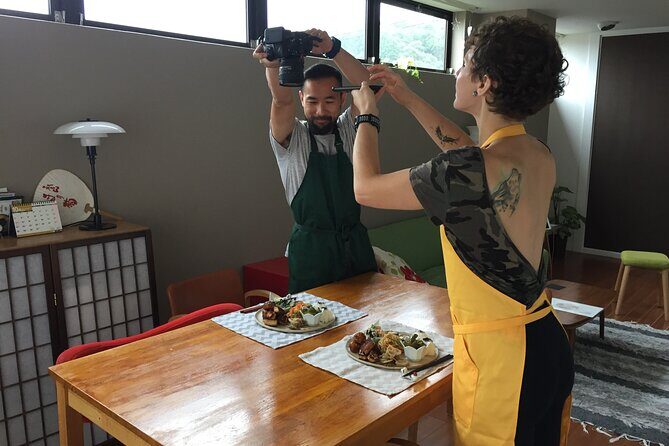
This class is hands-on in a way that makes you better at cooking, not just better at eating. You’ll get guidance that connects ingredient choice to technique.
A few learning themes you can expect:
Soybeans and tofu aren’t just ingredients, they’re tools
You’ll use tofu in more than one way, including a mashed tofu dish. That teaches you that tofu can be silky, rich, and useful as a flavor carrier—not only a bland side.
Fermented and seasoned flavors do the heavy lifting
Shojin-ryori leans on miso and other seasoned components to create depth. When you cook items like eggplant with miso, you’ll understand how fermented flavors replace the umami job you might expect from meat or fish.
Texture is planned, not accidental
Daikon texture, lotus tenderness, and the bite of wheat gluten-style cooking all show texture planning. This is one reason shojin-ryori can feel complete even when the ingredient list looks simple.
A patient teaching style makes it easier than you think
The class is designed for real people. Kids and adults alike can keep up because the steps are explained clearly and you’re given recipes afterward. You’re not just watching—you’re doing.
The lunch you make: what to notice on your plate
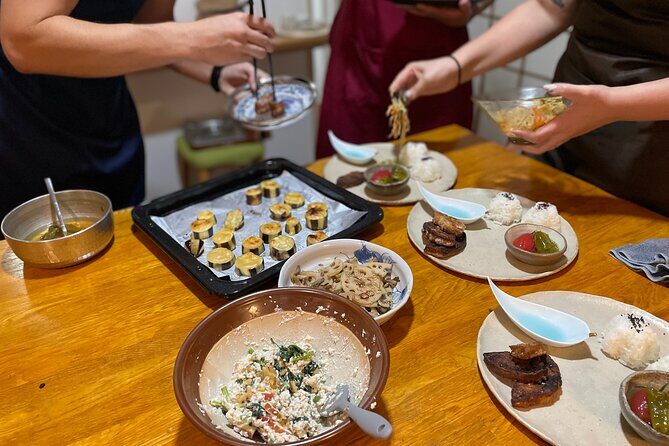
At the end, you eat what you made: a beautiful, flavorful plate lunch (dinner-style portioning, even though it’s a daytime activity). The key here is variety. You’ll likely notice that each dish plays a specific role:
- something savory and simmered,
- something crisp or refreshing (daikon),
- something glazed and rich (miso eggplant),
- something chewy and satisfying (gluten-based fried chicken),
- and rice balls to pull it all together.
This is also where the temple cooking idea lands emotionally. You can taste that it isn’t about substitutes. It’s about a different cooking philosophy—vegetables treated with respect and seasoning used with intention.
And because you get recipes in your package, this meal isn’t just a one-time event. It turns into a skill set you can rebuild at home.
Price and value: is $70.94 worth it?
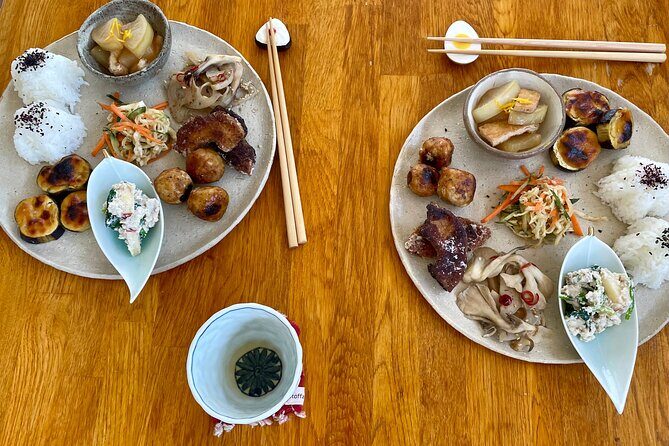
At $70.94 per person for about 2.5 hours, the value comes from what’s included and what you’re learning.
You’re not paying only for food. You’re paying for:
- ingredients for multiple dishes,
- your apron and all equipment,
- a drink (water or tea),
- facility and utility fees,
- recipes to take home,
- plus the temple visit context that sets the stage for the cooking.
The one item you don’t get is private transportation, so you’ll handle getting to the meeting point area yourself. If you’re already in that part of Kyoto or you’re near public transit, that’s usually manageable.
Also, the booking pattern tells you something useful: on average, people book about 51 days in advance. That suggests this class fills up, so if you want it during a specific week, secure it sooner rather than later.
If your plans change, you can cancel for a full refund up to 24 hours before the start time. That flexibility makes it easier to fit this into a busy Kyoto schedule.
Who should book this shojin-ryori class
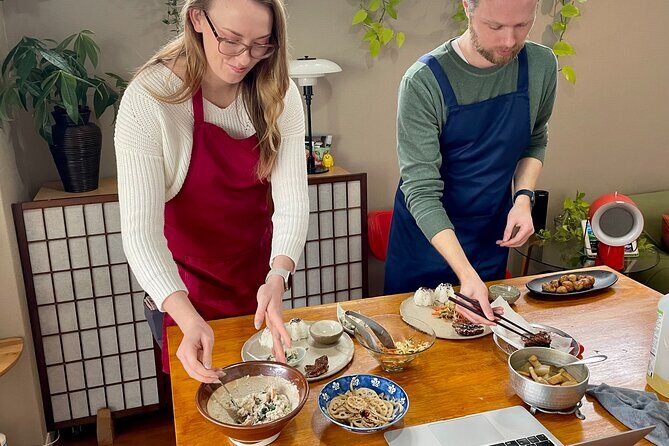
This is a great fit if you want:
- a true Kyoto food lesson, not just eating at one place,
- vegan cooking that’s structured and flavorful,
- a hands-on class you can repeat later using the included recipes,
- and a private pace guided by someone named Yukari, who explains the history and cooking choices as you go.
It’s also a solid choice for families. The cooking format and the guide’s teaching style make it easier to keep younger participants engaged, rather than turning the class into a sit-and-watch event.
Who might feel disappointed
If you’re looking for a meat-and-seafood-centric Japanese cooking experience, you’ll likely want to skip this. It’s strictly without animal products, and the menu reflects that philosophy.
Should you book this Kyoto Buddhist cooking class?
Yes, if you want one Kyoto day where you learn something you can actually cook again. The combination of three temple stops, a 7-dish hands-on shojin-ryori menu, and recipes included makes it feel like a proper class, not a quick gimmick.
Book it if you’re vegan/vegetarian—or even if you’re just curious. The flavors teach you that restriction can still be expressive. And if you have gluten-free needs, tell Yukari ahead of time so your menu is adjusted from the start.
If you like your travel with a mix of calm and craft, this is a very smart way to spend your Kyoto time.
FAQ
Is this cooking class vegan?
Yes. Shojin-ryori is Buddhist cooking made without animal products, so the dishes are vegan and do not use meat or fish.
How long is the experience?
It runs for about 2 hours 30 minutes.
What will I cook during the class?
You’ll cook 7 dishes and also make 2 rice balls. The dishes include simmered seasonal vegetables, dried daikon salad, kinpira of lotus, nasu dengaku (miso-grazed eggplant), shiraae (mashed tofu salad), spicy teriyaki balls, and vegetarian fried chicken using wheat gluten.
Can you accommodate gluten-free?
Yes. Gluten-free is accepted if you let the host know.
What’s included in the price?
Lunch ingredients, a drink (water or tea), an apron, all cooking equipment, utility charges, facility fee, and recipes are included.
Where does the tour start and end?
It starts at Japan, 606-8165 Kyoto, Sakyo Ward, Ichijōji Nodachō, 16 Fairmont Building, and it ends back at the same meeting point.