REVIEW · SPA & HOT SPRINGS
Guide tour of Japanese bathing culture at Funaoka Onsen
Book on Viator →Operated by Authentic Public Bathing Wellness Experience in Kyoto · Bookable on Viator
Japan’s bath rules are oddly fascinating. This Kyoto experience walks you through Japanese bathing culture with a real-life, local stop at Sarasa Nishijin (a former bathhouse café) and then into Funaoka Onsen, where you get a guided etiquette lecture before you try the bathing method yourself.
I especially like that you’re not left guessing. You get a practical explanation, plus a take-home guide to proper techniques. The other thing I like: it’s a small group (maximum 5), so the whole session stays personal and less awkward.
One thing to plan for: this onsen uses nude bathing and is segregated by gender, so couples aren’t kept together in the water. If that’s a dealbreaker for you, you’ll want to think twice.
In This Review
- Key highlights you’ll feel right away
- Japanese bathing etiquette in Kyoto, minus the tourist guessing game
- Sarasa Nishijin: a bathhouse café that teaches you the culture first
- Funaoka Onsen: the etiquette lecture that makes your soak feel manageable
- The nude bathing reality: how to decide if this fits you
- Price and timing: what $45.72 buys you in Kyoto
- Group size, guide style, and why it changes the experience
- Who should book this Kyoto bathing culture tour
- How to make the 90 minutes feel worth it
- Should you book this Kyoto onsen etiquette tour?
- FAQ
- FAQ
- Where does the tour start and end?
- How long is the tour?
- What’s included in the ticket price?
- Do I need to bring a paper ticket?
- How big is the group?
- Is the experience near public transportation?
- Is nude bathing required?
- Will couples be kept together?
- Who should not join for health reasons?
- What if I need to cancel?
- When do I get confirmation?
Key highlights you’ll feel right away
- Sarasa Nishijin is a former public bathhouse—you learn while you’re in a place that used to do the work of community soaking
- A guided etiquette lecture before you enter the bath—you’ll understand what you’re doing and why, not just follow steps blindly
- Funaoka Onsen with Kyoto-local credibility—this is a bathhouse residents have loved for generations
- A take-home guide for proper bathing techniques—you can carry the rules back to future onsens and sento
- Max 5 travelers—more time for questions and a calmer vibe than bigger tours
- Mobile ticket and included admission—simpler logistics for a 1.5-hour cultural stop
Japanese bathing etiquette in Kyoto, minus the tourist guessing game
If your Kyoto trip is getting stuck in temples and photo stops, this is the kind of experience that slows you down. Japanese bathing is a ritual—health, manners, and community life all tied together. The point here isn’t just to say you did an onsen. It’s to learn how bathing works in Japanese culture, then do it with guidance so you feel confident.
The structure helps a lot. You start at a café that used to be a public bathhouse, where you get context. Then you go to Funaoka Onsen and you get a lecture focused on bathing methods and how to behave there—before you try it yourself. That sequencing matters: you’re not thrown into naked water first, like some random dare. You get your bearings and your questions answered.
Also, the vibe is set by the guide. Atsuki is a local Japanese guide (independent and not an employee of Funaoka Onsen), and he may not be fluent in English. Still, the experience is built around simple instruction, on-site explanations, and the guided flow of what to do next.
You can also read our reviews of more guided tours in Kyoto
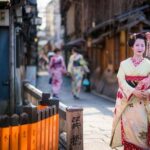
Sarasa Nishijin: a bathhouse café that teaches you the culture first
Your first stop is Sarasa Nishijin. This place is renovated from a public bathhouse, which means you’re learning in the setting the story belongs to. You’ll sip a drink while getting the history and meaning behind Japanese public baths—and you’ll learn the basics of how to bathe properly.
This part is only about 15 minutes, but it sets the tone. Instead of receiving an abstract lecture, you see the logic of the space: public bathing in Japan grew around comfort, cleanliness habits, and a kind of everyday etiquette. It’s a cultural practice that people return to, not a one-time performance.
Practical value: if you’ve never been to a sento/onsen before, that first orientation reduces the mental load. You’re not translating from sign to sign while trying to remember the rules. You’re getting a quick framework that you can apply immediately at the bathhouse.
Included admission ticket for this stop is part of the price, so you don’t waste time or money on separate entries.
Funaoka Onsen: the etiquette lecture that makes your soak feel manageable
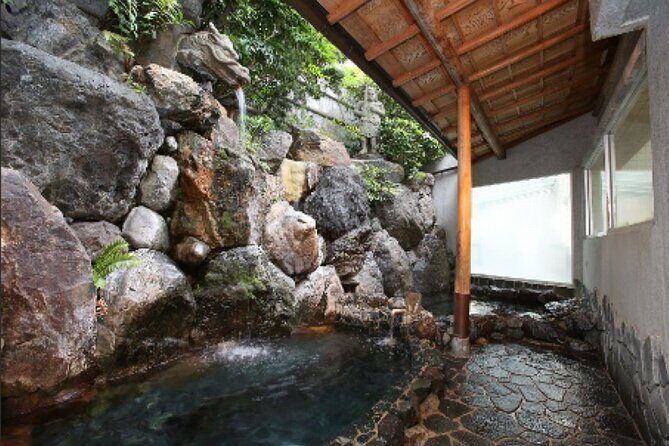
Next comes the main event: Funaoka Onsen in Kyoto. This is where the experience shifts from background to practice.
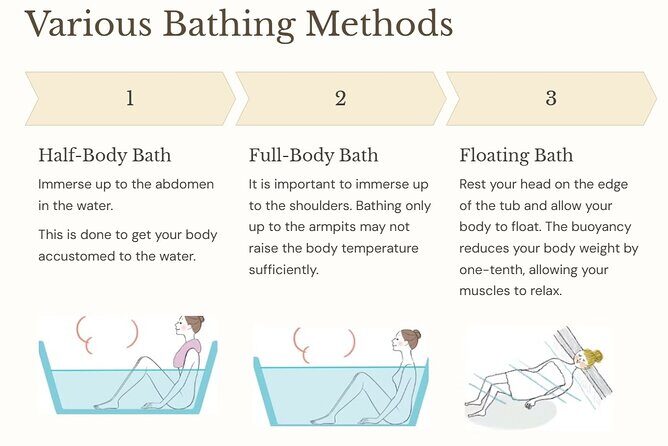
Before anyone takes a bath, you’ll be guided with materials and a lecture on unique bathing methods. Then you try the bathing method yourself. The pacing is deliberate. The onsen experience can feel intimidating if you think you’re supposed to already know every step. With this tour, you get the explanation first and then you can focus on relaxing rather than wondering if you’re doing it wrong.
The tour lasts about 1 hour at the onsen, and you’ll have your admission included. The goal is to help you enjoy the bathhouse rather than treat it like an obstacle course.
One more helpful detail: the bathing process and etiquette are described as the same across other hot springs and public baths. That’s a big plus for first-timers. You should be able to reuse what you learn here later in Japan, instead of treating this tour as a one-off.
The nude bathing reality: how to decide if this fits you
This experience absolutely includes nude bathing, with gender-separated facilities. There’s also an important social note: couples can be separated due to the gender segregation.
For some people, that’s completely fine. For others, it’s the main reason to avoid the tour. So here’s my advice, plain and practical: decide early. Don’t assume you’ll be comfortable once you arrive. The tour’s whole value is tied to doing the onsen the Japanese way, and that means you follow their normal setup.
If you’re traveling with a partner and you want to experience the water together, this is probably not the right match. If you’re traveling solo—or you’re comfortable being separated for the bath itself—this can be a very calm, low-pressure way to learn the real etiquette.
Price and timing: what $45.72 buys you in Kyoto
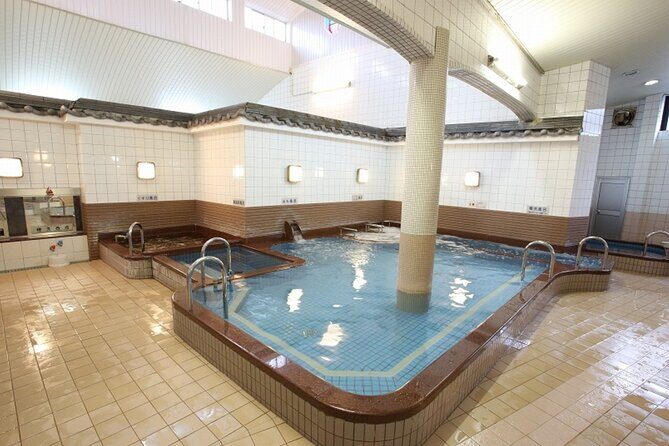
At $45.72 per person, you’re paying for more than entry. You’re paying for an actual cultural translator and guide to the ritual—someone who can explain why the steps matter and help you avoid embarrassment. You’re also getting admission included for both stops, plus a take-home guide for proper bathing techniques.
The total time is about 1 hour 30 minutes. That’s a nice window in Kyoto. It fits well as a breather after walking around a few neighborhoods, or as a reset day element when you want a wellness moment that still feels local.
The average booking lead time is 34 days, which suggests it’s not the kind of thing that always sits available last minute. If you want a specific date, I’d book earlier rather than gambling.
And yes, the tour is near public transportation, which matters in Kyoto where “not too far” can still mean a long walk after a busy day.
You can also read our reviews of more tours and experiences in Kyoto
Group size, guide style, and why it changes the experience
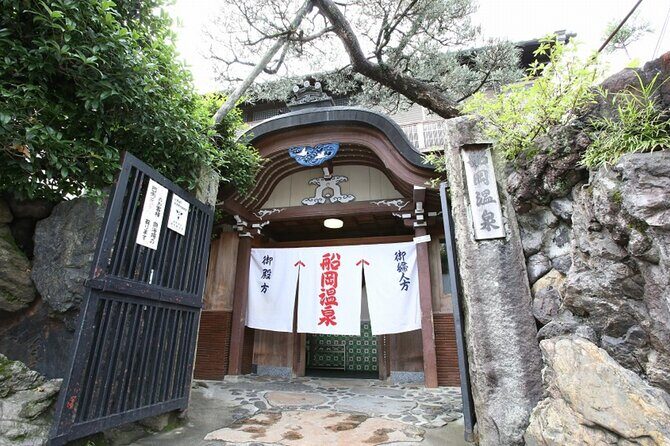
This is capped at 5 travelers. That small size is a real quality factor. In bigger groups, you can feel like you’re on a schedule with no space for questions. Here, the format supports instruction and correction.
Your guide, Atsuki, is local and teaches the process as you go. He’s not described as highly strong in English, so don’t expect a textbook-style lecture. Do expect clear guidance about what comes next and what the proper approach is—plus a take-home guide you can reference later.
One more small but meaningful detail: the experience ends back at the meeting point at Funaoka Onsen. That reduces your planning stress. You don’t have to worry about a complicated drop-off.
Who should book this Kyoto bathing culture tour
This kind of tour is best if you want wellness and mindfulness tied to local routine, not just a photo or a novelty stop. You’ll enjoy it more if you care about how people live day to day in Japan.
You’re likely a strong fit if:
- You’re curious about Japanese public bath (sento/onsen) etiquette
- You want a guided experience that helps you relax instead of worry
- You travel solo or prefer small-group cultural moments
- You like the idea of learning first, then trying it yourself
On the other hand, there are clear reasons to skip if hot bathing isn’t safe for you. You should not participate if you have contraindications such as severe heart or lung diseases, recent gastrointestinal bleeding, advanced malignant tumors, or severe anemia. Also avoid joining if you’re feeling unwell the day of the tour, have a fever, or have consumed alcohol. If a doctor advises against hot spring participation, you must refrain.
If any of those apply to you, it’s better to protect your health than to try to “push through” for the experience.
How to make the 90 minutes feel worth it
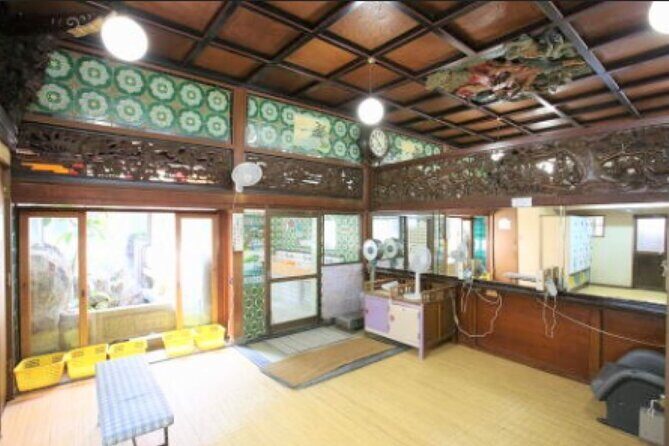
To get the most out of this tour, treat it like a guided class plus a relaxation session.
Arrive mentally ready to follow instructions. The value is in learning the bathing methods and etiquette before you’re in the bath itself. If you’re rushed or distracted, you might miss the key points that make you feel comfortable later.
Also, bring a mindset of learning rather than performing. Japanese bathing etiquette is practical. It’s about doing things the accepted way, not about showing off. When you approach it that way, the whole experience tends to feel calmer—and the bath becomes the reward.
Finally, actually use the take-home guide after. That’s where the cost starts paying off long after Kyoto. The steps and etiquette can help you enjoy future onsens with less stress.
Should you book this Kyoto onsen etiquette tour?
I’d book it if you want a guided, small-group way to understand Japanese bathing culture and then do it correctly at Funaoka Onsen. The combination of a former bathhouse café orientation and a pre-bath etiquette lecture is exactly the kind of structure that reduces first-timer anxiety.
I would skip it if nude bathing and gender-separated facilities would make you uncomfortable. Also don’t book if you have any health contraindications for hot springs. In that case, the safest and most responsible choice is to find a different Kyoto experience.
FAQ
FAQ
Where does the tour start and end?
The tour starts at Funaoka Onsen (82-1 Murasakino Minamifunaokachō, Kita Ward, Kyoto, 603-8225, Japan) and ends back at the same meeting point.
How long is the tour?
The tour is about 1 hour 30 minutes total, with roughly 15 minutes at the café stop and about 1 hour at Funaoka Onsen.
What’s included in the ticket price?
Admission tickets for both stops are included, and you also receive a take-home guide for proper bathing techniques.
Do I need to bring a paper ticket?
No. The tour uses a mobile ticket.
How big is the group?
The maximum group size is 5 travelers.
Is the experience near public transportation?
Yes, it is near public transportation.
Is nude bathing required?
Yes. The onsen involves nude bathing, and the facilities are segregated by gender.
Will couples be kept together?
Because the facilities are gender-separated, couples may be separated during the bathing part.
Who should not join for health reasons?
You should not participate if you have contraindications for hot springs such as severe heart or lung diseases, recent gastrointestinal bleeding, advanced malignant tumors, or severe anemia. You should also refrain if you feel unwell on the day, have a fever, or have consumed alcohol.
What if I need to cancel?
Free cancellation is available up to 24 hours in advance for a full refund.
When do I get confirmation?
Confirmation is received at the time of booking.