REVIEW · FOOD
Kyoto Private Food Tours with a Local Foodie: 100% Personalized
Book on Viator →Operated by City Unscripted · Bookable on Viator
Kyoto tastes better with a real local. This private, 3-hour tour is 100% personalized, built around your food preferences, and it saves you the messy work of figuring out where locals actually eat. I especially like the 6–8 guided tastings (not just random bites) and the fact that your guide has true one-on-one time with you. The one catch: the route can shift based on your choices and timing, and Nishiki Market is only open 9am–4pm, so plan around that window.
If you want a Kyoto food experience that feels specific to you—your spice level, your comfort foods, your pace—this is a strong pick. You’ll also learn the “why” behind the food, from everyday street snacks to culinary traditions like what a kaiseki meal means.
In This Review
- Key Highlights You’ll Care About
- Starting Point: A Practical Meeting That Works for Real Trips
- Nishiki Market (9am–4pm): The Shortcut to Kyoto Street Food
- What to watch for
- Shijo Dori to Gion: Lantern Mood Without the Guesswork
- Why this section feels like Kyoto
- From Ramen to Obanzai: How the Tastings Build a Real Food Story
- Learning while you eat
- Included drinks: a big part of the value
- Kamo River Sunset: The Scenic Pause That Doesn’t Feel Random
- If you’re thinking about timing
- The Guides: Friendly, Flexible, and Actually Involved
- Price and Value: What $245.15 Buys You in Kyoto
- A smart way to judge it
- Logistics That Matter: Walking, Transit, and How the Tour Moves
- Who Should Book This Tour (and Who Might Skip It)
- Quick Booking and Cancellation Reality Check (No Drama Version)
- Should You Book It? My Take
- FAQ
- How long is the Kyoto private food tour?
- How many tastings are included?
- Are drinks included?
- Is this tour private?
- What’s the Nishiki Market timing for this tour?
- Is a hotel meet-up available?
- What is the cancellation policy?
Key Highlights You’ll Care About
- True customization: You’re not stuck on a preset menu; your host adapts to your food preferences.
- Nishiki Market street-food timing: The route is built around one of Kyoto’s best-known markets, which runs 9am–4pm.
- One-on-one guide attention: It’s private for your group, so questions don’t get lost in the crowd.
- A Gion izakaya-style evening feel: Lantern-lit areas, local specialties, and optional beer/sake/wine depending on tastings.
- Kamo River sunset break: A short, scenic moment that turns the food crawl into a Kyoto memory.
- Meals + context: You’ll connect what you’re eating to Japanese culinary traditions like kaiseki.
Starting Point: A Practical Meeting That Works for Real Trips
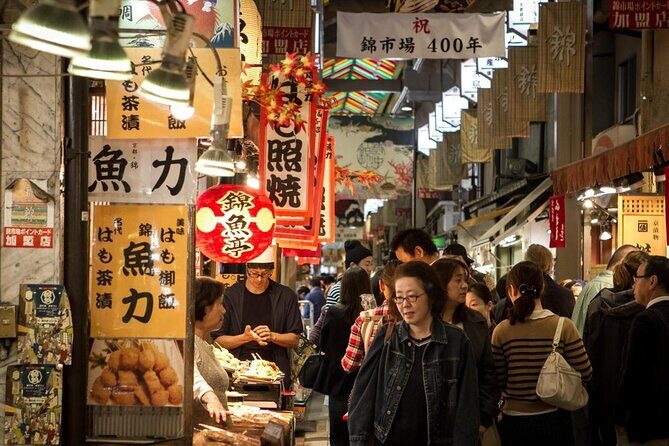
The tour starts at Matsumoto Kiyoshi Kyoto Shijo Kawaramachi (103-2 Hashimotochō, Shimogyo Ward, Kyoto). That matters more than it sounds. Kyoto can feel like a maze, so having a clear, central starting spot reduces stress on a busy travel day.
Ending back at the meeting point is also handy. In 3 hours, you don’t want to lose the plot and end up stranded across town. This one keeps you close to where you likely have shopping, transit, or your next plan.
If you’re staying in a central area, you can request a hotel meet-up. That’s a real quality-of-life upgrade when you’d rather not tack on extra walking just to start the tour.
You can also read our reviews of more food & drink experiences in Kyoto
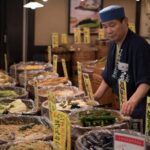
Nishiki Market (9am–4pm): The Shortcut to Kyoto Street Food
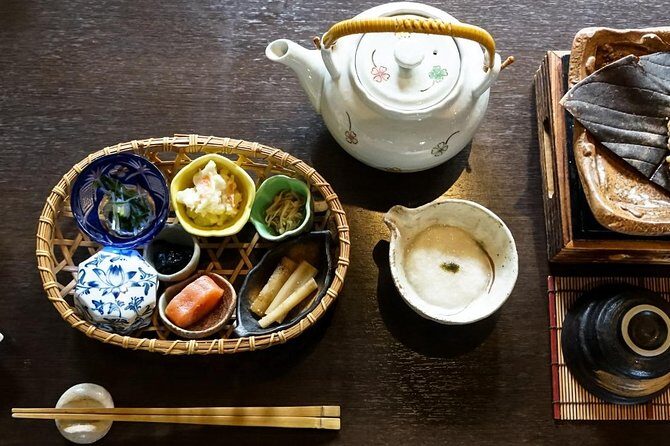
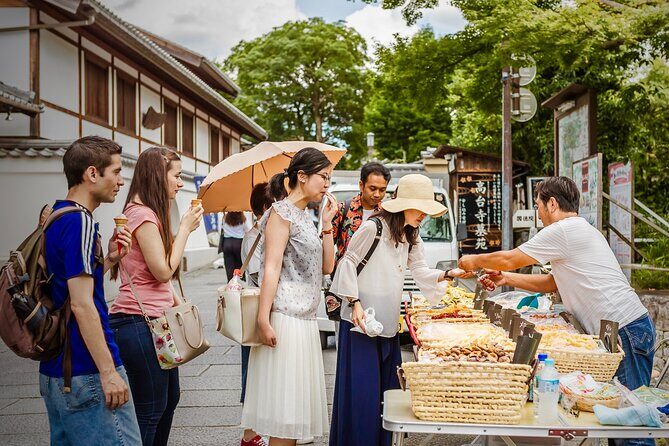
Nishiki Market is the tour’s first big “yes, this is why I came” stop. It’s built for snacking, and it’s one of the easiest places in Kyoto to sample a lot without making a separate itinerary for every bite.
Here’s what you should know before you plan your day: Nishiki Market is open 9am to 4pm. Since the tour is private and personalized, the exact places inside or around it may vary. But the market timing is the anchor.
What makes this stop valuable isn’t just the food. It’s the atmosphere and the way the guide can steer you to items that match your tastes. If you’re the type who wants to know what’s worth paying attention to, this is where your guide’s judgment saves time. If you’re more adventurous, this is where you can test different flavors quickly.
What to watch for
Markets are fast. You might be tempted to grab everything in sight. Let your guide guide. The best value is when tastings are spaced out and you’re not overwhelmed (or too full early) before you reach the rest of the route.
Shijo Dori to Gion: Lantern Mood Without the Guesswork
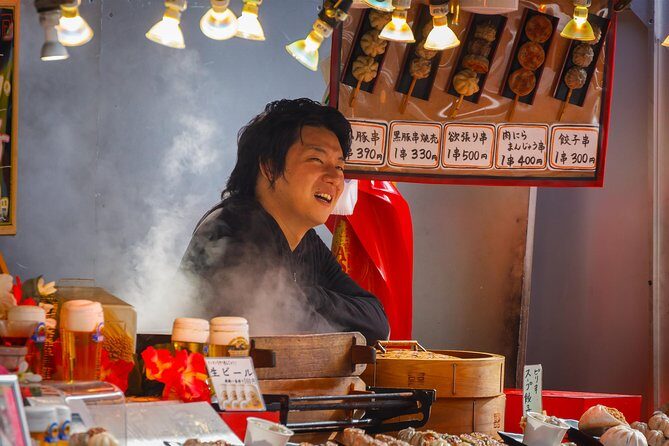
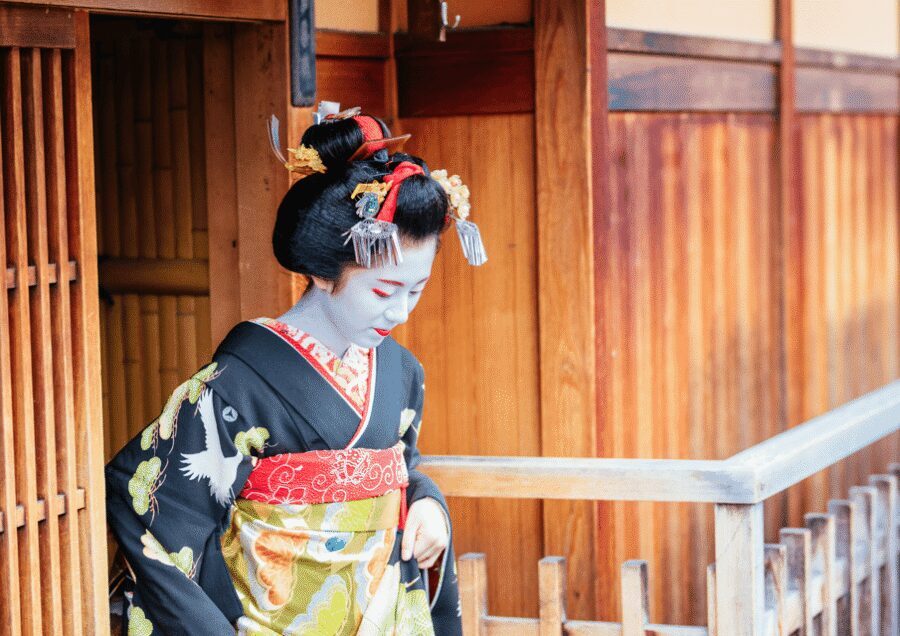
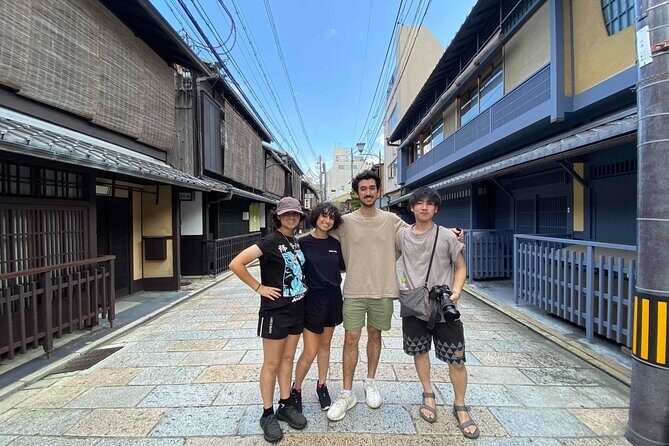
After the market area, you’ll pass by Shijo Dori and head toward the nearby geisha district of Gion. This isn’t about forcing you into a scripted “photo line.” It’s more like getting you to the right zone at the right pace—where you can feel Kyoto’s old-meets-modern food culture.
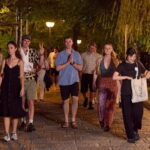
In Gion, the vibe shifts as the day turns. The tour includes the idea of lantern-lit izakaya style streets and casual street entertainment, then it transitions into evening local specialties. In plain terms: you go from “snack and wander” to “sit down and taste what locals order.”
And yes, you’ll have options. The experience can include things like sake, wine, beer, or soft drinks along the way as part of the included tastings.
Why this section feels like Kyoto
Gion is one of those areas where your eyes do part of the work. But if you try to do it yourself, you can waste time: the wrong storefront, a menu you can’t read, or a spot that looks perfect but isn’t the right fit.
With a guide, you’re not just walking through the iconic area. You’re tasting the food culture tied to it.
You can also read our reviews of more tours and experiences in Kyoto

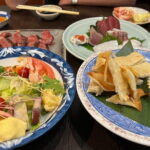
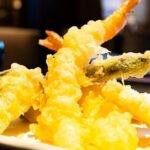
From Ramen to Obanzai: How the Tastings Build a Real Food Story
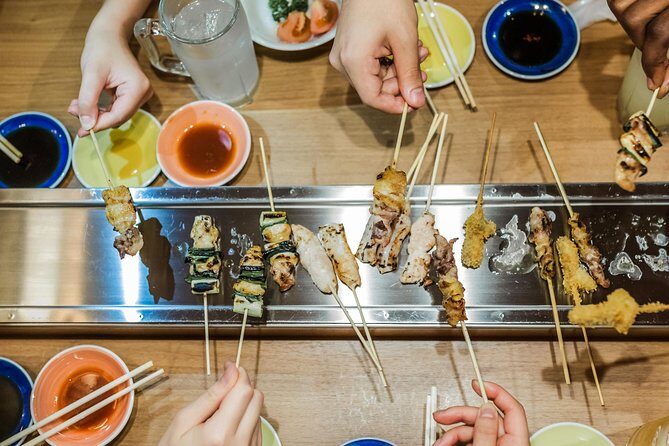
This tour isn’t trying to be a food museum. It’s a practical sampling crawl. You’ll enjoy 6–8 tastings of local specialties, and the food selection is personalized.
Around the route, you might see choices like:
- ramen
- gyoza
- yakiniku (grilled beef)
- izakaya-style dishes
- Kyoto vegetable plates such as obanzai
Even the words matter. Kyoto food has a different rhythm than some other Japanese cities—more vegetable-forward and often more seasonal. Obanzai is a perfect example: it’s the “everyday elegance” of Kyoto home cooking, served in a way that feels both casual and careful.
Learning while you eat
The tour also aims to connect tastings to culinary traditions. One example from the experience description is kaiseki, a style of Japanese dining known for course-based presentation and seasonal thinking. You may not sit through a full kaiseki meal on a 3-hour tour, but you can still understand what the term means and why it’s treated with respect.
That context makes your bites more meaningful. You don’t just taste things—you understand what you’re tasting.
Included drinks: a big part of the value
Your tastings can include a glass of sake, wine, beer, or a soft drink. That’s a quiet money saver because drinks add up fast when you’re doing this on your own. It also changes how you experience Kyoto at night. A small sip with the right food makes a difference, especially in izakaya-style settings.
Kamo River Sunset: The Scenic Pause That Doesn’t Feel Random
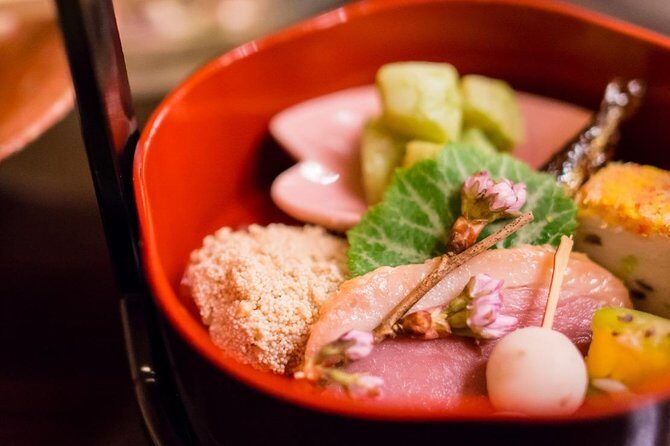
One of the tour’s most charming beats is the idea of watching the sunset along the Kamo River while sipping an ice-cold beer. Even if you don’t call yourself a “sunset person,” this part works because it slows the pace.
Food tours can turn into a sprint. This stops the sprint.
It also helps you translate what you’ve eaten into a Kyoto moment. You go from market intensity to warm street food and drinks to a calm river view. It’s a simple formula, and it’s effective.
If you’re thinking about timing
Since Nishiki Market is only open 9am–4pm, your tour’s start time matters indirectly. Late-day tours may fit the Gion and river mood better, while morning starts give you more time in the market window. The good news: because it’s private and personalized, your guide can adapt the pacing and choices within the tour structure.
The Guides: Friendly, Flexible, and Actually Involved
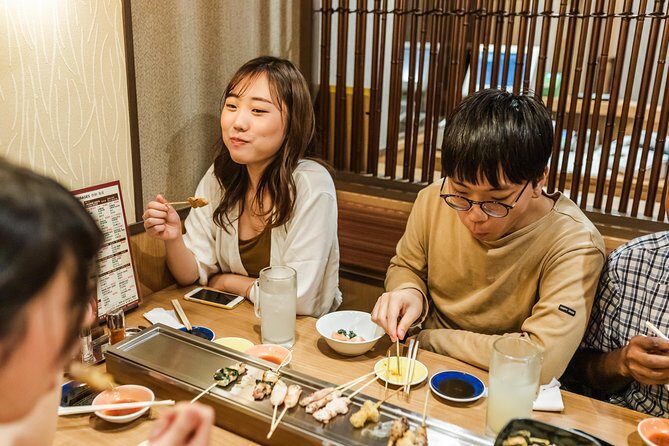
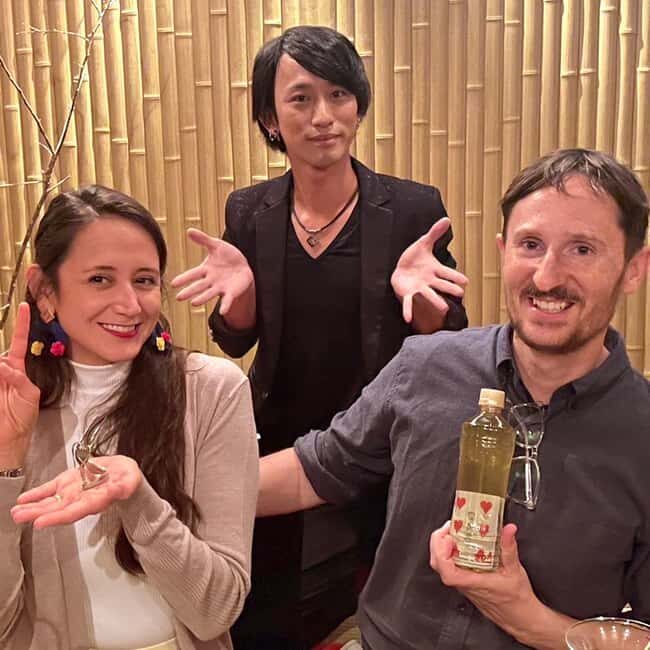
This program is private, but the real differentiator is the host. Names that come up in guest feedback include Cici, Michael, Nisa, Toga, Alex, Justin, and Anna. Across those experiences, a few patterns show up clearly:
- Guides are friendly and accommodating, with strong communication.
- They share food and culture context, not just directions.
- They’re willing to customize when different people in your group want different flavors.
- They also make good recommendations around your area (including outside Kyoto in at least one case).
One reason I like this setup: it’s not only about the food. It’s also about the conversations. If you enjoy asking questions—why a dish is made a certain way or how to order at an izakaya—you’re more likely to get a satisfying answer here than on a rushed group tour.
Price and Value: What $245.15 Buys You in Kyoto
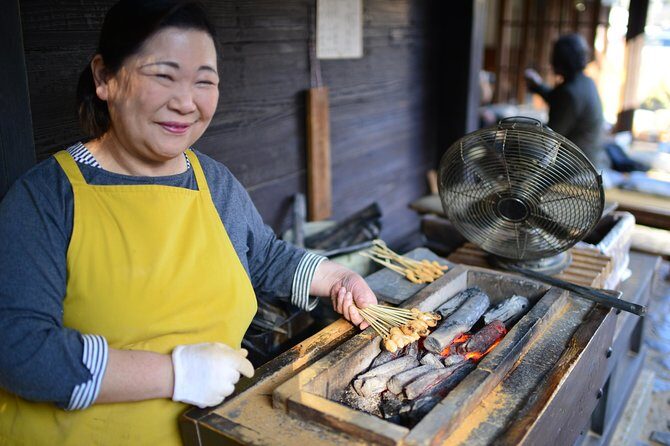
The price is $245.15 per person for about 3 hours. That’s not cheap, and I wouldn’t pretend it is. But it can still be good value depending on what you’d otherwise do.
Here’s what you’re getting that’s hard to replicate solo:
- A private guide with undivided attention
- 6–8 tastings (plus a glass of sake, wine, beer, or soft drink as part of those tastings)
- Time saved by not researching which stalls and restaurants fit your preferences
- A route that links key Kyoto food zones, from Nishiki Market to Gion and the Kamo River
If you were to do this on your own, you’d likely spend a lot of time deciding where to go, reading menus, and figuring out what’s actually good for your taste. Plus, your “random snack plan” often ends up more expensive than you expect because you keep adding extra stops and drinks.
On the other hand, if you’re the kind of eater who already knows the spots, or you prefer long, slow meals instead of tastings, you may feel like the tour is too short for your style.
A smart way to judge it
Ask yourself: do I want the guide to reduce decisions and maximize good bites? If yes, the price starts to make sense.
Logistics That Matter: Walking, Transit, and How the Tour Moves
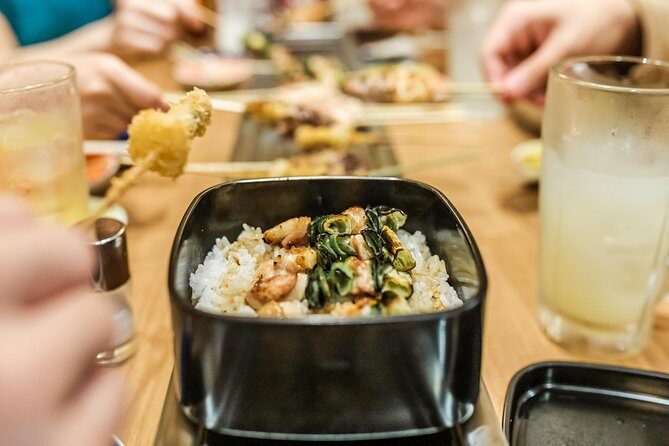
This is a walking experience. The description notes that if required, your host can suggest public transport or private taxi options. That’s useful because Kyoto’s layout can be confusing, and walking times can surprise you.
Also, hotel meet-up is available on request for central locations. If you’re staying near major areas, it’s worth asking—less friction means more energy for food.
The tour includes a mobile ticket, and it starts and ends at the same meeting point. That structure keeps it simple.
And yes, it’s designed so most people can participate, with service animals allowed.
Who Should Book This Tour (and Who Might Skip It)
This tour is a great match if you want:
- a private food experience rather than a group scramble
- tastings that total 6–8 local samples with drinks included
- a guide who can adapt to picky eaters or mixed preferences
- Kyoto food culture context, not just “eat this, move on”
It’s also a good option for families. One guide experience included families with teens agreeing it was the best part of a trip—often that happens when the guide picks a mix that lands for different ages.
You might want a different kind of tour if:
- you only want one big meal and not tastings
- you expect behind-the-scenes restaurant access beyond what’s described
- you’re highly time-flexible on Nishiki Market hours and want to guarantee a specific type of stop regardless of timing
Quick Booking and Cancellation Reality Check (No Drama Version)
Confirmation happens at booking time, and there’s free cancellation up to 24 hours in advance for a full refund. If you cancel closer than that, you won’t get a refund. For peace of mind, book when you’re confident in your schedule.
Should You Book It? My Take
I’d book this tour if your goal is to get smart about Kyoto food fast—without spending your vacation time doing detective work. The personalized tastings, the one-on-one guide focus, and the combination of Nishiki Market, Gion, and the Kamo River make it feel like Kyoto in a few hours instead of Kyoto as homework.
The biggest “maybe” is the fact that food stops can vary based on personalization and timing, and Nishiki Market operates only 9am–4pm. If you’re very schedule-bound, make sure your day can flex around that window.
If you want a Kyoto food experience that feels guided, not generic, this one is a strong choice.
FAQ
How long is the Kyoto private food tour?
It’s about 3 hours.
How many tastings are included?
You’ll get 6–8 tastings of local food specialties.
Are drinks included?
Yes. Tastings may include a glass of sake, wine, beer, or a soft drink.
Is this tour private?
Yes. It’s private for your group only.
What’s the Nishiki Market timing for this tour?
Nishiki Market is open from 9am to 4pm, and the tour includes a visit there.
Is a hotel meet-up available?
Hotel meet-up is available on request for central locations.
What is the cancellation policy?
You can cancel for free up to 24 hours in advance of the experience start time for a full refund.