REVIEW · 1-DAY TOURS
Hiroshima, Miyajima 1 Day Bus with Indian Lunch from Osaka, Kyoto
Book on Viator →Operated by H.I.S.Co., Ltd. · Bookable on Viator
Hiroshima and Miyajima in one long day. I like this trip for how it strings together two very different moods: sobering Hiroshima history followed by the red sweep of Itsukushima Shrine. You get a comfortable air-conditioned bus for the ride and a guide-led day that adds context as you go, including a quick stop by a statue of Gandhi along the way.
My other favorite part is the pacing. You spend dedicated time at the Atomic Bomb Dome and the Peace Memorial Museum, then you’re out to Miyajima for sea views, ferry photo time for the Torii, and a solid break on Omotesando shopping street.
One thing to consider: this is a 12-hour day. It’s full, not slow—and lunch menu changes need to be handled in advance, not on the day.
In This Review
- Key moments that make this tour worth your time
- Hiroshima + Miyajima, Done by Bus and Ferry (and Why That Matters)
- Getting From Osaka/Kyoto to Hiroshima Without Stress
- Atomic Bomb Dome: A Short Stop That Hits Hard
- Hiroshima Peace Memorial Museum: Time to Read, Not Just Look
- Gandhi Statue Stop: A Small Detour With Big Themes
- Ferry to Miyajimaguchi: Getting Sea Views (and Better Photos)
- Itsukushima Shrine at Miyajima: The Red Scene Over Water
- Omotesando Shopping Street: A Real Break, Not an Afterthought
- Indian Curry Lunch: Included, With a Vegetarian Option
- Bus Comfort and Group Size: Small Enough to Feel Personal
- Price and Value: Does $280.16 Make Sense?
- Who This Tour Fits Best (and Who Should Skip It)
- Should You Book This Hiroshima & Miyajima Day Trip?
- FAQ
- How long is the Hiroshima and Miyajima day trip?
- Are the Atomic Bomb Dome and museum admissions included?
- Do I get time for Miyajima shopping street?
- Is lunch included, and can it be vegetarian?
- How many people are in the group?
- Is there a ferry included to get to Miyajima?
- What happens if the Peace Memorial Museum is closed?
- How will I receive my tickets?
- When do I get confirmation after booking?
- What’s the cancellation policy if plans change?
Key moments that make this tour worth your time
- Peace Memorial Park highlights in one day with a free stop at the Atomic Bomb Dome and timed museum entry
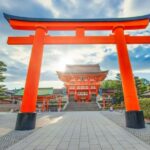
- Itsukushima Shrine first-class photo time plus ferry views of the Great Torii area
- A guide who keeps you moving on schedule (I loved the way named guides in customer feedback handled history and timing)
- Indian curry lunch with a vegetarian swap planned before the tour starts
- Small group size capped at 20, so it still feels manageable
- Mobile tickets for a simpler day
Hiroshima + Miyajima, Done by Bus and Ferry (and Why That Matters)
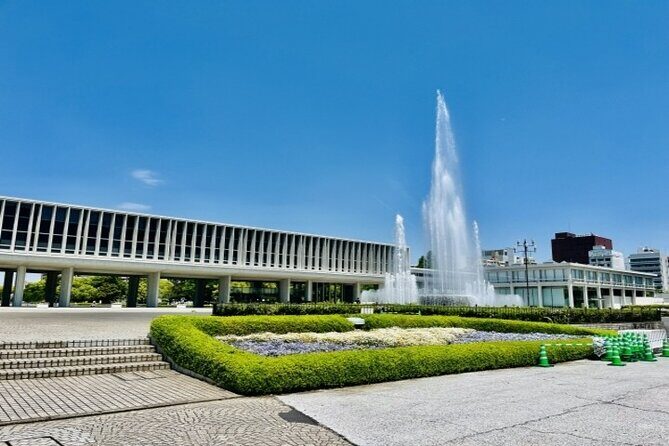
This is the kind of day trip that works because it handles the hardest parts for you: getting from the Kansai area to Hiroshima, moving efficiently between sights, and layering in both history and scenery without making you plan every transport step.
You’ll be in a bus for comfortable stretches—useful in Japan’s shifting weather—and you won’t waste time figuring out how to connect routes. The ride style also helps you settle in for the tone of the day: Hiroshima first, then Miyajima.
And yes, there’s a real emotional arc here. The Atomic Bomb Dome and Peace Memorial Museum stop the day from becoming just a photo safari. Then Miyajima shifts you back into the classic Japan mood: shrine architecture, sea views, and that famous red color you’ll see framed around the water.
You can also read our reviews of more tours and experiences in Kyoto


Getting From Osaka/Kyoto to Hiroshima Without Stress
Even though the tour is listed with Hiroshima as the key base for the day’s sightseeing flow, the start matters. In the feedback I saw, there’s help in the Osaka area to make the connection to your onward travel straightforward—then you meet the guide at the station and transition onto the bus smoothly.
Practically, that means you should plan for a full-day rhythm rather than a relaxed “hop on whenever” schedule. Expect the meeting point to feel like a handoff: you arrive, get organized, then the tour starts doing what it does best—keeping your day tight and on time.
Also, since you’ll be riding with a group (not a private tour), the “everyone together” nature is part of the value. You get one plan, one timing structure, and a guide watching the clock so you’re not stuck splitting off from the group.
Atomic Bomb Dome: A Short Stop That Hits Hard
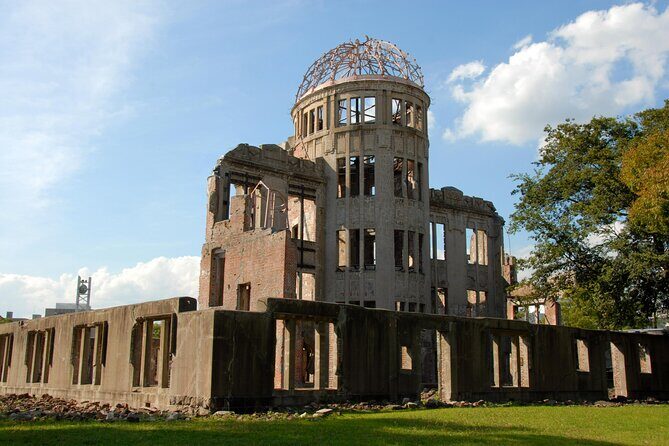
The Atomic Bomb Dome stop is listed at 30 minutes, with admission free. That’s enough time to walk around, take a few photos (if that’s part of your process), and read the information on-site at a human pace—without dragging it out.
What I appreciate about a timed visit here is that it forces focus. This isn’t a “wander forever” stop. You arrive, you take it in, you absorb what you came for, then you move on to the museum where the context deepens.
One practical tip for your own experience: keep your expectations realistic. You’re going to feel a lot, quickly. So wear comfortable shoes and plan for a quiet moment—don’t rush your way through the Dome if you want it to land.
Hiroshima Peace Memorial Museum: Time to Read, Not Just Look
You get 1 hour 45 minutes at the Peace Memorial Museum, and admission is included. This is a smart amount of time. It’s long enough to see the main exhibits and still pause where your attention locks in.
A big consideration: the museum can be closed on certain days. If that happens, the program may swap in another peace memorial facility. It’s worth keeping that in mind when you book—your exact exhibits might vary, but the tour’s intent stays the same.
If you’re the type who likes to read carefully, this is your stop. If you’re a quicker “scan and move” person, you’ll still have time to catch the main themes without feeling like you’re being held hostage.
Either way, this is where the day shifts from “sights” into “meaning.”
Gandhi Statue Stop: A Small Detour With Big Themes
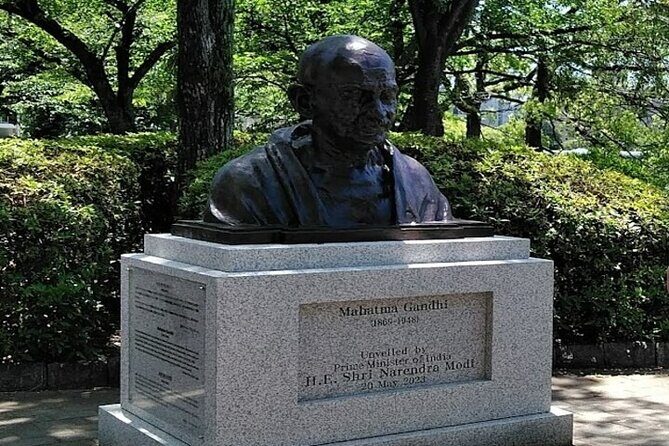
One detail I like in this tour’s flow is the statue stop tied to Gandhi. It’s not the main headline sight, but it supports the day’s bigger message: peace, nonviolence, and how different people and movements respond to the cost of conflict.
Because it’s brief, it doesn’t steal time from Hiroshima’s core sites. Instead, it gives you a moment that can make the museum and memorial park feel more connected to the world beyond a single event.
You can also read our reviews of more tours and experiences in Kyoto

Ferry to Miyajimaguchi: Getting Sea Views (and Better Photos)
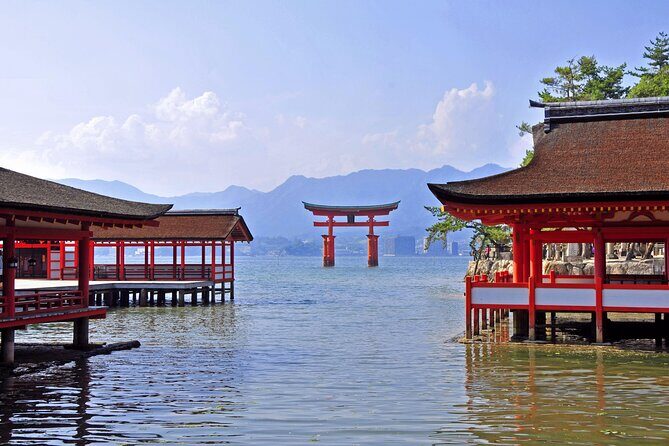
After the Hiroshima memorial portion, you transition to Miyajima by ferry via the route to Miyajimaguchi. The tour is explicit about one fun advantage here: you can take pictures of the Great Torii from the nearest ferry viewing spot.
That’s a detail that matters more than it sounds. The Torii picture everyone wants depends on angle, distance, and timing. Having the ferry positioned correctly for views saves you from guessing where to stand after you arrive.
So when you’re on the ferry, treat it like part of the sight list—not just transit. Bring your phone charged, keep your jacket handy (water + wind can change how you feel), and use the best window of time for photos.
Itsukushima Shrine at Miyajima: The Red Scene Over Water
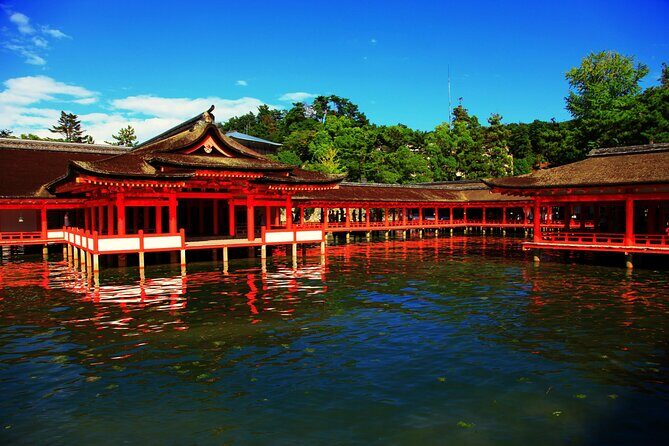
Your time at Itsukushima Jinja is 1 hour 10 minutes, with admission included. This is the classic Miyajima moment: that red shrine look that seems to float in relation to the water.
What I like about giving it a dedicated block of time is that you’re not forced into a “quick peek.” You can walk the area, take in the sea setting, and let the shrine design do its job.
Also, because this is part of a guided day, you’ll have someone keeping the group moving and out of the “we’re late—why are we still standing still?” scramble that can happen with DIY plans.
One note: conditions at Miyajima can feel different by weather and timing. The shrine’s whole visual impact comes from the setting, so dress for comfort and be ready for changes.
Omotesando Shopping Street: A Real Break, Not an Afterthought
You’ll get 1 hour of free time at Miyajima Omotesandō Shopping Street. This is a good counterbalance after the emotionally intense Hiroshima stops.
It’s long enough to browse snacks, souvenirs, and small shops without turning it into a rushed sprint. And it’s the kind of break that helps you reset your brain before the day finishes.
Try not to over-plan this hour. Think of it as “use it for what you need”: a snack, a quick gift run, or just space to walk and breathe.
Indian Curry Lunch: Included, With a Vegetarian Option
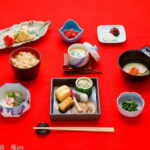
Lunch is Indian curry, included in the tour. The program states it can be changed to a vegetable version, as long as you inform them when you book.
This detail is important. They also note that menu changes aren’t accommodated on the day of the tour. So if you have dietary restrictions or allergies, communicate early. The guide can’t fix everything at the restaurant counter, so your prep is part of making lunch work smoothly.
I also appreciate the rule about not bringing your own food or drinks into the restaurant. It keeps the lunch stop consistent across the group, and you avoid the awkward logistics that can slow down a tour meal.
In practical terms: bring water for the long day outside the lunch stop if you’re the kind of traveler who needs it, but follow the restaurant policy.
Bus Comfort and Group Size: Small Enough to Feel Personal
This isn’t a private tour. You’ll be with other people, and the group is capped at 20 travelers. That small size is a genuine quality-of-life factor: it’s easier for a guide to manage, and it feels less like you’re inside a moving crowd.
The bus is described as comfortable and air-conditioned, which matters on a 12-hour day. You’ll likely spend long stretches sitting, so comfort helps you stay focused instead of just waiting for the next stop.
The guide role is central here, and the best feedback highlighted how guides kept things engaging and on track—some with humor, some with strong history explanations, and all with an eye on timing.
If you want a day where the “how” and “why” of each stop is covered, this tour style fits well.
Price and Value: Does $280.16 Make Sense?
At $280.16 per person, this isn’t a budget-only outing—but it can be good value because several major costs are bundled.
Here’s what you’re effectively paying for:
- Transport by bus plus ferry connection between Hiroshima and Miyajima
- Guided sightseeing flow that keeps you on schedule
- Included admission at the Peace Memorial Museum and Itsukushima Shrine
- A free stop at the Atomic Bomb Dome (so you don’t have to manage that separately)
- Lunch (Indian curry with a vegetarian option if arranged in advance)
- Mobile ticket convenience
If you tried to DIY this, you’d likely spend money on transport anyway, then add admission fees, plus time spent figuring out connections and timing. The tour’s value is in removing those friction points and giving you a structured day.
In other words: the price feels more reasonable when you treat it as a “fully guided day with key tickets and meals handled.”
Who This Tour Fits Best (and Who Should Skip It)
This tour works well if you want:
- A guided day that combines Hiroshima history with Miyajima scenery
- Included admissions and lunch
- A manageable group size (up to 20)
- Someone to keep you moving at a pace that doesn’t derail the day
It might not be ideal if you:
- Hate long days (this runs around 12 hours)
- Need last-minute dietary changes (the curry swap must be set before the tour)
- Prefer fully independent timing without group schedule pressure
Should You Book This Hiroshima & Miyajima Day Trip?
If you want one day that hits the big Hiroshima sites and still ends with Miyajima’s famous shrine visuals, I’d say book it—especially if you like having a guide translate what you’re seeing into context.
The strongest reasons to choose it are the emotional focus at Hiroshima, the structured time at the museum, and the way the Miyajima portion includes ferry access for Great Torii views plus a real break for Omotesandō. Add in included lunch and admissions, and the day starts to look like a thoughtful way to spend your time.
Just go in knowing it’s full-speed. Wear comfortable shoes, plan your dietary needs in advance, and treat the Hiroshima stops with the seriousness they deserve.
FAQ
How long is the Hiroshima and Miyajima day trip?
The total duration is about 12 hours.
Are the Atomic Bomb Dome and museum admissions included?
The Atomic Bomb Dome stop lists admission as free. The Peace Memorial Museum admission is included, and Itsukushima Shrine admission is also included.
Do I get time for Miyajima shopping street?
Yes. You’ll have about 1 hour free time at Miyajima Omotesandō Shopping Street.
Is lunch included, and can it be vegetarian?
Lunch is Indian curry and it can be changed to a vegetable option if you arrange it in advance. Menu changes aren’t handled on the day of the tour.
How many people are in the group?
The tour has a maximum of 20 travelers. It is not private.
Is there a ferry included to get to Miyajima?
Yes. The route includes a ferry from Hiroshima to Miyajimaguchi, and you can take photos of the Great Torii from the nearest ferry location.
What happens if the Peace Memorial Museum is closed?
If the museum is closed, the itinerary may be changed to another peace memorial facility.
How will I receive my tickets?
The tour uses mobile tickets.
When do I get confirmation after booking?
Confirmation is received within 48 hours of booking, subject to availability.
What’s the cancellation policy if plans change?
You can cancel for a full refund up to 24 hours before the experience starts. If canceled less than 24 hours before, the amount paid isn’t refunded. The experience may also be rescheduled or refunded if poor weather cancels it, or if minimum participant numbers aren’t met.