REVIEW · HALF-DAY
Half-Day Private Walking Tour in Kyoto
Book on Viator →Operated by Next Japan Travel · Bookable on Viator
Kyoto makes sense when you walk it. This half-day private route links the big-name sights you came for with the side streets you’d miss on your own, from Kiyomizu-dera down toward Nishiki Market. Guides like Phill and Reiko tend to turn landmarks into stories you can picture and repeat later, with clear tips for how things work on the ground.
I love the way this tour blends “see it” with “do it.” You’re taught practical shrine etiquette at Yasaka Shrine, then you keep moving through neighborhoods like Sannenzaka and Ninenzaka, where the shopping lanes double as snack breaks. I also like that it’s not just temples; it’s food-and-souvenir Kyoto, with a route that naturally funnels you toward Gion and the market area.
The main catch is physical pace. It’s a lot of walking in about 3.5 hours, and the one site that usually adds cost is Kiyomizu-dera admission (everything else on the route is listed as free). If you want zero steps and zero stair climbing, this may feel like more than “relaxing sightseeing.”
In This Review
- Key highlights you’ll feel on the ground
- Why This Kyoto Half-Day Walking Route Works
- Kiyomizu-dera Stage and Otowa Falls: The One Stop With a Real Ticket
- Sannenzaka and Ninenzaka Lanes: Shopping Streets That Don’t Feel Random
- Yasaka Shrine Prayer Etiquette in Just 10 Minutes
- Gion, Matcha Stops, and the Izumo no Okuni Connection
- Pontocho at Night (and How Nishiki Fits the Same Food Mood)
- Price and Logistics: Where the Money Actually Goes
- The Private-Guided Difference: More Than Just Fewer People
- Who This Tour Suits Best (and Who Should Skip It)
- Weather and Timing: When the Day Can Change
- Should You Book This Kyoto Half-Day Private Walking Tour?
- FAQ
- What is included in the tour price?
- How long is the Kyoto half-day walking tour?
- Are entrance fees included for all stops?
- Is pickup available?
- Is this tour private?
- Is there a fitness requirement?
- What happens if the weather is bad?
- What is the cancellation policy?
Key highlights you’ll feel on the ground
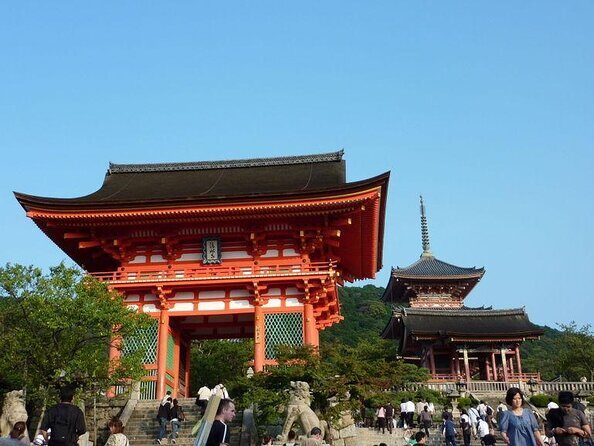
- A tight classic loop: Kiyomizu-dera, Sannenzaka/Ninenzaka, Yasaka Shrine, Gion, and Nishiki Market
- Private guide attention: your group stays together, and guides often adjust pacing and interests
- Shrine etiquette in plain language: you learn what to do at Yasaka Shrine during your stop
- Neighborhood walking with real purpose: lanes that are fun to stroll also help you avoid getting lost
- Food and matcha moments: market time plus local tea stops for souvenirs
- Photo-and-notes friendly guides: some guides like Rika have shared takeaway maps and after-tour photo sharing
Why This Kyoto Half-Day Walking Route Works
Kyoto is one of those cities where the distance between “wow” moments feels longer than it should. This tour is built to compress the best hits into one logical flow, so you’re not zigzagging across town all day.
You get about 3 hours 30 minutes of guided time, which is ideal if you’re seeing Kyoto for the first time or you only have half a day. The format is also private, so it’s just your group with the guide rather than you getting swallowed by a larger crowd flow.
A small but important value note: you’re paying mainly for guide time and guidance. The tour lists guide fee as included, while entrance fees are mostly not included—except that Kiyomizu-dera costs extra.
You can also read our reviews of more walking tours in Kyoto


Kiyomizu-dera Stage and Otowa Falls: The One Stop With a Real Ticket
Kiyomizu-dera is the anchor of the entire experience, and the tour spends about 1 hour here. You’ll head to the main stage area, where the guide asks you to think about what it means when people talk about the stage and the falls experience. Then you choose one of the Otowa Falls to visit.
That choice matters. If you rush, you’ll miss the point of why people line up and pause there. With a guide, you also get helpful context for what you’re looking at, not just the “big temple in Kyoto” checklist vibe.
Plan for cost and time: Kiyomizu-dera admission is not included. The tour also says transportation from your hotel to Kiyomizu is not included, even though pickup is offered. Practically, that means you’ll want to check how pickup works for your specific start point, or be ready to transit yourself to the meeting area.
Sannenzaka and Ninenzaka Lanes: Shopping Streets That Don’t Feel Random
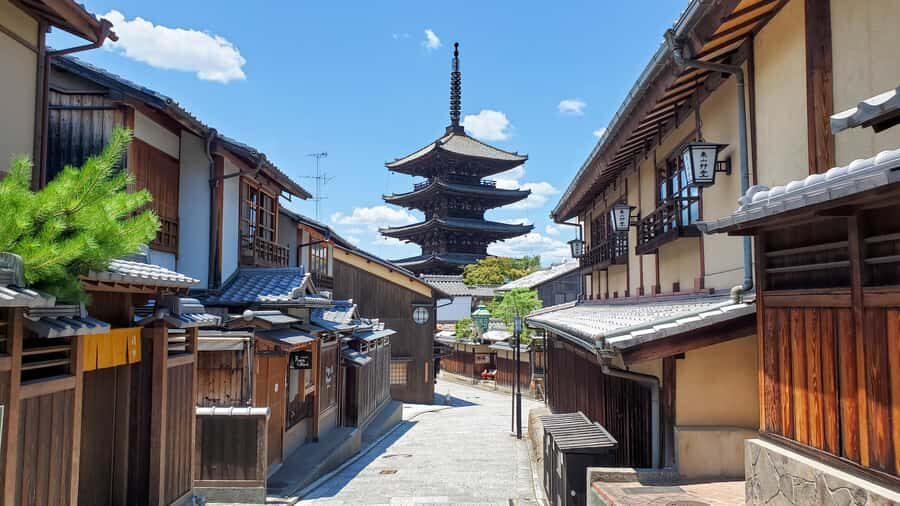
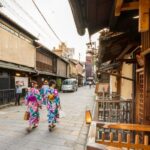
After the temple, the tour eases into the famous old-street neighborhoods of Sannenzaka and Ninenzaka. This stop is about 50 minutes, and it’s a friendly window for people-watching without needing museum stamina.
This is where the guide’s value shows up in a low-key way. Those lanes can look charming but confusing if you’re hunting for souvenirs, snacks, and the “right” storefronts. With a guide, you’ll know where to go first and what to look for as you walk.
You can expect unique shops and cafes, plus opportunities for food tastings (the tour specifically calls out souvenir shopping and tastings). It’s also the right place to pause, because the next legs keep moving through major sights.
One practical drawback: Sannenzaka and Ninenzaka are still walk-heavy areas, and you’ll be on your feet. Comfortable shoes aren’t a “nice-to-have” here; they’re the whole plan.
Yasaka Shrine Prayer Etiquette in Just 10 Minutes

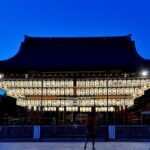
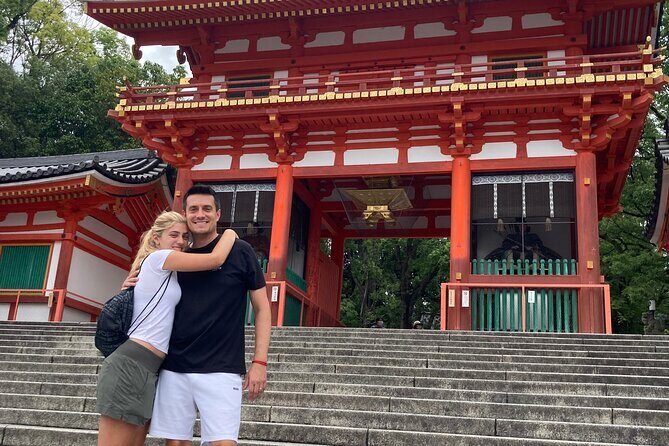
Yasaka Shrine is short on time here—about 10 minutes—but it’s designed to give you something useful. The guide will show you how to pray properly in a Japanese shrine, which is exactly the kind of thing that makes a big difference when you’re standing in front of sacred space.
This is less about ceremony performance and more about not doing something awkward. If you’ve ever worried about when to bow or where to stand, this is your quick fix.
Also, Yasaka Shrine sits at the eastern edge of the Gion district, which means you’re transitioning from temple atmosphere into the geisha-and-theater neighborhood vibe. Even if your time is brief, it helps you understand what you’re seeing when you move into Gion next.
Gion, Matcha Stops, and the Izumo no Okuni Connection
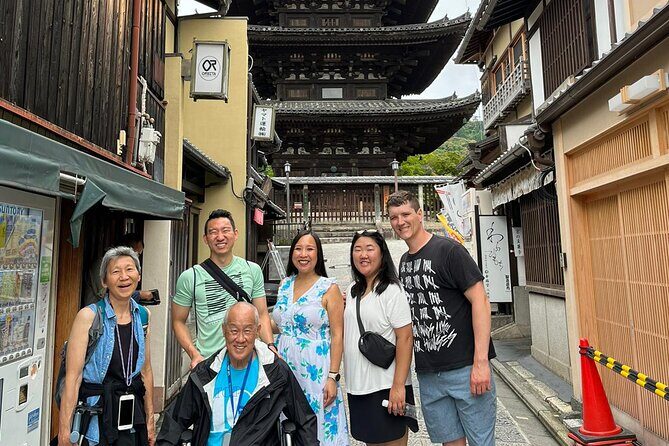
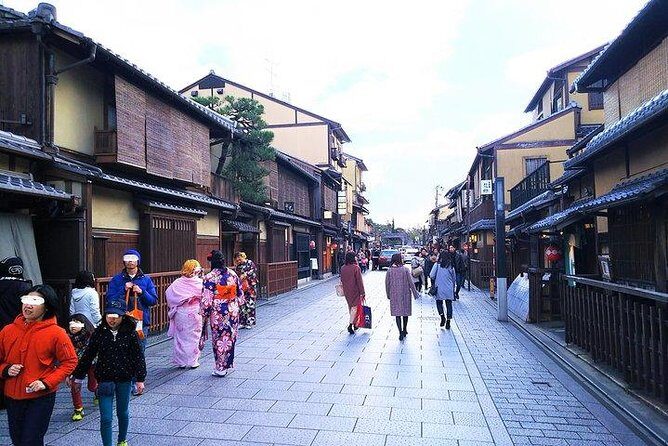
Gion is the “Kyoto at its most famous” neighborhood, and the tour gives it about 30 minutes. You’ll stop in and around local tea shops to find a good matcha option for a souvenir, and the guide also points out cultural touchpoints as you walk.
One detail I appreciate from this route is that it doesn’t treat Gion as only postcard scenery. You’ll meet the statue of Izumo no Okuni, known for starting kabuki, and you’ll also hear about Minamiza kabuki theatre as part of the area’s entertainment history. The guide ties this to what life looks like around maiko and geisha, described here as something you learn about while moving through quieter streets.
The stop is also a good “reset” after Kiyomizu’s intensity. You’re not stuck in one building, and you get walking time that feels more like moving through a living neighborhood than checking off landmarks.
You can also read our reviews of more private tours in Kyoto

Pontocho at Night (and How Nishiki Fits the Same Food Mood)
Once you’re done with Gion, you’ll walk past Pontocho Street. The tour frames this as a place you can come back to at night on your own for that classic Kyoto atmosphere and food.
That’s smart, because Pontocho changes after dark. During the day it’s still interesting, but night is when the restaurant energy ramps up. The guide’s job here is mainly to introduce the spot so you know where you are later.
Then comes Nishiki Market, with about 1 hour dedicated to it. This is a prime Kyoto food-shopping district, and the tour calls out plenty of temptations: seafood, deep-fried snacks, Japanese pickles, karaage, takoyaki, spices, ice cream, green tea, and egg-based items. If you like eating while you wander, Nishiki is built for you.
One practical tip you can use: go into Nishiki with a realistic stomach plan. With all those samples and grab-and-go foods, it’s easy to overbuy early. If you can pace yourself, you’ll actually end up tasting more different things.
Price and Logistics: Where the Money Actually Goes
The listed price is $95.77 per person for a roughly 3.5-hour private walking tour. If you’re used to group tours, it can feel like a lot at first glance. But you’re paying for (1) a live guide and (2) a route that takes you through multiple high-demand areas with less guesswork.
What’s included is clear: guide fee. What’s not included also matters: Kiyomizu-dera admission and transportation from your hotel to Kiyomizu temple are not included. Pickup is offered, but the tour explicitly separates hotel-to-Kiyomizu transportation from the included costs, so it’s worth clarifying what pickup covers for your exact meeting point.
Other helpful practical items are listed too: mobile ticket and group discounts. And the tour notes that it’s often booked about 65 days in advance, so if you’re traveling during peak periods, you’ll likely want to lock it in sooner rather than later.
The Private-Guided Difference: More Than Just Fewer People
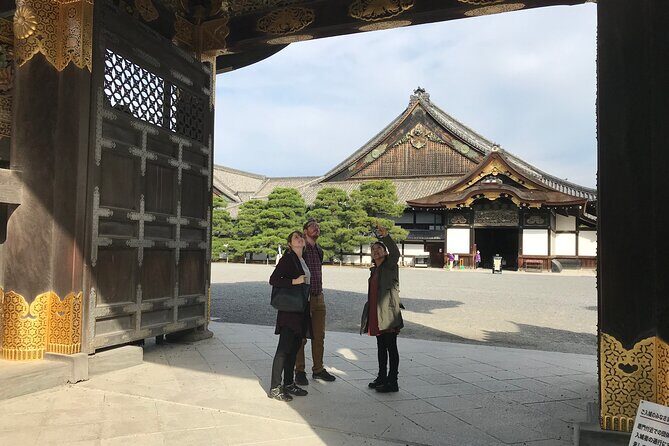
A private tour sounds simple. On the ground, it often changes the pace.
Guides in the tour history you provided include people like Kaoru, Akiko, Hiro, Rika, and Reiko, and the common thread in their feedback is that they were friendly, attentive, and willing to answer questions without rushing you out the door. Some guides also bring extra touches that make independent exploring afterward easier, like takeaway maps or specific recommendations you can use once the walking portion ends.
You also get more time for photos and for browsing along the way. Several guides are described as patient about picture stops, and that matters because Kyoto’s streets reward “stop, look, and check the details.”
One consideration: because it’s private, the success of your experience can hinge on your guide match. The best move is to communicate your interests early, especially if you care more about food, temples, or neighborhood history.
Who This Tour Suits Best (and Who Should Skip It)
This half-day walk is a strong fit if you want a guided first pass through Kyoto’s headline places without spending your whole day on logistics. It also works well if you like food shopping and street wandering as much as temples and shrines.
It’s especially suitable for:
- First-time Kyoto visitors who want a clear route and context
- People who want to learn shrine basics and not just stand there
- Couples, small families, or solo travelers who prefer a private pace
It may not be the best match if:
- You need a low-walking day. The tour calls for moderate physical fitness, and it is a true walking itinerary.
- You’re trying to minimize all extra costs, because Kiyomizu-dera tickets and local transit to the start area can add to the final spend.
Weather and Timing: When the Day Can Change
This experience requires good weather. If it’s canceled due to poor weather, you’ll be offered a different date or a full refund.
Timing is another small factor. The tour runs about half a day, and you’ll likely want to place it somewhere early in your Kyoto visit so your new bearings help the rest of your trip. Finishing near Gion and Nishiki also sets you up well for evening plans, especially with Pontocho waiting after dark.
Should You Book This Kyoto Half-Day Private Walking Tour?
If you want a practical intro to Kyoto, I think this is worth booking. You’re getting multiple top sights in one run, plus real help with understanding what you’re seeing—especially at Yasaka Shrine—without needing to plan every turn yourself.
Book it if you’re comfortable walking and you’re okay paying a bit extra for Kiyomizu-dera admission. Skip it or consider a different format if you want minimal walking or you strongly prefer entrance fees to be fully covered.
Given the price, the biggest value is the guide doing the thinking for you: where to go, what to notice, and how to behave in sacred spaces. For many people, that’s the difference between a photo-heavy day and a day that actually teaches you how Kyoto works.
FAQ
What is included in the tour price?
The tour price includes the guide fee. Entrance fees and transportation costs (hotel to Kiyomizu temple) are not included.
How long is the Kyoto half-day walking tour?
It runs for about 3 hours 30 minutes.
Are entrance fees included for all stops?
Kiyomizu-dera admission is not included. Sannenzaka/Ninenzaka, Yasaka Shrine, and the rest of the listed stops are listed as free for this tour.
Is pickup available?
Pickup is offered. The tour notes that transportation cost from your hotel to Kiyomizu temple is not included, so it’s best to confirm how pickup works for your exact location.
Is this tour private?
Yes. It’s a private tour/activity, and only your group participates.
Is there a fitness requirement?
The tour says you should have moderate physical fitness. It’s a walking-focused experience.
What happens if the weather is bad?
This experience requires good weather. If it’s canceled due to poor weather, you’ll be offered a different date or a full refund.
What is the cancellation policy?
You can cancel up to 24 hours in advance for a full refund. Canceling less than 24 hours before the start time is not refundable.