REVIEW · HALF-DAY
Kyoto Private & Personalized Half-Day Walking Tour with a Local
Book on Viator →Operated by City Unscripted · Bookable on Viator
Kyoto gets easier with a local by your side. This private half-day walk is built for first-time visitors who want their day planned around their pace, not around a rigid itinerary. You’ll meet up, get matched with a host through a short questionnaire, and then follow a route that can shift based on what you care about most—history, culture, less-crowded spots, or photo stops.
I especially like how the day is personalized without you having to do the heavy lifting. In practice, you’re not just “seeing temples.” You’re learning the why behind what you’re looking at, plus getting practical tips so you don’t feel lost in neighborhoods like Sanjo and the Gion area.
One possible drawback: you’re on foot for the whole experience. If the weather turns—cold snap, rain, summer heat—you’ll feel it more than on a tour with lots of vehicles. And if you do need extra transport between areas, that cost can come up.
In This Review
- Key things I’d aim for on this Kyoto private walk
- Starting at Sanjo-ohashi: where the tour actually gets rolling
- The real value: a private local plan when language is the barrier
- Sanjo and the Kamogawa River: old shop streets with real-life rhythm
- Gion lanes and Tatsumi Bridge: seeing the entertainment district without getting tangled
- Yasaka Shrine: the long arc behind a shrine you’ll actually notice
- The 1895 grand torii approach: power, emperors, and Kyoto’s founding story
- Edo-period fortress grounds: seeing Tokugawa Ieyasu’s statement in stone
- Your guide matters: what the best hosts do differently
- What you’ll actually get in 3–4 hours (and what you won’t)
- Price and value: why $137.74 can be worth it
- Practical tips to make the day feel easy
- Should you book this Kyoto private walking tour?
- FAQ
- How long is the Kyoto private walking tour?
- Is this tour private or shared with strangers?
- Where do we meet the guide?
- Is pickup included?
- Are food, drinks, and entrance tickets included?
- Can I get a full refund if I cancel?
Key things I’d aim for on this Kyoto private walk
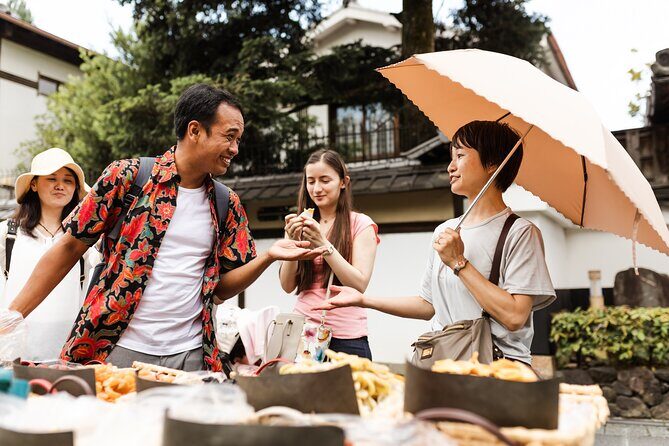
- Questionnaire-led tailoring: You share interests ahead of time, and your host shapes the route around your pace and must-sees.
- Private means real flexibility: This is only your group, so your guide can slow down, reroute, or adjust to needs on the spot.
- Crowd-smart guidance: One guide handled busy train-station navigation and helped with photos, which matters when Kyoto feels like one long line.
- Neighborhood sampling that makes sense: Sanjo, the Kamogawa River walk, Gion lanes, and major shrine/fortress stops give you context fast.
- Insider culture, not just landmarks: Expect stories about heritage, festivals like Gion Matsuri, and the political power behind Edo-period sights.
Starting at Sanjo-ohashi: where the tour actually gets rolling
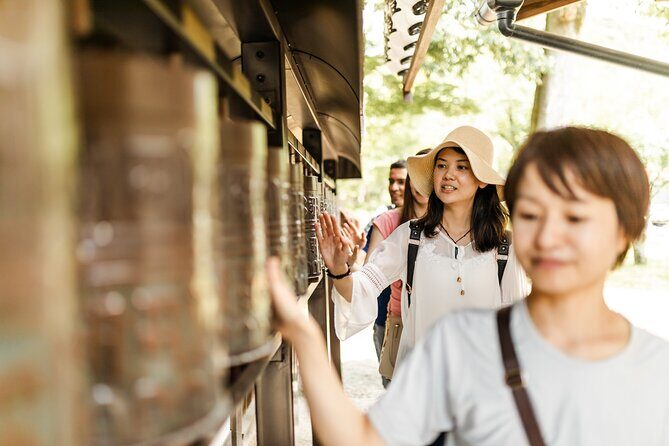
You begin at Starbucks Coffee by Kyoto Sanjo-ohashi Bridge. That’s a smart choice because it anchors your day near central Kyoto and the river-side area, so you’re not scrambling to find your bearings before you even start. It also helps if you’re juggling jet lag—having one clear meeting point reduces early stress.
From there, your host leads you on a walking route that links neighborhoods on foot. That’s a big deal in Kyoto. Distances between “must-see” sights can look short on a map, but the streets, crossings, and crowd flows can make them feel longer. A guide handles that friction for you.
If you’re traveling with kids or older family members, this start works well too because your pace is part of the plan. In past tours, guides like Woohee and others were praised for adjusting around family groups and keeping things smooth.
You can also read our reviews of more walking tours in Kyoto
The real value: a private local plan when language is the barrier
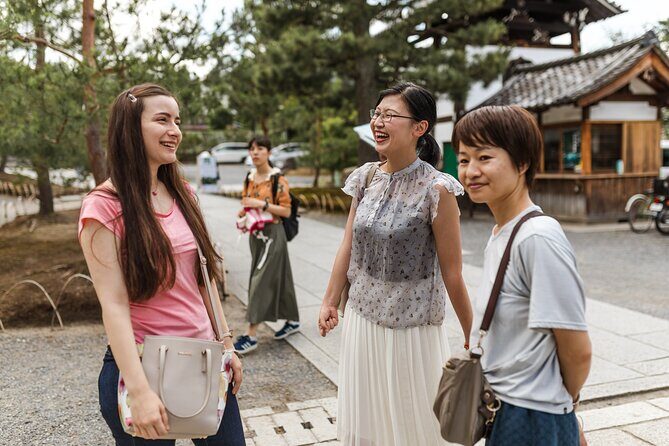
Kyoto is gorgeous, but it can also be mentally loud. You’ve got signs in Japanese, ticket lines, and neighborhood layouts that don’t explain themselves. This is where the format pays off. You’re not just following a path; you’re making decisions with a local host.
Two systems make this tour feel practical:
- You fill out a pre-tour questionnaire so your guide can shape the day around your interests.
- You have direct communication with your host before you walk, so you can coordinate what matters to you.
Guides get named in the feedback for a reason. Woohee was singled out for tailoring the route around what people liked, which is exactly what you want when you only have a half-day. Ada was praised for proactive coordination and even helping with phone calls in Japanese, which tells you the support can go beyond “walking and pointing.”
That doesn’t mean your day turns into a lecture. The best part is that the guidance feels usable: you learn why certain areas are what they are, and you get pointers that help you keep exploring after the tour ends.
Sanjo and the Kamogawa River: old shop streets with real-life rhythm
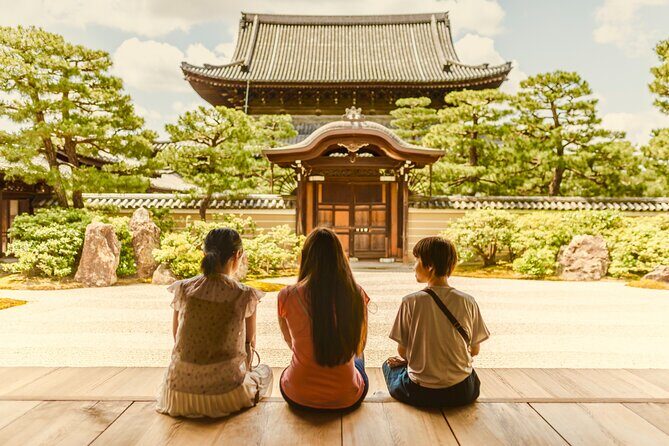
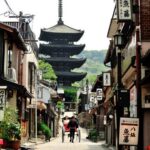
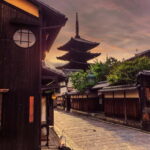
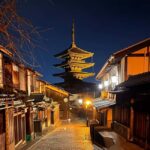
One of the stops takes you through the Sanjo area, described as filled with historic family-run shops and specialty stores. This is the type of Kyoto street scene that makes you understand the city’s daily fabric—not just its postcard views.
As you move through the area, your host shares stories about Kyoto’s heritage and local traditions. Even if you’re not doing heavy shopping, this part helps you “read” the neighborhoods. You start noticing details: the kind of storefronts that reflect older trades, the way streets are laid out, and how river-adjacent areas fit into daily life.
Then you stroll along the Kamogawa River. The advantage of doing it with a guide is timing and context. The river isn’t only scenery—it’s a social spine of the city. Your host can help you see how the river area connects to the surrounding neighborhoods you’ll visit later, especially as you head toward the entertainment district.
If you’re the type who likes culture with minimal hassle, this is a strong middle section. It breaks up temple-shrine concentration with something more everyday.
Gion lanes and Tatsumi Bridge: seeing the entertainment district without getting tangled
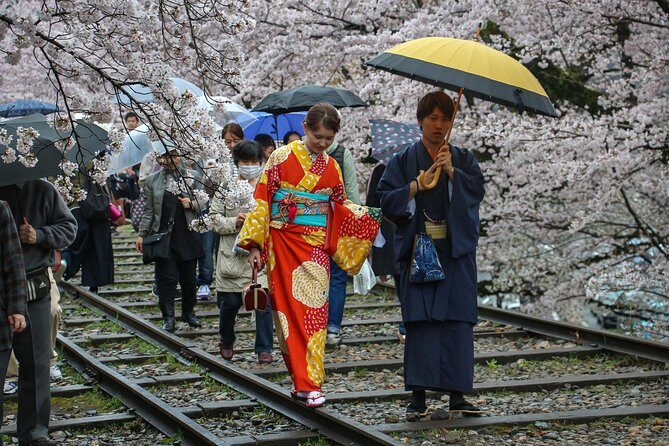
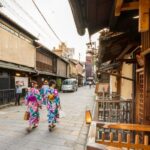
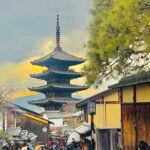
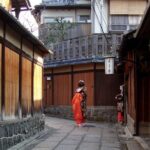
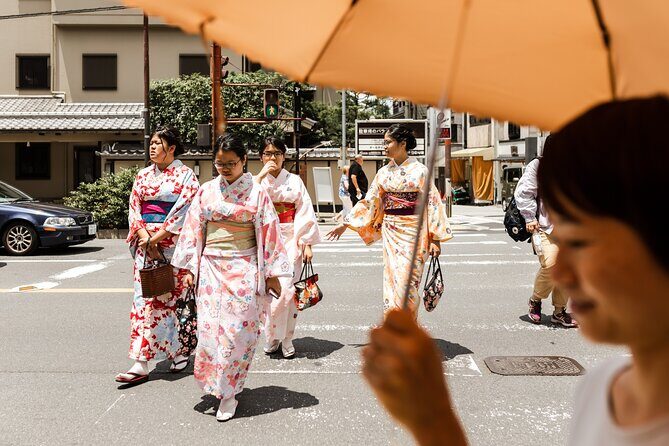
Next comes Kyoto’s iconic traditional entertainment district. Expect atmospheric lanes lined with wooden townhouses, teahouses, and refined restaurants. This is the part where a guide earns their pay.
Why? Because the Gion area can be confusing fast. There are lots of lanes, and it’s easy to drift in circles while you search for “the right street.” A host helps you move efficiently and interpret what you’re seeing. You’ll also cross Tatsumi Bridge, which gives you a change of angle and river views that help reset your bearings.
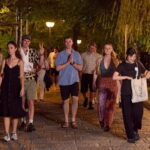
In the feedback, the emphasis lands on guides handling crowds and keeping the pace right. That matters in Gion because it’s one of the most photographed areas in Kyoto. If you’re trying to keep your energy for the rest of the afternoon, having someone manage the flow helps.
Also, if your interests lean toward “how locals live” rather than “collecting landmarks,” this section is a good match. You’re not only looking for a famous alley. You’re learning what makes the district distinctive as a place.
Yasaka Shrine: the long arc behind a shrine you’ll actually notice
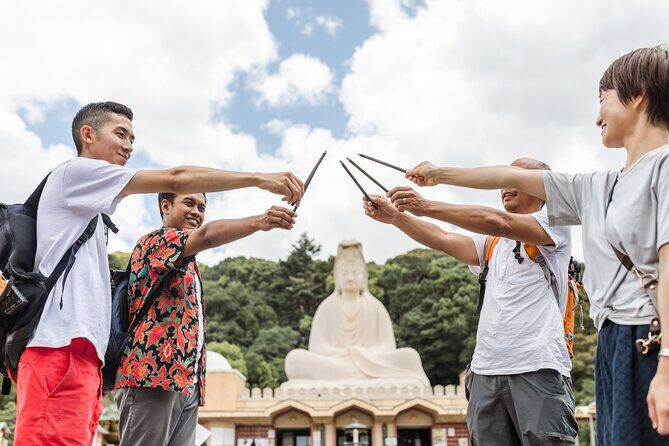
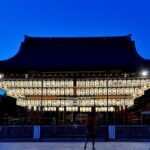
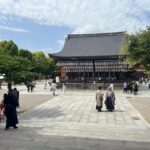
Yasaka Shrine is a guardian shrine for over 1,350 years, which is an easy fact to say and a powerful one to experience. Your host brings you here so you can take in the striking architecture and understand the shrine’s role in Kyoto’s cultural life.
You’ll also hear about the Gion Matsuri, one of Japan’s most celebrated cultural events. Important note: the tour is about learning and seeing, not about guaranteeing festival participation. Still, understanding the festival connection makes the shrine feel less like a photo stop and more like a living tradition tied to the calendar.
Possible drawback here: this is a famous shrine, so it can be busy. The advantage is that your guide can help you position yourself, read the site in a sensible order, and connect it to what you’ve already seen in nearby neighborhoods. That “thread” feeling is what makes a half-day walk work.
You can also read our reviews of more private tours in Kyoto


The 1895 grand torii approach: power, emperors, and Kyoto’s founding story
After Yasaka, you’ll see a grand torii gate and a broad approach at a shrine described as relatively modern but important, built in 1895. Your host explains its connection to Kyoto’s founding and the spirits of the emperors it enshrines.
This is one of the stops where the guide context matters most. Torii gates can look similar at a quick glance, but the meaning changes by location and what the shrine represents. Knowing that you’re looking at a founding-linked shrine with imperial connections gives the architecture a new weight.
Also, because the torii approach is more open than many street lanes, it often feels like a visual breather after tighter neighborhoods like Gion. If you like architecture, this stop can be a highlight just for the scale and the way you’re guided up the approach.
If you’re short on time, this is exactly the kind of stop where you don’t want to “guess.” A host helps you understand what you’re seeing while you’re standing in front of it.
Edo-period fortress grounds: seeing Tokugawa Ieyasu’s statement in stone
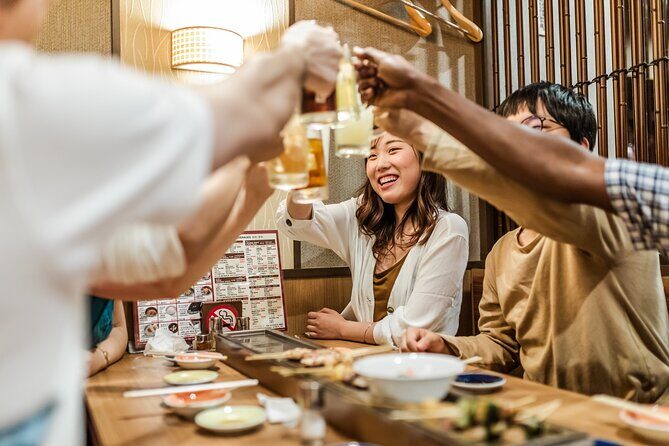
The final major sight described is an impressive Edo-period fortress built to showcase the power of Tokugawa Ieyasu. Even without getting lost in political details, you’ll see the intent: this is a place designed to communicate authority.
Your host guides you through the grounds and shares lively stories about samurai, shoguns, and Kyoto’s dramatic history. This is where the walk can shift from architecture to narrative—how people controlled cities, how power was staged, and why Edo-era attitudes shaped what later generations inherited.
A practical note: fortress grounds can be more spread out than you expect. Wear comfortable shoes and plan to keep moving. If you’re the type who likes to sit and linger, you may want to tell your guide early so they adjust the pace.
But if you want your Kyoto day to end with meaning—not just more sights—this stop often delivers. It rounds out the earlier sections: rivers and neighborhoods (everyday Kyoto), shrines and festivals (spiritual Kyoto), then fortress power (historical Kyoto).
Your guide matters: what the best hosts do differently
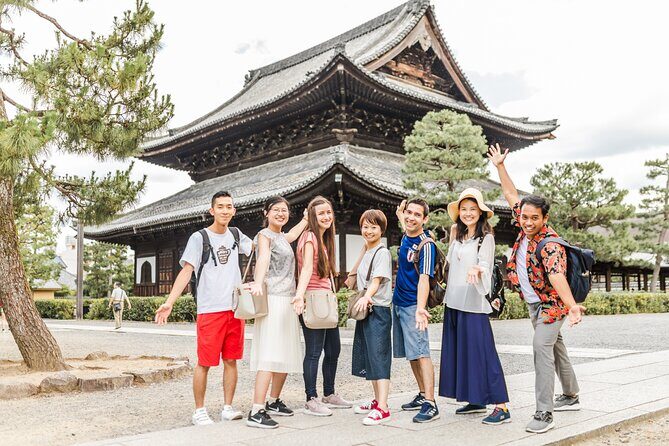
This is a private tour, so the host experience is the whole point. The feedback gives a pattern: guides focus on pace, crowd handling, and practical help.
Here are the high-signal examples I’d watch for:
- Photo help and smooth logistics: Mai was praised for guiding through crowded stations and helping with photos. That’s huge because it prevents you from spending precious minutes trying to get the perfect shot while holding up the group.
- Less-crowded routing: Andy was credited with showing quieter places. If you hate elbow-to-elbow sightseeing, ask for that preference in your questionnaire.
- Proactive language support: Ada helping with phone calls in Japanese shows you can count on assistance when simple communication becomes tricky.
- Kids and multi-generation groups: One review highlighted flexibility for young children and grandparents. If that’s your situation, say it upfront so your host designs sensible pacing.
- Weather realism: A cold-day experience still included an enjoyable temple visit with Papa Ninja. It’s a reminder that you should dress for Kyoto weather and be ready to adjust expectations.
If you want this to feel personal, use the questionnaire. Tell your guide what energizes you: quiet streets, big sights, markets, shrine details, or photographing geisha districts from the right angles.
What you’ll actually get in 3–4 hours (and what you won’t)
The experience is listed as a 3 to 4-hour private walking tour, primarily on foot. That time is enough to connect several neighborhoods and hit major cultural landmarks, but it won’t cover every famous Kyoto sight you can name.
Here’s what you can expect from the structure:
- A fast orientation to central Kyoto neighborhoods
- A guided path through big-name cultural areas
- Explanations that link places to stories: heritage, festivals, emperors, and Edo-era power
What you won’t get is built-in food. Food, drinks, and attraction tickets aren’t included. You’ll also likely cover some distances with walking only, though public transport or a local taxi may be used between sites at additional cost.
So think of this as a “set your compass” tour. You come away knowing how Kyoto’s neighborhoods fit together—and you can plan your next moves with less guesswork.
Price and value: why $137.74 can be worth it
At $137.74 per person for a private, personalized half-day, the cost isn’t low. But it’s not trying to be a cheap bus tour either.
The value comes from three things you’re buying:
- A human plan: You don’t waste time figuring out where to go next or how to interpret what you see.
- Personal control of pace: Your route is tailored to interests and walking speed.
- Local problem-solving: If you’re stuck with language barriers, busy areas, or family logistics, your host is there to manage it.
If you’re traveling in a group of two or more, private tours can feel especially reasonable because you’re splitting the cost of a guide who otherwise would be hard to recreate with self-guided research.
Also, this tour is booked on average 36 days in advance, which suggests people like locking in a guide early—often because first-time Kyoto visitors want flexibility and reliable guidance.
Practical tips to make the day feel easy
A few small moves will help you get the most out of the walking time:
- Wear shoes you can walk in for hours. Kyoto streets are not friendly to flimsy soles.
- Dress for weather changes. One cold-day review is a clear sign: Kyoto can be chilly, even when you didn’t plan for it.
- Use the questionnaire seriously. The guides you’ll see praised most are the ones who tailored well, like Woohee and guides who shifted around family needs.
- Ask for crowd-smart routing. If you want fewer crowds, say so.
- Decide your “musts” early. This keeps the host from guessing and keeps your half-day from feeling like a compromise.
Should you book this Kyoto private walking tour?
Yes, if you fit any of these:
- You’re in Kyoto for the first time and want stress-free navigation
- You prefer a plan that changes based on your interests and pace
- You want cultural context tied to specific places—shrines, the Gion area, river neighborhood life, and Edo-era history
- Your group includes kids, grandparents, or anyone who needs gentle pacing
I’d think twice if:
- You want a long, comprehensive sightseeing day stuffed with extra stops
- You hate walking in weather and you don’t want any chance of extra transport costs
- You already feel confident building Kyoto routes on your own
If you want a half-day that helps you understand Kyoto instead of just touring it, this is a strong way to start.
FAQ
How long is the Kyoto private walking tour?
It runs for about 3 to 4 hours.
Is this tour private or shared with strangers?
This is a private tour/activity. Only your group participates.
Where do we meet the guide?
You start at Starbucks Coffee – Kyoto Sanjo-ohashi Bridge in Kyoto’s Nakagyo Ward.
Is pickup included?
Pickup is offered, but the tour is primarily a walking experience.
Are food, drinks, and entrance tickets included?
No. Food, drinks, and tickets to attractions are not included.
Can I get a full refund if I cancel?
Yes. You can cancel up to 24 hours in advance for a full refund. Canceling within 24 hours isn’t refunded.