REVIEW · BIKE & E-BIKE TOURS
Kyoto: Half-day Guided Bike Tour with Fushimi Inari
Book on GetYourGuide →Operated by Cycle Kyoto · Bookable on GetYourGuide
First ride, then the magic: South Kyoto moves by bicycle. This half-day Kyoto bike tour strings together temples, canals, and backstreets in a calm, efficient ride, ending at the orange torii gates of Fushimi Inari Shrine. You also get UNESCO Toji and a photo-minded stop at Tofukuji, so it’s not just sightseeing from the main roads.
What I like most is the small-group feel and the way the route mixes big sights with quieter corners. I also love that you start strong at Toji, then flow along the Takase Canal and Kamo River into Gion instead of doing a stop-and-shuffle day.
One consideration: you have to be comfortable biking. If you have back issues, can’t ride, or just hate cycling in a dense city, this won’t be your best Kyoto option.
In This Review
- Key highlights worth your time
- Why this South Kyoto bike route works in real life
- The start at Cycle Kyoto: easy logistics, real meeting point
- Toji Temple (UNESCO) as the perfect opener
- Higashi-Honganji: big temple scale without feeling rushed
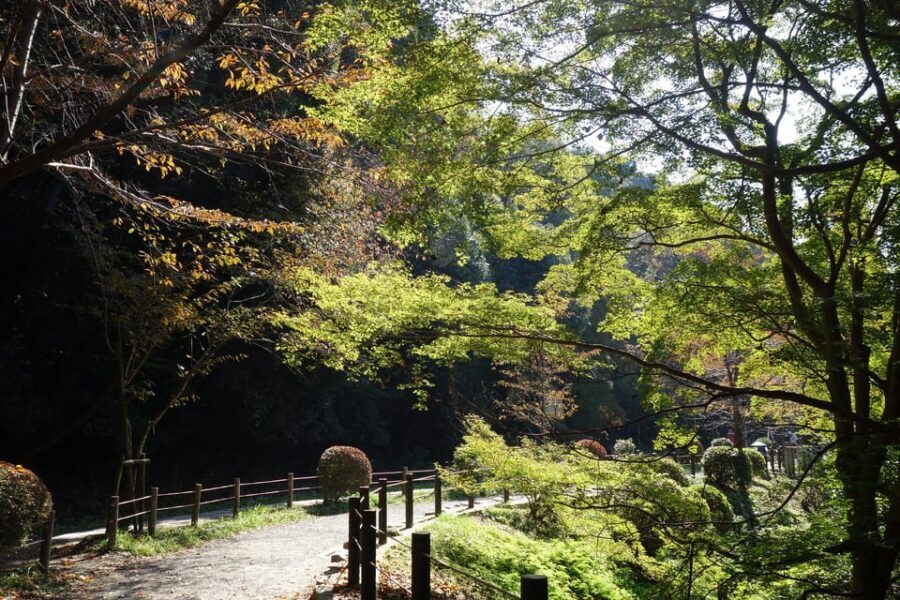
- Takase River and Kamo River: where the ride feels calmer
- Gion backstreets: the geisha district without the stress
- Tofukuji Temple photo stop: 30 minutes you’ll actually use
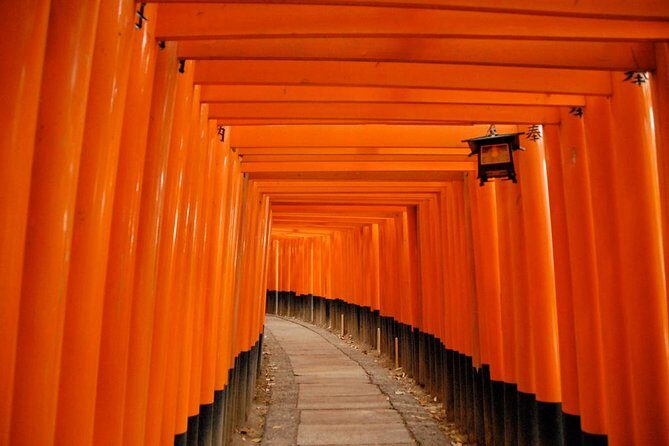
- Fushimi Inari Taisha: orange torii gates, guided context included
- Pace, bikes, and the small-group advantage
- Weather reality in Kyoto: plan for rain and temperature shifts
- Value check: is $77 worth it for this route?
- Who should book this Kyoto bike tour (and who shouldn’t)
- The guides: what stands out from the people leading the ride
- Should you book this tour?
- FAQ
- How long is the Kyoto half-day guided bike tour with Fushimi Inari?
- What’s included in the price?
- How much does it cost?
- What group size is this tour?
- Where do I meet the tour?
- Can I request an e-bike?
- What’s the minimum age and who shouldn’t join?
Key highlights worth your time
- Toji first, then the big temple stop: Kyoto’s oldest temple sets the tone before the ride turns scenic.
- Gion by backstreets: you spend time in the geisha district without being stuck only at the busiest walkways.
- Canals and river breaks: Takase River and Kamo River create natural pacing and better photo angles.
- Tofukuji with a real photo block: 30 minutes makes it easier to get shots without rushing.
- Fushimi Inari on your schedule: torii gates plus guided context, then you head home.
Why this South Kyoto bike route works in real life
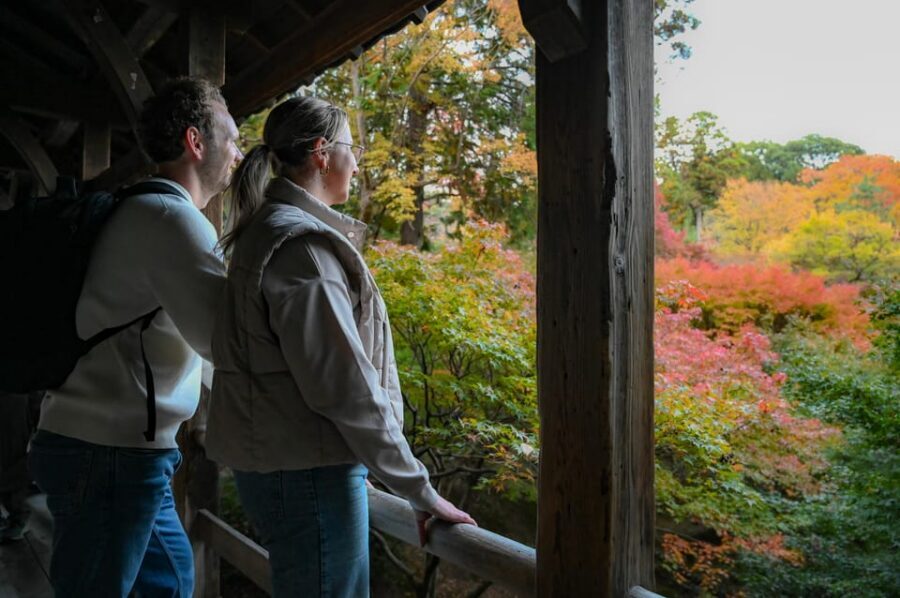
Kyoto can feel like you’re always standing still. This tour flips that. In 210 minutes, you move through the south side of the city in a way that feels light on your feet but still packs in major stops.
You’re also not doing the classic “bus to temple, queue, repeat” pattern. The route uses cycling to connect places that are spread out, so your time stays practical. And because the group is limited to 8 people, the guide can steer questions and pace without turning into a human conveyor belt.
You can also read our reviews of more cycling tours in Kyoto
The start at Cycle Kyoto: easy logistics, real meeting point
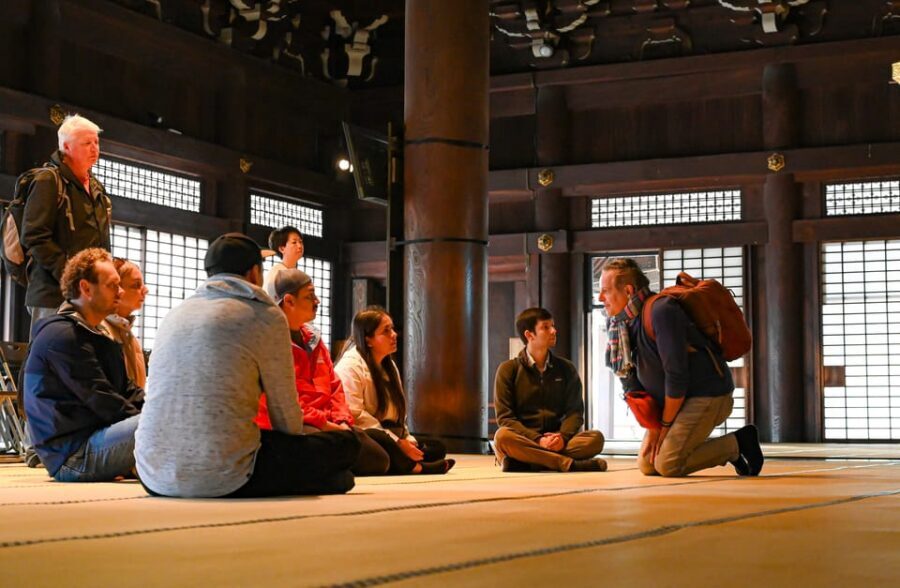
You start at Cycle Kyoto. If you’re coming from Kyoto JR Station, the directions are straightforward: go past Avanti, cross one set of traffic lights, then after the Daily Yamazaki convenience store, take the next left. That’s the kind of detail that matters in Kyoto, where one wrong turn can cost you time.
Before you set off, there’s a 15-minute safety briefing. It’s not the exciting part of Kyoto, but it’s the part that keeps the tour smooth—helmets on, bikes fitted, and everyone clear on how the ride will work.
Toji Temple (UNESCO) as the perfect opener
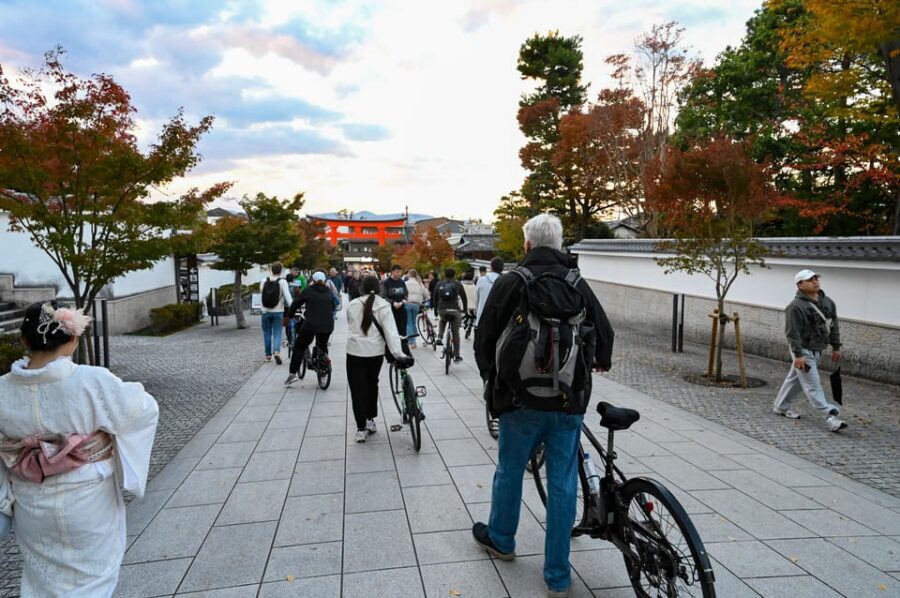
The tour begins at Toji, guided for 35 minutes. This is Kyoto’s oldest temple, which gives your morning a strong “why this city matters” backbone right away. You’re not spending your first hour hunting for context—you get it early, so the rest of the tour makes more sense.
A smart thing about starting with Toji: it helps you connect the dots between Kyoto’s religious history and the modern neighborhoods you’ll bike through later. You also get an organized introduction before the day’s main crowd magnets.
If you like architecture, sacred spaces, or simply learning how Kyoto developed, this opening stop is a good use of time. It sets a calm rhythm before you pick up speed toward river areas.
Higashi-Honganji: big temple scale without feeling rushed
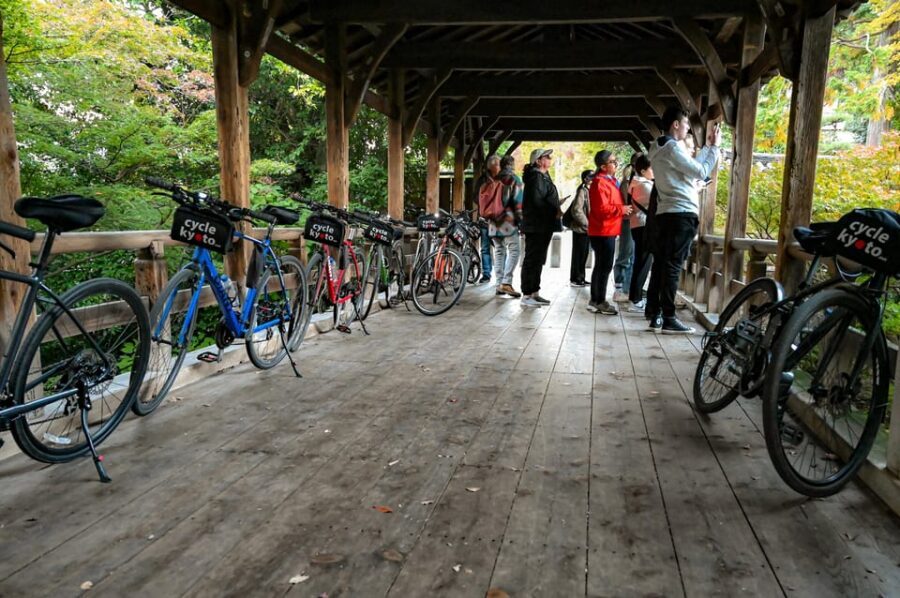
Next comes Higashi-Honganji Temple, also a 35-minute guided stop. This is one of Japan’s largest temples, so scale alone does part of the storytelling. The guide’s job here is to help you read what you’re looking at instead of just admiring it.
This is the kind of stop that benefits from a guide. Even if you’re not chasing trivia, the explanations help you spot what’s important and what’s just background. One reason people rate this tour so highly is that the guide work tends to be hands-on and question-friendly.
From the ride perspective, the timing is good too. You’re not dragging through one site forever. You get a solid visit, then you roll onward while your momentum is still good.
Takase River and Kamo River: where the ride feels calmer
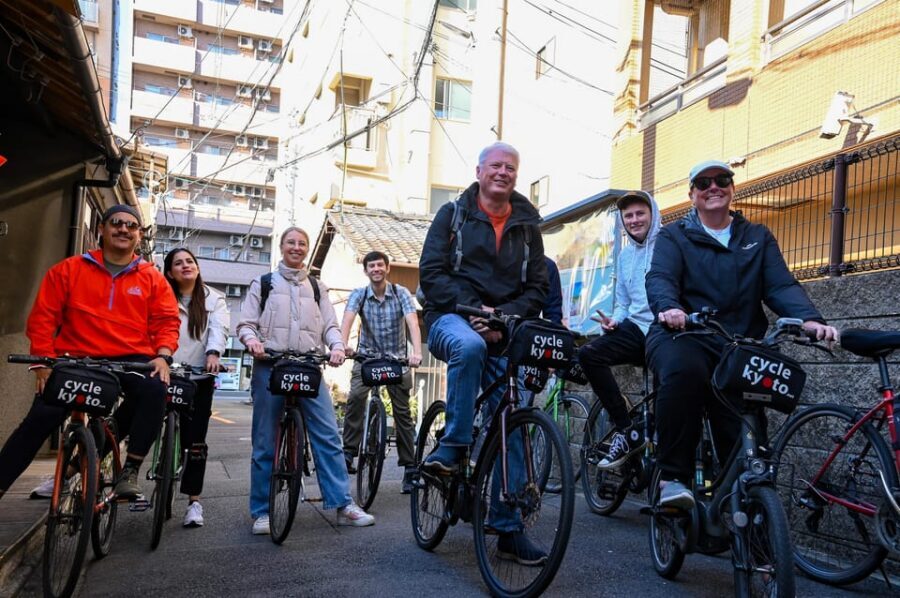
After temple time, you get two built-in scenic breaks:
- Takase River for 10 minutes
- Kamo River for 15 minutes
These stops aren’t meant to replace a long walk. They’re meant to reset you. You’ll feel the difference between temple grounds and open water-and-street geometry, and that matters when you’re sightseeing fast.
It’s also where cycling starts to feel like a city experience instead of “transport between attractions.” You’ll get pictures, a breather, and a quick change in pace before Gion.
You can also read our reviews of more guided tours in Kyoto
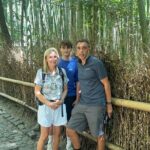
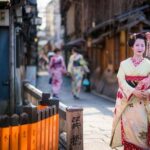
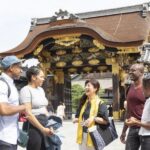
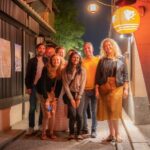
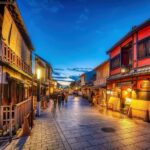
Gion backstreets: the geisha district without the stress
Then you reach Gion, guided for 30 minutes. This is the geisha and teahouse district Kyoto is famous for, and the tour spends time weaving through backstreets rather than only sticking to the most obvious approach routes.
Why this matters: Gion can be a bit of a photo zoo in peak hours. Cycling and side-street routing can help you see the vibe without feeling stuck shoulder-to-shoulder. You still get the sense of place—wood, lanes, historic atmosphere—but with less of the grind.
Also, the guide time matters here. A good guide can point out what you should notice from street level, where transitions happen, and what kinds of buildings you’re seeing. That’s where the tour’s “you can’t do this easily alone” value tends to show up.
Tofukuji Temple photo stop: 30 minutes you’ll actually use
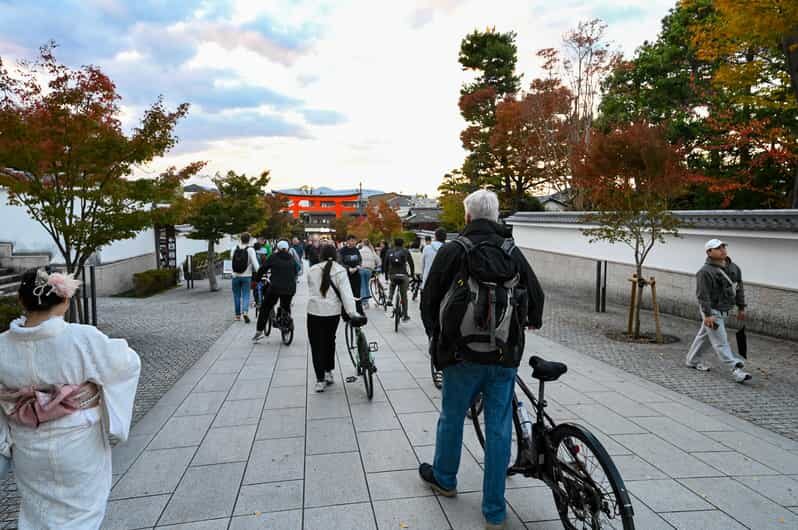
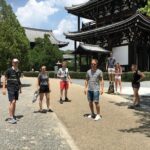
The Tofukuji Temple stop is a photo stop with 30 minutes. That’s a helpful structure because it gives you time to slow down and frame shots without turning it into a full guided lecture.
Tofukuji is described as spectacular in the tour outline, and the format supports that: you’re there long enough to get the photos you want, then you’re off before you get stuck in a rush feeling. If you’re the type who likes to wander a bit and not just follow a group, this stop is built for you.
One practical tip for your camera: warm weather isn’t guaranteed. Kyoto mornings can shift fast, so keep your sleeves handy and your battery protected.
Fushimi Inari Taisha: orange torii gates, guided context included
Finally, you roll down into Fushimi Inari Taisha, the most visited attraction in Japan. The tour includes a guided visit for 45 minutes plus a stroll around the famous orange torii gates.
Here’s the value of a bike tour ending at Fushimi Inari: you arrive with the morning’s context already built. You’ve seen Kyoto’s temple culture earlier, so the shrine’s scale and layout land better. You’re not just staring upward at gates—you understand what you’re seeing and why it’s a pilgrimage magnet.
One rider also noted that the ride can add up, with a total biking distance of more than 15 km. So if you’re doing this day one in Kyoto, plan to keep your evening simple afterward. Your legs will remember the morning.
Pace, bikes, and the small-group advantage
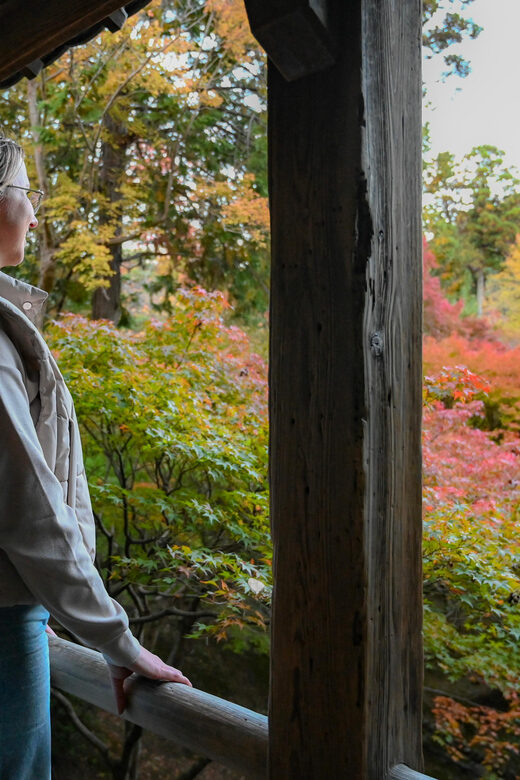
This is a short ride designed to feel relaxing, but it’s still real cycling. The tour is structured around guided segments—temples and Gion are guided, rivers are quick, Tofukuji is photo-focused, and Fushimi Inari is guided.
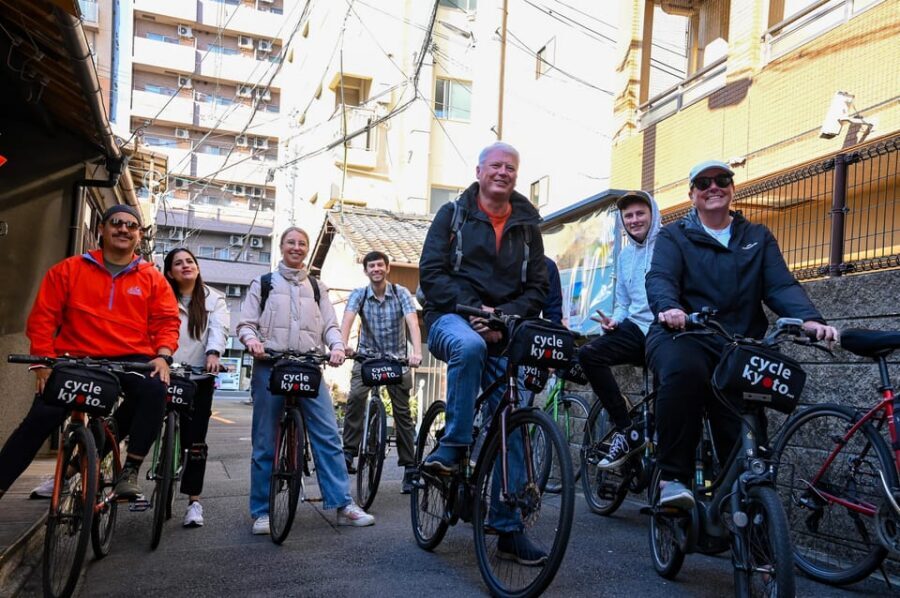
Bikes are a big deal on a city tour. The reviews mention bikes in great condition, plus a variety of sizes and helmets. That’s reassuring because comfort is what keeps the experience enjoyable rather than stressful.
You can also request e-bikes for an upgrade fee of 3000 yen. If you’re not looking to work hard on hills or you’d rather save energy for walking inside the shrine areas, the e-bike option can make the whole day feel smoother.
And because the group is capped at 8, the guide can slow down if someone needs a pause. Some reviews mention a gentle pace and flexibility, especially when groups were small.
Weather reality in Kyoto: plan for rain and temperature shifts
The tour runs based on weather conditions, and it’s wise to check before departure. Kyoto can throw rain at you without much warning, but the tour operators have handled bad weather according to reviews, adjusting the experience so it stays enjoyable.
Bring warm clothing even if the forecast looks mild. Cycling cools you down fast, especially near the river. Sunscreen helps too—Kyoto sun still counts, and the ride gives you more exposure than you might expect.
Value check: is $77 worth it for this route?
At $77 per person for 210 minutes, you’re paying for three things you’d otherwise have to piece together: the bike and helmet, the guide time across multiple major sites, and the logistics of moving efficiently between south Kyoto highlights.
If you try to do this alone, you’ll spend extra time figuring out bike logistics, routes, and where to spend your limited sightseeing hours. You might also get stuck doing only the “obvious” walking loops, especially around Gion and Fushimi Inari.
Also, the tour includes water, and it covers a lot of framed time: Toji, Higashi-Honganji, Gion, Tofukuji photo time, and a guided walk through Fushimi Inari gates. For a half-day, that’s a strong concentration of sights—temples, shrine culture, and historic neighborhoods—connected by a ride that doesn’t drain you.
The biggest “cost” besides the price is your effort level. If you’re an experienced cyclist or you’ve been walking a lot in Kyoto, this should feel like a good break. If you’re not comfortable riding, that’s where the value can drop.
Who should book this Kyoto bike tour (and who shouldn’t)
I think this tour is a great fit if you want:
- a first taste of south Kyoto without over-planning
- a route that mixes big attractions with calmer streets
- an English-speaking guide with the time to explain what you’re seeing
- a half-day plan that leaves your afternoon open
It’s not for you if:
- you can’t ride a bike
- you have back problems
- you’re traveling with kids under 13 (minimum age is 13 for public tours)
One more note: the tour doesn’t include meals. Plan a snack or light meal on your own before or after, so you’re not thinking about food while you’re trying to enjoy the temples.
The guides: what stands out from the people leading the ride
English guides lead the experience, and the reviews mention several names, including Jay, Julian, Indra, Juan, Sean, and Mayco. The common thread is that these guides tend to make everyone comfortable and keep the day moving in a way that feels personal.
Some riders also describe guides as patient, easygoing, and willing to answer questions. That’s exactly what you want when you’re cycling through places that look similar but aren’t. Good guiding turns a checklist into understanding.
If you’re the kind of traveler who likes asking why things look the way they do, you’ll probably feel well supported here.
Should you book this tour?
If you’re weighing a guided Kyoto bike tour versus solo temple-hopping, I’d lean this direction for most first-time visitors doing south Kyoto. The route is efficient, the pacing is built in (temples, rivers, Gion, photos, then Fushimi Inari), and the format saves time.
Book it if you:
- want a small group experience
- like mixing history with street-level Kyoto scenes
- can comfortably bike for the morning
Skip it (or consider an e-bike) if:
- you’re worried about your physical comfort
- you’re expecting a fully effortless ride
- you’d rather spend the day purely wandering on foot
Bottom line: this is a smart way to see Kyoto’s iconic shrine moment at Fushimi Inari while also getting temples and neighborhood atmosphere that most people miss when they only chase the biggest signs.
FAQ
How long is the Kyoto half-day guided bike tour with Fushimi Inari?
The tour duration is 210 minutes (about 3.5 hours).
What’s included in the price?
You get bicycle rental, a helmet, a live English guide, and water.
How much does it cost?
The price is $77 per person.
What group size is this tour?
It’s a small group limited to 8 participants.
Where do I meet the tour?
From Kyoto JR Station, go past Avanti, cross one set of traffic lights, then after the Daily Yamazaki convenience store take the next left.
Can I request an e-bike?
Yes. E-bikes are available upon request for an upgrade fee of 3000 yen.
What’s the minimum age and who shouldn’t join?
The minimum age is 13 for a public tour. It’s not suitable for people who can’t ride a bike or for people with back problems.