REVIEW · 2-DAY EXPERIENCES
Kyoto and Nara 2-Day Tour: Golden Pavilion, Todaiji, Deer Park
Book on Viator →Operated by KAMNAVI Tours · Bookable on Viator
Kyoto and Nara hit you fast, in the best way. This two-day plan strings together the big icons and the calmer in-between moments, with admission fees included on key stops and a guided flow that helps you move without wasting time. You’re covering places tied to Japan’s old power centers and spiritual life, plus the famous Nara deer-area experience that’s part of the tour promise.
I love that the itinerary includes public transportation fare and brings you into several top sights without extra ticket juggling. I also like that the guide time is built around context, so you’re not just looking at buildings—you’re understanding why they matter. The main drawback to plan for is simple: food and drinks are not included, so you’ll want to budget extra and be flexible when your schedule is fixed.
In This Review
- Key highlights you’ll care about
- Why Kyoto and Nara in Two Days works
- Meeting at Kyoto Station: fewer headaches, more sightseeing
- Day 1: Golden Pavilion, Bamboo, Nijo Castle, and Gion
- Kinkakuji (Golden Pavilion): gold leaf and pond reflections
- Bamboo Forest Street: a longer pause where sound matters
- Nijo Castle: shogun-era Kyoto in one controlled visit
- Gion: Kyoto’s geisha district, without the pressure
- Day 2: Fushimi Inari torii, Todai-ji scale, and Kasuga lanterns
- Fushimi Inari-taisha: the torii tunnel effect
- Todai-ji: inside the Great Buddha Hall’s scale
- Kasuga Grand Shrine: lanterns across 1,300 years
- Price and value: what $321.93 covers (and what it doesn’t)
- How the guides can make or break the day
- Tips to make the schedule feel good (not rushed)
- Who this tour suits best
- Should you book this Kyoto and Nara 2-Day Tour?
- FAQ
- FAQ
- What time does the tour start?
- Where is the meeting point in Kyoto?
- How long is the tour?
- Is this tour private or shared?
- What is included in the tour price?
- Are meals included?
- Which major attractions are part of the route?
- Are any attractions free of admission on this itinerary?
- Is a mobile ticket used?
- What is the cancellation and weather policy?
Key highlights you’ll care about
- Golden Pavilion timing: 45 minutes at the temple most people picture immediately.
- Bamboo Forest break: a longer 1.5-hour stretch that gives you time to slow down.
- Nijo Castle stop: included admission with a focus on the shogun-era story behind the site.
- Gion stroll: a free-entry window into Kyoto’s geisha district atmosphere.
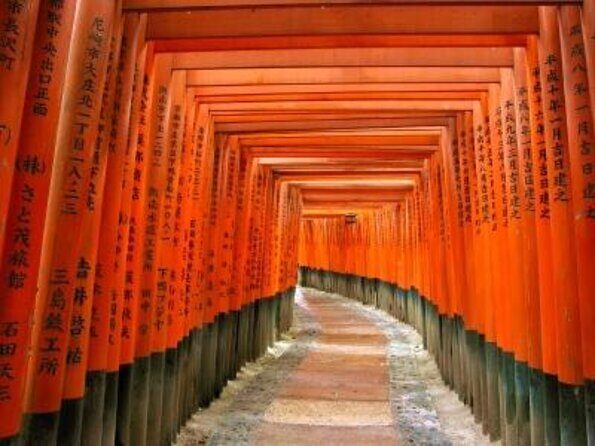
- Fushimi Inari torii tunnel: free entry time to see the vermilion gate corridor.
- Todai-ji and Kasuga Grand Shrine: major scale on Day 2, plus lantern-filled shrine grounds.
Why Kyoto and Nara in Two Days works
Kyoto and Nara are both former capitals of Japan, and this tour is designed so you don’t bounce around randomly. Instead, you get a concentrated route: classic Kyoto stops first, then a strong Day 2 anchored by the Todai-ji area and Nara’s signature deer experience.
The biggest practical win is the guided pacing. You’ll have a set meeting point at Kyoto Station (building 901) at 9:30am, and the tour ends back there, so you can plan your day without map-hopping. The time blocks at each stop also help you avoid the most common frustration in Japan: arriving somewhere amazing and realizing you have no time left for it.
You can also read our reviews of more tours and experiences in Kyoto
Meeting at Kyoto Station: fewer headaches, more sightseeing
Starting at Kyoto Station is smart because it’s one of the easiest hubs in the city to reach. The plan also keeps things straightforward: you meet at the station building address listed for the tour, then you return there at the end.
This is a private group experience, meaning it’s only for your group. That can make a big difference when you want your guide to answer questions, explain what you’re seeing in plain language, or adjust the flow when the crowd level feels intense at a certain moment.
You’ll want moderate walking comfort, because this route stacks multiple major sites across two days. Comfortable shoes matter more than style here.
Day 1: Golden Pavilion, Bamboo, Nijo Castle, and Gion
Day 1 is a highlight sampler of Kyoto. You start with the most famous visual icon, then you shift to a quieter mood in the bamboo, and you finish with a geisha-district stroll.
What I like about this mix is the emotional pattern: shine and drama first, then calm, then historical power, then street-level old Kyoto atmosphere.
Kinkakuji (Golden Pavilion): gold leaf and pond reflections
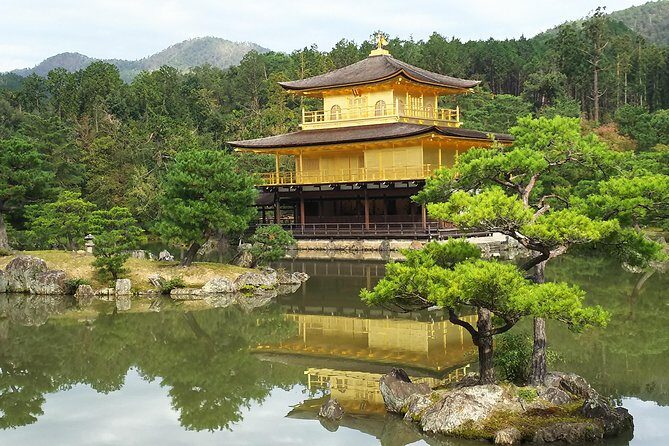
Your first stop is Kinkakuji Temple, often called the Golden Pavilion. It’s tied to Samurai-era culture, and the temple’s defining feature is its gold-leaf covered hall. The pond reflections are part of the main experience, and it’s exactly the kind of visual that you can’t fully fake with photos.
You get about 45 minutes here, and admission is included. That’s long enough to see it from more than one angle without turning the stop into a rushed checklist.
If you care about photos, plan to arrive ready to change your viewpoint a couple times. The reflection effect is best when light and wind cooperate.
Bamboo Forest Street: a longer pause where sound matters
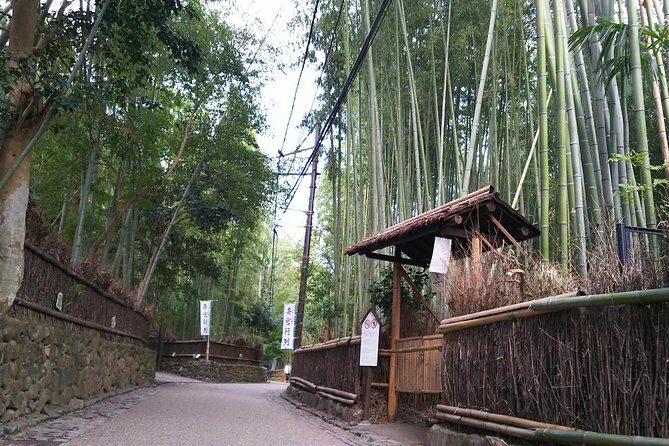
Next comes Bamboo Forest Street, with about 1 hour 30 minutes on the plan. Admission is free, and the timing is the reason this stop works. Short visits can feel like a quick photo stop; longer time gives you room to actually notice what you’re hearing and feeling.
The tour description leans into the sound of bamboo stalks and leaves touching. Whether you treat it as a sensory break or just a good walking reset, this is a stop where slowing down helps.
Practical tip: bamboo areas can still be busy, so give yourself a moment to step off the most direct traffic flow before you settle for a view.


Nijo Castle: shogun-era Kyoto in one controlled visit
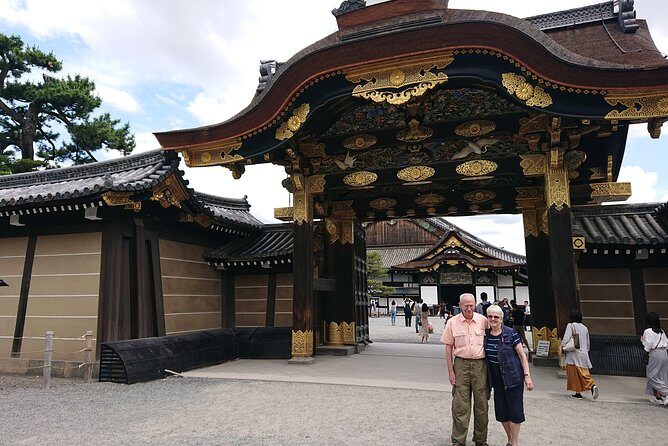
Then you head to Nijo Castle, with about 50 minutes and included admission. The key storyline is shogun politics: in 1603, the shogunate moved to Edo (now Tokyo), yet Nijo Castle remained the shogun’s Kyoto residence when he visited.
Inside, you’ll get guided context meant to help you connect architecture and “rules of power” to the historical setting. You’ll also learn why the site was built the way it was, not just what to look at.
This is one of those stops where a good guide makes the difference. The most rewarding part is when explanations connect the details you see to what the shogun needed the castle to do.
Gion: Kyoto’s geisha district, without the pressure
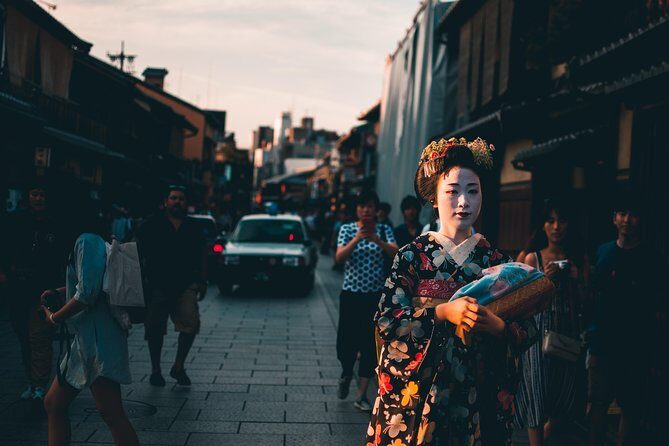
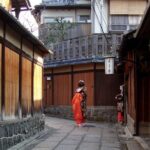
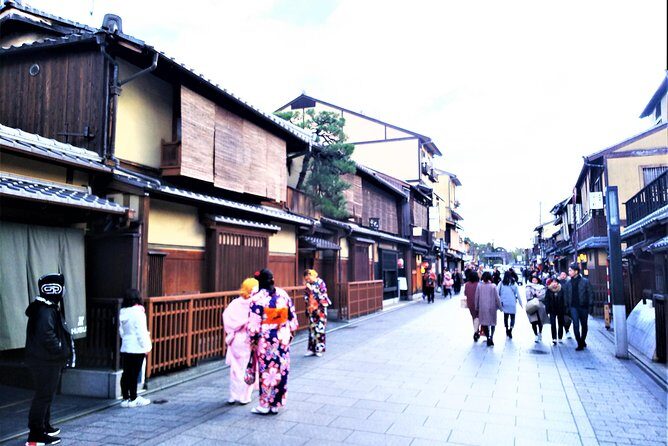
Finally on Day 1: Gion. It’s listed as about 40 minutes with no admission fee. This is the biggest geisha district in Kyoto, and the tour frames geisha culture as an important part of traditional Japanese culture.
You’re not visiting a museum here. You’re walking, observing, and absorbing the vibe of old-style houses and classic street geography.
If you want this part to feel respectful and smooth, keep your attention on the street scene rather than rushing for close-up moments. A calm walk makes the district more enjoyable.
Day 2: Fushimi Inari torii, Todai-ji scale, and Kasuga lanterns
Day 2 cranks up the spiritual and iconic intensity. You start with one of Japan’s most photographed shrine scenes, then you hit one of the world’s biggest wooden structures, then you finish with Kasuga’s lantern-rich atmosphere.
This day is built for people who like feeling overwhelmed—just not unprepared.
Fushimi Inari-taisha: the torii tunnel effect
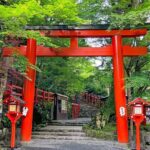
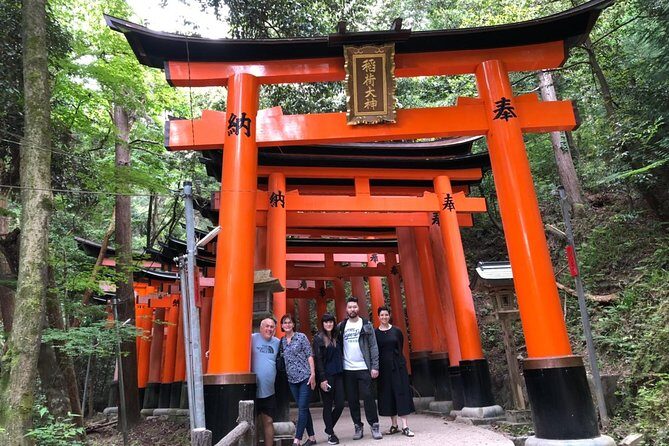
Your first Day 2 stop is Fushimi Inari-taisha Shrine. It’s known for the tunnel of thousands of vermilion torii gates, and the tour description calls out how picturesque the corridor is.
You get about 45 minutes, and admission is free. That’s enough time to enter, feel the “gate corridor” rhythm, and still step back for a wider look. If you only have time for one shrine photo, this is usually the one.
Practical note: even with a timed stop, this place can feel crowded. Move with the flow, pause when you want a quiet moment, and don’t try to do everything at maximum speed.
Todai-ji: inside the Great Buddha Hall’s scale
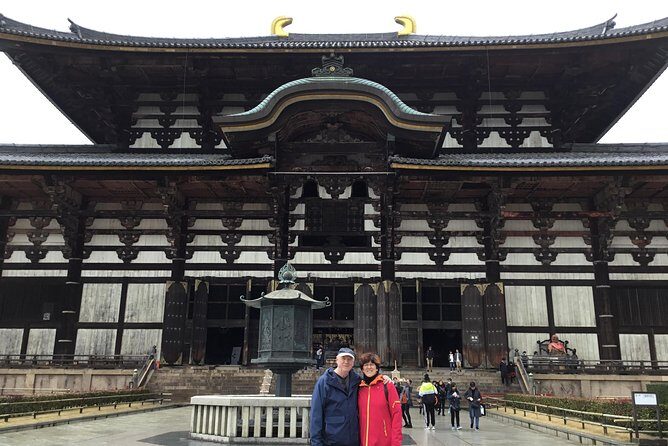
Next is Todai-ji Temple, with about 50 minutes and included admission. The highlight is the Buddha Hall, described as one of the largest wooden buildings in the world.
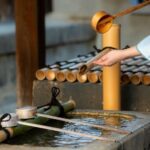
When you walk in, the scale is the point. The tour also includes a hands-and-mouth purification step at a cleansing area before entering, which helps you transition from street mode to temple mode.
If you’re the type who likes architecture, this stop can feel almost physical—like you’re standing in the middle of craftsmanship and history at once. If you’re more spiritual, the routine of cleansing and entering calmly tends to set your mindset.
Kasuga Grand Shrine: lanterns across 1,300 years
Finally you visit Kasuga Grand Shrine, with about 40 minutes and free admission time. It’s described as a historical shrine built around 1,300 years ago, with about 1,000 branch shrines all over Japan.
The standout feature is the lanterns—more than 3,000—and the tour notes that the lantern contrast is dramatic in the shrine precincts.
This stop is a good ending because it shifts the mood from huge-scale hall energy to something quieter and visually repeating. You’ll likely find your eyes “stitching” the scene together as you walk the grounds.
Price and value: what $321.93 covers (and what it doesn’t)
The tour price is $321.93 per person, and the value is in what’s included. Your ticket covers guide fare, public transportation fare, and admission fees for multiple key stops.
That matters because Kyoto and Nara add up fast when you pay separately—especially when you’re trying to see a lot in two days. You also don’t need to figure out which trains or buses line up with each timed visit. A guide does that work for you.
What’s not included is just as important: food and drinks and accommodation. So while the tour cost may feel high at first glance, it’s more like you’re paying to turn two busy cities into a guided schedule with admissions handled, and then you top it off with your own meals.
One more cost saver: the tour offers a mobile ticket. That can reduce friction when you’re hopping through multiple entrances.
How the guides can make or break the day
This is where the strongest reviews signal a clear pattern: the best part is the human guidance. I like tours where the guide explains what you’re seeing in a way that sticks, and this one has a track record of that.
In particular, guides named Naoko, Nick, Ryusuke, and Tomoko Murai are praised for things that directly affect your day: organization, patience, flexibility, and a sense of humor. That matters because Kyoto and Nara are both popular—small delays happen, crowding changes your best angle, and the ability to keep things calm is a real perk.
If your guide is strong, you also end up with better questions for yourself. You start noticing why places look the way they do, and not just that they’re famous.
Tips to make the schedule feel good (not rushed)
This tour is paced through major landmarks, so your comfort strategy matters.
- Wear shoes you can stand in for a while. The plan includes multiple stops with set time windows across two full days.
- Plan to snack lightly even if meals aren’t included. You’ll likely want energy for walking between sights.
- Bring a small day bag. You’ll handle your own water and food, plus anything you need for shrine visits.
- For shrine and temple entry, be ready for simple ritual time. The tour includes cleansing at Todai-ji, and that adds a few minutes of calm routine to your flow.
Who this tour suits best
This fits best if you want a structured two-day route through top Kyoto sights and Nara’s major temple area without spending extra mental energy on logistics. It’s also a good match for people who like cultural context, not just photo ops.
If you love history, you’ll probably appreciate the way stops like Nijo Castle are framed with shogun-era context. If you love atmosphere, bamboo and Gion can provide that “pause” between bigger highlights.
If you’re traveling solo and want a private group feel, the private setup can also be a strong advantage.
Should you book this Kyoto and Nara 2-Day Tour?
I’d book it if you want maximum structure in two days and you like the idea of admissions included and transport handled by a guide. For first-timers, it’s a smart way to hit the big names—Golden Pavilion, Fushimi Inari, Todai-ji, and Kasuga—without getting stuck in transit planning.
I wouldn’t book it if you’re the kind of traveler who wants total freedom to linger randomly. This plan has set durations per stop, so you’ll be guided along a designed route. And if you hate managing your own meals, know that food and drinks are on you.
FAQ
FAQ
What time does the tour start?
The tour starts at 9:30am.
Where is the meeting point in Kyoto?
The meeting point is Kyoto Station Building 901 on Higashishiokōjichō, Shimogyo Ward, Kyoto.
How long is the tour?
It runs for 2 days (approximately).
Is this tour private or shared?
It’s private. Only your group will participate.
What is included in the tour price?
The tour includes the guide fare, public transportation fare, and admission fees for the included attractions.
Are meals included?
No. Food and drinks are not included.
Which major attractions are part of the route?
The itinerary includes Kinkakuji Temple, Bamboo Forest Street, Nijo Castle, Gion, Fushimi Inari-taisha Shrine, Todai-ji Temple, and Kasuga Grand Shrine.
Are any attractions free of admission on this itinerary?
Yes. Bamboo Forest Street, Gion, Fushimi Inari-taisha Shrine, and Kasuga Grand Shrine are listed as admission free. Admission is included for Kinkakuji Temple, Nijo Castle, and Todai-ji Temple.
Is a mobile ticket used?
Yes, the tour includes a mobile ticket.
What is the cancellation and weather policy?
You can cancel for free up to 24 hours in advance for a full refund. The experience requires good weather, and if it’s canceled due to poor weather, you’ll be offered a different date or a full refund.