REVIEW · WALKING TOURS
Peaceful Kyoto Walking Tour
Book on GetYourGuide →Operated by Reelu inc · Bookable on GetYourGuide
Kyoto slows down on foot. I like the way this route strings together Zen gardens with real walking calm, especially at Nanzen-ji and Ginkaku-ji, and I also love the coffee break at Blue Bottle Kyoto in a 100-year-old townhouse. One catch: you’ll walk a fair amount for a 4-hour loop, and the ticketed temple admissions plus drinks are extra.
I’m also a fan of how the experience is run: it’s guided in English, and guides like Eiko and Ayoko are repeatedly praised for clear explanations and smart pacing. If you’re expecting everything to be included for a flat price, plan for JPY 1,700 in temple fees and buy your own coffee or tea.
In This Review
- Key Highlights You’ll Feel Immediately
- A Quiet 4-Hour Kyoto Loop That’s Built for Looking Closely
- Starting at Keage (蹴上駅) and Getting Your Bearings at Nanzen-ji
- Blue Bottle Kyoto: A Coffee Reset Inside a 100-Year-Old Townhouse
- Eikando (Zenrin-ji) and the Pond Garden Mood at a Temple Famous for Foliage
- Philosopher’s Path: Easy Walking North with Cherry Trees and Canal Views
- Ending at Ginkaku-ji (Jisho-ji): Wabi-Sabi in White Sand and Moss
- Price and Value: What $61 Covers and What You’ll Still Need to Pay
- Pace, Comfort, and Who This Tour Fits Best
- Should You Book This Peaceful Kyoto Walking Tour?
- FAQ
- FAQ
- How long is the Peaceful Kyoto Walking Tour?
- Where does the tour start and where does it end?
- Are Nanzen-ji, Eikando, and Ginkaku-ji admission fees included?
- Is coffee included in the tour price?
- What language is the guide?
- Is the tour wheelchair accessible?
- What should I bring?
- What’s the cancellation policy?
Key Highlights You’ll Feel Immediately
- Nanzen-ji’s Sanmon Gate, Hojo Garden, and the Lake Biwa Canal aqueduct in one focused morning feel
- A short Blue Bottle stop inside a 100-year-old townhouse, where you get a real reset
- Eikando (Zenrin-ji) with the Amida Buddha and a calm pond garden setting
- Philosopher’s Path for an easy northbound stroll lined with cherry trees and seasonal flowers
- Ginkaku-ji’s wabi-sabi approach with Ginsadan sand and the moss-covered garden
- English guidance that keeps you oriented fast, with time built for looking, not rushing
A Quiet 4-Hour Kyoto Loop That’s Built for Looking Closely
This is the kind of Kyoto tour that feels like it was designed for your senses. You’re not spending hours on the road between places; instead, you move through a compact stretch of temple and garden stops, then slow down again with a coffee break. It’s a simple plan, but the payoff is big: you get the Zen atmosphere without it turning into a checklist.
The best part is that each stop teaches you how to look. Nanzen-ji gives you temple architecture and garden layout. Eikando brings in the seasonal drama around a pond garden and the Amida Buddha. And at Ginkaku-ji, you’re looking at the quiet style Kyoto does so well: wabi-sabi, restraint, texture, and simple beauty.
If you’re short on time but still want depth, this route makes sense. And if you’re trying to escape the noise of big tour crowds, the pacing works. It’s not silent, but it’s calmer than the typical nonstop highlight run.
You can also read our reviews of more walking tours in Kyoto
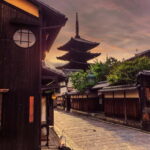
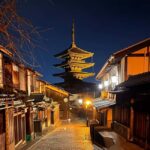
Starting at Keage (蹴上駅) and Getting Your Bearings at Nanzen-ji
You begin at 蹴上駅 (Keage Station), then head straight to Nanzen-ji, one of Kyoto’s big-name Zen temple complexes. Your first hour there matters because it sets the tone for the whole walk. Nanzen-ji isn’t just pretty from the gate—it’s layered: gate architecture, garden design, and big-world infrastructure details all show up in the same area.
Expect to spend time around the Sanmon Gate, the well-kept Hojo Garden, and the brick aqueduct from the Lake Biwa Canal. That aqueduct detail is a great example of why this tour feels different. You’re used to temple grounds being about nature and faith, but here you also see how practical engineering shows up inside a spiritual setting.
Practical tip: bring your camera, but also bring patience. Nanzen-ji rewards you for slowing your steps, not sprinting from photo spot to photo spot. You’ll get the guided framework for what you’re seeing, then you can spend the time you have soaking it in.
Blue Bottle Kyoto: A Coffee Reset Inside a 100-Year-Old Townhouse
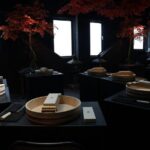
After temples, your schedule makes room for something modern and very Kyoto: Blue Bottle Coffee Kyoto Cafe, inside a 100-year-old townhouse. The timing is short—think of it as a planned pause, not a full meal—so it works best if you treat it like a breather.
This stop is valuable for two reasons. First, you’ll likely walk a fair amount during the morning-to-midday stretch. A planned break keeps the tour from feeling like a long march. Second, it gives you a taste of how Kyoto mixes old structures with contemporary city life. You’re sitting in a townhouse shell, not a generic café box.
Since drinks aren’t included, you’ll want to decide in advance what you’re buying: coffee or tea. If you’re traveling with a caffeine schedule, this is your moment to stay on time.
Eikando (Zenrin-ji) and the Pond Garden Mood at a Temple Famous for Foliage
Next comes Eikando, also known as Eikan-dō Zenrin-ji. This temple is especially linked with autumn colors, but even outside fall, it has a strong visual rhythm: a pond garden, seasonal plantings, and major religious imagery.
You’ll get guided time there with a focus on key features, including the Amida Buddha statue. Then you’ll have about 30 minutes of free time to explore at your own pace. That free window is important. It turns Eikando from a talk into an experience. You can linger where your eye keeps returning—often around the pond garden views and the quiet corners where the garden design does its work.
If you’re visiting in fall, this stop can be a standout because the foliage framing makes everything feel more dramatic. In other seasons, you still get the Zen calm, just with a different mood.
Philosopher’s Path: Easy Walking North with Cherry Trees and Canal Views
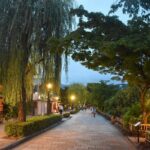
After Eikando, you walk along the Philosopher’s Path northbound, typically described as a quieter route that runs beside a canal and is lined with seasonal flowers and cherry trees. This is where the tour turns into a gentle stroll.
Your guide turns this into more than just movement by explaining the connection to philosopher Kitaro Nishida, who is said to have walked here while thinking. You don’t need a big philosophical background to enjoy the symbolism. Even without that context, the setting does the job: a calm corridor, small visual details, and a steady pace that lets you notice Kyoto instead of just passing through it.
The route is also built for real breaks in your head. Walking here feels like a reset between major temple spaces. If you like photos, this is a better place for “step, frame, pause” shots than for a frantic run-and-gun session.
One practical note: comfortable shoes matter. You’ll appreciate them most on this segment, because it’s the longest continuous stretch of strolling.

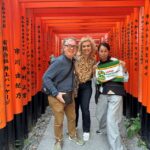
Ending at Ginkaku-ji (Jisho-ji): Wabi-Sabi in White Sand and Moss
Your final temple is Ginkaku-ji (Jisho-ji), a UNESCO World Heritage Site and a natural counterpart to Kinkaku-ji. This is the finale where the tour’s theme—calm, simplicity, and close looking—comes fully into view.
You’ll spend about 30 minutes with guided time, then you’ll have space to take in some of the signature garden elements. Look for:
- the Ginsadan white sand garden
- the moss-covered garden areas
- the study hall environment that supports quiet reflection
Ginkaku-ji’s special appeal is how it turns minimal design into something you can actually feel. The sand isn’t just a photo prop; it’s a statement about restraint. The moss isn’t just greenery; it’s texture that changes with light and time. Even if you don’t know all the terms, you can tell the difference between a garden that’s built to impress from afar and one built to be noticed up close.
When you finish, the tour ends at 東山慈照寺 (Higashiyama Jisho-ji), which is a convenient final point for continuing on your own afterward.
Price and Value: What $61 Covers and What You’ll Still Need to Pay
The listed price is $61 per person for a 4-hour guided walking tour in English. That fee covers the guide and the walking route plan. It does not include coffee or tea, and it does not include temple admissions.
Here are the admission fees you should expect to pay separately:
- Nanzen-ji: JPY 600
- Eikando (Zenrin-ji): JPY 600
- Ginkaku-ji: JPY 500
So, temple tickets total JPY 1,700. If you add coffee, your total will rise, but at least you’re deciding the exact drink and amount.
To me, the value comes from the fact that you’re not just seeing famous names—you’re getting interpretation at multiple stops, including garden layout and major architectural points. For Kyoto, where self-guided walking can turn into aimless wandering, a guide that helps you focus is worth real money.
Pace, Comfort, and Who This Tour Fits Best
This is a walking tour with a fair amount of walking, designed around temple grounds and garden pathways. You’ll want comfortable shoes, a camera, and water. The route is also wheelchair accessible on paper, yet it’s also marked as not suitable for people with mobility impairments. If you fall into that category, I’d treat that as a real warning sign and contact the operator before booking to confirm what parts of the route will work for you.
This tour fits best if you:
- want a calm, Zen-focused Kyoto day without a jam-packed schedule
- like gardens, architecture, and slow observation
- enjoy short coffee breaks that actually keep you energized
- prefer English guidance that helps you understand what you’re looking at
It may not be ideal if you:
- can’t handle continuous walking for a 4-hour window
- need step-free, low-impact routes at every stop
Should You Book This Peaceful Kyoto Walking Tour?
If you want Kyoto that feels quieter and more thoughtful, I think this is a strong choice. The combination of Nanzen-ji, Eikando, and Ginkaku-ji gives you a well-balanced Zen day, and the Blue Bottle break adds a practical rhythm so you don’t burn out before the best garden moments.
Book it if:
- you care about garden design and architectural details
- you want a guided English route that keeps you on track from Keage Station onward
- you’re traveling in a season where cherry blossoms or autumn foliage are part of your Kyoto plan
Skip it or ask extra questions if:
- walking distance is a problem for you
- you need fully included pricing (because admissions and drinks are separate)
- you want a longer café stop or a more flexible schedule between sites
FAQ
FAQ
How long is the Peaceful Kyoto Walking Tour?
The tour lasts 4 hours.
Where does the tour start and where does it end?
It starts at 蹴上駅 (Keage Station) and finishes at 東山慈照寺.
Are Nanzen-ji, Eikando, and Ginkaku-ji admission fees included?
No. Nanzen-ji is JPY 600, Eikando is JPY 600, and Ginkaku-ji is JPY 500.
Is coffee included in the tour price?
No. Coffee or tea is not included, and drinks must be paid separately.
What language is the guide?
The guide is available in English.
Is the tour wheelchair accessible?
It is listed as wheelchair accessible, but it is also noted as not suitable for people with mobility impairments, so it’s worth checking details with the operator before booking.
What should I bring?
Comfortable shoes, a camera, and water.
What’s the cancellation policy?
You can cancel up to 24 hours in advance for a full refund.