REVIEW · FUSHIMI INARI TOURS
Kyoto: 1.5-Hour Guided Tour of Fushimi Inari Shrine
Book on GetYourGuide →Operated by DeepExperience, Inc. · Bookable on GetYourGuide
Torii gates at Fushimi Inari feel like a ritual. I love the English-speaking guide who explains what’s behind Fushimi Inari Taisha and the red torii gates, and I also like that you go beyond the main area to the Omokaruishi stone-lifting tradition at Okusha Back Shrine. One catch: at 90 minutes, the route is tight, so if you need to pause, it can feel a bit short.
This tour starts at Inari Station and keeps the pacing moving with a live local expert. It’s built for first-timers who want the key sights plus spiritual context without spending hours guessing where to go or what to notice.
In This Review
- Key things to notice before you go
- Why Fushimi Inari is better with a guide than on autopilot
- Inari Station meeting point and how the timing actually feels
- Main shrine focus at Fushimi Inari Taisha: rice, prosperity, and stories you can use
- Torii gates along the red pathway: learning what the gates mean
- Okusha Back Shrine and the Omokaruishi stone-lifting ritual
- Price and value for 90 minutes (and who it’s for)
- Should you book this Fushimi Inari guided tour?
- FAQ
- Where does the tour start?
- How long is the tour?
- What language is the guide?
- What’s included in the experience?
- What places do you visit during the tour?
- Is it a private or small-group tour?
- What’s the cancellation and payment flexibility?
Key things to notice before you go
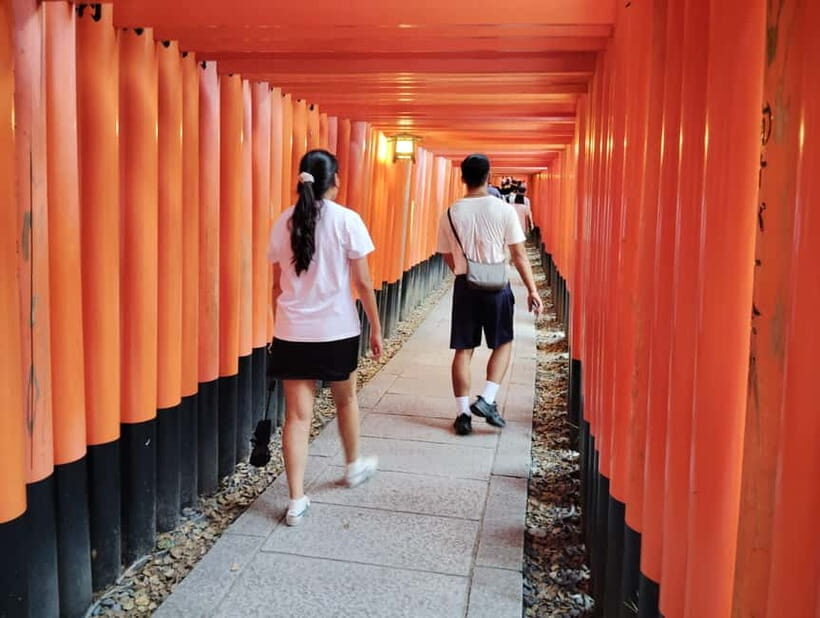
- A guided torii-gate walk with context: you learn the historical significance as you follow the famous red corridor.
- Okusha Back Shrine is part of the plan: not just the headline photo spots, but a more intimate stop.
- Omokaruishi fortune ritual: you get to take part in the stone-lifting tradition to test your fortune.
- Tight timing (90 minutes): great for focused sightseeing, less ideal if you want to wander far on your own.
- Small group or private options: you can choose a calmer experience depending on your plans.
- Guide named Yoshi gets strong praise: one standout highlight was explanations that connected temple history with Japanese culture.
Why Fushimi Inari is better with a guide than on autopilot
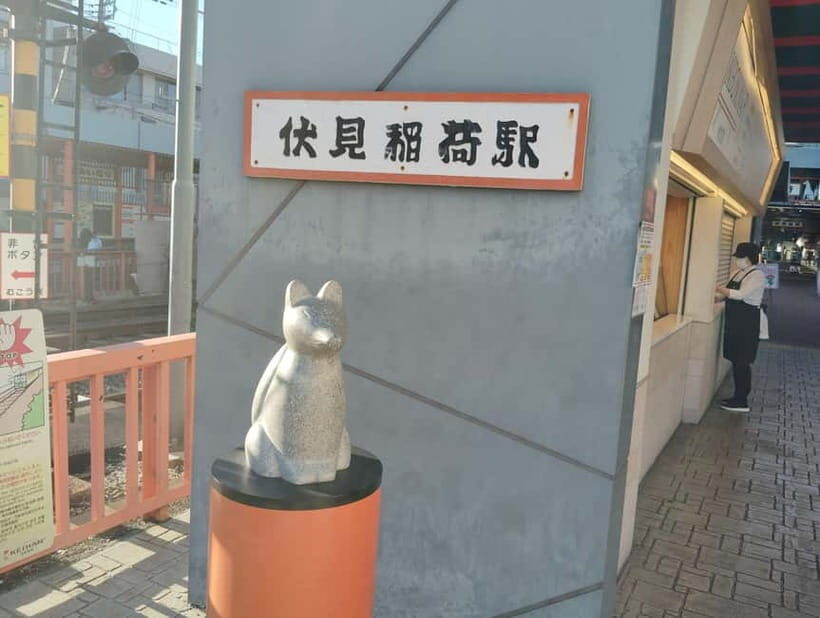
Fushimi Inari is one of those places where it’s easy to get lost in photos and miss the point. A guide helps you connect what you’re seeing to the ideas that make the shrine meaningful in daily Japanese spiritual life. Instead of treating it like a backdrop, you learn what the shrine represents—starting with the god of rice and prosperity tied to Fushimi Inari Taisha.
I also like that this isn’t just a sightseeing walk. You’re guided through the iconic red torii gates and given background on their historical significance as you move along the route. That turns the experience from I saw it into I understand why it works as a pilgrimage site.
And yes, there’s a very practical benefit: you don’t have to decide your own turning points. When time is limited, a planned route keeps you from spending your energy on logistics and your time on actually being there.
You can also read our reviews of more guided tours in Kyoto


Inari Station meeting point and how the timing actually feels
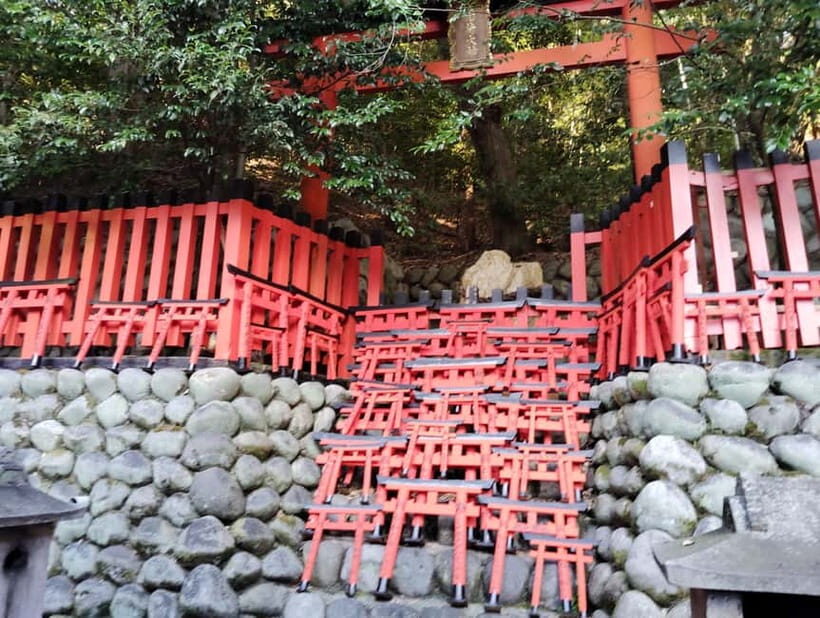
The tour meets at Inari Station. Your guide waits outside across from the main entrance holding a bright yellow DeepExperience signboard. This is helpful because Fushimi Inari’s area can be a little confusing if you’re arriving for the first time—having that clear sign reduces stress.
The total time is 90 minutes. That means you’ll cover the main shrine and the torii-gate pathway plus the back-shrine experience, but you won’t have the luxury of lingering for long stops at every corner. If you want slow photography, long pauses for questions, or extra wandering after the guided portion, you might want to build in your own time before or after.
If you think you’ll need a restroom break during the walk, plan to handle it early. With a set tour duration, it’s smart to treat breaks as short and intentional so the guide can keep you on the route.
Main shrine focus at Fushimi Inari Taisha: rice, prosperity, and stories you can use
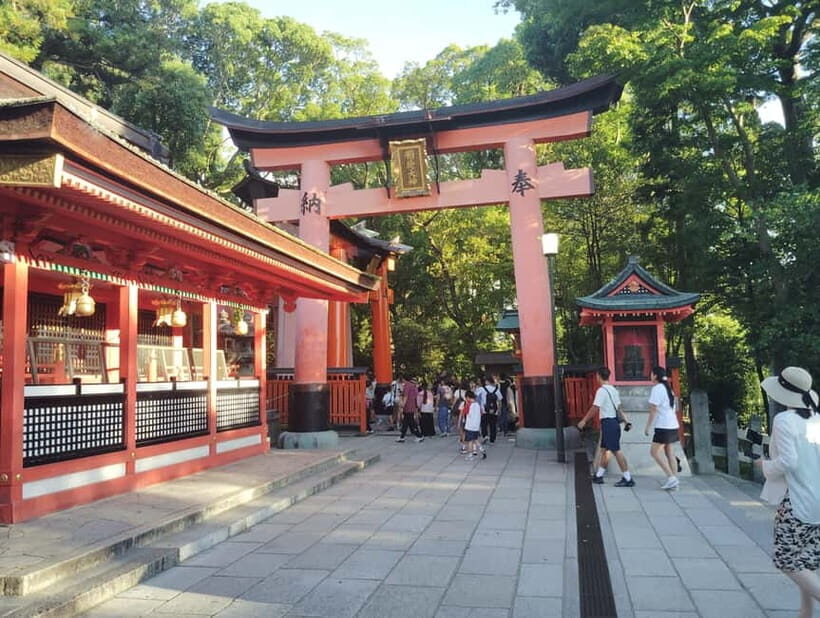
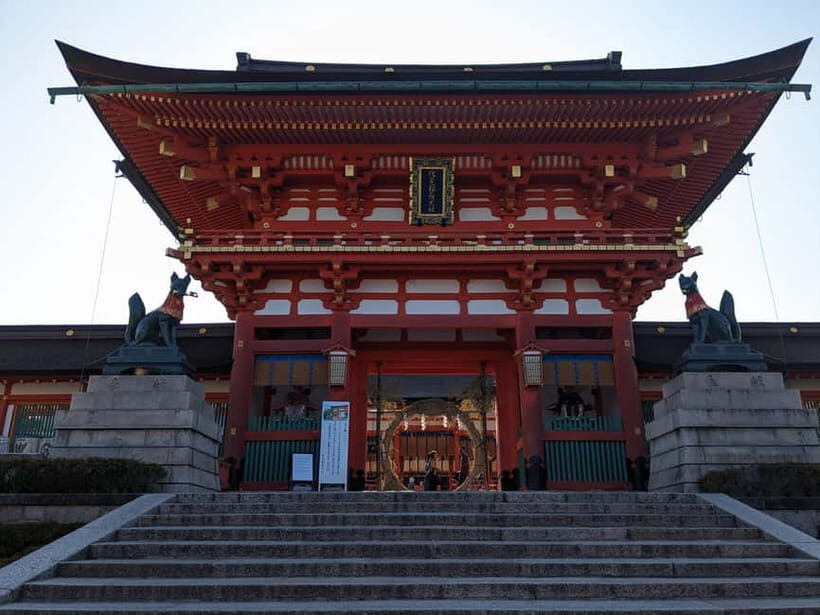
The tour begins with a visit to Fushimi Inari Taisha, with guidance as you look around. The big emotional hook here is simple: this shrine is associated with the god of rice and prosperity. That matters because it gives a reason for the attention people pay here, beyond the spectacle of the gates.
What I like about the way the guide supports this stop is the connection between place and meaning. You’re not just walking past structures; you’re learning what they symbolize and how that symbolism shows up in daily worship. One guide mentioned by name, Yoshi, was praised for explanations that went beyond facts and tied temple history to broader Japanese culture. That kind of context is what makes the first 20–30 minutes feel like more than a warm-up.
You’ll also get a better sense of how to look. Temples like this reward small observations—details in space, flow, and ritual. A guide’s job is to help you see without turning your visit into a checklist.
Torii gates along the red pathway: learning what the gates mean
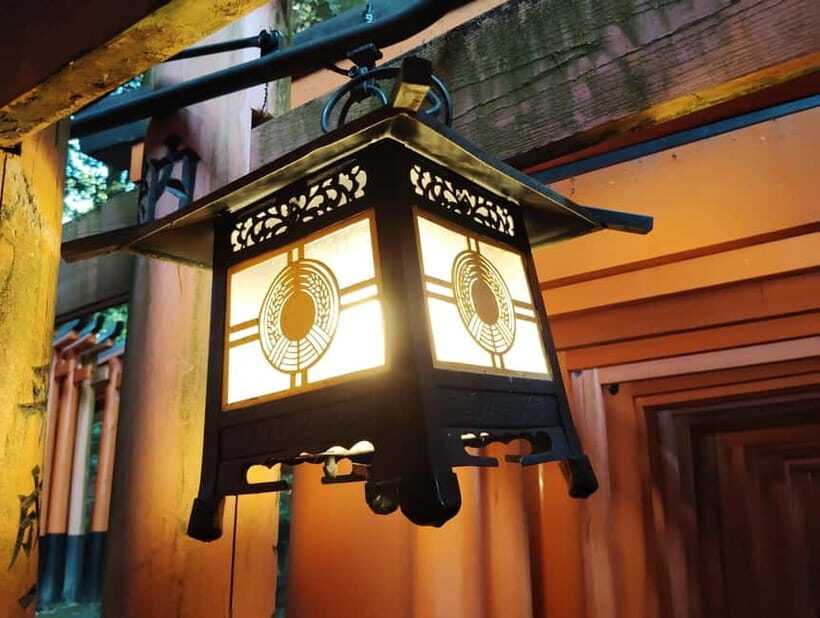
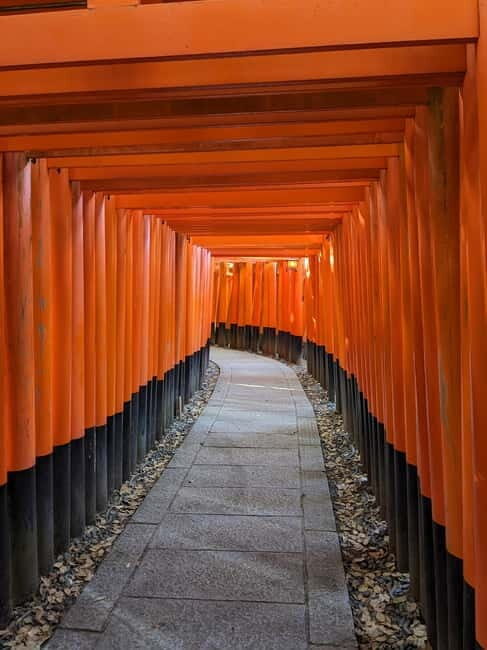
This is the part most people picture: thousands of red torii gates leading you along a spiritual corridor. The tour has you walk through the iconic gates while your guide shares why they’re historically significant.
Even without getting lost in heavy academic detail, those explanations help you notice patterns. You start to see the gates as more than color and geometry. They become part of a living tradition, where people pass through with intention and belief. The point isn’t just to stand under a gate for a photo; it’s to understand why worshippers keep returning.
This section is also where pacing matters. Because the tour is 90 minutes total, you’ll experience the gates at a guided pace rather than doing a long, wandering hike. That’s a plus if you’re short on time or want the highlights without fatigue. It can feel limiting only if you came hoping for hours of independent exploring in the upper stretches.
If you’re focused on best-time-to-see and best-meaning-to-understand, the guided torii walk does a solid job of balancing both.
Okusha Back Shrine and the Omokaruishi stone-lifting ritual
After the main shrine and gate pathway, you move toward Okusha Back Shrine for a more intimate encounter. This shift is valuable because it changes the vibe. You’re not only in the big headline area; you’re getting a quieter, more reflective moment within the same sacred world.
The signature activity here is the Omokaruishi stone-lifting ritual. You lift the Omokaruishi stones as part of a local tradition tied to testing your fortune and revealing your inner strength. This isn’t a passive stop—you’re participating. And participation tends to stick in your memory more than observation alone.
For first-timers, it also gives you an anchor for how to engage respectfully. Even if you don’t speak much Japanese, the ritual creates a clear, concrete way to take part without guessing.
This is also where the guide’s presence really helps. When a guide can explain what the ritual is about and how to approach it, it reduces the awkwardness that can come from standing in front of something you don’t fully understand.





Price and value for 90 minutes (and who it’s for)
At $32 per person for 90 minutes, this tour sits in the mid-range for a guided cultural stop in Kyoto. The value comes from how tightly it packages three things: expert commentary, a torii-gate walk, and a hands-on ritual at the back shrine.
If you’re the kind of traveler who likes temples but also wants clear meaning, the guide earns its keep. This is especially true given what’s been praised most: explanations that connect history with Japanese culture, plus strong availability to help and support your questions. The mention of Yoshi specifically points to the experience doing more than just pointing—you get context.
Where it may not feel like the best deal is if you already know how to self-navigate and you prefer long, free-form wandering. At 90 minutes, the experience is structured. You’ll get a lot, but not unlimited time.
This tour is ideal for:
- First-timers in Kyoto who want the core Fushimi Inari experience with explanations
- Travelers who want to participate in a ritual rather than just observe
- People who prefer small groups or private experiences and don’t want to spend time researching routes
Should you book this Fushimi Inari guided tour?
Book it if you want Fushimi Inari to make sense, not just look good in photos. The guided torii-gate walk plus Okusha Back Shrine and the Omokaruishi stone ritual is a strong mix for 90 minutes, especially at this price point.
Skip or pair it with extra self-time if you’re hoping for a long, slow hike and plenty of unstructured wandering. Since the tour is time-bound, your best move is to do this for the guided highlights, then add your own extra walking afterward if you still want more.
If your schedule is tight, also consider that the booking is flexible (free cancellation up to 24 hours in advance and reserve now/pay later). That lowers risk when Kyoto plans shift.
FAQ
Where does the tour start?
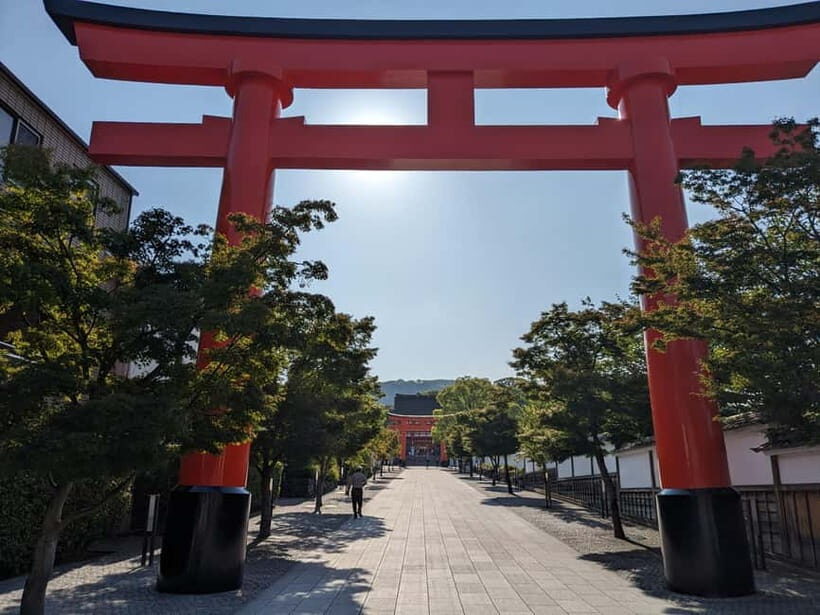
It starts at Inari Station. The guide waits outside across from the main entrance holding a bright yellow DeepExperience signboard.
How long is the tour?
The tour lasts about 90 minutes.
What language is the guide?
The live guide is available in English and Japanese.
What’s included in the experience?
You get an English-speaking local expert guide, a guided visit at Fushimi Inari Taisha, time at Okusha Back Shrine, and participation in the Omokaruishi stone-lifting ritual.
What places do you visit during the tour?
You visit Fushimi Inari Taisha, walk through the famous red torii gates area, and also go to Okusha Back Shrine.
Is it a private or small-group tour?
Yes. The tour offers private or small groups.
What’s the cancellation and payment flexibility?
You can cancel up to 24 hours in advance for a full refund. You can also reserve now & pay later, meaning you pay nothing today.