REVIEW · TEA CEREMONY EXPERIENCES
Kyoto: Nighttime Zen Meditation and Matcha Tea Experience
Book on GetYourGuide →Operated by Cultural Edu-tourism Council · Bookable on GetYourGuide
One calm hour in Kyoto can change your pace. This nighttime visit to Keishunin Temple slows everything down with lit gardens, zazen meditation, and matcha.
I love the setting: the four gardens glow after dark, and you walk through them with a local guide instead of just taking photos. I also like that the experience feels structured but not stiff, with guided meditation and a tea moment led by temple leadership, including Deputy Chief Priest Yasumasa Arashima. One possible drawback: the evening is quiet and chilly, so if you want nonstop sightseeing energy, this may feel a little too slow.
If you do value calm, this is a strong choice. Keishunin is a sub-temple of Myoshinji, and the night access includes the tea room Sehakuan and Kano Sansetsu fusuma paintings, not just the grounds. A big consideration is that it’s not suitable for everyone: it’s set up for people 12+ (with additional guidance for younger kids), and it’s not for wheelchair users.
In This Review
- Key things you’ll notice during this night Zen experience
- Keishunin Temple at night: why the lights change everything
- The four illuminated gardens: what to look for as you walk
- Sehakuan tea room and Kano Sansetsu fusuma: art you can stand next to
- Zazen meditation in a real temple setting
- Matcha tea and sweets: the calm payoff
- Price and value: what you’re really paying for at $206 per person
- Timing, comfort, and how to prepare so the night feels easy
- Who should book this Kyoto night Zen session (and who should skip it)
- A quick look at the flow of the evening
- Should you book this night Zen and matcha tour?
- FAQ
- FAQ
- Where does the night meditation and matcha experience take place?
- How long is the experience?
- Is there a live guide, and what languages are offered?
- What do you actually do during the 90 minutes?
- Is ticket-line access included?
- What is included in the matcha and sweets part?
- What should I bring for the night session?
- Are there any rules about photos or smoking?
- Do I need to reserve ahead of time?
- Who can participate, age-wise?
- What are the cancellation terms?
Key things you’ll notice during this night Zen experience
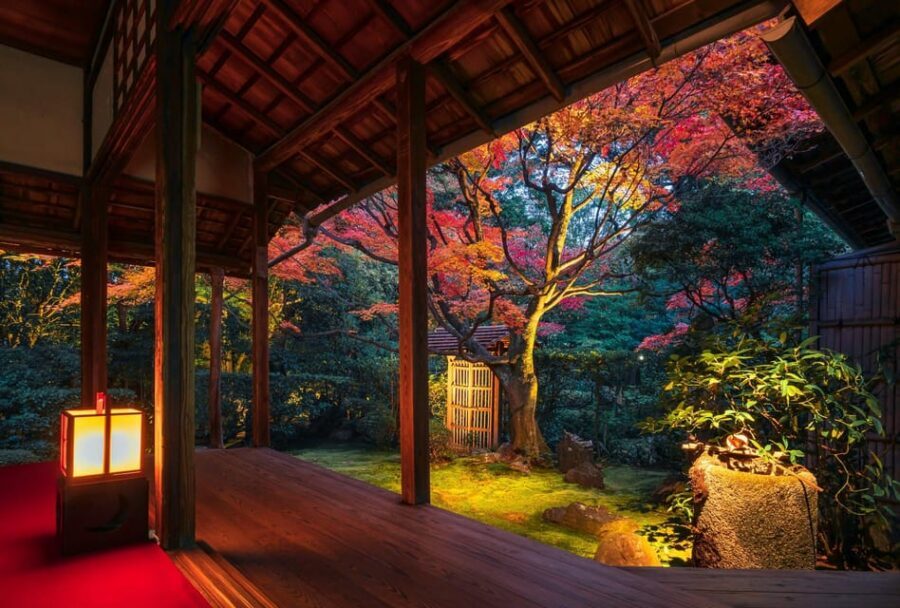
- Keishunin’s four gardens are lit at night and designated as nationally recognized historical sites and scenic spots
- Zazen meditation is guided, with temple teaching on what to do when you feel too tired to keep going
- Sehakuan tea room access plus Kano Sansetsu fusuma paintings gives you a rare look at temple art and space
- Matcha and Japanese sweets are served as part of the ceremony, not as an afterthought
- English or Chinese live guiding in a private group helps you actually follow what’s happening
- 90 minutes keeps the session focused, so you leave refreshed instead of drained
Keishunin Temple at night: why the lights change everything
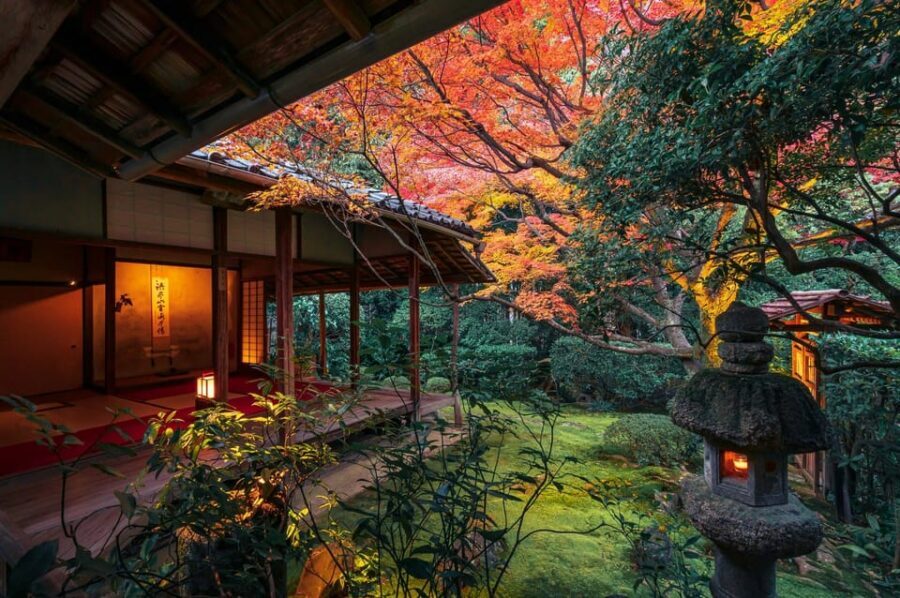
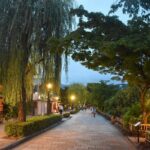
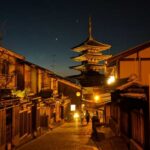
Keishunin feels different after dark, and that matters. Daytime temple visits can blend into the regular city rhythm: foot traffic, buses, sun glare, and the constant urge to keep moving. Here, the gardens are illuminated on purpose, and the lighting gives the space a softer edge. You’ll spend your time noticing small shifts: where shadows pool along paths, how the garden layout guides your steps, and how the whole place seems to ask you to slow down.
I also like that the experience starts with orientation rather than a random wander. You meet your guide at the temple, then you’re brought into the setting with context. That context is a big deal at a temple like Keishunin, which is a sub-temple of Myoshinji. When you understand the role of the place, the nighttime atmosphere stops being just pretty scenery and starts feeling meaningful.
The whole thing is built around one goal: a mental reset. You’re not sent off on your own. You’re led from gardens to meditation to tea, with clear transitions that help you drop into the pace of the night.
You can also read our reviews of more tours and experiences in Kyoto.

The four illuminated gardens: what to look for as you walk
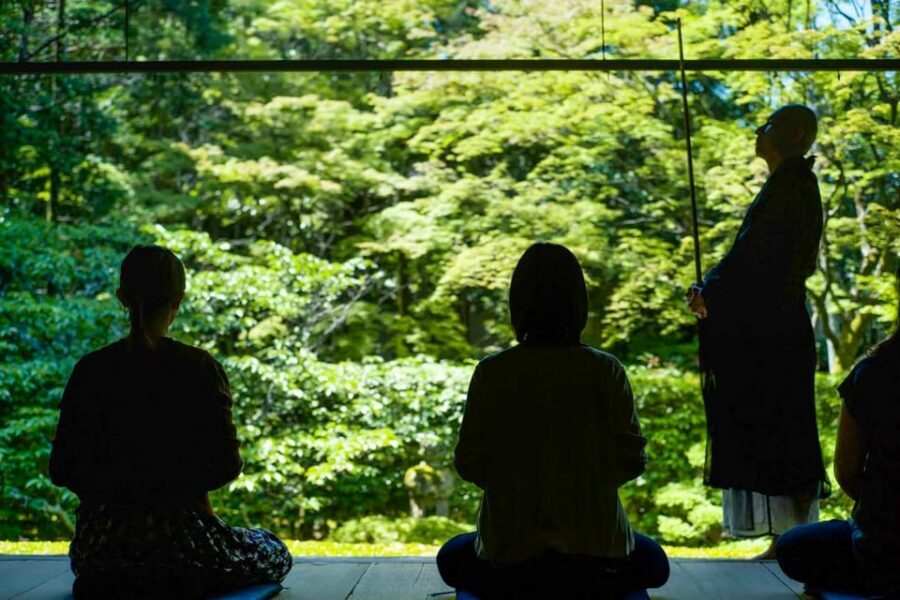
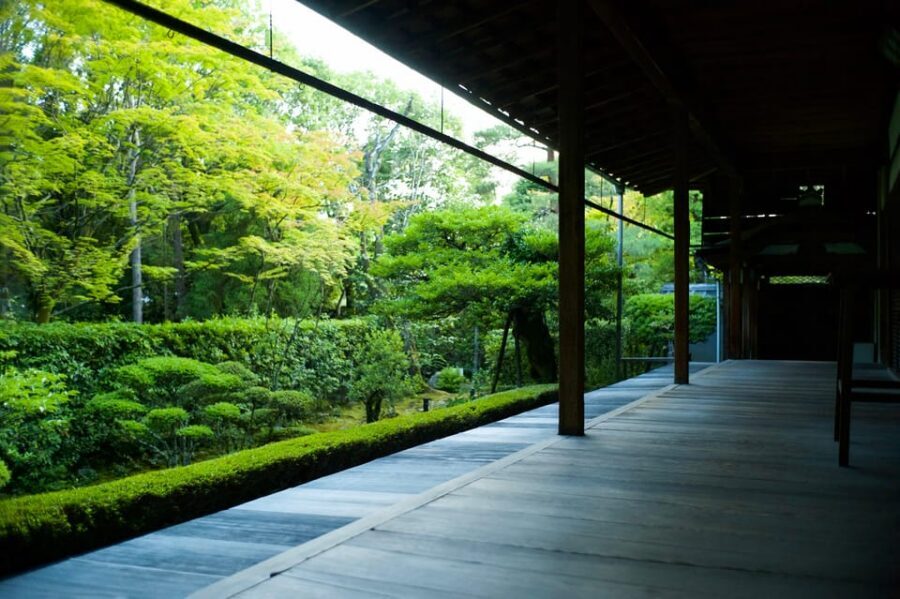
The heart of the evening is a tour of four gardens. They’re listed as nationally designated historical sites and scenic spots, which usually means they’re arranged with intention, not just planted for looks.
As you move through the grounds, keep an eye out for three things:
- The way paths and viewing points shape your attention. At night, the garden layout becomes more noticeable because light creates focus.
- The garden’s seasonal rhythm, even under illumination. You might not see the same colors you’d get in daylight, but the structure still reads clearly.
- How the guide connects garden design to practice. You’re not only touring. You’re learning what the space is for.
Because it’s after dark, you’ll probably feel the physical reality of calm: less noise, fewer distractions, and less pressure to rush to the next “must see.” That’s when these gardens earn their reputation. They’re the kind of place where your brain stops trying to “collect sights” and starts noticing details.
One practical tip: bring warm clothing. You’ll be outside at night enough that comfort affects your focus during later meditation. If you’re underdressed, your mind tends to start negotiating with your body instead of settling.
Sehakuan tea room and Kano Sansetsu fusuma: art you can stand next to
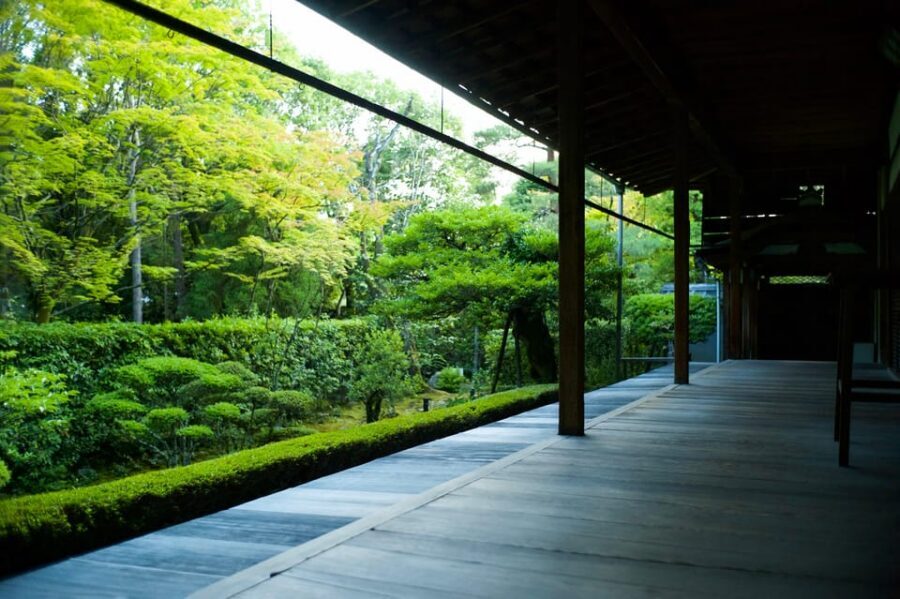
One highlight you shouldn’t skip is the tour of the hidden tea room called Sehakuan. The name hints at what you’re doing here: discovering a space that’s not on a standard day-trip route.
Tea rooms matter because they’re built for a specific kind of attention. The goal isn’t luxury. It’s closeness, quiet, and intentional movement. Even if you know very little about Japanese architecture or tea culture, you’ll feel that shift as you step into a space designed for ritual calm.
You’ll also view Kano Sansetsu fusuma paintings. Fusuma are sliding panels, often richly painted, and they can feel surprisingly powerful in a dim room. Seeing them in context helps you understand why temple art isn’t separate from temple life. It’s part of how the environment shapes behavior and mood.
A helpful thing about having a live guide here is that you’re not left guessing. The guide explains the history and culture around Keishunin and connects the art and tea room to the temple’s way of thinking. That makes the paintings more than a photo stop.
If you care about authentic atmosphere, this portion is a good example of it. You’re not just looking at objects. You’re being guided through how the space functions.
Zazen meditation in a real temple setting
Then comes zazen meditation. This part is often what people hope for when they book a night Zen activity, but the quality varies wildly by operator. What makes this one stand out is how it’s taught and paced.
Your meditation is guided by temple leadership, including the VP Monk. In a private group, a good guide can check that everyone is following along, and you’re more likely to feel supported instead of silently self-conscious.
Here’s what’s especially useful: the session includes guidance on what to do if you get too tired during practice. That’s a real-world issue, not a theoretical one. You might learn how temple customs handle fatigue so you can keep going with the right mindset. That kind of instruction lowers the pressure. You’re not expected to be a perfect meditator. You’re expected to show up and learn the process.
To get the most from zazen, I suggest you keep your expectations simple:
- You’re aiming for calm attention, not a dramatic spiritual event.
- If your mind wanders, treat it as normal and gently return, like the guide teaches.
- Wear comfortable clothing so you can sit without constantly adjusting.
Also: photography rules matter here. Flash photography isn’t allowed, and you’ll want to keep your phone away during the practice itself. The experience works because it stays quiet.
Matcha tea and sweets: the calm payoff
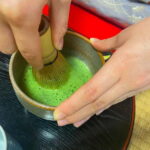
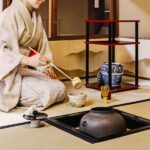
After meditation, you shift into matcha and Japanese sweets. This isn’t just a snack break. It’s part of the pacing of the evening, a final transition from stillness into something gentle and human.
Deputy Chief Priest Yasumasa Arashima leads the matcha tea experience, including the tasting of matcha and Japanese sweets. That temple leadership presence changes the tone. You’re not just being offered refreshments; you’re being introduced to a ritual language of taste.
Matcha in particular is an experience you can pay attention to. Even if you’ve had matcha before, temple-prepared matcha tends to feel more grounded because it’s served after a guided pause. The sweetness and texture of the Japanese sweet add balance, helping you come out of meditation without turning the night back into a sightseeing sprint.
One more detail I appreciate: there’s time for a brief exchange afterward. You may get a short chance to talk and share sensations, which helps you process the experience before you leave the temple grounds. It also turns the session into something you can remember clearly, not just something you “endured” quietly.
Price and value: what you’re really paying for at $206 per person
The price is $206 per person for a 90-minute program. That’s not cheap compared to casual food tastings or standard temple tours. The value comes from what’s included and how late it runs.
Here’s the value math I see:
- You’re paying for special night access to Keishunin.
- The ticket isn’t just “enter the grounds.” You get guided time in the four gardens, plus access to Sehakuan and a look at Kano Sansetsu fusuma paintings.
- You also get instruction and structure for zazen meditation, not just a sitting spot.
- The program includes matcha tea and Japanese sweets tasting, led by temple leadership.
So yes, it’s a higher price. But it’s closer to a guided cultural session than a basic attraction.
Two cost considerations to plan for:
- Transportation to and from the meeting place isn’t included. Kyoto can be spread out, and this matters if you’re staying far from the temple area.
- Personal expenses aren’t included, so budget for any extra purchases you might feel tempted to make afterward.
If you’re already paying for Kyoto experiences, this one can be worth it because it’s different from typical daytime checklists. You’re buying a reset, not just a photo set.
Timing, comfort, and how to prepare so the night feels easy
This experience lasts 90 minutes, and it runs on scheduled starting times based on availability. It’s a nighttime program, so you’ll want to plan your evening flow around it. Book it when you can arrive calm and unhurried, not when you’re already exhausted from a full day of walking.
Comfort choices are simple but important:
- Bring warm clothing. Night in Kyoto can cut through fast.
- Wear comfortable clothes for meditation.
- Avoid anything that makes you fuss with layers constantly. You want steady comfort through the gardens and sitting.
The rules are also clear. Smoking isn’t allowed, and flash photography isn’t allowed. Follow those without making it a big deal. The quiet is part of the deal.
Group style is another comfort factor. It’s a private group, and the program is guided live in English or Chinese. That usually means less waiting and fewer moments where you feel like you’re not understanding what’s happening.
Who should book this Kyoto night Zen session (and who should skip it)
This is a great fit if you want:
- A calmer evening in Kyoto that doesn’t require advanced knowledge
- Hands-on participation in zazen
- A temple-centered tea and cultural experience that feels guided, not rushed
- Time in Keishunin’s illuminated gardens and access to spaces like Sehakuan
It may be less ideal if:
- You’re looking for big-ticket highlights and fast sightseeing action
- You dislike quiet activities or long still moments
- You need wheelchair access. This experience isn’t suitable for wheelchair users
- You’re traveling with younger kids. It’s intended for primary school students and above, and it’s specifically not suitable for children under 12. If someone is under junior high age, they must be accompanied by one parent or guardian.
A quick look at the flow of the evening
Here’s the natural rhythm you can expect, in plain terms:
- You meet your guide at Keishunin Temple and get oriented.
- You tour the four gardens that are illuminated at night.
- You visit the tea room Sehakuan and view Kano Sansetsu fusuma paintings.
- You sit for zazen meditation with temple guidance, including practical teaching for staying comfortable and focused.
- You finish with matcha tea and Japanese sweets led by Deputy Chief Priest Yasumasa Arashima, with time to settle and reflect before you leave.
The smooth transitions are part of why this works. You never feel thrown from one activity to another. You move like the night intends you to move.
Should you book this night Zen and matcha tour?
If you’re the type of person who loves cultural experiences with structure, this is an easy yes. The combination of lit gardens, Sehakuan tea room access, Kano Sansetsu fusuma, and actual participation in zazen makes it feel like a true temple evening, not a drive-by stop.
I’d especially recommend it if you want an antidote to Kyoto’s daytime crowds and want something that leaves you calmer, not just more impressed.
If you’re shopping purely on price, it might feel steep. But if you consider that the session includes meditation instruction, temple-art access, and a tea ceremony led by temple leadership, the cost starts to make sense. Just plan for warm clothing and transportation to the meeting point, and you’ll be set.
FAQ
FAQ
Where does the night meditation and matcha experience take place?
It takes place at Keishunin Temple, a sub-temple of Myoshinji Temple in Kyoto.
How long is the experience?
The total duration is 90 minutes.
Is there a live guide, and what languages are offered?
Yes. The tour includes a live tour guide in English and Chinese.
What do you actually do during the 90 minutes?
You tour four illuminated gardens, visit the tea room Sehakuan and view Kano Sansetsu fusuma paintings, then do zazen meditation, and finish with matcha tea and Japanese sweets tasting.
Is ticket-line access included?
Yes. You skip the ticket line.
What is included in the matcha and sweets part?
You get matcha tea and Japanese sweets tasting as part of the program.
What should I bring for the night session?
Bring warm clothing and wear comfortable clothes.
Are there any rules about photos or smoking?
Smoking isn’t allowed, and flash photography isn’t allowed.
Do I need to reserve ahead of time?
Yes. Reservation is required.
Who can participate, age-wise?
It’s intended for primary school students and above. It’s not suitable for children under 12, and each person under junior high age must be accompanied by one parent or guardian.
What are the cancellation terms?
You can cancel up to 3 days in advance for a full refund. From 3 days before the start date to the day before, the charge is 20%. On the day of, it’s 50%. Non-participation without notice and after the start of the trip is 100%.