REVIEW · TEA CEREMONY EXPERIENCES
Kyoto : Okada Tea Ceremony & Kimono
Book on Viator →Operated by OKADA Japan Culture Center · Bookable on Viator
Slip into Kyoto tradition in two hours. This experience pairs kimono rental with a guided tea ceremony, so you get both the clothing and the culture in one smooth block of time. You start with choosing your kimono, then get dressed with simple hairstyling, before sitting down for a 1-hour ceremony with matcha and sweets.
I especially like how Okada handles the whole process with care. The dressing isn’t treated like a quick costume change, and the ceremony isn’t just a performance; you learn the history and meaning behind tea customs. Plus, the group stays small, so the tone feels calm instead of rushed.
One thing to consider: you’ll be in kimono for a while. Between the 1–1.5 hours to get dressed and keeping the kimono until 6:00 PM, plan your day around comfort and timing, not just jumping to the next photo spot.
In This Review
- Key highlights I’d plan around
- How Okada Gets You From Street to Kimono
- The 1-Hour Tea Ceremony: Matcha, Sweets, and Meaning
- Keeping the Kimono Until 6:00 PM for Kyoto Strolls
- Price and Value: What $84.70 Really Buys
- Group Size, Kids, and the Tone of Attention
- Getting Oriented: Timing, Mobile Tickets, and Location
- Practical Tips for Your Kimono Day
- Quick Reality Check: Who This Tour Suits Best
- Should You Book the Okada Tea Ceremony & Kimono?
- FAQ
- How long is the Kyoto Okada Tea Ceremony and Kimono experience?
- What do I do during the experience?
- Where is the meeting point?
- Is the kimono shop close to the tea ceremony venue?
- Where is it relative to public transportation?
- Can I keep the kimono after the tea ceremony?
- How large is the group?
- Do I receive a mobile ticket?
- Is there free cancellation?
- Are service animals allowed?
- When will I get confirmation?
Key highlights I’d plan around
- Kimono, then tea, without travel in-between thanks to the shop being right by the ceremony venue
- A true 1-hour tea ceremony with matcha and sweets, plus explanation of tea culture
- Small group size (max 4) for quieter, more personal attention
- Okada takes photos of you while you’re in kimono
- You keep the kimono until 6:00 PM to keep exploring after the ceremony
- Near Kiyomizu-michi bus stop: about a 30-second walk from there
How Okada Gets You From Street to Kimono
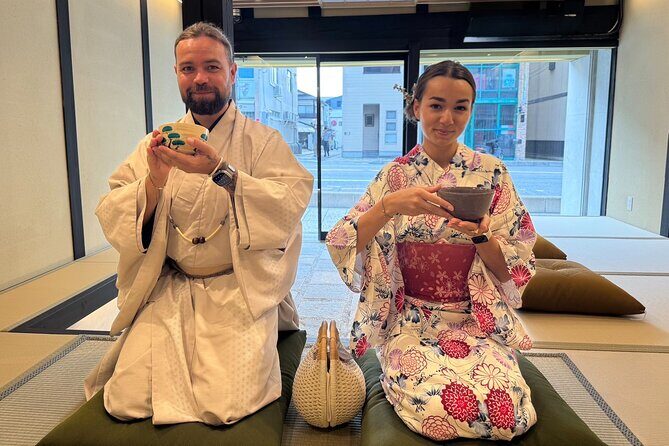
The easiest part is that you don’t have to figure out extra logistics after you change. The kimono rental shop is next to the tea ceremony venue, so once you’re dressed, you can simply walk right over for tea. That matters in Kyoto, where moving between spots can eat up time fast.
Meet at 岡田-OKADA-102 Tatsumichō, Higashiyama Ward, Kyoto. From there, you’re also close to the “Kiyomizu-michi” bus stop—about a 30-second walk. If you’re coming from sightseeing earlier in the day, this location makes the whole plan feel low stress.
You’ll spend about 1 to 1.5 hours on choosing your kimono and getting dressed, including simple hairstyling. This is not a slap-on outfit situation. One of the biggest reasons this experience earns top marks is that the kimono setup is treated as a full, step-by-step process—every component matters, and you get guided through it. It’s also the kind of attention that helps if you’re nervous about fit or feel awkward in a traditional garment.
Practical note: kimono dressing takes time for a reason. Even if you think you’re ready, it still takes a bit to get everything lined up properly. Build that time in so you don’t feel like you’re racing your own photos.
You can also read our reviews of more tours and experiences in Kyoto.


The 1-Hour Tea Ceremony: Matcha, Sweets, and Meaning
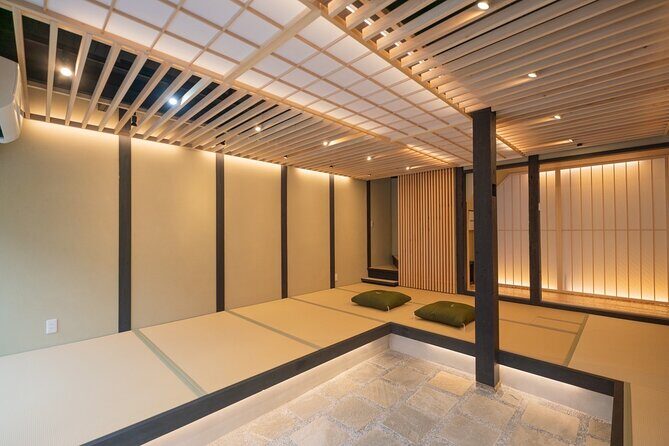
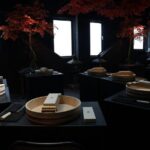
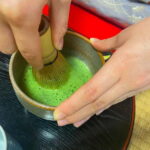
After dressing, you move straight into the tea ceremony portion. The ceremony itself runs about 1 hour. You’ll enjoy matcha and sweets, and you’ll learn tea culture instead of just watching something and leaving.
What makes this section feel special is that the guide’s teaching is tied to meaning, not just steps. You learn the history of tea and the customs behind the ceremony—why certain actions happen, and what they’re meant to show. In other words, you’re not only tasting matcha; you’re also learning how to read the etiquette around it.
Okada is described as attentive and thoughtful, with explanations that go into the details of how and why people practice tea ceremony. That personal tone shows up even in small moments. For example, one highlight from the experience is photo time—Okada takes photos of you in your kimono. It’s a nice touch because you’ll be dressed in a way you normally only see in other people’s pictures, and here someone helps you capture it without you having to awkwardly ask a stranger.
If you’re the type of traveler who likes hands-on or “show me what to notice” experiences, you’ll probably enjoy the way the tea ceremony is explained. If you prefer pure sightseeing, it helps to treat tea ceremony time as a pause—Kyoto is famous for its atmosphere, and this is one of the ways you slow down on purpose.
Keeping the Kimono Until 6:00 PM for Kyoto Strolls
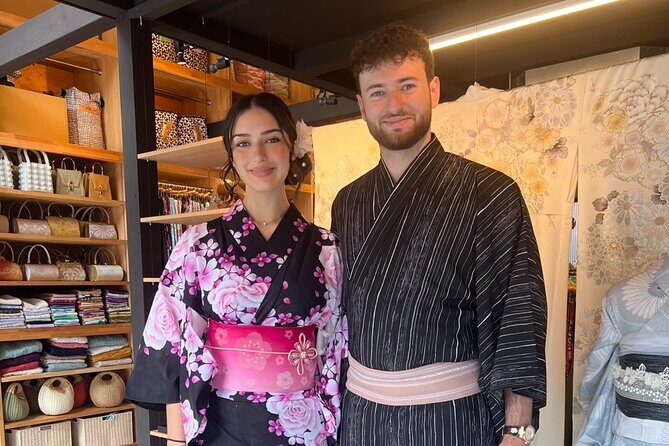
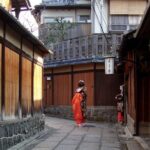
This part is a big value booster. You don’t just wear the kimono for the ceremony and then change back immediately. You keep it until 6:00 PM, which gives you a longer window to enjoy Kyoto streets in a way that feels more authentic than a quick photo stop.
Practically, that means you can do your sightseeing while wearing the outfit you just got dressed into. If you’re planning to visit in the Higashiyama area, you’re in the right neighborhood to continue wandering after the ceremony. The experience basically turns into two activities: one cultural lesson, plus a themed walk with your new look.
One thing to watch is how you pace the rest of your day. Kimono isn’t like modern clothes. Plan lighter walking, use common sense about comfort, and avoid cramming in too many far-away stops. You’ll get better results when you treat the kimono time as a relaxed stroll rather than a sprint through the sights.
This is also where the small group size helps. When things stay calm and not chaotic, you’re more likely to feel ready to keep exploring afterward without that end-of-tour scramble.
Price and Value: What $84.70 Really Buys
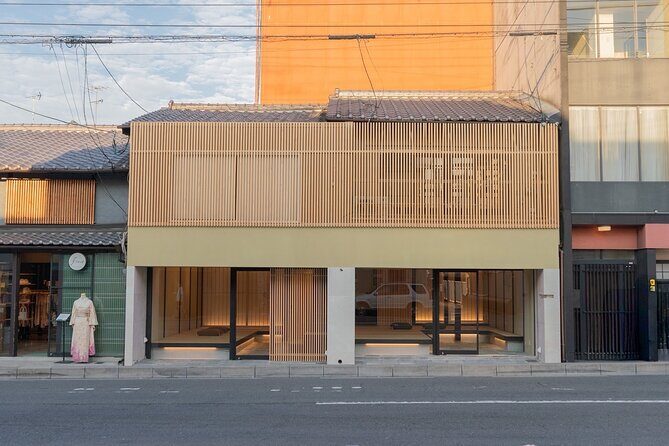
At $84.70 per person, this sits in the mid-range for Kyoto cultural add-ons. But the value isn’t just that you get a kimono or that you get tea. You’re paying for a package that includes:
- Kimono selection and full dressing time (about 1–1.5 hours) with simple hairstyling
- A full 1-hour tea ceremony with matcha and sweets
- A guide who explains tea culture rather than handing you a script
- Kimono rental extended until 6:00 PM for extra sightseeing time
- A small group cap of 4 travelers, which usually leads to more attention
If you compare this to doing kimono rental alone plus booking tea separately, the advantage is convenience and time. Here, dressing and ceremony are close enough that you aren’t juggling transportation. That saves you effort, and in Kyoto, saved effort is real money.
Who gets the best value? People who want a structured cultural moment and also want a longer kimono outing. If you only want 30 minutes of photo time, this may feel like more than you need. But if you like learning, tasting, and then continuing on in kimono, it’s a strong deal.
Group Size, Kids, and the Tone of Attention
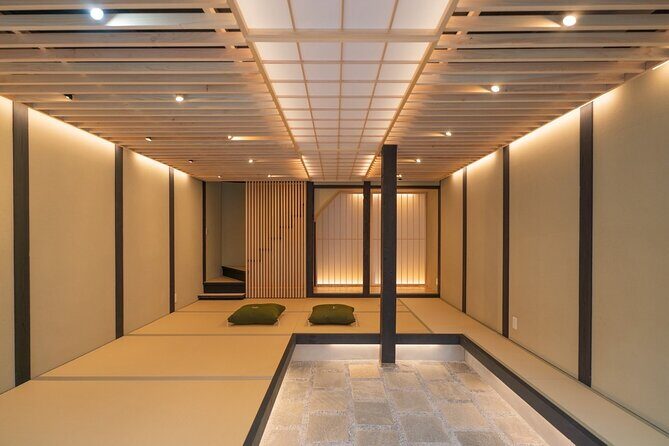
This is capped at a maximum of 4 travelers, which changes the whole feel. With a small group, you’re not stuck waiting your turn in a crowded room. You’re also more likely to get answers to questions, and the instruction tends to flow at a pace that feels human.
One review highlight that matters: this experience has accommodated a 3-year-old child, with the guide described as kind, patient, and attentive. That suggests the ceremony can work even with families, as long as everyone is prepared for a calm, traditional setting.
If you’re traveling solo, the small group helps you avoid feeling like you’re watching from the side. If you’re traveling as a couple, you also get the benefit of shared photos and the chance to slow down without being pulled in ten directions.
If you’re the type who gets anxious about formal situations, this kind of guided, attentive setup is exactly what you want. Tea ceremony etiquette can feel mysterious from afar, but being taught step-by-step makes it approachable.




Getting Oriented: Timing, Mobile Tickets, and Location
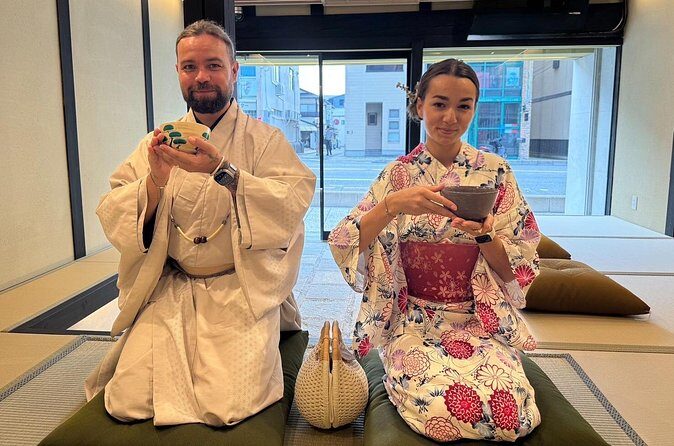
The experience runs about 2 hours 30 minutes total. That includes the kimono dressing time and the 1-hour tea ceremony portion. The kimono itself then stays with you until 6:00 PM, so plan your day with the assumption that you’ll still be in traditional clothing well after the ceremony ends.
You’ll also use a mobile ticket, which makes check-in simpler. Kyoto is full of paper-thick travel days, so anything that speeds up entry is welcome.
Location matters here because it keeps your day efficient. The kimono shop is close to the tea venue, and it’s near public transportation. Specifically, it’s around a 30-second walk from the “Kiyomizu-michi” bus stop. That means you can realistically build this into an afternoon plan without adding a lot of travel overhead.
If you’re thinking about timing, try to treat this as a mid-day or early afternoon cultural anchor. After tea, you’ll have plenty of time to stroll while still enjoying the freshness of the experience.
Practical Tips for Your Kimono Day
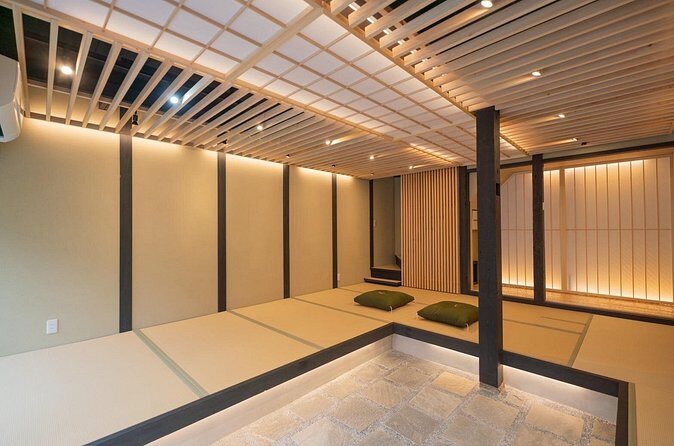
You don’t need to be an expert to do this well. You just need to plan for a different pace and be kind to your body.
- Wear comfortable shoes before you change. You’ll likely be walking more than you expect once you have kimono on.
- Keep your sightseeing lighter afterward. The kimono rental until 6:00 PM is fun, but it’s not an excuse to power through a huge route.
- Use the photo moments. Okada takes photos of you in kimono, which is helpful because you might not feel like hunting down the perfect angle while also paying attention in ceremony.
- Ask questions during the tea portion. The ceremony is taught, including the history and customs, so you’ll get more out of it if you engage instead of trying to just memorize steps.
Also, if you’re sensitive to crowded schedules, this is one of the better options because of the small group cap. That makes it easier to focus on what’s happening rather than managing other people’s timing.
Quick Reality Check: Who This Tour Suits Best
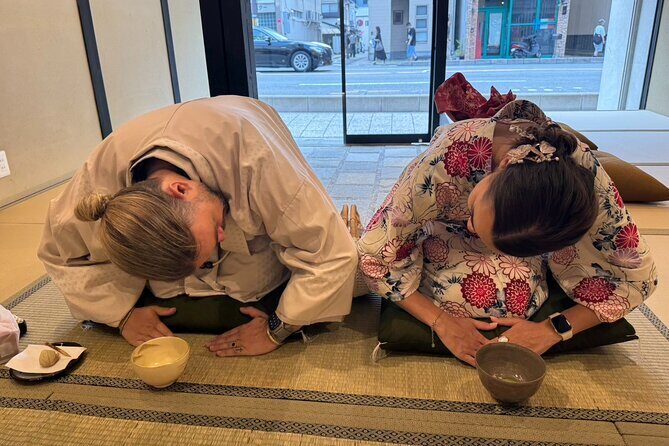
This is ideal if you want a traditional Kyoto experience that’s not just watching from the outside.
Best fit:
- You want kimono rental plus a real tea ceremony, taught with explanation
- You like structured cultural activities with time to keep exploring afterward
- You prefer smaller groups and attentive guidance (max 4 travelers)
- You’re visiting around Higashiyama/Kiyomizu-michi and want a plan that fits nearby
Not the best fit:
- You only want a fast photo stop and don’t care about learning the customs
- You have mobility or comfort limits that make kimono time difficult for long stretches
Should You Book the Okada Tea Ceremony & Kimono?
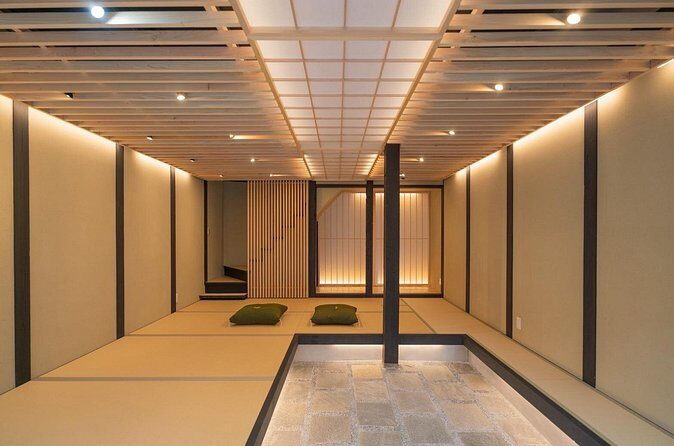
I’d book this if you’re trying to balance Kyoto’s visual wow-factor with something cultural that makes sense. The combination is the point: dressing takes real time, the tea ceremony is taught for about an hour, and you get the kimono back for evening stroll time until 6:00 PM.
At $84.70, it’s not the cheapest thing you can do. But you’re paying for convenience, instruction, and a full package that doesn’t waste your day with extra travel between the shop and the ceremony. If you want one memorable, well-supported cultural block in Kyoto, this is one of the easiest picks.
FAQ
How long is the Kyoto Okada Tea Ceremony and Kimono experience?
It lasts about 2 hours 30 minutes (approx.).
What do I do during the experience?
You choose your kimono and get dressed with simple hairstyling, then you join a 1-hour tea ceremony with matcha and sweets.
Where is the meeting point?
The start address is 岡田-OKADA-102 Tatsumichō, Higashiyama Ward, Kyoto, 605-0855, Japan.
Is the kimono shop close to the tea ceremony venue?
Yes. The kimono rental shop is right next to the tea ceremony venue, so you can go directly after changing.
Where is it relative to public transportation?
It is about a 30-second walk from the Kiyomizu-michi bus stop and is listed as near public transportation.
Can I keep the kimono after the tea ceremony?
Yes. You can keep the kimono until 6:00 PM to explore nearby.
How large is the group?
The tour has a maximum of 4 travelers.
Do I receive a mobile ticket?
Yes. The experience includes a mobile ticket.
Is there free cancellation?
Cancellation is free. You can cancel up to 24 hours in advance for a full refund.
Are service animals allowed?
Yes, service animals are allowed.
When will I get confirmation?
Confirmation will be received at the time of booking.