REVIEW · BIKE & E-BIKE TOURS
Kyoto: Full-Day City Highlights Bike Tour with Light Lunch
Book on GetYourGuide →Operated by Kyoto Bike Tours · Bookable on GetYourGuide
Kyoto looks different when you pedal. This full-day guided bike tour strings together Kyoto’s biggest hits—Arashiyama Bamboo Grove, Fushimi Inari’s torii trails, Gion streets, Kiyomizu-dera, and the Golden Pavilion—at a pace that still lets you actually see things, not just rush past them.
I like the small group size (up to 8) because it keeps you moving as a team without feeling herded. I also like that the price covers the basics you usually end up paying separately—entry fees, helmet, bike, bottled water, and a light lunch.
One consideration: it’s a real cycling day. You’ll ride around 44 km / 27 mi in about 8 hours, so it’s not a great fit if you’re low on fitness or dealing with back or mobility issues.
In This Review
- Key Things to Know Before You Pedal
- Why Kyoto by Bike Works So Well for City Highlights
- Meeting at Saga-Arashiyama Station and Getting Set Up
- Arashiyama Bamboo Grove: Start With a Green Shock
- Fushimi Inari Taisha: Vermilion Torii and Fox-Spotting Trails
- Light Lunch, then Gion Streets and Tatsumi Bridge Views
- Kiyomizu-dera: UNESCO Views and the Otowa Spring Water
- Kinkaku-ji Golden Pavilion: Watching Gold Appear Over Water
- How Much Riding Is Involved (and When to Choose an E-bike)
- Price and Value: What $167 Gets You (and What It Doesn’t)
- Practical Tips: Clothing, Footwear, and Staying Comfortable
- What the Best Guides Do for Your Day
- Should You Book This Kyoto Full-Day Bike Highlights Tour?
- FAQ
- What is the meeting point for the tour?
- How long is the tour, and how far do you ride?
- What’s included in the price?
- Is hotel pickup and drop-off included?
- Is the tour guide language English?
- What footwear isn’t allowed?
Key Things to Know Before You Pedal
- Small-group pacing (max 8 riders) keeps the day calm and photo-friendly
- Major Kyoto sights in one loop: bamboo, torii, Gion, Kiyomizu-dera, and Kinkaku-ji
- Bike fitting and safety briefing first, then you roll at a leisurely guided speed
- Fushimi Inari’s torii trails and fox statues take you beyond just the main gate photos
- Expect a long ride day (about 44 km / 27 mi); several riders recommend e-bikes if you’re not a distance cyclist
- Footwear rules are strict: no sandals or flip-flops, and loose clothing isn’t allowed
Why Kyoto by Bike Works So Well for City Highlights
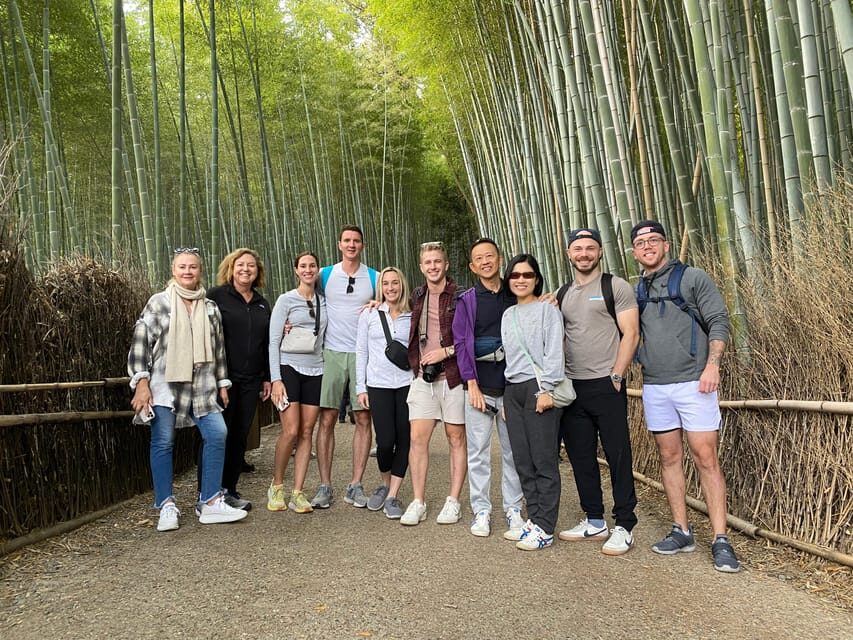
Kyoto’s famous sights are spread out enough that buses and trains can turn a day into a schedule-chase. A bike tour flips that. You cover a lot of ground, but you’re still close enough to slow down at the exact moment something grabs your attention—like bamboo leaves moving in the shade or torii gates appearing down a narrow path.
I like how this tour balances the headline spots with the “in-between” streets. You get to see the cultural landmarks—Fushimi Inari, Gion, Kiyomizu-dera, Kinkaku-ji—and you also ride through local-feeling lanes where you can notice daily life rather than only crowds.
The big win here is time. You’re on a bike for the whole day, but the stops aren’t skimmed. Each main area gets guided attention, and you have time to walk through grounds and take photos.
You can also read our reviews of more cycling tours in Kyoto
Meeting at Saga-Arashiyama Station and Getting Set Up
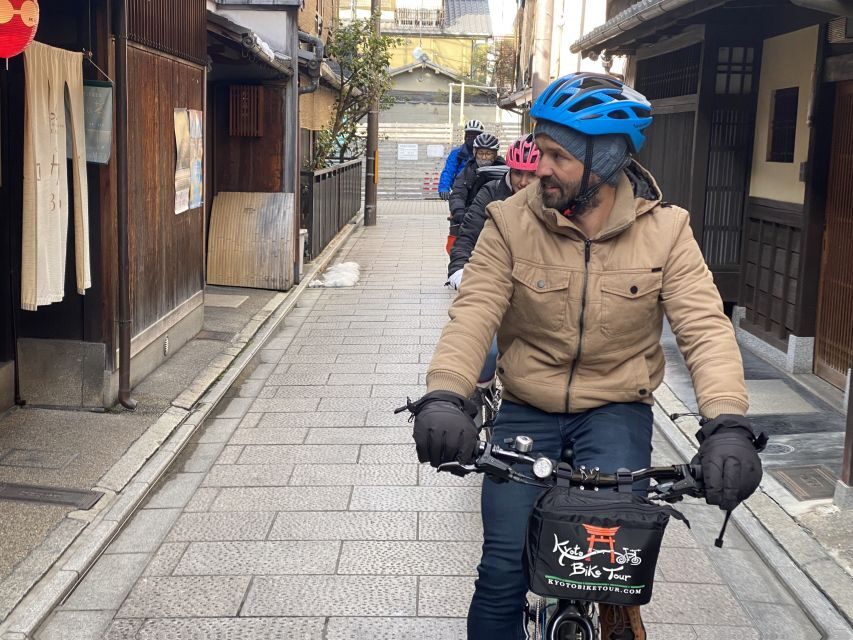
You meet outside JR Saga Arashiyama Train Station. Look for your guide wearing a bike helmet and a Kyoto Bike Tour shirt, and plan to start together rather than wandering off.
Before riding, the tour includes a safety briefing and bike fitting. That matters more than it sounds. A good fit helps you stay comfortable for hours, and it also reduces the “stop-start” feeling that ruins momentum on a long day.
You’ll also be supplied with the essentials: bicycle, helmet, and bottled water. Those aren’t glamorous, but they’re practical wins. When you’re riding around a city, it’s one less thing you have to worry about, and it makes the day feel smoother from minute one.
Arashiyama Bamboo Grove: Start With a Green Shock
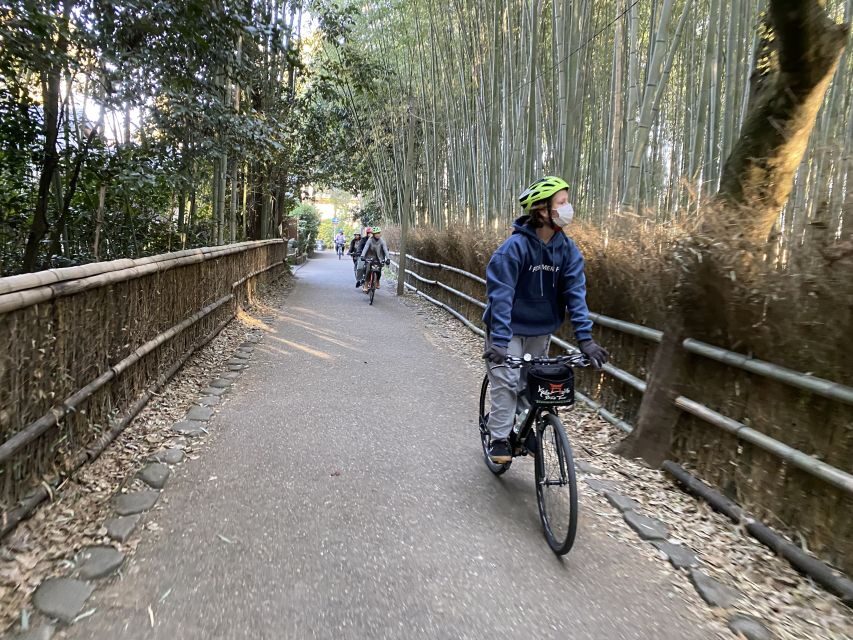
Arashiyama Bamboo Grove is one of those Kyoto scenes that looks almost unreal in motion. You start there and spend about 30 minutes sightseeing on the bike and on foot.
What I like about starting here: it sets the tone. The tour begins with that sea of bamboo stalks—shades of greens, swaying in the light—and it’s a great place to reset your brain after travel and before the traffic and crowd energy of the rest of the day.
Keep your expectations practical. This is popular, so you won’t have the grove to yourself. But the guided pace helps—you’re not doing the “arrive, rush, leave” cycle. You get time to look closely, take photos, and enjoy the calm feel of the area even when it’s busy.
Fushimi Inari Taisha: Vermilion Torii and Fox-Spotting Trails
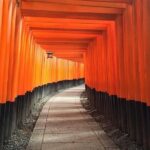
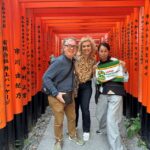
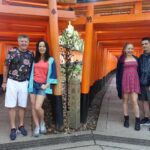
Next comes Fushimi Inari Taisha Shrine Senbontorii, famous for its orange vermilion torii gates. This stop also runs about 30 minutes of guided time.
The standout here is that you’re not limited to the handful of shots people grab at the main entrance. You ride and walk into the network of trails behind the main buildings. That means you actually experience the rhythm of repeating gates—like you’re stepping into a corridor of color.
Then there’s the fox theme. You’ll stroll the shrine grounds and it’s a fun challenge to find fox statues. I like this part because it turns a tourist site into a game you can do while staying aware of what’s around you.
Light Lunch, then Gion Streets and Tatsumi Bridge Views
After you work up an appetite, you stop for a light lunch. Meals aren’t huge here, but they’re timed well—so you’re not running on empty halfway through a long ride.
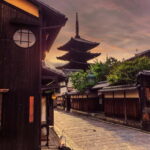
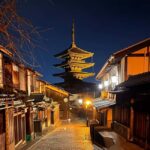
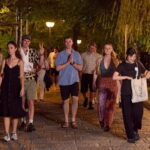
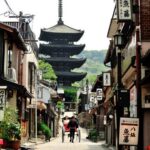
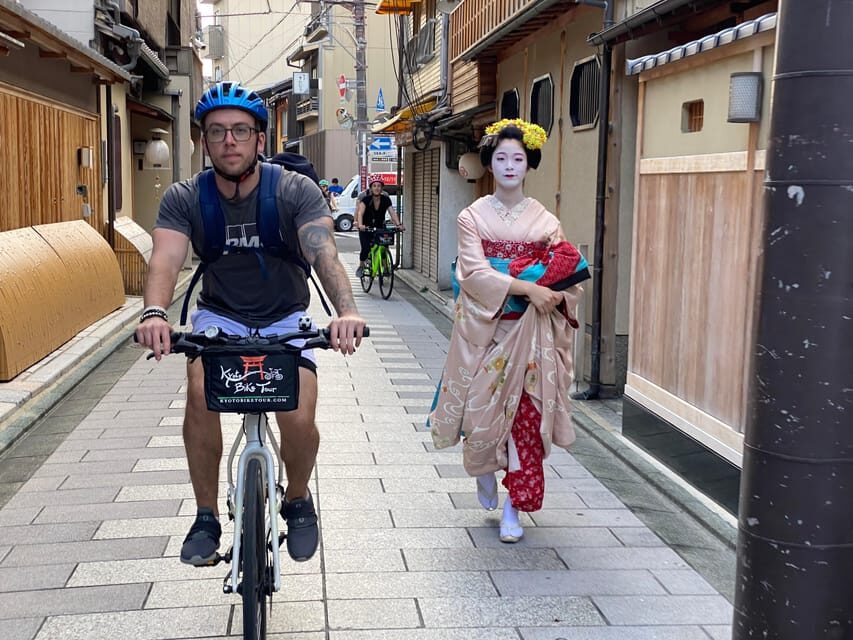
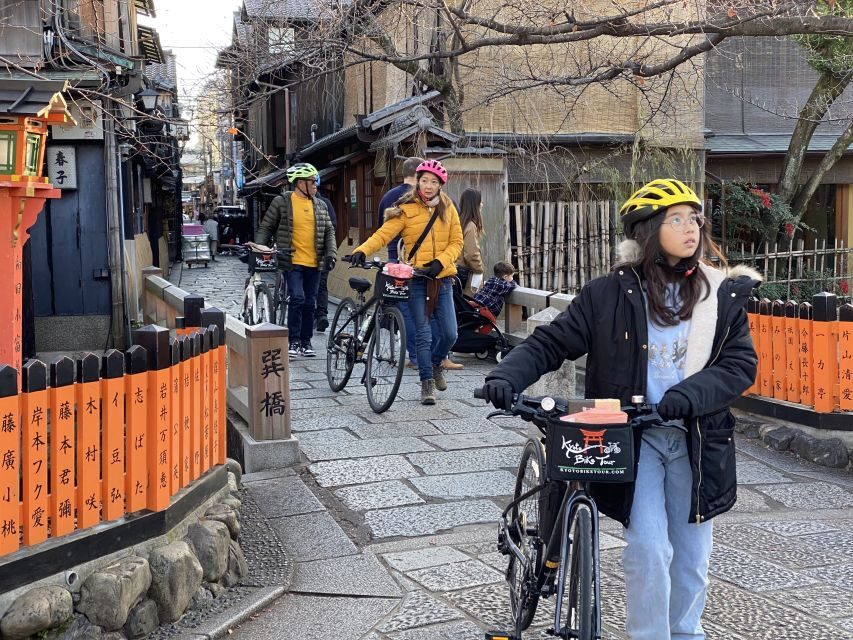
From lunch onward, the tour heads into Gion, around sights like Hanamikoji Street and Tatsumi Bridge. One of the neat details in the day: you may spot hostesses in colorful kimonos and you’ll pass areas with upscale restaurants and boutiques.
This is the part of the route where you should slow down mentally, not just physically. Gion is visual and textured—wooden streets, storefronts, people moving at different speeds. The bike lets you cover distance, but the walking segments help you actually absorb the atmosphere.
A quick practical note from the tour’s style: you’ll be with your guide and group. If you’re someone who likes to roam independently, you might feel a bit constrained here. Still, the payoff is that you’ll hit key spots without getting lost.
You can also read our reviews of more city tours in Kyoto


Kiyomizu-dera: UNESCO Views and the Otowa Spring Water
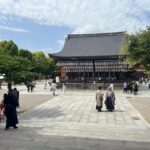
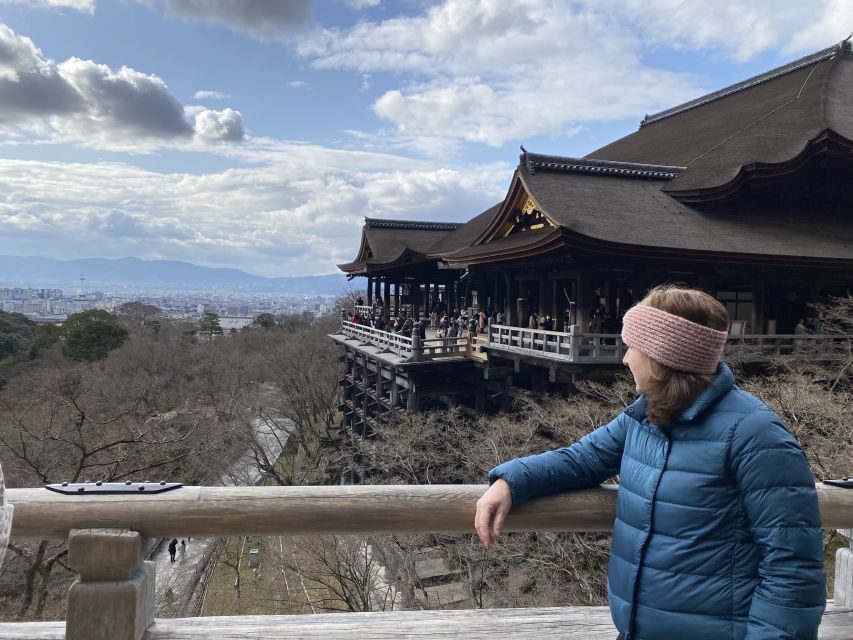
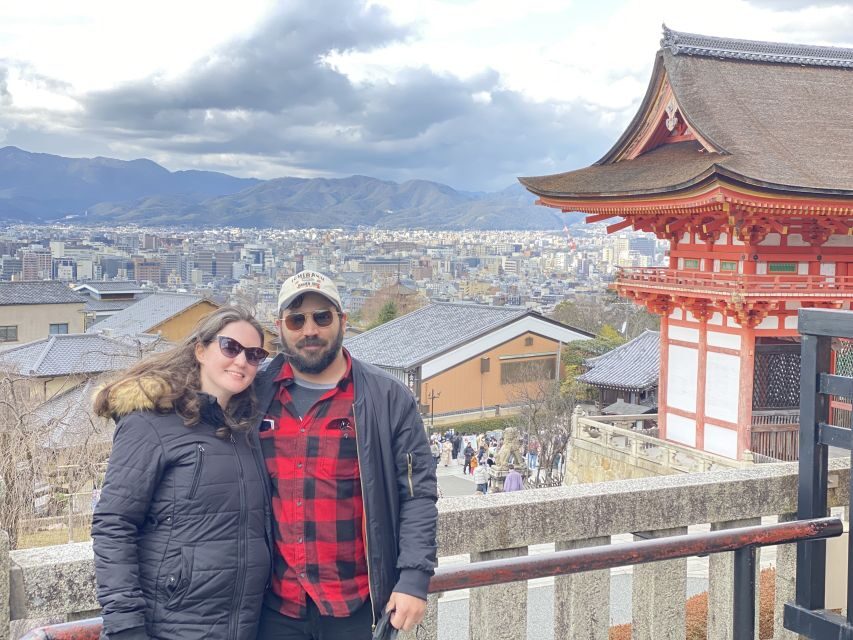
Then you head toward eastern Kyoto to Kiyomizu-dera, a UNESCO World Heritage Buddhist temple. You’ll spend about 30 minutes with guided sightseeing as you ride the route up and around the area.
The temple is known here for the medicinal pure waters of the Otowa Spring. Even if you’ve never heard that phrase before, it’s a memorable reason to be there. It gives the stop a specific focus beyond architecture alone.
This is also a good moment to reset your posture and pacing. You’ll have been cycling and navigating city streets, and now you’re in a setting where walking and looking matter more. The guided approach helps you understand what you’re seeing while you move through the grounds.
If you want a calm photo plan: aim to step away from the densest foot-traffic edges when your guide gives you a breather. It’s easier to capture details when you’re not fighting the crowd stream.
Kinkaku-ji Golden Pavilion: Watching Gold Appear Over Water
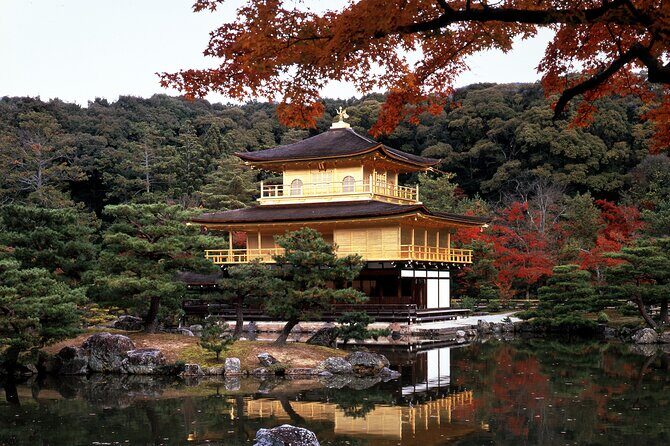
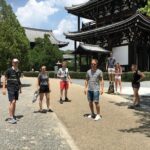
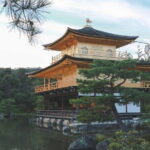
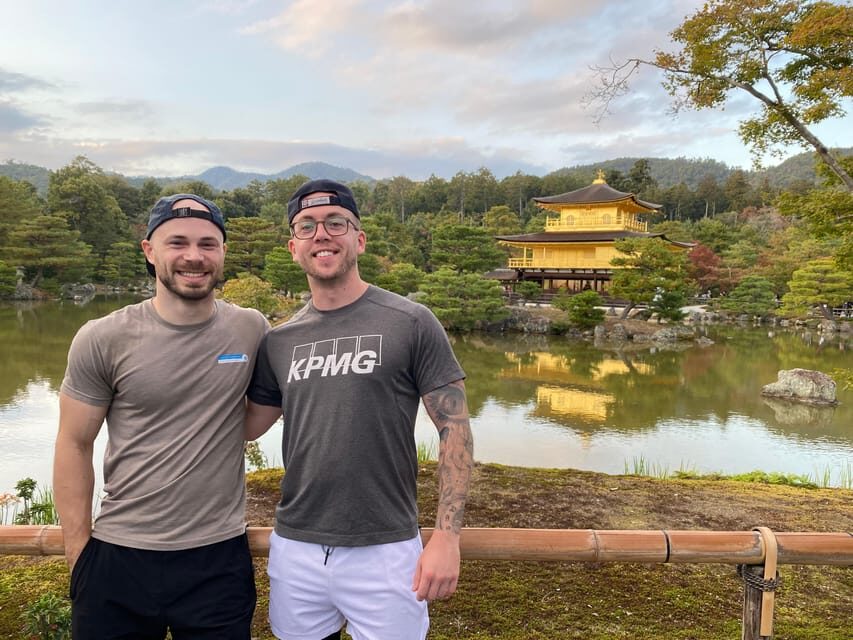
The final big cultural stop is Kinkaku-ji, the Golden Pavilion. It’s a 14th-century Zen temple that rises above its reflecting pond, and the effect can look almost unreal—like the pavilion is floating into the scene.
This stop is famous for that brilliant shine, and the tour’s timing sometimes lines up with softer light. In feedback, people have especially enjoyed seeing the pavilion around golden hour, when the gold looks even warmer against the pond.
You’ll spend about 30 minutes here with your guide. That’s long enough to see the pavilion from a couple of angles and also take in the water reflections without feeling rushed.
And then—like the day started—your bike brings you back. You conclude by riding from Kinkaku-ji back toward Arashiyama and the starting area.
How Much Riding Is Involved (and When to Choose an E-bike)
This tour is not a casual cruise. You’ll ride for the better part of the day, covering about 44 km / 27 mi in roughly 8 hours.
That distance matters because Kyoto roads aren’t always bike-friendly in the sense tourists expect. You’ll be navigating traffic flow, intersections, and shifting crowds. The good news: the tour keeps a leisurely pace guided by someone who knows how the day should move.
Still, be honest about your cycling background. The tour isn’t suitable for people with back problems, mobility impairments, or anyone who can’t ride a bike. It also isn’t designed for kids under 14.
Here’s where e-bikes come up. Several participants noted that an e-bike or pedal-assist upgrade makes a big difference, especially on stretches that might feel long if you’re not a regular distance rider. If you want to keep your energy for photos and walking, it’s worth considering.
Season matters too. During December to February, stops are made shorter so the tour finishes before sunset. That means less buffer time if weather or crowds are intense.
Price and Value: What $167 Gets You (and What It Doesn’t)
At $167 per person, you’re paying for more than just transportation. This price includes: bilingual guide, bicycle, helmet, bottled water, entry fees, and a light lunch.
That’s the value equation to think about. If you tried to piece this day together on your own—tickets, transfers, bike rental, and guided guidance—you’d likely spend more and still risk wasting time figuring out logistics.
You also get a small group capped at 8 participants. That’s not just comfort. It’s easier to stay together, safer around busy intersections, and more manageable when the guide is trying to keep everyone moving at the right pace.
What you should note: hotel pickup and drop-off aren’t included. You’re meeting at the station and riding from there.
Finally, the tour is English-guided with bilingual support included. If you prefer clear explanations while you’re walking through shrine and temple grounds, that language setup is a real plus.
Practical Tips: Clothing, Footwear, and Staying Comfortable
If you want the day to feel fun instead of painful, plan your gear like it’s part of the tour.
Bring comfortable shoes and comfortable clothes, and dress for the weather. You’re riding outdoors for hours, so sweat and cold both matter depending on season.
Footwear rules are strict:
- No high-heeled shoes
- No sandals or flip flops
- No boots
- Avoid loose clothing
That’s about safety and control. Loose cuffs or slippery footwear can become a nuisance around the bike controls and in busy areas.
Also, if you’re the type who likes to stop often for photos, don’t fight the group. Use the guide’s pauses. In past days, guides have helped people get the shot and shared photos afterward, so lean into that rhythm.
One more practical move: keep an eye on water and take drink breaks. You’ll have bottled water provided, but you’ll still want to sip steadily, not only when you’re thirsty.
What the Best Guides Do for Your Day
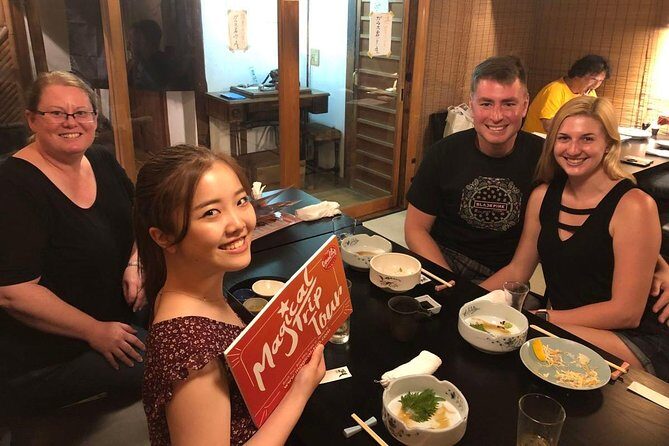
This tour works because the guide controls the flow. You’re not just receiving directions; you’re getting context at each stop so the sites connect instead of feeling like a checklist.
In feedback, guides like Rob, Cass, Peter, Ray, and Adi are repeatedly praised for being friendly, organized, and attentive to group needs. People also appreciated that the guide keeps answers interesting without turning every moment into a lecture.
Safety also comes through in the way the day is paced. Guides are helping riders feel included and moving together through busier parts of the city.
If you’re traveling solo, this is especially useful. You don’t have to run the day yourself, and you still get the benefit of a guided structure.
Should You Book This Kyoto Full-Day Bike Highlights Tour?
Book it if you want one day that hits the core Kyoto sights with real walking time in the most important places. The blend of bamboo, torii trails, Gion streets, Kiyomizu-dera, and the Golden Pavilion is exactly the kind of concentrated experience that saves energy and still feels meaningful.
Skip it if biking long distances makes you nervous. This is a long ride day at about 44 km / 27 mi, and the tour explicitly isn’t designed for riders who struggle with bikes or have back or mobility issues.
Also consider an e-bike upgrade if you’re fit but not a regular distance cyclist. Several participants said pedal assist made the day more enjoyable without removing the joy of biking.
FAQ
What is the meeting point for the tour?
Meet outside JR Saga Arashiyama Train Station. Your guide will be wearing a bike helmet and a Kyoto Bike Tour shirt.
How long is the tour, and how far do you ride?
The tour lasts about 8 hours and includes approximately 44 km / 27 mi of riding.
What’s included in the price?
The tour includes a bilingual guide, bicycle, helmet, bottled water, entry fees, and a light lunch.
Is hotel pickup and drop-off included?
No, hotel pickup and drop-off are not included.
Is the tour guide language English?
Yes. The tour includes an English live guide (and the guide is described as bilingual).
What footwear isn’t allowed?
High-heeled shoes, sandals or flip flops, boots, and loose clothing are not allowed.