REVIEW · 1-DAY TOURS
Guided Kyoto City Cherry Blossom One Day Private Tour
Book on Viator →Operated by Sato · Bookable on Viator
Kyoto makes sense with a guide.
This one-day private route keeps you moving through Kyoto’s biggest sights in a smart order, starting with pickup from Kyoto Station around 8:00am, and giving you the story behind what you’re seeing. I like the pacing, with about one hour per stop, so you don’t feel yanked from place to place. I also love the private attention, especially when it comes to timing and getting photos. One thing to weigh: entry fees and lunch are not included, so you’ll still spend a bit along the way.
The ride itself is part of the value. You get an air-conditioned vehicle, toll taxes covered, and a mobile hotspot on board, which is handy for maps, translation, and sharing photos in real time.
In This Review
- Quick reasons this Kyoto day tour gets such strong marks
- Why a Kyoto cherry blossom private day tour is a smart match
- Getting set up fast: Kyoto Station pickup, mobile ticket, and onboard comfort
- Stop 1: Arashiyama Bamboo Grove and that quiet-in-the-morning feeling
- Stop 2: Kinkaku-ji Golden Pavilion—more than gold for gold’s sake
- Stop 3: Kiyomizu-dera—Pure Water Temple and the famous stage
- Stop 4: Fushimi Inari Taisha—walking under torii gates with a plan
- Stop 5: Gion—machiya houses, teahouses, and the geisha-world setting
- Stop 6: Nishiki Market—Kyoto’s Kitchen for snacks and real shopping
- Price and value: what $569 is really covering
- Guides and the kind of help that matters on a one-day plan
- Who this tour suits best
- Should you book this Kyoto cherry blossom private tour?
- FAQ
- Is this a private tour?
- What time does the tour start, and where does it begin?
- How long is the Kyoto one-day tour?
- Do you get hotel pickup or just meet at Kyoto Station?
- Is lunch included?
- Are entry fees included?
- What’s included in the tour price?
- Can I cancel for a full refund?
- Is the tour wheelchair accessible?
Quick reasons this Kyoto day tour gets such strong marks
- Private guide time so you can ask questions and adjust your pace
- Six major stops in one day, each with about an hour on site
- Arashiyama Bamboo Grove plus Kinkaku-ji and Kiyomizu-dera, the temple-and-nature combo Kyoto does best
- Fushimi Inari torii walk without the logistics headache
- Gion + Nishiki Market for atmosphere and food shopping in the same day
Why a Kyoto cherry blossom private day tour is a smart match
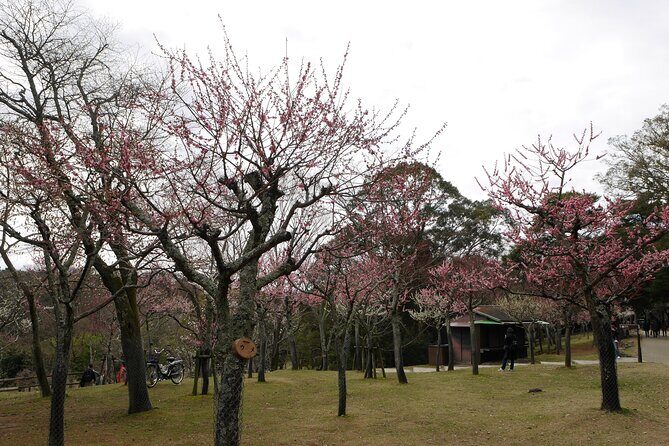
Kyoto during cherry blossom season can feel like a magnet. Blossoms bring extra crowds, and crowds can turn even a “simple plan” into a stress test: which train, which exit, which street, which time window?
This tour is designed to solve that problem. You’re not bouncing between stations and hoping you guessed right. Instead, you ride between the big areas in comfort, and your guide helps you focus on the why, not just the what.
Also, cherry blossom season makes the scenery go from pretty to memorable. Even though the route is built around major landmarks, the timing is usually what turns those spots into the kind of photos you’ll keep.
You can also read our reviews of more guided tours in Kyoto

Getting set up fast: Kyoto Station pickup, mobile ticket, and onboard comfort
The meeting point is Kyoto Station (Higashishiokoji Kamadonocho, Shimogyo Ward). Pickup is offered, and the schedule starts at 8:00am, with the tour ending back at the meeting point. That “back to start” detail matters in Kyoto, where backtracking can eat hours.
You travel in an air-conditioned vehicle with private transportation. There’s a child seat available if you need it, and a hotspot on board, which is a practical perk in Japan when cell coverage or app accuracy isn’t always perfect.
One more detail: the tour includes toll taxes of the road. That sounds boring, but it’s real value in a city where the “fast way” often costs extra.
Stop 1: Arashiyama Bamboo Grove and that quiet-in-the-morning feeling
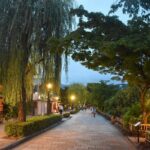
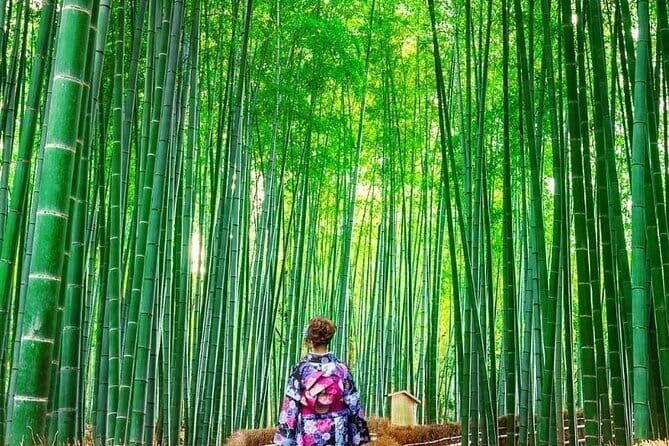
Arashiyama Bamboo Grove (the Kyoto bamboo forest) is one of those places you understand instantly. You walk into towering stalks, and even if you’re not a “forest person,” the wind through the bamboo gives you a calm, almost dreamlike mood.
This area has been a popular destination since the Heian Period (794–1185), when nobles came for the scenery. So you’re not just looking at a photo spot—you’re stepping into a place with a long tradition of people seeking peace in nature.
What to expect
- You’ll get about one hour here.
- This isn’t an activity where you need to know a lot of history before you enjoy it, but your guide can add context so it lands better.
Possible drawback
- Bamboo groves can get crowded, especially around peak bloom times. With only an hour, you’ll want comfortable shoes and a quick plan for where you want your photos.
Stop 2: Kinkaku-ji Golden Pavilion—more than gold for gold’s sake
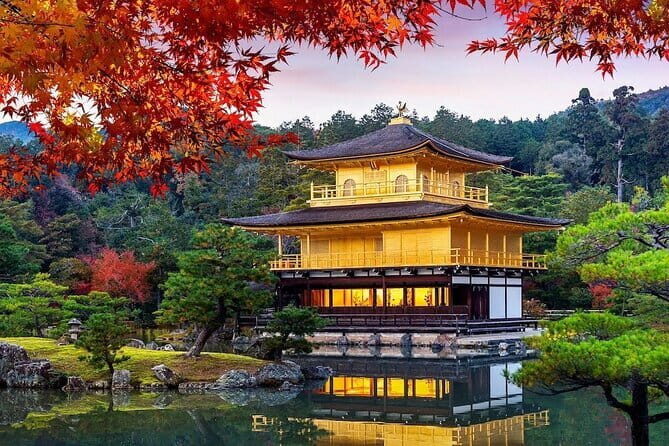
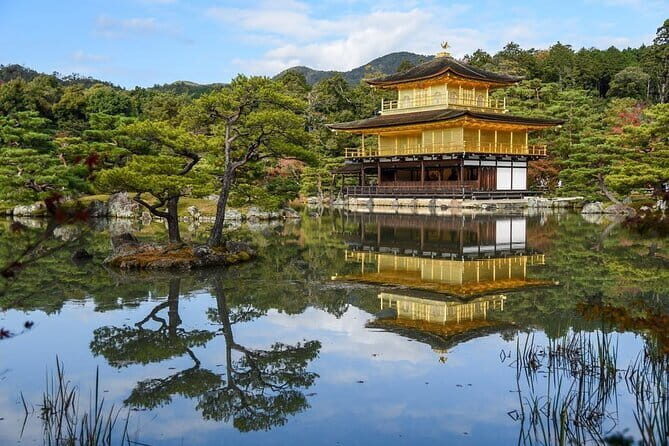
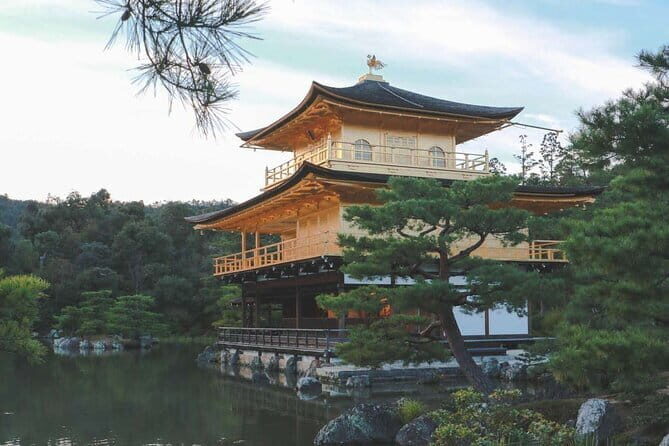
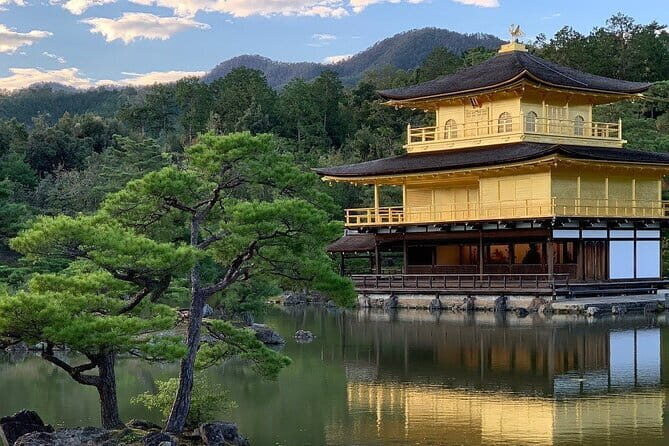
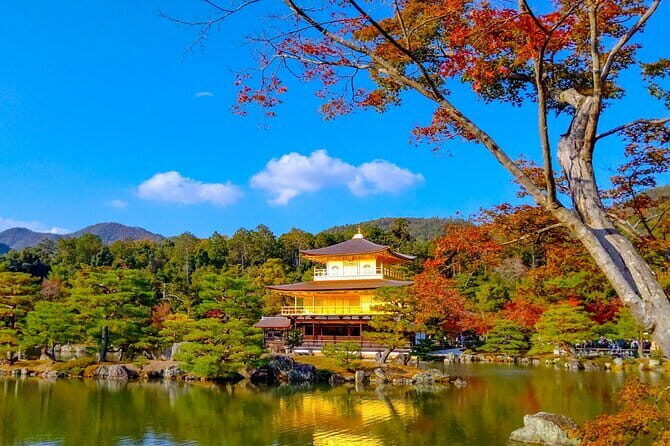
Kinkaku-ji, also known as the Golden Pavilion, is a Zen Buddhist temple and Kyoto shorthand for spectacular. The top two floors are covered in gold leaf, and the whole place is built for the kind of viewing that makes you slow down without meaning to.
The temple’s backstory adds weight. It was originally built in 1397 as a retirement villa for shogun Ashikaga Yoshimitsu. After his death, it became a Zen temple. And yes, the pavilion has burned down multiple times—today’s structure dates to 1955 after a 1950 fire set by a monk.
What to expect
- About one hour at Kinkaku-ji.
- You’ll get the context behind why the building looks the way it does, and why people treat it like more than a shiny landmark.
Practical note
The admission ticket is not included, so plan for a small additional cost here. This is one of the easiest stops to overspend time on if you’re not paying attention to your schedule—your guide’s job is to keep you moving.
Stop 3: Kiyomizu-dera—Pure Water Temple and the famous stage
Kiyomizu-dera is one of Kyoto’s icons, known for its wooden stage and the dramatic presence it has even when you’re not standing at the “main” angle.
It’s old—founded in 778—and it’s tied to Japanese Buddhist development over centuries. The name Kiyomizu-dera means Pure Water Temple, coming from the Otowa Waterfall that runs through the grounds. For a long time it was associated with the Hosso sect until it became independent in 1965.
What to expect
- About one hour here.
- You’ll see the core temple spaces and the viewpoint the site is famous for.
- Your guide can help you understand what you’re looking at, including the temple’s changing identity over time.
Possible drawback
This is another popular site. An hour is usually plenty, but you’ll want to keep moving during busy stretches so you still get to the views you came for.
You can also read our reviews of more city tours in Kyoto



Stop 4: Fushimi Inari Taisha—walking under torii gates with a plan
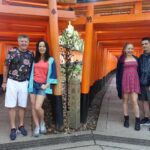
Fushimi Inari Taisha is one of Japan’s best-known Shinto shrines, dedicated to Inari, the god of rice, fertility, and agriculture. The headline attraction is the thousands of red torii gates that form tunnel-like pathways along Mount Inari.
What makes this stop special is the act of walking itself. You’re not just looking—you’re progressing through the shrine’s layers, gate after gate, with the path slowly changing in feel.
What to expect
- About one hour at the shrine.
- The gates are known as Senbon Torii, with offerings donated by individuals and businesses.
Practical note
Admission tickets are not included. Also, in a one-day plan, you’ll have to choose how far up you want to go. If you try to do everything, you’ll run out of time later at Gion and Nishiki.
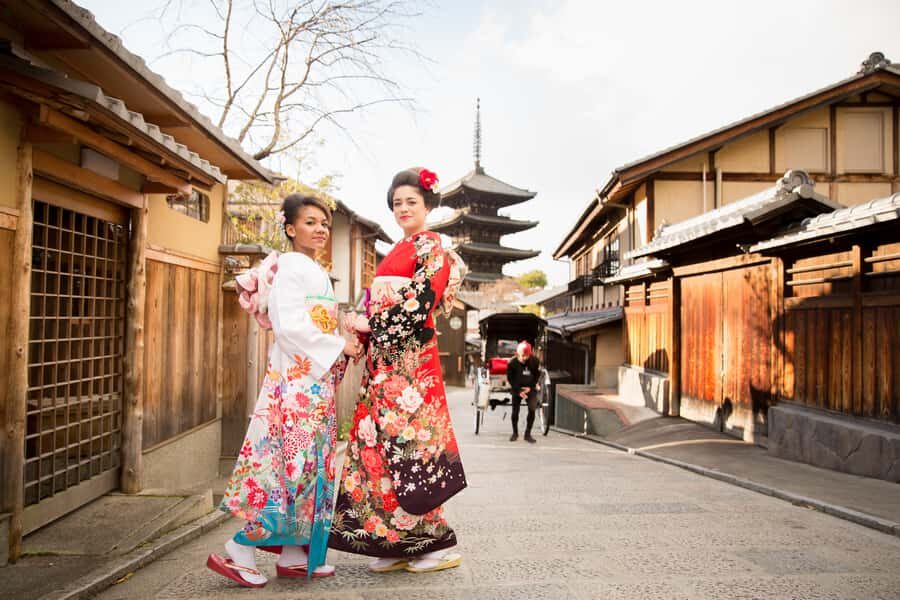
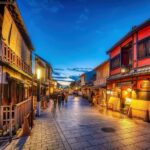
Stop 5: Gion—machiya houses, teahouses, and the geisha-world setting
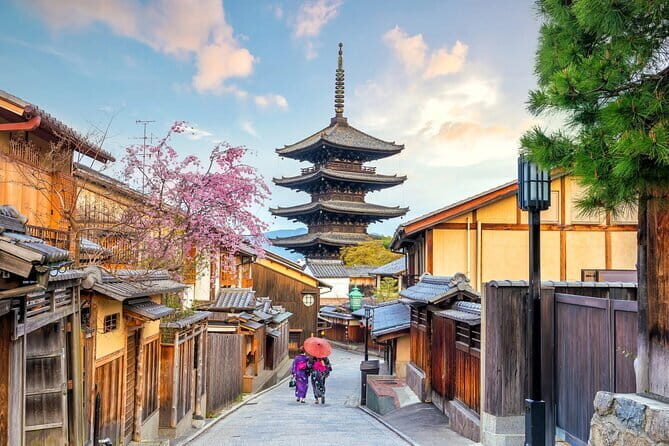
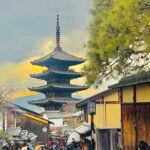
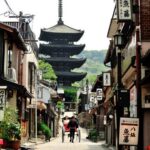
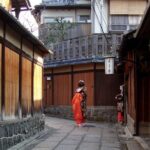
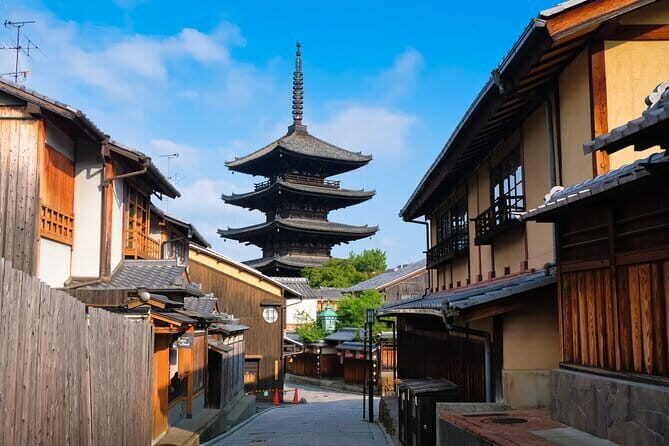
Gion is a historic district tied to traditional wooden machiya houses and teahouses, plus the cultural world associated with geisha. Even when you’re not specifically hunting for that connection, the neighborhood vibe changes from block to block.
What to expect
- About one hour strolling.
- Time to see the streetscape without turning it into a rushed checklist.
- You’ll likely get guidance on where to walk for good atmosphere and photos.
Possible drawback
Gion is photogenic, which also means it can be full of people with cameras. If you want quieter corners, you’ll have to move a bit and accept that you’re sharing the view.
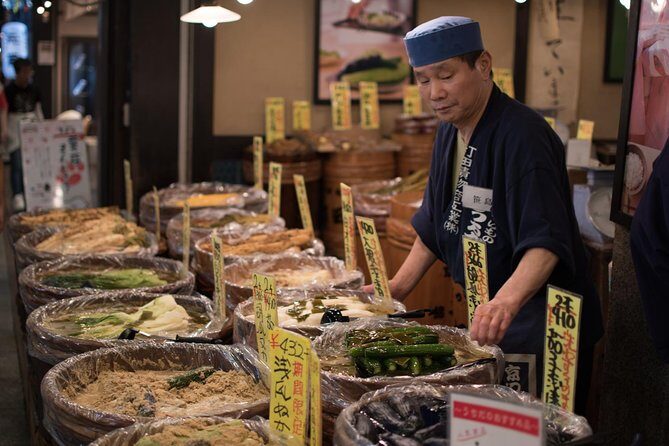
Stop 6: Nishiki Market—Kyoto’s Kitchen for snacks and real shopping
Nishiki Market is Kyoto’s Kitchen, a narrow five-block shopping street with over 100 shops and restaurants. It’s been a center for food and commerce for centuries, which means the place feels like it has a job to do: feed you, tempt you, and keep you walking.
What to expect
- About one hour for shopping and eating.
- Ideal for trying small bites and buying easy-to-pack goodies.
Practical note
Lunch is not included, and the market is often where you’ll solve that problem. If you’re the type who wants lunch to be a “whole production,” this stop might feel short. If you prefer tasting and snacking, it’s a great fit.
Price and value: what $569 is really covering
This tour costs $569 for the private experience, and it runs about 8 hours. That price makes sense if you want two things at once: major sights plus low-effort logistics.
Here’s what you’re paying for, in plain language:
- Private transportation in an air-conditioned vehicle
- Toll taxes of the road
- A guide who keeps the day on track
- A private format, so you’re not stuck with a bus schedule
You’re also saving time. Kyoto’s biggest temples and shrines are not grouped in a way that’s natural for a quick first visit. If you piece it together yourself, you’ll spend a lot of energy figuring out routes, timing, and where to park (or which train exit is smartest).
What’s not included
- Lunch
- Alcoholic beverages
- Wheelchair (the listing does not include it)
- Site entry fees (the listing references entry fees up to USD 7.00 per itinerary, and each stop notes admission tickets are not included)
So you’ll still need spending money, but the big-picture costs and time are handled.
Guides and the kind of help that matters on a one-day plan
One of the highest value parts of a private day is how your guide handles friction. In real Kyoto days, friction comes from crowds, timing, and tiny routing problems.
On this tour, guides such as Malik, Sag, Imran Khan, and Hamza are listed as drivers/guides, and their reviews consistently point to practical strengths: staying on time, finding parking access that makes transitions easier, and helping with photos. That last part matters more than it sounds, because good temple and gate photos depend on standing in the right place at the right moment.
You’ll also get context that makes the landmarks feel less like set dressing. For example, knowing Kinkaku-ji’s rebuild history and Kiyomizu-dera’s Pure Water meaning changes how you read the site.
Who this tour suits best
This is a strong pick if you:
- Want to hit Kyoto’s headline attractions without spending your day on transit planning
- Like learning the “why” behind temples and shrines
- Prefer a private pace, even if you still want an efficient schedule
- Are traveling with family and want the convenience of pickup and a child seat
It may be less ideal if you’re the type who wants to slow-walk Kyoto for days, wandering without structure. This day is packed by design. You’ll leave with lots of highlights, but you won’t linger as long as you might on your own.
Should you book this Kyoto cherry blossom private tour?
If your goal is a first-time Kyoto day that feels organized and meaningful, I’d book it. The route hits the big names—Arashiyama Bamboo Grove, Kinkaku-ji, Kiyomizu-dera, Fushimi Inari, Gion, and Nishiki—and private transportation does the heavy lifting.
Book it especially if you’re visiting during cherry blossom season and you want to reduce the chaos factor. You’ll still face crowds at popular spots, but having a plan, pickup, and guide time makes the day feel calmer.
If you’re on a tight food budget and hate paying extra for entry and lunch, consider budgeting for those costs up front so there are no surprises.
FAQ
Is this a private tour?
Yes. It’s a private tour/activity, so only your group participates.
What time does the tour start, and where does it begin?
It starts at 8:00am and begins at Kyoto Station (Higashishiokoji Kamadonocho, Shimogyo Ward).
How long is the Kyoto one-day tour?
The duration is about 8 hours.
Do you get hotel pickup or just meet at Kyoto Station?
Pickup is offered. The start point is listed as Kyoto Station, but pickup is available on request.
Is lunch included?
No. Lunch is not included.
Are entry fees included?
Admission tickets are not included for the stops. The listing also notes entry fees up to USD 7.00 per itinerary.
What’s included in the tour price?
Included are an air-conditioned vehicle, private transportation, a child seat, a mobile hotspot on board, and toll taxes of the road.
Can I cancel for a full refund?
Yes, you can cancel up to 24 hours in advance for a full refund.
Is the tour wheelchair accessible?
Wheelchair is listed as not included, so you should plan around your specific mobility needs.