Kyoto can feel loud fast. This tour slows it down with quiet alley riding. You’ll get a local guide, pedal through narrow backstreets far from tour crowds, and then pop out onto bigger streets so you feel how the city changes block to block. Along the way, the stops are timed for atmosphere: wooden-lane calm in Miyagawacho, the classic Gion look, a shaded bridge moment by the stream, and a breather on the Kamo River.
I love the alleyway-to-main-street shift and how it helps you read the city like a resident, not a checklist. I also like the guide-led pacing that keeps you moving but never rushed.
There’s one catch: this is real road cycling. You’ll want to be comfortable riding in traffic areas and staying with the group, because the experience runs on bikes for the full route (rain included). The upside is that guides are professionally trained for traffic safety, group cycling, and local etiquette, and they use rain ponchos if the weather turns.
In This Review
- Key highlights you should care about
- Meeting point at 2:00 pm and how the ride actually runs
- Miyagawacho’s wooden lanes: a calmer Kyoto you can feel
- Gion: geisha districts and the refined old-town vibe
- Tatsumi Bridge: the stream-side pause that resets your senses
- Kyoto Imperial Palace: gravel paths and seasonal garden views
- Kashiwayacho and the Kamo River break
- The real value: why this route is better than a checklist
- Rainy Kyoto? You get two ways to keep moving
- Who this tour fits best (and who should think twice)
- Should you book this Hidden Alleyway bike tour?
- FAQ
- What’s the duration of the afternoon bike tour?
- Where is the meeting point, and where do we end?
- What time does the tour start?
- How many people are allowed per guide?
- Does the tour run in rain?
- What is the refund or cancellation situation?
Key highlights you should care about
- Quiet backstreets, then big-street Kyoto: you get both moods in one 3-hour loop.
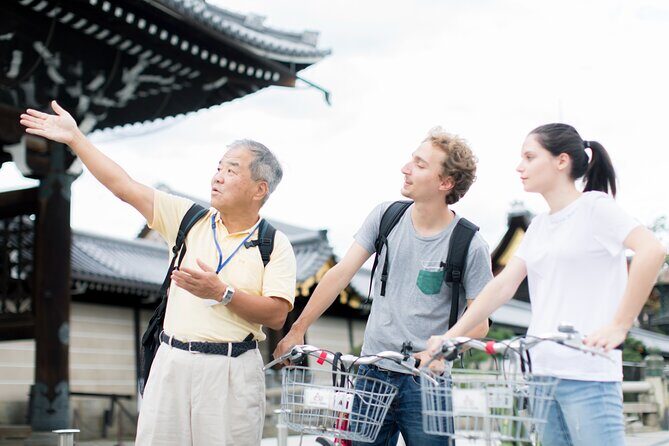
- Professionally trained guide: traffic safety, group cycling technique, and local manners are part of the job.
- Classic Kyoto stops with short, efficient stops: Miyagawacho, Gion, Tatsumi Bridge, Kyoto Imperial Palace, Kashiwayacho/Kamo River.
- Rain plan built in: bikes continue with ponchos, or you can switch to walking with public transportation.
- Small private group: max 6 guests per guide (1-person bookings aren’t accepted).
- E-bike makes the route feel manageable: people love the car-free backstreet vibes without the leg burn.
Meeting point at 2:00 pm and how the ride actually runs
You’ll meet at 552-13 Higashiaburanokōjichō, Shimogyo Ward, Kyoto and the tour ends back at the same place. Start time is 2:00 pm, and the whole experience is about 3 hours. You’ll use a mobile ticket, which is handy the day-of when you’re juggling photos, snacks, and directions.
This is a private tour/activity, so only your group is with the guide. The group size is capped: they accept 2 to 6 guests per guide (and no solo participant bookings). If your group is 7 to 12 people, the operator can arrange an extra guide so you still ride with room to breathe.
The route is designed for bikes, and the safety training matters. The guides are trained in traffic safety and group cycling techniques, plus local etiquette—so you’re not just following someone with a map. It’s the kind of structure that helps you feel confident in narrow lanes and busier transitions.
If rain shows up, you’re covered. The tour operates in rain, and you can choose to keep cycling with a rain poncho (no extra charge), or switch to a walking tour using public transportation (bus or metro) with the tour fee covered.
You can also read our reviews of more tours and experiences in Kyoto.

Miyagawacho’s wooden lanes: a calmer Kyoto you can feel
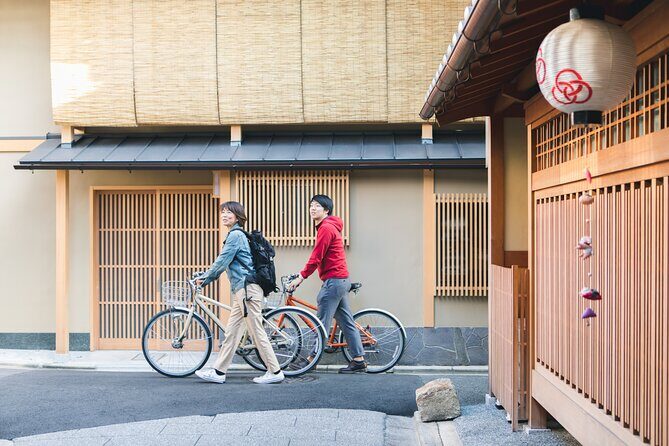
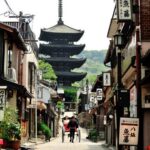
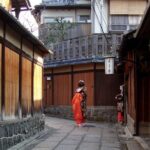
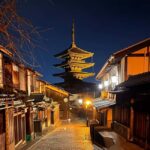
Your first stop is Miyagawacho Kaburenjo, in Miyagawacho—described as the second biggest of Kyoto’s five geisha districts. You’ll spend about 15 minutes here, and the big draw is the setting: traditional wooden houses line both sides of the alley. That corridor-like layout is what makes the area feel quieter and more sheltered than the streets around it.
What I like about this stop for first-time Kyoto visitors is how it teaches you a skill: noticing how architecture shapes sound and light. Even in a short time, you start to feel the change in atmosphere as you move deeper into the neighborhood. It’s the kind of place where you don’t need a long explanation to get the mood—you just walk and look.
A small practical note: because it’s an alley environment, you’ll want to keep your phone use quick and be aware of other pedestrians. Your guide will help you time it, but this is still a human-scale street.
Gion: geisha districts and the refined old-town vibe
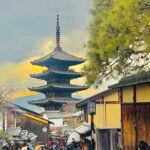
From Miyagawacho you continue to Gion, one of Kyoto’s best-known geisha districts. Expect another 15 minutes here. The area is known for Maiko girls and Geiko women, and the description emphasizes that the elegant, refined atmosphere of old times still remains.
This stop is valuable because it gives you a contrast. You’ve just experienced a quieter, more tucked-away feeling; now you’re seeing the Kyoto that many people picture from postcards and guidebooks. But the tour framing helps you look past the obvious: you’re not just walking to say you saw it, you’re comparing it to what you rode through moments earlier.
The practical consideration is crowd density. Even when you’re not in “tourist chaos,” Gion is a main-area draw. The bike timing and guide control matter here—so you’re not stuck circling while everyone else streams by.
Tatsumi Bridge: the stream-side pause that resets your senses
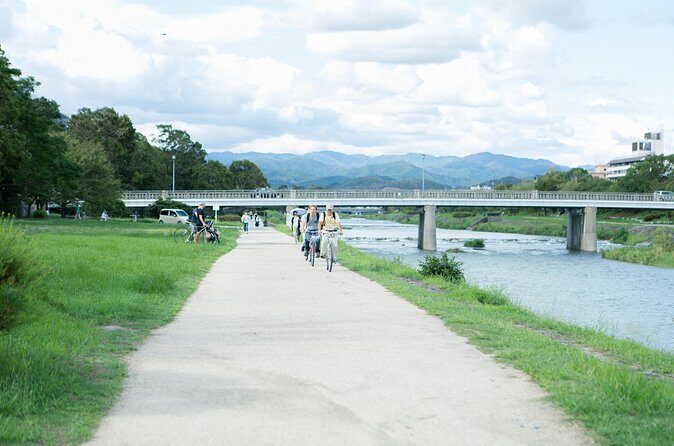
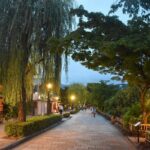
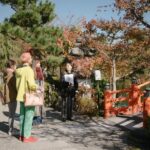
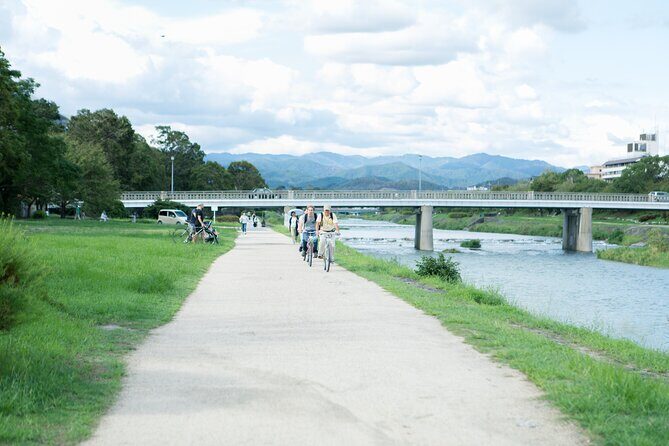
Next up is Tatsumi Bridge, with about 15 minutes at the stop. The focus here is simple: the path runs along a stream, and the willows can swing in the breeze. The description calls it a refreshing moment, and that’s exactly how this kind of spot works on a bike tour—your body is still moving, but your mind gets a break.
If you like “small moments” while traveling, this is one of them. You get a gentle reset between busier cultural streets and the larger landmark ahead. It’s also a good photo moment, but not in the rushed, shoot-and-go way. You’ll naturally slow down because the setting nudges you toward it.
One drawback to consider: it’s time-boxed. You’ll enjoy the riverside atmosphere, but you probably won’t have a long wandering window. If you’re the type who wants to linger for 45+ minutes, this might feel short—though it keeps the overall tour moving.
Kyoto Imperial Palace: gravel paths and seasonal garden views
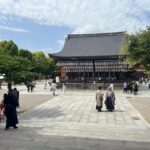
Then you cycle to Kyoto Imperial Palace, spending about 20 minutes. This used to be the residence of Japan’s Imperial Family, and now it’s open to the public as a national garden with beautiful seasonal flowers. Since you’re riding, you’ll actually move along gravel paths inside the grounds, which changes the feel of the experience.
Why this stop works on a bike tour: a palace garden can turn into a slow crawl if you’re walking. Here, the cycling keeps you flowing while still letting you focus on the garden setting. It’s also a nice “big landmark” break without the stress of spending half your day in lines or searching for the entrance.
The only thing to watch is expectation. A 20-minute window means you’ll see the highlights around where the group cycles through, not every garden detail. If you want a deeper palace-garden day, treat this as your orientation and context stop.
Kashiwayacho and the Kamo River break
Your final stop is Kashiwayacho, with about 20 minutes at the Kamo River area. The description says it’s a river local residents love, and the main idea is to relax by the water. Admission is included here, and the time is built in as a real pause after several cultural blocks.
This is a smart way to structure an afternoon ride. You’re not ending on another “look at this” site; you end on a place where you can breathe, regroup, and take in how Kyoto feels in everyday rhythm. Even if you’re only there for 20 minutes, water gives you that quick sensory reset—sound softens, pace slows, and the city feels less like a set of stops.
A practical tip: bring something small you’ll want for river time—water, a light snack, or tissues. The tour pacing gives you the moment, but it doesn’t replace your basic travel comfort items.
The real value: why this route is better than a checklist
The price is $102.47 per person for about 3 hours, which isn’t the cheapest way to see Kyoto. But it starts to make sense when you break down what you’re buying: a guide who handles route choices, safety, and pacing, plus the time advantage of getting between neighborhoods without battling on-foot crowd drift.
What makes this tour feel worth it is the “how you experience Kyoto” design. You start in quiet geisha-district lanes, move into the classic Gion identity, take a stream-side reset, hit the Imperial Palace grounds, then finish with a local-feeling river breather. That sequence is doing more than stacking landmarks—it trains your eyes to understand contrasts.
The guides also matter a lot. People really highlight the guide quality, including Yuichi, described as personable, informative, and funny. That kind of guide style can turn a bike tour from sightseeing into a conversation—so you’re not just hearing facts, you’re learning what to notice as you ride.
And yes, the bike choice is part of the equation. The e-bike element is called out as a big plus, because Kyoto’s streets can be tiring to cover on foot in a short window. E-bikes help you focus on the streetscape and the stop moments instead of burning your energy before the good parts.
One more value note: this experience is often booked about 13 days in advance. That tells you something—people plan it as a high-confidence afternoon activity. If you’re traveling during busy seasons, you may want to lock in a slot earlier rather than later.
Rainy Kyoto? You get two ways to keep moving
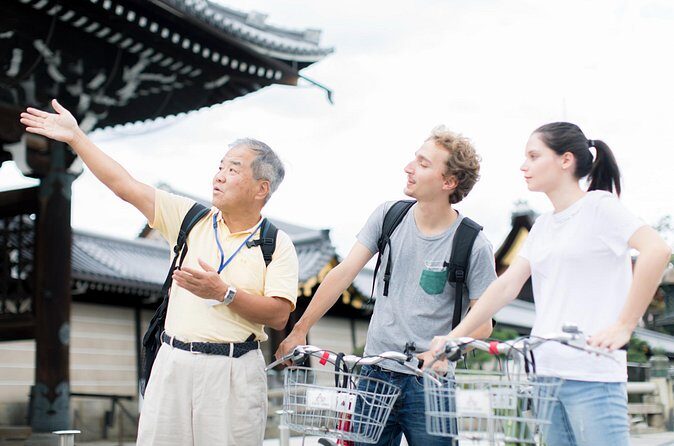
Kyoto weather can be sneaky, and this tour plan acknowledges that. The tour operates in rain. You can either:
- keep riding on bikes with a rain poncho provided, or
- switch to a walking tour using bus or metro, with that included in the tour fee.
This flexibility matters because it keeps you from losing the entire afternoon to weather. It also changes how you experience the city. Bike rain riding can feel more dramatic—slick pavement, closer alley views—but it’s still bike-focused. The public-transport walking option tends to be calmer in terms of road cycling stress.
My advice: if you’re even slightly nervous about traffic in wet conditions, decide early which mode you’re more comfortable with so you can enjoy the stop moments instead of worrying about what’s next.
Who this tour fits best (and who should think twice)
This experience is listed as usable for most travelers, and it’s a great match if you want a structured way to cover Kyoto in one afternoon. It also works well if you’re traveling with family and still want a guided route that keeps everyone moving.
It’s especially good for:
- people who like street-level Kyoto rather than only big-ticket temples
- visitors who want short stop windows and a smooth overall flow
- anyone who appreciates small-group guidance and clear direction
It may not fit if:
- you’re not comfortable cycling on roads or staying with a group
- you want a slow, long-stay exploration style
Kids are allowed if they meet the requirements: at least 10 years old, 145 cm or above, and able to ride a bicycle safely on the road unassisted. Also note the group rule: there’s no 1-person booking, so you’ll need at least one other person in your party.
Should you book this Hidden Alleyway bike tour?
If your goal is to see Kyoto in a way that feels local—quiet lanes, then classic districts, then a river reset—this is a strong choice. The route is built to teach you contrasts fast, and the guide focus on traffic safety and local etiquette makes the cycling feel less stressful.
I’d book it if you want:
- a 3-hour afternoon plan that doesn’t feel like a marathon
- e-bike help so you can enjoy streets and stops
- a guide experience that can be both useful and fun, like Yuichi was described
Skip it or choose another option if you know you don’t like road cycling, even with training and ponchos. Also, if your group is just one person, this won’t work as listed.
Bottom line: for the price, you’re paying for guided access, safety structure, and efficient neighborhood-to-neighborhood movement. For many visitors, that’s exactly the kind of value that makes a tour feel like time well spent.
FAQ
What’s the duration of the afternoon bike tour?
It runs for about 3 hours.
Where is the meeting point, and where do we end?
You meet at 552-13 Higashiaburanokōjichō, Shimogyo Ward, Kyoto, 600-8235, Japan, and the activity ends back at the meeting point.
What time does the tour start?
The start time is 2:00 pm.
How many people are allowed per guide?
The tour accepts 2 to 6 guests per guide, and it’s not available for 1 person. For groups of 7 to 12, an extra guide can be arranged.
Does the tour run in rain?
Yes. You can continue as usual on bikes with a rain poncho, or switch to a walking tour using public transportation (bus or metro), included in the tour fee.
What is the refund or cancellation situation?
The details provided say the tour fee can be refunded if you cancel at least 3 days prior (by 18:00 JST). But the cancellation policy also states it’s non-refundable and cannot be changed for any reason. Check the exact terms shown at booking before you confirm.