REVIEW · COOKING CLASSES
Kyoto Ramen Bowl Painting and Michelin Cooking Class
Book on Viator →Operated by 無双心ラーメンアカデミー · Bookable on Viator
Ramen, then temples, then your own bowl. It’s a tight, small-group Kyoto experience built around Michelin-starred ramen you cook yourself, plus ramen bowl painting and temple walks in the same stretch.
I like how the class is run by Musoshin Ramen Academy with hands-on instruction from Chef Shin, and I also like that you’ll leave with a practical souvenir: a baked or unbaked bowl option and a bandana.
One thing to consider: with only about 90 minutes, this isn’t a long sightseeing day, so go in with clear expectations.
In This Review
- Key things to know before you go
- Michelin-style ramen plus Kyoto temples: how the day flows
- Price of $78.18: what you get for that money
- Hands-on ramen with Musoshin and Chef Shin
- Vegetable and vegan ramen swaps that still feel legit
- Paint your ramen bowl, then bake it: souvenirs and timing
- Temple stops between bites: Kiyomizu-dera, Kennin-ji, Sanjusangendo
- Group size and scheduling that keeps things friendly
- Who should book this 90-minute workshop
- Should you book Musoshin Ramen Academy?
- FAQ
- How long is the Kyoto ramen bowl painting and Michelin cooking class?
- Where is the meeting point?
- Is this experience a small group?
- Will I eat the ramen I make?
- Can the ramen be vegetarian or vegan?
- What do I do with the bowl after painting it?
- When do I pick up the baked bowl?
- What is the cancellation policy?
Key things to know before you go
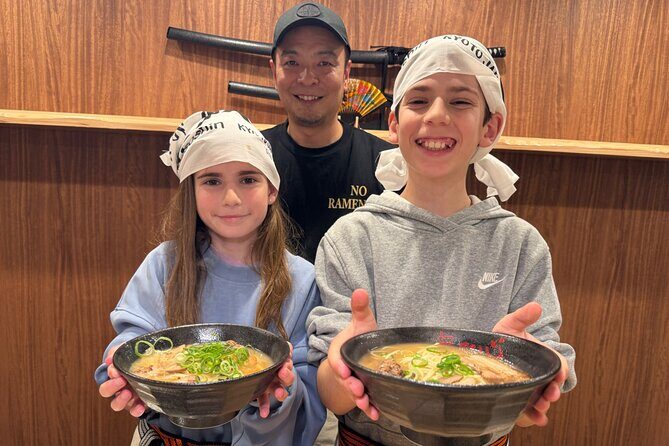
- Chef Shin runs the workshop and teaches the ramen process with lots of Q&A.
- Ingredients come from the nearby Musoshin Gion store, prepared the day before.
- Vegetarian and vegan swaps are available, not just an afterthought.
- You paint your ramen bowl on the second floor, then choose to bake it for easier take-home display.
- Max group size is 12, so it stays personal without feeling rushed.
Michelin-style ramen plus Kyoto temples: how the day flows
This experience mixes two sides of Kyoto: calm temple atmosphere and serious comfort-food cooking. You start at a fixed meeting point in Higashiyama and then move through three well-known temple stops, keeping the pacing friendly rather than frantic.
The ramen part happens in the Musoshin Ramen Academy space, with a clear split between cooking and art. Expect the class to feel structured: first the ramen-making on the main level, then bowl painting upstairs, with time built around getting you fed and getting your creative piece ready to take home.
The big advantage is how the day feels themed. You’re not jumping between random attractions and then hunting for lunch. Here, the food lesson is the center, and the temple visits are the setting that makes it feel like Kyoto—not just another cooking class.
You can also read our reviews of more cooking classes in Kyoto

Price of $78.18: what you get for that money
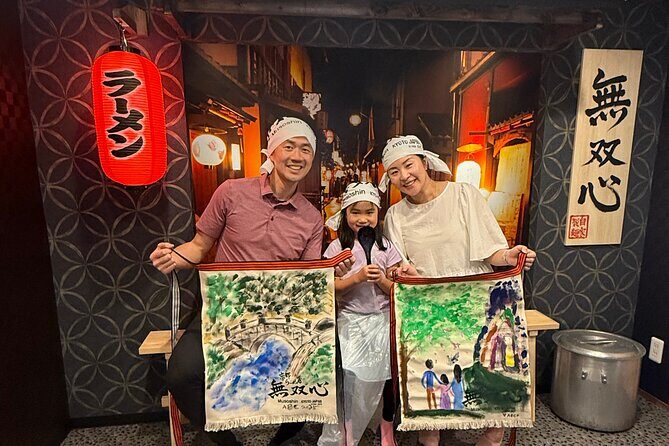
At $78.18 per person, you’re paying for more than a seat at a demo. You get a guided, hands-on ramen workshop, you eat the ramen you make, and you also get the bowl-painting activity plus a souvenir bandana.
A lot of food classes in Kyoto charge similarly, but many of them stop at tasting. This one adds two high-value experiences: cooking instruction that’s meant to teach you the method, and the chance to paint a bowl you can keep. If you’re the type who likes learning the basics you can recreate later, this is one of the better uses of time.
Two more value points that matter:
- The ingredients are brought from Musoshin Gion, and they’re tied to ramen prepared the day before. That means the class focuses on technique and assembly, not guessing ingredients on the fly.
- You get options: ramen can be made vegetarian or vegan, so you’re not forced into a single formula.
Hands-on ramen with Musoshin and Chef Shin
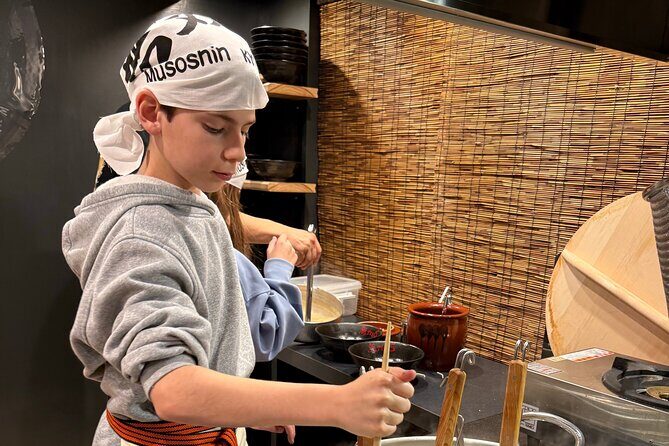
The cooking portion is run by Musoshin Ramen Academy, tied directly to Musoshin Ramen (the restaurant with multiple locations in Kyoto and Toronto). The academy is positioned as a ramen workshop in Kyoto run by a ramen restaurant, and that matters because you’re learning from people who cook this every day.
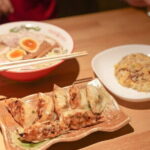
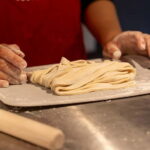
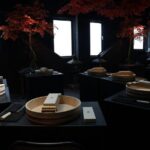
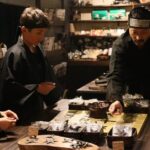
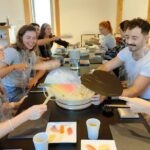
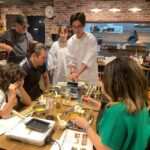
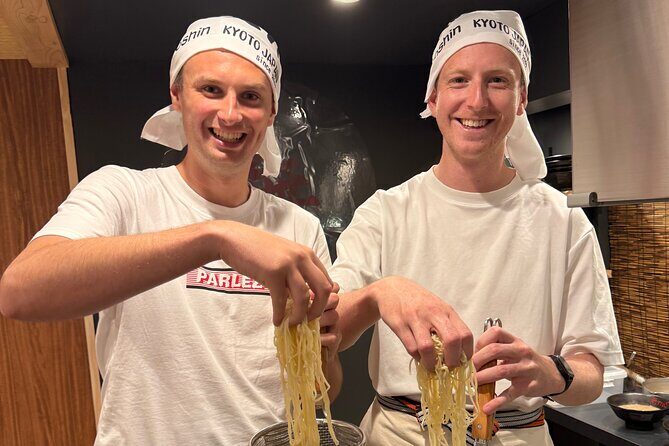
On the first floor, you’ll have a chef-led session where you make Michelin-starred ramen yourself. The practical part is that this isn’t just about taste—it’s about process. You’ll work through the steps, then enjoy the ramen you cooked.
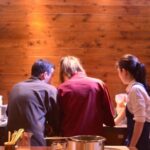
What I like about this setup is the chef connection. The workshop is hosted by the owner/chef Shin, and that personal touch shows up in the way the class is described: he’s enthusiastic, answers questions, and makes the whole method feel understandable. If you’ve ever left a cooking class thinking you ate well but didn’t learn much, this is built to avoid that.
Also pay attention to ingredient handling. The class uses ingredients brought from the nearby Musoshin Gion store, and those ingredients are for ramen made by the chef the day before. For you, that usually translates to steadier results during the workshop, so you spend your energy on technique instead of coping with ingredient variability.
Vegetable and vegan ramen swaps that still feel legit
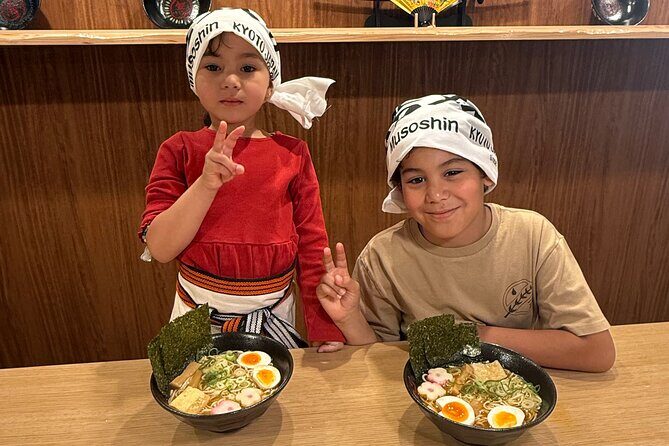
This is one of the rare cooking experiences in Japan that explicitly calls out vegetarian and vegan customers as part of the regular audience. You can request the ramen to be changed to vegetarian or vegan, and you’ll still be cooking in the same format.
For most people, the practical win is confidence. You can book without playing guessing games about what gets substituted. For vegetarians, that means you’re not forced into an option that’s basically a broth-less bowl. For vegans, it means the class aims to deliver a version that stays true to the ramen experience, not just a single stray salad component.
If you’re traveling with mixed diets, this is also smoother for planning. Instead of splitting groups or doing separate meals, the class is built around accommodating you within the same workshop flow.
Paint your ramen bowl, then bake it: souvenirs and timing
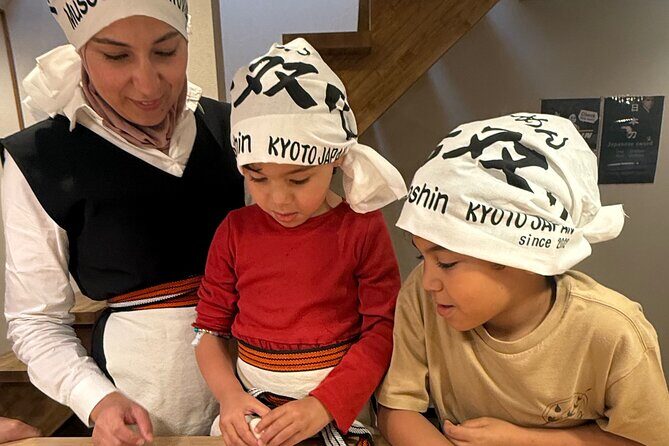
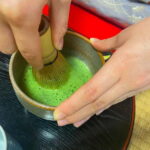
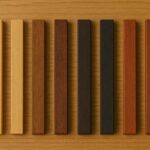
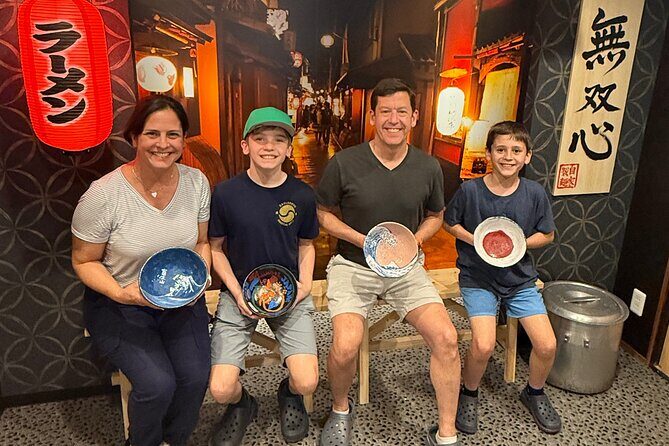
After cooking, you move to the ramen bowl painting on the second floor. This is where the day becomes more playful. You’ll paint your own bowl, and you can take it home as-is, already satisfying the souvenir itch.
Then there’s the free optional upgrade: you can put the painted bowl into a special oven to bake it. That matters because it turns your art into something you can use later, not just something fragile you need to store carefully.
Timing is the key detail here. If you choose the baked option, you’ll need to pick it up the next morning or later. In other words, you’re not walking away with everything finished in the same hour, but you’re also not paying extra for the baking step. Plan your Kyoto schedule accordingly so you can return at least the following day if you want that baked piece.
You also receive a bandana as a souvenir. It’s a small thing, but it’s practical and easy to pack, and it reinforces the “academy” feel rather than a one-off class.
You can also read our reviews of more tours and experiences in Kyoto

Temple stops between bites: Kiyomizu-dera, Kennin-ji, Sanjusangendo
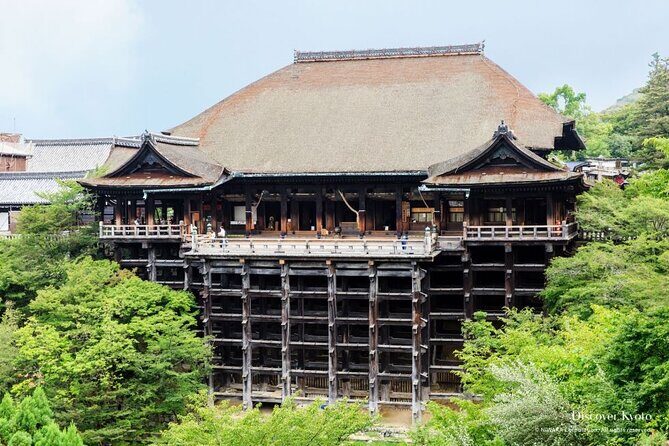
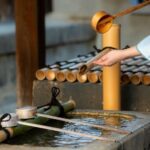
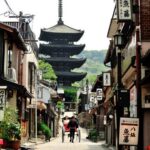
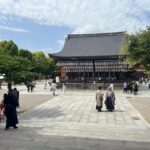
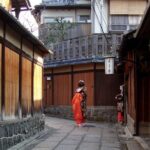
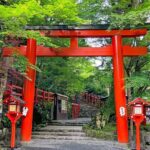
The temple portion adds atmosphere and context without turning this into a long history lecture. Your route includes Kiyomizu-dera Temple, Kennin-ji Temple, and Sanjusangendo Temple.
What you should take from this part is simple: it keeps you walking through Kyoto in a way that feels connected to the meal. You’re not doing temples after you’re done eating; you’re getting the setting first, then moving into the ramen workshop. It’s a nice rhythm if you like your travel days to have both culture and food.
Drawback: since the main focus is the ramen academy, the temple time won’t be a full, slow, solo deep visit to every corner. You’ll likely get enough to enjoy the mood and see the place, but you shouldn’t expect a long, detailed touring session at each stop.
Practical tip: wear comfy shoes. Even when a day looks light on paper, temple areas often involve steady walking on uneven ground.
Group size and scheduling that keeps things friendly
This is capped at a maximum of 12 travelers, which is a big deal for a hands-on class. Smaller groups usually mean you get clearer instruction and more chances to ask questions, especially with something technique-based like ramen assembly.
Duration is about 1 hour 30 minutes (approx.), so the workshop is designed for pace. That’s why the temple portion and the ramen portion are bundled efficiently rather than stretched out. It’s a good fit if you want a memorable food-and-art experience without burning an entire half-day.
You’ll also have a mobile ticket, and the tour is near public transportation. That’s useful in Kyoto, where it’s often easier to plan around trains and buses than to rely on taxis.
Who should book this 90-minute workshop
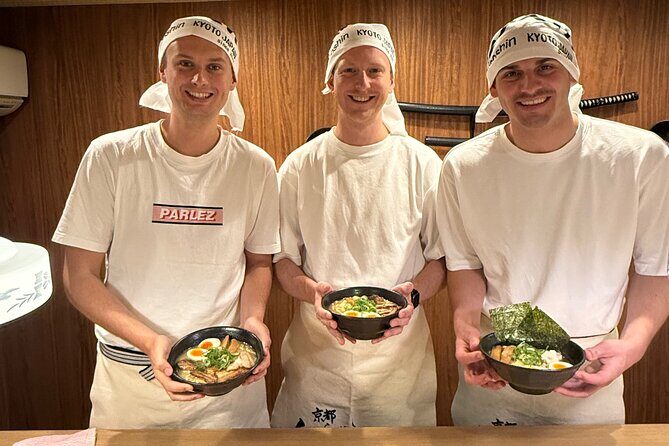
Book this if you want a ramen experience that’s not just eating, not just watching. The chef-led instruction, the fact that you cook Michelin-starred ramen, and the bowl painting all point to a “do it with your hands” style.
It’s also a great choice if you care about dietary needs. Vegetarian and vegan ramen options are built into the class, not tacked on as a last-minute workaround.
You may want to look elsewhere if your main goal is deep temple touring or if you prefer long, unhurried activities. This is a compact, structured plan. It’s designed to fit into a real travel itinerary, not replace one.
Should you book Musoshin Ramen Academy?
I’d book it if you like food lessons that feel serious but still fun. The strongest reason is the combination: Chef Shin teaches you the ramen process, you eat what you make, and you keep a painted bowl you can optionally bake for later use.
It’s also a smart value bet for the price because you’re getting both cooking and a craft souvenir, plus a bandana. If you’re the kind of traveler who remembers trips by what you can recreate at home, this hits that goal better than a simple ramen tasting.
One final decision tip: if you’re tight on time in Kyoto, decide early whether you’ll bake the bowl. Choosing the baking option means you’ll need to plan a pickup the next morning or later, so build in that return.
FAQ
How long is the Kyoto ramen bowl painting and Michelin cooking class?
It runs for about 1 hour 30 minutes (approx.).
Where is the meeting point?
The meeting point is 440-5 Nishigomonchō, Higashiyama Ward, Kyoto, 605-0816, Japan.
Is this experience a small group?
Yes. The maximum group size is 12 travelers.
Will I eat the ramen I make?
Yes. After cooking, you enjoy the delicious ramen you made yourself.
Can the ramen be vegetarian or vegan?
Yes. The ramen can be changed to vegetarian or vegan ramen.
What do I do with the bowl after painting it?
You can take the painted bowl home as-is. You can also put it in a special oven to bake it for free.
When do I pick up the baked bowl?
If you choose the baking option, you’ll need to pick up the baked bowl the next morning or later.
What is the cancellation policy?
You can cancel for a full refund up to 24 hours before the experience’s start time. If you cancel less than 24 hours in advance, the amount paid is not refunded.